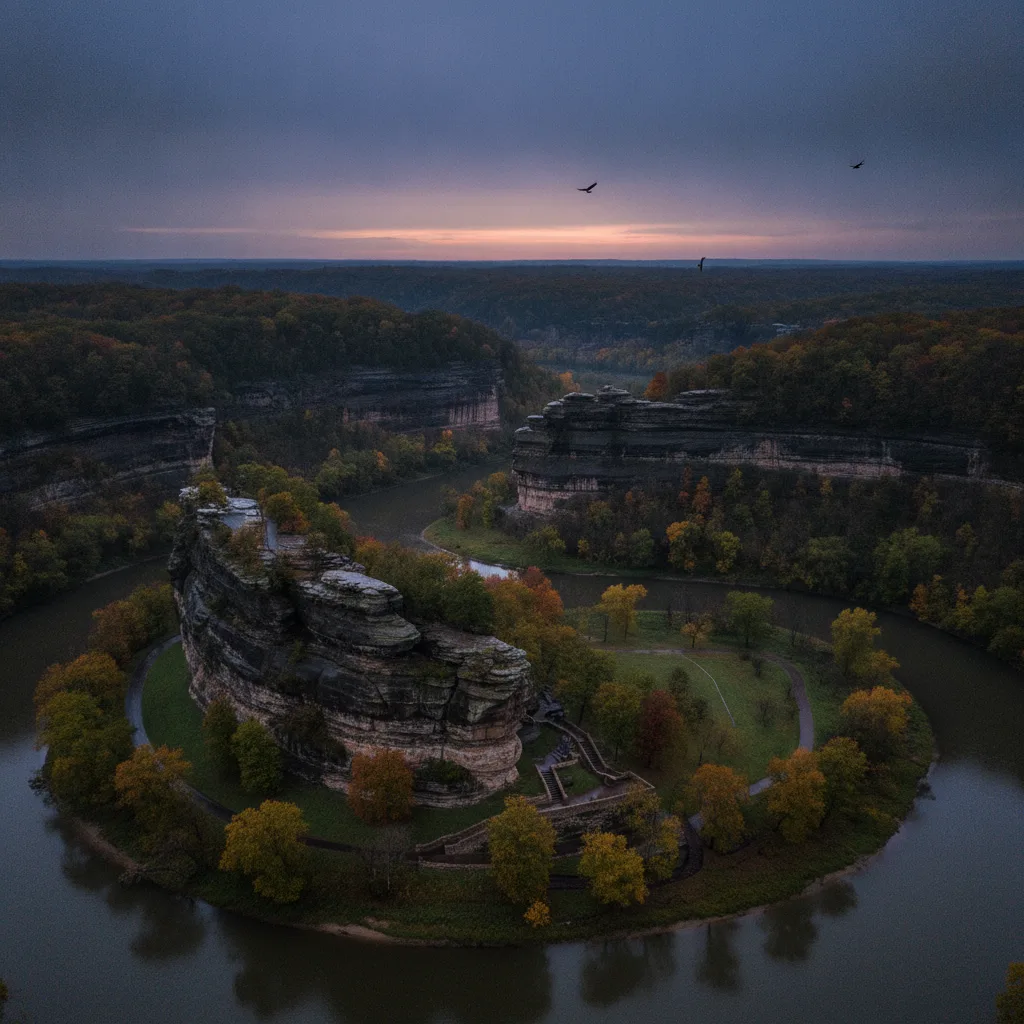
Welcome to our comprehensive guide to Starved Rock State Park Illinois, a true natural gem nestled along the Illinois River. Our team at Roam States has meticulously compiled everything you need to know for an unforgettable visit to this stunning destination. Forget generic travel advice; we're here to provide confident, specific insights that will help you navigate the park's dramatic canyons, seasonal waterfalls, and extensive trail system. Whether you're a seasoned hiker, a family looking for outdoor adventure, or simply seeking a tranquil escape into nature, Starved Rock State Park offers an experience unlike any other in the Midwest.
Why Visit Starved Rock State Park
Starved Rock State Park stands out as a premier natural attraction in Illinois, drawing visitors with its unique geological formations and lush landscapes. This designated National Historic Landmark is renowned for its deep canyons, carved by glacial meltwater, which host more than a dozen seasonal waterfalls. The park's dramatic sandstone bluffs, towering over the Illinois River, offer breathtaking panoramic views that transform with each season. We recommend a visit for anyone seeking a refreshing dose of nature's grandeur, from the vibrant wildflowers of spring to the fiery hues of autumn foliage. It's a place where you can truly disconnect and immerse yourself in the beauty of the Illinois wilderness, exploring a landscape that feels far removed from the surrounding flatlands.
Who It's Best For
Starved Rock State Park caters to a diverse range of visitors, making it an ideal destination for many. It's particularly well-suited for active travelers who enjoy hiking, as the park boasts 13 miles of trails leading to various overlooks and canyons. Families with children will find plenty to explore, with some trails offering easier access and the thrill of discovering waterfalls and unique rock formations. Nature photographers will be captivated by the ever-changing scenery, especially during spring when waterfalls are at their peak and in autumn for the spectacular fall colors. Birdwatchers will also appreciate the diverse avian life. While some trails can be challenging, the park offers options for various fitness levels, ensuring that almost everyone can find an enjoyable way to experience its beauty. We believe it's an excellent choice for couples seeking a romantic getaway, groups of friends looking for adventure, or solo travelers desiring solitude in nature.
Getting There & Parking
Understanding how to get to Starved Rock State Park and manage parking is crucial for a smooth visit. The park is located in Oglesby, Illinois, approximately 90 miles southwest of Chicago and 100 miles north of Springfield. If you're planning a USA road trip through the Midwest, Starved Rock is an excellent stop. We recommend using GPS navigation to reach the main Visitor Center, which is well-signposted once you approach the area. From major interstates like I-80 or I-39, follow signs for IL-178 or IL-71, which lead directly to the park.
Parking at Starved Rock State Park is free, but it can be extremely limited, particularly on weekends, holidays, and during peak seasons like spring (waterfall season) and fall (foliage season). Our team strongly advises arriving early in the day, ideally before 9:00 AM, especially if visiting on a busy day. Alternatively, arriving after 3:00 PM can also help secure a spot as earlier visitors begin to depart. Overflow parking areas are sometimes utilized, but these can still fill up quickly. Carpooling is an excellent strategy to minimize congestion. Keep in mind that specific parking lots may be designated for different trailheads or the Lodge, so pay attention to signage. For the most current information on parking availability and any temporary closures, we recommend checking the official Illinois Department of Natural Resources (IDNR) website before your visit.
Top Things to Do
When planning your trip, you'll find an abundance of things to do at Starved Rock State Park, catering to various interests and activity levels. Our team has identified the must-do experiences to ensure you make the most of your time:
- Hiking the Canyons and Trails: The park boasts 13 miles of well-maintained trails that lead to stunning overlooks and into the depths of its famous canyons. Exploring these trails is undoubtedly one of the best things to do at Starved Rock State Park.
- Chasing Waterfalls: Starved Rock is famous for its seasonal waterfalls, which are most impressive in the spring after snowmelt and heavy rains, or after significant summer downpours. St. Louis Canyon, French Canyon, Wildcat Canyon, and Ottawa Canyon are among the most popular spots to witness these cascades.
- Visiting the Starved Rock Overlook: A relatively easy walk from the Visitor Center leads to the iconic Starved Rock, offering expansive views of the Illinois River and the surrounding bluffs. This historic site provides a crucial perspective on the park's namesake.
- Exploring the Illinois River: The Illinois River forms the northern boundary of the park, offering opportunities for fishing, boating, and scenic river cruises. The Starved Rock Lodge often offers guided cruises during warmer months, providing a unique vantage point of the park's bluffs.
- Birdwatching: With its diverse habitats, Starved Rock is a haven for birdwatchers. Keep an eye out for bald eagles, especially during the winter months when they congregate along the unfrozen parts of the river.
- Visitor Center Exploration: The Starved Rock Visitor Center, open daily from 9:00 AM to 4:00 PM, provides valuable information about the park's geology, history, and wildlife. It's an excellent starting point for any visit, offering maps, exhibits, and knowledgeable staff.
- Photography: From the intricate ice formations in winter to the vibrant fall foliage, the park offers endless photographic opportunities throughout the year.
These things to do at Starved Rock State Park ensure a rich and varied experience for every visitor.
Starved Rock State Park Hiking Trails
The extensive network of Starved Rock State Park hiking trails is the heart of the park's appeal. Our team emphasizes that these trails offer an immersive experience into the park's unique geological features. With 13 miles of trails, ranging from easy strolls to more challenging climbs, there's a path for every adventurer. It's important to wear sturdy, closed-toe shoes, as trails can be uneven, muddy, or slippery, especially near waterfalls and canyon floors.
Some of the most popular Starved Rock State Park hiking trails include:
- St. Louis Canyon Trail: A moderate trail leading to one of the most picturesque canyons, featuring a stunning waterfall that often freezes into a magnificent icefall in winter.
- French Canyon Trail: Known for its dramatic, narrow canyon walls and a seasonal waterfall, this trail offers an easy, accessible walk into a captivating natural amphitheater.
- Wildcat Canyon Trail: This trail leads to the park's tallest waterfall and offers impressive views from the top of the bluff. It can be a more strenuous hike with stairs.
- Ottawa Canyon Trail: Another beautiful canyon trail with a seasonal waterfall, often less crowded than some of the more famous spots.
- Starved Rock Overlook Trail: A relatively short and accessible trail to the iconic Starved Rock, offering panoramic views of the Illinois River.
Always check the park's official website or the Visitor Center for current trail conditions and any closures, as sections may be inaccessible due to ice, flooding, or maintenance. We recommend carrying a map, plenty of water, and snacks, especially for longer hikes. The Starved Rock State Park hiking trails are well-marked, but a map can help you plan your route efficiently and ensure you don't miss any of the stunning viewpoints.
Best Time to Visit
Choosing the best time to visit Starved Rock State Park largely depends on what you hope to experience. Each season offers a distinct charm, but some periods are undeniably more popular and offer specific advantages:
- Spring (April-May): This is arguably the most popular time to visit, as the melting snow and spring rains feed the park's numerous seasonal waterfalls, making them flow vigorously. The canyons are lush with new growth, and wildflowers begin to bloom. Expect larger crowds, especially on weekends.
- Summer (June-August): Summer offers warm weather perfect for hiking and enjoying the Illinois River. While waterfalls may be less impressive without recent rain, the shade of the canyons provides a cool respite. It's an excellent time for boating and enjoying the park's other recreational activities. Weekdays are generally less crowded than weekends.
- Fall (September-October): Autumn brings a spectacular display of fall foliage, transforming the park into a vibrant tapestry of reds, oranges, and yellows. This is another peak season, drawing significant crowds, particularly for prime leaf-peeping weekends.
- Winter (November-March): While colder, winter offers a unique and serene experience. The waterfalls often freeze into magnificent icefalls, creating a dramatic and beautiful landscape. Bald eagles can be spotted along the unfrozen portions of the Illinois River. Crowds are significantly smaller, but some trails may be closed due to icy conditions.
Our team suggests that for waterfall enthusiasts, spring is paramount. For those seeking vibrant colors, fall is unbeatable. If you prefer fewer crowds and a tranquil experience, consider a weekday visit during the shoulder seasons or embrace the unique beauty of winter. Regardless of the season, arriving early in the day is always a good strategy to avoid parking issues and enjoy a more peaceful experience.
Where to Stay Nearby
When planning your visit to Starved Rock State Park, you'll find several excellent options for accommodations, ranging from rustic camping to comfortable lodge stays and nearby hotels. Our team recommends considering your preferred style of travel and booking well in advance, especially during peak seasons.
Starved Rock Lodge & Conference Center: Located directly within the park, the historic Starved Rock Lodge offers a convenient and charming stay. It features hotel rooms, cabins, and amenities like a restaurant, lounge, and indoor pool. Staying at the Lodge provides unparalleled access to the trails and a cozy retreat after a day of exploration. Reservations are highly recommended, often months in advance.
Hotels in Oglesby and Utica: The nearby towns of Oglesby and Utica offer a variety of hotel and motel options, including familiar chain hotels and local establishments. These provide a comfortable base with easy access to the park, typically just a short drive away. You'll find a range of price points to suit different budgets.
Vacation Rentals: For those seeking more space or a home-away-from-home experience, vacation rentals like cabins or houses are available in the surrounding area. These can be a great option for families or groups traveling together.
Other Nearby Destinations: While exploring Starved Rock, consider extending your trip to other Illinois attractions. We recommend visiting the Abraham Lincoln Presidential Library and Museum in Springfield for a dose of history, or the serene Allerton Park & Retreat Center for stunning gardens and architecture. For a unique cultural experience, Anderson Japanese Gardens in Rockford is also a fantastic choice. For more ideas on where to stay and what to do in the state, check out our guide to the best places in Illinois.
Starved Rock State Park Camping
For those who prefer to immerse themselves fully in nature, Starved Rock State Park camping offers an excellent option. The park's campground provides a rustic yet comfortable experience, allowing visitors to stay just moments away from the hiking trails and natural beauty. Our team believes that camping here is an ideal way to experience the park's early morning tranquility and stunning night skies.
The Starved Rock State Park Campground features 133 Class A campsites, which come equipped with electricity, showers, and flush toilets, providing essential amenities for a comfortable stay. These facilities make it a suitable option for both seasoned campers and those new to the experience. Reservations for campsites are strongly advised, especially if you plan to visit between April and October, which are the busiest months. You can typically book your site up to six months in advance through the ExploreMoreIL.com website, which is managed by the Illinois Department of Natural Resources. The nightly fee for an electric site is $25. It's important to note that primitive camping is not available within Starved Rock State Park, so all stays will be at the designated Class A sites. Planning ahead for your Starved Rock State Park camping trip ensures you secure a spot and can fully enjoy your outdoor adventure.
Sample 2-Day Itinerary
To help you make the most of your visit, our team has crafted a sample 2-day itinerary for Starved Rock State Park, balancing active exploration with opportunities for relaxation.
Day 1: Canyon Exploration & Scenic Views
- Morning (Early Start): Arrive at Starved Rock State Park early to secure parking and beat the crowds. Head directly to the Visitor Center to pick up a map and get current trail conditions.
- Late Morning: Begin your hiking adventure. We recommend starting with the French Canyon and St. Louis Canyon trails. These are relatively accessible and showcase some of the park's most iconic waterfalls and rock formations.
- Lunch: Pack a picnic to enjoy at one of the designated picnic areas, or grab a bite at the Starved Rock Lodge Restaurant.
- Afternoon: Hike to the Starved Rock Overlook for panoramic views of the Illinois River. From there, continue to explore Wildcat Canyon, known for its impressive waterfall and towering bluffs.
- Evening: Check into your accommodation at the Starved Rock Lodge or a nearby hotel. Enjoy dinner at the Lodge or one of the local restaurants in Utica or Oglesby.
Day 2: Further Exploration & River Views
- Morning: Head to the eastern side of the park to explore additional canyons like Ottawa Canyon and Kaskaskia Canyon. These trails can be a bit more challenging but offer equally rewarding scenery.
- Late Morning: Consider a scenic river cruise on the Illinois River (seasonal, check schedules with the Lodge) for a different perspective of the park's bluffs and wildlife. Alternatively, enjoy some birdwatching, especially for eagles in winter.
- Lunch: Enjoy lunch at a local eatery in Oglesby or Utica, perhaps trying some regional cuisine.
- Afternoon: Depending on your energy levels, revisit a favorite canyon, explore a new shorter trail, or browse the gift shop at the Visitor Center. If time allows, consider a short drive to nearby Matthiessen State Park for more hiking and waterfalls.
- Evening: Depart from Starved Rock State Park, or enjoy a final evening if you're extending your stay.
Is It Worth Visiting?
Without a doubt, our team confidently asserts that Starved Rock State Park is absolutely worth visiting. Its status as a National Historic Landmark and its unparalleled natural beauty make it a standout destination in the Midwest. For those wondering "is Starved Rock State Park worth visiting," we point to the unique combination of dramatic canyons, stunning seasonal waterfalls, and extensive hiking opportunities that you won't find elsewhere in Illinois.
The park offers a refreshing escape into nature, providing diverse experiences for hikers, photographers, families, and solo adventurers alike. The opportunity to witness bald eagles in winter, chase waterfalls in spring, or marvel at the vibrant fall foliage ensures that every season brings its own magic. While it can get crowded during peak times, strategic planning with an early arrival can mitigate this. The lack of an entrance fee further enhances its appeal, making it an accessible and valuable natural resource. We believe that anyone with an appreciation for the outdoors will find Starved Rock State Park to be a truly rewarding and memorable destination, solidifying why "is Starved Rock State Park worth visiting" is an easy question to answer with a resounding yes.
Frequently Asked Questions
What are some things to do in Oglesby?
Oglesby, Illinois, serves as a gateway to Starved Rock State Park and offers a few local attractions. Beyond the park, visitors can explore local dining establishments, browse small shops, and find convenient amenities. It's also a good base for visiting nearby Matthiessen State Park, which offers additional hiking and waterfalls.
Is Starved Rock State Park good for kids?
Yes, Starved Rock State Park is generally good for kids. Many families enjoy exploring the canyons and searching for waterfalls. Some trails, like the Starved Rock Overlook trail and the areas around the Visitor Center, are relatively easy and accessible for younger children. The Starved Rock Lodge also has a pool, which can be a hit with families. We recommend packing snacks, water, and ensuring children wear sturdy shoes for hiking.
What are some Starved Rock State Park tips?
Our top Starved Rock State Park tips include: arrive early, especially on weekends and holidays, to secure parking. Wear appropriate footwear for hiking, as trails can be uneven and muddy. Bring plenty of water and snacks. Check the park's official website for current trail conditions and any closures before your visit. Consider visiting during weekdays or in the off-season for fewer crowds. Finally, always practice Leave No Trace principles to preserve the park's beauty.
What is the parking situation at Starved Rock State Park?
Parking at Starved Rock State Park is free but can be very challenging on busy days. The main parking lots fill up quickly, especially on weekends, holidays, and during peak spring and fall seasons. Our team strongly recommends arriving before 9:00 AM or after 3:00 PM to increase your chances of finding a spot. Carpooling is also a good strategy. Be prepared for the possibility of having to wait for a parking space or using overflow lots if available.
What is the best time to visit Starved Rock State Park?
The best time to visit Starved Rock State Park depends on your priorities. For impressive waterfalls, spring (April-May) is ideal. For vibrant fall foliage, autumn (September-October) is spectacular. Both seasons are very popular, so expect crowds. Summer offers warm weather for hiking and river activities, while winter provides a serene experience with frozen waterfalls and opportunities to spot bald eagles.
What are Starved Rock State Park hours and fees?
Starved Rock State Park is open daily from 7:00 AM to sunset. The Visitor Center operates from 9:00 AM to 4:00 PM. There are no entrance fees to access Starved Rock State Park itself. However, if you plan to camp, there is a nightly fee for campsites, currently $25 for an electric site. Fees may also apply for specific activities like guided river cruises or accommodations at the Starved Rock Lodge.
Our team at Roam States has explored countless natural wonders across the US, and Starved Rock State Park consistently ranks as one of Illinois' most captivating destinations. Its unique blend of geological marvels, rich history, and diverse recreational opportunities truly sets it apart. We encourage every traveler to experience the dramatic beauty of its canyons and waterfalls firsthand. Plan your trip with our guide, and prepare for an adventure that will leave you refreshed and inspired.
Last updated: 2026-07-13 by the Roam States team.