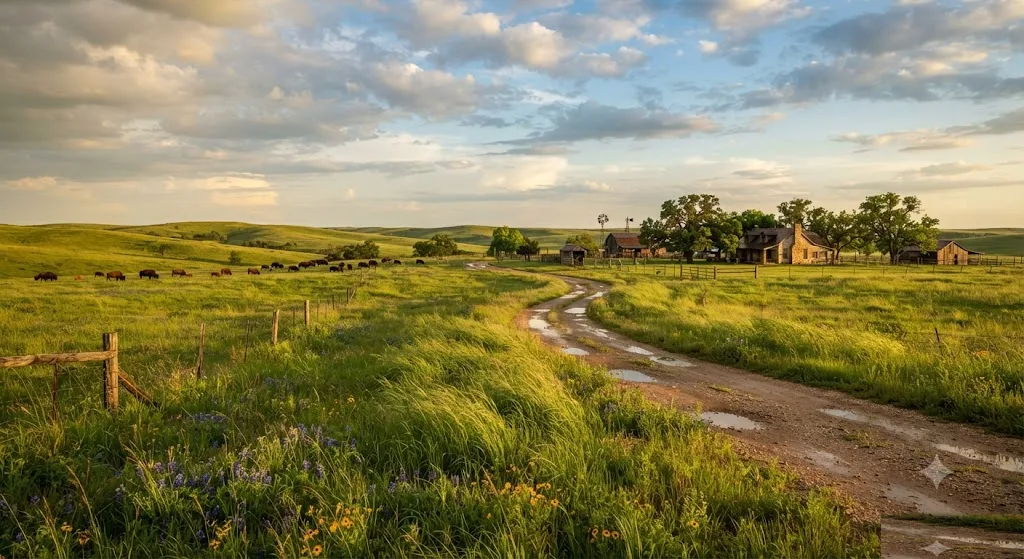
Tallgrass Prairie Preserve Travel Guide — Oklahoma
Our Tallgrass Prairie Preserve guide covers practical planning for Tallgrass Prairie Preserve Oklahoma — best time to visit, getting there, and what to do on the ground.
For those seeking an authentic encounter with America's natural heritage, the Joseph H. Williams Tallgrass Prairie Preserve in Oklahoma offers an unparalleled experience. This vast, protected expanse is the largest remaining remnant of tallgrass prairie in the world, providing a rare opportunity to witness thousands of bison roaming freely across an ancient landscape. Our team at Roam States has compiled this comprehensive guide to help you plan your visit to this magnificent natural wonder, ensuring you make the most of your time exploring the heart of the Osage.
Why Visit Tallgrass Prairie Preserve
The allure of the Tallgrass Prairie Preserve lies in its sheer scale and the raw, untamed beauty it preserves. This isn't just a park; it's a living testament to an ecosystem that once covered over 170 million acres of North America, now reduced to less than four percent of its original size. Here in Osage County, Oklahoma, The Nature Conservancy manages nearly 40,000 acres, dedicated to restoring and protecting this vital habitat.
When you visit, you're stepping back in time to an era when bison herds dominated the plains. The sight of these majestic animals, North America's largest land mammal, grazing against the backdrop of rolling hills and swaying grasses is truly unforgettable. Beyond the iconic bison, the preserve is a biodiversity hotspot, home to over 700 plant species, 300 bird species, and 80 mammal species, including white-tailed deer, coyotes, and bobcats.
It's a place for quiet contemplation, for reconnecting with nature, and for understanding the profound ecological and cultural significance of the prairie. Whether you're a photographer, a birdwatcher, a history enthusiast, or simply someone looking for a peaceful escape into a unique landscape, the Tallgrass Prairie Preserve Oklahoma offers a deeply enriching experience.
Who It's Best For
The Tallgrass Prairie Preserve caters to a diverse range of visitors, though certain groups will find it particularly appealing. It's an ideal destination for nature lovers, wildlife photographers, and birdwatchers who appreciate expansive, undisturbed natural environments. The opportunity to observe bison in their natural habitat is a major draw, offering incredible photographic opportunities and a sense of awe.
Hikers will find designated trails that immerse them in the prairie ecosystem, from short nature walks to longer, more challenging routes. Families with children will enjoy the chance to see large animals and learn about conservation, though young children may find longer hikes challenging due to the lack of shade. History buffs will appreciate the cultural context of the prairie and its connection to Native American tribes and early ranching.
We recommend it for anyone seeking solitude and a break from urban environments. The vastness of the prairie provides a profound sense of peace and an opportunity for introspection. It's not a theme park, nor is it designed for high-adrenaline activities. Instead, it's a place for quiet observation, appreciation, and learning.
Getting There & Parking
Understanding how to get to Tallgrass Prairie Preserve is straightforward, though a bit off the beaten path, which is part of its charm. The Joseph H. Williams Tallgrass Prairie Preserve is located in Osage County, Oklahoma, approximately 17 miles northeast of Pawhuska.
For most visitors, driving is the primary mode of transportation. We recommend setting your GPS to "Joseph H. Williams Tallgrass Prairie Preserve" or "Tallgrass Prairie Preserve Visitor Center" in Pawhuska, Oklahoma. Both entries should direct you to the main visitor facilities. The preserve is accessible via county roads, which are generally well-maintained.
Upon arrival, you'll find ample parking available at the Visitor Center. There is no entrance fee to access the preserve, and parking is also free. It's important to note that personal vehicles are generally not allowed on the hiking trails themselves, with foot traffic being the primary means of exploration beyond the designated driving loop. Always check the preserve's official website or call ahead for any current road conditions or temporary closures, especially during adverse weather.
Top Things to Do
Exploring the Joseph H. Williams Tallgrass Prairie Preserve offers a variety of experiences centered around its unique ecosystem and resident bison herds. Here are the things to do at Tallgrass Prairie Preserve that our team highly recommends:
- Drive the 15-Mile Bison Loop: This is arguably the most popular activity and a must-do for any visitor. The preserve features a 15-mile driving loop that takes you directly through the heart of the bison territory. This allows for excellent wildlife viewing from the safety and comfort of your vehicle. You can often see large herds grazing near or even crossing the road. Remember to maintain a safe distance from the bison—they are wild animals and can be unpredictable.
- Hike Designated Trails: Immerse yourself in the prairie by exploring its designated hiking trails. While specific named trails like those in the Kansas preserve are not as prominently listed for the Oklahoma site, the preserve offers trails for foot traffic only. Near Salt Creek, you'll find a short nature trail and a longer 2-mile trail that ascends to overlooks, providing panoramic views of the creek and riparian forest. These trails offer a chance to experience the tallgrass up close, observe smaller wildlife, and enjoy the vast, open skies.
- Visit the Visitor Center: Start your visit at the preserve's Visitor Center. Here, you can gather information, pick up maps, and learn about the history, ecology, and conservation efforts of the tallgrass prairie. The Visitor Center also houses a restored cowboy bunkhouse, offering a glimpse into the area's ranching past. Docents are often on duty to answer questions and provide insights.
- Wildlife Viewing and Photography: Beyond bison, the preserve is a haven for diverse wildlife. Keep an eye out for white-tailed deer, coyotes, bobcats, and a wide array of bird species, including prairie chickens in the spring. The expansive landscape and dramatic skies also make for incredible photography opportunities, especially during sunrise and sunset. Bring binoculars for enhanced viewing.
- Picnic with a View: Pack a lunch and enjoy a picnic at one of the designated picnic areas. There are picnic tables available near the Visitor Center. It's a perfect way to relax and soak in the serene environment.
When considering things to do at Tallgrass Prairie Preserve, remember that the focus is on natural immersion. We encourage visitors to embrace the tranquility and respect the wild nature of the preserve.
Best Time to Visit
The Tallgrass Prairie Preserve offers a unique experience in every season, but certain times of the year stand out for specific attractions. Our team recommends visiting during the spring and fall for the most comfortable weather and vibrant natural displays.
- Spring (Late March - Early June): This is a spectacular time to visit. Late March through early May is when prairie chickens perform their distinctive "booming" courtship displays at sunrise. By April, signature grasses like big bluestem and switchgrass begin to thrive, and wildflowers start to emerge. Mid-May brings the arrival of 600-700 bison calves, frolicking across the prairie, and by mid-May through mid-June, the fields are often covered in blankets of colorful wildflowers. Temperatures are generally mild, making it ideal for hiking.
- Summer (July - August): While the prairie is lush and green after spring rains and field burnings, summer can be hot and humid with temperatures regularly hitting 35°C (95°F) or higher, and there is little to no shade on the open prairie. If visiting in summer, we advise going early in the morning or late in the evening to avoid the peak heat. Bring plenty of water and wear sun protection.
- Fall (September - October): Often considered a "sweet spot" for visiting, fall offers cooler temperatures and a different kind of beauty. The tall grasses reach their maximum height in late September and October, creating a "sea of grass" that turns red and gold, providing the prairie's version of fall colors. This is also a good time for bison viewing as the grass is shorter after burns, making them easier to spot.
- Winter (November - March): Winter is quiet and cold, with the grass dormant. However, the bison herd is visible year-round and often easier to spot against the shorter, dormant grasses. If you seek solitude and a stark, beautiful landscape, winter can be a rewarding time, with fewer visitors.
Regardless of the season, we recommend checking weather updates and the preserve's website before your visit, as conditions can vary.
Where to Stay Nearby
While camping is not permitted within the Joseph H. Williams Tallgrass Prairie Preserve itself, there are several excellent Tallgrass Prairie Preserve lodging options in the nearby town of Pawhuska, Oklahoma, and surrounding areas.
Pawhuska, located approximately 17 miles southwest of the preserve, has become a popular destination, offering a range of accommodations from boutique hotels to vacation rentals.
- Boutique Hotels in Pawhuska: For a charming and comfortable stay, consider the Frontier Hotel Pawhuska. It's centrally located and highly rated, offering modern amenities and easy access to downtown attractions. The Pioneer Woman Boarding House and the Hotel Whiting also provide luxurious boutique experiences in historic downtown Pawhuska.
- Casino Hotels: The Osage Casino Hotel Pawhuska offers another option, providing a blend of entertainment and comfort.
- Vacation Rentals and Cottages: Pawhuska and the surrounding countryside feature numerous vacation rentals, including cozy cottages and larger homes, perfect for families or those seeking a more private stay. Options like "Haven on the Hill" or "Tiny Flamingo's Nest" are popular choices, often within walking distance or a short drive of Pawhuska's main attractions. You can also find rustic cabins, such as those at Osage Hills State Park, or the Lodge at Taylor Ranch, which offer beautiful countryside vistas.
- Hotels in Bartlesville: Bartlesville, about 30 minutes away, provides additional hotel chains and lodging options for those who prefer more conventional accommodations.
When planning your Tallgrass Prairie Preserve lodging, we recommend booking in advance, especially during peak seasons, as Pawhuska's popularity has grown significantly.
Sample 2-Day Itinerary
To fully appreciate the Joseph H. Williams Tallgrass Prairie Preserve and its surroundings, we suggest a two-day itinerary, allowing for both immersive nature experiences and exploration of local culture.
Day 1: Immersion in the Tallgrass Prairie
-
Morning (8:00 AM - 12:00 PM): Arrive and Explore the Preserve
Begin your day by driving to the Tallgrass Prairie Preserve Visitor Center near Pawhuska. Arrive early to make the most of the cooler morning temperatures. Pick up a map and chat with a docent for current conditions and bison sightings. Embark on the 15-mile bison driving loop, taking your time to observe the herds and the expansive landscape. Remember to stay in your vehicle when near bison. After the drive, explore the Visitor Center and the restored cowboy bunkhouse.
-
Lunch (12:00 PM - 1:00 PM): Picnic at the Preserve or Head to Pawhuska
Enjoy a packed lunch at one of the picnic tables near the Visitor Center, or head into Pawhuska for a meal at one of its local eateries.
-
Afternoon (1:00 PM - 5:00 PM): Hike the Trails & Scenic Overlooks
Dedicate the afternoon to hiking. Choose one of the designated trails near Salt Creek, such as the short nature trail or the 2-mile trail that offers overlooks. These trails provide a different perspective of the prairie, allowing you to appreciate the diverse plant life and perhaps spot smaller wildlife. Wear sturdy shoes and bring plenty of water, as shade is limited.
-
Evening: Pawhuska Dining & Stargazing
Return to Pawhuska for dinner. The town offers a variety of dining options, including The Pioneer Woman Mercantile. After dinner, if the sky is clear, consider returning to a designated scenic turnout at the preserve for unparalleled stargazing—the lack of light pollution makes for a brilliant night sky.
Day 2: Culture, History & Nearby Exploration
-
Morning (9:00 AM - 12:00 PM): Pawhuska's Pioneer & Osage Heritage
Start your second day exploring Pawhuska's rich history and culture. Visit The Pioneer Woman Mercantile for breakfast and some shopping. Then, delve into the heritage of the Osage Nation at the Osage Nation Museum, the oldest tribally-owned museum in the country. You might also visit the Osage County Historical Society Museum or the Ben Johnson Cowboy Museum.
-
Lunch (12:00 PM - 1:00 PM): Downtown Pawhuska
Enjoy lunch at another of Pawhuska's charming restaurants.
-
Afternoon (1:00 PM - 5:00 PM): Nearby Natural or Cultural Sites
Depending on your interests, choose one of these options:
- Nature Enthusiasts: Head to nearby Osage Hills State Park for more hiking, picnicking, or simply enjoying a different natural setting. This park offers cabins if you prefer a different overnight experience.
- Art & History Buffs: Consider a visit to Woolaroc Museum & Wildlife Preserve, a short drive from Pawhuska. This ranch, museum, and wildlife preserve offers a fascinating collection of Western art, Native American artifacts, and exotic animals. You can find more information about it at Woolaroc Museum & Wildlife Preserve.
-
Evening: Depart or Enjoy One Last Pawhuska Evening
Enjoy a final dinner in Pawhuska before heading home, or if time allows, catch a show at the historic Constantine Theater.
This itinerary provides a balanced approach to experiencing the Tallgrass Prairie Preserve Oklahoma and its surrounding cultural gems. For more ideas on exploring the state, check out our guide to Best places in Oklahoma.
Is It Worth Visiting?
Without a doubt, our team believes the Joseph H. Williams Tallgrass Prairie Preserve is worth visiting. For those who appreciate natural beauty, wildlife, and a profound sense of peace, it offers an experience unlike almost anywhere else in the world. The preserve protects the largest remnant of tallgrass prairie, an ecosystem that is critically endangered, making a visit here not just a trip, but an encounter with a vital piece of natural history.
The opportunity to see thousands of bison roaming free across vast landscapes is a truly unique and moving spectacle. Unlike many crowded national parks, the Tallgrass Prairie Preserve often provides a sense of solitude, allowing for a deeper connection with the environment. The sheer scale of the prairie, the vibrant wildflowers in spring, and the dramatic skies make it a photographer's dream.
While it may not have the towering mountains or dramatic canyons of some other national treasures, its subtle beauty and ecological significance are deeply impactful. If you're wondering is Tallgrass Prairie Preserve worth visiting, our unequivocal answer is yes. It's an essential destination for anyone looking to understand and appreciate the natural heritage of the American Great Plains. For a broader perspective on planning your adventures, consult our Plan Your US Trip guide.
Tallgrass Prairie Preserve Hiking Trails
The Joseph H. Williams Tallgrass Prairie Preserve offers designated Tallgrass Prairie Preserve hiking trails that allow visitors to delve into the heart of this unique ecosystem. While the preserve emphasizes foot traffic to protect the delicate environment, the trails provide ample opportunity for exploration and wildlife observation.
Near the Visitor Center and Salt Creek, you'll find accessible hiking options. These include a shorter nature trail, perfect for a leisurely stroll, and a more extensive 2-mile trail. This longer trail climbs to various overlooks, offering stunning panoramic views of the creek and the gallery forest that thrives along its banks. These paths are designed to immerse you in the tallgrass, where you can observe the diverse plant life and listen for the sounds of prairie birds.
It's important to remember that the Tallgrass Prairie Preserve hiking trails are rustic, consisting of mowed paths and old ranch roads. There is very little shade, so we strongly advise wearing appropriate footwear, bringing plenty of water, and applying sunscreen and insect repellent, especially during warmer months. Always stay on designated trails to protect the fragile ecosystem and for your safety, particularly when bison are present. Dogs are not permitted on the trails to protect ground-nesting birds and other sensitive wildlife.
FAQ
Tallgrass Prairie Preserve camping
Camping is not permitted within the Joseph H. Williams Tallgrass Prairie Preserve. The preserve is dedicated to conservation and does not offer facilities for overnight stays, including tent camping or RV parking. However, nearby options for camping can be found at Osage Hills State Park, which offers cabins and campsites. For broader road trip planning that might include camping, see our USA Road Trip Planner.
things to do in Pawhuska
Pawhuska, Oklahoma, is a vibrant town with a rich history and plenty of attractions. Beyond being the gateway to the Tallgrass Prairie Preserve, visitors can explore The Pioneer Woman Mercantile for shopping and dining, delve into Native American history at the Osage Nation Museum, or learn about cowboy culture at the Ben Johnson Cowboy Museum. The historic downtown itself is worth a stroll, with many buildings listed on the National Register of Historic Places.
Tallgrass Prairie Preserve with kids
The Tallgrass Prairie Preserve can be a fantastic educational experience for kids. The main attraction for families is the 15-mile bison driving loop, where children can safely observe thousands of bison in their natural habitat. The Visitor Center provides educational displays, and shorter nature trails offer easy walks. We recommend bringing binoculars for wildlife spotting, snacks, and plenty of water, as well as planning for limited shade.
best hotels near Tallgrass Prairie Preserve
The best hotels near the Tallgrass Prairie Preserve are primarily located in Pawhuska, Oklahoma. Top recommendations include the Frontier Hotel Pawhuska, known for its central location and amenities, and the Osage Casino Hotel Pawhuska. For a more unique stay, The Pioneer Woman Boarding House offers a boutique experience, and numerous highly-rated vacation rentals and cottages are available throughout Pawhuska.
Tallgrass Prairie Preserve tips
Our key tips for visiting the Tallgrass Prairie Preserve include: always stay a safe distance from bison (at least 100 yards) and never approach them on foot; remain on designated trails to protect the ecosystem; bring plenty of water, sunscreen, and insect repellent due to limited shade; check the Visitor Center hours in advance as they vary; and remember that dogs are not permitted on the preserve.
where to stay near Tallgrass Prairie Preserve
For accommodations near the Tallgrass Prairie Preserve, we recommend focusing on Pawhuska, Oklahoma. This charming town, about 17 miles from the preserve, offers a range of options including boutique hotels like the Frontier Hotel, the Osage Casino Hotel, and numerous vacation rentals and cottages. For additional natural beauty and lodging, consider cabins at Osage Hills State Park. You can also explore other Oklahoma destinations like Chickasaw National Recreation Area or Beavers Bend State Park.
Conclusion
The Joseph H. Williams Tallgrass Prairie Preserve in Oklahoma stands as a monumental testament to a vanishing American landscape. Our team at Roam States wholeheartedly recommends a visit to this extraordinary place, where the vastness of the prairie and the freedom of roaming bison offer a truly profound and unforgettable experience. It's an opportunity to connect with nature on a grand scale, to witness a vital ecosystem, and to appreciate the quiet power of conservation. Plan your trip, embrace the wide-open spaces, and let the Tallgrass Prairie Preserve Oklahoma reveal its timeless beauty to you.
Last updated: 2026-07-13 by the Roam States team.