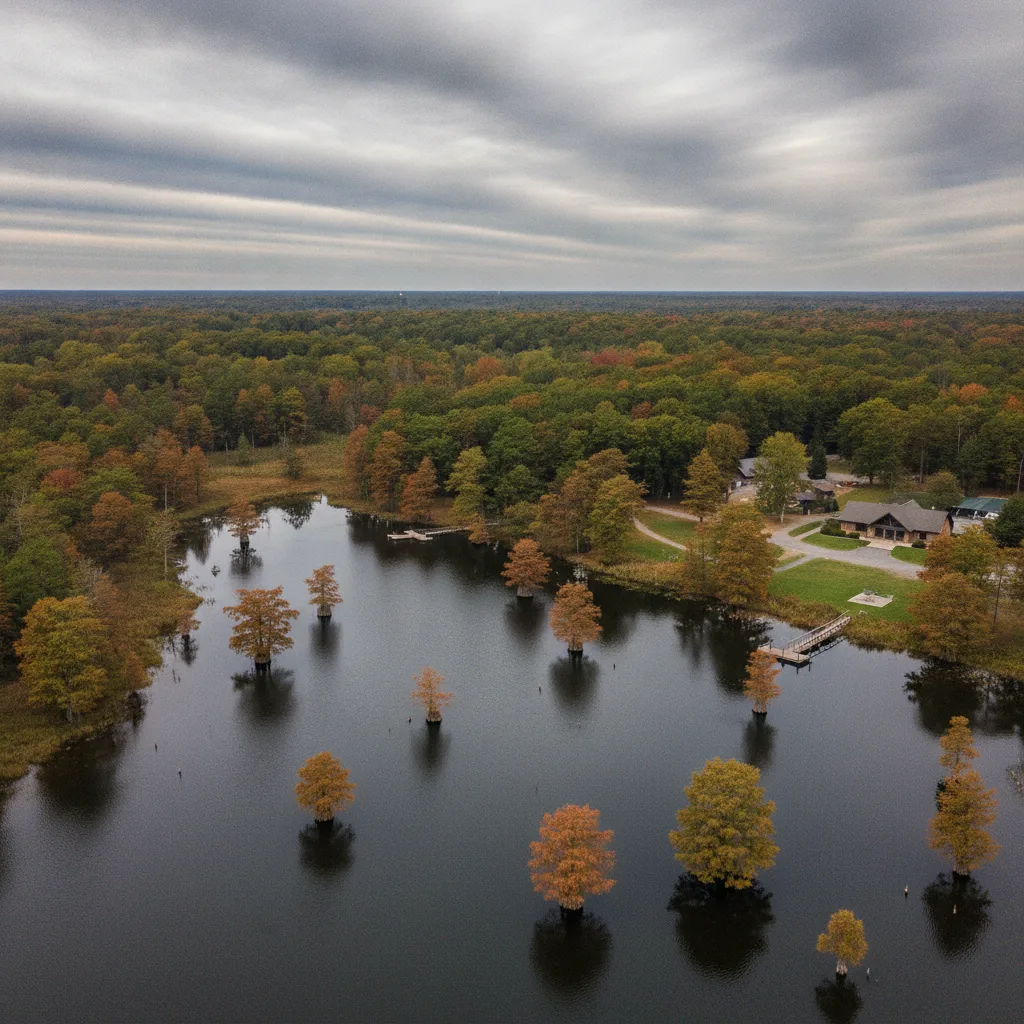
We're here to tell you that this often-overlooked gem in Laurel, Delaware, offers a truly unique East Coast experience. As the Visit America editorial team, we've explored the length and breadth of the US, and we confidently assert that Trap Pond stands out for its ancient bald cypress swamp, a northernmost natural wonder that transports you to a different world. Forget generic travel fluff; we're providing the specific, actionable insights you need to plan an unforgettable trip to this remarkable state park.
Why Visit Trap Pond State Park
There's a singular magic to Trap Pond State Park Delaware that sets it apart from other natural areas in the Mid-Atlantic. What draws us back, time and again, is the park's iconic bald cypress swamp – the northernmost naturally occurring stand of bald cypress trees in the United States. These ancient, stately trees, with their distinctive "knees" emerging from the water, create an otherworldly landscape that is both serene and captivating. It's a place where you can truly disconnect and immerse yourself in a unique ecosystem, rich with diverse plant, fish, and bird species.
Beyond the stunning scenery, Trap Pond offers a remarkable array of activities that cater to all types of outdoor enthusiasts. Whether you're gliding silently through the cypress-lined water trails in a kayak, exploring the extensive network of hiking and biking paths, or simply enjoying a peaceful picnic by the water, the park provides ample opportunities for recreation and relaxation. The Baldcypress Nature Center further enriches the experience, offering educational programs and exhibits that delve into the park's history, ecology, and its connection to the Chesapeake Bay watershed. We believe that visiting Trap Pond State Park is not just a trip; it's an opportunity to witness a rare natural phenomenon and engage with the outdoors in a profoundly beautiful setting.
Who It's Best For
Trap Pond State Park is an ideal destination for a diverse range of visitors, making it a truly inclusive natural escape. Our team finds it particularly well-suited for nature lovers, birdwatchers, and anyone seeking a peaceful retreat from the hustle and bustle of everyday life. The tranquil waters and dense forests provide a haven for wildlife, offering fantastic opportunities for birding, including spotting elusive pileated woodpeckers.
Families will also find Trap Pond to be an excellent choice. With playgrounds, easy hiking trails like the Bob Trail that are suitable for children, and engaging interpretive programs at the nature center, there's plenty to keep younger visitors entertained and educated. The park's campground, with its mix of RV, tent, and cabin sites, fosters a vibrant, family-friendly atmosphere. Paddlers, from beginners to experienced kayakers, will revel in the more than nine miles of water trails and open water for exploration. Even those looking for a quiet, scenic spot for a picnic or a leisurely stroll will find their niche here. While swimming is not permitted in Trap Pond, the sheer variety of other outdoor pursuits ensures that nearly everyone can find something to love about this unique Delaware state park.
Getting There & Parking
Navigating to Trap Pond State Park is straightforward, and the park is easily accessible from various points in the Mid-Atlantic region. The park is located at 15702 Goosenest Road, Laurel, DE 19956. Clear signage guides you to the entrance, and GPS navigation works reliably in the area. For those driving, the park is approximately 15 miles from Salisbury, MD, 35 miles from Rehoboth Beach, DE, 50 miles from Dover, DE, and about 100 miles from Baltimore, MD, or Washington, D.C..
When it comes to parking at Trap Pond State Park, visitors will find ample space. There are designated parking areas at the Day Use Area, near the Baldcypress Nature Center, and at the campground. For those staying overnight, one vehicle is typically allowed to park at each campsite with a pass, and overflow parking is available for additional vehicles, though daily entrance fees will apply for these extra cars. It's worth noting that park entrance fees are in effect from March 1 through November 30. For Delaware-registered vehicles, the daily entrance fee for inland parks like Trap Pond is $5, while non-Delaware registered vehicles will pay $10. An annual pass, which costs $50 for Delaware residents and $100 for non-residents in 2026, can provide significant savings for frequent visitors. These passes can be purchased online or at park offices. We always recommend checking the official Delaware State Parks website for the most current fee schedule and any potential updates on parking regulations, especially during peak seasons.
Top Things to Do
When you visit Trap Pond State Park, you're not just observing nature; you're immersing yourself in it. Our team has curated a list of the top things to do at Trap Pond State Park, ensuring you experience the best of this unique natural area.
Paddling the Bald Cypress Swamp
Undoubtedly, the most iconic activity here is paddling through the bald cypress swamp. Rent a canoe, kayak, or pedal boat from the park's rental service and navigate the tranquil water trails. This is one of the essential things to do at Trap Pond State Park. The experience of gliding among the ancient cypress trees, with their "knees" rising from the water, is truly unforgettable. The park boasts over nine miles of water trails for exploration, allowing you to get up close with the park's unique flora and fauna. Pontoon boat tours are also available, offering a guided, interpretive journey into the cypress swamp, with adult tickets priced at $8 and children (12 and under) at $4 for a one-hour tour in 2026. Reservations for pontoon tours can be made by calling the Baldcypress Nature Center.
Exploring Trap Pond State Park Hiking Trails
For those who prefer terra firma, Trap Pond State Park hiking trails offer abundant opportunities to explore the diverse landscapes. The park features several trails, including the popular Bob Trail, a 4.5-mile loop that encircles Trap Pond and connects the day-use area, campground, and Baldcypress Nature Center. This multi-use trail is suitable for hiking and biking, offering pondside views of the cypress swamp and excellent birdwatching opportunities. The American Holly Trail is another option, a shorter loop that meanders along the pond's edge and connects with the Bob Trail. These Trap Pond State Park hiking trails provide intimate views into the freshwater wetlands and hardwood forests, allowing you to witness abundant wildlife and wildflowers. Free bike rentals are even available during the summer months.
Camping Amidst the Pines
Trap Pond's campground is a beloved feature, offering a vibrant camping culture and scenic views. With RV and tent sites, as well as climate-controlled cabins and yurts, there are options for every camping style. The rustic, two-room camping cabins are located next to the water, featuring a screened-in porch, living area, and a bedroom with a double bed and bunk beds, sleeping up to four adults. They include A/C and heat for year-round comfort. Cabins 09 and 10 are pet-friendly, though smoking is prohibited inside all cabins and yurts. Campsite rates vary, and reservations are highly recommended, especially during peak season (March 1 to November 30). You can make reservations online 24/7 or by contacting the park office.
Visiting the Baldcypress Nature Center
The Baldcypress Nature Center is an essential stop for anyone wanting to delve deeper into the park's natural and cultural history. Open daily from 10 a.m. to 4 p.m. from April 29 to October 4, 2026, and Wednesday to Sunday during the off-season, it features unique exhibits, including an 18-foot replica bald cypress tree and a 500-gallon floor aquarium showcasing local fish species. The center offers educational programs and activities, providing insights into past cultures and the importance of watersheds.
Fishing and Birdwatching
Trap Pond is a prime location for both fishing and birdwatching. Anglers can cast their lines for crappie, pickerel, and catfish. Birdwatchers, meanwhile, will be delighted by the diverse avian population, with opportunities to spot bald eagles, warblers, and various woodpeckers. The Bob Trail is particularly noted as an excellent spot for birdwatching.
Special Events and Programs
Throughout the year, Trap Pond State Park hosts a variety of special events and interpretive programs. These can range from guided hikes and Saturday morning bird walks (April – September) to freshwater seining and summer concert series. The annual Trap Pond Nature Festival, typically held in April, is a popular event featuring nature exhibitors, local crafters, and food vendors. We advise checking the Delaware State Parks website for a current schedule of upcoming programs and events, as many require pre-registration.
Best Time to Visit
Choosing the best time to visit Trap Pond State Park largely depends on your preferred activities and tolerance for crowds. Our team generally recommends the fall season for an optimal experience. Fall delivers the best conditions, with daytime highs ranging from the upper 50s to low 70s°F and crisp mornings that are ideal for paddling through the cypress swamp. Leaf color typically peaks in mid-to-late October, transforming the park into a vibrant tapestry of reds, oranges, and yellows, and mercifully, mosquitoes begin to recede after the summer humidity. Fishing and birding also pick up as waterfowl arrive, making it a fantastic time for wildlife enthusiasts. Weekdays in the fall see lighter crowds, though holiday weekends can still fill up quickly.
Spring and early summer are also excellent, offering mild, dry days perfect for water trails and forest hikes. However, be mindful that early spring can still bring seasonal bugs. Summer brings warmer afternoons, which are great for pontoon rides and enjoying the park's amenities, but it's also the busiest season with higher temperatures and humidity. The park is open year-round for visitation and camping, with winter temperatures hovering between 30°F and 50°F, making it suitable for bracing hikes and comfortable camping if you're prepared with layers. The Baldcypress Nature Center has varying hours; from April 29 to October 4, 2026, it's open daily from 10 a.m. to 4 p.m., but from October 8, 2025, to April 28, 2026, it's closed on Mondays and Tuesdays. Always check the official park website for specific event schedules and any potential seasonal closures.
Where to Stay Nearby
While Trap Pond State Park offers fantastic camping opportunities, our team understands that not everyone prefers to rough it. Fortunately, there are several comfortable lodging options in nearby towns that provide convenient access to the park and other Southern Delaware attractions. Laurel, the closest town, offers a charming historic district and local dining, though dedicated hotels within the immediate town are limited.
For a broader selection of hotels, we recommend looking towards Salisbury, Maryland, which is approximately 15 miles away. Here, you'll find a range of familiar hotel brands such as Hampton Inn Salisbury, Courtyard Salisbury, and Best Western Salisbury Plaza, offering amenities like free breakfast, WiFi, and pools. Salisbury also provides easy access to the Salisbury/Ocean City-Wicomico Regional Airport.
Another excellent option is Seaford, Delaware, about 11 miles from Trap Pond. Hotels like Comfort Suites Seaford and Days Inn & Suites by Wyndham Seaford offer comfortable stays with good amenities. For those interested in a more unique, local experience, bed and breakfasts like Gillis Grier Bed & Breakfast in Salisbury or vacation rentals in nearby Blades, Delmar, or Millsboro can provide a cozy "home away from home" feel. Many of these rentals, especially in Millsboro, might even feature private pools or jacuzzis, perfect for relaxing after a day of exploring.
If you're planning to extend your trip to include Delaware's famous beaches, consider staying further east in towns like Rehoboth Beach or Lewes. While a bit further (Rehoboth is about 35 miles away), these areas offer a different coastal vibe and a wider array of resorts, restaurants, and attractions, such as the Rehoboth Beach & Boardwalk or Cape Henlopen State Park. Remember to book accommodations well in advance, especially during peak seasons, as popular options fill up quickly.
Sample 2-Day Itinerary
To help you make the most of your visit to Trap Pond State Park Delaware, our team has crafted a sample 2-day itinerary, balancing active exploration with relaxation and local flavor.
Day 1: Immersion in the Cypress Swamp & Trails
- Morning (8:00 AM - 12:00 PM): Paddle Through the Cypress
Start your day early to beat any crowds and fully embrace the tranquility of the bald cypress swamp. Head straight to the boat rental office at Trap Pond State Park. Rent a kayak or canoe and spend 2-3 hours navigating the marked water trails. This is the quintessential Trap Pond experience, offering unparalleled views of the ancient trees and opportunities for wildlife spotting. Keep an eye out for herons, turtles, and even bald eagles. Remember that boat rentals are seasonally available, so check ahead for 2026 operating hours.
- Lunch (12:00 PM - 1:00 PM): Lakeside Picnic
Pack a picnic lunch to enjoy at one of the many scenic picnic areas around the pond. This allows you to maximize your time in nature and enjoy the peaceful surroundings.
- Afternoon (1:00 PM - 4:00 PM): Hike the Bob Trail & Nature Center Visit
After lunch, embark on a hike along the Bob Trail. This 4.5-mile loop offers diverse scenery, winding through forests and along the pond's edge, with boardwalk sections over wetlands. It’s a great way to experience the Trap Pond State Park hiking trails. Afterward, make your way to the Baldcypress Nature Center. Spend an hour exploring the exhibits, learning about the park's ecology, history, and the importance of the Chesapeake Bay watershed. The Nature Center is open until 4 p.m..
- Evening (5:00 PM onwards): Campground Experience or Local Dining
If you're camping, set up your site, enjoy a campfire, and take in the serene evening atmosphere. If staying off-site, head into Laurel for dinner. Explore local eateries for a taste of Southern Delaware cuisine. Consider a casual meal at a local spot, or if you're looking for more options, Salisbury, MD, offers a wider range of restaurants.
Day 2: More Exploration & Regional Highlights
- Morning (9:00 AM - 12:00 PM): Fishing, Biking, or Guided Tour
On your second day, choose an activity you didn't get to on day one. Try your hand at fishing for crappie or catfish in the pond. Alternatively, take advantage of the free bike rentals (available in summer) and cycle a section of the Bob Trail or other multi-use paths. If a guided experience appeals, consider booking a pontoon boat tour for a different perspective of the swamp, keeping in mind that reservations are recommended.
- Lunch (12:00 PM - 1:00 PM): Laurel Town Exploration
Head into the town of Laurel for lunch. Explore its historic district, which boasts the state's largest historic district, and perhaps visit the Laurel Heritage Museum at the old train station to delve into local history. You might also find some unique treats at the Dutch Country Market.
- Afternoon (1:00 PM - 5:00 PM): Nearby Attractions or Delaware Coast
Depending on your interests, spend the afternoon exploring other nearby attractions. You could visit Phillips Landing Park and Monument, where Captain John Smith first set foot in Delaware. For those craving more nature, the James Branch Nature Preserve is another local option. Alternatively, if you're up for a drive, head towards the coast to experience the vibrant atmosphere of Rehoboth Beach & Boardwalk or the natural beauty of Cape Henlopen State Park. These coastal destinations offer different recreational opportunities and scenic views, providing a great contrast to the inland swamp.
- Evening: Departure or Extended Stay
Conclude your trip with a final dinner in Laurel or Salisbury before heading home, or extend your stay to explore more of what Delaware has to offer, perhaps visiting Winterthur Museum & Estate or Historic New Castle for a dose of history and culture.
Last updated: 2026-07-05 by the Visit America team.