West Virginia Wildlife Management Areas Travel Guide — West Virginia
Our West Virginia Wildlife Management Areas guide covers practical planning for West Virginia Wildlife Management Areas West Virginia — best time to visit, getting there, and what to do on the ground.
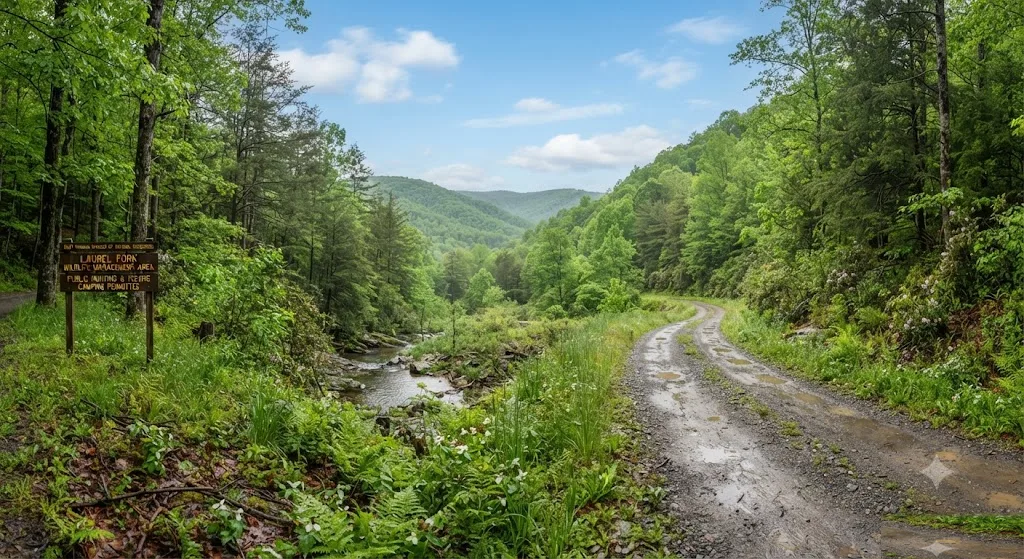
For those seeking an authentic immersion into the Mountain State's natural splendor, the West Virginia Wildlife Management Areas West Virginia offer extensive opportunities for hunting, fishing, hiking, and wildlife viewing across diverse ecosystems. Managed by the West Virginia Division of Natural Resources (WVDNR), these expansive public lands are dedicated to conserving and managing high-quality habitats for a variety of wildlife species, while simultaneously improving public access for outdoor recreation. With over 1.4 million acres, representing eight percent of the state's total land area, West Virginia's WMAs are located in nearly every county, ensuring that a wild and wonderful adventure is never far away.
Why Visit West Virginia Wildlife Management Areas
We believe the West Virginia Wildlife Management Areas provide a unique opportunity to truly disconnect and reconnect with nature. Unlike more developed state or national parks, WMAs prioritize wildlife habitat and public access for traditional outdoor pursuits. This focus means you'll encounter a less commercialized, more raw experience of West Virginia's mountainous forests and diverse ecosystems.
These areas are meticulously managed to support a wide array of wildlife, from big game like deer and turkey to smaller species such as grouse, squirrel, and various waterfowl. The WVDNR actively works on habitat improvement projects, including planting trees and shrubs for food and cover, establishing wildlife habitats, maintaining food plots, and developing wetlands. This dedication translates into excellent opportunities for wildlife observation, making WMAs a prime destination for photographers, birdwatchers, and nature enthusiasts alike. Furthermore, the WVDNR is committed to improving public access, including constructing roads, parking lots, and trails, and even developing accessible trails for physically challenged hunters.
Visiting a WMA allows you to experience the state's rich outdoor heritage firsthand. Whether you're an experienced outdoors person or looking to introduce your family to the wonders of nature, the sheer scale and variety of activities available make these areas incredibly appealing. We find that the tranquility and unspoiled beauty of these lands offer a refreshing escape from daily life, inviting visitors to explore at their own pace.
Who It's Best For
The West Virginia Wildlife Management Areas are ideal for a wide spectrum of outdoor enthusiasts. They are particularly suited for:
- Hunters: With a primary focus on wildlife management, WMAs offer extensive hunting opportunities for various game species, adhering to state regulations. For the 2026-2027 seasons, the WVDNR has released updated hunting and trapping regulations, which hunters should review carefully. Licenses and stamps are required and can be purchased online or in person.
- Anglers: Many WMAs feature lakes, rivers, and streams teeming with fish like trout, bass, catfish, and bluegill. Fishing licenses are required and are available for purchase online, by phone, or in person at over 160 locations statewide.
- Hikers and Backpackers: Miles of trails, ranging from easy to challenging, crisscross these areas, providing scenic routes for all skill levels. Some WMAs, like Elk River WMA, offer well-maintained hunting trails that double as excellent hiking paths outside of hunting season.
- Wildlife Viewers and Photographers: The diverse habitats support a rich variety of flora and fauna, offering unparalleled opportunities for observing and photographing wildlife in their natural settings. Early mornings and dusk are often the best times for wildlife viewing.
- Campers: While camping is permitted in designated areas only, many WMAs offer primitive or rustic campsites, providing an immersive overnight experience. Some, like Pleasants Creek WMA, even offer tent/trailer sites with pit toilets and well water.
- Families: Several WMAs, such as Sleepy Creek Wildlife Management Area, offer family-friendly activities like easy hiking trails, fishing, boating (electric motor boats, canoes, kayaks are allowed on Sleepy Creek Lake), and picnicking, with free admission.
Those seeking highly developed tourist attractions or extensive amenities might find WMAs too rustic. However, for anyone who values solitude, natural beauty, and active outdoor pursuits, these areas are an exceptional choice.
Getting There & Parking
Accessing West Virginia Wildlife Management Areas generally involves driving, as most are located in more remote, natural settings. The WVDNR manages 96 WMAs across the state, and their official website provides maps and detailed information for each. We recommend consulting the WVDNR's interactive map for specific WMA locations and access points before your trip.
Parking is typically available in designated lots or along access roads within the WMAs. These parking facilities are often part of the WVDNR's efforts to improve public access and recreational opportunities. While specific fees for parking are generally not common for most WMAs, it's always prudent to check the individual WMA's regulations or the WVDNR website for any updates regarding parking fees or permits for 2026. For example, some state parks and forests may have fees, and while WMAs are distinct, it's good to be informed.
For hunters with disabilities, the WVDNR offers a Class Q hunting program, which allows improved vehicular access on certain limited-access gated roads in select WMAs. These permit holders receive a wallet-sized card and a letter of authorization, along with a gate key for designated roads. ATVs and UTVs are generally not allowed on WMAs.
When planning your route, consider that cell service can be spotty in remote areas, so downloading maps or carrying physical maps is advisable. Always respect posted regulations regarding vehicle access and parking to ensure a smooth visit and protect the natural environment. We also advise checking for any temporary road closures or access restrictions on the WVDNR website, especially during adverse weather conditions or specific hunting seasons.
Top Things to Do
The West Virginia Wildlife Management Areas are veritable playgrounds for outdoor enthusiasts, offering a diverse array of activities. Here are some of the top things to do at West Virginia Wildlife Management Areas:
- Hunting: This is a primary activity, with WMAs providing habitats for deer, turkey, bear, squirrel, grouse, rabbit, and waterfowl. Hunters must possess the appropriate licenses and stamps, which can be purchased online. The WVDNR releases annual hunting and trapping regulations, which are essential to review for season dates, bag limits, and any changes for the 2026-2027 seasons. Wild boar hunting is available year-round with no bag limit on select WMAs like Burnsville Lake and Little Canaan.
- Fishing: Cast a line in the numerous lakes, rivers, and streams found within WMAs. Species vary by location but commonly include trout, bass (largemouth, smallmouth, spotted), bluegill, catfish, and muskellunge. A West Virginia fishing license is required and readily available. Some WMAs, like Castlemans Run Lake, are known for fishing for bluegill, catfish, muskellunge, northern pike, and trout.
- Hiking: Explore the extensive network of trails. Many WMAs, including Panther Wildlife Management Area, offer miles of connecting trails that vary in length and difficulty, often leading to scenic overlooks. Elk River WMA is noted for its well-maintained hunting trails that are perfect for hiking outside of hunting season. Remember to follow Leave No Trace principles and respect trail closures.
- Wildlife Viewing: With their focus on habitat conservation, WMAs are excellent for observing West Virginia's native wildlife. Keep an eye out for deer, turkey, various bird species, and even black bears. Binoculars and a field guide can enhance your experience. Early morning and dusk are generally the best times for spotting animals.
- Camping: For a true immersion, consider camping in designated areas. Some WMAs, like Pleasants Creek, offer developed campsites, while others provide more primitive options. Campsite rental fees must be paid before occupying a site, and fires are only permitted in designated rings. Panther WMA features rustic sites with electricity hook-up, fireplaces, and picnic tables.
- Paddling: On WMAs with lakes or calm rivers, such as Sleepy Creek Lake in Sleepy Creek WMA, electric motor boats, canoes, and kayaks are permitted, offering a peaceful way to explore the waterways and observe aquatic wildlife.
- Shooting Ranges: Several WMAs feature public shooting ranges, which are important for wildlife management programs and offer a safe place for target practice. Hours of operation are posted at each range, and all safety rules must be obeyed.
When engaging in things to do at West Virginia Wildlife Management Areas, always be aware of current regulations, especially regarding hunting seasons, and dress appropriately, particularly if you are hiking during a hunting period.
Best Time to Visit
The best time to visit West Virginia Wildlife Management Areas largely depends on your intended activities, as each season offers unique advantages.
- Spring (March-May): This is an excellent time for wildlife viewing as animals become more active and migratory birds return. Fishing for trout is popular, and the landscape bursts with wildflowers. However, spring gobbler season occurs during this time, so hikers should be aware of hunting activity.
- Summer (June-August): Summer is ideal for hiking, camping, and fishing. The longer daylight hours allow for extended exploration. While hunting is less prevalent, some small game seasons may be open. Be prepared for warmer temperatures and insects. WMAs like Sleepy Creek are great for family paddling adventures on lakes.
- Fall (September-November): Often considered the most picturesque time, fall brings vibrant foliage and comfortable temperatures perfect for hiking and wildlife viewing. This is also peak hunting season for many species, including deer and turkey, so visitors should be extra cautious and wear blaze orange if hiking. Group use of WMA routes is prohibited between October 10 and December 31, except on Sundays.
- Winter (December-February): For those seeking solitude and a stark, beautiful landscape, winter can be magical. Snowshoeing and cross-country skiing may be possible in higher elevations. Hunting seasons for certain species continue, and wildlife can be easier to spot against a snowy backdrop. Be prepared for cold weather and potential road closures due to snow and ice.
Overall, for general wildlife viewing and hiking without significant hunting overlap, we recommend late spring or early fall before the main hunting seasons begin. If hunting or fishing is your primary goal, always consult the most current WVDNR regulations for 2026-2027 seasons, which are released annually.
Where to Stay Nearby
While some West Virginia Wildlife Management Areas offer designated camping, many visitors prefer to stay in nearby towns or state parks, especially if they're looking for more amenities or a base for exploring multiple areas. West Virginia Wildlife Management Areas lodging options range from rustic campsites to comfortable lodges and hotels.
For those who enjoy camping, several WMAs permit it in designated areas. Pleasants Creek WMA, for example, offers 40 tent/trailer campsites with pit toilets and well water. Panther Wildlife Management Area has six rustic sites with electricity hook-ups, fireplaces, and picnic tables, and also offers a group camp barracks. However, some WMAs, like Meadow River and Morris Creek, do not permit camping. Always check specific WMA regulations for camping availability and any associated fees.
If you prefer more creature comforts, nearby state parks often provide excellent lodging options. For instance, Tygart Lake State Park is close to Pleasants Creek WMA and offers cabins and a lodge. The West Virginia Wildlife Center, while not a WMA itself, is near Stonewall Resort State Park and Holly River State Park, both of which offer a range of activities including camping, and Stonewall Resort features a full-service lodge. These state parks provide a good balance of access to natural areas and amenities.
Beyond state parks, numerous towns throughout West Virginia offer hotels, motels, and bed and breakfasts. Depending on which WMA you plan to visit, you might consider towns like Philippi (near Pleasants Creek WMA), Sutton (near Elk River WMA), or Martinsburg (near Sleepy Creek WMA). These towns can provide dining options, supplies, and a comfortable place to rest after a day of exploration.
For a broader exploration of the state, consider staying in central locations that offer access to multiple destinations. For example, the area around New River Gorge National Park provides numerous lodging choices, from cabins to hotels, and can serve as a hub for exploring southern WMAs. Similarly, towns near Blackwater Falls State Park or Coopers Rock State Forest offer convenient access to WMAs in the northern part of the state.
When considering West Virginia Wildlife Management Areas lodging, we recommend booking in advance, especially during peak seasons or major hunting events, to secure your preferred accommodations.
Sample 2-Day Itinerary
To help you make the most of your visit, our team has crafted a sample 2-day itinerary focusing on a northern West Virginia WMA experience, combining outdoor adventure with nearby attractions. This itinerary assumes a base camp or lodging near the Sleepy Creek WMA area.
Day 1: Wildlife Immersion at Sleepy Creek WMA
- Morning (8:00 AM - 12:00 PM): Hiking and Wildlife Viewing
Start your day early at Sleepy Creek Wildlife Management Area, a vast 23,000-acre natural area in Berkeley County. We recommend exploring some of its easy hiking trails, which are suitable for all ages. Keep your binoculars handy for birdwatching and wildlife spotting. Sleepy Creek is known for deer, grouse, and various bird species.
- Lunch (12:00 PM - 1:00 PM): Picnic by the Lake
Pack a picnic lunch and enjoy it at one of the designated picnic areas near Sleepy Creek Lake. The tranquil setting offers a perfect break.
- Afternoon (1:00 PM - 5:00 PM): Paddling on Sleepy Creek Lake
Rent a canoe or kayak, or bring your own electric motor boat, and spend the afternoon paddling on the 205-acre Sleepy Creek Lake. This offers a different perspective of the WMA and more opportunities for wildlife observation, especially waterfowl.
- Evening: Dinner and Relaxation
Head to a nearby town like Martinsburg for dinner. Martinsburg offers a variety of dining options. After dinner, return to your lodging for a restful evening, perhaps planning your next day's adventures.
Day 2: Exploring Nearby & More WMA Action
- Morning (9:00 AM - 12:00 PM): Further WMA Exploration or Fishing
Depending on your interests, you can either return to Sleepy Creek WMA for more hiking on a different trail, or try your hand at fishing in Sleepy Creek Lake. Ensure you have your West Virginia fishing license.
- Lunch (12:00 PM - 1:00 PM): Local Eatery
Enjoy lunch at a local restaurant in Martinsburg or a surrounding community.
- Afternoon (1:00 PM - 4:00 PM): Cultural or Natural Side Trip
Consider a visit to a nearby attraction. If you're traveling with kids, the Wonderment Puppet Theater in Martinsburg, West Virginia's only full-time puppet theater, offers a unique cultural experience. Alternatively, for more natural beauty, you could venture towards Blackwater Falls State Park, about an hour and a half drive, to witness its iconic amber-colored falls.
- Late Afternoon/Evening: Departure or Extended Stay
Depending on your travel plans, you can begin your journey home or extend your stay to explore more of West Virginia's offerings, perhaps heading south towards other incredible destinations in West Virginia, such as the Beckley Exhibition Coal Mine or the historic Blennerhassett Island Park.
Last updated: 2026-07-13 by the Roam States team.