Whitewater River Valley Travel Guide — Minnesota
Our Whitewater River Valley guide covers practical planning for Whitewater River Valley Minnesota — best time to visit, getting there, and what to do on the ground. We are the Roam States editorial team, and we've compiled everything you need to know for a memorable trip to this picturesque corner of Southeastern Minnesota.
Why Visit Whitewater River Valley
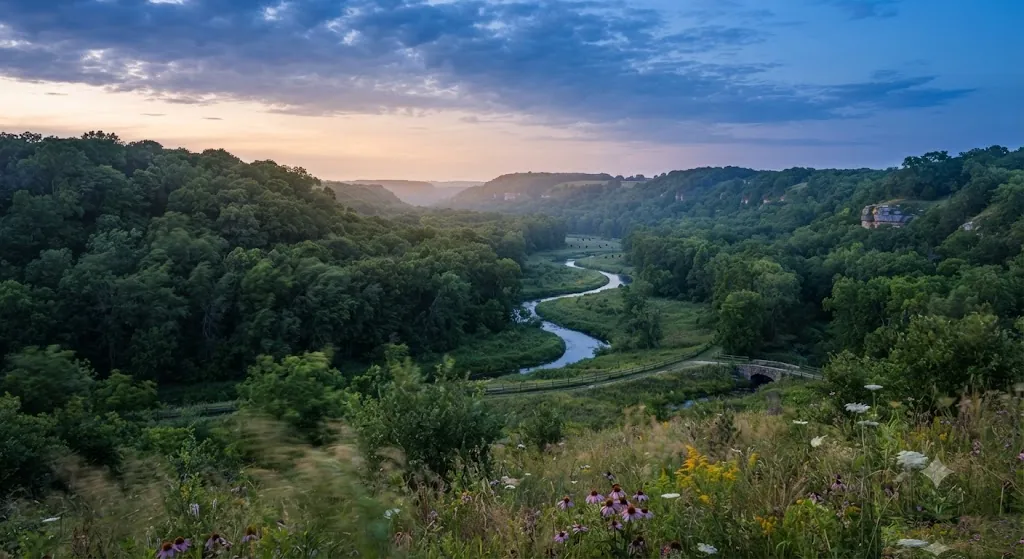
For those seeking a tranquil escape into nature, the Whitewater River Valley offers a compelling destination. We believe the question, "is Whitewater River Valley worth visiting?" can be answered with a resounding yes, especially for travelers drawn to dramatic bluffs, crystal-clear spring-fed streams, and exceptional outdoor recreation. This region, nestled in Southeastern Minnesota, stands apart with its unique geological features and rich biodiversity. Unlike the flat plains often associated with the Midwest, the Whitewater River Valley presents a rugged, forested landscape carved by ancient rivers. Our team finds that it provides a refreshing contrast and a true sense of wilderness, all within easy reach of major urban centers.
The primary draw for many visitors is Whitewater State Park, the heart of the valley. Here, the Whitewater River and its tributaries, fed by numerous cold-water springs, create an ideal habitat for trout. Anglers from across the country flock here for some of the best stream trout fishing in Minnesota. Beyond fishing, the park offers extensive hiking trails that wind through dense forests, ascend scenic bluffs, and offer panoramic views of the valley below. We’ve found that the sheer beauty and accessibility of these natural wonders make it an incredibly rewarding destination. The quiet solitude found on many of its trails, coupled with the opportunity to observe diverse wildlife, reinforces our conviction that the Whitewater River Valley Minnesota is an experience not to be missed. Is Whitewater River Valley worth visiting for families? Absolutely, with its accessible trails and clear waters, it’s a fantastic place for all ages to connect with nature.
Who It's Best For
The Whitewater River Valley caters to a diverse range of travelers, though it particularly shines for those with an appreciation for the outdoors and a desire for a peaceful retreat. Our team identifies this destination as ideal for:
- Anglers: With its reputation as a premier trout fishing destination, anyone keen on fly fishing or spin casting for brown and rainbow trout will find themselves in paradise. The spring-fed streams maintain cool temperatures year-round, ensuring a healthy fish population.
- Hikers and Nature Enthusiasts: The dramatic bluffs and forested valleys provide a stunning backdrop for hiking. From leisurely strolls along the riverbanks to more challenging ascents offering breathtaking vistas, there's a trail for every fitness level. Birdwatchers and wildlife photographers will also appreciate the abundant opportunities to observe local fauna.
- Families: Whitewater State Park offers kid-friendly activities, including easy hiking trails, a swimming beach, and educational programs. The chance to explore nature, spot wildlife, and enjoy a picnic by the river makes it a wonderful family getaway.
- Campers and RVers: The park provides well-maintained campgrounds with various amenities, making it perfect for those who prefer to immerse themselves fully in the natural environment.
- Photographers: The unique topography, lush greenery, and clear waters present endless opportunities for landscape and nature photography, especially during the vibrant fall foliage season or the misty mornings of spring.
- Road Trippers: Located in Southeastern Minnesota, the Whitewater River Valley makes an excellent stop or destination for those exploring the wider region, perhaps en route to or from other notable Minnesota attractions like the Boundary Waters Canoe Area Wilderness or the Cathedral of Saint Paul.
If you're looking for bustling nightlife, extensive shopping, or high-octane adventure sports, this might not be your primary destination. However, for those seeking tranquility, natural beauty, and a chance to reconnect with the environment, the Whitewater River Valley is an unparalleled choice.
Getting There & Parking
Navigating to the Whitewater River Valley Minnesota is relatively straightforward, with good road access from various points in the Midwest. Our team finds that planning your route in advance is always a good idea, especially if you're venturing from further afield. The primary gateway to the valley is Whitewater State Park, located near the town of Altura, Minnesota.
How to Get There
- By Car: The most common and recommended way to reach the Whitewater River Valley is by car. It allows for the flexibility to explore the park and surrounding areas at your own pace.
- From Rochester, MN: The valley is approximately a 30-minute drive northeast via US-14 E and MN-74 N.
- From Minneapolis/St. Paul, MN: Expect about a 1.5 to 2-hour drive southeast, typically involving US-52 S to Rochester, then connecting to US-14 E and MN-74 N. This makes it an ideal weekend trip from the Twin Cities.
- From La Crosse, WI: It's roughly a 1-hour drive west, primarily via I-90 W and MN-74 N.
- Nearest Airports:
- Rochester International Airport (RST): This is the closest airport, about a 45-minute drive from Whitewater State Park. Car rental services are available here.
- Minneapolis-Saint Paul International Airport (MSP): A larger international airport, MSP offers more flight options but requires a longer drive (approximately 2 hours) to the valley.
Whitewater River Valley Parking
Once you arrive at Whitewater State Park, parking is generally ample, though it can fill up quickly during peak season weekends and holidays. Our team advises arriving earlier in the day if you plan to visit during these busy times. The park has several designated parking lots strategically placed near trailheads, picnic areas, and the swimming beach.
- Parking Fees: As of 2026, a Minnesota State Park vehicle permit is required for entry to Whitewater State Park. A daily permit costs $7, or you can purchase an annual permit for $35, which is valid for all Minnesota State Parks for one year from the month of purchase. These permits can be purchased at the park office upon arrival or online in advance. We find the annual pass to be an excellent value if you plan multiple visits to Minnesota's incredible state park system, which also includes gems like Itasca State Park and Grand Portage State Park.
- Designated Lots: Look for signs directing you to specific parking areas. There are lots near the main visitor center, the swimming beach, the fishing pier, and various trailheads.
- Accessibility: Accessible parking spaces are available at key locations, including the visitor center and near accessible trails.
- Overnight Parking: If you are camping, designated parking is available at the campgrounds for registered campers.
We recommend always parking in marked spaces and avoiding parking on grass or blocking access roads. Following park rules ensures a smooth experience for everyone and helps preserve the natural environment. Understanding how to get to Whitewater River Valley and the associated parking details will make your arrival stress-free.
Top Things to Do
The Whitewater River Valley Minnesota is a haven for outdoor enthusiasts, offering a diverse array of activities centered around its stunning natural landscape. Our team has curated a list of the top things to do at Whitewater River Valley, ensuring you make the most of your visit to this beautiful region of Southeastern Minnesota.
World-Class Trout Fishing
Without a doubt, fishing is one of the premier things to do at Whitewater River Valley. The spring-fed Whitewater River and its tributaries are renowned for their brown and rainbow trout populations. The cold, clear waters provide an ideal habitat, making it a favorite spot for fly anglers and spin casters alike. Several sections of the river are designated as "catch-and-release" to help maintain the robust fish population. As of 2026, a valid Minnesota fishing license is required, and specific regulations regarding limits and tackle apply, so be sure to check the Minnesota Department of Natural Resources (DNR) website before casting your line. The park also offers accessible fishing piers, making it enjoyable for all skill levels.
Hiking and Exploring Scenic Trails
The valley's dramatic bluffs and dense forests are crisscrossed with an extensive network of hiking trails, offering some of the best things to do in Southeastern Minnesota. From easy riverside strolls to challenging climbs, there's a path for every adventurer. Some of our favorite trails include:
- Chimney Rock Trail: This moderate trail leads to the iconic Chimney Rock formation, providing stunning panoramic views of the valley. It's a must-do for photographers.
- Bluff Trail: A more challenging ascent that rewards hikers with expansive vistas from the top of the bluffs.
- Riverside Trail: An easy, family-friendly trail that meanders along the Whitewater River, perfect for a leisurely walk and wildlife spotting.
Always wear appropriate footwear, carry water, and be aware of wildlife. Trail maps are available at the park office and online. Many of these trails offer excellent opportunities to observe local flora and fauna, making them truly immersive experiences.
Swimming and Picnicking at the Whitewater River
During the warmer months, the Whitewater River offers a refreshing escape. The park maintains a designated swimming beach, a popular spot for families to cool off. The clear, clean water is inviting, and the sandy beach provides a great place to relax. Nearby, you'll find numerous picnic areas equipped with tables and grills, perfect for enjoying a packed lunch amidst the natural beauty. We recommend bringing your own supplies, though a small concession stand might be available during peak season. Park hours for the swimming beach typically align with daylight hours, from 8:00 AM to 10:00 PM daily in the summer of 2026.
Camping Under the Stars
For a truly immersive experience, consider camping within Whitewater State Park. The park offers a variety of campsites, including drive-in, walk-in, and group sites, many with electrical hookups. Reservations are highly recommended, especially for weekends and holidays, and can be made up to 120 days in advance through the Minnesota DNR website. As of 2026, campsite fees range from $20-$30 per night depending on amenities and site type. Camping here allows you to wake up to the sounds of nature and have immediate access to all the park's amenities, making it one of the most rewarding things to do at Whitewater River Valley.
Wildlife Viewing and Birdwatching
The diverse ecosystems of the Whitewater River Valley support a rich array of wildlife. Keep an eye out for white-tailed deer, wild turkeys, and various small mammals. Birdwatchers will be delighted by the many species that inhabit or migrate through the area, including raptors soaring above the bluffs and waterfowl along the river. The early morning and late evening hours are often the best times for wildlife viewing. This quiet pursuit is one of the most peaceful things to do in Southeastern Minnesota.
Exploring Nearby Towns and Attractions
While the state park is the main draw, the surrounding region offers additional charm. The nearby towns of Altura, St. Charles, and Elba provide local eateries, small shops, and a glimpse into rural Minnesota life. For those interested in expanding their exploration of Minnesota, consider visiting the Best Places in Minnesota, or perhaps head north to experience the North Shore of Lake Superior.
Best Time to Visit
Choosing the best time to visit the Whitewater River Valley Minnesota largely depends on your preferred activities and tolerance for crowds. Our team has outlined the seasonal highlights to help you plan your ideal trip.
Spring (April to May)
Spring is an excellent time for anglers, as the trout season typically opens in April, and the spring-fed streams are vibrant. The landscape awakens with lush greenery, and wildflowers begin to bloom. Temperatures are mild, generally ranging from 40s to 60s Fahrenheit (4-15°C). Crowds are typically lighter than in summer. However, trails can be muddy, especially after snowmelt or heavy rains, so appropriate footwear is essential. This is often considered the best time to visit Whitewater River Valley for serious fishing.
Summer (June to August)
Summer is the most popular time to visit, especially for families. The weather is warm and sunny, with temperatures often in the 70s and 80s Fahrenheit (21-29°C), making it perfect for swimming, picnicking, and camping. All park facilities are fully operational, and ranger programs may be available. However, expect larger crowds, particularly on weekends and holidays. Reservations for camping and popular activities are crucial during this period. While beautiful, if you prefer solitude, summer might not be the best time to visit Whitewater River Valley.
Fall (September to October)
Fall is arguably the most picturesque time to experience the Whitewater River Valley. The bluffs explode with vibrant hues of red, orange, and gold as the leaves change, creating breathtaking scenery. Temperatures are comfortably cool, ranging from 50s to 70s Fahrenheit (10-21°C), ideal for hiking and photography. Fishing remains excellent, and the crowds begin to thin after Labor Day. This season offers a perfect balance of pleasant weather, fewer people, and stunning natural beauty, making it a strong contender for the best time to visit Whitewater River Valley.
Winter (November to March)
Winter transforms the valley into a serene, snow-covered wonderland. While many outdoor activities are still possible, they require different gear and preparation. Cross-country skiing and snowshoeing are popular on designated trails, and ice fishing can be an option on safe, frozen bodies of water (always check ice conditions). Temperatures can drop below freezing, often into the teens and 20s Fahrenheit (-9 to -1°C). Many facilities, including the visitor center, may have reduced hours, and some roads or trails might be closed due to snow. If you enjoy winter sports and solitude, this can be a magical time to visit, but it's not for everyone.
Overall, our team recommends late spring or early fall for the best blend of pleasant weather, fewer crowds, and optimal conditions for most activities. However, each season offers a unique charm in the Whitewater River Valley.
Where to Stay Nearby
While the natural beauty of the Whitewater River Valley Minnesota is the main attraction, finding comfortable and convenient Whitewater River Valley lodging is essential for a relaxing trip. Our team has identified several options, ranging from rustic camping to charming local hotels, ensuring you have a restful base for your adventures.
Camping in Whitewater State Park
For those who want to fully immerse themselves in nature, camping within Whitewater State Park is an unparalleled experience. The park offers several campgrounds with a mix of drive-in, walk-in, and group sites. Many sites come with electrical hookups, picnic tables, and fire rings. Modern restrooms and shower facilities are available. Reservations are highly recommended, especially during peak season (summer and fall), and can be made up to 120 days in advance via the Minnesota DNR website. As of 2026, fees range from $20 to $30 per night, depending on the site and amenities. This is the most direct form of Whitewater River Valley lodging and puts you right at the heart of the action.
Hotels and Motels in Nearby Towns
If camping isn't your preference, several towns within a short drive offer traditional hotel and motel accommodations. These provide a comfortable base with amenities like Wi-Fi, private bathrooms, and often complimentary breakfast. When considering Whitewater River Valley lodging, these towns are your best bet:
- St. Charles, MN (approx. 15-20 minutes drive): This is the closest town with a selection of basic hotels and motels. Options might include independently owned establishments or smaller chain hotels. We recommend checking online travel agencies for the most current availability and pricing.
- Plainview, MN (approx. 20-25 minutes drive): Another nearby community offering a few lodging choices, typically smaller, locally-run motels that provide a convenient and affordable stay.
- Rochester, MN (approx. 30-40 minutes drive): For a wider range of options, including major hotel chains (e.g., Marriott, Hilton, IHG properties), Rochester is your best bet. While a bit further, it offers more dining, shopping, and entertainment choices. This is where you'll find the best hotels near Whitewater River Valley if you prioritize modern amenities and brand reliability.
We advise booking accommodations in advance, especially during peak tourist seasons or if you're traveling on a weekend. Check reviews to ensure the best fit for your needs.
Vacation Rentals and Cabins
For a more private or home-like experience, vacation rentals (such as those found on Airbnb or VRBO) are becoming increasingly popular in the region. You might find cabins, guesthouses, or even farm stays in the smaller towns surrounding the valley. These can be an excellent option for families or groups, often offering kitchens, multiple bedrooms, and unique local charm. Availability can be more limited, so early booking is crucial. This type of Whitewater River Valley lodging can offer a truly authentic experience.
Bed & Breakfasts
Occasionally, you might find charming bed & breakfasts in the historic towns of Southeastern Minnesota, offering personalized service and a cozy atmosphere. These are ideal for couples seeking a romantic getaway or travelers who appreciate local hospitality. While not as prevalent directly adjacent to the park, they can be found in slightly larger towns within a 30-45 minute drive.
Regardless of your preference, our team recommends weighing proximity to the park against the amenities and type of experience you desire when selecting your Whitewater River Valley lodging.
Sample 2-Day Itinerary
To help you maximize your visit to the Whitewater River Valley Minnesota, our team has crafted a sample 2-day itinerary. This plan balances outdoor adventure with relaxation, giving you a comprehensive taste of what this beautiful region has to offer.
Day 1: Immersion in Whitewater State Park
Morning (9:00 AM - 12:00 PM): Arrival and Hiking
- 9:00 AM: Arrive at Whitewater State Park. Head to the park office to pick up a map, get a vehicle permit (if you don't have one), and check for any current trail conditions or ranger programs.
- 9:30 AM: Hike the Chimney Rock Trail. This moderate trail offers fantastic views of the valley and the iconic rock formation. Allow 1.5-2 hours for the round trip, including photo stops.
- 11:30 AM: Explore the Visitor Center. Learn about the park's natural history, geology, and wildlife.
Afternoon (12:00 PM - 5:00 PM): Picnic, Fishing, or Swimming
- 12:00 PM: Riverside Picnic. Enjoy a packed lunch at one of the scenic picnic areas along the Whitewater River.
- 1:00 PM: Trout Fishing or Swimming.
- Anglers: Spend the afternoon trying your luck in the spring-fed waters of the Whitewater River. Remember your Minnesota fishing license.
- Families/Non-Anglers: Head to the designated swimming beach for a refreshing dip in the river or relax on the sand.
- 3:30 PM: Easy Nature Walk. Take a leisurely stroll along the accessible Riverside Trail, perfect for spotting birds and enjoying the peaceful sounds of the river.
Evening (5:00 PM onwards): Dinner and Stargazing
- 5:00 PM: Check into your Whitewater River Valley lodging. If camping in the park, set up your site. If staying in a nearby town, head to your hotel.
- 6:30 PM: Dinner. Enjoy a meal at a local eatery in St. Charles or Plainview, or cook over a campfire if camping.
- 8:00 PM: Stargazing. The relatively low light pollution in the valley makes for excellent stargazing opportunities. Find an open spot and enjoy the night sky.
Day 2: More Exploration & Departure
Morning (9:00 AM - 12:00 PM): Bluff Views and Birdwatching
- 9:00 AM: Breakfast. Grab breakfast at your lodging or a local cafe.
- 10:00 AM: Hike the Bluff Trail. For a more challenging but rewarding experience, tackle the Bluff Trail for elevated views of the entire valley. This trail offers some of the most dramatic vistas.
- 11:30 AM: Birdwatching. Spend some time with binoculars, observing the diverse birdlife from one of the many overlooks or along a quieter section of trail.
Afternoon (12:00 PM - 3:00 PM): Local Charm or Further Exploration
- 12:00 PM: Lunch. Have lunch in one of the small towns like Altura or Elba, supporting local businesses.
- 1:00 PM: Choose Your Adventure:
- Option A (Local Charm): Browse the small shops in St. Charles or explore any local historical sites you might find.
- Option B (More Nature): Revisit a favorite spot in Whitewater State Park for a final hike or some quiet reflection by the river.
- Option C (Regional Exploration): Depending on your onward journey, consider a scenic drive through other parts of Southeastern Minnesota. For those interested in more of Minnesota's natural beauty, consider a future trip to the Chain of Lakes in Minneapolis.
- 2:30 PM: Final Souvenir Stop. If interested, pick up a small memento from a local shop or the park's gift shop.
Evening (3:00 PM onwards): Departure
- 3:00 PM: Begin your journey home or to your next destination.
This itinerary is flexible and can be adapted to your interests and pace. Remember to check current park conditions and hours before your visit, especially for specific activities or facilities.
Last updated: 2026-07-13 by the Roam States team.