Wind Cave National Park Travel Guide — South Dakota
Welcome to our comprehensive guide to Wind Cave National Park South Dakota, a truly exceptional destination where two distinct worlds converge. Below the surface lies one of the world's longest and most complex cave systems, renowned for its rare and intricate boxwork calcite formations. Above ground, a vibrant mixed-grass prairie ecosystem teems with iconic American wildlife, offering a captivating contrast to the subterranean wonders. Our team at Roam States has meticulously gathered the latest 2026 information to ensure your visit is seamless and unforgettable, from navigating cave tours to discovering the best hiking trails and understanding park regulations.
Why Visit Wind Cave National Park
Wind Cave National Park offers a unique blend of underground marvels and expansive prairie landscapes, making it a compelling destination for any traveler. What truly sets this park apart is its namesake cave, a labyrinthine system that boasts an astonishing 95% of the world's known boxwork formations. These delicate, honeycomb-like calcite structures are a geological rarity, creating an otherworldly experience found almost nowhere else on Earth in such abundance. For us, the sheer uniqueness of these formations is reason enough to visit.
Beyond the geological wonders, Wind Cave holds profound cultural significance. Known as Maka Oniye, or "the Earth is breathing," by the Lakota people, it is considered a sacred site of emergence, connecting generations to this ancient landscape through stories and spirituality. This deep cultural heritage enriches every visit, adding a layer of meaning to the natural beauty you encounter.
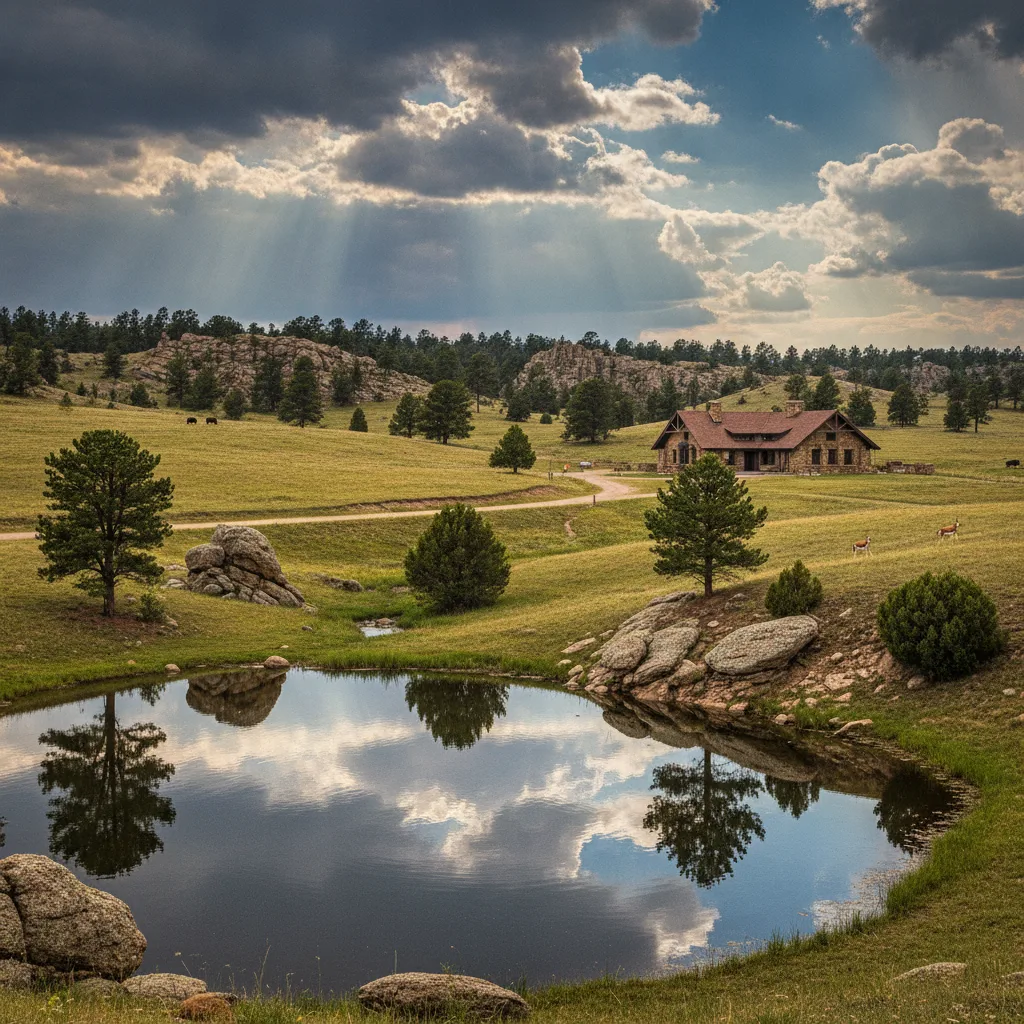
Above ground, the park protects one of the largest remaining natural mixed-grass prairies in the United States. Here, you'll witness a thriving ecosystem where bison, elk, and pronghorn roam freely across rolling hills, offering incredible wildlife viewing opportunities. The contrast between the dark, intricate cave and the sun-drenched, wildlife-filled prairie is truly remarkable. Whether you're a geology enthusiast, a wildlife photographer, or simply seeking a profound connection with nature and history, Wind Cave National Park delivers an experience that is both educational and awe-inspiring.
Who It's Best For
Wind Cave National Park caters to a diverse range of visitors, making it an ideal stop for many types of travelers. For families with children, the park offers engaging ranger-guided cave tours that are both educational and exciting, with options like the Garden of Eden Tour being less strenuous and suitable for younger explorers. Above ground, the chance to spot bison, elk, and prairie dogs in their natural habitat is a thrill for all ages.
Adventure seekers will find plenty to challenge them, from the strenuous Fairgrounds Cave Tour with its 450 stairs to the immersive, four-hour Wild Cave Tour which involves crawling through undeveloped passages. Hikers will appreciate the over 30 miles of surface trails, ranging from easy strolls to more demanding treks through varied landscapes.
Nature lovers and wildlife photographers will be captivated by the abundant wildlife and diverse prairie and forest ecosystems. Birdwatchers, too, will find a rich array of species, including raptors, grouse, and songbirds. Even those with limited mobility can experience the cave's wonders through the Accessibility Tour, a step-free introduction to the boxwork formations. Ultimately, if you appreciate unique geological formations, expansive natural landscapes, and the chance to observe iconic American wildlife, Wind Cave National Park is an exceptional choice.
Getting There & Parking
Understanding how to get to Wind Cave National Park is crucial for a smooth visit. The park is conveniently located in southwestern South Dakota, approximately 11 miles north of Hot Springs on US-385 and about 50 miles south of Rapid City. US Highway 385 and South Dakota Highway 87 intersect near the visitor center, making it easily accessible by car.
For those relying on GPS, our team recommends entering "Wind Cave Visitor Center" as your destination rather than just "Wind Cave National Park." Some GPS systems might try to direct you to an arbitrary point in the middle of the park, potentially leading you onto unpaved gravel roads. The fastest and most reliable paved routes are either south from Custer or north from Hot Springs.
Parking at Wind Cave National Park is generally straightforward. The main visitor center has ample parking available. For visitors taking the Accessibility Tour, accessible parking is conveniently located at the elevator building, which is about 200 yards south of the main visitor center. While the park itself is open 24 hours a day, year-round, visitor center hours and cave tour schedules vary seasonally, so it's always a good idea to check the current schedule before your visit. There are no fees to enter the park or to drive through and hike on the surface trails. However, all cave tours require a ticket.
Top Things to Do
When planning your visit, you'll find a fantastic array of things to do at Wind Cave National Park, both above and below ground. The park truly offers something for everyone, from intrepid spelunkers to casual wildlife observers. Our team highly recommends prioritizing a cave tour, as it's the only way to experience the unique underground world.
Explore the Cave on a Ranger-Guided Tour
The primary attraction at Wind Cave National Park is, undoubtedly, the cave itself. All cave access is via ranger-guided tours, and there are no self-guided options. We strongly recommend making reservations, especially during the peak season from March through October and on winter holiday weekends, as tours frequently sell out. Reservations for the Garden of Eden, Natural Entrance, and Fairgrounds tours can be made up to 120 days in advance on Recreation.gov and close two days before the tour. Approximately half of all tickets are also available for same-day walk-up purchases at the visitor center, but these often sell out quickly after opening, so arrive early if you plan to buy tickets on site. Payment for tours is by card or digital wallet only.
Here's a breakdown of the main cave tours available in 2026:
- Garden of Eden Tour: This is the shortest and least strenuous standard tour, lasting about an hour with approximately 150 stairs. It's a great introduction to the cave's formations, including boxwork, cave popcorn, and flowstone. You enter and exit by elevator, making it suitable for those with limited time or mobility concerns. Cost is $14 for adults, $7 for ages 62+ and 6-15, and free for ages 5 and under.
- Natural Entrance Tour: The most popular tour, this option lasts about 1 hour and 15 minutes and covers two-thirds of a mile with around 300 stairs, mostly descending. It begins near the historic natural opening, where the cave "breathes," and showcases abundant boxwork and cave popcorn. This is a strong choice for a first visit and families. Cost is $16 for adults, $8 for ages 62+ and 6-15, and free for ages 5 and under.
- Fairgrounds Tour: The most strenuous of the developed walking tours, this 1.5-hour tour covers two-thirds of a mile with approximately 450 stairs. It explores both upper and middle levels of the cave, featuring impressive rooms and extensive boxwork, frostwork, and cave popcorn. Cost is $16 for adults, $8 for ages 62+ and 6-15, and free for ages 5 and under.
- Candlelight Tour: Offered seasonally in summer, this specialty tour allows visitors to experience the cave as early explorers did, carrying candle buckets through a less developed, unlit section. It's more adventurous, with rough floors, tight passages, and slick footing. Limited to ages 8 and up, these small group tours (10 people) fill quickly and must be reserved by phone up to one month in advance by calling 605-745-4600. Cost is $16 per person.
- Wild Cave Tour: For the truly adventurous, this strenuous, four-hour guided caving experience explores undeveloped passages, often requiring crawling on hands and knees. It's limited to six people, minimum age 16, and requires passing a squeeze test (10 inches tall by 3 feet wide). The park provides helmets, headlamps, kneepads, gloves, and elbow pads. Proper sturdy clothing and lace-up boots are mandatory. No cameras or phones are allowed. This summer-only tour must be reserved by phone up to one month in advance by calling 605-745-4600. Cost is $45 per person.
- Accessibility Tour: A 30-minute, step-free introduction to the cave's boxwork and history, this tour uses the elevator to access a level, 100-foot section of the cave. It's arranged by request; call 605-745-4600 up to three days ahead or inquire at the information desk upon arrival. Cost is $6 for adults, $3 for ages 62+ and 6-15, and free for ages 5 and under.
Remember that the cave maintains a constant 54°F (12°C) year-round, so bring a light jacket or sweater even in summer. Closed-toe shoes with good grip are required for all tours.
Surface Exploration and Wildlife Viewing
Beyond the cave, the surface of Wind Cave National Park offers extensive opportunities for exploration and wildlife viewing. The park's 28,000 acres of mixed-grass prairie and ponderosa pine forests are home to a remarkable array of animals. We highly recommend taking a scenic drive along US-385 and SD-87 to maximize your chances of spotting bison, elk, pronghorn, and prairie dogs.
The park also features a 20-mile geology driving tour, which is an excellent way to learn about the Black Hills' rich geological history while enjoying the scenery. For those interested in cultural history, the park's visitor center offers exhibits and a theater. You can also explore the Lakota cultural significance of Maka Oniye, "the Earth is breathing".
Another popular activity is visiting the nearby Custer State Park, which borders Wind Cave to the north and is famous for its Wildlife Loop Road, where you can often see large herds of bison. For a deeper dive into South Dakota's natural beauty and attractions, be sure to consult our guide to the Best places in South Dakota.
Best Time to Visit
Determining the best time to visit Wind Cave National Park depends largely on your priorities, but our team generally recommends the shoulder seasons for an optimal experience. The park can be enjoyed year-round, with each season offering distinct advantages.
Spring (May-June) and Fall (September-October) are often considered the best times to visit. During these shoulder seasons, you'll find pleasant weather, fewer crowds, and better prices on accommodation. Spring brings wildflowers to the prairie and is the bison calving season (May-June), offering excellent opportunities to see active wildlife and photogenic calves. Fall boasts cooler temperatures (highs of 15-20°C in October), golden ponderosa pines, and significantly reduced visitor numbers. May and September, in particular, strike a great balance with good weather and fewer people.
Summer (June-August) is the peak visitor season, characterized by the warmest temperatures (daytime highs around 28-33°C in July and August) and all cave tours being available. While the heat can be intense on the surface, the cave maintains a constant 54°F (12°C) year-round, providing a cool escape. However, expect larger crowds and be prepared for tours to sell out days or even weeks in advance. A critical caveat for August is the Sturgis Motorcycle Rally, which draws over 500,000 riders to the Black Hills, causing accommodation prices to triple and booking out months ahead. Unless you're attending the rally, we advise avoiding the first two weeks of August entirely.
Winter (November-March) offers a quieter, more solitary experience with potential for beautiful snowy scenery. While some park roads may temporarily close due to snow or severe weather, the surface remains open for exploration. Cave tours run year-round, though options may be limited in the colder months. Expect cold temperatures, with average highs around 2-4°C and lows around -11 to -9°C in January and February.
No matter the season, always bring a light jacket for the cave tours and wear closed-toe shoes with good grip.
Where to Stay Nearby
While Wind Cave National Park itself does not offer any lodging facilities apart from its campground, there are excellent options in the nearby towns of Hot Springs and Custer, both providing convenient access to the park. Our team recommends considering these towns for their amenities and proximity.
Hot Springs, South Dakota: Located just 15 minutes south of Wind Cave National Park, Hot Springs is a charming town known for its historic downtown and natural warm-water springs. You'll find a range of hotels, motels, and B&Bs here. It's a great base for exploring the southern Black Hills. For information on lodging and other services, you can call (605) 745-4140 or 1-800-325-6991.
Custer, South Dakota: Situated about 25 minutes north of Wind Cave National Park, Custer is a larger town with a more consistent selection of lodging options. It's also a fantastic hub for exploring other Black Hills attractions like Mount Rushmore National Memorial, Crazy Horse Memorial, and Custer State Park. For lodging information in Custer, you can call (605) 673-2244 or 1-800-992-9818.
Camping Outside the Park: If the Elk Mountain Campground within Wind Cave is full or you prefer different amenities, Custer State Park, which borders Wind Cave, offers additional campgrounds, restaurants, and motels. Numerous campgrounds and cabins are also available throughout the Black Hills National Forest. Reservations for these can often be made through Recreation.gov. Many private RV parks and campgrounds in the surrounding area, such as those near Rapid City or Hot Springs, also provide excellent facilities and convenient access to Wind Cave and other Black Hills attractions.
Sample 2-Day Itinerary
To truly experience the dual nature of Wind Cave National Park South Dakota, we recommend dedicating at least two days to your visit. This allows ample time for both underground exploration and surface adventures, without feeling rushed.
Day 1: Subterranean Wonders & Prairie Introduction
- Morning (8:00 AM - 12:00 PM): Cave Tour & Visitor Center
- Arrive early at the Wind Cave Visitor Center, especially if you haven't pre-booked your cave tour tickets. Remember, half of the tickets are available for same-day purchase and can sell out quickly.
- Take either the Natural Entrance Tour (1 hour 15 minutes, 300 stairs) or the Fairgrounds Tour (1 hour 30 minutes, 450 stairs) to immerse yourself in the cave's remarkable boxwork formations. Dress warmly, as the cave is a constant 54°F (12°C).
- After your tour, explore the exhibits at the visitor center to learn more about the park's geology, ecology, and cultural significance.
- Lunch (12:00 PM - 1:00 PM): Picnic or Nearby Hot Springs
- Enjoy a picnic lunch at one of the park's scenic picnic areas. Alternatively, head south to Hot Springs for a quick bite at a local restaurant.
- Afternoon (1:00 PM - 5:00 PM): Prairie Vista Hike & Wildlife Drive
- Embark on an easy surface hike like the Prairie Vista Trail (approximately 1 mile round trip) from the visitor center to get a taste of the mixed-grass prairie.
- Drive the park's scenic roads, including US-385, keeping an eye out for bison, elk, pronghorn, and prairie dog towns. This is one of the best things to do at Wind Cave National Park to truly appreciate its wildlife.
- Evening: Dinner & Stargazing
- Dine in Hot Springs or Custer.
- Return to the park for some stargazing. With minimal light pollution, the night sky here is spectacular.
Day 2: Deeper Dives & Black Hills Exploration
- Morning (8:00 AM - 12:00 PM): Challenging Hike or Specialty Tour
- For hikers, tackle a more strenuous trail such as the Lookout Point and Centennial Trail Loop (4.8 miles, easy to moderate) or the Rankin Ridge Trail (1 mile loop) for panoramic views of the Black Hills and prairie. Remember to bring plenty of water and be aware of wildlife.
- Alternatively, if you're visiting in summer and have pre-booked, experience a specialty cave tour like the Candlelight Tour or, for the truly adventurous, the Wild Cave Tour.
- Lunch (12:00 PM - 1:00 PM): Grab & Go
- Pack a lunch to maximize your exploration time, or grab something quick in Custer.
- Afternoon (1:00 PM - 5:00 PM): Nearby Black Hills Attractions
- Leverage Wind Cave's central location to explore a neighboring gem. Consider a visit to Custer State Park for its famous Wildlife Loop Road or a drive along Needles Highway.
- Another excellent option is a trip to Mount Rushmore National Memorial, just a short drive north. For those interested in other unique cave systems, Jewel Cave National Monument is also nearby and worth considering.
- Evening: Departure or Extended Stay
- Head to your next destination or enjoy another evening in the Black Hills, perhaps exploring the historic town of Deadwood or the Crazy Horse Memorial.
Wind Cave National Park Hiking Trails
The surface of Wind Cave National Park is a hiker's paradise, boasting over 30 miles of Wind Cave National Park hiking trails that wind through diverse landscapes of mixed-grass prairie and ponderosa pine forests. Our team finds that these trails offer incredible opportunities for wildlife viewing, from bison and elk to prairie dogs, making them a key part of the Wind Cave experience.
The park operates under an "open hike policy," meaning visitors are welcome to hike off designated trails, but we strongly advise bringing plenty of water, a map, and always being aware of your surroundings due to the presence of large wildlife like bison and mountain lions. Cell service is very limited within the park, so a physical map is essential.
Here are some of the most popular and recommended Wind Cave National Park hiking trails:
- Rankin Ridge Trail: This easy, 1-mile (1.6 km) round-trip loop leads to the highest point in the park, offering spectacular panoramic views of the Black Hills, prairies, and even the Badlands on a clear day. It's a popular choice and a great way to start your surface exploration.
- Prairie Vista Trail: An easy, approximately 1-mile (1.6 km) round-trip stroll through the prairie grasslands, starting from the visitor center. Waysides along the path provide information about the ecosystem. This is one of two pet-friendly trails in the park.
- Elk Mountain Trail: This 1-mile (1.6 km) round-trip trail loops around the Elk Mountain Campground, where grassland and forest meet. During September and October, you might hear elk bugling at dawn and dusk. This is the other pet-friendly trail.
- Lookout Point and Centennial Trail Loop: This popular 4.8-mile (7.7 km) loop combines sections of the Lookout Point Trail and the Centennial Trail, offering a moderate hiking experience through pine forests and open prairie. It's an excellent trail for spotting wildlife, including bison and prairie dogs. The Centennial Trail itself is a 6-mile segment within the park, part of a much longer 111-mile trail through the Black Hills.
- Wind Cave Canyon Trail: This easy, 1.8-mile (2.9 km) former road follows Wind Cave Canyon to the park boundary, winding through limestone cliffs that provide nesting areas for birds like cliff swallows and canyon wrens. Note that as of mid-May 2026, this trail is temporarily closed for repairs and improvements due to frequent washouts, with the closure potentially lasting several weeks.
- Cold Brook Canyon Trail: Another popular easy trail (2.8 miles round trip), known for crossing a prairie dog town and often having bison along the route, making it fun for kids. It starts in a pine forest before opening into a meadow.
- Highland Creek Trail: At 8.6 miles (13.8 km), this is the longest and most diverse trail in the park, traversing mixed-grass prairies, ponderosa pine forests, and riparian habitats. It's a great option for those wanting to delve deeper into the backcountry.
Remember that pets are only permitted on the Prairie Vista and Elk Mountain Campground Trails. Always stay at least 25 yards from all wildlife, and even farther from bison, as they are unpredictable and dangerous.
Wind Cave National Park Camping
For those looking to extend their stay and fully immerse themselves in the park's natural beauty, Wind Cave National Park camping offers a fantastic option. The only campground within the park is Elk Mountain Campground, which is open year-round.
Elk Mountain Campground: This campground is beautifully situated at the edge of a ponderosa pine forest and open prairie, providing unique opportunities to view the diverse flora and fauna of the southern Black Hills. It features 64 sites, including 14 tent-only sites and 50 RV-only sites, with two designated as wheelchair-accessible (sites #17 and #49). While maximum RV/trailer length is 40 feet, not all sites can accommodate this size.
During the peak season, which runs from May 16 to September 30, 2026, reservations are required for all sites and can be made through Recreation.gov. The nightly cost during this period is $24, payable by credit or debit card only. Outside of the peak season, sites are available on a first-come, first-served basis at a reduced rate of $12 per night. Senior and Access Interagency Pass holders receive a half-price discount during the non-peak season.
The campground also offers two group sites, accommodating 9 to 30 people, at a cost of $45 per night. Flush toilets and drinking water are available from spring through early fall; fees are half price when water is not available. Ranger-led evening programs are often offered at the campground amphitheater from late May through early September, providing free educational opportunities for all ages.
Backcountry Camping: For a more rugged experience, backcountry camping is permitted in the northern part of the park. A free backcountry use permit is required and can be obtained at the visitor center information desk. These permits are important for your safety and help park managers monitor environmental impacts. When backcountry camping, you must set up camp at least a quarter-mile away from any roads and at least 100 feet away from any trail or water source. Be prepared to carry all your water, as sources are scarce in the backcountry.
Whether you prefer the convenience of a developed campground or the solitude of the backcountry, Wind Cave National Park camping offers a memorable way to connect with this unique landscape.
Is It Worth Visiting?
From our perspective at Roam States, a resounding yes – is Wind Cave National Park worth visiting? Absolutely. This often-underrated park offers a truly distinctive experience that sets it apart from many other national parks, making it a highly rewarding destination for travelers seeking both natural wonder and historical depth.
The primary draw, of course, is the cave itself. The sheer abundance of boxwork formations, found in such intricate detail almost nowhere else on Earth, is a geological marvel that must be seen to be believed. The ranger-guided tours provide an accessible and informative way to explore this subterranean world, offering options for various fitness levels and interests. The constant 54°F (12°C) temperature inside the cave also provides a welcome respite from the summer heat, or a unique adventure during the colder months.
But the value of Wind Cave National Park extends far beyond its underground passages. The expansive mixed-grass prairie above ground is a vibrant ecosystem where you can witness iconic American wildlife, including large herds of bison, elk, and pronghorn, roaming freely. The opportunity for wildlife viewing and photography here is exceptional, adding another layer to the park's appeal. The diverse network of Wind Cave National Park hiking trails caters to all abilities, providing stunning vistas and immersive natural experiences.
Furthermore, the park's deep cultural significance to the Lakota people as Maka Oniye, "the Earth is breathing," offers a powerful historical and spiritual dimension to your visit. This blend of geology, ecology, and cultural heritage creates a rich and multifaceted experience that is both educational and deeply moving. While often overshadowed by its more famous neighbors like Mount Rushmore National Memorial and Badlands National Park, Wind Cave National Park stands on its own as a truly special and worthwhile destination in the Black Hills of South Dakota.
Frequently Asked Questions
What are some things to do in Hot Springs?
Hot Springs, South Dakota, located just 15 minutes south of Wind Cave National Park, offers a variety of attractions. You can visit The Mammoth Site, an active paleontological dig site and museum showcasing Ice Age fossils. The town is also famous for its natural warm spring-fed waters, with attractions like Evans Plunge Mineral Springs, an indoor swimming pool fed by a natural warm spring. Explore the historic downtown area with its sandstone buildings, unique shops, and local eateries. You can also visit the Black Hills Wild Horse Sanctuary nearby for a unique wildlife experience.
Is Wind Cave National Park good with kids?
Yes, Wind Cave National Park is an excellent destination for families with kids. The ranger-guided cave tours, particularly the Garden of Eden Tour, are engaging and often less strenuous, making them suitable for younger visitors. Above ground, children will love spotting bison, elk, pronghorn, and prairie dogs, especially in the larger prairie dog towns. Many of the surface hiking trails, like the Prairie Vista Trail and a portion of the Cold Brook Canyon Trail, are easy and offer great opportunities for kids to explore nature. The park's Junior Ranger program also provides educational activities for children.
What are some Wind Cave National Park tips?
Our top Wind Cave National Park tips include reserving cave tour tickets well in advance, especially during peak season, as they often sell out. Arrive early for tours, even if you have reservations, to allow time for parking and check-in. Dress in layers, as the cave is a constant 54°F (12°C) regardless of outside temperatures. Wear closed-toe shoes with good grip for all cave tours and hiking. Bring plenty of water for surface hikes, as cell service is limited, and wildlife can be present. Always maintain a safe distance from wildlife, especially bison. Finally, use "Wind Cave Visitor Center" for GPS directions to avoid unpaved roads.
What is the parking situation at Wind Cave National Park?
Parking at Wind Cave National Park is generally plentiful at the main visitor center. For visitors requiring accessible options, dedicated parking is available at the elevator building, located approximately 200 yards south of the visitor center. There is no fee for parking at the park. During peak season, the visitor center parking lot can get busy, so arriving early is advisable, especially if you plan to purchase same-day cave tour tickets [cite
Wind Cave National Park Travel Guide — South Dakota
Welcome to our comprehensive guide to Wind Cave National Park South Dakota, a truly exceptional destination where two distinct worlds converge. Below the surface lies one of the world's longest and most complex cave systems, renowned for its rare and intricate boxwork calcite formations. Above ground, a vibrant mixed-grass prairie ecosystem teems with iconic American wildlife, offering a captivating contrast to the subterranean wonders. Our team at Roam States has meticulously gathered the latest 2026 information to ensure your visit is seamless and unforgettable, from navigating cave tours to discovering the best hiking trails and understanding park regulations.
Why Visit Wind Cave National Park
Wind Cave National Park offers a unique blend of underground marvels and expansive prairie landscapes, making it a compelling destination for any traveler. What truly sets this park apart is its namesake cave, a labyrinthine system that boasts an astonishing 95% of the world's known boxwork formations [cite: 23, 31]. These delicate, honeycomb-like calcite structures are a geological rarity, creating an otherworldly experience found almost nowhere else on Earth in such abundance [cite: 3, 31]. For us, the sheer uniqueness of these formations is reason enough to visit.
Beyond the geological wonders, Wind Cave holds profound cultural significance. Known as Maka Oniye, or "the Earth is breathing," by the Lakota people, it is considered a sacred site of emergence, connecting generations to this ancient landscape through stories and spirituality [cite: 3, 33, 31]. This deep cultural heritage enriches every visit, adding a layer of meaning to the natural beauty you encounter.
Above ground, the park protects one of the largest remaining natural mixed-grass prairies in the United States [cite: 31]. Here, you'll witness a thriving ecosystem where bison, elk, and pronghorn roam freely across rolling hills, offering incredible wildlife viewing opportunities [cite: 3, 5, 31]. The contrast between the dark, intricate cave and the sun-drenched, wildlife-filled prairie is truly remarkable. Whether you're a geology enthusiast, a wildlife photographer, or simply seeking a profound connection with nature and history, Wind Cave National Park delivers an experience that is both educational and awe-inspiring.
Who It's Best For
Wind Cave National Park caters to a diverse range of visitors, making it an ideal stop for many types of travelers. For families with children, the park offers engaging ranger-guided cave tours that are both educational and exciting, with options like the Garden of Eden Tour being less strenuous and suitable for younger explorers [cite: 17, 31]. Above ground, the chance to spot bison, elk, and prairie dogs in their natural habitat is a thrill for all ages [cite: 8, 18, 32].
Adventure seekers will find plenty to challenge them, from the strenuous Fairgrounds Cave Tour with its 450 stairs to the immersive, four-hour Wild Cave Tour which involves crawling through undeveloped passages [cite: 2, 16, 17, 31]. Hikers will appreciate the over 30 miles of surface trails, ranging from easy strolls to more demanding treks through varied landscapes [cite: 3, 5, 6].
Nature lovers and wildlife photographers will be captivated by the abundant wildlife and diverse prairie and forest ecosystems. Birdwatchers, too, will find a rich array of species, including raptors, grouse, and songbirds [cite: 11]. Even those with limited mobility can experience the cave's wonders through the Accessibility Tour, a step-free introduction to the boxwork formations [cite: 2, 16]. Ultimately, if you appreciate unique geological formations, expansive natural landscapes, and the chance to observe iconic American wildlife, Wind Cave National Park is an exceptional choice.
Getting There & Parking
Understanding how to get to Wind Cave National Park is crucial for a smooth visit. The park is conveniently located in southwestern South Dakota, approximately 11 miles north of Hot Springs on US-385 and about 50 miles south of Rapid City [cite: 2, 31]. US Highway 385 and South Dakota Highway 87 intersect near the visitor center, making it easily accessible by car [cite: 31].
For those relying on GPS, our team recommends entering "Wind Cave Visitor Center" as your destination rather than just "Wind Cave National Park." Some GPS systems might try to direct you to an arbitrary point in the middle of the park, potentially leading you onto unpaved gravel roads [cite: 18]. The fastest and most reliable paved routes are either south from Custer or north from Hot Springs [cite: 18].
Parking at Wind Cave National Park is generally straightforward. The main visitor center has ample parking available. For visitors taking the Accessibility Tour, accessible parking is conveniently located at the elevator building, which is about 200 yards south of the main visitor center [cite: 2, 16]. While the park itself is open 24 hours a day, year-round, visitor center hours and cave tour schedules vary seasonally, so it's always a good idea to check the current schedule before your visit [cite: 9, 27, 31]. There are no fees to enter the park or to drive through and hike on the surface trails [cite: 4, 20]. However, all cave tours require a ticket [cite: 2, 4, 20].
Top Things to Do
When planning your visit, you'll find a fantastic array of things to do at Wind Cave National Park, both above and below ground. The park truly offers something for everyone, from intrepid spelunkers to casual wildlife observers. Our team highly recommends prioritizing a cave tour, as it's the only way to experience the unique underground world.
Explore the Cave on a Ranger-Guided Tour
The primary attraction at Wind Cave National Park is, undoubtedly, the cave itself. All cave access is via ranger-guided tours, and there are no self-guided options [cite: 3, 16]. We strongly recommend making reservations, especially during the peak season from March through October and on winter holiday weekends, as tours frequently sell out [cite: 2, 3, 4, 16]. Reservations for the Garden of Eden, Natural Entrance, and Fairgrounds tours can be made up to 120 days in advance on Recreation.gov and close two days before the tour [cite: 2, 16]. Approximately half of all tickets are also available for same-day walk-up purchases at the visitor center, but these often sell out quickly after opening, so arrive early if you plan to buy tickets on site [cite: 2, 4]. Payment for tours is by card or digital wallet only [cite: 2, 4].
Here's a breakdown of the main cave tours available in 2026 [cite: 2, 3, 16, 17, 31]:
- Garden of Eden Tour: This is the shortest and least strenuous standard tour, lasting about an hour with approximately 150 stairs. It's a great introduction to the cave's formations, including boxwork, cave popcorn, and flowstone. You enter and exit by elevator, making it suitable for those with limited time or mobility concerns [cite: 2, 17, 31]. Cost is $14 for adults, $7 for ages 62+ and 6-15, and free for ages 5 and under [cite: 2, 4].
- Natural Entrance Tour: The most popular tour, this option lasts about 1 hour and 15 minutes and covers two-thirds of a mile with around 300 stairs, mostly descending [cite: 2, 17, 31]. It begins near the historic natural opening, where the cave "breathes," and showcases abundant boxwork and cave popcorn. This is a strong choice for a first visit and families [cite: 2, 17, 31]. Cost is $16 for adults, $8 for ages 62+ and 6-15, and free for ages 5 and under [cite: 2, 4].
- Fairgrounds Tour: The most strenuous of the developed walking tours, this 1.5-hour tour covers two-thirds of a mile with approximately 450 stairs [cite: 2, 16, 31]. It explores both upper and middle levels of the cave, featuring impressive rooms and extensive boxwork, frostwork, and cave popcorn [cite: 16, 31]. Cost is $16 for adults, $8 for ages 62+ and 6-15, and free for ages 5 and under [cite: 2, 4].
- Candlelight Tour: Offered seasonally in summer, this specialty tour allows visitors to experience the cave as early explorers did, carrying candle buckets through a less developed, unlit section [cite: 2, 3, 16, 17, 31]. It's more adventurous, with rough floors, tight passages, and slick footing. Limited to ages 8 and up, these small group tours (10 people) fill quickly and must be reserved by phone up to one month in advance by calling 605-745-4600 [cite: 2, 16, 17]. Cost is $16 per person [cite: 2].
- Wild Cave Tour: For the truly adventurous, this strenuous, four-hour guided caving experience explores undeveloped passages, often requiring crawling on hands and knees [cite: 2, 31]. It's limited to six people, minimum age 16, and requires passing a squeeze test (10 inches tall by 3 feet wide). The park provides helmets, headlamps, kneepads, gloves, and elbow pads. Proper sturdy clothing and lace-up boots are mandatory. No cameras or phones are allowed. This summer-only tour must be reserved by phone up to one month in advance by calling 605-745-4600 [cite: 2, 16, 31]. Cost is $45 per person [cite: 2].
- Accessibility Tour: A 30-minute, step-free introduction to the cave's boxwork and history, this tour uses the elevator to access a level, 100-foot section of the cave [cite: 2, 16, 31]. It's arranged by request; call 605-745-4600 up to three days ahead or inquire at the information desk upon arrival [cite: 2, 16]. Cost is $6 for adults, $3 for ages 62+ and 6-15, and free for ages 5 and under [cite: 2].
Remember that the cave maintains a constant 54°F (12°C) year-round, so bring a light jacket or sweater even in summer [cite: 2, 7, 9, 31]. Closed-toe shoes with good grip are required for all tours [cite: 3].
Surface Exploration and Wildlife Viewing
Beyond the cave, the surface of Wind Cave National Park offers extensive opportunities for exploration and wildlife viewing. The park's 28,000 acres of mixed-grass prairie and ponderosa pine forests are home to a remarkable array of animals [cite: 3, 31]. We highly recommend taking a scenic drive along US-385 and SD-87 to maximize your chances of spotting bison, elk, pronghorn, and prairie dogs [cite: 8, 15, 31, 32].
The park also features a 20-mile geology driving tour, which is an excellent way to learn about the Black Hills' rich geological history while enjoying the scenery [cite: 5]. For those interested in cultural history, the park's visitor center offers exhibits and a theater [cite: 2]. You can also explore the Lakota cultural significance of Maka Oniye, "the Earth is breathing" [cite: 3, 33].
Another popular activity is visiting the nearby Custer State Park, which borders Wind Cave to the north and is famous for its Wildlife Loop Road, where you can often see large herds of bison [cite: 3, 15]. For a deeper dive into South Dakota's natural beauty and attractions, be sure to consult our guide to the Best places in South Dakota.
Best Time to Visit
Determining the best time to visit Wind Cave National Park depends largely on your priorities, but our team generally recommends the shoulder seasons for an optimal experience. The park can be enjoyed year-round, with each season offering distinct advantages [cite: 31].
Spring (May-June) and Fall (September-October) are often considered the best times to visit [cite: 7, 29, 31]. During these shoulder seasons, you'll find pleasant weather, fewer crowds, and better prices on accommodation [cite: 7]. Spring brings wildflowers to the prairie and is the bison calving season (May-June), offering excellent opportunities to see active wildlife and photogenic calves [cite: 7, 10]. Fall boasts cooler temperatures (highs of 15-20°C in October), golden ponderosa pines, and significantly reduced visitor numbers [cite: 7, 31, 32]. May and September, in particular, strike a great balance with good weather and fewer people [cite: 7, 29].
Summer (June-August) is the peak visitor season, characterized by the warmest temperatures (daytime highs around 28-33°C in July and August) and all cave tours being available [cite: 7, 10, 31]. While the heat can be intense on the surface, the cave maintains a constant 54°F (12°C) year-round, providing a cool escape [cite: 2, 7, 9, 31]. However, expect larger crowds and be prepared for tours to sell out days or even weeks in advance [cite: 2, 3, 7, 31]. A critical caveat for August is the Sturgis Motorcycle Rally, which draws over 500,000 riders to the Black Hills, causing accommodation prices to triple and booking out months ahead. Unless you're attending the rally, we advise avoiding the first two weeks of August entirely [cite: 7].
Winter (November-March) offers a quieter, more solitary experience with potential for beautiful snowy scenery [cite: 10, 31]. While some park roads may temporarily close due to snow or severe weather, the surface remains open for exploration [cite: 9]. Cave tours run year-round, though options may be limited in the colder months [cite: 7, 31]. Expect cold temperatures, with average highs around 2-4°C and lows around -11 to -9°C in January and February [cite: 7, 10].
No matter the season, always bring a light jacket for the cave tours and wear closed-toe shoes with good grip [cite: 2, 3, 7].
Where to Stay Nearby
While Wind Cave National Park itself does not offer any lodging facilities apart from its campground, there are excellent options in the nearby towns of Hot Springs and Custer, both providing convenient access to the park [cite: 13, 14]. Our team recommends considering these towns for their amenities and proximity.
Hot Springs, South Dakota: Located just 15 minutes south of Wind Cave National Park, Hot Springs is a charming town known for its historic downtown and natural warm-water springs [cite: 14, 36]. You'll find a range of hotels, motels, and B&Bs here. It's a great base for exploring the southern Black Hills. For information on lodging and other services, you can call (605) 745-4140 or 1-800-325-6991 [cite: 14].
Custer, South Dakota: Situated about 25 minutes north of Wind Cave National Park, Custer is a larger town with a more consistent selection of lodging options [cite: 13, 14]. It's also a fantastic hub for exploring other Black Hills attractions like Mount Rushmore National Memorial, Crazy Horse Memorial, and Custer State Park. For lodging information in Custer, you can call (605) 673-2244 or 1-800-992-9818 [cite: 14].
Camping Outside the Park: If the Elk Mountain Campground within Wind Cave is full or you prefer different amenities, Custer State Park, which borders Wind Cave, offers additional campgrounds, restaurants, and motels [cite: 14]. Numerous campgrounds and cabins are also available throughout the Black Hills National Forest [cite: 14]. Reservations for these can often be made through Recreation.gov [cite: 14]. Many private RV parks and campgrounds in the surrounding area, such as those near Rapid City or Hot Springs, also provide excellent facilities and convenient access to Wind Cave and other Black Hills attractions [cite: 21, 23, 36].
Sample 2-Day Itinerary
To truly experience the dual nature of Wind Cave National Park South Dakota, we recommend dedicating at least two days to your visit. This allows ample time for both underground exploration and surface adventures, without feeling rushed.
Day 1: Subterranean Wonders & Prairie Introduction
- Morning (8:00 AM - 12:00 PM): Cave Tour & Visitor Center
- Arrive early at the Wind Cave Visitor Center, especially if you haven't pre-booked your cave tour tickets. Remember, half of the tickets are available for same-day purchase and can sell out quickly [cite: 2, 4].
- Take either the Natural Entrance Tour (1 hour 15 minutes, 300 stairs) or the Fairgrounds Tour (1 hour 30 minutes, 450 stairs) to immerse yourself in the cave's remarkable boxwork formations [cite: 2, 16, 17]. Dress warmly, as the cave is a constant 54°F (12°C) [cite: 2, 7, 9].
- After your tour, explore the exhibits at the visitor center to learn more about the park's geology, ecology, and cultural significance [cite: 2].
- Lunch (12:00 PM - 1:00 PM): Picnic or Nearby Hot Springs
- Enjoy a picnic lunch at one of the park's scenic picnic areas. Alternatively, head south to Hot Springs for a quick bite at a local restaurant.
- Afternoon (1:00 PM - 5:00 PM): Prairie Vista Hike & Wildlife Drive
- Embark on an easy surface hike like the Prairie Vista Trail (approximately 1 mile round trip) from the visitor center to get a taste of the mixed-grass prairie [cite: 6].
- Drive the park's scenic roads, including US-385, keeping an eye out for bison, elk, pronghorn, and prairie dog towns. This is one of the best things to do at Wind Cave National Park to truly appreciate its wildlife [cite: 8, 15, 31, 32].
- Evening: Dinner & Stargazing
- Dine in Hot Springs or Custer.
- Return to the park for some stargazing. With minimal light pollution, the night sky here is spectacular.
Day 2: Deeper Dives & Black Hills Exploration
- Morning (8:00 AM - 12:00 PM): Challenging Hike or Specialty Tour
- For hikers, tackle a more strenuous trail such as the Lookout Point and Centennial Trail Loop (4.8 miles, easy to moderate) or the Rankin Ridge Trail (1 mile loop) for panoramic views of the Black Hills and prairie [cite: 3, 6, 8, 11, 15, 18]. Remember to bring plenty of water and be aware of wildlife [cite: 6].
- Alternatively, if you're visiting in summer and have pre-booked, experience a specialty cave tour like the Candlelight Tour or, for the truly adventurous, the Wild Cave Tour [cite: 2, 16, 31].
- Lunch (12:00 PM - 1:00 PM): Grab & Go
- Pack a lunch to maximize your exploration time, or grab something quick in Custer.
- Afternoon (1:00 PM - 5:00 PM): Nearby Black Hills Attractions
- Leverage Wind Cave's central location to explore a neighboring gem. Consider a visit to Custer State Park for its famous Wildlife Loop Road or a drive along Needles Highway.
- Another excellent option is a trip to Mount Rushmore National Memorial, just a short drive north. For those interested in other unique cave systems, Jewel Cave National Monument is also nearby and worth considering [cite: 8].
- Evening: Departure or Extended Stay
- Head to your next destination or enjoy another evening in the Black Hills, perhaps exploring the historic town of Deadwood or the Crazy Horse Memorial.
Wind Cave National Park Hiking Trails
The surface of Wind Cave National Park is a hiker's paradise, boasting over 30 miles of Wind Cave National Park hiking trails that wind through diverse landscapes of mixed-grass prairie and ponderosa pine forests [cite: 3, 5, 33]. Our team finds that these trails offer incredible opportunities for wildlife viewing, from bison and elk to prairie dogs, making them a key part of the Wind Cave experience [cite: 3, 6, 8, 18, 32].
The park operates under an "open hike policy," meaning visitors are welcome to hike off designated trails, but we strongly advise bringing plenty of water, a map, and always being aware of your surroundings due to the presence of large wildlife like bison and mountain lions [cite: 6]. Cell service is very limited within the park, so a physical map is essential [cite: 2, 6].
Here are some of the most popular and recommended Wind Cave National Park hiking trails:
- Rankin Ridge Trail: This easy, 1-mile (1.6 km) round-trip loop leads to the highest point in the park, offering spectacular panoramic views of the Black Hills, prairies, and even the Badlands on a clear day [cite: 3, 6, 18]. It's a popular choice and a great way to start your surface exploration [cite: 3, 8, 18].
- Prairie Vista Trail: An easy, approximately 1-mile (1.6 km) round-trip stroll through the prairie grasslands, starting from the visitor center. Waysides along the path provide information about the ecosystem [cite: 6, 18]. This is one of two pet-friendly trails in the park [cite: 6].
- Elk Mountain Trail: This 1-mile (1.6 km) round-trip trail loops around the Elk Mountain Campground, where grassland and forest meet [cite: 6]. During September and October, you might hear elk bugling at dawn and dusk. This is the other pet-friendly trail [cite: 6].
- Lookout Point and Centennial Trail Loop: This popular 4.8-mile (7.7 km) loop combines sections of the Lookout Point Trail and the Centennial Trail, offering a moderate hiking experience through pine forests and open prairie [cite: 8, 11, 15, 18]. It's an excellent trail for spotting wildlife, including bison and prairie dogs [cite: 15]. The Centennial Trail itself is a 6-mile segment within the park, part of a much longer 111-mile trail through the Black Hills [cite: 3, 6, 11, 34].
- Wind Cave Canyon Trail: This easy, 1.8-mile (2.9 km) former road follows Wind Cave Canyon to the park boundary, winding through limestone cliffs that provide nesting areas for birds like cliff swallows and canyon wrens [cite: 6, 11, 32]. Note that as of mid-May 2026, this trail is temporarily closed for repairs and improvements due to frequent washouts, with the closure potentially lasting several weeks [cite: 12, 19, 25].
- Cold Brook Canyon Trail: Another popular easy trail (2.8 miles round trip), known for crossing a prairie dog town and often having bison along the route, making it fun for kids [cite: 18, 32]. It starts in a pine forest before opening into a meadow [cite: 18].
- Highland Creek Trail: At 8.6 miles (13.8 km), this is the longest and most diverse trail in the park, traversing mixed-grass prairies, ponderosa pine forests, and riparian habitats [cite: 6, 32]. It's a great option for those wanting to delve deeper into the backcountry [cite: 6, 32].
Remember that pets are only permitted on the Prairie Vista and Elk Mountain Campground Trails [cite: 6]. Always stay at least 25 yards from all wildlife, and even farther from bison, as they are unpredictable and dangerous [cite: 6].
Wind Cave National Park Camping
For those looking to extend their stay and fully immerse themselves in the park's natural beauty, Wind Cave National Park camping offers a fantastic option. The only campground within the park is Elk Mountain Campground, which is open year-round [cite: 13, 14].
Elk Mountain Campground: This campground is beautifully situated at the edge of a ponderosa pine forest and open prairie, providing unique opportunities to view the diverse flora and fauna of the southern Black Hills [cite: 26]. It features 64 sites, including 14 tent-only sites and 50 RV-only sites, with two designated as wheelchair-accessible (sites #17 and #49) [cite: 13]. While maximum RV/trailer length is 40 feet, not all sites can accommodate this size [cite: 13].
During the peak season, which runs from May 16 to September 30, 2026, reservations are required for all sites and can be made through Recreation.gov [cite: 13]. The nightly cost during this period is $24, payable by credit or debit card only [cite: 13]. Outside of the peak season, sites are available on a first-come, first-served basis at a reduced rate of $12 per night [cite: 13]. Senior and Access Interagency Pass holders receive a half-price discount during the non-peak season [cite: 13].
The campground also offers two group sites, accommodating 9 to 30 people, at a cost of $45 per night [cite: 13]. Flush toilets and drinking water are available from spring through early fall; fees are half price when water is not available [cite: 13]. Ranger-led evening programs are often offered at the campground amphitheater from late May through early September, providing free educational opportunities for all ages [cite: 26].
Backcountry Camping: For a more rugged experience, backcountry camping is permitted in the northern part of the park. A free backcountry use permit is required and can be obtained at the visitor center information desk [cite: 24, 36]. These permits are important for your safety and help park managers monitor environmental impacts [cite: 24]. When backcountry camping, you must set up camp at least a quarter-mile away from any roads and at least 100 feet away from any trail or water source [cite: 36]. Be prepared to carry all your water, as sources are scarce in the backcountry [cite: 36].
Whether you prefer the convenience of a developed campground or the solitude of the backcountry, Wind Cave National Park camping offers a memorable way to connect with this unique landscape.
Is It Worth Visiting?
From our perspective at Roam States, a resounding yes – is Wind Cave National Park worth visiting? Absolutely. This often-underrated park offers a truly distinctive experience that sets it apart from many other national parks, making it a highly rewarding destination for travelers seeking both natural wonder and historical depth.
The primary draw, of course, is the cave itself. The sheer abundance of boxwork formations, found in such intricate detail almost nowhere else on Earth, is a geological marvel that must be seen to be believed [cite: 23, 31]. The ranger-guided tours provide an accessible and informative way to explore this subterranean world, offering options for various fitness levels and interests [cite: 2, 16, 17]. The constant 54°F (12°C) temperature inside the cave also provides a welcome respite from the summer heat, or a unique adventure during the colder months [cite: 2, 7, 9].
But the value of Wind Cave National Park extends far beyond its underground passages. The expansive mixed-grass prairie above ground is a vibrant ecosystem where you can witness iconic American wildlife, including large herds of bison, elk, and pronghorn, roaming freely [cite: 3, 5, 31]. The opportunity for wildlife viewing and photography here is exceptional, adding another layer to the park's appeal [cite: 8, 15, 31, 32]. The diverse network of Wind Cave National Park hiking trails caters to all abilities, providing stunning vistas and immersive natural experiences [cite: 3, 5, 6].
Furthermore, the park's deep cultural significance to the Lakota people as Maka Oniye, "the Earth is breathing," offers a powerful historical and spiritual dimension to your visit [cite: 3, 33]. This blend of geology, ecology, and cultural heritage creates a rich and multifaceted experience that is both educational and deeply moving. While often overshadowed by its more famous neighbors like Mount Rushmore National Memorial and Badlands National Park, Wind Cave National Park stands on its own as a truly special and worthwhile destination in the Black Hills of South Dakota.
Frequently Asked Questions
What are some things to do in Hot Springs?
Hot Springs, South Dakota, located just 15 minutes south of Wind Cave National Park, offers a variety of attractions. You can visit The Mammoth Site, an active paleontological dig site and museum showcasing Ice Age fossils. The town is also famous for its natural warm spring-fed waters, with attractions like Evans Plunge Mineral Springs, an indoor swimming pool fed by a natural warm spring. Explore the historic downtown area with its sandstone buildings, unique shops, and local eateries. You can also visit the Black Hills Wild Horse Sanctuary nearby for a unique wildlife experience.
Is Wind Cave National Park good with kids?
Yes, Wind Cave National Park is an excellent destination for families with kids. The ranger-guided cave tours, particularly the Garden of Eden Tour, are engaging and often less strenuous, making them suitable for younger visitors [cite: 2, 17, 31]. Above ground, children will love spotting bison, elk, pronghorn, and prairie dogs, especially in the larger prairie dog towns [cite: 8, 18, 32]. Many of the surface hiking trails, like the Prairie Vista Trail and a portion of the Cold Brook Canyon Trail, are easy and offer great opportunities for kids to explore nature [cite: 6, 18]. The park's Junior Ranger program also provides educational activities for children.
What are some Wind Cave National Park tips?
Our top Wind Cave National Park tips include reserving cave tour tickets well in advance, especially during peak season, as they often sell out [cite: 2, 3, 4]. Arrive early for tours, even if you have reservations, to allow time for parking and check-in [cite: 2, 3]. Dress in layers, as the cave is a constant 54°F (12°C) regardless of outside temperatures [cite: 2, 7, 9, 31]. Wear closed-toe shoes with good grip for all cave tours and hiking [cite: 3]. Bring plenty of water for surface hikes, as cell service is limited, and wildlife can be present [cite: 6]. Always maintain a safe distance from wildlife, especially bison [cite: 6]. Finally, use "Wind Cave Visitor Center" for GPS directions to avoid unpaved roads [cite: 18].
What is the parking situation at Wind Cave National Park?
Parking at Wind Cave National Park is generally plentiful at the main visitor center. For visitors requiring accessible options, dedicated parking is available at the elevator building, located approximately 200 yards south of the visitor center [cite: 2, 16]. There is no fee for parking at the park. During peak season, the visitor center parking lot can get busy, so arriving early is advisable, especially if you plan to purchase same-day cave tour tickets [cite