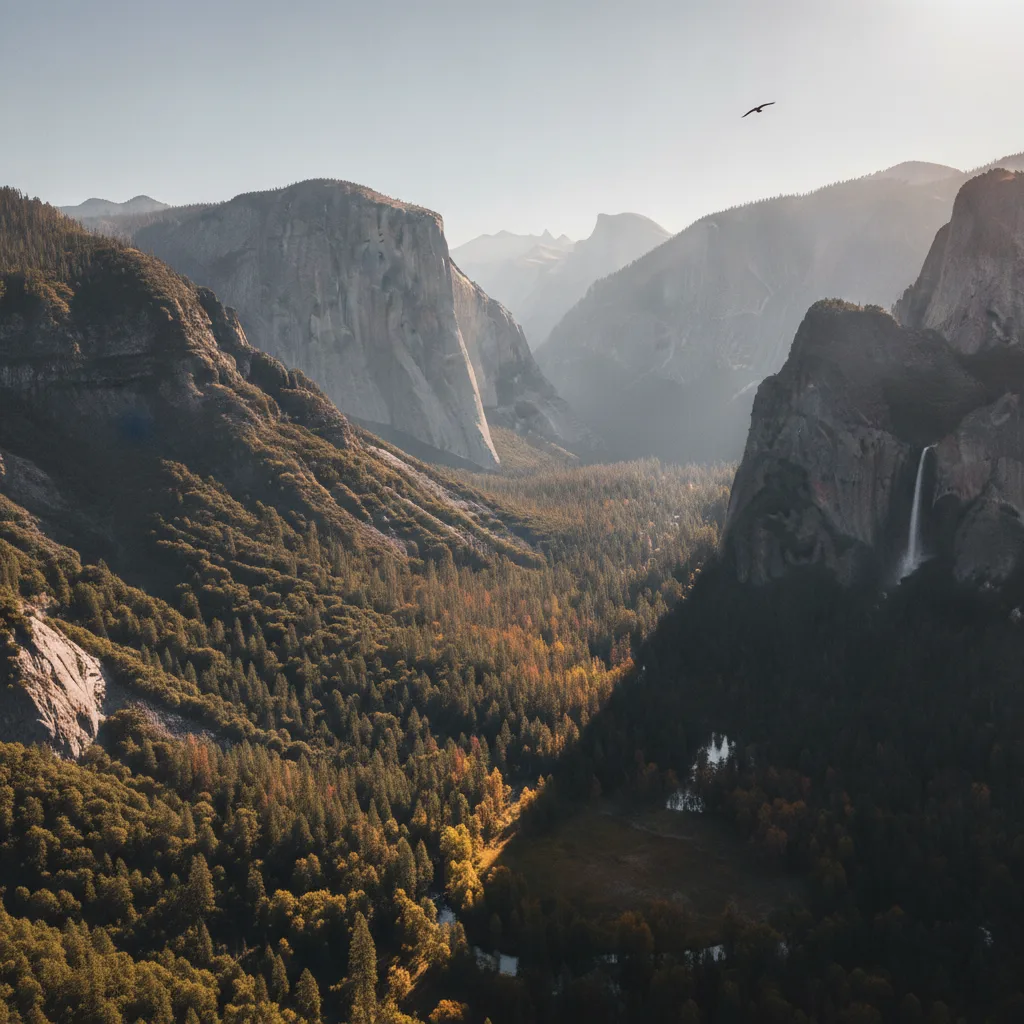
When planning a quintessential Southwest adventure, the question of Zion vs Bryce Canyon inevitably arises. These two Utah titans, while geographically close, offer distinctly different experiences. Our team at Visit America understands the challenge of choosing between such magnificent destinations, which is why we’ve crafted this honest comparison to help you decide which park best suits your travel style – or, better yet, how to combine both into one unforgettable road trip.
Quick Verdict: Zion vs Bryce
If you're seeking dramatic, soaring canyon walls, lush riverside trails, and a sense of immersion within deep gorges, Zion National Park is your calling. It's an adventurer's paradise, offering iconic, strenuous hikes and a vibrant gateway town. However, if your preference leans towards panoramic vistas of otherworldly rock formations, a higher elevation escape, and a more accessible, rim-based viewing experience, then Bryce Canyon National Park will captivate you with its unique amphitheaters filled with thousands of colorful hoodoos. For many, the ideal scenario is to experience both, given their relative proximity and contrasting beauty.
Landscape & Scenery Compared
Zion National Park is defined by its colossal sandstone cliffs, carved over millennia by the Virgin River. Imagine towering, vertical walls of Navajo sandstone, streaked with shades of cream, pink, and crimson, rising thousands of feet from the canyon floor. The main Zion Canyon is a verdant oasis, with the Virgin River winding through it, supporting lush plant life that contrasts beautifully with the arid desert surroundings. The experience here is one of looking *up* – feeling small and enveloped by the immense scale of nature. Beyond the main canyon, areas like Kolob Canyons offer a different perspective with finger-like canyons and towering peaks.
Bryce Canyon National Park, on the other hand, presents a landscape that feels almost extraterrestrial. It's not a canyon in the traditional sense, but rather a series of natural amphitheaters carved into the eastern edge of the Paunsaugunt Plateau. These amphitheaters are filled with an astonishing density of "hoodoos" – irregular, spire-shaped rock formations sculpted by frost-wedging and acidic rainwater. The colors here are vibrant, shifting from orange and pink to white and red, especially at sunrise and sunset. The primary experience at Bryce is looking *down* into these vast, intricate bowls of rock, offering breathtaking panoramic views from numerous overlooks along the rim. The higher elevation of Bryce Canyon (around 8,000 to 9,000 feet) also means cooler temperatures and often a dusting of snow in the colder months, adding another layer of visual drama to the crimson hoodoos.
Hiking & Activities
Bryce Canyon vs Zion Hiking
When it comes to bryce canyon vs zion hiking, these parks offer distinct challenges and rewards. Zion is renowned for its world-famous, often strenuous, and sometimes technical hikes. For the truly adventurous, Angels Landing provides an exhilarating, chain-assisted climb to a breathtaking viewpoint (permits required via lottery). The Narrows, a hike through the Virgin River itself, offers a unique slot canyon experience, with options for both day trips (bottom-up, no permit needed for the first few miles) and overnight backpacking (permit required). Other popular trails include the Emerald Pools Trail, a relatively easy walk to lush hanging gardens and waterfalls, and the challenging Observation Point trail, offering panoramic views of Zion Canyon. Many of Zion's premier trails require navigating the park's mandatory shuttle system during peak season to access trailheads.
Bryce Canyon's hiking experience, while equally rewarding, is generally less strenuous and more focused on exploring the hoodoo-filled amphitheaters from the rim down. The most iconic trails, such as the Navajo Loop and Queen's Garden Trail, descend into the canyon among the hoodoos, offering an immersive experience before climbing back out. These trails can be combined for a moderate loop. For longer excursions, the Peekaboo Loop and Fairyland Loop offer more extensive exploration of the hoodoos. While the climbs back out of the amphitheater can be steep, they are typically shorter than Zion's epic ascents. Bryce also offers scenic drives along the rim, horseback riding tours, and a shared-use path for biking that runs for 18 miles from Red Canyon to Inspiration Point.
Crowds & Best Time to Visit
Both Zion and Bryce Canyon are immensely popular, drawing millions of visitors annually, leading to significant crowds, especially during peak seasons. Zion National Park is open 24 hours a day, 7 days a week, year-round. Its peak season typically runs from May to October, with temperatures often soaring to 90-100+°F. During this time, the Zion Canyon Scenic Drive is only accessible by the free shuttle system, which operates from early March to late November. Parking in Springdale and at the visitor center fills up early, often by 8 AM.
Bryce Canyon is also open 24/7, year-round. Its busiest period is from June through September, when the weather is warm and sunny, ideal for hiking and ranger programs. However, Bryce's higher elevation means cooler summer temperatures (highs averaging 73-79°F) compared to Zion, making it a welcome respite from the desert heat. The Bryce Canyon shuttle runs from April through October, with extended hours in summer, and is optional for most vehicles, though highly recommended to avoid parking issues at popular viewpoints.
For both parks, the "shoulder seasons" of early spring (March-May) and late fall (September-October) are often considered the best times to visit. You'll encounter fewer crowds, more comfortable temperatures (60-80°F in Zion, 44-62°F in Bryce), and still enjoy favorable conditions for most activities. Winter offers a unique, serene experience with snow blanketing the landscapes, creating stunning contrasts, especially at Bryce Canyon. However, some roads and trails may be closed due to snow and ice, and services can be reduced.
Lodging & Gateway Towns
Finding the right base for your adventure is key. For Zion, the primary gateway town is Springdale, Utah, located immediately outside the park's South Entrance. Springdale offers a wide array of lodging options, from luxury resorts like Cliffrose Springdale and Desert Pearl Inn to more budget-friendly hotels such as Bumbleberry Inn and Driftwood Lodge. Many Springdale hotels are within walking distance of the free town shuttle, which connects to the park's shuttle system. Inside Zion National Park, the historic Zion Lodge is the only lodging available, offering hotel rooms, suites, and cabins with unparalleled views and direct access to trails. Booking well in advance is essential for Zion Lodge, as it fills up quickly.
Bryce Canyon City serves as the main gateway for Bryce Canyon National Park, situated right at the park entrance. Here, you'll find Ruby's Inn Resort, a long-standing and popular option offering various accommodations including hotels, RV parks, and camping. Other options in Bryce Canyon City include Best Western Plus Bryce Canyon Grand Hotel and Bryce View Lodge. The only lodging located directly inside Bryce Canyon National Park is The Lodge at Bryce Canyon, offering rustic comfort just steps from the canyon rim. For those seeking more solitude or a charming bed-and-breakfast experience, the nearby town of Tropic offers options like Stone Canyon Inn.
Driving Distance Between Them
One of the greatest advantages of visiting both Zion and Bryce Canyon is their relatively close proximity. The drive between Zion National Park and Bryce Canyon National Park is approximately 72 to 84 miles and typically takes about 1.5 to 2 hours, depending on traffic and potential wait times at the Zion-Mount Carmel Tunnel. The most direct route involves heading east on UT-9 through Zion, then north on US-89 to UT-12, and finally onto US-63 to Bryce Canyon's entrance.
It's crucial to note a significant change for 2026: beginning June 7, 2026, Zion National Park will enforce new restrictions on large vehicles traveling the Zion-Mount Carmel Highway (UT-9) between Canyon Junction and the East Entrance. Vehicles larger than 35 feet 9 inches in length, 7 feet 10 inches in width, 11 feet 4 inches in height, or 50,000 pounds will no longer be permitted on this section of highway. This replaces the old paid escort/tunnel permit system. Combined vehicles, such as trucks with trailers, cannot exceed 26 feet from hitch to rear axle and 50 feet overall. Visitors with oversized vehicles will still have access to Zion via the South Entrance but will need to plan alternate routes if they wish to travel to the East Entrance or beyond.
Sample 3-Day Combined Itinerary
For those looking to visit zion and bryce in one trip, a minimum of three full days is ideal to get a good taste of both parks without feeling rushed. Here’s how our team would structure a memorable trip:
Day 1: Zion's Grandeur
- Arrive in Springdale, check into your lodging.
- Head into Zion National Park early, parking at the Visitor Center or taking the Springdale Shuttle.
- Utilize the mandatory Zion Canyon Shuttle to access trailheads.
- Morning: Hike the iconic Emerald Pools Trail (various lengths) or the Pa'rus Trail for a riverside stroll.
- Afternoon: Tackle a more challenging hike like a portion of the Angels Landing trail to Scout Lookout (if not attempting the full permit-required climb) or explore the beginning of The Narrows (bottom-up, no permit needed for the first few miles).
- Evening: Enjoy dinner in Springdale and stargaze.
Day 2: Zion's Heights & Bryce's Introduction
- Morning: Enjoy another Zion hike, perhaps the Canyon Overlook Trail (accessible via the Zion-Mount Carmel Highway, outside the main canyon shuttle zone, but check vehicle restrictions if driving a large vehicle after June 7, 2026) for stunning views, or explore the Kolob Canyons section if time permits.
- Late Morning/Early Afternoon: Drive from Zion to Bryce Canyon (approximately 1.5-2 hours). Remember the Zion-Mount Carmel Highway restrictions if you have a large vehicle.
- Afternoon: Check into your Bryce Canyon lodging. Head to Bryce Amphitheater overlooks (Sunrise Point, Sunset Point, Inspiration Point, Bryce Point) for your first awe-inspiring views of the hoodoos.
- Evening: Catch a spectacular sunset over the hoodoos – Inspiration Point or Paria View are excellent choices.
Day 3: Bryce's Depths & Departure
- Morning: Descend into the amphitheater! Hike the Navajo Loop and Queen's Garden Trail combination for an immersive experience among the hoodoos.
- Late Morning/Early Afternoon: Explore more viewpoints along the scenic drive, such as Rainbow Point and Yovimpa Point (note: the Bryce Canyon shuttle does not serve the Southern Scenic Drive, so you'll need your own vehicle for these points).
- Afternoon: Begin your journey home, or continue your Southwest road trip. For more planning resources, check out our Southwest Road Trip Planner.
This itinerary allows you to experience the best of both worlds – Zion's deep canyons and Bryce's unique hoodoos – making your visit zion and bryce in one trip truly memorable.
Which Is Better for Families?
Choosing between Zion and Bryce Canyon for a family trip often depends on the age and activity level of your children. Both parks offer incredible experiences, but their terrain and primary activities cater to slightly different family dynamics.
Zion National Park, with its river access and diverse trails, can be fantastic for families. The Pa'rus Trail is paved and stroller-friendly, offering easy access along the Virgin River. The lower Emerald Pools Trail is also relatively easy for younger children. Older, more adventurous kids and teens will be thrilled by the challenge of Angels Landing (Scout Lookout portion) or wading through The Narrows. The free shuttle system makes getting around the main canyon easy, reducing the stress of parking with kids. However, the sheer size of Zion and the popularity of its trails can mean more waiting and larger crowds, which might test the patience of very young children.
Bryce Canyon National Park often shines for families due to its condensed scenic beauty and generally more manageable trails. The ability to see so many breathtaking views from the rim overlooks with minimal walking is a huge plus for families with toddlers or those with mobility challenges. Many of the trails that descend into the hoodoos, like the Navajo Loop and Queen's Garden, are short enough for active elementary-aged children to enjoy without becoming overly fatigued, offering a magical, immersive experience. The cooler temperatures at Bryce's higher elevation can also be more comfortable for families, especially during the summer months. Additionally, Bryce Canyon City offers amenities like horseback riding and ATV tours that can appeal to families looking for activities beyond hiking.
Ultimately, both parks offer ranger programs and junior ranger activities, which are excellent for engaging children. For families with very young children or those preferring less strenuous activities and more immediate "wow" factor, Bryce Canyon might have a slight edge. For families with older, active children and teenagers who crave adventure and dramatic scenery, Zion offers unparalleled thrills.
Zion or Bryce Canyon: Which is Better?
The question of zion or bryce canyon which is better is one we hear constantly, and honestly, there's no single "better" park; it truly comes down to personal preference and what you seek in a national park experience. Our team views them as complementary rather than competitive, each offering a distinct facet of Utah's incredible natural beauty.
Zion offers a deep, immersive experience within its towering canyons. It's a park where you feel enveloped by the landscape, constantly looking up at the sheer rock faces and verdant hanging gardens. The Virgin River is a central feature, offering unique water-based adventures like The Narrows. Zion is ideal for those who love challenging hikes, a vibrant, bustling gateway town, and the feeling of being truly "in" the canyon. The scale is immense, and the opportunities for exploration are vast.
Bryce Canyon, conversely, provides a breathtaking, panoramic spectacle. From its rim, you gaze down upon a fantastical landscape of countless hoodoos, sculpted by nature into an amphitheater of vibrant colors. The higher elevation offers cooler temperatures and sweeping vistas that change dramatically with the light. Bryce is perfect for visitors who appreciate stunning overlooks, unique geological formations, and a more compact park experience that allows for a greater number of impressive views with less strenuous effort. For those wondering zion or bryce canyon which is better for sheer visual impact from a single viewpoint, Bryce often wins.
If your trip prioritizes intense, physically demanding hikes and a river environment, Zion is likely your top choice. If you're drawn to unique geology, expansive vistas, and a slightly more relaxed pace of exploration, Bryce Canyon will be incredibly rewarding. Many visitors find that combining both parks offers the ultimate Utah experience, showcasing the diverse beauty of the region.
Last updated: 2026-07-04 by the Visit America team.