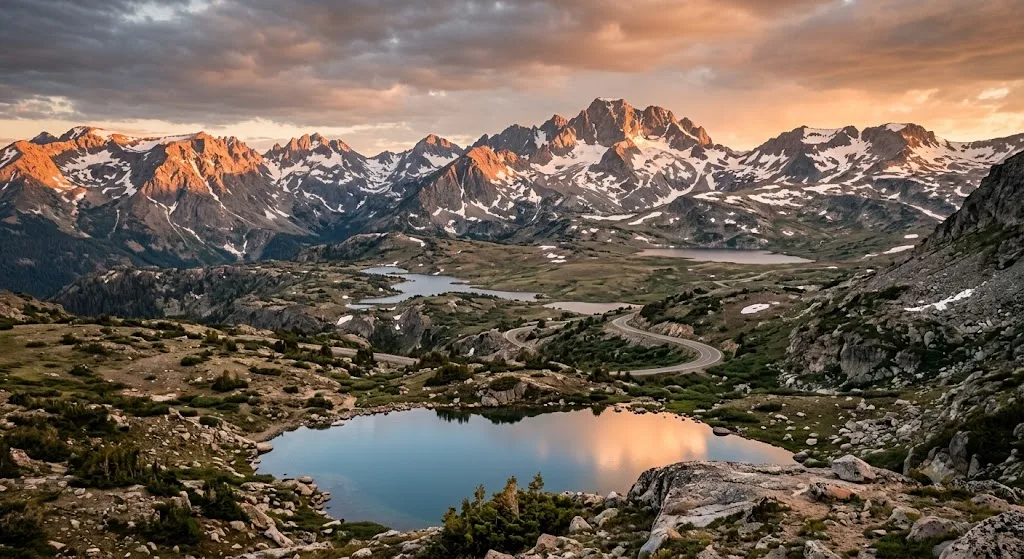
Absaroka-Beartooth Wilderness Travel Guide — Montana
Our Absaroka-Beartooth Wilderness guide covers practical planning for Absaroka-Beartooth Wilderness Montana — best time to visit, getting there, and what to do on the ground.
Why Visit Absaroka-Beartooth Wilderness
For those of us seeking true solitude and untamed beauty, the Absaroka-Beartooth Wilderness Montana offers an unparalleled escape. This vast and rugged expanse, spanning nearly a million acres across southern Montana and northern Wyoming, is a testament to the wild heart of the American West. Here, dramatic peaks pierce the sky, countless alpine lakes shimmer in glacial cirques, and pristine ecosystems thrive, largely untouched by human development.
The wilderness is defined by two distinct mountain ranges: the volcanic Absaroka Range, known for its dark, craggy appearance and heavily forested valleys, and the granitic Beartooth Range, characterized by its high, treeless plateaus and rugged, alpine landscape. It’s home to Montana's highest peak, the formidable Granite Peak, towering at 12,799 feet, and boasts over 120 peaks exceeding 10,000 feet. This is a place where the scale of nature truly humbles you, offering expansive views and a sense of wildness rarely found elsewhere. If you're looking to disconnect and immerse yourself in a landscape that demands respect and rewards with breathtaking vistas, the Absaroka-Beartooth Wilderness is calling.
Who It's Best For
The Absaroka-Beartooth Wilderness is a haven for experienced backpackers, avid hikers, and dedicated wildlife enthusiasts. Its rugged terrain and remote nature mean it’s not for the casual sightseer; rather, it appeals to those prepared for challenging conditions and self-sufficiency. We recommend it for individuals and groups who are comfortable navigating off-trail, are well-versed in Leave No Trace principles, and possess a strong understanding of backcountry safety, especially in grizzly bear country.
Photographers will find endless inspiration in the dramatic landscapes, from wildflower-filled meadows to towering granite cliffs and serene alpine lakes. Anglers will appreciate the numerous lakes and streams teeming with trout. While not explicitly a family destination in the same vein as more developed national parks, adventurous families with older, experienced children who are accustomed to strenuous hiking and primitive camping can certainly find rewarding experiences here.
How to Get There
Access to the Absaroka-Beartooth Wilderness is primarily from several gateway communities in Montana and Wyoming. The most iconic approach, and often considered one of America's most scenic drives, is via the Beartooth Highway (US-212). This highway typically opens on the Friday before Memorial Day weekend, with the 2026 opening scheduled for May 22nd, though it can be delayed by weather. It connects Red Lodge, Montana, to Cooke City, Montana, before reaching the northeast entrance of Yellowstone National Park.
Other significant access points for how to get to Absaroka-Beartooth Wilderness include forest service roads west of US-89 south of Livingston, Montana, and various roads off I-90 from Billings. Towns like Red Lodge, Cooke City, Nye, and Columbus serve as excellent jumping-off points.
Parking at trailheads throughout the Absaroka-Beartooth Wilderness is generally informal, consisting of pull-offs and designated scenic overlooks. During peak season, especially summer weekends, these can fill up quickly. We strongly advise arriving early, ideally by 8:00 AM, for quieter conditions and better parking availability. There are no large parking structures, and fees are typically not required for general wilderness access, though specific campgrounds or recreational sites might have nominal charges. Always check with the local U.S. Forest Service ranger districts (Gallatin, Custer, or Shoshone National Forests) for the most up-to-date information on trailhead conditions and any potential closures.
Top Things to Do
The Absaroka-Beartooth Wilderness is a playground for those who embrace the rugged outdoors. Our team's top recommendations for things to do at Absaroka-Beartooth Wilderness revolve around its spectacular natural features and the opportunities for deep immersion in the backcountry.
- Backpacking and Hiking: With over 700 miles of trails, the Absaroka-Beartooth Wilderness is a premier destination for both day hikes and multi-day backpacking trips. The Beaten Path is a renowned 26-mile thru-hike, connecting the East Rosebud Trailhead to the Clarks Fork Trailhead near Cooke City, offering stunning vistas, alpine lakes, and waterfalls. Other popular Absaroka-Beartooth Wilderness hiking trails include the East Rosebud Trail to Elk Lake, Mystic Lake via West Rosebud Trail, and Suce Creek Trail. The Lake Fork Trail near Red Lodge leads to Black Canyon Lake, a 14-mile roundtrip considered one of the most scenic hikes in the region.
- Wildlife Viewing: The wilderness is part of the Greater Yellowstone Ecosystem and is home to abundant wildlife. Keep an eye out for bighorn sheep, mountain goats, elk, deer, moose, coyotes, black bears, and a substantial grizzly population. Wildlife is most active in the early mornings and late evenings.
- Fishing: The numerous alpine lakes and clear streams are rich in trout, offering excellent fishing opportunities. Be sure to check Montana Fish, Wildlife & Parks regulations for specific licensing requirements and catch limits.
- Photography: From the dramatic granite peaks and high plateaus to the vibrant wildflowers and cascading waterfalls, the Absaroka-Beartooth Wilderness provides endless photographic subjects. The ever-changing weather and light create dynamic scenes, especially at sunrise and sunset.
- Scenic Drives: Even if you're not planning an extensive hike, driving the Beartooth Highway itself is an experience. It offers high-elevation overlooks and access to numerous trailheads. Remember to factor in time for stops and photos, as the drive alone can take 2-3 hours.
When planning things to do at Absaroka-Beartooth Wilderness, remember that this is a true wilderness area. Motorized or mechanical equipment, including bicycles, are not permitted beyond designated areas. Always practice Leave No Trace principles to preserve its pristine condition.
Absaroka-Beartooth Wilderness Hiking Trails
The heart of any Absaroka-Beartooth Wilderness adventure lies in its extensive network of hiking trails. We've explored many of these paths and can attest to their incredible diversity and challenge. With approximately 700 miles of Absaroka-Beartooth Wilderness hiking trails, you'll find everything from moderate day hikes to strenuous multi-day backpacking expeditions.
For those seeking a significant challenge, the Beaten Path is a 26-mile thru-hike that traverses the Beartooth Mountains, reaching elevations near 10,000 feet. This trail offers a truly immersive experience, passing sparkling alpine lakes, towering granite cliffs, and lush meadows. It typically takes several days to complete, and many hikers arrange a shuttle or key swap due to the distance between trailheads at East Rosebud and Clarks Fork.
Closer to Red Lodge, the Lake Fork Trail is a popular choice, leading past waterfalls and several lakes, including Broadwater Lake and Lost Lake, before reaching Black Canyon Lake. This 14-mile roundtrip hike provides spectacular views of Thunder Mountain. Another rewarding option is the West Rosebud Trail, which winds along a glacier-fed river towards Mystic Lake, offering dramatic views of the Beartooth peaks and powerful waterfalls.
For easier access and shorter excursions, trails like the East Rosebud Trail to Elk Lake offer accessible paths suitable for various fitness levels, with options for up to 5 hours of hiking and 3,000 feet of elevation gain. The Suce Creek Trail is also noted as a popular route for those looking for a diverse hiking experience.
It's crucial to be prepared for the varied conditions on Absaroka-Beartooth Wilderness hiking trails. Weather can change rapidly, even in summer, so layers are essential. Many trails involve significant elevation changes, and sure-footedness is often required. Always carry a detailed map, compass or GPS, plenty of water, and bear spray, as this is active grizzly country. Trail conditions, especially early in the season, can involve snowmelt and deep stream crossings.
Best Time to Visit
The prime season for visiting the Absaroka-Beartooth Wilderness is generally from late June through September. This window offers the most favorable conditions for hiking, backpacking, and exploring the high country.
- July and August: These are the warmest months, with wildflowers often in full bloom across alpine meadows. Most snow has melted from higher elevations, making many trails accessible. However, this is also when mosquitoes can be fierce, especially near lakes and streams, so come prepared with repellent.
- September: Early to mid-September brings crisp air, fewer crowds, and the potential for stunning fall foliage at lower elevations. While daytime temperatures can still be pleasant, nighttime temperatures drop significantly, and early snowfalls are possible, particularly at higher altitudes.
- May and June: The Beartooth Highway typically opens in late May (May 22, 2026). During these months, expect winter temperatures and the chance of snow at higher elevations. Many trails will still be snow-covered, and stream crossings can be high due to snowmelt. This is a quieter time, but requires preparedness for winter-like conditions.
- October to May: The Beartooth Highway closes seasonally, usually by mid-October, making vehicle access to many trailheads impossible. Winter conditions prevail, suitable only for experienced winter recreationists.
Regardless of when you visit, mountain weather is notoriously unpredictable. We always recommend packing layers, including warm clothing, rain gear, and gloves, even in the height of summer. Always check the latest weather forecasts and road conditions before heading out, particularly for the Beartooth Highway.
Where to Stay Nearby
When planning your adventure into the Absaroka-Beartooth Wilderness, finding the right basecamp is key. While the wilderness itself is primarily for primitive camping and backpacking, several charming towns nearby offer a range of Absaroka-Beartooth Wilderness lodging options, from cozy motels to rustic cabins and hotels.
- Red Lodge, Montana: Nestled at the base of the Beartooth Mountains, Red Lodge is a historic mining town and a popular gateway to the wilderness, especially via the Beartooth Highway. It offers a variety of accommodations including hotels like the Beartooth Hideaway Inn and Cabins, Quality Inn Red Lodge Gateway To Yellowstone, The Pollard Hotel, and Hotel Expedition. You'll also find vacation rentals and smaller lodges. Red Lodge provides amenities like restaurants, gear shops, and a visitor center.
- Cooke City, Montana: Located at the opposite end of the Beartooth Highway, just outside Yellowstone National Park's northeast entrance, Cooke City is another excellent choice for Absaroka-Beartooth Wilderness lodging. Options here include the Alpine Motel, Soda Butte Lodge, and various cabins and vacation rentals like Silver Gate Lodging and Elk Horn Lodge. It's a smaller, more remote town, but provides essential services and easy access to trails on the western side of the Beartooths.
- Livingston, Montana: While a bit further afield, Livingston serves as a larger hub with more extensive services and lodging choices. It's a vibrant, artsy town that can be a good base, especially if you're flying into Bozeman Yellowstone International Airport.
- Camping: Within the Absaroka-Beartooth Wilderness itself, primitive camping is allowed, but there are no public facilities. Dispersed camping is common, requiring adherence to Leave No Trace principles. Developed campgrounds can be found in the surrounding national forests (Gallatin, Custer, Shoshone) just outside the wilderness boundaries. Reservations, especially for popular campgrounds, are strongly recommended during peak season.
When considering Absaroka-Beartooth Wilderness lodging, we advise booking well in advance, particularly for summer travel, as options can fill up quickly in these popular gateway towns. Many hotels and cabins offer flexible booking options.
Sample 2-Day Itinerary
For a taste of the Absaroka-Beartooth Wilderness, our team has crafted a sample 2-day itinerary, assuming a summer visit and a base in Red Lodge or Cooke City. This plan focuses on maximizing scenic beauty and hiking opportunities.
Day 1: Beartooth Highway & Alpine Lakes
- Morning (8:00 AM - 12:00 PM): Start your day early with a drive along the iconic Beartooth Highway (US-212). Depart from Red Lodge, making your way towards Cooke City. Take your time, stopping at numerous pull-offs and overlooks to soak in the panoramic views of the high alpine plateaus and glacial valleys. Consider a short, easy hike from one of the many trailheads directly off the highway, such as the Claw Lake loop (approximately 8 miles, easy hike with good scenery).
- Lunch (12:00 PM - 1:00 PM): Enjoy a packed lunch at a scenic overlook or in Cooke City.
- Afternoon (1:00 PM - 5:00 PM): From Cooke City, venture onto a moderate hike like the West Rosebud Trail to Mystic Lake, or explore a segment of the famed Beaten Path. The Clarks Fork Trailhead, near Cooke City, is an access point for the Beaten Path. Even a few miles in will offer stunning views of the rugged terrain, alpine lakes, and possibly wildlife.
- Evening: Return to your chosen lodging in Cooke City or Red Lodge. Enjoy dinner at a local restaurant.
Day 2: Deep Dive into a Wilderness Trail
- Morning (7:00 AM - 1:00 PM): Dedicate this day to a more substantial hike. If based in Red Lodge, we recommend the Lake Fork Trail to Black Canyon Lake. This 14-mile roundtrip hike is strenuous but incredibly rewarding, passing waterfalls, Broadwater Lake, and Lost Lake before reaching the stunning Black Canyon Lake. If starting from Cooke City, consider a longer section of the Beaten Path towards Fossil Lake or Ouzel Lake, which offers breathtaking scenery and a true wilderness feel.
- Lunch (1:00 PM - 2:00 PM): Enjoy a well-deserved trailside lunch.
- Afternoon (2:00 PM - 5:00 PM): Begin your descent or return hike. Take time to observe any wildlife you encounter and appreciate the solitude.
- Evening: Head back to your lodging. Relax and reflect on your wilderness experience. Consider a final meal in Red Lodge or Cooke City before preparing for departure.
Remember to always carry plenty of water, snacks, bear spray, navigation tools, and appropriate layers for rapidly changing mountain weather. Always inform someone of your itinerary. This itinerary is a suggestion; adapt it to your fitness level and interests.
Is It Worth Visiting?
Without a doubt, the Absaroka-Beartooth Wilderness is worth visiting for the right kind of traveler. We believe its raw, untamed beauty and profound solitude offer an experience that is increasingly rare in our modern world. If you're seeking a genuine wilderness adventure, far from the crowds and commercialism of more developed national parks, then this is your destination.
The dramatic peaks, glacier-carved valleys, and hundreds of pristine alpine lakes create a landscape of unparalleled grandeur. It's a place where you can truly disconnect, challenge yourself on rugged trails, and immerse yourself in an ecosystem teeming with diverse wildlife, including grizzly bears. While it demands respect and preparedness, the rewards — breathtaking vistas, profound quiet, and a deep connection to nature — make the Absaroka-Beartooth Wilderness an unforgettable and truly worthwhile journey for those ready to embrace its wild spirit. It stands as a magnificent alternative to the more crowded destinations, offering a more pristine and rugged experience.
Last updated: 2026-07-07 by the Roam States team.