Our Allegheny Portage Railroad National Historic Site guide covers practical planning for Allegheny Portage Railroad National Historic Site Pennsylvania — best time to visit, getting there, and what to do on the ground.
Allegheny Portage Railroad National Historic Site Travel Guide — Pennsylvania
As the Roam States editorial team, we’re dedicated to bringing you authentic, actionable travel advice for America’s most significant historical and natural treasures. Today, we’re setting our sights on a true marvel of 19th-century ingenuity: the Allegheny Portage Railroad National Historic Site Pennsylvania. This remarkable location preserves the remains of the first railroad to successfully traverse the formidable Allegheny Mountains, a groundbreaking feat of engineering that fundamentally reshaped transportation and commerce across Pennsylvania. It was the crucial link, connecting the state's burgeoning canal system and forging a direct route between the industrial hubs of Philadelphia and Pittsburgh.
Why Visit Allegheny Portage Railroad National Historic Site
Visiting the Allegheny Portage Railroad National Historic Site offers a profound journey into America's industrial past and a testament to human innovation. We believe it's an essential stop for anyone interested in the history of transportation, engineering, or simply seeking to understand the forces that shaped our nation. This isn't just a collection of old tracks; it's a narrative etched into the landscape, telling the story of how a seemingly insurmountable natural barrier was overcome. Before this railroad, goods and people faced a grueling 23-day journey between Philadelphia and Pittsburgh, often relying on cumbersome Conestoga wagons over rough dirt roads.
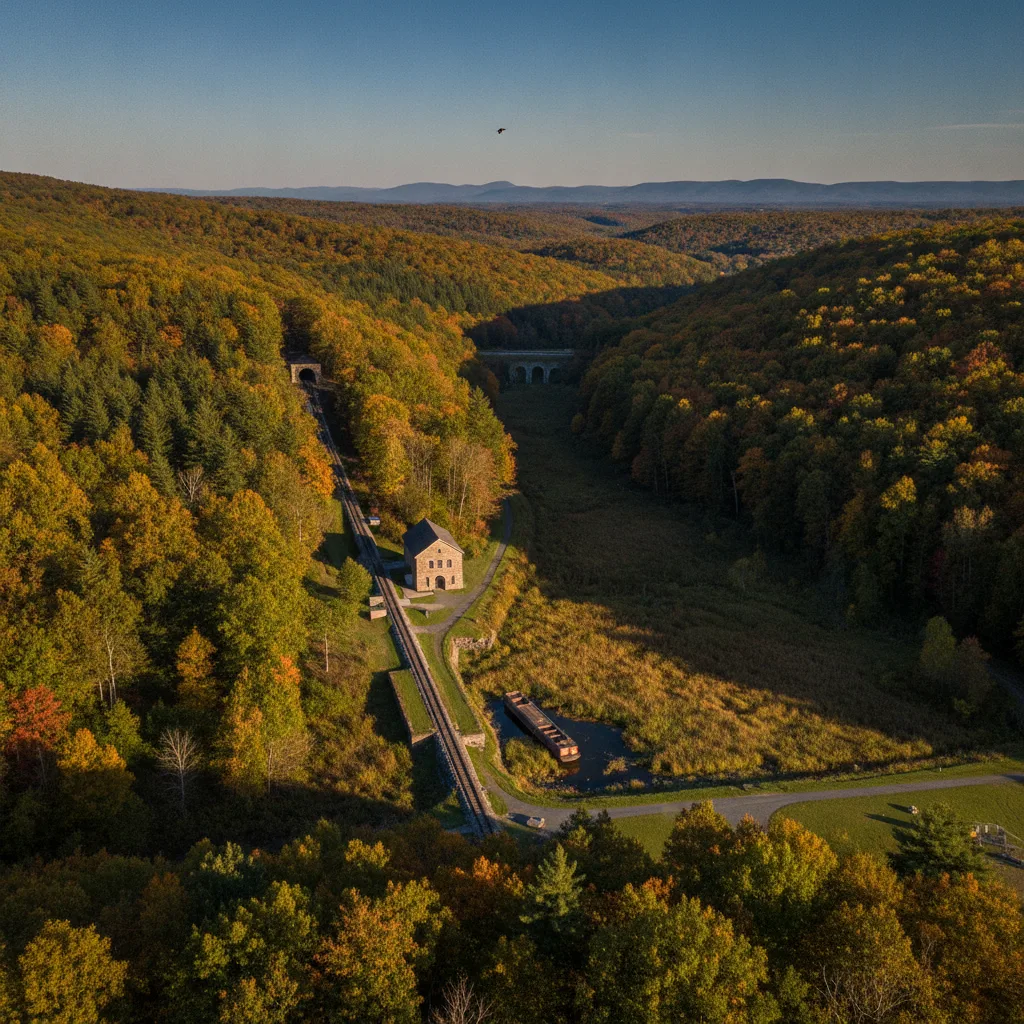
The "Portage," which opened in 1834, dramatically cut travel time and costs, serving everyone from merchants and passengers to soldiers and even those seeking freedom. What you'll encounter here are the remnants of an ingenious system of inclined planes, stationary steam engines, and the nation's first railroad tunnel, the Staple Bend Tunnel. It was a technological wonder of its era, a pioneering achievement that paved the way for future railway development and played a pivotal role in the industrialization of Pennsylvania and the opening of the American interior. We find that walking the historic grounds, seeing the reconstructed engine houses, and exploring the Lemon House tavern truly brings this incredible story to life. It’s a chance to connect with the sheer ambition and hard work of those who built this system against all odds.
Who It's Best For
Our team finds that the Allegheny Portage Railroad National Historic Site caters to a surprisingly broad range of visitors. It's an absolute must for **history buffs**, particularly those with an interest in American industrial history, the Pennsylvania Main Line Canal, or early railroad technology. The detailed exhibits and preserved structures offer a deep dive into the engineering challenges and societal impact of this 19th-century marvel.
**Train enthusiasts** will also find themselves captivated. While the historic railroad is no longer operational, the site provides a unique perspective on early rail transport and its evolution. Nearby, the active Norfolk Southern mainline through Gallitzin offers modern train-spotting opportunities, creating a fascinating contrast between past and present railroading.
For **families with children**, the site offers engaging exhibits and plenty of outdoor space to explore. The Junior Ranger program is a fantastic way for kids to learn about history and nature interactively. The trails are generally accessible, making it suitable for leisurely walks.
Finally, **outdoor adventurers and hikers** will appreciate the park's extensive trail system, which follows sections of the original railroad bed through scenic landscapes. It's a place where you can combine a good walk or bike ride with a rich historical context, often surrounded by beautiful Pennsylvania scenery, especially during the fall.
Getting There & Parking
Reaching the Allegheny Portage Railroad National Historic Site is straightforward, as it's conveniently located in west-central Pennsylvania, just off U.S. Highway 22. We recommend travelers approach from either Altoona (approximately 12 miles east) or Ebensburg (about 10 miles west). The park's main entrance leads directly to the Summit Level Visitor Center, which serves as the primary hub for orientation and exploration.
Upon arrival, you'll find ample **Allegheny Portage Railroad National Historic Site parking** available at the Summit Level Visitor Center. This is where most visitors begin their journey, with easy access to the exhibits, film, and trailheads. For those planning to visit the Staple Bend Tunnel, a separate unit of the park, there's a dedicated trailhead parking area near Mineral Point, about 5 miles from Johnstown. From this trailhead, it’s a picturesque two-mile walk or bike ride to the tunnel itself. We advise arriving early, especially on busy weekends or during peak fall foliage season, as parking at the Staple Bend Tunnel trailhead can become limited. Additionally, a picnic area with tables and grills is available off the Summit Exit of U.S. 22, also offering convenient parking.
Top Things to Do
Our team has explored the Allegheny Portage Railroad National Historic Site extensively, and we can confidently say there are a wealth of **things to do at Allegheny Portage Railroad National Historic Site** that blend history, engineering, and natural beauty. Here’s our curated list:
- Start at the Summit Level Visitor Center: This is your essential first stop. Here, you can immerse yourself in the park's exhibits, watch the informative introductory film, and browse the bookstore. It provides crucial context for understanding the monumental achievement of the Portage Railroad.
- Explore Engine House No. 6 Exhibit Shelter: Just a short walk from the Visitor Center, this replica structure gives you a tangible sense of the powerful stationary steam engines that once hauled canal boats and railroad cars over the mountain.
- Step Back in Time at the Lemon House: This historic tavern, built in 1831, served as a vital stop for travelers on the Allegheny Portage Railroad. The first floor is open for exploration, offering a glimpse into the daily lives of those who traversed this route.
- Hike or Bike the Historic Trails: The park boasts over 15 miles of trails, many of which follow sections of the original railroad bed. These trails offer a unique opportunity to walk in the footsteps of 19th-century travelers and appreciate the scale of the engineering feat. The scenic Nature Trail Loop is a particular highlight.
- Visit the Skew Arch Bridge: An architectural curiosity, this bridge is a testament to the innovative construction techniques employed during the railroad's creation.
- Journey to the Staple Bend Tunnel: As America's first railroad tunnel, this site is historically significant. While the interior is currently closed due to a rockfall, the trail leading to it is open, allowing visitors to walk or bike the two-mile path from the Mineral Point trailhead and bypass the tunnel via a path around the right side. It's a rewarding 4-mile round trip.
- Join a Ranger Program: Especially during the summer months, park rangers offer a variety of interpretive programs, including guided hikes, van tours, and costumed demonstrations. These programs provide deeper insights into the park's history and natural environment.
- Enjoy a Picnic: The park offers a dedicated picnic area off the Summit Exit of U.S. 22, complete with tables and grills, perfect for a relaxing meal amidst nature.
Beyond the historic site itself, there are also excellent **things to do in Gallitzin** and the surrounding area:
- Gallitzin Tunnels Park and Museum: Located in the heart of Gallitzin, this museum is set for its grand reopening on Tuesday, July 7, 2026, and will be open from noon to 4 PM. It typically operates Tuesday through Sunday, May through October. Here, you can learn about the area's rich railroad history, see a restored 1942 PRR Caboose, and, most excitingly, watch active freight trains emerge from the Allegheny and New Portage Tunnels, part of Norfolk Southern's main line. There's no admission charge.
- Horseshoe Curve National Historic Landmark: Just a short drive away, this iconic engineering marvel allows you to witness modern trains navigating a breathtaking curve.
- Railroaders Memorial Museum (Altoona): For an even deeper dive into railroad history, this museum in Altoona offers extensive exhibits on the industry's impact.
- Prince Gallitzin State Park: If you're looking for more outdoor recreation, this state park offers a wide array of activities throughout the year, from winter sports like cross-country skiing during their "Winter Blast" event (February 14, 2026) to summer events like the "Decorated Boat Float" (July 25, 2026) and the "Apple Cider Festival" in the fall (October 4, 2026).
- Cresson Railroad Park: Another excellent spot for train watching, offering good views of the active rail lines.
- Portage Station Museum: Located in the town of Portage, this museum further explores local railroad heritage.
Best Time to Visit
Our team at Roam States always emphasizes timing for the optimal travel experience, and the Allegheny Portage Railroad National Historic Site is no exception. We find that the **sweet spot for visiting is May**. During this shoulder season, you'll experience pleasant temperatures, typically ranging from the 50s to 70s, making it ideal for hiking and outdoor exploration. Crucially, May also sees noticeably thinner crowds compared to the peak summer months, meaning easier parking and a more serene experience at the historic sites.
**Summer (June through August)** is another popular time, with temperatures often in the 80s and 90s, accompanied by high humidity. While the park offers extended hours for its visitor center and buildings during these months, July is historically the busiest, with crowds significantly higher than the annual average. If you visit in summer, be prepared for potential severe thunderstorms.
**Fall (September and October)** brings cooler weather and stunning foliage, making it a picturesque time to explore the trails. This is a highly recommended time for scenic hikes, though popular spots like the Staple Bend Tunnel Trail can still draw crowds, so early arrival is advisable.
**Winter (mid-October through April)** sees the arrival of colder temperatures and significant snowfall, with Cambria County averaging about 70 inches per season. While park grounds and trails remain open from sunrise to sunset year-round (weather permitting), park buildings are closed on Thanksgiving Day, Christmas Day, and New Year's Day. Winter visits can offer a unique, quiet beauty, and activities like cross-country skiing are possible. However, weather conditions can change rapidly at the summit of the Allegheny Mountains, potentially leading to unexpected closures.
In summary, for the best balance of comfortable weather and manageable crowds, we highly recommend aiming for May. If vibrant fall colors are your priority, early to mid-October is superb, but plan for potentially more visitors.
Where to Stay Nearby
Finding comfortable and convenient **Allegheny Portage Railroad National Historic Site lodging** is key to a successful trip. While there's no camping permitted directly within the historic site, the surrounding towns offer a range of options to suit different preferences and budgets. We recommend looking at accommodations in Cresson, Gallitzin, Portage, Altoona, and Johnstown, all of which are within a reasonable driving distance.
For those seeking proximity, the towns of **Cresson** and **Gallitzin** are the closest, offering a more local, small-town experience. You'll find a mix of independent inns and perhaps some smaller hotel chains. These towns also provide convenient access to local amenities like gas and groceries. The Station Inn B&B in Cresson is one example of a local option.
**Portage**, while a bit further, also offers local charm and access to the Portage Station Museum. Hotels here include budget-friendly motels and family-friendly options. For instance, the Comfort Inn Ebensburg is about 7 miles from the Portage Station Museum.
If you prefer a wider selection of hotels, dining, and amenities, **Altoona** and **Johnstown** are excellent choices. Both cities are within a 15-30 minute drive of the historic site and provide a greater variety of chain hotels, from budget-friendly to more upscale options. In Altoona, you might consider the WYE Motor Lodge Duncansville - Altoona, Super 8 by Wyndham Altoona, Microtel Inn & Suites By Wyndham Altoona, or the Altoona Grand Hotel & Conference Center. In Johnstown, options include the Quality Inn Johnstown, Hampton Inn Johnstown, or Comfort Inn & Suites Johnstown - Richland Town Center. Many of these hotels offer amenities like free breakfast, Wi-Fi, and parking, enhancing your stay.
When planning your **Allegheny Portage Railroad National Historic Site lodging**, we advise checking current availability and booking in advance, especially if your visit coincides with peak season or local events. This ensures you secure the best options for your trip.
Sample 2-Day Itinerary
To truly appreciate the Allegheny Portage Railroad National Historic Site and its surroundings, we recommend dedicating at least two days. Here’s a sample itinerary crafted by our team to maximize your experience:
Day 1: Immersion in the Portage Railroad
- Morning (9:00 AM - 1:00 PM): Summit Level Exploration
Begin your day at the **Summit Level Visitor Center**. We suggest allocating a good amount of time here to watch the park film, explore the comprehensive exhibits, and talk with a ranger to get oriented. From the Visitor Center, take a leisurely walk to the **Engine House No. 6 Exhibit Shelter** to see the replica steam engine and understand its function. Continue to the historic **Lemon House**, where you can explore the first floor of this former tavern and imagine travelers stopping for refreshment.
- Lunch (1:00 PM - 2:00 PM): Picnic or Local Fare
Enjoy a packed lunch at the park’s picnic area off the Summit Exit of U.S. 22, or head to a local eatery in nearby Cresson or Gallitzin for some small-town charm.
- Afternoon (2:00 PM - 5:00 PM): Hiking and Ranger Programs
Spend your afternoon exploring the park's scenic trails. We recommend hiking a section of the original railroad bed to truly grasp the terrain. Check the park's calendar for any scheduled ranger programs, guided hikes, or van tours, which offer invaluable insights. Don't miss the **Skew Arch Bridge** for its unique architecture.
- Evening: Dinner and Relaxation
Dine in Altoona or Johnstown, where you’ll find a wider array of restaurants. Return to your chosen Allegheny Portage Railroad National Historic Site lodging for a restful evening.
Day 2: Tunnels, Trains, and Local History
- Morning (9:00 AM - 12:00 PM): Staple Bend Tunnel Hike
Start your day with a visit to the **Staple Bend Tunnel**, America's first railroad tunnel. Drive to the Mineral Point trailhead (approximately 5 miles from Johnstown) and enjoy the four-mile round-trip hike or bike ride to the tunnel. Remember, the interior is currently closed, but the trail is open, and you can bypass the tunnel via a path around the right side. The shaded path along the Path of the Flood Trail is beautiful.
- Lunch (12:00 PM - 1:00 PM): Johnstown or Gallitzin
Grab lunch in Johnstown after your hike, or head back towards Gallitzin for some local food.
- Afternoon (1:00 PM - 5:00 PM): Gallitzin Tunnels and Horseshoe Curve
Immerse yourself in more railroad history. Visit the **Gallitzin Tunnels Park and Museum** in Gallitzin. On July 7, 2026, it reopens, offering a chance to see exhibits and a restored caboose, and most impressively, to witness active freight trains passing through the Allegheny and New Portage Tunnels. From there, drive to the iconic **Horseshoe Curve National Historic Landmark** to see trains navigate this engineering marvel.
- Late Afternoon/Evening: Explore More of Pennsylvania
Depending on your interests, you could visit the Gettysburg National Military Park for a profound historical experience, or head east towards Independence National Historical Park in Philadelphia to delve into the birth of our nation. For a broader exploration of the state, consult our guide to the Best Places in Pennsylvania.
Expert Verdict
From our perspective as seasoned travelers, the Allegheny Portage Railroad National Historic Site Pennsylvania is unequivocally worth visiting. It's a relatively quiet park, drawing around 163,000 visitors in 2025, allowing for a more intimate and reflective experience compared to some of the nation's more crowded attractions. The site's historical significance as the first railroad to conquer the Allegheny Mountains, a critical link in the Pennsylvania Main Line Canal, cannot be overstated. We found the blend of preserved historical structures, engaging exhibits, and scenic trails to be incredibly rewarding. Walking the paths where this engineering marvel once operated, and seeing the remnants of the inclined planes and the Staple Bend Tunnel, truly brings the 19th-century ambition to life. The fact that admission is free makes it an even more accessible and valuable destination. Whether you're a history enthusiast, a railfan, or simply looking for a unique outdoor experience in Pennsylvania, this site offers a compelling journey into a pivotal chapter of American innovation. We consistently recommend it as a standout historical destination.
Frequently Asked Questions
Allegheny Portage Railroad National Historic Site with kids
Yes, the Allegheny Portage Railroad National Historic Site is a great destination for families with kids! Our team finds that the outdoor trails offer plenty of space for children to run and explore, and the historical exhibits are presented in an engaging way. Kids can participate in the Junior Ranger program, which provides an interactive learning experience about the park's history and nature. The reconstructed Engine House No. 6 and the Lemon House tavern offer tangible connections to the past. The relatively flat trails, like the one leading to the Staple Bend Tunnel (a 4-mile round trip), are suitable for families to walk or bike together. We recommend bringing snacks, water, and planning for breaks, especially on warmer days. The picnic area is also a convenient spot for a family meal.
best hotels near Allegheny Portage Railroad National Historic Site
When looking for the **best hotels near Allegheny Portage Railroad National Historic Site**, our top recommendations often lean towards the larger towns of Altoona and Johnstown for their wider selection and amenities. In Altoona, highly-rated options include the Microtel Inn & Suites By Wyndham Altoona (rated 9/10 Wonderful!) and the Altoona Grand Hotel & Conference Center (8/10 Very Good!). In Johnstown, the Hampton Inn Johnstown (9.4/10 Exceptional!) and Quality Inn Johnstown (7.4/10 Good!) are popular choices. These hotels typically offer complimentary breakfast, free WiFi, and parking. For those preferring to stay closer to the park for a more intimate experience, smaller inns and motels can be found in Cresson and Gallitzin, though options may be more limited. We always advise checking recent reviews and booking in advance, especially during peak travel seasons.
Allegheny Portage Railroad National Historic Site tips
Our team has a few key **Allegheny Portage Railroad National Historic Site tips** to enhance your visit. First, start at the Summit Level Visitor Center to gain essential historical context through exhibits and the park film. Second, wear comfortable shoes suitable for walking, as much of the exploration involves trails and outdoor areas. Third, consider visiting in May for pleasant weather and fewer crowds. Fourth, pack water and snacks, especially if you plan on hiking the longer trails like the one to Staple Bend Tunnel. Fifth, check the park's official website or call the Visitor Center (814-886-6150) before your visit for current operating hours (buildings are closed Wednesdays and Thursdays) and any alerts, such as the ongoing interior closure of the Staple Bend Tunnel. Finally, don't forget to explore nearby attractions like the Gallitzin Tunnels Park and Museum and the Horseshoe Curve for a comprehensive railroad history experience.
where to stay near Allegheny Portage Railroad National Historic Site
For travelers wondering **where to stay near Allegheny Portage Railroad National Historic Site**, we suggest focusing on the nearby communities of Cresson, Gallitzin, Portage, Altoona, and Johnstown. Cresson and Gallitzin offer the closest lodging, providing easy access to the park and a more local feel, with food, lodging, and gas readily available. For a broader selection of hotels, restaurants, and amenities, Altoona (about 12 miles east) and Johnstown (about 10 miles west of Ebensburg, which is near the park) are excellent choices. You'll find a range of chain hotels in these cities, including options like Fairfield Inn & Suites, Hampton Inn, Quality Inn, and Microtel. We recommend booking your accommodations in advance, particularly if traveling during summer or fall, to ensure availability.
Allegheny Portage Railroad National Historic Site parking
Regarding **Allegheny Portage Railroad National Historic Site parking**, visitors will find ample space available at the main Summit Level Visitor Center. This is the most convenient place to park for accessing the visitor center, Engine House No. 6, the Lemon House, and the central trail system. For those wishing to visit the Staple Bend Tunnel, there is a separate trailhead parking area located near Mineral Point. We advise arriving early at the Staple Bend Tunnel trailhead, especially on weekends or during popular seasons like autumn, as parking can become limited. All parking within the park is free. There is also a picnic area off the Summit Exit of U.S. 22 with available parking.
best time to visit Allegheny Portage Railroad National Historic Site
Our team's consensus for the **best time to visit Allegheny Portage Railroad National Historic Site** is during the month of May. This period offers a delightful combination of comfortable temperatures, typically ranging from the 50s to 70s, and significantly fewer crowds compared to the peak summer season. The pleasant weather is ideal for exploring the outdoor trails and historic structures without the intense heat and humidity of mid-summer. While summer (June-August) is warm and popular, July is the busiest month. Fall (September-October) is also a beautiful time, especially for foliage, but can be crowded at popular spots. Winter visits offer a unique, quiet experience with opportunities for cross-country skiing, but require preparedness for cold and snow, and park buildings have limited hours.
Last updated: 2026-07-07 by the Roam States team.