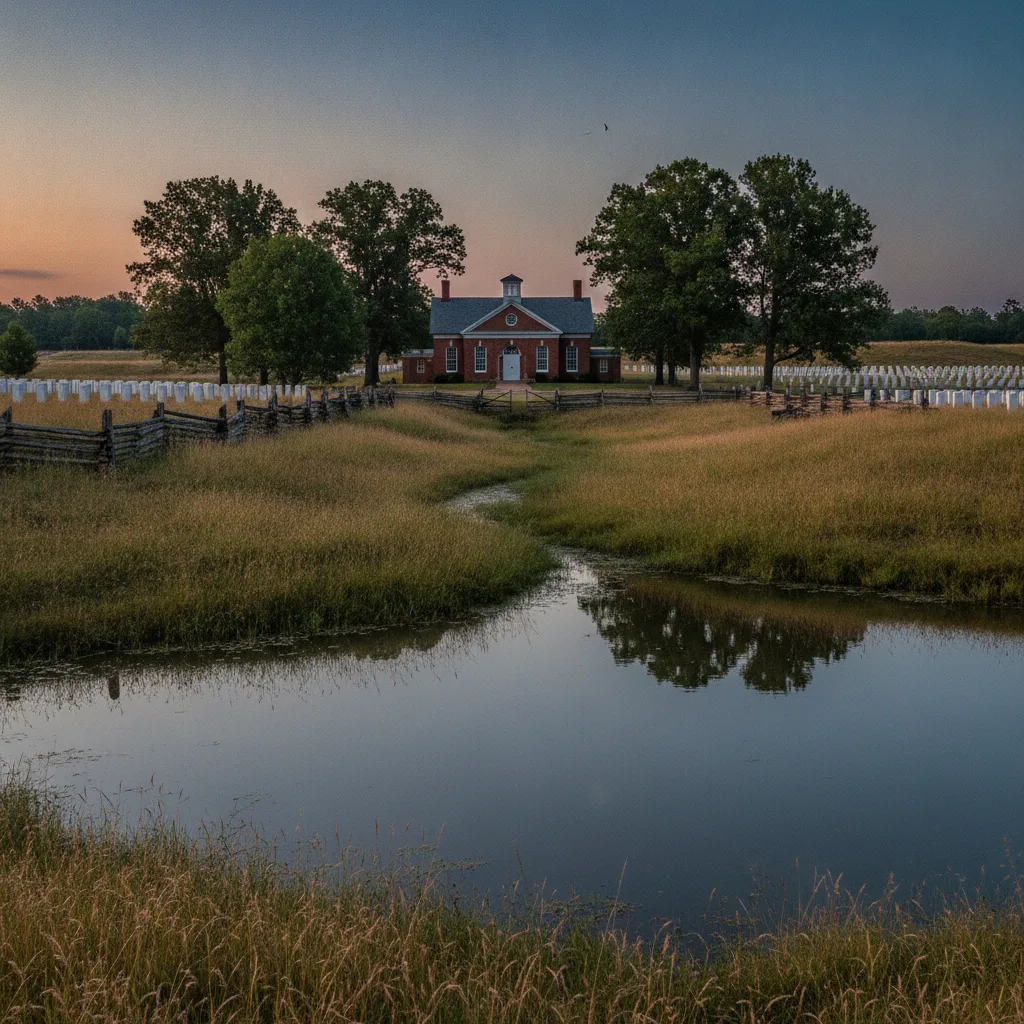
Andersonville National Historic Site Travel Guide — Georgia
Our Andersonville National Historic Site guide covers practical planning for Andersonville National Historic Site Georgia — best time to visit, getting there, and what to do on the ground.
As independent US travel authorities, our team at Roam States understands the profound impact certain destinations can have. Among them, Andersonville National Historic Site Georgia stands as a stark, yet essential, pilgrimage. This isn't a typical leisure destination; it's a place of solemn remembrance, preserving the harrowing legacy of Camp Sumter, a notorious Confederate prisoner-of-war camp during the Civil War, and serving as a poignant memorial to all American prisoners of war throughout history. We believe that understanding its history and planning your visit thoughtfully will allow for the most impactful experience.
Why Visit Andersonville National Historic Site
Visiting Andersonville National Historic Site is a deeply moving and educational experience, one that transcends mere tourism to offer a profound connection to American history. We encourage travelers to come here not just to see, but to understand and reflect. The site directly confronts the brutal realities of the Civil War, specifically the suffering endured by Union soldiers imprisoned at Camp Sumter. From February 1864 to April 1865, over 45,000 Union soldiers were confined within its walls, enduring unimaginable conditions due to overcrowding, starvation, and disease. Nearly 13,000 of them perished here.
Beyond the Civil War narrative, Andersonville also serves as the National Prisoner of War Museum, honoring the sacrifices of all American POWs from the Revolutionary War to modern conflicts. This dual focus makes it a unique and vital national park. Our team finds that walking the hallowed grounds, seeing the reconstructed stockade, and exploring the museum's exhibits offers a powerful lesson in human endurance and the costs of conflict. It’s a place that fosters empathy and a deeper appreciation for the freedoms we often take for granted. It's a testament to the enduring human spirit in the face of adversity and a powerful reminder of the sacrifices made for our nation.
Who It's Best For
Andersonville National Historic Site is best suited for history enthusiasts, students, veterans, and anyone seeking a contemplative and educational travel experience. We particularly recommend it for those with a keen interest in the Civil War, military history, and the broader narrative of American sacrifice. Families with older children (we suggest ages 12 and up due to the somber nature of the exhibits) can find it a valuable educational tool for understanding a difficult but crucial period in our nation's past. The National Prisoner of War Museum, with its comprehensive exhibits and oral histories, appeals to a wide audience interested in the POW experience across all conflicts. While the site is accessible, some of the historic prison grounds feature uneven terrain, which might be challenging for visitors with significant mobility impairments.
It's important to note that this is not a recreational park in the traditional sense. There are no playgrounds or extensive hiking trails; instead, the focus is on historical interpretation and solemn reflection. Visitors should arrive with an open mind and a willingness to engage with challenging historical narratives. For those who appreciate places of deep historical significance and quiet contemplation, Andersonville offers an unparalleled experience.
Getting There & Parking
Reaching Andersonville National Historic Site is straightforward, though it requires a drive as it's situated in a more rural part of southwest Georgia. We typically advise visitors to plan their route by car, as public transportation options are limited in this region.
- By Car: The site is located at 496 Cemetery Rd, Andersonville, GA 31711.
- From Atlanta: Expect approximately a 2.5-hour drive (140 miles) via I-75 South to GA-49 South.
- From Macon: The drive is about 1.5 hours via US-280 West or GA-49 South.
- From Americus: The site is roughly 10 miles northeast.
Once you arrive at Andersonville National Historic Site, you'll find ample free parking available for all visitors. The main parking lot is conveniently located near the Visitor Center and the National Prisoner of War Museum, making access easy. We've found that parking is rarely an issue, even during busier periods. The paved roads within the park also provide good access around the historic prison site and through the National Cemetery, with designated parking areas at various points of interest along the self-guided driving tour.
For those traveling from other parts of Georgia, consider combining your visit with other significant destinations. For instance, you could explore the vibrant Savannah Historic District or learn more about the Civil Rights Movement at the Martin Luther King Jr. NHP in Atlanta, both offering different but equally important perspectives on Georgia's rich history. To plan your comprehensive journey across the state, we highly recommend consulting our guide to the Best places in Georgia.
Top Things to Do
When you visit Andersonville National Historic Site, you'll find a range of profound experiences designed to educate and honor. Our team recommends allocating at least 2-3 hours for your visit, though those with a deep interest in history could easily spend a full day exploring.
Explore the National Prisoner of War Museum
This is an essential first stop for understanding the broader context of American POW experiences. The museum, opened in 1998, commemorates all U.S. prisoners of war across every conflict, from the Revolutionary War to the present day. Through powerful exhibits, artifacts, oral history interviews, and multimedia displays, it tells compelling stories of sacrifice and endurance. We particularly recommend watching the two 30-minute introductory films, "Voices from Andersonville" and "Echoes of Captivity," which alternate throughout the day and provide crucial background.
Tour the Historic Prison Site (Camp Sumter)
This is the heart of the Andersonville experience. The former Camp Sumter military prison site, where tens of thousands of Union soldiers were confined, is preserved to convey the harsh realities of captivity. You can take a self-guided audio driving tour that encircles the prison site, with pull-offs at key points of interest. Walking the grounds, you'll see reconstructed sections of the stockade, the infamous "deadline" beyond which prisoners risked being shot, and monuments erected by various states. It's difficult to fully grasp the scale of suffering without seeing the confined space where 45,000 men were held.
Among the things to do at Andersonville National Historic Site, observing Providence Spring is particularly poignant. Legend says this spring miraculously appeared after a prayer, offering fresh water to the suffering prisoners. The North Gate, where Union soldiers entered the camp, and the Star Fort, a Confederate earthen fort overlooking the prison, are also significant stops. The terrain here can be uneven in places, but paved roads and accessible bridges lead to key outdoor exhibits.
Visit Andersonville National Cemetery
Established on July 26, 1865, this cemetery is the final resting place for nearly 13,000 Union prisoners of war who died at Camp Sumter. It remains an active national cemetery, with approximately 150 burials annually, honoring veterans and their families. The rows upon rows of white headstones are a powerful visual testament to the immense loss of life. We find that a quiet walk through the cemetery offers a moment for reflection and respect for all who served.
Explore the Village of Andersonville
While the National Historic Site is the primary draw, the nearby Village of Andersonville offers additional things to do. Just across Highway 49 from the park exit, you can step back in time. The Drummer Boy Civil War Museum on the main street features an authentic collection of Civil War uniforms, weapons, and artifacts. The village also boasts a 6-acre Pioneer Farm with an operating Grist Mill and period buildings, providing a glimpse into 19th-century rural life.
These things to do at Andersonville National Historic Site and its immediate surroundings provide a comprehensive and deeply affecting historical journey.
Best Time to Visit
Choosing the best time to visit Andersonville National Historic Site can significantly enhance your experience. Our team generally recommends visiting during the spring (March to May) or fall (September to November) months. During these seasons, the weather in Georgia is typically milder, with comfortable temperatures that are ideal for walking the outdoor prison grounds and cemetery. The lush greenery of spring or the vibrant foliage of fall also add a natural beauty to the solemn landscape.
Summer (June to August) in Andersonville, Georgia, can be intensely hot and humid. For July 2026, forecasts show daily high temperatures ranging from 82°F to 91°F, with overnight lows between 66°F and 72°F, and an average high of 85°F. Expect hot and humid conditions with a chance of afternoon showers or thunderstorms. If you must visit in summer, we advise arriving early in the morning, staying hydrated, and taking advantage of the air-conditioned National Prisoner of War Museum during the hottest parts of the day. Winter (December to February) brings cooler temperatures, which can be pleasant for outdoor exploration, but some days can be quite chilly. The park grounds and cemetery are open daily from 8:00 AM to 5:00 PM year-round, while the museum operates from 9:30 AM to 4:30 PM.
Consider avoiding major holidays like New Year's Day, Thanksgiving Day, and Christmas Day, as the museum and park buildings are closed, though cemetery access is still provided. Weekdays generally see fewer visitors than weekends, allowing for a more reflective and less crowded experience. Regardless of when you come, checking the local weather forecast before your trip is always a good idea.
Where to Stay Nearby
While there is no lodging directly within Andersonville National Historic Site, several nearby towns offer convenient and comfortable options for your stay. Our team generally recommends looking for Andersonville National Historic Site lodging in Americus or Montezuma, both located approximately 10 miles from the park.
- Americus, Georgia: This historic city, about a 15-20 minute drive south of the site, provides the most comprehensive selection of accommodations. Here you'll find a range of hotels to suit different budgets and preferences.
- Windsor Hotel, an Ascend Collection Hotel: A highly-rated, historic Victorian hotel in downtown Americus, offering a unique and elegant experience. It's about 10.6 miles from the site.
- Hampton Inn Americus: A reliable choice offering comfortable rooms and amenities like free breakfast and Wi-Fi. It's approximately 10.1 miles from the historic site.
- Days Inn by Wyndham Americus: Another solid option with good value, often including a light breakfast and free Wi-Fi. It's about 10 miles away.
- Quality Inn Americus: Offers standard amenities and is conveniently located.
- Motel 6 Americus, GA: A budget-friendly choice for travelers.
- Montezuma, Georgia: Located about 10 miles north of the park, Montezuma also offers a few lodging facilities and restaurants.
- Americas Best Value Inn Montezuma: A convenient option in Montezuma.
For those interested in camping, there are several private campgrounds and RV parks in the broader Andersonville area, such as Andersonville RV Park and The Pecan Orchard CampGrounds, offering a more rustic Andersonville National Historic Site lodging experience.
When searching for Andersonville National Historic Site lodging, we recommend booking in advance, especially if your visit coincides with a popular time of year or a local event. These towns provide a good base for exploring not only Andersonville but also other nearby attractions in this part of Georgia.
Sample 2-Day Itinerary
To truly absorb the history and significance of Andersonville National Historic Site, we recommend a two-day visit. This allows for a more contemplative pace and the opportunity to explore the surrounding area. Here’s a sample itinerary our team has put together:
Day 1: Immersion in Andersonville's History
- Morning (9:00 AM - 1:00 PM): National Prisoner of War Museum & Visitor Center
- Begin your day at the National Prisoner of War Museum, which opens at 9:30 AM. Allow ample time to explore the exhibits, which chronicle the experiences of American POWs across all conflicts. Watch both introductory films, "Voices from Andersonville" and "Echoes of Captivity," for essential historical context. This sets the stage for understanding the prison site.
- Pick up a park brochure and map from the ranger-staffed information desk.
- Lunch (1:00 PM - 2:00 PM): Picnic or Local Eatery
- Enjoy a packed lunch at the park's picnic area, or head to a local restaurant in the nearby Village of Andersonville or Americus.
- Afternoon (2:00 PM - 5:00 PM): Historic Prison Site (Camp Sumter)
- Embark on the self-guided audio driving tour of the historic prison site. This allows you to experience the vastness of Camp Sumter and stop at key interpretive points like the reconstructed stockade, the "deadline," Providence Spring, the North Gate, and the Star Fort. Take time to walk the grounds and reflect on the conditions endured by the prisoners. The park grounds are open until 5:00 PM.
- Evening: Dinner & Reflection in Americus
- Drive to Americus (approximately 10 miles) for dinner. Consider dining at one of the local restaurants.
- Check into your Andersonville National Historic Site lodging in Americus.
Day 2: Cemetery, Village, and Further Exploration
- Morning (9:00 AM - 12:00 PM): Andersonville National Cemetery & Village of Andersonville
- Start your day with a respectful visit to the Andersonville National Cemetery. Walk among the thousands of headstones, a somber testament to the lives lost at Camp Sumter and a continuing place of rest for veterans. The cemetery is open from 8:00 AM to 5:00 PM.
- Afterward, explore the charming Village of Andersonville. Visit the Drummer Boy Civil War Museum for more Civil War artifacts, and wander through the 6-acre Pioneer Farm to see historical buildings and an operating Grist Mill.
- Lunch (12:00 PM - 1:00 PM): Local Fare
- Grab lunch in the Village of Andersonville or Americus.
- Afternoon (1:00 PM onwards): Regional Exploration or Departure
- Depending on your interests and onward travel plans, you have a few options:
- Option A (Further History): Consider a visit to the Jimmy Carter National Historic Site in Plains, Georgia, a short drive from Americus, to learn about the life of the 39th U.S. President.
- Option B (Nature & Recreation): Explore Providence Canyon State Park, often called Georgia's "Little Grand Canyon," for hiking and scenic views.
- Option C (Departure): Begin your journey home or to your next destination in Georgia, perhaps heading towards the Golden Isles for coastal charm or the Stone Mountain Park Georgia for family-friendly activities.
- Depending on your interests and onward travel plans, you have a few options:
Is It Worth Visiting?
From our perspective as seasoned travelers and independent US travel authorities, the question "is Andersonville National Historic Site worth visiting?" can be answered with a resounding yes, though with a crucial caveat. This is not a destination for lighthearted tourism; rather, it is a profoundly significant site demanding solemn reflection and a genuine interest in American history and the human experience of war. We firmly believe that its educational value and the powerful emotional impact it delivers make it an indispensable stop for many.
The site serves a dual purpose: preserving the grim history of Camp Sumter, the notorious Civil War prisoner-of-war camp, and acting as the National Prisoner of War Museum, honoring all American POWs. This combination offers an unparalleled opportunity to understand the immense sacrifices made by service members throughout our nation's history. Walking the grounds of the historic prison site, seeing the reconstructed stockade, and visiting the National Cemetery where nearly 13,000 Union soldiers are buried, provides a tangible connection to the past that textbooks simply cannot replicate.
For those who seek a deeper understanding of the Civil War, military history, and the enduring themes of human suffering, resilience, and remembrance, Andersonville National Historic Site is worth visiting without question. It challenges visitors to confront difficult truths, fostering empathy and a greater appreciation for peace and freedom. If you approach your visit with an open mind and a readiness for a powerful, educational experience, you will find it to be an incredibly rewarding and memorable journey.
FAQ
Andersonville National Historic Site with kids
Visiting Andersonville National Historic Site with kids requires careful consideration due to the somber and graphic nature of its history. We generally recommend it for older children, perhaps 12 and up, who can grasp the gravity of the events and exhibits. The National Prisoner of War Museum contains powerful and at times disturbing images and oral histories of starvation and suffering. However, for mature children, it can be an incredibly impactful educational experience. We suggest preparing them beforehand, explaining the history in an age-appropriate way. Focus on the stories of resilience and the importance of remembrance. The outdoor prison site offers space to walk and explore, and the self-guided audio tour can keep them engaged. The National Park Service offers Junior Ranger programs, which can provide a structured and interactive way for kids to learn and earn a badge, making the visit more engaging for them.
Best hotels near Andersonville National Historic Site
The best hotels near Andersonville National Historic Site are primarily located in Americus, Georgia, about 10 miles south of the park. Our top recommendations include the historic Windsor Hotel, an Ascend Collection Hotel, known for its Victorian charm and excellent service. Other reliable options offering comfortable stays are the Hampton Inn Americus and the Days Inn by Wyndham Americus. For budget-conscious travelers, the Quality Inn Americus and Motel 6 Americus, GA, are also available. These establishments provide a convenient base for exploring the historic site and the surrounding area, ensuring a comfortable night's rest after a day of reflection.
Andersonville National Historic Site tips
To make the most of your visit to Andersonville National Historic Site, our team offers these key tips: start at the National Prisoner of War Museum to gain essential context before exploring the outdoor sites. Wear comfortable walking shoes, as you'll be covering significant ground, especially at the prison site and cemetery. Bring water, especially during warmer months, and consider hats and sunscreen. Allow at least 2-3 hours for a thorough visit, or a full day if you have a deep interest in the history. We highly recommend utilizing the free self-guided audio tour for the prison site and cemetery, as it provides invaluable narration. Finally, approach your visit with a respectful and reflective mindset, as this is a solemn memorial to immense suffering and sacrifice.
Where to stay near Andersonville National Historic Site
When planning where to stay near Andersonville National Historic Site, your best options are the towns of Americus and Montezuma, both approximately 10 miles away. Americus offers a broader selection of hotels, including the historic Windsor Hotel, Hampton Inn, and Days Inn, providing various price points and amenities. Montezuma has fewer options, but Americas Best Value Inn Montezuma is a notable choice. For those seeking a more immersive outdoor experience, several private campgrounds and RV parks are located in the wider Andersonville area, offering an alternative to traditional hotel lodging. We advise booking your accommodation in advance, particularly during peak travel seasons.
Andersonville National Historic Site parking
Parking at Andersonville National Historic Site is straightforward and convenient. We can confirm that there is plenty of free parking available for all visitors. The main parking lot is situated directly adjacent to the Visitor Center and the National Prisoner of War Museum. Additionally, paved roads wind through the historic prison site and the National Cemetery, with various pull-offs and designated parking areas at key interpretive stops. This allows for easy access to all major components of the park, whether you prefer to walk extensively or drive between points of interest.
Best time to visit Andersonville National Historic Site
The best time to visit Andersonville National Historic Site is during the spring (March to May) or fall (September to November). During these seasons, the weather is typically mild and pleasant, making it ideal for exploring the outdoor prison grounds and cemetery comfortably. Summer months (June to August) bring high heat and humidity, with July 2026 expected to see daily highs between 82°F and 91°F. If visiting in summer, we recommend going early in the morning and staying hydrated. Winter offers cooler temperatures, which can be comfortable for outdoor activities, though some days may be chilly. Weekdays are generally less crowded than weekends, allowing for a more reflective experience. The park grounds and cemetery are open daily from 8:00 AM to 5:00 PM, and the museum from 9:30 AM to 4:30 PM, year-round, except for major holidays.
We hope this comprehensive guide assists you in planning a meaningful and impactful visit to Andersonville National Historic Site. It is a place that demands our attention and offers profound lessons in history and humanity.
Last updated: 2026-07-05 by the Roam States team.