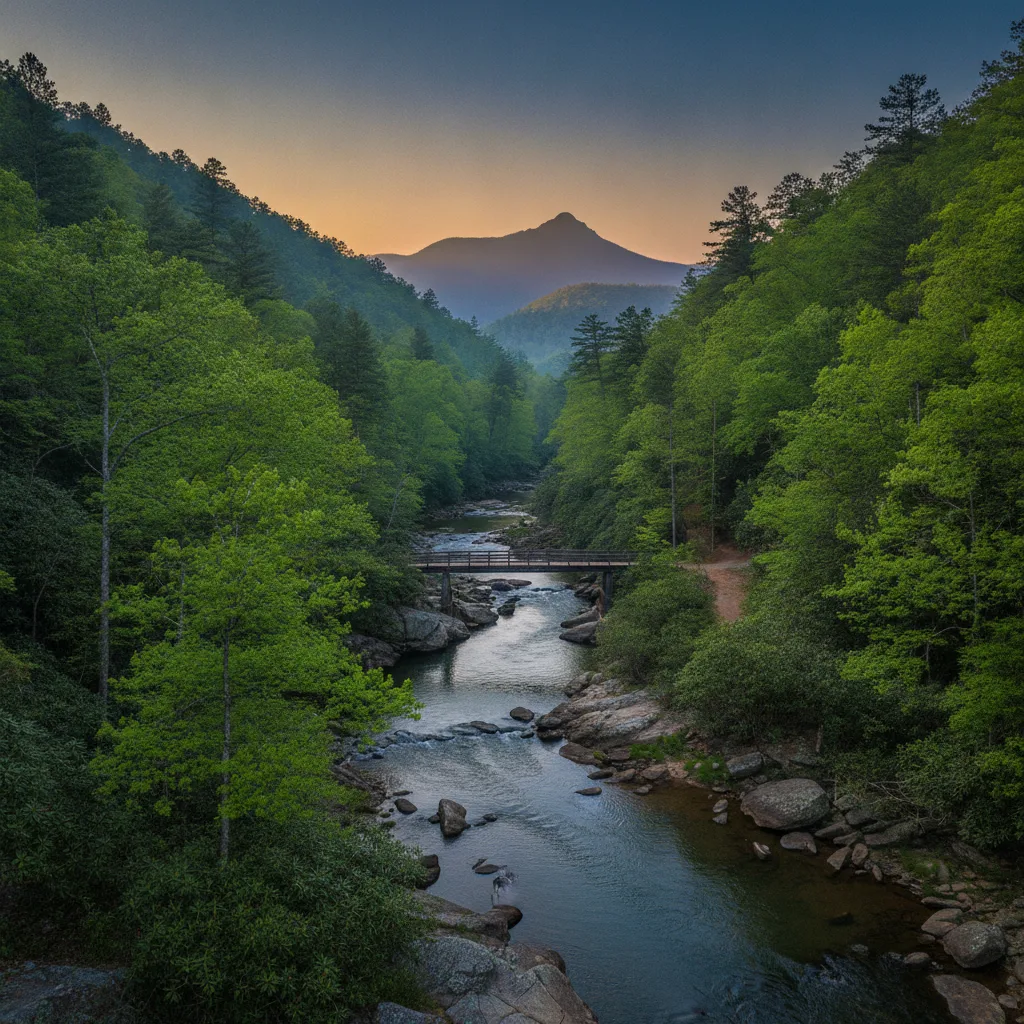
As the Visit America editorial team, we’re here to cut through the noise and deliver the essential, actionable insights you need for an unforgettable trip. Forget generic travel agency fluff; our expertise in American travel shines through in this comprehensive guide to the Chattahoochee National Forest in Georgia's North Mountains.
Chattahoochee National Forest Travel Guide — Georgia
The Chattahoochee National Forest Georgia stands as a testament to the Peach State's incredible natural diversity, offering a sprawling expanse of mountains, rivers, and dense woodlands that beckon adventurers and nature lovers alike. Our team has explored its depths, and we can confidently say that this is where Georgia truly shows its wild heart. From cascading waterfalls and challenging hiking trails to serene campgrounds and abundant wildlife, the Chattahoochee provides an escape into an unspoiled wilderness that feels a world away from the bustling cities. We've compiled this guide to ensure your visit is as seamless and rewarding as possible, covering everything from the best trails to the practicalities of parking and reservations.
Why Visit Chattahoochee National Forest
We believe the Chattahoochee National Forest offers an unparalleled opportunity to connect with nature in a profound way. It’s a place where the air is crisp, the views are expansive, and the sounds of modern life fade into the rustle of leaves and the rush of water. This vast forest encompasses over 750,000 acres, boasting eight wilderness areas, 1,600 miles of rivers and streams, and hundreds of miles of trails. For us, it represents the very best of Georgia's outdoor offerings, a stark contrast to the historic charm of Savannah Historic District or the urban energy of Atlanta's attractions like the Georgia Aquarium. Here, you'll find the headwaters of the Chattahoochee River, the state's most vital waterway, along with iconic peaks, deep gorges, and a rich tapestry of flora and fauna. It's a destination that promises both thrilling adventure and peaceful solitude, depending on what you seek.
Who It's Best For
The Chattahoochee National Forest is remarkably versatile, making it an ideal destination for a wide array of travelers. Our team finds it particularly suited for:
- Outdoor Enthusiasts: With endless opportunities for hiking, mountain biking, fishing, kayaking, and rock climbing, adrenaline junkies and seasoned explorers will find their paradise here.
- Families: Many trails are kid-friendly, and numerous campgrounds offer amenities perfect for a family adventure. Educational opportunities abound, from identifying local wildlife to learning about forest conservation.
- Nature Photographers: The dramatic landscapes, changing seasons, and abundant wildlife provide endless subjects for stunning photography. Waterfalls, particularly after rainfall, are a highlight.
- Peace Seekers: For those looking to escape the hustle and bustle, the forest offers numerous quiet spots for reflection, birdwatching, or simply enjoying the tranquility of nature.
- Budget Travelers: Compared to many private attractions, the cost of enjoying the national forest is minimal, making it an excellent value for outdoor recreation.
Whether you're a solo backpacker, a couple seeking a romantic retreat, or a family on an educational adventure, the Chattahoochee National Forest has something to offer. It's a cornerstone of what makes Georgia a truly special state for travelers.
Getting There & Parking
Understanding how to get to Chattahoochee National Forest is crucial, as its vastness means there isn't one single entrance. The forest is spread across 26 counties in northern Georgia, with major access points from several directions. For most visitors, driving is the most practical option, and we recommend having a reliable GPS or map, as cell service can be spotty in more remote areas.
From Atlanta, the drive typically takes between 1.5 to 3 hours, depending on your specific destination within the forest. Popular entry points include areas near Helen, Blairsville, Blue Ridge, and Dahlonega. For example, to reach the Brasstown Bald area (Georgia's highest peak), you'll likely approach via US-129/GA-180. To access the Tallulah Gorge State Park section, you'd head towards Tallulah Falls via US-441.
Regarding Chattahoochee National Forest parking, it varies significantly by location. Many trailheads and recreation areas have dedicated parking lots. Some popular spots, especially those with facilities like restrooms or picnic areas, may require a day-use fee or a recreation pass. For example, specific developed recreation sites within the Chattahoochee-Oconee National Forests may require a $5 day-use fee per vehicle, or you can use an America the Beautiful Pass. We always advise checking the specific recreation site's details on the U.S. Forest Service website before your visit to confirm any fees or reservation requirements for parking. Parking at undeveloped trailheads is generally free, but spaces can be limited, especially on weekends and holidays. We recommend arriving early, particularly for popular Chattahoochee National Forest hiking trails, to secure a spot.
Top Things to Do
The array of things to do at Chattahoochee National Forest is truly impressive, catering to every level of outdoor enthusiast. Our team has curated a list of must-do activities that showcase the best of what this incredible wilderness has to offer.
- Hiking and Backpacking: With hundreds of miles of trails, from easy strolls to strenuous climbs, hiking is a premier activity. We'll delve deeper into Chattahoochee National Forest hiking trails in the next section.
- Waterfall Chasing: The forest is home to numerous stunning waterfalls, including Anna Ruby Falls, Amicalola Falls (the tallest cascading waterfall in Georgia), and Helton Creek Falls. Each offers a unique experience and photographic opportunity.
- Fishing: The Chattahoochee National Forest boasts some of the best trout fishing in Georgia. Many streams and rivers are stocked, offering excellent opportunities for both fly fishing and conventional angling. A valid Georgia fishing license is required.
- Kayaking and Rafting: The Chattooga River, a designated Wild and Scenic River, offers thrilling whitewater rafting experiences for various skill levels. Other calmer rivers and lakes are perfect for kayaking and canoeing.
- Camping: From developed campgrounds with amenities to primitive backcountry sites, Chattahoochee National Forest camping provides diverse options for spending a night under the stars.
- Scenic Drives: Take a leisurely drive along one of the many scenic byways, such as the Russell-Brasstown Scenic Byway, to soak in the panoramic mountain views, especially vibrant during autumn.
- Wildlife Viewing: Keep an eye out for white-tailed deer, black bears, wild turkeys, and a myriad of bird species. Early mornings and late evenings are often the best times for spotting wildlife.
- Horseback Riding: Several trails within the forest are designated for equestrian use, offering a unique way to explore the landscape.
These things to do at Chattahoochee National Forest ensure that every visitor finds an activity that sparks their interest and creates lasting memories.
Chattahoochee National Forest Hiking Trails
For us, the Chattahoochee National Forest hiking trails are the heart of the experience. The sheer variety and beauty of these paths are what draw hikers from across the country. Whether you're seeking a challenging ascent to a panoramic vista or a gentle walk alongside a babbling brook, you'll find it here.
Some of our favorite Chattahoochee National Forest hiking trails include:
- Appalachian Trail (AT): The southern terminus of the iconic AT is located at Springer Mountain within the forest. Even if you're not thru-hiking, sections of the AT offer incredible day hikes, like the approach trail from Amicalola Falls State Park.
- Brasstown Bald Trail: This paved, half-mile trail leads to the observation tower at Georgia's highest point, offering 360-degree views on clear days. There's also a more strenuous 5.5-mile round trip trail from the parking area below.
- Anna Ruby Falls Trail: An easy, paved half-mile trail suitable for all ages, leading to the spectacular twin waterfalls. Note that this is a fee-area managed by the U.S. Forest Service.
- Tallulah Gorge Rim Trails: While Tallulah Gorge is a state park, it's nestled within the national forest. The rim trails offer stunning views into the 1,000-foot-deep gorge. For those seeking adventure, a permit is required to hike to the gorge floor, and these are limited to 100 per day. We strongly recommend reserving these well in advance, especially during peak season.
- Blood Mountain Loop: A challenging 6-mile loop that includes a section of the AT, offering incredible views and a strenuous workout.
Before embarking on any of the Chattahoochee National Forest hiking trails, we always recommend checking current trail conditions, especially after heavy rain, and carrying plenty of water, snacks, and a map. Remember to practice Leave No Trace principles to preserve the beauty of these trails for future visitors.
Chattahoochee National Forest Camping
Experiencing the Chattahoochee National Forest overnight through camping is an essential part of truly immersing yourself in its natural beauty. Our team finds that there's nothing quite like waking up to the sounds of the forest. Chattahoochee National Forest camping options range from developed campgrounds with amenities to dispersed, primitive sites for the more adventurous.
Developed Campgrounds: These sites typically offer amenities such as picnic tables, fire rings, vault toilets, and sometimes potable water. Many are reservable in advance through Recreation.gov. Popular options include:
- Lake Winfield Scott Campground: Offers sites for tents and RVs, with access to a lake for swimming, fishing, and boating.
- Frank Gross Recreation Area: Features primitive camping along the Toccoa River, popular for fishing and kayaking.
- Deep Hole Recreation Area: Known for its proximity to the Toccoa River and Benton MacKaye Trail, offering both developed and primitive sites.
For 2026, we've verified that many developed campgrounds in the Chattahoochee National Forest continue to operate on a reservation system, especially during peak seasons (spring, summer, and fall). Fees for developed sites can range from $10-$25 per night, depending on the amenities and location. We strongly advise making reservations several months in advance for popular weekends and holidays, as sites fill up quickly.
Dispersed Camping: For those seeking a more rugged experience, dispersed camping is permitted throughout much of the national forest, generally outside of developed recreation areas. There are typically no fees for dispersed camping, but strict Leave No Trace principles must be followed. Campers must be at least 100 feet from roads, trails, and water sources. Check for any fire restrictions before building a campfire. Our team always recommends carrying a bear-resistant food container and practicing proper food storage in areas where bears are present.
When planning your Chattahoochee National Forest camping trip, always check the U.S. Forest Service website for current conditions, fire bans, and any temporary closures that might affect your chosen site.
Best Time to Visit
Choosing the best time to visit the Chattahoochee National Forest largely depends on your preferred activities and tolerance for crowds. Our team has experienced the forest in all seasons, and each offers a unique charm.
- Spring (March-May): This is a fantastic time for hiking as temperatures are mild, and wildflowers begin to bloom, painting the forest floor with vibrant colors. Waterfalls are often at their most powerful due to spring rains. However, spring breaks can bring increased crowds, and some higher elevations might still experience cooler temperatures.
- Summer (June-August): Summer is ideal for water activities like swimming, kayaking, and tubing in the rivers. Temperatures can be warm and humid, especially at lower elevations, making higher-elevation trails or shaded areas more appealing. This is peak season for families, so expect more people at popular attractions and campgrounds.
- Fall (September-November): Arguably the most popular time to visit, as the North Georgia mountains explode with brilliant fall foliage. The crisp air and stunning colors make for incredible hiking and scenic drives. Expect significant crowds, especially on weekends in October, and plan accommodations and activities well in advance.
- Winter (December-February): For those seeking solitude and a different kind of beauty, winter offers a serene experience. Snowfall is possible at higher elevations, creating picturesque landscapes. Many trails are less crowded, but some roads or facilities may close due to weather. Dress warmly and be prepared for colder conditions.
Based on our experience, if you're looking to avoid the busiest times but still enjoy pleasant weather, late spring (April-May) or early fall (late September-early October) are excellent choices. However, if fall colors are your priority, be prepared for company.
Where to Stay Nearby
While Chattahoochee National Forest camping is a fantastic option, many visitors prefer the comfort of a bed after a day of exploration. Fortunately, several charming towns border the forest, offering a range of accommodations, dining, and local attractions.
- Helen: This Bavarian-themed village is one of Georgia's most unique destinations. It's close to popular attractions like Anna Ruby Falls and Unicoi State Park. Helen offers numerous hotels, cabins, and bed and breakfasts, along with a lively atmosphere and plenty of restaurants.
- Blue Ridge: Known for its scenic railway and vibrant arts scene, Blue Ridge is a hub for outdoor adventure, especially fishing and whitewater rafting. You'll find a wide selection of cabin rentals, boutique shops, and farm-to-table dining options here.
- Dahlonega: Famous for being the site of the first major gold rush in the United States, Dahlonega combines history with outdoor access. It offers a charming town square, historic inns, and is a gateway to numerous trails and wineries.
- Blairsville: A quieter, more laid-back option, Blairsville is a great base for exploring the western parts of the forest, including Brasstown Bald. It offers a selection of motels, cabins, and local eateries.
- Clayton: Located in Rabun County, Clayton is near Tallulah Gorge State Park and the Chattooga River. It's a popular spot for adventurers and offers a good mix of lodging and dining.
When planning your stay, we recommend booking accommodations well in advance, especially during peak seasons like fall foliage or summer weekends. Consider checking out local cabin rental agencies for a more immersive mountain experience.
Sample 2-Day Itinerary
To help you make the most of your visit, our team has crafted a sample 2-day itinerary for exploring the Chattahoochee National Forest. This itinerary focuses on a popular central area, offering a mix of iconic sights and active pursuits.
Day 1: Waterfalls and High Peaks
- Morning (8:00 AM - 12:00 PM): Anna Ruby Falls & Unicoi State Park. Start your day early at Anna Ruby Falls. The paved trail is easy and accessible, leading to the stunning twin waterfalls. We recommend arriving right when it opens to beat the crowds. After enjoying the falls, explore the trails around nearby Unicoi State Park, perhaps a gentle loop around Unicoi Lake.
- Lunch (12:00 PM - 1:00 PM): Picnic or Helen. Pack a picnic to enjoy at Unicoi State Park, or head into the charming Bavarian village of Helen for lunch at one of its many restaurants.
- Afternoon (1:00 PM - 5:00 PM): Brasstown Bald. Drive to Brasstown Bald, Georgia's highest point. Take the shuttle or hike the paved trail to the observation tower for breathtaking panoramic views of the surrounding national forest. Allow ample time for the drive and exploration.
- Evening: Dinner & Relaxation. Head back to your chosen accommodation in Helen or a nearby town for dinner. Enjoy a relaxing evening, perhaps by a campfire if you're camping, or exploring the shops in Helen.
Day 2: Hiking and River Adventures
- Morning (8:00 AM - 1:00 PM): Amicalola Falls State Park & Appalachian Trail. Begin your day at Amicalola Falls State Park, home to Georgia's tallest cascading waterfall. Hike the challenging 604-step approach trail to the top of the falls for incredible views. For a more extended hike, consider walking a section of the Appalachian Approach Trail, which begins here and leads to Springer Mountain.
- Lunch (1:00 PM - 2:00 PM): Local Eatery. Enjoy lunch in Dawsonville or Dahlonega, both offering local dining options.
- Afternoon (2:00 PM - 5:00 PM): Toccoa River or Lake Blue Ridge. Depending on your preference, spend the afternoon either fishing or kayaking on the Toccoa River (consider a guided trip if you're new to the area) or enjoying the serene waters of Lake Blue Ridge with a leisurely paddle or swim.
- Evening: Departure or Extended Stay. Enjoy a final dinner in one of the mountain towns before heading home, or extend your stay to explore more of what the Chattahoochee National Forest has to offer.
Is It Worth Visiting?
Without a doubt, our team emphatically states that the Chattahoochee National Forest is worth visiting. For anyone seeking genuine outdoor adventure, stunning natural beauty, and a respite from the everyday, this vast wilderness delivers on all fronts. It’s a place where you can challenge yourself on rugged trails, find peace by a flowing river, or simply marvel at the majesty of ancient forests and cascading waterfalls. The diversity of experiences, from thrilling whitewater to serene fishing spots, ensures that every traveler will find something to love. We believe it stands as one of Georgia's most valuable natural treasures, offering a truly authentic American outdoor experience that rivals even more well-known national parks.
The Chattahoochee National Forest provides an accessible and affordable way to explore the North Georgia mountains, making it a cornerstone of any comprehensive trip through the state, alongside iconic destinations like Martin Luther King Jr. NHP or the Golden Isles. Its sheer scale and natural splendor ensure that every visit uncovers new wonders, making it a destination we return to again and again.
Last updated: 2026-07-05 by the Visit America team.