Black Hawk State Historic Site Travel Guide — Illinois
Our Black Hawk State Historic Site guide covers practical planning for Black Hawk State Historic Site Illinois — best time to visit, getting there, and what to do on the ground. As independent US travel authorities, our team at Roam States is dedicated to providing confident, specific, and never generic advice to help you uncover the true essence of this remarkable destination.
Why Visit Black Hawk State Historic Site
We often find ourselves drawn to places where history and nature intertwine, and the Black Hawk State Historic Site Illinois is a prime example. This 213-acre park, managed by the Illinois Department of Natural Resources, isn't just a patch of woodland; it's a living testament to the rich cultural heritage of the Sauk and Meskwaki tribes, who once thrived in the grand village of Saukenuk right here on the banks of the Rock River. Imagine a bustling community of over 5,000 people, making it potentially the largest Native American settlement north of Mexico and the biggest city in what is now Illinois during its peak in 1826.
Visiting this site offers a profound connection to a pivotal period in American history, particularly the events leading up to and including the Black Hawk War of 1832. Beyond its historical significance, the site is a designated nature preserve, boasting over seven miles of hiking trails that wind through ancient oak-hickory forests, over bluffs, and along the scenic Rock River. It's a place where you can immerse yourselves in both the human story and the natural beauty of the Quad Cities region. We consider it one of the "7 Wonders of Illinois", a must-see for anyone interested in indigenous history, environmental preservation, and outdoor recreation.
Who It's Best For
The Black Hawk State Historic Site caters to a diverse range of visitors, making it a truly inclusive destination for independent travelers. We find it particularly ideal for history buffs eager to delve into Native American culture and the complex narratives of early American expansion. The John Hauberg Indian Museum, with its detailed dioramas and artifacts, provides an invaluable educational experience.
Nature enthusiasts and hikers will revel in the extensive trail system, offering varying levels of difficulty and opportunities for birdwatching, wildflower identification, and serene riverside strolls. Families with children will appreciate the open spaces for exploration, picnic areas, and even playground equipment. Educational groups and students will find the site's interpretive programs and guided tours highly beneficial for understanding Illinois's indigenous past and the efforts of the Civilian Conservation Corps. Even those simply seeking a peaceful retreat from urban life will find solace in the tranquil beauty of the preserve, making it a perfect spot for quiet reflection or a leisurely afternoon outdoors.
Getting There & Parking
Understanding how to get to Black Hawk State Historic Site is straightforward, as it's conveniently located in Rock Island, Illinois. The site's address is 1510 46th Avenue, Rock Island, IL 61201. For those traveling by car, the site is easily accessed from major highways. If you're coming via Illinois Route 88 (the Illinois Toll Road), it transitions into Route 5, leading directly to the site. From I-74, you'll take the John Deere Road exit heading west, and from I-280, take exit 15 for Milan.
Regarding Black Hawk State Historic Site parking, you'll find ample, accessible, and paved parking spaces available throughout the park. The main parking areas are situated on both the east and west sides of the Watch Tower Lodge, located on the south side of the road. These spots include ramps and are connected to sidewalks, ensuring easy access for all visitors. While there are inclines leading up to the Lodge, the facility itself is wheelchair accessible with no stairs required. We always recommend arriving earlier on busy weekends, especially during peak seasons, to secure the most convenient spots, though generally, parking here is not an issue. There are no fees for parking at the site.
Top Things to Do
When planning your visit, you'll discover a wealth of things to do at Black Hawk State Historic Site, blending historical immersion with natural exploration. Our team recommends allocating at least half a day, if not a full day, to truly experience all the site has to offer.
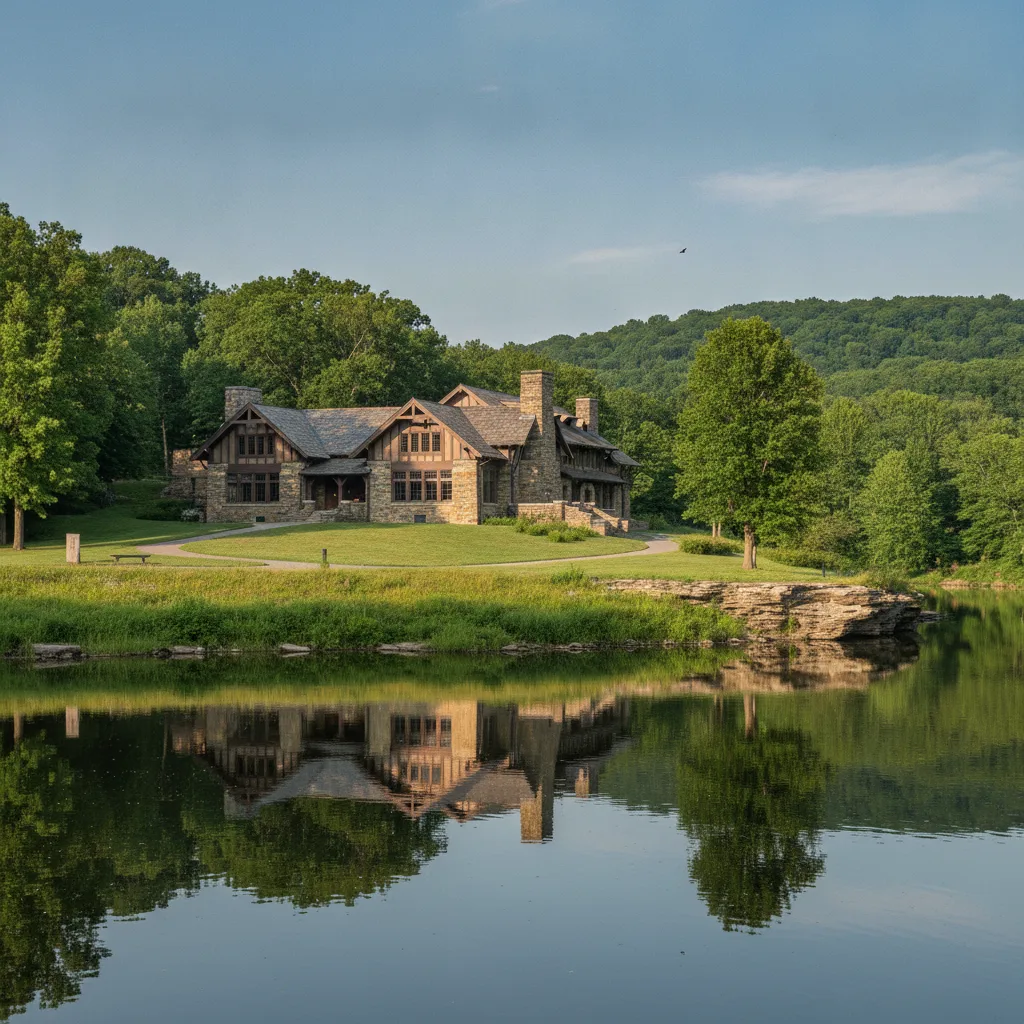
- Explore the John Hauberg Indian Museum: Housed within the historic Watch Tower Lodge, this museum is the heart of the site's cultural offerings. It vividly tells the story of the Sauk and Meskwaki people through interpretive maps, artifacts, and seasonal dioramas. You'll see replicas of Sauk winter and summer houses, a real Sauk dugout canoe, and learn about their daily lives from 1735 until their forced removal in 1832. Admission is free, though donations are appreciated, and free handheld audio tours are available. The museum is open Wednesday through Sunday from 9 a.m. to 4 p.m., with a closure from 12 p.m. to 1 p.m..
- Hike the Nature Trails: With over seven miles of marked hiking trails, ranging from moderate difficulty, there are plenty of opportunities to explore the designated nature preserve. These trails wind through ancient oak-hickory forests, along bluffs overlooking the Rock River, and through areas of prairie restoration. Trail maps are available at the museum desk. Keep an eye out for diverse biodiversity, including various bird species and wildflowers.
- Visit the Watch Tower Lodge: Beyond housing the museum, the Watch Tower Lodge itself is a historic structure built by the Civilian Conservation Corps (CCC) in the 1930s. It features an exhibit dedicated to the CCC's role in developing the park. The lodge is also available for event rentals.
- Enjoy a Picnic: The site offers three day-use picnic areas equipped with grills, fire pits, picnic tables, and shelters, available on a first-come, first-served basis. Some areas also have playground equipment, making it ideal for families.
- Birdwatching at the Singing Bird Nature Center: Located in the northwestern section of the park, this dedicated educational center focuses on the region's birdlife. It's a fantastic spot to learn about and observe native bird species that inhabit the Rock River and surrounding parklands.
- Cross-Country Skiing: In the winter months, the hiking trails on the south side of the site can be used for cross-country skiing, offering a unique way to experience the park's snowy landscapes. Two shelters with fireplaces provide a cozy spot to warm up.
Beyond the Black Hawk State Historic Site, there are many things to do in Rock Island and the wider Quad Cities area that our team highly recommends:
- Schwiebert Riverfront Park: Located in downtown Rock Island, this park offers beautiful views of the Mississippi River and often hosts events and concerts. It's a great spot for a leisurely stroll or to catch a sunset.
- Colonel Davenport House: Explore this historic home, offering another glimpse into the region's past.
- Circa '21 Dinner Playhouse: For an evening of entertainment, catch a show at this popular dinner theater.
- Rock Island Arsenal Museum: Delve into military history at this museum located on Arsenal Island.
- Augustana College: Take a walk through the beautiful campus of this liberal arts college.
- Local Events: Check the local calendar for events like the Starlight Revue Concert Series in Lincoln Park during summer, farmers markets, or community bike rides. The Quad Cities also hosts the "Red, White and Boom!" fireworks display for Independence Day.
For more ideas on exploring the diverse offerings of the state, we encourage you to visit our guide to the Best places in Illinois.
Best Time to Visit
Deciding the best time to visit Black Hawk State Historic Site largely depends on your priorities, as each season offers a distinct experience. We find that the park is open year-round from sunrise to 10 p.m., allowing for flexibility. The John Hauberg Indian Museum, however, maintains specific hours from Wednesday to Sunday, 9 a.m. to 4 p.m., with a lunch closure from 12 p.m. to 1 p.m..
- Spring (April to May): Our team highly recommends spring for nature lovers. This is when the oak-hickory forests burst with native wildflowers, creating a vibrant landscape. Birdwatching is also excellent during this migratory season. For instance, the "Stroll Through Springtime" event, held in April 2026, focuses on birding and wildflower identification, with expert-led groups and refreshments.
- Summer (June to August): Summer offers lush greenery and comfortable temperatures for hiking the trails and enjoying the picnic areas. It's a great time for families, with plenty of daylight hours. However, the museum might be busier, so visiting during weekdays can help avoid crowds.
- Fall (September to November): The autumn months bring spectacular fall foliage, making the hiking trails particularly scenic. The cooler temperatures are ideal for longer walks, and the natural beauty of the bluffs overlooking the Rock River is enhanced by the changing colors.
- Winter (December to March): While colder, winter offers a unique tranquility. The trails are open for cross-country skiing, and the two shelters with fireplaces provide a cozy respite. When snow covers the landscape, the site transforms into a peaceful, picturesque setting. Be aware that during severe weather, site roads might close, requiring foot access only.
Overall, if your primary interest is the museum, visiting on a weekday afternoon is often best for a more unhurried experience. For outdoor activities, spring and fall offer the most comfortable conditions and stunning natural displays. Always check the official Black Hawk State Historic Site website for any specific holiday closures or special events before your visit.
Where to Stay Nearby
Finding suitable Black Hawk State Historic Site lodging is easy, with numerous options available in Rock Island and the surrounding Quad Cities area (Moline, Davenport, Bettendorf). Our team has identified several highly-rated hotels that cater to different preferences and budgets, ensuring a comfortable stay after a day of exploring the Black Hawk State Historic Site Illinois.
- Holiday Inn Rock Island by IHG: This hotel in Rock Island offers an indoor pool, gym, and free parking, along with a free airport shuttle. It's a solid choice for convenience and amenities.
- Bally's Quad Cities Casino & Hotel (Rock Island): If you're looking for entertainment alongside your stay, Bally's provides accommodations with a fitness center and free private parking.
- Wyndham Moline on John Deere Commons (Moline): Located just across the river, this hotel is well-regarded for its amenities and proximity to attractions in Moline.
- Spark by Hilton Moline Quad Cities (Moline): A newer option, this hotel receives excellent reviews for its cleanliness and friendly staff.
- Hotel Blackhawk, Autograph Collection (Davenport): For a more upscale experience, this AAA Four-Diamond boutique hotel in downtown Davenport offers stylish rooms, an indoor pool, bowling alley, and dining options. It's a short drive from the historic site and provides a luxurious base for exploring the Quad Cities.
- Hampton Inn & Suites Moline-Quad City Int'l Aprt (Moline) & Country Inn & Suites by Radisson, Moline Airport (Moline): Both offer reliable comfort, often including breakfast, and are convenient for travelers arriving by air.
Many of these Black Hawk State Historic Site lodging options offer free WiFi, and some include breakfast, making them excellent value. We recommend checking Expedia or Booking.com for the most current rates and availability, as prices can vary. For those interested in a deeper dive into Illinois's offerings, consider exploring destinations like Millennium Park & The Bean or The Art Institute of Chicago, which can be part of a broader Illinois itinerary.
Sample 2-Day Itinerary
To help you make the most of your visit to the Black Hawk State Historic Site Illinois and the surrounding Quad Cities, our team has crafted a sample 2-day itinerary. This plan balances historical immersion, natural exploration, and local attractions.
Day 1: History and Nature at Black Hawk State Historic Site
- Morning (9:00 AM - 1:00 PM): Immerse in Sauk and Meskwaki History
- Begin your day at the John Hauberg Indian Museum within the Watch Tower Lodge. Allow at least 2-3 hours to explore the detailed exhibits, dioramas, and artifacts that tell the story of the Sauk and Meskwaki people. Take advantage of the free handheld audio tour for a deeper understanding.
- After the museum, take some time to appreciate the Watch Tower Lodge itself, a beautiful Civilian Conservation Corps structure, and view the CCC exhibit.
- Lunch (1:00 PM - 2:00 PM): Picnic in the Park
- Pack a picnic lunch and enjoy it at one of the site's designated picnic areas. These spots offer tables, grills, and shelters, perfect for a relaxed meal amidst nature.
- Afternoon (2:00 PM - 5:00 PM): Hike the Trails and Nature Exploration
- Spend the afternoon exploring the extensive network of hiking trails. We recommend starting with a moderate loop that offers views of the Rock River and winds through the oak-hickory forest. Pick up a trail map from the museum desk.
- Make a stop at the Singing Bird Nature Center to learn more about the local birdlife.
- Evening (6:00 PM onwards): Dinner in Rock Island
- Head into Rock Island for dinner. Consider a casual meal at a local eatery or, if time allows, catch a show and dinner at the Circa '21 Dinner Playhouse.
Day 2: Exploring the Quad Cities and Beyond
- Morning (9:00 AM - 12:00 PM): Rock Island & Mississippi Riverfront
- Start your day at Schwiebert Riverfront Park in Rock Island. Enjoy a walk along the Mississippi River, taking in the views and perhaps a morning coffee.
- Visit the Colonel Davenport House for more local history.
- If interested in military history, the Rock Island Arsenal Museum is another excellent option.
- Lunch (12:00 PM - 1:00 PM): Local Flavors
- Grab lunch at one of the many restaurants in downtown Rock Island or Moline.
- Afternoon (1:00 PM - 5:00 PM): Art, Culture, or Nature (Your Choice!)
- Option A (Art & Culture): Cross over to Davenport, Iowa, to visit the Figge Art Museum or explore the historic downtown area near Hotel Blackhawk.
- Option B (Nature Expansion): If you're keen on more outdoor time, consider a visit to nearby Sunset Park for additional river views, or explore Credit Island.
- Option C (Illinois Exploration): For those on a longer Illinois journey, consider driving towards Starved Rock State Park, a couple of hours east, for its stunning canyons and waterfalls.
- Evening (5:00 PM onwards): Relax and Reflect
- Enjoy a relaxed dinner at your chosen lodging location or try a new restaurant in the Quad Cities.
- Reflect on the rich history and natural beauty you've experienced at the Black Hawk State Historic Site and the vibrant surrounding communities.
This itinerary provides a solid framework, but we always encourage travelers to tailor it to their specific interests and pace. Don't forget to check local event calendars for any festivals, concerts, or farmers markets that might coincide with your visit. For broader trip planning advice, our Plan Your US Trip guide offers invaluable resources.
Is It Worth Visiting?
When our team evaluates a destination, we consider its unique value, educational opportunities, and overall visitor experience. So, is Black Hawk State Historic Site worth visiting? Our resounding answer is yes, absolutely. This site offers a compelling blend of natural beauty and profound historical significance that sets it apart from many other attractions.
Firstly, its role as the former site of Saukenuk, the largest Sauk and Meskwaki village, provides an unparalleled opportunity to connect with indigenous history in Illinois. The John Hauberg Indian Museum is a well-curated space that brings the stories of these resilient tribes to life, offering insights into their culture, daily life, and the challenges they faced. For anyone seeking to understand the true narratives of America's past, this museum is an essential stop.
Secondly, the natural preserve aspect of the Black Hawk State Historic Site is a significant draw. With miles of hiking trails, diverse ecosystems, and stunning views of the Rock River, it's an outdoor enthusiast's paradise. Whether you're a serious hiker, a casual stroller, a birdwatcher, or simply someone who appreciates a peaceful natural setting, the park delivers. The fact that it's free to enter and offers accessible facilities further enhances its appeal. We believe that the combination of deep historical context and pristine natural landscapes makes Black Hawk State Historic Site worth visiting for any traveler passing through or specifically targeting the Quad Cities region. It's a place that educates, inspires, and offers a tranquil escape, making it a truly rewarding destination.
Last updated: 2026-07-06 by the Roam States team.