Our Cape Blanco State Park guide covers practical planning for Cape Blanco State Park Oregon — best time to visit, getting there, and what to do on the ground.
As independent US travel authorities, our team at Roam States has meticulously compiled this guide to Cape Blanco State Park Oregon. We understand the allure of Oregon’s rugged coastline and the unique appeal of its westernmost point. This guide cuts through the generic fluff to provide you with confident, specific, and actionable advice for planning your trip to this windswept marvel. From navigating its historic lighthouse to exploring its dramatic cliffs and pristine beaches, we've got you covered. Consider this your essential resource for unlocking the full potential of a visit to Cape Blanco, ensuring an experience that is both memorable and truly authentic.
Is It Worth Visiting?
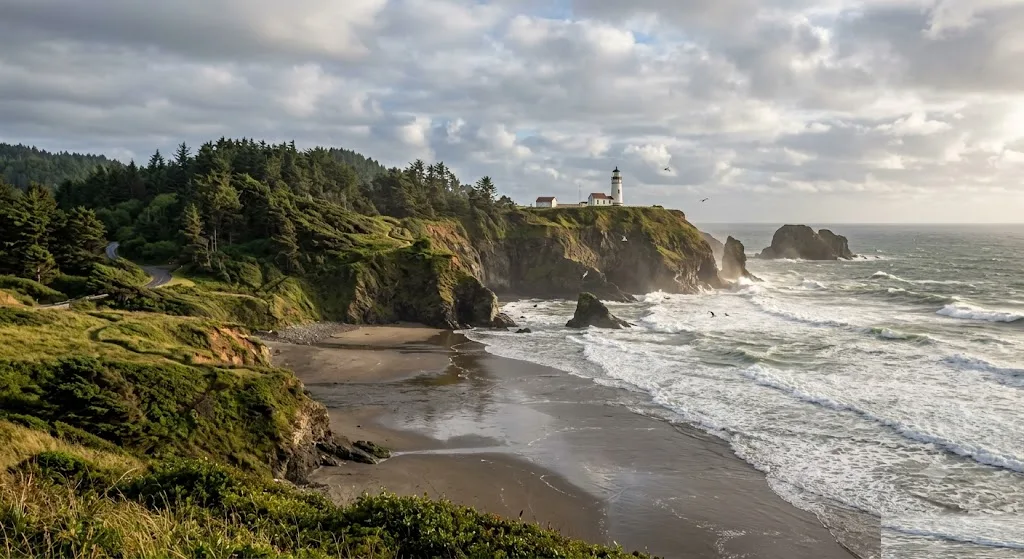
Absolutely, is Cape Blanco State Park worth visiting? Our unequivocal answer is yes. This isn't just another stop along the Oregon Coast; it's a destination that encapsulates the raw, untamed beauty of the Pacific Northwest. We recommend it for anyone seeking a genuine escape into nature, far from the crowds that can sometimes characterize more accessible coastal spots. The sheer drama of the landscape, with its towering cliffs plunging into the churning Pacific, offers a profound sense of awe. Beyond the visual spectacle, the park provides a tangible connection to Oregon's maritime history through its iconic lighthouse, the oldest continuously operating lighthouse in Oregon. For those who appreciate wild beauty, solitude, and a touch of history, is Cape Blanco State Park worth visiting becomes less a question and more a resounding affirmation of its unique appeal.
Who It's Best For
Cape Blanco State Park caters to a specific type of traveler, one who values natural beauty, tranquility, and a touch of adventure over bustling attractions. We find it particularly ideal for:
- Nature Enthusiasts and Photographers: The dramatic seascapes, old-growth forests, and abundant wildlife offer endless opportunities for capturing stunning images and immersing oneself in the natural world.
- Hikers and Walkers: With miles of trails ranging from easy strolls to more challenging treks, the park provides ample space to explore on foot.
- Campers: The park's campground offers a serene base for extended stays, allowing visitors to fully experience the rhythm of the coast.
- History Buffs: The Cape Blanco Lighthouse and the historic Hughes House provide fascinating glimpses into the region's past.
- Families with Older Children: While younger children might enjoy the beaches, the rugged terrain and historical sites are often best appreciated by those with a bit more stamina and a keen interest in exploration.
- Peace Seekers: Those looking to escape the hustle and bustle of daily life will find the solitude and expansive views deeply rejuvenating.
If your travel preferences lean towards rugged landscapes, outdoor activities, and a peaceful atmosphere, then Cape Blanco State Park should be high on your Oregon itinerary.
How to Get There
Understanding how to get to Cape Blanco State Park is crucial for a smooth journey, as its remote location is part of its charm. The park is situated approximately nine miles north of Port Orford, Oregon, and about five miles west of U.S. Highway 101. We advise travelers to plan their route carefully, as cell service can be spotty in some areas along the coast.
Driving Directions
From U.S. Highway 101, you'll turn west onto Cape Blanco Road. This paved road will lead you directly to the park entrance and the lighthouse. The drive itself is scenic, winding through agricultural lands before opening up to spectacular ocean views.
- From the North (e.g., Bandon Beach): Head south on U.S. Highway 101. After passing through the small community of Langlois, look for the well-marked turn-off for Cape Blanco Road on your right.
- From the South (e.g., Port Orford): Head north on U.S. Highway 101. Approximately nine miles north of Port Orford, you'll see the turn-off for Cape Blanco Road on your left.
Parking at Cape Blanco State Park
Ample parking is available at several key points within the park. There are designated parking areas near the Cape Blanco Lighthouse, the historic Hughes House, and the campground. We found that parking is generally straightforward, even during peak season, due to the park's expansive nature. A day-use parking fee is typically required. As of 2026, the Oregon State Parks day-use parking fee is $5 per vehicle, or you can use an annual Oregon State Parks Pass. We recommend having cash or a credit card ready for payment at the self-service kiosks, or displaying your pass prominently. Understanding how to get to Cape Blanco State Park and where to park eliminates any potential stress upon arrival.
Top Things to Do
When considering things to do at Cape Blanco State Park, the options range from historical exploration to invigorating outdoor pursuits. Our team has identified the essential experiences that make a visit here truly worthwhile.
Visit the Cape Blanco Lighthouse
No trip to Cape Blanco is complete without a visit to the Cape Blanco Lighthouse. Perched dramatically on the westernmost point of Oregon, this historic beacon has guided ships since 1870. As of 2026, the lighthouse is typically open for tours seasonally, from April through October, though specific days and hours can vary. We recommend checking the official Oregon State Parks website or calling ahead for the most current schedule. There is a small fee for lighthouse tours, which in 2026 is generally around $2 per person. The panoramic views from the lighthouse grounds are spectacular, offering sweeping vistas of the Pacific Ocean and the rugged coastline. It’s one of the quintessential things to do at Cape Blanco State Park.
Explore the Historic Hughes House
Just a short distance from the lighthouse, the historic Hughes House offers a glimpse into the lives of early Oregon pioneers. This beautifully preserved Victorian-era farmhouse, built in 1898, is typically open for tours during the same seasonal period as the lighthouse. We recommend taking the time to explore its interior and learn about the Hughes family, who were instrumental in the development of the local area. There is usually no separate fee for visiting the Hughes House, though donations are often welcome.
Beachcombing and Photography
The beaches surrounding Cape Blanco are wild and expansive, perfect for beachcombing, photography, and simply soaking in the coastal atmosphere. While the waters can be rough and swimming is not generally recommended due to strong currents, the opportunity to walk along the shore, search for agates and driftwood, and capture the dramatic scenery is unparalleled. The ever-changing light and powerful waves provide endless photographic opportunities. This is one of our favorite relaxing things to do at Cape Blanco State Park.
Wildlife Viewing
Cape Blanco is a fantastic spot for wildlife viewing. Keep an eye out for migrating gray whales during the spring and fall months, especially from the lighthouse vantage point. Sea lions and seals can often be spotted on offshore rocks, and a variety of seabirds, including common murres and cormorants, nest along the cliffs. On land, you might encounter Roosevelt elk grazing in the fields.
Cape Blanco State Park Hiking Trails
For those eager to explore the diverse landscapes on foot, Cape Blanco State Park hiking trails offer a range of experiences, from easy strolls to more challenging treks through coastal forests and along cliff edges. We highly recommend dedicating time to these trails to fully appreciate the park's natural beauty.
Cape Blanco Lighthouse Trail
This easy, paved path leads directly to the lighthouse, offering stunning views along the way. It's accessible for most visitors and provides excellent photo opportunities of the lighthouse and the surrounding ocean. This is a great starting point for experiencing Cape Blanco State Park hiking trails.
Beach Access Trails
Several trails lead down to the expansive beaches below the cliffs. These can be steep in places but reward hikers with access to secluded stretches of sand perfect for beachcombing. Always be mindful of tides when exploring the beaches.
Forest Trails
Beyond the immediate coastal areas, Cape Blanco State Park hiking trails also wind through lush Sitka spruce forests, offering a different ecological experience. These trails provide shade and a chance to observe the unique flora and fauna of the Oregon Coast. While specific trail names may vary or be part of larger networks, we recommend consulting a park map upon arrival to choose the best route for your fitness level and interests. Remember to wear sturdy shoes, bring water, and be prepared for changeable coastal weather.
Best Time to Visit
Determining the best time to visit Cape Blanco State Park largely depends on your priorities, as each season offers a distinct experience. Our team has evaluated the pros and cons of each period to help you plan.
Summer (June - August)
Pros: This is generally the warmest and driest time of year, with the highest likelihood of clear skies and sunshine. All park facilities, including the lighthouse and Hughes House, are typically open for extended hours. It's ideal for hiking, camping, and enjoying the beaches. Cons: Summer is also the busiest season, meaning more visitors, though Cape Blanco rarely feels truly crowded due to its remote nature. Coastal fog (known as "June gloom" or "July gray") can occasionally obscure views, especially in the mornings.
Fall (September - November)
Pros: Fall often brings some of the clearest and most beautiful weather to the Oregon Coast, with fewer crowds than summer. The air can be crisp, and the light for photography is often exceptional. This is also a prime time for whale watching as gray whales begin their southbound migration. Cons: Days become shorter, and the chance of rain increases as the season progresses. Lighthouse and Hughes House hours may become more limited towards the end of October.
Spring (March - May)
Pros: Spring is excellent for wildlife viewing, particularly the northbound gray whale migration. The landscape is vibrant with new growth, and wildflowers begin to bloom. Crowds are typically low. Cons: This is one of the rainier seasons, and strong winds are common. Weather can be unpredictable, requiring layers and waterproof gear.
Winter (December - February)
Pros: For storm watchers and those seeking ultimate solitude, winter offers dramatic, powerful ocean displays. It's the least crowded time of year. Cons: Expect cold, wet, and very windy conditions. Many park facilities, including the lighthouse, are closed. Some trails may be muddy or inaccessible. This is generally not the best time to visit Cape Blanco State Park for typical sightseeing.
Overall, we find that late spring and early fall offer the best balance of pleasant weather, open facilities, and manageable crowds for most visitors.
Cape Blanco State Park Lodging
While Cape Blanco State Park itself offers camping, understanding your options for Cape Blanco State Park lodging, both within the park and in nearby towns, is essential for planning your stay. Our team has compiled the key information to help you decide where to rest your head.
Camping at Cape Blanco State Park
The park features a well-maintained campground with sites suitable for tents and RVs. As of 2026, reservations are highly recommended, especially during the peak summer months, and can be made through the Oregon State Parks reservation system. The campground typically offers flush toilets, hot showers, and potable water. Some sites may have electrical hookups. Fees for camping vary depending on the type of site and time of year, but generally range from $20-$35 per night for basic sites and more for hookup sites. This is our top recommendation for truly immersing yourself in the park experience and is a prime option for Cape Blanco State Park lodging.
Nearby Towns for Lodging
If camping isn't your preference, several charming coastal towns within a reasonable driving distance offer a variety of accommodations, from motels and inns to vacation rentals. We recommend exploring options in:
- Port Orford: Located just nine miles south, Port Orford is the closest town and offers a selection of motels, B&Bs, and vacation rentals. It's a working fishing village with a unique dolly dock and a relaxed atmosphere.
- Bandon: Approximately 25 miles north, Bandon is a larger and more developed coastal town known for its dramatic sea stacks at Bandon Beach, world-class golf courses, and vibrant Old Town. You'll find a wider range of hotels, restaurants, and shops here. For more details, see our guide to Bandon Beach.
- Gold Beach: About 30 miles south, Gold Beach is another option with various lodging choices, known for its Rogue River jet boat tours and access to the southern Oregon Coast.
When searching for Cape Blanco State Park lodging, consider your budget, desired amenities, and how much driving you're willing to do to and from the park each day.
Sample 2-Day Itinerary
To help you maximize your visit, our team has crafted a sample 2-day itinerary for Cape Blanco State Park, blending historical exploration with outdoor adventure. This plan assumes you're staying either at the park campground or in nearby Port Orford.
Day 1: Lighthouse, History, and Coastal Views
- Morning (9:00 AM - 12:00 PM): Arrive at Cape Blanco State Park. Head directly to the Cape Blanco Lighthouse. Take a guided tour (check 2026 hours and fees in advance) and spend time exploring the lighthouse grounds, soaking in the panoramic views from Oregon’s westernmost point.
- Lunch (12:00 PM - 1:00 PM): Enjoy a packed lunch with a view at one of the picnic areas near the lighthouse, or grab a bite in Port Orford.
- Afternoon (1:00 PM - 4:00 PM): Visit the historic Hughes House, taking a self-guided or docent-led tour to learn about early pioneer life. Afterwards, take a leisurely stroll on one of the easier Cape Blanco State Park hiking trails that offers beach access, enjoying some beachcombing.
- Late Afternoon/Evening: If camping, set up your site and relax. If staying in Port Orford, check into your accommodation. Enjoy dinner at a local restaurant in Port Orford, perhaps sampling fresh seafood.
Day 2: Hiking, Nature, and Southern Coast Exploration
- Morning (9:00 AM - 1:00 PM): Dedicate your morning to more extensive exploration of Cape Blanco State Park hiking trails. Choose a longer loop that takes you through the coastal forests and offers different perspectives of the cliffs and ocean. Remember to bring water and snacks.
- Lunch (1:00 PM - 2:00 PM): Enjoy another picnic lunch at the park, or head to Port Orford for a quick meal.
- Afternoon (2:00 PM - 5:00 PM): Explore the immediate surroundings. Consider driving south to Port Orford to explore its unique dolly dock and art galleries. Alternatively, head north to the charming town of Bandon, known for its stunning sea stacks and vibrant Old Town. This allows you to experience more of the diverse Oregon Coast. You can find more information on Travel Oregon.
- Evening: Enjoy a final dinner in Port Orford or Bandon, reflecting on the rugged beauty of Cape Blanco.
This itinerary is flexible and can be adjusted based on your interests and the weather. Remember to always check current conditions and facility hours before your visit.
Last updated: 2026-07-13 by the Roam States team.