Columbia River Gorge Travel Guide — Oregon
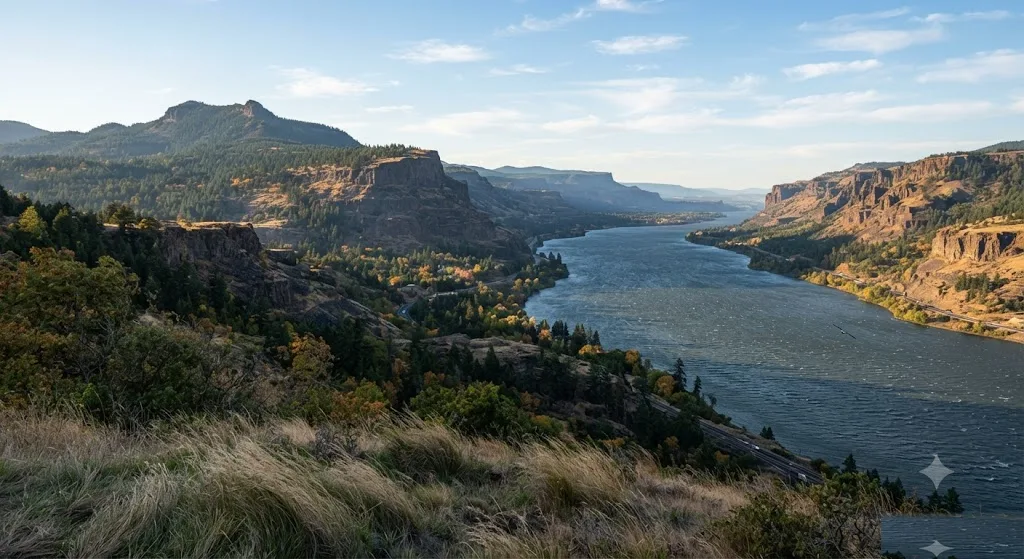
Welcome to the Columbia River Gorge, a breathtaking natural wonder that carves a dramatic path through the Cascade Mountains, separating Oregon and Washington. Our team at Roam States has ventured deep into this majestic landscape to bring you the most comprehensive and up-to-date guide for your 2026 adventure. From towering waterfalls and panoramic vistas to world-class hiking and charming riverside towns, the Columbia River Gorge Oregon offers an unforgettable escape for every type of traveler. We’ve sifted through the generic travel advice to deliver specific, actionable insights, ensuring your trip is as seamless and spectacular as the Gorge itself.
Why Visit Columbia River Gorge
The Columbia River Gorge is more than just a scenic drive; it's a geological marvel sculpted by ancient floods, boasting an unparalleled concentration of natural beauty. We believe it's a must-visit destination for anyone exploring the Pacific Northwest, offering a unique blend of lush temperate rainforests and arid eastern landscapes. Here, you'll find over 90 waterfalls on the Oregon side alone, including the iconic Multnomah Falls, alongside sheer basalt cliffs, vibrant wildflower meadows, and dense forests. Beyond its visual splendor, the Gorge is a hub for outdoor recreation, from exhilarating watersports on the Columbia River to serene forest bathing. It's a place where history intertwines with nature, evident in the engineering marvel of the Historic Columbia River Highway and the stories of indigenous peoples and pioneers who have long cherished this land. Our team finds that the sheer diversity of experiences, all within a relatively compact area, makes the Columbia River Gorge an exceptionally rewarding destination.
Who It's Best For
The Columbia River Gorge truly caters to a diverse range of visitors. For the avid hiker and outdoor enthusiast, it’s a paradise of trails, from gentle riverside strolls to challenging ascents with rewarding views. Families will find plenty to love, with accessible waterfall viewpoints, picnic areas, and opportunities for educational exploration. Photographers will be in their element, capturing the dramatic landscapes, misty falls, and vibrant flora. Even those seeking a more relaxed escape will appreciate the scenic drives, charming small towns, and opportunities for wine tasting or a leisurely meal with a view. We particularly recommend it for nature lovers, adventure seekers, and anyone looking to reconnect with the raw power and beauty of the natural world. It's also an excellent destination for a romantic getaway, with numerous scenic overlooks and cozy accommodations.
Getting There & Parking
Navigating the Columbia River Gorge is straightforward, primarily via Interstate 84 (I-84) on the Oregon side and Washington State Route 14 (SR 14) on the Washington side. Most visitors arrive by car, offering the flexibility to explore at your own pace. If you're wondering how to get to Columbia River Gorge, the most common entry point from the west is Portland, Oregon, which is approximately 30 minutes to an hour's drive to the western gateway of the Gorge, depending on traffic. From the east, you can access the Gorge via I-84 from Hood River or The Dalles.
A significant part of the experience is driving the Historic Columbia River Highway, a designated National Historic Landmark. This scenic byway parallels I-84 in sections and offers access to many of the most famous waterfalls and viewpoints. However, parking can be a challenge, especially during peak season (late spring through early fall) and on weekends. Many popular trailheads and viewpoints, including Multnomah Falls, have limited parking. For 2026, we anticipate that timed entry permits or shuttle reservations may continue to be required for specific sections of the Historic Columbia River Highway and popular attractions like Multnomah Falls during peak seasons. We strongly advise checking the official recreation.gov website or the Oregon Department of Transportation (ODOT) for the latest information on permits and shuttle schedules before your visit. When considering how to get to Columbia River Gorge and explore its gems, utilizing shuttle services, such as the Columbia Gorge Express, can alleviate parking stress and contribute to a more enjoyable experience, especially for popular spots like Multnomah Falls, which requires a timed reservation to access the viewing area from May 24 to September 2, 2026, between 9 AM and 6 PM.
Parking fees vary by location. Many state parks and recreation areas within the Gorge require an Oregon State Parks Day-Use Parking Permit or a valid Oregon State Parks Pass. A single day-use permit typically costs $5, while annual passes are available for $30. These can often be purchased on-site or in advance online. Always look for signage and pay attention to parking regulations to avoid fines.
Top Things to Do
When it comes to things to do at Columbia River Gorge, the options are as vast as the landscape itself. Our team has curated a list of must-do activities that showcase the best of what this region has to offer:
- Chase Waterfalls: The Gorge is synonymous with waterfalls. No visit is complete without witnessing the grandeur of Multnomah Falls, Oregon's tallest waterfall, plunging 620 feet in two tiers. For 2026, remember that timed entry reservations are required to access the viewing area of Multnomah Falls from May 24 to September 2, between 9 AM and 6 PM. Beyond Multnomah, explore Latourell Falls, with its unique columnar basalt, or the multi-tiered Bridal Veil Falls. We also highly recommend Horsetail Falls and Wahkeena Falls, often accessible via short, scenic walks.
- Drive the Historic Columbia River Highway: This engineering marvel offers unparalleled views and access to many of the Gorge's natural attractions. It's a journey through history and breathtaking scenery.
- Hike to Panoramic Vistas: From easy strolls to challenging climbs, the Gorge offers trails for all abilities. Consider trails like Dog Mountain (on the Washington side, often requiring permits) or the scenic Herman Creek Trail. We’ll delve deeper into specific hiking trails below.
- Windsurf or Kitesurf in Hood River: Known as the "Windsurfing Capital of the World," Hood River offers incredible conditions for watersports. Even if you're not participating, watching the colorful sails against the backdrop of the Gorge is a spectacle in itself.
- Explore Charming Towns: Visit Hood River, a vibrant town with breweries, wineries, and art galleries, or the historic Dalles, rich in pioneer history. Stevenson, Washington, also offers a quaint riverside experience.
- Visit Bonneville Dam: Learn about hydroelectric power and salmon migration at this impressive dam. You can often see adult salmon and steelhead making their way up the fish ladders. The visitor center typically operates daily, though hours can vary, so we recommend checking their website for 2026 schedules.
- Photography: With its dramatic cliffs, lush forests, and countless waterfalls, the Gorge is a photographer's dream. Early mornings or late afternoons often provide the best light.
These things to do at Columbia River Gorge provide a solid foundation for an unforgettable trip, whether you're seeking adventure or serene beauty.
Best Time to Visit
The Columbia River Gorge is a year-round destination, but the "best" time depends on your priorities. Our team finds each season offers a distinct experience:
- Spring (April-May): This is arguably one of the most magical times. Waterfalls are at their most powerful due to snowmelt, and the Gorge bursts with wildflowers, especially on the Washington side (e.g., Dog Mountain). Temperatures are mild, but rain is common, so pack layers. Crowds are generally lighter than in summer.
- Summer (June-August): Warm, sunny weather makes summer ideal for hiking, watersports, and scenic drives. However, this is peak tourist season, meaning larger crowds, especially at popular spots like Multnomah Falls. Timed entry permits for popular attractions are often in effect during these months. We recommend arriving early on weekdays to avoid the busiest times.
- Fall (September-October): The Gorge transforms with stunning autumn foliage, particularly vibrant in late September and early October. Temperatures are crisp and pleasant for hiking, and the summer crowds begin to thin. It's a fantastic time for photography.
- Winter (November-March): While some higher elevation trails may be closed due to snow and ice, the Gorge takes on a serene, almost mystical quality. Many waterfalls freeze partially, creating unique ice formations. Lower elevation trails remain accessible, and you'll encounter far fewer people. Just be prepared for cold, wet weather and potential road closures due to snow or ice, especially on the Historic Columbia River Highway.
For most visitors, we recommend late spring or early fall for the best balance of pleasant weather, fewer crowds, and stunning natural beauty.
Where to Stay Nearby
While the Columbia River Gorge is easily accessible for day trips from Portland, we highly recommend staying within or very close to the Gorge to fully immerse yourself in its beauty and allow for early morning or late evening explorations. Here are some of our top picks:
- Hood River, Oregon: This vibrant town on the eastern end of the Gorge is a fantastic base. It offers a wide range of accommodations, from boutique hotels and charming B&Bs to vacation rentals. Hood River is known for its craft breweries, wineries, farm-to-table dining, and access to watersports.
- Cascade Locks, Oregon: Situated right on the Columbia River, Cascade Locks is a smaller, more laid-back option. It's home to the historic Bridge of the Gods (which has a $2 toll for vehicles in 2026) and offers easy access to various hiking trails and the Sternwheeler Columbia Gorge cruises.
- Stevenson, Washington: On the Washington side of the Gorge, Stevenson provides a quieter alternative with beautiful river views. It has a few hotels, a brewery, and a relaxed atmosphere, making it a great base for exploring Washington-side attractions.
- Troutdale, Oregon: Often called the "Gateway to the Gorge," Troutdale is just east of Portland and offers convenient access to the westernmost waterfalls. It has a range of chain hotels and is a good option if you want to be close to Portland amenities while still exploring the Gorge.
For a truly immersive experience, consider one of the many vacation rentals available throughout the Gorge, ranging from rustic cabins to modern homes with stunning views.
Sample 2-Day Itinerary
To help you make the most of your visit, our team has crafted a sample 2-day itinerary for exploring the Columbia River Gorge:
Day 1: Western Gorge Waterfalls & Historic Highway
- Morning (8:00 AM - 12:00 PM): Start your day early to beat the crowds. Drive the Historic Columbia River Highway, beginning at the Vista House at Crown Point for panoramic views. Continue to Latourell Falls, then Bridal Veil Falls (short hike), and finally, the iconic Multnomah Falls. Remember to secure your timed entry reservation for Multnomah Falls if visiting between May 24 and September 2, 2026, 9 AM - 6 PM.
- Lunch (12:00 PM - 1:00 PM): Enjoy lunch at the historic Multnomah Falls Lodge or pack a picnic to enjoy at a scenic viewpoint.
- Afternoon (1:00 PM - 5:00 PM): Continue east on the Historic Highway, stopping at Wahkeena Falls and Horsetail Falls. Consider a longer hike, such as the Wahkeena Loop Trail, which connects several falls.
- Evening: Head to Hood River for dinner and check into your accommodation. Explore the town's breweries or enjoy a meal at one of its many restaurants.
Day 2: Eastern Gorge & Adventure
- Morning (8:00 AM - 12:00 PM): Start with a hike on one of the eastern Gorge trails. Options include the Mosier Twin Tunnels (easy, paved, great for biking too) or a more challenging ascent like the Coyote Wall / Syncline Loop on the Washington side (check for permits).
- Lunch (12:00 PM - 1:00 PM): Grab lunch in Hood River or pack a sandwich to enjoy by the river.
- Afternoon (1:00 PM - 5:00 PM): Experience the "Fruit Loop" drive around Hood River, visiting local orchards, wineries, and farm stands. Alternatively, if you're feeling adventurous, try a beginner windsurfing or kitesurfing lesson, or simply watch the experts on the Columbia River.
- Evening: Enjoy a final dinner in Hood River before heading back towards Portland or your next destination. Consider a visit to Mount Hood National Forest if you have extra time and want to explore more of Oregon's natural beauty.
Columbia River Gorge Hiking Trails
The Columbia River Gorge hiking trails are a major draw, offering everything from paved paths to strenuous backcountry adventures. Before you hit the trails, always check trail conditions, especially in spring (mud, snowmelt) and winter (ice). Here are some of our team's favorite Columbia River Gorge hiking trails:
- Multnomah Falls Trail to Benson Bridge: An easy, paved path leads to the iconic Benson Bridge, offering a close-up view of the falls. The trail continues to the top of Multnomah Falls via a series of switchbacks (approximately 2.2 miles round trip, challenging).
- Wahkeena Falls Loop Trail: A moderate 2.4-mile loop that connects Wahkeena Falls, Fairy Falls, and offers stunning Gorge views. You can extend this to connect to Multnomah Falls.
- Latourell Falls Loop Trail: A relatively easy 2.4-mile loop that takes you past both the upper and lower Latourell Falls, showcasing unique columnar basalt formations.
- Dog Mountain Trail (Washington side): A challenging but incredibly rewarding hike, especially in spring when wildflowers bloom. It's approximately 6.9 miles round trip with significant elevation gain. For 2026, a permit is required to hike Dog Mountain on weekends from April 27 through June 16.
- Eagle Creek Trail: Known for its dramatic cliffside paths, tunnels, and numerous waterfalls (including Tunnel Falls), this trail offers various turnaround points for different distances. Check for closures, as sections can be prone to rockfalls.
- Starvation Creek State Park Trails: Offers access to several waterfalls (Starvation Creek, Cabin Creek, Hole-in-the-Wall) and connects to longer trails like the Historic Columbia River Highway State Trail.
Always carry water, snacks, appropriate gear, and inform someone of your hiking plans. Leave no trace principles are paramount in this sensitive ecosystem.
Columbia River Gorge Camping
For those who want to truly immerse themselves in the natural beauty of the Gorge, Columbia River Gorge camping offers an unparalleled experience. Our team highly recommends securing reservations well in advance, especially for popular campgrounds during peak season, as spots fill up quickly. Most Oregon State Parks campgrounds allow reservations up to six months in advance.
Here are some excellent options for Columbia River Gorge camping:
- Ainsworth State Park (Oregon): Located right off the Historic Columbia River Highway, Ainsworth offers full-hookup sites for RVs and tent sites. It's a convenient base for exploring the western Gorge waterfalls. For 2026, we found that Ainsworth State Park is open year-round with standard fees for sites, typically ranging from $20-$30 for tent sites and $30-$40 for RV sites, though prices are subject to change.
- Viento State Park (Oregon): Further east, Viento offers basic tent sites and some RV sites with hookups, many with direct river access. It's a popular spot for windsurfers and kayakers.
- Memaloose State Park (Oregon): Located near The Dalles, Memaloose offers a mix of tent and RV sites, many with river views. It's a great option for exploring the drier eastern Gorge and is open year-round.
- Wyeth Campground (Oregon - National Forest): Operated by the US Forest Service, Wyeth offers a more rustic camping experience compared to state parks, with fewer amenities but often more privacy. It's close to popular hiking trails.
- Bridge of the Gods Campground (Washington): On the Washington side, this campground offers sites near the Bridge of the Gods, providing easy access to both states.
Many campgrounds also offer yurts or cabins for those seeking a glamping experience. Always check the specific park's website (e.g., Oregon State Parks or US Forest Service) for the most up-to-date information on fees, availability, and any fire restrictions for 2026.
Is It Worth Visiting?
Without a doubt, the question "is Columbia River Gorge worth visiting?" receives an enthusiastic "yes!" from our entire team. This region stands out as one of Oregon's most iconic and naturally stunning destinations. The sheer concentration of majestic waterfalls, dramatic basalt cliffs, and verdant forests creates a landscape that is both awe-inspiring and deeply calming. It's a place where you can witness the raw power of nature, from the thunderous roar of Multnomah Falls to the mighty flow of the Columbia River itself.
Beyond the visual spectacle, the Gorge offers an incredible array of activities that cater to all interests and fitness levels. Whether you're an avid hiker seeking challenging trails, a family looking for accessible viewpoints, or simply someone who appreciates a scenic drive, there's something here for you. The blend of natural beauty with historical significance, evident in the Historic Columbia River Highway, adds another layer of richness to the experience. We believe that anyone with an appreciation for the outdoors and a desire to explore a truly unique American landscape will find that the answer to "is Columbia River Gorge worth visiting?" is an resounding affirmation. It's a destination that leaves a lasting impression, beckoning visitors to return again and again.
FAQ
What are the best things to do in Northern Border?
While the Columbia River Gorge spans the northern border of Oregon with Washington, the term "Northern Border" isn't a specific geographical region for activities. However, within the Columbia River Gorge area, some of the best things to do include hiking to numerous waterfalls like Multnomah Falls, driving the scenic Historic Columbia River Highway, windsurfing or kitesurfing in Hood River, exploring charming riverside towns, and visiting the Bonneville Dam. For a broader look at Oregon's top spots, check out our guide to Best places in Oregon.
Is Columbia River Gorge with kids a good idea?
Absolutely! The Columbia River Gorge is a fantastic destination for families with kids. Many waterfall viewpoints, including Multnomah Falls, are easily accessible with short, paved walks. There are numerous picnic areas, and kids will love spotting wildlife and exploring the diverse landscapes. Options like the paved Mosier Twin Tunnels are great for family bike rides. Just be mindful of safety on trails near cliffs and ensure children are supervised, especially around water. We recommend checking specific trail difficulty and length before heading out with little ones.
What are some Columbia River Gorge tips for first-time visitors?
Our top Columbia River Gorge tips for first-timers include: 1) Visit during the shoulder seasons (spring or fall) to avoid peak summer crowds. 2) Start your day early, especially if visiting popular waterfalls like Multnomah Falls. 3) Make reservations for timed entry or shuttles if required for specific attractions in 2026. 4) Wear layers and waterproof gear, as weather can change quickly. 5) Bring plenty of water and snacks. 6) Plan your route using both I-84 and the Historic Columbia River Highway. 7) Download offline maps, as cell service can be spotty. 8) Consider staying overnight in a Gorge town to fully experience the area. For broader trip planning, consult our Plan Your US Trip guide.
What should I know about Columbia River Gorge parking?
Columbia River Gorge parking can be challenging, especially at popular trailheads and waterfalls during peak times. Many areas have limited lots that fill quickly. For 2026, timed entry reservations may be required for certain sections of the Historic Columbia River Highway and attractions like Multnomah Falls. We strongly recommend checking the official recreation.gov or ODOT websites for the latest parking and shuttle information. Utilizing shuttle services, particularly for Multnomah Falls, can be a great way to avoid parking hassles. Be prepared to pay day-use fees at Oregon State Parks.
What is the best time to visit Columbia River Gorge?
The best time to visit Columbia River Gorge largely depends on your interests. For powerful waterfalls and vibrant wildflowers, spring (April-May) is ideal. Summer (June-August) offers warm weather for all activities but comes with larger crowds and potential timed entry requirements. Fall (September-October) brings stunning autumn foliage and pleasant hiking temperatures with fewer people. Winter (November-March) offers a serene, often snowy, landscape, but some trails and roads may be closed. Our team generally recommends late spring or early fall for a balance of good weather, fewer crowds, and natural beauty.
What are Columbia River Gorge hours and fees?
Most natural attractions in the Columbia River Gorge, such as waterfalls and viewpoints, are generally accessible from dawn to dusk. However, specific visitor centers, like the Multnomah Falls Lodge, have defined operating hours, which we recommend verifying for 2026. For fees, there is no general entrance fee for the entire Columbia River Gorge. However, parking at many Oregon State Parks within the Gorge requires a $5 day-use permit or an Oregon State Parks Pass. For 2026, timed entry reservations may be required for access to Multnomah Falls viewing areas between May 24 and September 2, 9 AM - 6 PM, which are free but must be booked in advance. The Bridge of the Gods also has a $2 toll for vehicles. Always check specific attraction websites for the most current information.
The Columbia River Gorge truly is a jewel of the Pacific Northwest, offering a breathtaking blend of natural grandeur, thrilling adventure, and serene beauty. We hope our comprehensive guide empowers you to plan an unforgettable journey into this remarkable landscape. From the thunderous roar of its iconic waterfalls to the tranquil beauty of its forest trails, the Gorge promises an experience that will stay with you long after you've returned home. As you explore, remember to respect the natural environment, pack out what you pack in, and help preserve this incredible place for future generations. Don't forget to explore other Oregon gems like Crater Lake National Park, Silver Falls State Park, and the stunning Cannon Beach & Haystack Rock for more unforgettable Oregon adventures.
Last updated: 2026-07-08 by the Roam States team.