Cedar Bluff State Park Travel Guide — Kansas
Our Cedar Bluff State Park guide covers practical planning for Cedar Bluff State Park Kansas — best time to visit, getting there, and what to do on the ground.
Nestled in the heart of west-central Kansas, near the town of Ransom, Cedar Bluff State Park Kansas is a remarkable destination that consistently captivates visitors with its dramatic limestone bluffs, expansive reservoir, and abundant outdoor recreation opportunities. This guide, crafted by the Roam States editorial team, cuts through the generic travel fluff to provide you with confident, specific, and accurate information for planning your 2026 visit. We'll cover everything from the best times to explore its unique geological formations to practical details about fees, parking, and lodging, ensuring your trip is as seamless and enjoyable as possible.
Why Visit Cedar Bluff State Park
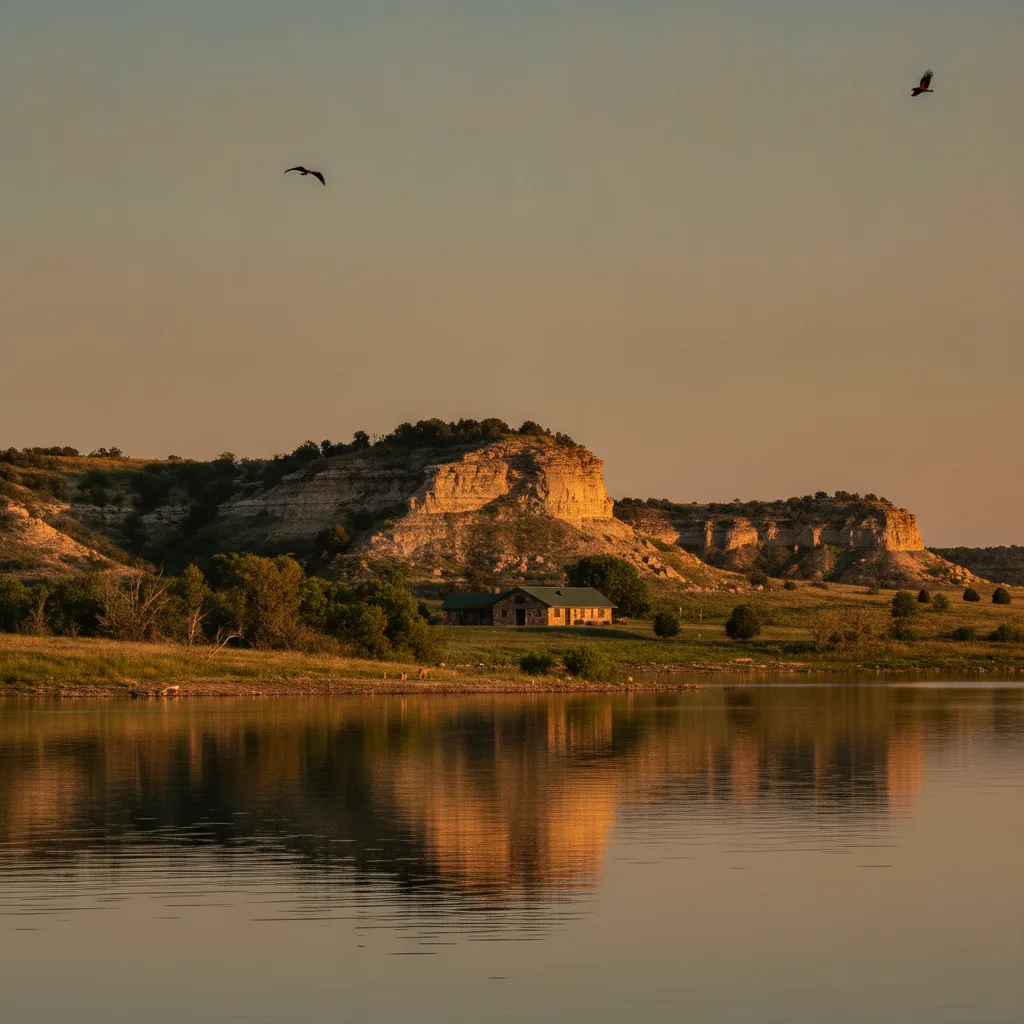
Cedar Bluff State Park offers a striking contrast to the typical flat prairie landscape often associated with Kansas. Here, 100 to 150-foot tall cedar-covered limestone bluffs rise majestically above the Cedar Bluff Reservoir, creating a truly scenic backdrop for a wide array of activities. The park is divided into two distinct areas: the Bluffton Area on the north shore, which is generally busier and offers more amenities, and the Page Creek Area on the south shore, known for its quieter, more primitive camping and secluded coves.
Our team recommends Cedar Bluff for its unique blend of geological wonder and water-based recreation. The bluffs themselves are composed of Fort Hays Limestone, a Cretaceous-age formation deposited approximately 80 million years ago when an inland sea covered this region. This ancient history is visible in the chalky white and cream-colored cliffs, which sometimes reveal marine fossils. Beyond its geological significance, the park is a hub for boating, fishing, swimming, hiking, and wildlife viewing, making it an ideal escape for those seeking an active outdoor experience in a stunning natural setting.
Who It's Best For
Cedar Bluff State Park caters to a diverse range of outdoor enthusiasts. It's an excellent choice for:
- Families: With designated swimming beaches, playgrounds, a youth/disabled fishing pond, and easy hiking trails like the paved Agave Ridge Nature Trail, the park offers plenty of kid-friendly activities. The combination of water sports and land-based exploration ensures there's something for every age.
- Anglers: The Cedar Bluff Reservoir is renowned for its fishing, particularly for walleye, but also for catfish, crappie, and bass. Multiple boat ramps and fishing docks, including an accessible one in the Bluffton Area, make it a premier fishing destination.
- Boaters and Water Sports Enthusiasts: The 6,000-acre reservoir provides ample space for boating, jet skiing, kayaking, canoeing, and swimming. Two boat ramps in the Bluffton Area and one in Page Creek facilitate easy water access.
- Hikers and Nature Lovers: The park's trails offer scenic views of the bluffs, reservoir, and native prairie. Wildlife viewing, including deer, turkey, pheasant, and various bird species, is a popular pastime.
- Campers: With 135 campsites ranging from primitive to full utility hookups, plus cabin rentals, Cedar Bluff State Park accommodates all camping styles. The choice between the more developed Bluffton Area and the secluded Page Creek Area allows visitors to tailor their camping experience.
- Photographers: The dramatic bluffs, especially at sunrise or sunset, offer incredible opportunities for landscape photography. The unique geological formations and diverse wildlife provide endless subjects.
Getting There & Parking
Understanding how to get to Cedar Bluff State Park is straightforward, though paying attention to specific directions for each area is key. The park is conveniently located in west-central Kansas, making it a viable stop on a broader USA road trip or a dedicated destination in itself. The Cedar Bluff State Park office is located at 32001 147 Hwy, Ellis, KS 67637.
Directions to Cedar Bluff State Park:
- From I-70 (Exit 135): Cedar Bluff State Park is approximately 13 miles south of I-70's Exit 135 (Ogallah) on Highway 147.
- To Bluffton Area (North Shore): This area is 8 miles east of WaKeeney along I-70, then 13 miles south of I-70's exit 135 on Highway 147.
- To Page Creek Area (South Shore): This area is 19 miles south of I-70's Exit 135 on Highway 147, then 3 miles west on Trego County Road CC. Be aware that some roads leading to Page Creek can be gravel and challenging for larger rigs after rain.
- To Cedar Bluff Scenic Overlook (South Side Bluffs): For a stunning view of the 150-foot tall bluffs, you can drive to the top on the south side of the lake. To reach the bluffs from I-70, take K-147 south from Ogallah, go about 3.5 miles south from the south end of the Cedar Bluff Dam, then turn west on County Road 1979. Follow the road west and north for 7 miles, turn north for 1 mile, then back to the east to Cedar Bluff. This area of the park is generally free to the public.
Parking at Cedar Bluff State Park:
Guests will find ample parking available throughout Cedar Bluff State Park. Parking is typically located near the park office, by the various boat ramps, and within the campground areas. For day-use visitors, specific picnic areas and trailheads also have dedicated parking. A valid Kansas State Park Vehicle Permit is required for daily visits, or you can purchase an annual State Park Passport. These permits are available online, at park offices, or via self-pay stations.
Top Things to Do
There are many things to do at Cedar Bluff State Park, ensuring a fulfilling visit for every interest. The park's diverse landscape and reservoir offer a wealth of recreational opportunities, making it a standout destination among the best places in Kansas.
Boating and Water Sports
The Cedar Bluff Reservoir is the centerpiece for water-based activities. We recommend bringing your boat, kayak, or canoe to fully experience the lake. The park provides two boat ramps in the Bluffton Area and one in Page Creek, facilitating easy access to the water. Jet skiing, water skiing, and tubing are popular during warmer months. Remember that anyone under 13 on a boat in Kansas must wear a life jacket, and all boaters should have a life jacket readily available. There's also a designated swimming beach, though visitors have noted potential for tree debris and muddy water. A life jacket lending station is available.
Fishing
Cedar Bluff Reservoir is celebrated as one of Kansas's premier walleye fisheries, but it also offers excellent opportunities for catching catfish, crappie, white bass, and largemouth bass. Anglers report varying success based on season and water conditions, but the reservoir remains a significant draw. The Bluffton Area features a covered, handicap-accessible fishing dock and a dedicated youth/disabled fishing pond, making it inclusive for all ages and abilities.
Cedar Bluff State Park Hiking Trails
Exploring the unique geology and prairie landscapes on foot is one of the best things to do at Cedar Bluff State Park. The Cedar Bluff State Park hiking trails offer options for various skill levels, from easy strolls to more moderate treks with scenic overlooks.
- Agave Ridge Nature Trail: This trail is particularly noteworthy. The first mile is paved and ADA accessible, making it an easy walk for everyone, complete with interpretive signs about local flora and fauna. It extends for an additional four miles as a mowed natural trail, leading to stunning views of the 100-foot bluffs.
- Butterfield Hiking Trail: An easy, 1.75-mile mowed natural trail suitable for hiking and biking, offering views of the lake, native grassland, and bluff country.
- Cedar Bluff Lakeside Trail: This moderate trail follows the shoreline, providing open water views and rolling terrain.
- Bluff Overlook Loop: A moderate loop trail featuring steady climbs to bluff-top viewpoints and broad panoramas of the prairie and reservoir.
- Prairie Ridge Connector: Another moderate, mixed-use route through open prairie and ridge terrain, ideal for longer outings with varied scenery.
While enjoying the Cedar Bluff State Park hiking trails, be sure to bring plenty of water, as shade can be limited, especially in summer. Strong winds are also common near the reservoir.
Wildlife Viewing and Photography
The park and surrounding Cedar Bluff Wildlife Area are home to a rich diversity of wildlife. Visitors frequently spot white-tailed deer and mule deer, wild turkeys, and pheasants. Birdwatchers will appreciate sightings of orioles and other birds, with bald and golden eagles visiting in winter. The mixed-grass prairie and riparian corridors provide essential habitat for these species. The dramatic bluffs and reservoir also offer fantastic opportunities for nature photography, particularly during sunrise and sunset.
Exploring Geological Formations and History
Don't miss the chance to drive to the top of the 150-foot tall limestone bluffs on the south side of the lake for a stunning view. The Niobrara Chalk formations here are a window into Kansas's prehistoric past when it was covered by an inland sea. You can also visit Threshing Machine Canyon, accessed by a road west of the park, to see names etched into the limestone bluffs dating back to the mid-1800s. For more geological wonders, consider a day trip to Castle Rock Badlands or Little Jerusalem Badlands State Park, both located south of Oakley, or Monument Rocks, also known as the Chalk Pyramids.
Best Time to Visit
The optimal time to visit Cedar Bluff State Park largely depends on your preferred activities, but our team generally recommends late spring through early fall for the most enjoyable experience.
- Summer (June-August): This is peak season, with temperatures in the mid-80s to mid-90s, making the reservoir irresistible for swimming, boating, and other water sports. All amenities are typically at full capacity, beaches are staffed, and boat ramps are busy. If you plan to visit during summer, especially on holiday weekends, we strongly advise making campsite or cabin reservations well in advance.
- Spring (March-May): Spring brings warmer weather, the return of water-based activities, and excellent opportunities for wildlife viewing and trail use. The blooming wildflowers add an extra layer of beauty to the landscape.
- Fall (September-November): Fall offers cooler temperatures, quieter visits, and still-maintained trails. The scenery remains attractive, and the sunsets over the reservoir are particularly stunning.
- Winter (December-February): While the park is open year-round, winter is the quietest season, with limited staffed amenities and fewer visitors. Frost is common, but it can be a peaceful time for solitude and observing wintering wildlife, including bald eagles.
Regardless of the season, it's always a good idea to pack sunscreen, insect repellent, and plenty of water, as shade can be limited. Check boat ramp conditions before launching, as water levels can fluctuate.
Where to Stay Nearby
When planning your trip to Cedar Bluff State Park, you have several options for Cedar Bluff State Park lodging, ranging from within the park itself to nearby towns. Our team recommends considering what type of experience you're looking for when choosing where to stay.
Camping and Cabins in Cedar Bluff State Park
The park offers extensive camping facilities split between its two areas. This is the most immersive Cedar Bluff State Park lodging option.
- Bluffton Area (North Shore): This area is more developed, featuring 97 two-utility campsites, 22 three-utility campsites, and a reservable group campground. There are also nearly 100 primitive sites. Bluffton offers six rental cabins: three modern cabins with restrooms and water inside, and three primitive cabins with a more rustic feel. All cabins include electricity, AC/heat, refrigerators, and microwaves. Showers, restrooms, dump stations, and fish cleaning stations are available. Campsite fees range from $23-$31 per night.
- Page Creek Area (South Shore): For a quieter, more primitive experience, Page Creek offers one full-hookup site, 36 two-utility campsites, and nearly 50 primitive sites. This area is known for large shade trees and sandy shorelines. It also has primitive fish cleaning stations, dump stations, and shower/restroom facilities. Campsite rates here range from $10-$22 per night.
Reservations for campsites and cabins can be made online or through park offices. For the prime season (April 1–October 31), reservations for Cedar Bluff State Park campsites open on December 10th of the preceding year. Holiday weekends in 2026, such as Memorial Day, July 4th, and Labor Day, have minimum stay requirements for both campsites and cabins. Walk-in availability is possible but not guaranteed, especially during peak times. An additional fee of $10 per night may apply for extra tents. A valid state park vehicle permit is also required for all overnight stays.
Hotels Near Cedar Bluff State Park
For those preferring traditional accommodations, nearby towns offer several hotel options. WaKeeney, located off I-70, is a convenient choice, approximately 30 miles from the park. Hays, a larger city about 28-29 miles away, provides a wider selection of hotels and amenities.
- WaKeeney:
- Super 8 by Wyndham WaKeeney: Offers free breakfast, WiFi, guest laundry, and free truck/RV parking. It's pet-friendly.
- Best Western Plus WaKeeney Inn & Suites: Provides a free full breakfast, fitness room, and pet-friendly rooms. It's conveniently located next to I-70 and Highway 283.
- Hays:
- Comfort Inn & Suites Hays I-70: Features an indoor pool, fitness center, free breakfast, WiFi, and parking.
- TownePlace Suites by Marriott Hays: Offers free breakfast, WiFi, parking, a 24-hour fitness center, and an indoor pool.
- Baymont by Wyndham Hays: Provides complimentary breakfast and free parking.
- Econo Lodge Hays I-70: A quiet motel with daily buffet breakfast and complimentary parking.
Other Nearby Lodging
Beyond hotels, you can find various vacation rentals, including lodges, cabins, and RV parks, in the broader area around Cedar Bluff State Park. These can be excellent options for groups or those seeking more private accommodations. For instance, you might find unique glamping tents or primitive campsites on private ranches a short drive from the park.
Sample 2-Day Itinerary
To help you make the most of your visit to Cedar Bluff State Park Kansas, our team has crafted a sample 2-day itinerary, balancing relaxation with adventure.
Day 1: Arrival, Bluffs & Water Fun
- Morning (Arrival & Setup): Arrive at Cedar Bluff State Park. If you have camping reservations, head to your chosen area (Bluffton for amenities, Page Creek for quiet) and set up camp or check into your cabin. If staying in a nearby town like WaKeeney or Hays, check into your hotel.
- Late Morning (Bluff Overlook & Geology): Drive to the Cedar Bluff Scenic Overlook on the south side of the reservoir. Take in the panoramic views of the 100-150-foot limestone bluffs and the expansive lake. Consider a short, easy walk along the bluff edge (with caution) to appreciate the unique Niobrara Chalk formations.
- Lunch: Enjoy a picnic lunch at one of the scenic picnic areas within the park, or grab a bite at a local eatery in WaKeeney.
- Afternoon (Water Recreation): Head to one of the park's boat ramps. Spend the afternoon boating, jet skiing, kayaking, or canoeing on Cedar Bluff Reservoir. Alternatively, relax and swim at the designated beach area.
- Evening (Fishing & Stargazing): Enjoy some evening fishing from a boat or one of the park's docks. As night falls, prepare dinner at your campsite or head to a local restaurant. The clear Kansas skies offer excellent stargazing opportunities.
Day 2: Hiking, Wildlife & Local Exploration
- Morning (Hiking & Nature): After breakfast, explore the Cedar Bluff State Park hiking trails. We recommend the Agave Ridge Trail, starting with its paved, accessible section and continuing onto the mowed natural path for stunning bluff views. Keep an eye out for deer, pheasants, and various bird species.
- Late Morning (Threshing Machine Canyon): Visit Threshing Machine Canyon, west of the park, to see historical carvings on the limestone bluffs from the 1800s. This offers a glimpse into the area's past.
- Lunch: Have lunch in Ransom, a small town near the park. Consider packing a lunch to enjoy at Grissel Park, which offers shady picnic spots and a playground.
- Afternoon (Nearby Attractions or More Park Time):
- Option A (Local History): If you're interested in history, consider a visit to the Trego County Historical Society Museum in WaKeeney or the Sternberg Museum of Natural History in Hays, which features fossils and geology exhibits.
- Option B (Geological Wonders): For more natural beauty, take a drive to Castle Rock Badlands or Monument Rocks, both within a reasonable driving distance and showcasing incredible chalk formations.
- Option C (More Park Recreation): Enjoy more of your favorite activities within Cedar Bluff State Park, such as mountain biking on the BMX track or revisiting a favorite fishing spot.
- Evening (Departure or Farewell): Enjoy a final dinner in the area before heading home, or if you're extending your stay, relax at your campsite or cabin.
Is It Worth Visiting?
Our team confidently asserts that Cedar Bluff State Park is absolutely worth visiting, especially for those seeking a unique blend of natural beauty, outdoor recreation, and a touch of Kansas history. The dramatic limestone bluffs, rising prominently above the reservoir, offer a scenic grandeur that might surprise first-time visitors to the Kansas plains.
For outdoor enthusiasts, the question "is Cedar Bluff State Park worth visiting" is easily answered with a resounding yes. The park provides an extensive range of activities, from excellent fishing and diverse boating opportunities on the Cedar Bluff Reservoir to a network of hiking and biking trails that showcase the area's unique geology and wildlife. The availability of various camping options, from primitive sites to modern cabins, caters to all preferences. Families will find plenty to keep children engaged, including playgrounds and a dedicated fishing pond. While shade can be limited and winds strong, these are minor considerations in the face of the park's offerings.
Beyond the immediate park, its location along the Smoky Valley Scenic Byway and proximity to other geological wonders like Castle Rock Badlands and Monument Rocks enhance its appeal as a central point for exploring western Kansas. For travelers looking for an authentic, uncrowded outdoor experience away from the hustle and bustle, Cedar Bluff State Park delivers. We highly recommend adding it to your US travel plans, particularly if you're exploring the often-overlooked beauty of the Sunflower State.
FAQ:
Cedar Bluff State Park camping
Cedar Bluff State Park offers 135 campsites across two areas: Bluffton (north shore) and Page Creek (south shore). Bluffton is more developed with 97 two-utility sites, 22 three-utility sites, and six rental cabins (three modern, three primitive). Page Creek offers a quieter experience with one full-hookup site, 36 two-utility sites, and nearly 50 primitive sites. Campsite fees range from $10-$31 per night, depending on the area and amenities. Reservations can be made online or through park offices, with prime season reservations opening in December for the following year. Holiday weekends in 2026 have minimum stay requirements. All campers need a valid Kansas State Park Vehicle Permit.
things to do in Ransom
While Ransom is a small town, its primary draw is its proximity to Cedar Bluff State Park. Within Ransom itself, you can visit Grissel Park, which offers shady picnic spots, a playground, and open green spaces for relaxation. For more outdoor activities in the broader Ransom area, visitors can explore hiking, fishing, and wildlife viewing opportunities that extend beyond the park boundaries. The town serves as a quiet base for accessing the extensive recreational offerings of Cedar Bluff State Park.
Cedar Bluff State Park with kids
Cedar Bluff State Park is an excellent destination for families with kids. The park features designated playgrounds, a youth/disabled fishing pond in the Bluffton Area, and a sandy swimming beach. The Agave Ridge Nature Trail has a paved, ADA-accessible first mile that's perfect for easy walks with children, offering interpretive signs to engage young minds. Boating, kayaking, and fishing are also popular family activities on the reservoir. Remember to pack plenty of water, sunscreen, and insect repellent, as shade can be limited.
best hotels near Cedar Bluff State Park
The best hotels near Cedar Bluff State Park are primarily found in the nearby towns of WaKeeney and Hays. WaKeeney, about 30 miles away, offers options like the Super 8 by Wyndham WaKeeney and the Best Western Plus WaKeeney Inn & Suites, both providing amenities like free breakfast and WiFi. Hays, a larger city approximately 28-29 miles from the park, has a wider selection, including Comfort Inn & Suites Hays I-70, TownePlace Suites by Marriott Hays, Baymont by Wyndham Hays, and Econo Lodge Hays I-70. These hotels typically offer comfortable stays with various amenities, often including pools and fitness centers.
Cedar Bluff State Park tips
Our top tips for visiting Cedar Bluff State Park include: 1) Make campsite or cabin reservations well in advance, especially for summer and holiday weekends in 2026. 2) Purchase your Kansas State Park Vehicle Permit online or at the park office upon arrival. 3) Bring plenty of water, sunscreen, and insect repellent, as shade is limited and winds can be strong. 4) Check current water levels and boat ramp conditions before heading out on the reservoir. 5) Consider visiting during spring or fall for fewer crowds and pleasant weather. 6) Explore both the developed Bluffton Area and the quieter Page Creek Area to experience different facets of the park.
where to stay near Cedar Bluff State Park
Beyond the extensive camping and cabin options available directly within Cedar Bluff State Park, visitors looking for alternative accommodations can find places to stay in nearby towns. WaKeeney, located about 30 miles from the park, and Hays, approximately 28-29 miles away, offer a selection of hotels. These towns provide amenities like restaurants, gas stations, and grocery stores. Additionally, vacation rentals, including lodges and RV parks on private land, can be found in the broader Trego County area, offering more secluded or group-friendly lodging options.
The Roam States team wholeheartedly recommends Cedar Bluff State Park for anyone seeking a memorable outdoor adventure in Kansas. Its dramatic bluffs, vibrant reservoir, and diverse recreational opportunities make it a true gem of the High Plains. Whether you're an avid angler, a keen hiker, a family looking for fun, or simply someone who appreciates stunning natural landscapes, Cedar Bluff State Park Kansas promises an enriching and inspiring visit. We encourage you to plan your trip, embrace the unexpected beauty of western Kansas, and discover why this state park holds a special place in our hearts.
Last updated: 2026-07-14 by the Roam States team.