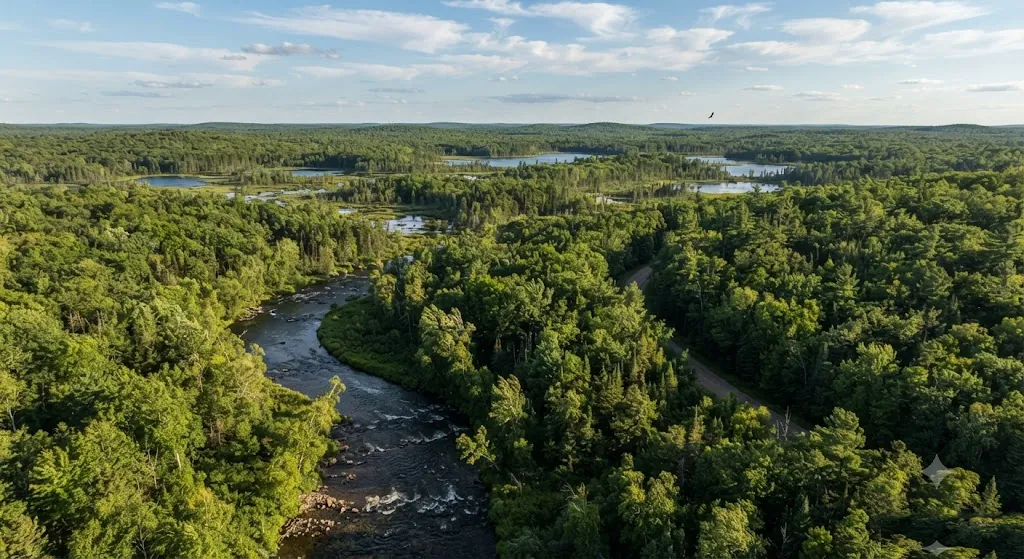
Our Chequamegon-Nicolet National Forest guide covers practical planning for Chequamegon-Nicolet National Forest Wisconsin — best time to visit, getting there, and what to do on the ground.
Spanning over 1.5 million acres across northern Wisconsin, the Chequamegon-Nicolet National Forest Wisconsin is a true haven for outdoor enthusiasts. Our team at Roam States has compiled this comprehensive guide to help you navigate its vast expanse, offering insights into its extensive opportunities for hiking, camping, fishing, and wildlife viewing. We aim to provide confident, specific, and actionable advice, steering clear of generic travel fluff.
Why Visit Chequamegon-Nicolet National Forest
The Chequamegon-Nicolet National Forest stands out as one of the Midwest's premier wilderness destinations. What draws us and countless others to this expansive landscape is its sheer diversity and untouched beauty. Here, you'll discover a mosaic of dense forests, sparkling lakes, winding rivers, and tranquil bogs, providing a genuine escape into nature. Unlike more manicured parks, the Chequamegon-Nicolet offers a rugged, authentic experience, allowing visitors to truly disconnect and immerse themselves in the wild.
The forest is a critical habitat for a wide array of wildlife, including black bears, timber wolves, bald eagles, and a variety of waterfowl. Birdwatchers, in particular, will find themselves in a paradise of avian activity. The opportunities for solitude are abundant, whether you're paddling a quiet lake at dawn or hiking a remote trail. It’s a place where the air is crisp, the nights are dark, and the sounds of nature are your constant companions. For those seeking a profound connection with the natural world, the Chequamegon-Nicolet National Forest Wisconsin delivers an unparalleled experience.
Who It's Best For
The Chequamegon-Nicolet National Forest is ideally suited for a broad spectrum of outdoor lovers, though some will find it particularly appealing. It's perfect for:
- Serious Hikers and Backpackers: With hundreds of miles of trails, including sections of the North Country National Scenic Trail, those looking for multi-day treks or challenging day hikes will be in their element.
- Paddlers and Anglers: The forest boasts over 1,300 lakes and 2,000 miles of rivers and streams, making it a prime destination for canoeing, kayaking, and fishing for musky, walleye, bass, and trout.
- Campers of All Stripes: From developed campgrounds with amenities to remote dispersed camping opportunities, there's a spot for every style of overnight stay.
- Wildlife Enthusiasts and Birdwatchers: The diverse ecosystems support a rich variety of fauna, offering excellent opportunities for observation and photography.
- Families Seeking Outdoor Adventure: Many campgrounds offer family-friendly activities, and shorter trails provide accessible options for children.
- Those Seeking Solitude: While popular in certain areas, the sheer size of the forest means it's possible to find quiet corners away from the crowds, especially during off-peak seasons.
If you prefer luxury resorts and paved promenades, this might not be your ideal destination. But if you thrive on fresh air, natural beauty, and active exploration, the Chequamegon-Nicolet National Forest Wisconsin is undoubtedly for you.
Getting There & Parking
Navigating to and around the Chequamegon-Nicolet National Forest requires a bit of planning, as it's a vast area spanning multiple counties in northern Wisconsin. Our team recommends considering the specific district or recreation area you plan to visit, as access points vary.
How to Get There
The forest is accessible primarily by car, with major state highways like US-8, US-2, and US-51 providing entry points into different sections. There are no direct public transportation routes into the heart of the forest, making a personal vehicle essential for exploring its various offerings. For those flying in, regional airports in cities like Rhinelander (RHI), Duluth (DLH), or Green Bay (GRB) would be the closest options, from which you would then rent a car for the drive to the forest. The Chequamegon-Nicolet National Forest Supervisor's Office is located at 500 Hanson Lake Road, Rhinelander, WI 54501.
Parking
Parking within the Chequamegon-Nicolet National Forest is generally available at designated trailheads, campgrounds, boat launches, and visitor centers. When considering how to get to Chequamegon-Nicolet National Forest and where to park, it's important to be aware of regulations. Motor vehicles may be parked up to 30 feet from the edge of the road surface when it is safe to do so and does not damage National Forest resources or facilities, unless otherwise prohibited by state law, a traffic sign, or a special closure order. Parking in front of gates is prohibited, and you should avoid parking where it impedes traffic, harms vegetation, or impacts soils.
Day-use fees are charged at most developed beaches, boat launches, picnic areas, and trailhead parking areas. These fees are typically $5, and payment envelopes are provided on-site. An annual forest pass is available for $30, valid from April 1 to March 31, and covers these day-use fees. Campers who have paid fees for a developed campground can enjoy free access to associated facilities like a beach or boat launch, but an additional day-use fee is required when visiting a recreation site not part of the same campground complex.
For current conditions, including any road or trail closures, our team always recommends checking the official Chequamegon-Nicolet National Forest website or contacting a Ranger District Office before your visit. For example, the Park Falls District Office is closed starting May 26, 2026, for a parking lot paving project.
Top Things to Do
The Chequamegon-Nicolet National Forest is a sprawling playground for outdoor enthusiasts, offering an incredible array of activities across its 1.5 million acres. Our team has highlighted the top things to do at Chequamegon-Nicolet National Forest, ensuring a memorable experience for every visitor.
Chequamegon-Nicolet National Forest Hiking Trails
Hiking is undoubtedly one of the most popular things to do at Chequamegon-Nicolet National Forest. The forest boasts an extensive network of trails, catering to all skill levels. From leisurely strolls to challenging multi-day backpacking excursions, the Chequamegon-Nicolet National Forest hiking trails offer diverse scenery, including old-growth forests, serene lake shores, and rolling hills. We highly recommend exploring sections of the North Country National Scenic Trail, which traverses the northern half of the forest for 61 miles. This trail offers excellent summer hiking and backpacking opportunities, with camping permitted along the trail at least 100 feet from the trail or water's edge.
Other notable Chequamegon-Nicolet National Forest hiking trails and areas include:
- Moquah Barrens: An 8,700-acre area being restored to an open pine barrens, excellent for bird watching and scenic walks.
- Rainbow Lake Wilderness: For those seeking true solitude, this 6,583-acre wilderness features clear-water lakes and is traversed by the North Country National Scenic Trail. Note that only foot travel is allowed in wilderness areas; motorized or mechanical transport, such as bicycles, is prohibited.
- Rock Lake National Recreation Trail: A popular trail system offering diverse terrain.
- Sam Campbell Memorial Trail: An interpretive trail providing insights into the forest's ecology.
Before heading out, always consult the Travel Wisconsin Trail Report for up-to-date conditions.
Camping and Dispersed Camping
With 45 campgrounds and vast opportunities for dispersed camping, staying overnight is one of the quintessential things to do at Chequamegon-Nicolet National Forest. The forest offers a range of experiences, from developed campgrounds with amenities to primitive backcountry sites.
- Developed Campgrounds: Many campgrounds offer sites for tents and RVs, often including picnic tables, fire rings, and access to vault toilets and drinking water. Some campgrounds, such as Pine Lake, Ada Lake, Lac Vieux Desert, and Bagley Rapids, now have reservable sites through Recreation.gov, though first-come, first-served sites are still available. Proposed fee changes for campsites are under review for 2026, with current rates ranging from $15-$18, potentially increasing to $20-$24 per night.
- Dispersed Camping: For those seeking a more rugged experience, dispersed camping is permitted in nearly all of the 1.5 million acres of general forest area, provided campers stay at least 150 feet away from a road, trail, or developed campground. RV or vehicle campers can utilize shoulder parking pull-off areas or closed roads with a berm for parking and camping. Remember to practice Leave No Trace principles, pack out all garbage, and use only dead and downed material for campfires.
Some campground openings in the northern half of the forest may be delayed until mid-May 2026 due to cool temperatures and lingering snowpacks, so always check current conditions.
Fishing and Boating
The Chequamegon-Nicolet is a paradise for anglers and paddlers. Its numerous lakes and rivers teem with fish, including musky, northern pike, walleye, bass, and various panfish. Fishing regulations for 2026-2027 are in effect, with the general inland fishing season opening on Saturday, May 2, 2026. Specific regulations, including bag limits and size restrictions, vary by waterbody, so always consult the Wisconsin DNR's official guides.
Boating opportunities range from serene canoeing and kayaking on quiet lakes to motorized boating on larger bodies of water. Many lakes offer drive-in or walk-in boat launches.
Wildlife Viewing
The forest's diverse habitats support an impressive array of wildlife. Keep an eye out for white-tailed deer, black bears, timber wolves, and a variety of smaller mammals. Birdwatchers can spot bald eagles, ospreys, loons, and numerous migratory birds. Early mornings and late evenings are often the best times for wildlife observation.
Winter Sports
When the snow falls, the Chequamegon-Nicolet transforms into a winter wonderland. Popular activities include cross-country skiing, snowshoeing, and snowmobiling. Many miles of groomed and tracked cross-country ski trails are available, and snowmobile trail conditions can be checked via the Travel Wisconsin Snow Report.
Best Time to Visit
The Chequamegon-Nicolet National Forest offers distinct experiences throughout the year, and the "best" time to visit largely depends on your preferred activities. Our team has outlined what you can expect in each season:
- Summer (June-August): This is peak season for most outdoor activities. The weather is generally warm and pleasant, ideal for hiking, camping, fishing, swimming, and boating. All facilities are typically open, and the forest is lush and green. However, it's also the busiest time, especially on weekends and holidays, so expect more people at popular sites and book campground reservations well in advance. Some campgrounds in the northern half of the forest might have delayed openings until mid-May due to lingering snowpacks.
- Fall (September-October): Autumn is arguably the most picturesque time to visit, as the forest explodes with vibrant fall foliage. The cooler temperatures are perfect for hiking and wildlife viewing, and the crowds begin to thin after Labor Day. Fishing remains excellent, and opportunities for hunting open up. Be prepared for crisp mornings and potentially chilly evenings.
- Winter (November-March): The forest transforms into a snowy paradise, offering extensive opportunities for cross-country skiing, snowshoeing, and snowmobiling. Ice fishing is also popular on many frozen lakes. While beautiful, winter visits require proper gear and preparation for cold temperatures and heavy snowfall. Many developed campgrounds and some visitor services close for the season.
- Spring (April-May): Spring brings thawing landscapes, budding trees, and migrating birds. It's a quieter time to visit, ideal for those seeking solitude and early season fishing. However, trails can be muddy, and some roads and facilities may still be closed or have delayed openings due to lingering snow or maintenance. Prescribed burning operations are also planned for spring and summer 2026, which may lead to temporary closures in certain areas for public safety. Always check current conditions before your trip.
For optimal weather and full access to amenities, we generally recommend late spring through early fall. If you prioritize solitude and don't mind cooler weather, the shoulder seasons of late spring and early fall are excellent choices.
Where to Stay Nearby
While the primary draw of the Chequamegon-Nicolet National Forest is its extensive camping opportunities, our team understands that not everyone prefers to rough it. For those seeking more traditional lodging, several towns bordering the forest offer a range of accommodations, from cozy cabins to hotels and motels. When considering Chequamegon-Nicolet National Forest lodging, you'll find options that cater to various preferences and budgets.
The forest itself offers a few cabin rentals, such as the Lost Lake Cabins, which provide a remote forested setting for a quiet getaway or a base camp for fishing and hunting. However, for a broader selection of Chequamegon-Nicolet National Forest lodging, we suggest looking to the surrounding communities:
- Hayward: Located near the western edge of the Chequamegon side of the forest, Hayward is a popular tourist town known for its lakes and outdoor recreation. You'll find a good selection of hotels, motels, resorts, and vacation rentals here. It's an excellent base for exploring the western forest areas and the Apostle Islands National Lakeshore, which is a bit further north.
- Minocqua/Woodruff: These twin towns are situated on the southern edge of the Nicolet side of the forest and are bustling hubs for tourism, especially in summer. They offer numerous resorts, hotels, and cabin rentals, often with lake access. This area is convenient for exploring the central and eastern parts of the forest.
- Eagle River: Further east on the Nicolet side, Eagle River is another popular vacation destination, particularly known for its chain of lakes. It provides various lodging options, from classic Northwoods resorts to motels and private cabin rentals. The Eagle River-Florence Ranger District office is located here, which can be helpful for local information.
- Park Falls/Medford: These smaller towns offer more basic lodging options but provide direct access to the Chequamegon side of the forest. They are good choices for those looking for convenience to specific forest sections without the larger tourist crowds. Note that the Park Falls District Office is closed for a paving project starting May 26, 2026.
- Ashland: Situated on Lake Superior's South Shore, Ashland is home to the David R. Obey Northern Great Lakes Visitor Center, which serves as a key information hub for the Chequamegon-Nicolet National Forest. It's a bit further from the forest's interior but offers a wider range of amenities and is a good starting point for those combining a forest trip with a visit to Lake Superior. The Visitor Center is open Monday-Saturday, 9 a.m. to 5 p.m. from June 1 through October, and Tuesday-Saturday from November through May.
When planning your Chequamegon-Nicolet National Forest lodging, we recommend booking in advance, especially during peak summer and fall foliage seasons, as accommodations can fill up quickly. For additional ideas on exploring Wisconsin, consider our Best Places in Wisconsin guide.
Sample 2-Day Itinerary
To help you make the most of your visit to the Chequamegon-Nicolet National Forest, our team has crafted a sample 2-day itinerary focusing on a blend of popular activities and opportunities for immersion in nature. This itinerary assumes you're basing yourself near a central access point, such as Hayward or Minocqua, or utilizing a forest campground.
Day 1: Hiking, Lakes, and Forest Immersion
- Morning (9:00 AM - 1:00 PM): North Country Trail Adventure
Start your day by heading to a section of the North Country National Scenic Trail. We recommend the segment near Beaver Lake Recreation Area (15 miles west of Mellen) for its accessibility and connection to a beautiful campground. Hike a 3-5 mile loop or out-and-back, taking in the serene forest and perhaps spotting some local wildlife. Remember to wear appropriate footwear and bring water.
- Lunch (1:00 PM - 2:00 PM): Picnic by the Water
Enjoy a packed lunch at the Beaver Lake Recreation Area picnic grounds, or find a scenic spot by one of the forest's many lakes. This is a great opportunity to relax and take in the tranquility.
- Afternoon (2:00 PM - 5:30 PM): Paddle or Fish a Forest Lake
Head to a nearby lake for some paddling or fishing. Pine Lake (Forest County) is a good option, known for panfish, bass, northern pike, and walleye. If you have your own canoe or kayak, launch it and explore the quiet coves. Alternatively, many lakes have boat launches for motorized boats. Be aware of the $5 recreation use fee for boat landings at some locations, unless you are a registered camper.
- Evening (6:00 PM onwards): Campfire & Stargazing
If you're camping, set up your site, prepare dinner over a campfire (using only dead and downed wood, and checking for fire restrictions). The forest offers incredible stargazing opportunities due to minimal light pollution. If staying in a nearby town, enjoy a local dinner and prepare for another day of adventure.
Day 2: Scenic Drives, Wilderness, and Wildlife
- Morning (9:00 AM - 12:00 PM): Scenic Drive & Short Hike
Embark on a scenic drive through a different section of the forest. Utilize a Motor Vehicle Use Map (MVUM) to navigate designated forest roads. Consider driving towards the Rainbow Lake Wilderness area for a sense of true remoteness. Stop for a shorter, interpretive hike, such as the Namekagon Nature Trail near Namekagon Lake, a one-mile trail that begins in the Namekagon campground.
- Lunch (12:00 PM - 1:00 PM): Local Eatery or Another Picnic
Grab lunch in one of the small towns bordering the forest, or pack another picnic to enjoy amidst the natural surroundings.
- Afternoon (1:00 PM - 4:00 PM): Wildlife Viewing or Visitor Center Exploration
Dedicate the afternoon to wildlife viewing. Find a quiet spot near a wetland or forest edge and observe for signs of deer, birds, or other animals. Alternatively, if you're near Ashland, visit the David R. Obey Northern Great Lakes Visitor Center. It offers visitor information, interactive exhibits, an art gallery, an observation tower with 360-degree views, and trails, all free of charge. Passes are available for purchase from 9 a.m. to 4:30 p.m., Tuesday-Saturday.
- Late Afternoon (4:00 PM onwards): Departure or Relaxation
Begin your journey home, or if you have another night, relax at your lodging, reflecting on the natural beauty and adventure experienced in the Chequamegon-Nicolet National Forest Wisconsin.
Remember that this is a suggested itinerary. Feel free to adjust it based on your interests, the specific area of the forest you're visiting, and current conditions. Always check for alerts and closures on the official forest website before and during your trip.
Last updated: 2026-07-13 by the Roam States team.