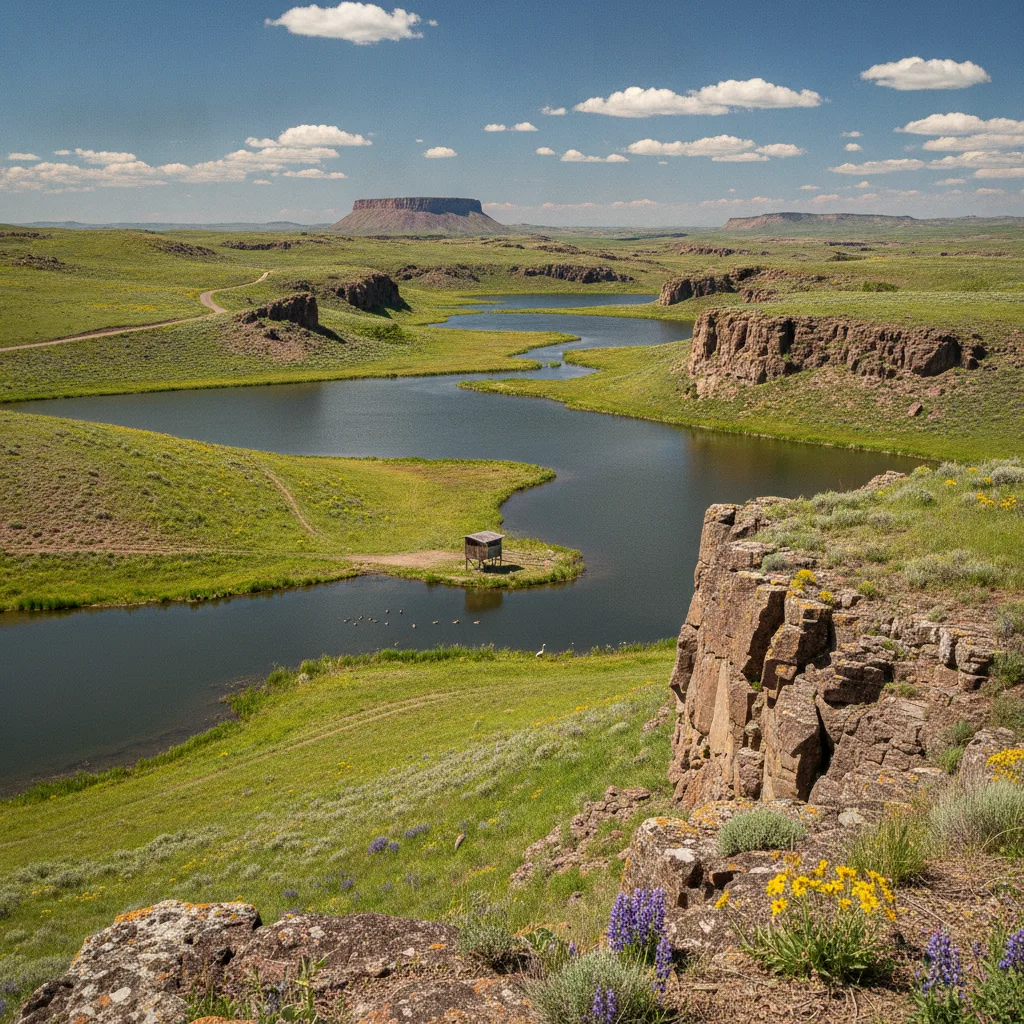
Columbia National Wildlife Refuge Travel Guide — Washington
Our Columbia National Wildlife Refuge guide covers practical planning for Columbia National Wildlife Refuge Washington — best time to visit, getting there, and what to do on the ground. As independent US travel authorities, our team has compiled confident, specific advice to help you experience this unique landscape without the generic fluff often found online. The Columbia National Wildlife Refuge Washington is a vital sanctuary established to protect migratory birds and their habitats, boasting a diverse tapestry of lakes, wetlands, and shrub-steppe terrain. It stands out as an exceptional destination for birdwatching and wildlife photography, offering a tranquil escape into nature's raw beauty.
Why Visit Columbia National Wildlife Refuge
For those seeking a genuine connection with nature, the Columbia National Wildlife Refuge offers an unparalleled experience. We believe it's a must-visit for its dramatic landscapes, shaped by the ancient Ice Age Floods, which have carved out spectacular basalt cliffs, coulees, and unique channeled scablands. This geological history provides a stunning backdrop for the refuge's primary mission: protecting migratory birds and other wildlife.
The refuge is a critical stop along the Pacific Flyway, attracting tens of thousands of waterfowl, including mallards, Canada geese, and tundra swans, especially during migration and wintering seasons. Beyond the birds, visitors can spot mule deer, coyotes, and various smaller mammals, making every visit a potential wildlife photography expedition. The sheer scale and quiet solitude of the nearly 30,000 acres offer a profound sense of peace, a stark contrast to the bustling cities of Washington. It's a place where the sounds of birdsong by day give way to the chorus of coyotes by night, inviting deep immersion in the natural world.
Who It's Best For
The Columbia National Wildlife Refuge is ideal for a specific type of traveler, one who appreciates quiet observation and the raw beauty of the natural world. Our team considers it perfect for:
- Birdwatchers and Wildlife Photographers: This is arguably the primary audience. With its designation as a haven for migratory birds, the refuge provides exceptional opportunities to observe and photograph a vast array of species, from waterfowl to raptors and songbirds.
- Nature Enthusiasts: Anyone who finds solace and wonder in diverse ecosystems, from wetlands and lakes to shrub-steppe and dramatic basalt formations, will feel at home here.
- Hikers and Walkers: While not a destination for strenuous mountain climbs like those found at Mount Rainier National Park, the refuge offers a selection of interpretive and easy-to-moderate trails that allow for immersive exploration of its varied habitats.
- Paddlers: Non-motorized boating, particularly canoeing and kayaking on Hutchinson and Shiner Lakes, offers a unique perspective of the refuge's aquatic environments.
- Families with a Love for the Outdoors: While there are no playgrounds directly within the refuge, the opportunities for wildlife spotting and easy walks can be engaging for children who enjoy nature. Nearby Potholes State Park offers additional family-friendly amenities.
It's less suited for those seeking adrenaline-fueled adventures, extensive amenities, or a bustling social scene. The refuge prioritizes wildlife, meaning activities are largely wildlife-dependent and designed to minimize disturbance.
Getting There & Parking
Understanding how to get to Columbia National Wildlife Refuge is crucial for a smooth trip. The refuge is situated in eastern Washington, approximately 5 miles west of Othello. Its somewhat remote location contributes to its peaceful atmosphere but requires some planning for access.
Driving Directions:
- From Othello: The refuge office is located at 51 South Morgan Lake Road, about three-quarters of a mile north of the intersection of McManamon and Morgan Lake Roads.
- From Moses Lake: Take State Route 17-S, then turn onto 262 W. From there, turn left onto Road K2 SE (also known as Morgan Lake Road), which is marked with a sign for the Columbia Wildlife Refuge. Alternatively, from I-90, take exit 182, turn left onto Rd O NE, then right onto Rd 2 SE, left onto Rd M SE, and finally right onto WA-262 W, following it for about 2.5 miles until you turn left into the Refuge just before the dam.
- From Seattle/Western Washington: Expect a drive of approximately 3-4 hours, depending on traffic and your starting point. We recommend taking I-90 East, then following signs towards Moses Lake or Othello. While you're in Washington, consider extending your trip to iconic destinations like Pike Place Market or Mount Rainier National Park, but remember the refuge offers a distinctly different, tranquil experience.
Parking:
Parking at Columbia National Wildlife Refuge is restricted to designated areas only. We strongly advise visitors to respect these regulations to protect the delicate habitats and ensure smooth access for everyone. Overnight parking is strictly prohibited within the refuge. There are no fees for parking for general refuge access, though a Discover Pass may be required for vehicles entering some areas.
We recommend downloading or printing maps of the refuge before your visit, as cell service can be spotty in some areas. The official U.S. Fish & Wildlife Service website often provides detailed maps of trails and parking locations.
Top Things to Do
The Columbia National Wildlife Refuge offers a range of wildlife-dependent activities designed to connect visitors with its unique ecosystems. Our team has identified the top things to do at Columbia National Wildlife Refuge:
Birdwatching & Wildlife Photography
This is undoubtedly the premier activity here. The refuge is renowned for its birdwatching opportunities, especially during the spring and fall migrations when thousands of waterfowl and other migratory birds pass through or winter here. Keep an eye out for Sandhill cranes, particularly in early spring, as a small section of the refuge is closed from February 1 to April to protect their roosting sites. Bring your binoculars and a telephoto lens; you'll want to capture the sheer numbers and diversity of species. Beyond birds, you might spot mule deer, coyotes, and various small mammals. Remember, all wildlife on the refuge is protected, so observe from a respectful distance.
Hiking & Walking
The refuge features several designated hiking trails that allow for immersive exploration. The Columbia National Wildlife Refuge hiking trails vary in length and difficulty, mostly offering easy to moderate terrain. Popular options include the Crab Creek Spur Trail (1.0 mile), the Marsh Loop Trail (1.8 miles), and the Pippistrelle Cliffs Trail (3.3 miles with a 200-foot elevation gain). The Marsh Loop follows Crab Creek and circles two marshes, while the Pippistrelle Cliffs Trail ascends a mesa, offering panoramic views of the surrounding landscape. The Goose Lake Plateau Trail is another option, a roundtrip hike of about seven miles with an elevation gain of 100 feet, offering exploration of wider open areas. Note that some hiking areas, including Marsh Loop, Crab Creek, Frog Lake, and Upper/Lower Hampton Lake, are closed from October 1 to March 1 to provide sanctuary for wintering waterfowl.
Non-Motorized Boating
For a unique perspective of the refuge's aquatic habitats, we highly recommend non-motorized boating. Hutchinson Lake and Shiner Lake offer a designated water trail, perfect for canoeing and kayaking. There's a canoe launch dock and a boat launch available, but gas motors are prohibited to maintain the tranquility and protect wildlife. This is an excellent way to get closer to waterfowl and experience the quiet beauty of the lakes. Just like some hiking trails, the primary canoe trail on Hutchinson and Shiner Lakes is only open from March 1 to September 30.
Fishing
Refuge waters, including ponds, lakes, and streams, are home to various freshwater species such as rainbow, cutthroat, and brown trout, largemouth bass, black crappie, bluegill, yellow perch, and whitefish. Anglers should consult Washington state fishing regulations and refuge-specific rules, which can be found on the U.S. Fish & Wildlife Service website.
Hunting
Hunting for deer and upland birds is permitted seasonally, with a focus on ducks and geese due to the large numbers that use the refuge. Strict regulations apply, and hunters must comply with state laws and refuge-specific rules. It’s essential to check the latest hunting regulations and seasonal information on the U.S. Fish & Wildlife Service website before planning a hunting trip.
Auto Touring
A 22-mile scenic drive offers a fantastic way to experience some of the refuge's most dramatic landscapes, providing opportunities for wildlife viewing from your vehicle. This is a great option for those with limited mobility or when time is short. A popular loop starts 5.5 miles northwest of Othello, taking you through various points of interest like Marsh Unit 1 and the Crab Creek Trail area.
Best Time to Visit
Timing your visit to the Columbia National Wildlife Refuge can significantly impact your experience, as seasonal changes bring different wildlife and access opportunities. Our team has outlined the best times:
- Spring (March-May): We consider spring to be one of the prime times. March and April are ideal for spotting thousands of migrating waterfowl and the famous Sandhill cranes. Many of the refuge's trails and the canoe trail open on March 1, allowing full access to the diverse habitats. The weather is generally mild, and the landscape begins to burst with new life.
- Fall (September-November): Another excellent period for migratory birds, as many species begin their journey south. The cooler temperatures make for comfortable hiking, and the changing foliage can add an extra layer of beauty to the shrub-steppe and riparian areas.
- Summer (June-August): While still beautiful, summer can be very hot and dry in eastern Washington. Wildlife viewing might be less concentrated, though fishing and non-motorized boating remain popular. Be prepared for direct sun and bring plenty of water. Listen for the "insect music" that fills the air.
- Winter (December-February): The refuge can be "nearly silent" in winter, offering a unique, stark beauty. Large numbers of wintering mallards, Canada geese, and tundra swans are present. However, some areas and trails close from October 1 to March 1 to protect wintering waterfowl. Check for specific closures before your visit.
Important Seasonal Closure: A complete ban on open flames outside of vehicles is in effect from June 25 through September 30, 2026, due to fire prevention orders. Always check the official U.S. Fish & Wildlife Service website for the most current information on seasonal closures and regulations before your trip. You can also call the refuge office at (509) 488-2668 for updates.
Where to Stay Nearby
When planning your visit, understanding Columbia National Wildlife Refuge lodging options is crucial, as camping is no longer permitted directly within the refuge boundaries. Our team recommends looking for accommodations in nearby towns or at state parks.
Othello, Washington
The closest town to the refuge, Othello, is approximately 5 miles away. While it's a smaller community, it offers basic amenities and some Columbia National Wildlife Refuge lodging choices. The Othello Inn & Suites is one option for a traditional hotel stay. Othello also provides dining options and services you might need before or after your refuge exploration.
Potholes State Park
Located near the refuge, Potholes State Park is an excellent option for those who prefer camping or cabins. This 640-acre camping park features 6,000 feet of freshwater shoreline on Potholes Reservoir and offers a range of camping options, including tent and RV sites, cabins, and yurts. We suggest calling for reservations, especially during the summer, as it's a popular spot for fishing, boating, and swimming. Potholes State Park is a great base for exploring both the refuge and the broader Columbia Basin.
Moses Lake
Roughly 30-45 minutes north of the refuge, Moses Lake is a larger community with a wider selection of hotels, restaurants, and services. If you're looking for more extensive Columbia National Wildlife Refuge lodging choices and amenities, this is a good alternative. Moses Lake also offers its own recreational opportunities, including the Moses Lake Mud Flats and Sand Dunes.
Private Campgrounds & Hipcamp
Since direct camping within the refuge is prohibited, we've found that private campgrounds and Hipcamp listings in the surrounding area offer viable alternatives. Sites like O'Sullivan Sportsman Resort are just 6.5 miles from the refuge and provide RV, tent, and cabin options with amenities like a community center and swimming pool. Other Hipcamp options, such as Gateway RV Spot (near Moses Lake), Fat Pony Farm, Whimsy Rock Homestead, and Trinity Gardens Lavender Farm, offer unique rural stays within a reasonable driving distance. These can be excellent choices for those seeking a more rustic or unique overnight experience.
For those interested in exploring beyond the immediate vicinity, the broader Columbia River Gorge area also offers diverse lodging, though it's a longer drive from the refuge. Options range from historic hotels to glamping sites.
Sample 2-Day Itinerary
To help you maximize your visit to the Columbia National Wildlife Refuge, our team has crafted a sample 2-day itinerary, focusing on the best ways to experience this unique landscape.
Day 1: Wildlife & Waterways
- Morning (Sunrise to Noon): Arrive at the Columbia National Wildlife Refuge shortly after sunrise to take advantage of prime wildlife viewing conditions. Head to the Marsh Loop Trail (1.8 miles) and Crab Creek Trail (1.0 mile) areas. These trails are excellent for birdwatching, particularly for waterfowl and riparian species. Bring your camera and binoculars.
- Lunch: Pack a picnic lunch to enjoy at one of the designated picnic areas. Remember there are no food services within the refuge.
- Afternoon (1 PM - 5 PM): Explore the Hutchinson and Shiner Lakes water trail. Launch your canoe or kayak for a peaceful paddle, observing the birdlife from the water. Remember, only non-motorized boats are allowed. Alternatively, if you prefer land-based exploration, take a scenic auto tour along the 22-mile loop, stopping at various pull-offs for additional wildlife observation and photography.
- Evening: Head to Othello for dinner and check into your chosen lodging. If staying at Potholes State Park, enjoy the amenities there.
Day 2: Geology & Grand Views
- Morning (Sunrise to Noon): Begin your day with a hike on the Pippistrelle Cliffs Trail (3.3 miles, 200 ft elevation gain). This trail leads into the drier shrub-steppe habitat and offers stunning views from atop a mesa, showcasing the dramatic basalt formations carved by the Ice Age Floods. This is a great opportunity for geological appreciation and panoramic photography.
- Lunch: Enjoy another packed lunch amidst the scenic views.
- Afternoon (1 PM - 4 PM): Visit the refuge office (check hours, as staff may be in the field) to pick up maps and learn more about the refuge's history and conservation efforts. Afterwards, explore other points of interest within the refuge, perhaps revisiting a favorite spot or trying a shorter trail like the Crab Creek Spur Trail if you missed it.
- Late Afternoon: Before departing, consider a visit to nearby Potholes State Park for a different perspective of the Columbia Basin, perhaps some shoreline relaxation or a short walk.
Pro Tip: Always carry plenty of water, especially during warmer months, as drinking water facilities are limited or non-existent within the refuge. Dress in layers and be prepared for changing weather conditions. Be aware of rattlesnakes, especially in rocky areas during warm weather, and keep dogs on a leash.
Last updated: 2026-07-08 by the Roam States team.