Our Cranberry Glades Botanical Area guide covers practical planning for Cranberry Glades Botanical Area West Virginia — best time to visit, getting there, and what to do on the ground.
Deep within West Virginia's Monongahela National Forest lies a truly remarkable natural wonder: the Cranberry Glades Botanical Area. This isn't just another scenic overlook; it's a unique ecosystem featuring five bogs (acidic wetlands) that host plants typically found much further north, creating a subarctic environment right here in the Appalachian Mountains. Our team at Roam States has explored these rare landscapes, and we're here to share everything you need to know for an unforgettable visit to this ecological marvel.
Why Visit Cranberry Glades Botanical Area
Visiting the Cranberry Glades Botanical Area offers a rare opportunity to step into an ecosystem that feels transplanted from Canada or the far northern reaches of the United States. This 750-acre expanse protects West Virginia's largest bog system, formed over thousands of years from compressed peat and sphagnum moss. We're talking about an ecological oddity, a remnant of the Ice Age where northern life forms migrated south with changing climatic conditions and found a persistent home in this mountain valley.
What makes it so special? For starters, you'll encounter unusual plants, including fascinating carnivorous species like sundews and pitcher plants, thriving in the acidic, nutrient-poor soil. It's a living laboratory, captivating scientists and offering a unique educational experience for all ages. The serene wetlands, surrounded by hardwood forests, create a picturesque landscape that changes dramatically with the seasons. We find it to be a profoundly peaceful place, offering a quiet escape and a chance to connect with a truly ancient and delicate environment.
Who It's Best For
The Cranberry Glades Botanical Area is ideal for a diverse range of visitors, though it particularly shines for those with specific interests:
- Nature Enthusiasts & Botanists: If you're fascinated by unique flora, especially carnivorous plants and species typically found in subarctic regions, this is a must-see. The interpretive signs along the boardwalk provide excellent educational insights.
- Birdwatchers: The glades are a haven for various bird species, making it a prime spot for avian enthusiasts.
- Families with Young Children: The half-mile, wheelchair-accessible boardwalk loop makes it easy for families with strollers or those with limited mobility to explore the core of the glades without disturbing the fragile ecosystem. It's a gentle, engaging walk that offers plenty to see.
- Photographers: The unique landscape, especially during fall when cranberries turn vibrant red, offers stunning photographic opportunities.
- Those Seeking Peace & Quiet: With no cell service in the immediate glades area, it's a perfect place to unplug and immerse yourself in nature's tranquility.
- Hikers & Outdoor Adventurers: While the boardwalk is short, the surrounding Monongahela National Forest offers extensive additional trails for more adventurous hiking and mountain biking.
It's less suited for those seeking adrenaline-pumping activities within the glades themselves, as the focus is on quiet observation and appreciation of the delicate environment. However, the broader Pocahontas County region offers plenty of adventure for those who want a mix.
Getting There & Parking
Navigating to the Cranberry Glades Botanical Area is straightforward, but it's important to be aware of the specific routes and parking situation, especially for 2026 travel. The area is located in the Monongahela National Forest, near Hillsboro, West Virginia.
How to Get There:
The primary access point for the Cranberry Glades Botanical Area is from Route 39/150, just north of the Cranberry Mountain Nature Center. If you're coming from Route 150, you'll take Forest Service Road 102 north for approximately one mile. Forest Service Road 102 is a paved road, making access relatively easy.
- From Richwood: Travel one mile east on State Route 39/55, then 12.5 miles north on Forest Road 76. From Dyer on State Route 46, take Forest Road 101 approximately 6 miles, then turn left onto Forest Road 76 for one mile.
- From Lewisburg: Drive roughly 1.5 hours north on U.S. Route 219 and Forest Road 707 to reach the parking area.
It's worth noting that gas stations can be scarce near the area, so we recommend filling up your tank before you head out. Also, cell service is generally unavailable within the Cranberry Glades Botanical Area itself.
Parking:
Parking at the Cranberry Glades Botanical Area is available in a dedicated lot near the trailhead. However, visitors frequently caution that parking is limited, with some sources indicating space for approximately 12 vehicles. During peak seasons or popular times, arriving early is highly recommended to secure a spot. Designated handicapped parking spots are available near the trailhead, complementing the wheelchair-accessible boardwalk. There are no reported fees for parking at the Cranberry Glades Botanical Area for 2026.
Road Closures (2026 Update):
Visitors planning trips during summer 2026 (late June or early July onwards) should be aware of potential detours and temporary road closures on Forest Road 76 in the Cranberry area and Forest Road 86 in the Williams River area. These repairs are addressing flood damage and improving public safety. While key recreation destinations, including Cranberry Campground, are expected to remain accessible, travel patterns may change, and alternative routes via Forest Road 101 and County Route 46/2 near Dyer might be necessary. We advise checking the Monongahela National Forest website or contacting the Gauley Ranger District office (304-846-2695) for the most current road conditions before your visit.
Top Things to Do
The Cranberry Glades Botanical Area and its surrounding region offer a wealth of activities for outdoor enthusiasts and those seeking a unique natural experience. Here are our top recommendations for things to do at Cranberry Glades Botanical Area and in the wider Pocahontas County.
Explore the Cranberry Glades Boardwalk
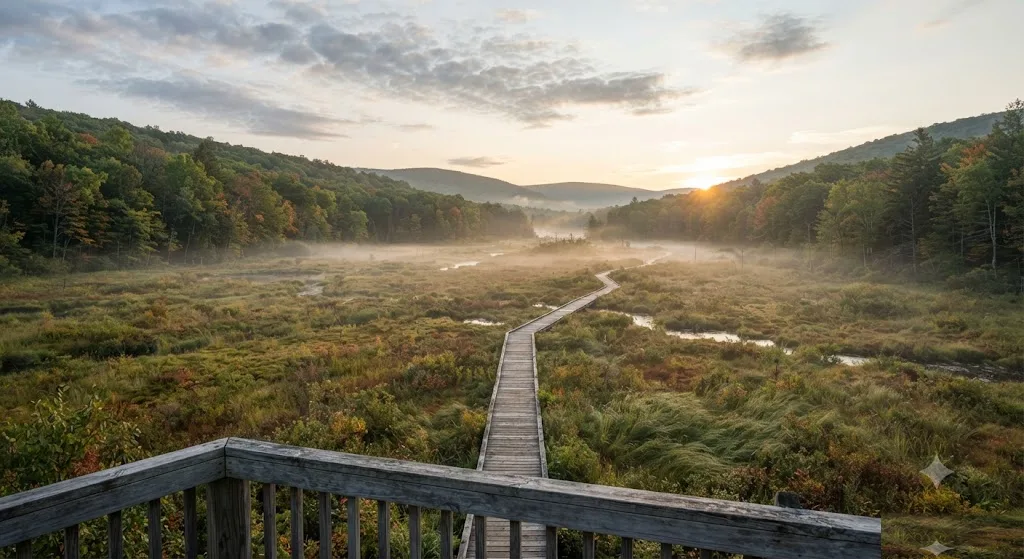
The centerpiece of the Cranberry Glades Botanical Area is its accessible boardwalk. This half-mile (or approximately one-mile loop, depending on the source) pathway winds through two of the bogs, allowing visitors to get an up-close view of the unique plant life without disturbing the fragile ecosystem. Along the way, interpretive panels provide educational insights into the area's history, ecology, and the rare plants and animals that call it home. We strongly advise staying on the boardwalk to protect these ancient and delicate species. Be aware that the boardwalk can be very slippery when wet, so sturdy, non-slip footwear is recommended.
Spot Carnivorous Plants and Unique Flora
One of the most exciting things to do at Cranberry Glades Botanical Area is searching for its famous carnivorous plants. Keep an eye out for pitcher plants and sundews, which thrive in the bog's acidic conditions. Beyond these fascinating insect-eaters, you'll discover a variety of other unique bog flora, including cranberries and sphagnum mosses, typically found much further north. The best time to see these plants blooming is during the warmer months.
Birdwatching and Wildlife Observation
The Cranberry Glades is a haven for birdwatchers, especially for spotting warblers and other avian species. The diverse ecosystem also supports various other wildlife. While walking the boardwalk, you might encounter small mammals, insects, and amphibians. Remember to observe wildlife from a distance and avoid disturbing their natural habitat. Be aware of snakes and ticks, especially in warmer months.
Visit the Cranberry Mountain Nature Center
Located just north of the Glades at the intersection of Route 39/55 and Route 150, the Cranberry Mountain Nature Center serves as an excellent starting point for your visit. For 2026, the Nature Center is open Thursday through Monday, from 9:00 AM to 4:30 PM, closing at 4:00 PM on Sundays, and is closed on Tuesdays and Wednesdays. It offers interpretive programs, live snake displays, a native wildflower garden, and interactive children's exhibits. Guided tours of the Glades are occasionally conducted by US Forest Service staff, particularly during the summer months, providing deeper educational insights. There are no fees for programs, events, or admission to the Nature Center.
Hike Surrounding Trails
Beyond the boardwalk, the Cranberry Glades area offers additional trails for those looking for a longer hike. There are trails for the more adventurous located near the park entrance, and a system of trails winds from the Cranberry Mountain Nature Center to and around the glades, totaling over nine miles. These trails can also feed into the adjacent Cranberry Wilderness Area, which was expanded by almost 12,000 acres in 2009.
Picnic Amidst Nature
Across the parking area from the boardwalk, you'll find multiple picnic tables available for visitors to use, making it a perfect spot for a leisurely meal surrounded by nature.
Top Things to Do in Pocahontas County
Pocahontas County, often called "Nature's Mountain Playground," offers a wealth of activities beyond the Glades. Our team highly recommends exploring these things to do in Pocahontas County:
- Cass Scenic Railroad State Park: Experience a step back in time with historic steam-powered train rides that journey up the mountain, offering stunning views and a glimpse into early 1900s lumber operations. You can also explore the preserved company town of Cass.
- Falls of Hills Creek Scenic Area: Discover three beautiful waterfalls dropping nearly 300 feet through a steep gorge. A 1,700-foot boardwalk allows for amazing photos of the first waterfall, and over 40 species of wildflowers bloom from spring to early summer.
- Greenbrier River Trail: This 78-mile rail-trail is perfect for biking, walking, and running, offering picturesque views along the Greenbrier River. Outfitters like Greenbrier Bikes in Marlinton offer rentals and are a great starting point.
- Droop Mountain Battlefield State Park: A must-visit for history buffs, this park is the site of West Virginia's last major Civil War battle. It offers hiking trails, stunning overlooks of the Greenbrier Valley, and an observation tower.
- Snowshoe Mountain Resort: A premier destination for mountain biking in the warmer months with extensive trails, and a major ski resort in winter.
- Highland Scenic Highway: Take a breathtaking drive through the Monongahela National Forest on this 43-mile highway, offering expansive views of hardwood forests. It's West Virginia's highest major roadway.
- Green Bank Observatory: Home to the world's largest fully steerable radio telescope, the Robert C. Byrd Green Bank Telescope (GBT). Visitors can take tours of the grounds and even cool off at the public pool during summer.
- Fly Fishing: Pocahontas County is known as the "Birthplace of Rivers" and offers excellent fly fishing opportunities in rivers like the Cranberry, Elk, Williams, and Greenbrier.
Best Time to Visit
The best time to visit Cranberry Glades Botanical Area largely depends on what you hope to experience, as each season offers its own unique charm.
Spring (March-May): Spring brings wildflower blooms and the awakening of the bog's unique plant life. Reviews highlight spring as one of the best times to visit for unique plant interest and wide views. However, be prepared for potentially muddy and wet conditions early in the season. The Cranberry Mountain Nature Center typically opens in April.
Summer (June-August): The warmer months are ideal if you want to see the unusual plants blooming, including the carnivorous species. Guided tours are often offered through the summer months by the Cranberry Mountain Nature Center, providing educational insights. The elevation of the glades (3,360 feet) offers cooler temperatures than the lowlands, providing welcome relief from summer heat.
Fall (September-November): Fall is widely considered the standout season for visiting the Cranberry Glades Botanical Area. Late September through October brings crisp, clear days with highs in the mid-40s to low-60s°F. The cool nights intensify the foliage colors across the bog and surrounding hardwoods, creating a vibrant, red landscape. The boardwalk is also most accessible after summer mud dries out, and wildlife activity picks up at the bog edges. This is also when cranberries are ripe and can be seen growing wild.
Winter (December-February): While less emphasized for its botanical highlights, winter can transform the glades into a crystalline, frozen landscape. Temperatures can drop well below freezing, and while the boardwalk remains open year-round, conditions will be cold and potentially snowy or icy. If you're seeking solitude and a stark, beautiful winter scene, it can be a unique time to visit, but be prepared for cold weather and potentially less active plant life.
Our team suggests late spring through early fall for the most active plant life and comfortable weather, with a particular nod to autumn for its stunning colors.
Where to Stay Nearby
Finding comfortable and convenient Cranberry Glades Botanical Area lodging is key to a successful trip. While there are no accommodations directly within the botanical area itself, the surrounding Pocahontas County offers a variety of options, from rustic cabins to motels and inns.
Hotels and Motels
Marlinton, located about 10-11 miles from Cranberry Glades Botanical Area, is a popular choice for lodging. Here, you'll find options like the Marlinton Motor Inn, which offers a clean and affordable stay. The Old Clark Inn in Marlinton is another highly-rated option, known for its exceptional service.
For those willing to drive a bit further, Lewisburg, approximately 28 miles from the Glades, offers more modern chain hotels such as the Home2 Suites by Hilton Lewisburg, which is pet-friendly and features suites with kitchen facilities.
Cabins and Vacation Rentals
For a more immersive natural experience, many visitors prefer to stay in cabins or vacation rentals. These often provide more space and amenities, perfect for families or groups. You can find numerous options for Cranberry Glades Botanical Area lodging in nearby areas like Marlinton, Hillsboro, and Buckeye. Popular choices include:
- Moore House Inn & Cabins: Highly rated for its comfort and location.
- Riverfront West Virginia Cabin w/ Screened-In Deck: Offers a peaceful setting with river access.
- Rustic hideaway, river nearby: Many cabins offer features like fire pits and proximity to rivers.
- Log Cabins near Snowshoe: For those who want to combine a visit to the Glades with activities at Snowshoe Mountain, there are numerous log cabins and vacation homes available, often with amenities like hot tubs, saunas, and game rooms.
Areas like Little Levels, just 3 miles from Cranberry Glades, also offer peaceful retreats with access to outdoor adventures. When searching for Cranberry Glades Botanical Area lodging, we recommend looking for properties in Marlinton, Hillsboro, or the broader Pocahontas County region.
Camping
For those who prefer to sleep under the stars, several campgrounds are available in the Monongahela National Forest near Cranberry Glades. The Cranberry Campground is a popular semi-primitive option adjacent to the Cranberry River, offering 28 single sites and two double sites with picnic tables, fire rings, and vault toilets. It operates on a first-come, first-served basis, with no advance reservations, and costs $10 per night for a single site and $20 for a double site (as of 2026). Potable water is available via hand pumps. This campground can be very busy during trout stocking seasons (spring through June and September through October). Bishop Knob Campground is a centrally located alternative that can accommodate overflow campers when Cranberry Campground is full. Primitive and tent camping are also available within the Cranberry Glades Botanical Area itself.
Sample 2-Day Itinerary
To help you make the most of your visit to the Cranberry Glades Botanical Area and the surrounding Pocahontas County, our team has crafted a sample 2-day itinerary. This plan balances the unique ecological experience with other regional highlights.
Day 1: Immersion in the Glades
- Morning (9:00 AM - 12:00 PM): Cranberry Mountain Nature Center & Glades Boardwalk
- Start your day at the Cranberry Mountain Nature Center. Review the interpretive displays, learn about the local ecosystem, and inquire about any guided tours available for the day.
- Head to the Cranberry Glades Botanical Area boardwalk, just a short drive away. Spend ample time walking the half-mile loop, observing the carnivorous plants, unique bog flora, and diverse birdlife. Remember to stay on the boardwalk and wear sturdy shoes.
- Lunch (12:00 PM - 1:00 PM): Picnic at the Glades
- Enjoy a packed lunch at one of the picnic tables near the Glades parking area.
- Afternoon (1:00 PM - 5:00 PM): Falls of Hills Creek Scenic Area
- Drive to the nearby Falls of Hills Creek Scenic Area. Explore the three stunning waterfalls via the boardwalk and trails. This is a great spot for photography and enjoying the lush forest environment.
- Evening: Dinner & Relaxation in Marlinton
- Head to Marlinton for dinner. Options like the Dirtbean Cafe or local eateries offer a taste of Appalachian hospitality.
- Check into your Cranberry Glades Botanical Area lodging in Marlinton, such as the Marlinton Motor Inn or a cozy cabin rental.
Day 2: Pocahontas County Adventures
- Morning (9:00 AM - 1:00 PM): Cass Scenic Railroad State Park
- Drive to Cass Scenic Railroad State Park. Take a historic steam train ride up the mountain, enjoying panoramic views and the unique experience of a bygone era. Explore the preserved company town of Cass.
- Lunch (1:00 PM - 2:00 PM): Lunch in Cass or nearby
- Grab a bite to eat in Cass or find a local spot en route to your next destination.
- Afternoon (2:00 PM - 5:00 PM): Green Bank Observatory or Greenbrier River Trail
- Option A (Science & Scenery): Visit the Green Bank Observatory for a guided tour of the world's largest steerable radio telescope. The National Radio Quiet Zone surrounding it adds to the unique atmosphere.
- Option B (Active Outdoors): Rent bikes in Marlinton and explore a section of the Greenbrier River Trail, enjoying a leisurely ride along the scenic river.
- Evening: Dinner & Departure or Extended Stay
- Enjoy a final dinner in Pocahontas County, perhaps trying a different local restaurant.
- Depending on your travel plans, you can depart or extend your stay to explore more of West Virginia's beauty, perhaps venturing to New River Gorge National Park or Harpers Ferry National Historical Park. Don't forget to check out our Best Places in West Virginia guide for more inspiration!
Is It Worth Visiting?
Absolutely, the Cranberry Glades Botanical Area is undeniably worth visiting for anyone with an appreciation for unique natural environments and a desire to see something truly out of the ordinary in West Virginia. Our team considers it a standout destination, far from generic tourist traps.
What makes it so compelling? It's the sheer unlikeliness of it all – a subarctic bog ecosystem thriving at 3,360 feet in the southern Appalachians. This geological and ecological anomaly, a remnant from the Ice Age, presents a rare opportunity to observe plants and wildlife typically found hundreds of miles north. The half-mile accessible boardwalk ensures that this fragile beauty is accessible to nearly everyone, allowing for close-up views of carnivorous plants like pitcher plants and sundews, without disturbing their delicate habitat.
Beyond the botanical wonders, the Cranberry Glades offers a profound sense of peace and a chance to disconnect. With limited to no cell service, it encourages a genuine immersion in nature. It's a place for quiet contemplation, photography, and education, making it an enriching experience for families, nature lovers, and anyone seeking a tranquil escape. While it may not offer the high-octane thrills of some other destinations, its unique charm and ecological significance firmly establish that the Cranberry Glades Botanical Area is worth visiting.
Frequently Asked Questions
Cranberry Glades Botanical Area with kids
The Cranberry Glades Botanical Area is an excellent destination for families with kids. The main attraction is a half-mile (or approximately one-mile) boardwalk loop that is wheelchair and stroller accessible, making it easy for even the youngest explorers. Children will be fascinated by the unique carnivorous plants like pitcher plants and sundews, which are a highlight of the bogs. The Cranberry Mountain Nature Center, located nearby, offers interactive children's displays, live snake presentations, and educational programs that can further enhance their visit. The gentle nature of the walk and the intriguing plant life make it an engaging and educational outdoor adventure for all ages.
best hotels near Cranberry Glades Botanical Area
The best hotels near Cranberry Glades Botanical Area are primarily found in nearby towns like Marlinton and Lewisburg. In Marlinton, popular choices include the Marlinton Motor Inn and the Old Clark Inn, both offering comfortable stays and good access to local attractions. For those seeking more modern amenities or traveling with pets, the Home2 Suites by Hilton Lewisburg, about 28 miles away, is a strong option. Many visitors also opt for vacation rentals and cabins in the surrounding Pocahontas County area, which provide a more private and immersive experience in nature, often with features like river access or proximity to other outdoor activities.
Cranberry Glades Botanical Area tips
Our top tips for visiting the Cranberry Glades Botanical Area include: 1) Stay on the boardwalk: This is crucial to protect the fragile ecosystem. 2) Wear appropriate footwear: The boardwalk can be very slippery when wet, so sturdy, non-slip shoes are highly recommended. 3) Visit the Cranberry Mountain Nature Center first: It provides excellent interpretive information and often has guided tours. 4) Arrive early for parking: The parking lot is small, with limited spaces, especially during peak season. 5) Bring insect repellent: As a wetland area, bugs can be present, particularly in warmer months. 6) Check for road closures: Especially during summer 2026, Forest Service roads in the area may experience temporary closures for repairs. 7) Be prepared for no cell service: The area generally lacks cell reception, so download maps or information beforehand.
where to stay near Cranberry Glades Botanical Area
When considering where to stay near Cranberry Glades Botanical Area, we recommend looking at options in Marlinton, Hillsboro, or the broader Pocahontas County region. Marlinton, approximately 10-11 miles away, offers motels like the Marlinton Motor Inn and inns such as the Old Clark Inn. For those preferring self-catering or a more secluded experience, numerous cabins and vacation rentals are available throughout Pocahontas County, often providing amenities like full kitchens and proximity to outdoor activities. Additionally, primitive and tent camping is available at the Cranberry Glades Botanical Area itself, and established campgrounds like Cranberry Campground are nearby, operating on a first-come, first-served basis.
Cranberry Glades Botanical Area parking
Parking at the Cranberry Glades Botanical Area is available in a dedicated lot right at the trailhead. However, it is important to note that the parking area is relatively small, with space for approximately 12 vehicles. During popular visiting times, especially in the peak seasons of summer and fall, this lot can fill up quickly. We strongly advise arriving early in the day to secure a spot. Designated handicapped parking spaces are available, and there are no reported fees for parking at the Cranberry Glades Botanical Area for 2026.
best time to visit Cranberry Glades Botanical Area
The best time to visit Cranberry Glades Botanical Area depends on your priorities. For seeing the unique plants in bloom, the warmer months (late spring and summer) are ideal. Guided tours are also typically offered during the summer. However, fall, particularly late September through October, is often considered the standout season. During this time, the weather is crisp, the surrounding foliage turns vibrant, and the bog plants, including cranberries, display rich red hues. The boardwalk is also less muddy after the summer. While beautiful year-round, winter can be very cold with less active plant life, and early spring might be muddy.
Last updated: 2026-07-08 by the Roam States team.