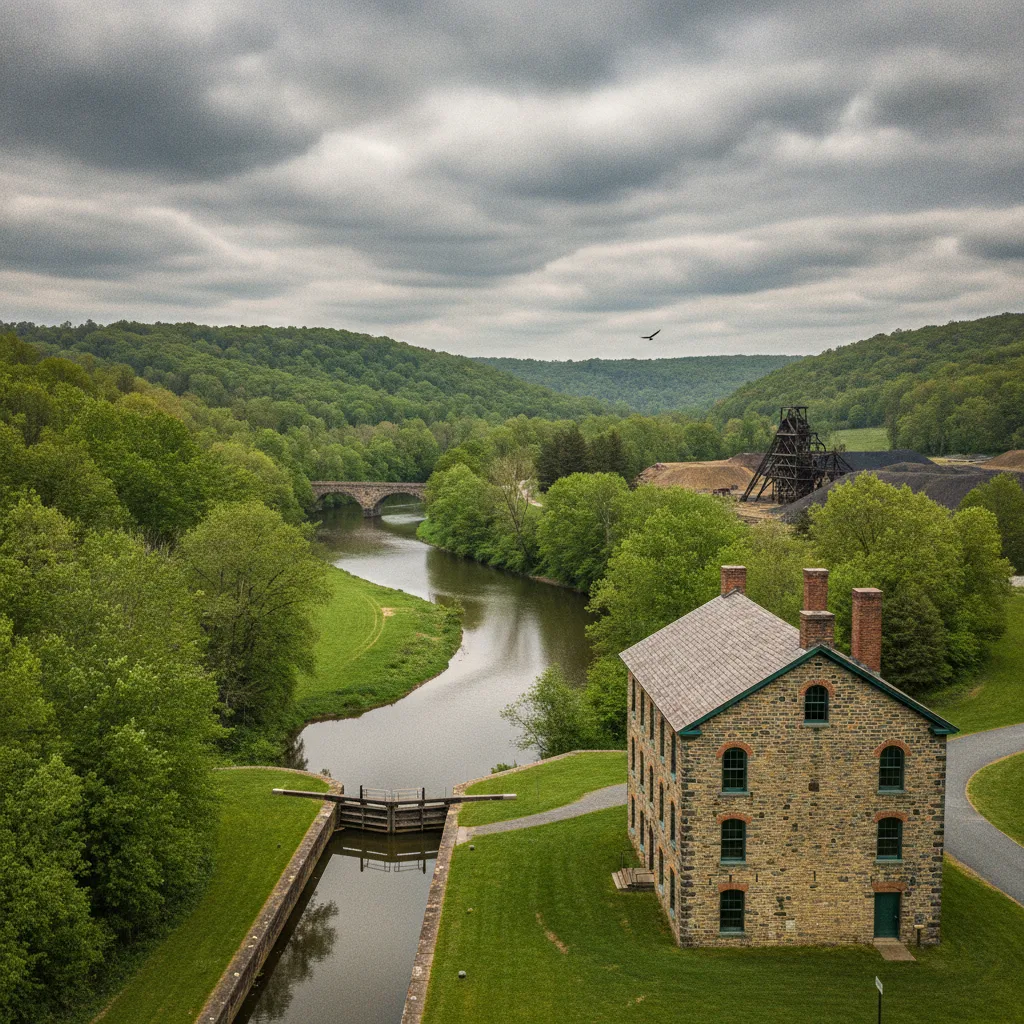
Our Delaware & Lehigh National Heritage Corridor guide covers practical planning for the Delaware & Lehigh National Heritage Corridor Pennsylvania — best time to visit, getting there, and what to do on the ground.
Delaware & Lehigh National Heritage Corridor Travel Guide — Pennsylvania
The Delaware & Lehigh National Heritage Corridor Pennsylvania is more than just a scenic route; it's a journey through the industrial heartland that shaped our nation. Stretching 165 miles from Wilkes-Barre to Bristol, this corridor preserves and interprets the historic transportation routes that fueled Pennsylvania's industrial growth. Our team believes it offers an unparalleled opportunity to explore canals, railroads, and trails, learning firsthand about the region's pivotal coal and iron industries. We've compiled this comprehensive guide to help you navigate this significant slice of American history, ensuring you make the most of your visit to the Delaware & Lehigh National Heritage Corridor Pennsylvania.
Why Visit Delaware & Lehigh National Heritage Corridor
For history buffs, outdoor enthusiasts, and families alike, the Delaware & Lehigh National Heritage Corridor offers a unique blend of education and recreation. We find that visitors often come away with a profound appreciation for the ingenuity and sheer grit of the people who built industrial America. This isn't just a collection of old buildings; it's a living museum where the stories of anthracite coal, iron production, and the transportation networks that moved them are palpable. Is Delaware & Lehigh National Heritage Corridor worth visiting? Absolutely. We believe it provides a tangible connection to the past that few other places can offer, allowing you to walk, bike, or paddle through landscapes that once buzzed with industrial activity. From the engineering marvels of the canal system to the quiet beauty of the D&L Trail, the corridor invites you to step back in time and understand the forces that shaped modern Pennsylvania and, by extension, the United States. It's an essential stop for anyone interested in the rich tapestry of American history and the evolution of its industries.
Beyond the historical significance, the corridor is also a haven for outdoor recreation. The D&L Trail, a multi-use path, follows the historic routes, offering miles of scenic beauty for cycling, hiking, and running. You can kayak or canoe sections of the Lehigh and Delaware Rivers, experiencing the waterways as they were once used for commerce. We find that the combination of historical interpretation and natural beauty makes for a truly enriching experience, appealing to a wide range of interests. Whether you're seeking a challenging bike ride, a peaceful walk, or an educational family outing, the Delaware & Lehigh National Heritage Corridor delivers.
Who It's Best For
The Delaware & Lehigh National Heritage Corridor appeals to a diverse group of travelers, from the solo adventurer to the multi-generational family. We've found it's particularly well-suited for:
- History Enthusiasts: Those fascinated by America's industrial revolution, canal history, railroads, and the coal and iron industries will find themselves immersed in a wealth of interpretive sites and museums.
- Outdoor Adventurers: Cyclists, hikers, runners, and paddlers will revel in the extensive D&L Trail and the opportunities for water sports on the Lehigh and Delaware Rivers. The relatively flat terrain of much of the trail makes it accessible for various fitness levels.
- Families with Older Children: While younger children might enjoy some sections, the historical depth and longer trail distances are often best appreciated by school-aged children and teenagers who can engage with the interpretive exhibits and cover more ground.
- Nature Lovers: Beyond the industrial heritage, the corridor traverses beautiful natural landscapes, offering opportunities for birdwatching, photography, and enjoying the tranquility of riverfront and forest environments.
- Road Trippers: As a linear park, the corridor is perfect for those exploring Eastern Pennsylvania by car, with numerous access points and attractions spread along its length. We recommend combining a visit here with other notable Pennsylvania destinations like Independence National Historical Park in Philadelphia or Gettysburg National Military Park for a comprehensive historical tour of the state.
If you're looking for a destination that combines active exploration with deep historical learning, our team believes the Delaware & Lehigh National Heritage Corridor is an excellent choice.
Getting There & Parking
The Delaware & Lehigh National Heritage Corridor stretches across a significant portion of Eastern Pennsylvania, making it accessible from various directions. When considering how to get to Delaware & Lehigh National Heritage Corridor, you'll find that its linear nature means there isn't a single "entrance," but rather numerous access points along the D&L Trail and at various historical sites. We recommend planning your approach based on which section of the corridor you wish to explore first.
For those arriving by car, the corridor is easily reached via major interstates such as I-81, I-476 (Pennsylvania Turnpike Northeast Extension), and I-78. Depending on your starting point, you might aim for cities like Wilkes-Barre, Jim Thorpe, Easton, or Bristol, all of which offer significant points of interest within the corridor. For example, if you're coming from the south, Easton provides excellent access to the National Canal Museum and the confluence of the Lehigh and Delaware Rivers. From the north, Wilkes-Barre offers access to the northernmost sections of the D&L Trail and related historical sites.
Regarding Delaware & Lehigh National Heritage Corridor parking, you'll find designated parking areas at most major trailheads and historical sites along the corridor. We've verified that as of 2026, many of these parking areas are free, especially at trailheads managed by local municipalities or the D&L National Heritage Corridor itself. For instance, parking at the National Canal Museum in Easton is typically free for visitors during operating hours. Similarly, many of the smaller trail access points along the D&L Trail offer complimentary parking lots. However, it's always wise to check the specific site's official website or the D&L National Heritage Corridor website closer to your travel date for any updated information on fees or potential reservation requirements for specific events or popular attractions, though general trail access usually does not require reservations. We advise checking the D&L Trail's interactive map online, which clearly marks parking locations and access points, to help you plan your stops efficiently.
Public transportation options are more limited, given the rural and linear nature of much of the corridor. However, regional bus services may connect to some of the larger towns and cities along the route, such as Easton, Bethlehem, and Jim Thorpe. From these hubs, you might consider local taxi services or ride-sharing to reach specific trailheads or sites if you don't have a vehicle. For a truly immersive experience and the flexibility to explore widely, we generally recommend traveling by car to fully appreciate how to get to Delaware & Lehigh National Heritage Corridor and its many scattered gems.
Top Things to Do
When considering things to do at Delaware & Lehigh National Heritage Corridor, you'll discover a wealth of activities spanning outdoor recreation, historical exploration, and cultural immersion. Our team has curated a list of must-do experiences that highlight the best of the corridor and things to do in Eastern Pennsylvania.
Explore the D&L Trail
The backbone of the corridor is the D&L Trail, a multi-use path stretching 165 miles. We consider it one of the premier things to do at Delaware & Lehigh National Heritage Corridor. Whether you're biking, hiking, or running, the trail offers diverse scenery, from urban waterfronts to dense forests and rural landscapes. Popular sections include the Lehigh Gorge State Park segment, known for its dramatic scenery and whitewater rafting opportunities, and the Black Diamond Trail, which offers a glimpse into the region's coal mining past. Many sections are relatively flat, following old canal towpaths and rail beds, making them accessible for families and casual users. We recommend checking the D&L Trail website for current conditions and detailed maps to plan your route. You can rent bikes in towns like Jim Thorpe or Easton to explore sections of the trail.
Visit the National Canal Museum
Located in Easton, the National Canal Museum is a fantastic starting point for understanding the corridor's history. It's one of the key things to do in Eastern Pennsylvania for history buffs. We've found its exhibits on the Lock Ridge Furnace and the vital role of canals in transporting coal to be incredibly informative. As of 2026, the museum is typically open Wednesday through Sunday from 11:00 AM to 4:00 PM, with adult admission around $12.00. They also offer mule-drawn canal boat rides on the Josiah White II, a truly unique experience that allows you to step back in time. These rides operate seasonally, usually from May through October, and tickets are often combined with museum admission or available separately.
Discover Historic Jim Thorpe
Often called "Switzerland of America," Jim Thorpe is a picturesque Victorian town nestled in the Lehigh Gorge. It's a highlight among things to do in Eastern Pennsylvania. Here, you can explore the Asa Packer Mansion Museum, the opulent former home of a railroad magnate, and the Old Mauch Chunk Train Station, now a visitor center. We recommend taking a scenic train ride on the Lehigh Gorge Scenic Railway, which offers breathtaking views of the gorge, especially during fall foliage season. Train rides typically run on weekends from April through November, with various departure times and ticket prices ranging from $20-$30 for adults in 2026. Parking in Jim Thorpe can be challenging on busy weekends, so arrive early or consider using shuttle services if available.
Explore Lock Ridge Furnace Museum
Near Alburtis, the Lock Ridge Furnace Museum offers a fascinating look at a preserved 19th-century iron furnace. This site is a testament to the region's iron industry and provides excellent photo opportunities. We've found it to be a compelling example of industrial archaeology. The grounds are generally open daily from dawn to dusk, with free admission, and the museum building often has limited hours or is open by appointment. Check their website for specific 2026 operating hours for interior access.
Hike or Bike Lehigh Gorge State Park
This state park, encompassing a significant portion of the Lehigh Gorge, is a gem for outdoor enthusiasts. Its section of the D&L Trail is particularly popular for biking and hiking, offering stunning views of the Lehigh River and its rapids. Whitewater rafting is also a major draw here, with various outfitters offering guided trips on the Lehigh River. We suggest booking rafting trips well in advance, especially during peak season, as they are very popular and can sell out. Permits are required for private boaters on certain sections of the river during specific release days.
Visit Hugh Moore Park
Located in Easton, Hugh Moore Park is home to the National Canal Museum and serves as an important recreational hub. Beyond the museum, you can enjoy walking and biking trails, picnicking, and access to the Lehigh River for paddling. It's a great spot for families to spend a relaxed afternoon. The park itself is generally open year-round from dawn to dusk.
Discover Scranton's Industrial History
Further north, the city of Scranton offers additional insights into Pennsylvania's industrial past. We recommend visiting the Steamtown National Historic Site, which preserves and interprets the history of steam railroading in America. As of 2026, the park is open daily from 9:00 AM to 5:00 PM, with a park entrance fee of $7.00 per person aged 16 and older, valid for seven days. You can also explore the Lackawanna Coal Mine Tour, where you descend into a real anthracite coal mine to learn about the lives of miners. Tours typically run from April through November, and tickets are approximately $12.00-$16.00 for adults in 2026.
These are just a few of the many things to do in Eastern Pennsylvania and along the Delaware & Lehigh National Heritage Corridor. We encourage you to explore the diverse offerings and tailor your visit to your interests, perhaps even combining your trip with a visit to other best places in Pennsylvania like Hershey Park for some family fun or Fallingwater for architectural marvels.
Best Time to Visit
The best time to visit the Delaware & Lehigh National Heritage Corridor largely depends on your preferred activities and tolerance for crowds. Our team has found that each season offers a distinct experience:
- Spring (April-May): We love spring for its mild temperatures, blooming wildflowers, and lighter crowds. It's an excellent time for hiking and biking before the summer heat sets in, and the waterways begin to thaw for paddling.
- Summer (June-August): Summer is peak season, especially for outdoor activities like biking, rafting, and canal boat rides. The weather is warm, but so are the crowds, particularly on weekends and at popular spots like Jim Thorpe and Lehigh Gorge State Park. Reservations for lodging and activities are highly recommended during these months.
- Fall (September-October): This is arguably the most popular time to visit, especially for the stunning fall foliage. The vibrant colors of the trees along the D&L Trail and in the Lehigh Gorge are breathtaking. Temperatures are crisp and pleasant for outdoor activities. However, expect significant crowds, higher lodging prices, and the need for advance bookings for everything from train rides to accommodations.
- Winter (November-March): While some outdoor activities are limited by snow and ice, winter offers a quiet, serene beauty. Sections of the D&L Trail may be suitable for cross-country skiing or snowshoeing, and some museums remain open. Many towns along the corridor, like Jim Thorpe, also host charming holiday events. We consider it an excellent time for those seeking solitude and a different perspective on the landscape.
For a balance of good weather and fewer crowds, we generally recommend late spring or early fall (outside of peak foliage weekends). If your primary goal is to experience the D&L Trail or water activities, summer is your best bet, provided you plan ahead for potential crowds and heat. For a truly unforgettable scenic experience, fall foliage season is unparalleled, but be prepared for the popularity.
Where to Stay Nearby
Finding comfortable Delaware & Lehigh National Heritage Corridor lodging is key to a successful trip, as the corridor spans a wide area with diverse accommodation options. Our team suggests choosing your base based on the specific section of the corridor you plan to explore most extensively. You'll find everything from charming bed and breakfasts to modern hotels and rustic cabins.
Jim Thorpe Area
For those focusing on the Lehigh Gorge and the northern sections of the D&L Trail, Jim Thorpe is an ideal base. This historic town offers a variety of unique Delaware & Lehigh National Heritage Corridor lodging options. The Inn at Jim Thorpe is a popular choice, offering historic charm right in the heart of town. We've also noted several cozy bed and breakfasts, such as the Harry Packer Mansion Inn, which provides a luxurious Victorian experience. For more budget-friendly options, there are also motels and vacation rentals available in and around the town. We recommend booking well in advance, especially during peak seasons like fall foliage, as accommodations here fill up quickly.
Lehigh Valley (Easton, Bethlehem, Allentown)
If your itinerary centers around the National Canal Museum, Lock Ridge Furnace, or the central sections of the corridor, the cities of Easton, Bethlehem, and Allentown offer a wider array of modern hotels. Easton, in particular, provides convenient access to the eastern end of the D&L Trail and the confluence of the rivers. Here, you'll find major hotel chains like the Courtyard by Marriott Bethlehem Lehigh Valley Airport or the Hyatt Place Bethlehem, offering comfortable amenities and easy highway access. Bethlehem is also known for its historic downtown and vibrant arts scene, making it an attractive place to stay with plenty of dining options. These cities offer the most extensive selection of Delaware & Lehigh National Heritage Corridor lodging, catering to various budgets and preferences.
Wilkes-Barre/Scranton Area
For those exploring the northernmost reaches of the corridor, including Steamtown National Historic Site and the Lackawanna Coal Mine Tour, the Wilkes-Barre and Scranton areas provide numerous hotel choices. You'll find a good selection of chain hotels here, such as the Courtyard by Marriott Scranton Wilkes-Barre or the Hampton Inn Scranton at Montage Mountain, offering reliable comfort and amenities. These cities serve as excellent hubs for exploring the industrial heritage sites in the northern part of the corridor.
Camping and Cabins
For a more immersive outdoor experience, several state parks along or near the corridor offer camping and cabin rentals. Lehigh Gorge State Park, for instance, provides primitive campsites, while nearby state parks like Hickory Run State Park offer a wider range of camping facilities and cabins. We advise making reservations well in advance, especially for cabins, as they are very popular. This type of Delaware & Lehigh National Heritage Corridor lodging allows you to be right in the heart of nature, often with direct access to the D&L Trail.
No matter where you choose to stay, we recommend checking reviews and booking your Delaware & Lehigh National Heritage Corridor lodging ahead of time, particularly if you're traveling during a popular season or on a weekend. This ensures you secure the best options and can focus on enjoying the rich history and beautiful landscapes of the corridor.
Sample 2-Day Itinerary
To help you make the most of your visit, our team has crafted a sample 2-day itinerary focusing on a central and northern section of the Delaware & Lehigh National Heritage Corridor, combining historical sites with outdoor activities. This itinerary assumes you have a car for transportation.
Day 1: Easton & the Canal System
- Morning (9:00 AM - 12:00 PM): National Canal Museum & Hugh Moore Park. Begin your day in Easton, a vibrant city at the confluence of the Lehigh and Delaware Rivers. Head to the National Canal Museum. Spend a couple of hours exploring the exhibits that detail the history of canals and their impact on the region. As of 2026, adult admission is around $12.00, and the museum opens at 11:00 AM on most days, so adjust your start time accordingly or explore Hugh Moore Park first.
- Lunch (12:00 PM - 1:00 PM): Downtown Easton. Enjoy lunch at one of the many excellent restaurants in downtown Easton, which offers a variety of cuisines.
- Afternoon (1:00 PM - 4:00 PM): Mule-Drawn Canal Boat Ride & D&L Trail. Return to Hugh Moore Park for a unique mule-drawn canal boat ride on the Josiah White II. This relaxing and educational experience typically lasts about 45 minutes to an hour and provides a firsthand feel for canal travel. Afterward, take a leisurely stroll or a short bike ride on the D&L Trail section that runs through Hugh Moore Park, enjoying the river views.
- Evening: Dinner in Bethlehem. Drive to nearby Bethlehem (approx. 20-30 minutes) for dinner. Explore the historic downtown area, known as the Christmas City, and enjoy its charming atmosphere and diverse dining options.
- Overnight: Bethlehem or Easton. Stay in a hotel in Bethlehem or Easton.
Day 2: Jim Thorpe & Lehigh Gorge
- Morning (9:00 AM - 12:00 PM): Historic Jim Thorpe. Drive to Jim Thorpe (approx. 45-60 minutes from Bethlehem/Easton). Start your day by exploring this picturesque Victorian town. Visit the Asa Packer Mansion Museum, the opulent former home of a railroad magnate, offering guided tours. Then, explore the shops and galleries along Broadway and visit the Old Mauch Chunk Train Station.
- Lunch (12:00 PM - 1:00 PM): Jim Thorpe. Grab a bite at one of Jim Thorpe's local eateries.
- Afternoon (1:00 PM - 4:00 PM): Lehigh Gorge Scenic Railway or D&L Trail. Depending on your preference and the season, either take a scenic train ride on the Lehigh Gorge Scenic Railway (check schedules and book tickets in advance, especially in fall) or rent a bike and explore a section of the D&L Trail within Lehigh Gorge State Park. The trail here offers stunning views of the river and gorge.
- Late Afternoon/Evening: Departure. Conclude your trip, perhaps with a final scenic drive through the gorge before heading home or to your next destination.
This itinerary provides a solid introduction to the Delaware & Lehigh National Heritage Corridor Pennsylvania. Remember that this is just a sample, and you can easily customize it to include more hiking, specific historical sites, or even a visit to Presque Isle State Park if you're extending your trip across the state, or to Philadelphia Museum of Art if you're heading towards the city.
Frequently Asked Questions about the Delaware & Lehigh National Heritage Corridor
Delaware & Lehigh National Heritage Corridor with kids
Visiting the Delaware & Lehigh National Heritage Corridor with kids can be a fantastic educational and active experience. We recommend focusing on sections with engaging, hands-on activities. The mule-drawn canal boat rides at the National Canal Museum in Easton are a huge hit with children, offering a unique historical perspective in a fun way. Biking flatter sections of the D&L Trail, especially those near towns like Jim Thorpe or in Hugh Moore Park, provides safe and enjoyable outdoor activity. Many trailheads have picnic areas, perfect for a family lunch. We also suggest looking for junior ranger programs or special family events offered by the D&L National Heritage Corridor throughout the year, as these often cater specifically to younger visitors.
Best hotels near Delaware & Lehigh National Heritage Corridor
The best hotels near Delaware & Lehigh National Heritage Corridor vary depending on which section you plan to explore. For the northern end and Lehigh Gorge, the historic Inn at Jim Thorpe or charming local bed and breakfasts like the Harry Packer Mansion Inn are excellent choices. In the central Lehigh Valley, cities like Bethlehem and Easton offer a wider selection of modern chain hotels, such as the Courtyard by Marriott Bethlehem or the Hyatt Place Bethlehem, providing comfortable amenities and good access to major highways. For a more rustic experience, consider cabins or campsites in nearby state parks. We always advise booking well in advance, especially during peak travel seasons.
Delaware & Lehigh National Heritage Corridor tips
Our top Delaware & Lehigh National Heritage Corridor tips include planning your visit around specific sections or activities, as the corridor is very long. Wear comfortable shoes suitable for walking or biking, and bring plenty of water and snacks, especially if you're tackling longer trail sections. We strongly recommend checking the official D&L National Heritage Corridor website and individual attraction websites for the most up-to-date information on hours, fees, and any seasonal closures for 2026. If visiting in fall, book accommodations and popular activities like train rides well in advance due to high demand for fall foliage. Finally, embrace the history – take time to read interpretive signs and visit the museums to truly appreciate the corridor's significance.
Where to stay near Delaware & Lehigh National Heritage Corridor
When deciding where to stay near Delaware & Lehigh National Heritage Corridor, your choice should align with your itinerary. For historical charm and access to the Lehigh Gorge, Jim Thorpe is an excellent option with its unique inns and B&Bs. If you prefer modern conveniences and a wider range of dining, the cities of Easton, Bethlehem, and Allentown in the Lehigh Valley offer numerous hotels from major chains. For those exploring the northern industrial sites, Wilkes-Barre or Scranton provide convenient lodging. For outdoor enthusiasts, camping or cabin rentals in nearby state parks offer an immersive experience. We recommend reviewing your planned activities and choosing the most geographically convenient base.
Delaware & Lehigh National Heritage Corridor parking
Delaware & Lehigh National Heritage Corridor parking is generally plentiful at designated trailheads and major historical sites. We've confirmed that as of 2026, many parking areas, particularly at D&L Trail access points managed by local entities, are free of charge. However, popular attractions like the National Canal Museum in Easton or specific state park access points may have dedicated lots that are free for visitors during operating hours. In popular towns like Jim Thorpe, metered street parking or paid lots are common, especially on busy weekends, so arrive early to secure a spot. Always look for official signage and check the specific site's website for any updated parking information or potential fees.
Best time to visit Delaware & Lehigh National Heritage Corridor
The best time to visit Delaware & Lehigh National Heritage Corridor for most travelers is during the spring (April-May) or fall (September-October). Spring offers pleasant temperatures, blooming scenery, and fewer crowds, ideal for hiking and biking. Fall is renowned for its spectacular foliage, making it incredibly scenic, but also the busiest time, requiring advance bookings for everything. Summer (June-August) is great for all outdoor activities, including water sports, but expect warmer temperatures and larger crowds. Winter offers a quiet, serene experience, though many seasonal attractions may be closed. We recommend early fall for scenery and late spring for comfortable activity with fewer people.
The Delaware & Lehigh National Heritage Corridor is a testament to Pennsylvania's pivotal role in shaping industrial America. Our team believes that by exploring its trails, canals, and historic towns, you're not just seeing history; you're experiencing it. We hope this guide empowers you to plan an unforgettable journey through this remarkable corridor, connecting with the stories of innovation and resilience that continue to define the region.
Last updated: 2026-07-08 by the Roam States team.