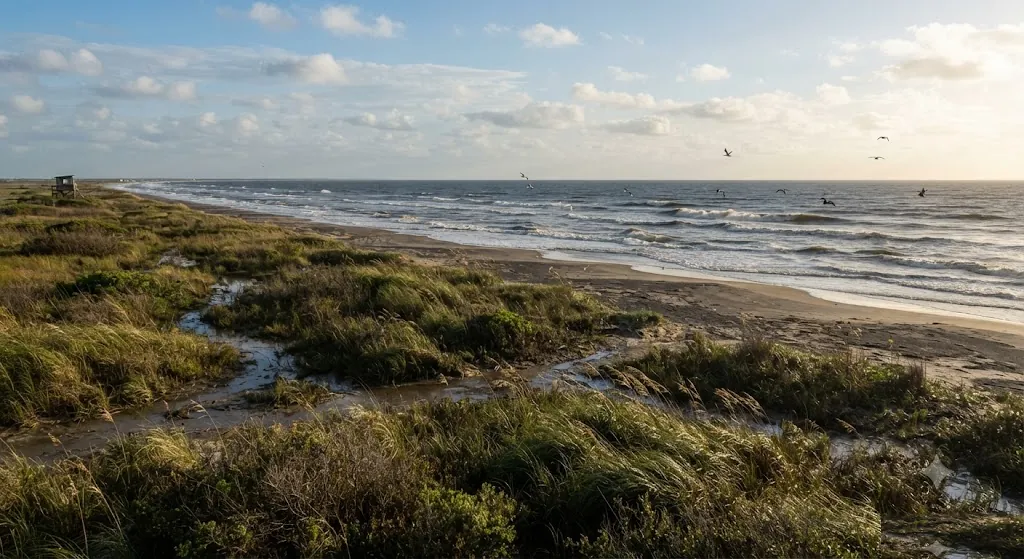
Our Elmer's Island Wildlife Refuge guide covers practical planning for Elmer's Island Wildlife Refuge Louisiana — best time to visit, getting there, and what to do on the ground.
For those seeking an authentic encounter with Louisiana's coastal beauty, Elmer's Island Wildlife Refuge Louisiana stands as a premier destination. Located near Grand Isle, this refuge offers miles of quiet beaches and peaceful shorelines, ideal for birdwatching, fishing, and experiencing a natural coastal ecosystem. Our team at Roam States has compiled this comprehensive guide to ensure your visit is as rewarding and seamless as possible.
Why Visit Elmer's Island Wildlife Refuge
Elmer's Island Wildlife Refuge offers a unique blend of natural beauty and recreational opportunities that set it apart from more developed coastal areas. This 1,145-acre refuge features a pristine landscape of saltwater marsh, coastal dunes, and expansive beaches, providing a vital habitat for a diverse array of wildlife. We recommend a visit here for anyone looking to escape the crowds and immerse themselves in a tranquil Gulf Coast environment.
The refuge plays a crucial role as a stopover for migratory birds, making it a hotspot for birdwatchers, especially during spring and fall. Beyond avian marvels, the calm, shallow waters and extensive marshlands are teeming with aquatic life, offering excellent opportunities for recreational fishing and crabbing. The Louisiana Department of Wildlife and Fisheries (LDWF) actively manages the refuge to balance recreational access with conservation efforts, ensuring its natural resources are protected for future generations. It's a place where the raw, untamed beauty of Louisiana's barrier islands is on full display, offering a profound sense of peace and connection to nature.
Who It's Best For
Elmer's Island Wildlife Refuge caters to a specific type of traveler, one who appreciates the wild and undeveloped aspects of the coast. This destination is best for:
- Birdwatchers: With over 215 bird species recorded, including piping plovers, red knots, and magnificent frigatebirds, the refuge is a paradise for bird enthusiasts, particularly during migration seasons. An observation deck has been built to enhance birding opportunities.
- Anglers: Both surf and bank fishing are popular here, with abundant catches of blue crab, spotted and sand seatrout, red drum, and southern flounder. Kayak fishing in the back bay and marshlands is also highly recommended for targeting redfish and speckled trout.
- Nature Photographers: The unspoiled landscapes, diverse wildlife, and dramatic sunrises and sunsets provide endless photographic opportunities.
- Families Seeking Quiet Beach Time: While not a typical "resort" beach, families who enjoy shelling, beachcombing, and a peaceful environment will find Elmer's Island ideal. However, it's important to note the lack of amenities and the need for self-sufficiency.
- Kayakers and Paddlers: The calm back bay and marsh habitat offer excellent conditions for kayaking, providing unique access to fishing spots and wildlife viewing areas.
It is important to remember that overnight camping is prohibited, and there are no commercial services directly on the refuge. Visitors should be prepared for a natural, rustic experience.
Getting There & Parking
Accessing Elmer's Island Wildlife Refuge is straightforward, yet requires some planning, especially regarding vehicle access. The refuge is located at the western end of Grand Isle, accessible via an access road from Louisiana Highway 1.
To reach the refuge, you will drive south on LA-1 S through Grand Isle. Approximately three miles past Grand Isle State Park, turn left onto Elmer's Island Road, which leads directly to the beach. While there is a parking area at the end of this access road, it's crucial to understand that **no motorized vehicles are allowed on the beach itself**. Visitors must park and then proceed on foot to access the beach and other areas of the refuge. We recommend checking tide charts before your visit, as the sand parking area can flood during unusually high tides.
A WMA Access Annual or 5-day Permit is required for all users aged 18 and older visiting LDWF administered lands, including Elmer's Island Wildlife Refuge. This permit is included with various Louisiana hunting and fishing licenses. You can purchase these permits online via the Louisiana Department of Wildlife and Fisheries website. Additionally, a Self-Clearing Permit is mandatory for all activities. This permit requires visitors to check in and out through a dedicated app, web portal, or at physical permit boxes located at access points like the Island Road Boat Launch and Grand Bayou Boat Launch. While there is no direct entry fee to the refuge, a small parking fee, typically around $10, may be required for beach access.
For those interested in exploring further east towards Caminada Pass, a free beach shuttle service operates from the parking area. In 2026, this shuttle runs on Fridays, Saturdays, and Sundays during February, March, April, and May. From June through Labor Day, it operates daily from open to close. After Labor Day, it reverts to weekend-only service (including Fridays) until the end of November. The shuttle can transport up to five passengers and their gear.
Top Things to Do
Elmer's Island Wildlife Refuge offers a wealth of activities for outdoor enthusiasts, focusing on its natural coastal environment. Here are the top things to do at Elmer's Island Wildlife Refuge:
- Birdwatching: The refuge is a renowned birding destination, boasting a checklist of over 215 species. During spring and fall migrations, the dunes, saltwater marsh, and mangrove swamps become vibrant with waterfowl, shorebirds, seabirds, wading birds, raptors, and numerous songbirds like warblers and orioles. We recommend bringing a spotting scope for optimal viewing, as the expansive views can be challenging with binoculars alone.
- Fishing: Elmer's Island is a popular spot for surf and bank fishing along the access road and beaches. Anglers frequently catch blue crab, spotted and sand seatrout, sea catfish, red drum, and southern flounder. Recreational fishing requires a valid Louisiana fishing license for individuals over 17. Note that commercial fishing and guiding services are prohibited.
- Crabbing: Taking crabs by means of a trap is permitted within the refuge, provided you have a valid fishing license with a recreational crab trap endorsement. Trappers must clearly mark their trap floats with their name, phone number, and date last set.
- Kayaking: The extensive saltwater marsh and back bay areas are ideal for kayaking, offering a peaceful way to explore the ecosystem and access prime fishing spots for redfish and speckled trout. LDWF has installed kayak launches off the access road to facilitate this activity.
- Beachcombing and Shelling: Miles of quiet beaches provide ample opportunities for leisurely strolls, collecting shells, and enjoying the serene coastal environment.
- Nature Photography: The unspoiled dunes, marshlands, diverse birdlife, and stunning sunrises and sunsets make Elmer's Island Wildlife Refuge a fantastic location for nature photographers.
Remember, camping and overnight activities are prohibited, and glass containers are not allowed on the refuge. Always pack out everything you pack in to help preserve this beautiful natural area.
Best Time to Visit
Timing your visit to Elmer's Island Wildlife Refuge can significantly enhance your experience, depending on your primary interest:
- Birdwatching: The absolute best times for birdwatching are during the **spring and fall migration periods**. These seasons bring a spectacular influx of migratory birds, making the refuge a vibrant hub of avian activity. For shorebirds like plovers and sandpipers, we recommend timing your trip during **low tide**, as these birds disperse to nearby beaches when the tide is high.
- Fishing: While fishing is good year-round, experienced anglers often find success when there is **moving water** (incoming or outgoing tide). The days immediately following **cold fronts** can also be particularly productive for catching redfish and speckled trout in the back bay and marshlands.
- General Beach & Nature Exploration: The **spring and fall** offer milder temperatures and lower humidity, making them comfortable for beachcombing, photography, and general exploration. Summers can be hot and humid, though still enjoyable if you don't mind the heat.
The refuge is open from 30 minutes before official sunrise to 30 minutes after official sunset, seven days a week. We advise checking the weather forecast and tide charts before your visit to maximize your enjoyment of Elmer's Island Wildlife Refuge.
Where to Stay Nearby
While overnight camping is not permitted directly at Elmer's Island Wildlife Refuge, there are ample lodging options in the nearby communities. The primary hub for Elmer's Island Wildlife Refuge lodging is Grand Isle, Louisiana's only inhabited barrier island, which offers a range of accommodations from hotels to vacation rentals. For additional options, consider towns slightly further afield like Golden Meadow, Port Fourchon, and Cut Off.
Here are some of our recommendations for Elmer's Island Wildlife Refuge lodging:
- Grand Isle:
- Blue Dolphin Inn and Cottages: This beach cottage offers free parking and a 24-hour front desk, with guests praising its cleanliness and well-equipped kitchens.
- Sun & Sand Cabins: Located directly across from the beach and close to Elmer's Island, these cabins offer fully equipped kitchens, free Wi-Fi, and barbecue grills.
- Vacation Rentals: Numerous vacation homes, cottages, and camps are available in Grand Isle, often featuring private piers, boat access, and amenities like Wi-Fi and air conditioning. Many are pet-friendly. Popular choices include "The Office" of Grand Isle, offering modern camps with beautiful views and proximity to the refuge.
- Bridge Side Marina Cabins: Located at the base of the Grand Isle Bridge, these cabins offer convenient beachside access and amenities at a full-service marina, including a lighted fishing pier.
- Golden Meadow: Approximately 19 miles from Grand Isle, Golden Meadow provides charming hotel options like the Southern Breeze Lodge, a 3-star retreat with high guest ratings. It's a good choice for those seeking a tranquil base for outdoor adventures.
- Cut Off/Galliano: About 23-24 miles from Grand Isle, these towns offer familiar hotel chains such as Days Inn by Wyndham Galliano LA, Candlewood Suites Cut Off by IHG, Fairfield Inn & Suites Cut Off-Galliano, and Holiday Inn Express & Suites Cut Off - Galliano by IHG. These can be a practical choice for business travelers or those looking for standard hotel amenities.
When booking, we recommend checking cancellation policies, as many hotels offer free cancellation. Given the island's ongoing rebuilding efforts following Hurricane Ida in 2021, it's wise to verify specific amenities and conditions directly with your chosen accommodation.
Sample 2-Day Itinerary
To help you make the most of your visit to Elmer's Island Wildlife Refuge and the surrounding Grand Isle area, our team has crafted a sample 2-day itinerary:
Day 1: Immerse in Elmer's Island
- Morning (Sunrise to Mid-morning): Birdwatching & Beachcombing
- Arrive at Elmer's Island Wildlife Refuge just before sunrise to experience the stunning coastal dawn.
- Head to the beach for prime birdwatching opportunities, especially during migration. Look for shorebirds, wading birds, and seabirds along the waterline and in the dunes. Remember your spotting scope!
- Enjoy a leisurely walk along the quiet shoreline, collecting shells and observing the natural environment.
- Late Morning to Afternoon: Fishing & Kayaking
- Set up for surf or bank fishing from the access road for species like trout and red drum.
- Alternatively, launch a kayak into the back bay or saltwater marsh to explore the intricate waterways and target speckled trout and redfish. Utilize the installed kayak launches.
- Pack a picnic lunch to enjoy on the beach, as there are no food vendors on-site.
- Late Afternoon: Shuttle Exploration & Nature Observation
- Take advantage of the free beach shuttle (if operating) to explore further east towards Caminada Pass, covering more ground without driving on the sand.
- Spend time at the observation deck for different perspectives of the marsh and potential wildlife sightings.
- Depart the refuge 30 minutes after official sunset, as overnight stays are prohibited.
- Evening: Dinner in Grand Isle
- Head back to Grand Isle for fresh seafood at a local eatery.
Day 2: Grand Isle Exploration & Coastal Culture
- Morning: Grand Isle State Park & Butterfly Dome
- Visit Grand Isle State Park, offering a fishing pier, nature trails, and opportunities for birding and swimming.
- Explore the Grand Isle Butterfly Dome, a local attraction showcasing various butterfly species.
- Late Morning to Afternoon: Local Culture & History
- Take a stroll through the Lafitte Woods Nature Preserve, a 2-mile birding trail through oak and hackberry forest, offering unique sightings.
- Consider a Cajun Country Swamp Tour nearby to experience more of Louisiana's unique ecosystems.
- Explore local boutiques for crafts and coastal souvenirs.
- Late Afternoon: Fishing Rodeo or Event (Seasonal)
- Check the Grand Isle calendar of events. If your visit aligns with one of the many fishing rodeos (like the Grand Isle Tarpon Rodeo in July or the Ladies Fishing Rodeo in October) or other community events (Mardi Gras Parade in February, Migratory Bird Celebration in April), it's a fantastic way to experience local culture.
- Evening: Sunset & Departure
- Enjoy a final Gulf Coast sunset from Grand Isle Beach or a waterfront restaurant.
- Reflect on your natural coastal adventure before departing.
This itinerary provides a balanced experience of the natural wonders of Elmer's Island Wildlife Refuge and the charm of Grand Isle. For more Louisiana adventures, consider exploring the Best places in Louisiana, including the Atchafalaya National Basin or Avery Island & Tabasco.
Is It Worth Visiting?
When planning a trip to Louisiana's coast, a common question arises: is Elmer's Island Wildlife Refuge worth visiting? Our team unequivocally believes it is, especially for those who prioritize unspoiled nature and quiet outdoor pursuits over commercialized beach experiences. If your travel goals include exceptional birdwatching, productive fishing, peaceful beachcombing, or immersive nature photography, then Elmer's Island Wildlife Refuge offers an unparalleled experience.
The refuge provides a critical sanctuary for wildlife and a unique opportunity to witness Louisiana's barrier island ecosystem in its natural state. Unlike bustling tourist beaches, Elmer's Island maintains a serene atmosphere, allowing for genuine connection with the environment. While amenities are limited, this is precisely its appeal for many visitors seeking an authentic, unadulterated coastal adventure. The requirement for a WMA Access Permit and Self-Clearing Permit ensures responsible use and helps maintain the refuge's pristine condition. For travelers who value conservation and a tranquil escape, Elmer's Island Wildlife Refuge is definitely worth visiting.
How to Get There
Reaching Elmer's Island Wildlife Refuge involves a straightforward drive along Louisiana Highway 1 to Grand Isle, followed by a short stretch on Elmer's Island Road. Here’s how to get to Elmer's Island Wildlife Refuge:
- By Car:
- From New Orleans, take US-90 West, then LA-1 South. The drive is approximately two hours, depending on traffic.
- Once you reach Grand Isle, continue south on LA-1 S, which is the main road through the island.
- Drive approximately three miles past Grand Isle State Park until you reach the end of the island.
- Turn left onto Elmer's Island Road. This road will lead you directly to the refuge's parking area.
- Parking: A designated parking area is available at the end of Elmer's Island Road. Please note that **motorized vehicles are not permitted on the beach itself**. From the parking area, access to the beach and refuge is by foot.
- Permits: Remember that a WMA Access Permit (for those 18 and older) and a Self-Clearing Permit are required for all activities on the refuge. These can be obtained online through the Louisiana Department of Wildlife and Fisheries website.
- Shuttle Service: A free beach shuttle operates during specific seasons, transporting visitors from the main parking area further east along the beach. This can be a convenient way to explore more of the shoreline without extensive walking.
While public transportation directly to Elmer's Island is limited, local taxi services or rideshare apps in Grand Isle may be an option. We recommend planning your route in advance and checking for any potential road closures or advisories from the LDWF, especially during inclement weather.
Top Things to Do in Grand Isle
Beyond the natural allure of Elmer's Island Wildlife Refuge, the charming community of Grand Isle offers a variety of attractions and activities that complement a coastal getaway. Here are the top things to do in Grand Isle:
- Grand Isle State Park: Located at the eastern tip of the island, the state park features a 400-foot fishing pier, nature trails, and opportunities for birding, swimming, and crabbing. It’s an excellent spot for families and offers public beach access.
- Fishing Rodeos and Tournaments: Grand Isle is renowned as a "Sportsman's Paradise" and hosts numerous fishing rodeos almost every weekend, including the historic Grand Isle Tarpon Rodeo in July and the Ladies Fishing Rodeo in October. These events offer a lively glimpse into local culture and competitive angling.
- Grand Isle Beach: Enjoy seven miles of public beaches perfect for swimming, sunbathing, shelling, and shore fishing. It’s a great place to relax and enjoy the Gulf views.
- Lafitte Woods Nature Preserve: For birdwatchers and nature lovers, this preserve offers a two-mile birding trail through an oak and hackberry forest, providing opportunities for unique bird sightings. The Grand Isle Iris Tour is held here in March.
- Grand Isle Butterfly Dome: A charming local attraction where you can observe various butterfly species.
- Local Events and Festivals: Grand Isle celebrates holidays with enthusiasm, including a Mardi Gras Parade in February, an Easter Sunrise Service in April, and Fourth of July fireworks. The Grand Isle Migratory Bird Celebration in April is also a highlight for nature enthusiasts.
- Dining: Savor fresh local seafood at Grand Isle's restaurants, offering a taste of authentic Louisiana coastal cuisine.
Grand Isle provides a vibrant counterpoint to the tranquility of Elmer's Island, ensuring a well-rounded coastal experience. You can find more information on local events through Explore Louisiana.
FAQ: Elmer's Island Wildlife Refuge
Elmer's Island Wildlife Refuge with kids
Elmer's Island Wildlife Refuge is a fantastic destination for kids who enjoy nature and outdoor activities. We recommend it for beachcombing, shell collecting, and observing wildlife, especially birds. The quiet, undeveloped beaches offer a safe space for children to explore. However, be prepared with all necessities like water, snacks, sunscreen, and shade, as there are no amenities on the refuge itself. Remember that camping and glass containers are prohibited.
Best hotels near Elmer's Island Wildlife Refuge
The best hotels near Elmer's Island Wildlife Refuge are primarily located in Grand Isle. Top recommendations include Blue Dolphin Inn and Cottages, known for its beachside location and well-equipped accommodations. Sun & Sand Cabins also offer excellent options directly across from the beach. For a more traditional hotel experience, consider the Southern Breeze Lodge in Golden Meadow or chain hotels in Cut Off/Galliano. Many vacation rentals in Grand Isle are also available, often with private piers and boat access.
Elmer's Island Wildlife Refuge tips
Our team offers these essential tips for visiting Elmer's Island Wildlife Refuge: arrive early for sunrise and optimal birdwatching; check tide charts, as the parking area can flood; bring all your own supplies, including water, snacks, and sun protection, as there are no amenities; obtain your WMA Access Permit and Self-Clearing Permit online before you go; remember that no motorized vehicles are allowed on the beach; and always pack out everything you pack in to keep the refuge pristine.
Where to stay near Elmer's Island Wildlife Refuge
For lodging near Elmer's Island Wildlife Refuge, your best options are in Grand Isle, which offers a variety of vacation rentals, cabins, and a few local inns. Towns like Golden Meadow, Port Fourchon, and Cut Off, located a short drive away, also provide hotel accommodations. Consider booking a rental with a private pier if fishing is a priority, or a beachside cottage for easy access to the Gulf.
Elmer's Island Wildlife Refuge parking
Parking at Elmer's Island Wildlife Refuge is available at the end of the access road from Louisiana Highway 1. It's crucial to note that **no motorized vehicles are allowed on the beach itself**. Visitors must park their vehicles and proceed on foot to access the beach. A small parking fee, typically around $10, may be required. Be aware that the sand parking area can be subject to flooding during unusually high tides.
Best time to visit Elmer's Island Wildlife Refuge
The best time to visit Elmer's Island Wildlife Refuge depends on your interests. For unparalleled birdwatching, plan your trip during the **spring or fall migration periods**. Anglers will find good fishing during periods of **moving water** and especially after **cold fronts**. For general beach activities and comfortable weather, **spring and fall** offer milder temperatures. The refuge is open from 30 minutes before sunrise to 30 minutes after sunset daily.
Elmer's Island Wildlife Refuge offers a truly authentic Louisiana coastal experience, far from the typical tourist traps. With its pristine beaches, abundant wildlife, and excellent opportunities for fishing and birdwatching, it's a destination that rewards those seeking tranquility and a deep connection with nature. Our team encourages you to plan your visit, embrace the natural beauty, and help us preserve this invaluable refuge for generations to come. For more on planning your US adventures, consult our Plan Your US Trip guide or consider a USA Road Trip Planner.
Last updated: 2026-07-13 by the Roam States team.