Falling Waters State Park Travel Guide — Florida
Our Falling Waters State Park guide covers practical planning for Falling Waters State Park Florida — best time to visit, getting there, and what to do on the ground.
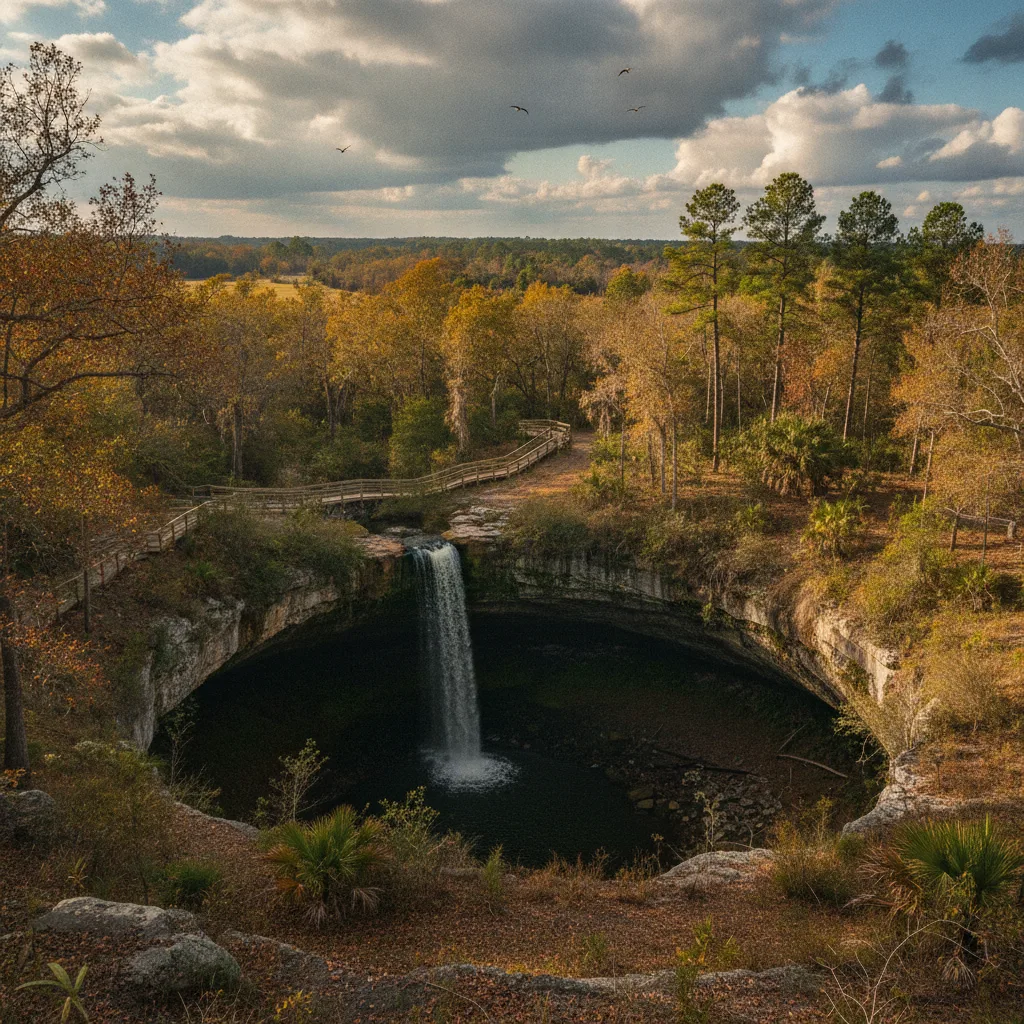
For those seeking a truly unique natural wonder in the Sunshine State, Falling Waters State Park Florida delivers an experience unlike any other. This gem in Northwest Florida is home to the state's tallest waterfall, a spectacular 73-foot cascade that plunges into a deep, fern-covered sinkhole. Beyond this geological marvel, the park offers a serene escape with diverse hiking trails, a two-acre lake perfect for swimming and fishing, and fascinating geological formations that tell a story millions of years in the making. Our team has compiled this comprehensive guide to ensure your visit to Falling Waters State Park is as rewarding and seamless as possible.
Why Visit Falling Waters State Park
We believe Falling Waters State Park stands out as a must-visit destination for several compelling reasons. Primarily, it's the only place in Florida where you can witness a 73-foot waterfall, a truly rare sight in a state known more for its beaches and flat landscapes. The waterfall itself is a testament to the region's unique karst topography, where water has eroded limestone over millennia to create dramatic sinkholes and caverns. The water disappears into a 100-foot-deep, 20-foot-wide cylindrical pit, known as Falling Waters Sink, with its final destination remaining a mystery.
Beyond the main attraction, the park offers a tranquil environment blanketed with towering pines and hardwood forests, providing a glimpse into what Florida looked like centuries ago. It's a place where nature lovers can immerse themselves in verdant landscapes, discover diverse habitats, and appreciate the geological uniqueness of the Florida Panhandle. The park is also recognized as an official site along the Great Florida Birding Trail, making it an excellent spot for birdwatching and observing native and migratory butterflies in its dedicated garden.
Historically, the sinkholes within Falling Waters State Park were utilized as hideouts by Native American warriors during the Seminole Wars. The park also holds remnants of a Civil War-era gristmill, a distillery from 1891, and even the site of Florida's first oil well, drilled in 1919. Interpretive exhibits throughout the park help visitors connect with this rich past.
Who It's Best For
Falling Waters State Park caters to a wide array of travelers, making it a versatile destination for different interests. Our team finds it particularly well-suited for:
- Nature Enthusiasts and Hikers: With its unique geological features, diverse ecosystems, and well-maintained trails, the park is a paradise for those who love exploring the outdoors on foot.
- Families with Children: The park offers a playground, a swimming lake with a white sand beach, and accessible boardwalks, providing engaging activities for all ages. The natural wonder of the waterfall itself is often a captivating sight for kids.
- Geology Buffs: The prominent sinkholes, the waterfall, and the underlying karst topography offer a fascinating lesson in Florida's geological history.
- Campers and RV Travelers: The full-facility campground, nestled in a shady pine forest, provides a comfortable and scenic base for overnight stays, complete with modern amenities.
- Birdwatchers and Wildlife Observers: As part of the Great Florida Birding and Wildlife Trail, the park offers excellent opportunities to spot various bird species, fox squirrels, gopher tortoises, and numerous butterflies.
- Those Seeking a Tranquil Escape: Located just a few miles south of I-10, the park provides a quiet and serene stop for travelers looking to break up a long journey or simply unwind in nature.
Getting There & Parking
Falling Waters State Park is conveniently located in the Florida Panhandle, just a short drive from Interstate 10. Our team recommends the following directions for easy access:
To reach the park, take Interstate 10 exit 120 (Chipley) and drive approximately 0.7 miles south on SR 77. Then, turn left onto CR 77A (State Park Road) and continue to the end of the road, which leads directly to the park entrance.
Upon arrival, visitors will pay an entrance fee. As of 2026, the day-use admission fee is a modest $4 per person for a single-occupant vehicle, or $5 per vehicle for 2-8 people. Pedestrians and bicyclists also have a $2 fee. The park is open daily from 8 AM until sunset, 365 days a year.
Parking is available in several areas within the park. The upper parking lot for the Sinkhole Trail is paved, offering direct access to the waterfall and sinkholes. A smaller, unpaved lot is located at Falling Waters Lake, providing access to the waterfront. Additional parking areas can be found near the park entrance and at the south end of the park, close to trailheads and picnic areas. We advise adhering to posted speed limits within the park, as wildlife often crosses the roads.
Top Things to Do
Falling Waters State Park offers a variety of activities centered around its unique natural features. Here are the top things to do at Falling Waters State Park:
- Witness Florida's Tallest Waterfall: The park's main draw is the 73-foot waterfall, which cascades into a 100-foot-deep, fern-covered sinkhole. A paved trail and boardwalk system, including accessible vistas, leads directly to viewing platforms for this impressive natural phenomenon. We recommend visiting after significant rainfall for the most dramatic flow, though it can sometimes be a trickle during drier periods.
- Explore the Sinkholes: Beyond the main waterfall sinkhole, the Sinkhole Trail features a line of other unique sinkholes, some over 100 feet deep. These geological formations are a highlight of the park and can be observed from the boardwalks.
- Swim or Fish in Falling Waters Lake: The park boasts a two-acre freshwater lake with a white sand beach, perfect for a refreshing dip on a warm Florida day. Fishing for bass, catfish, and bream is permitted with a Florida freshwater fishing license, and an ADA-accessible fishing pier is available.
- Picnic Amidst Nature: Shaded picnic areas and two large pavilions with grills and tables are available, offering a lovely setting for a meal outdoors. Wheelchair-accessible restrooms and a playground are also nearby, making it ideal for families. Pavilions can be reserved in advance for special events.
- Discover the Butterfly Garden: Near the start of the paved trail to the waterfall, a butterfly garden showcases native and migrating butterflies, offering a colorful and peaceful spot for observation.
- Learn at the Historic Oil Well Exhibit: The park is home to the site of Florida's first oil well, drilled in 1919. Interpretive exhibits explain this unique piece of local history.
- Attend a Ranger Program: Seasonal campfire circles and interpretive programs led by park rangers are offered on Saturday evenings, providing insights into the park's natural and cultural history.
Falling Waters State Park Hiking Trails
The hiking trails at Falling Waters State Park provide excellent opportunities to explore its diverse landscapes and geological wonders. The park features a short, easy trail system, much of which is accessible via boardwalks and paved paths.
- Sinkhole Trail: This is the shortest and most popular trail, a half-mile loop that leads directly to Florida's tallest waterfall and a series of fern-covered sinkholes. The trail includes accessible vistas and a boardwalk that descends into the pit area for a closer look at the waterfall.
- Wiregrass Trail: A round-trip on the Wiregrass Trail from the Sinkhole Trail parking area is approximately 1.2 miles. This trail, also featuring boardwalk sections, traverses the rolling hills topped with longleaf savanna and offers views of the ravine above the falls.
- Terrace Trail: From the swimming area, the Terrace Trail follows a paved path past the picnic area and restrooms to a long boardwalk across a stream basin. It climbs a relatively steep slope, with a 0.2-mile round-trip branch leading to a picnic area on the upper shore of Falling Waters Lake.
While the trails are generally considered easy to intermediate, some sections contain steps and slopes, so caution is advised, especially after rainfall. Leashed pets are welcome in the park, but not on the boardwalks. The total trail mileage within Falling Waters State Park is about 1 mile, with 1 easy trail and 3 intermediate trails identified. Remember to check for any temporary closures, as sections like the staircase to the Sinkhole Trail and some boardwalks have undergone restoration in the past.
Best Time to Visit
Choosing the best time to visit Falling Waters State Park can significantly enhance your experience. Our team generally recommends visiting during the cooler, drier months for optimal hiking and exploration.
- Fall (October-November): This is arguably the prime season. Temperatures are pleasant, humidity is lower, and the chances of rainfall decrease. This makes for comfortable hiking conditions and fewer mosquitoes.
- Winter (December-February): Winter offers the coolest temperatures, often in the low 60s Fahrenheit, making it ideal for extended outdoor activities. While the waterfall might not be at its most powerful due to less rainfall, the crisp air and reduced crowds make for a peaceful visit.
- Spring (March-May): Early spring can be lovely, with blooming wildflowers and moderate temperatures. However, as spring progresses into late May, temperatures and humidity begin to rise, and the chance of afternoon thunderstorms increases.
- Summer (June-September): Summer in Florida, including Falling Waters State Park, is characterized by hot, humid weather with daily chances of thunderstorms. Temperatures can reach the mid-90s Fahrenheit. While the rainfall during this season can make the waterfall a "raging torrent" at its most impressive, the heat and humidity can make hiking less comfortable. If visiting in summer, we suggest planning activities for early mornings or late afternoons and taking advantage of the swimming lake.
For the most impressive waterfall flow, locals often recommend visiting after a good rain. However, this also means trails might be slick, and mosquitoes could be more prevalent. We advise checking the Visit Florida website or contacting the park directly for current conditions before your trip, especially if you're hoping to see the waterfall at its peak.
Where to Stay Nearby
While Falling Waters State Park offers excellent camping, for those preferring traditional accommodations, there are several convenient Falling Waters State Park lodging options in the nearby town of Chipley and surrounding areas. The park is only about three miles south of Chipley, making it a quick drive to hotels and amenities.
Hotels in Chipley:
Chipley, being the closest town, offers a selection of hotels that are typically within a few miles of the park entrance:
- Quality Inn Chipley I-10 at Exit 120: Located approximately 2.2 miles from the park, this 2.5-star property offers an outdoor pool and free WiFi.
- Comfort Inn & Suites Chipley: Also around 2.2 miles from the park, this family-friendly option provides a complimentary English breakfast, an outdoor pool, and 24-hour fitness facilities.
- Super 8 by Wyndham Chipley: About 2.2 to 2.7 miles from Falling Waters State Park, this motel offers free WiFi and free parking.
- Red Roof Inn Chipley: Situated around 2.4 miles from the park, it provides free WiFi access.
These hotels provide comfortable and convenient bases for exploring Falling Waters State Park and the wider Washington County area. Prices for lodging near Falling Waters State Park can range from approximately $61 to $520 per night, depending on the season, amenities, and type of accommodation.
Camping at Falling Waters State Park:
For those who prefer to stay immersed in nature, the Pine Ridge Campground within Falling Waters State Park is an excellent choice. This full-facility campground is nestled in a shady pine forest, situated on one of the highest hills in Florida at 324 feet above sea level.
- Campsites: There are 24 campsites, all equipped with water and 20/30/50-amp electrical hookups. Some sites (1-7 and 16-21) also offer full sewer connections. Each site includes a picnic table, fire ring, and grill.
- Amenities: Campers have access to a full-service bathhouse with hot showers and flush toilets, as well as a dump station for RV waste disposal.
- Reservations: While not always required, booking in advance is highly recommended, especially during peak seasons, as the campground is fairly small. Florida residents can make reservations 11 months in advance, while non-residents can book 10 months ahead. Reservations can be made through the Florida State Parks website or by phone. There is a reservation fee of $6.70.
- Group Camping: A youth camping area near Turtle Lake can accommodate organized groups of up to 60 people, featuring two large fire rings, picnic tables, water, and an outhouse. This must be reserved by calling the park directly.
- Pets: Pets are welcome in the campground, provided they are leashed and proof of vaccination can be shown.
Beyond the state park, other RV resorts and campgrounds in the vicinity include Holmes Creek Camping & RV Resort and Florida Caverns RV Resort, offering additional options for those traveling with a recreational vehicle.
Sample 2-Day Itinerary
To help you make the most of your visit, our team has crafted a sample 2-day itinerary for Falling Waters State Park, balancing exploration with relaxation.
Day 1: Waterfall Wonders & Lakeside Leisure
- Morning (8:00 AM - 12:00 PM): Arrival & Waterfall Exploration
- Arrive at Falling Waters State Park shortly after opening to beat any crowds. Pay your entrance fee and head to the main Sinkhole Trail parking area.
- Begin your exploration on the accessible Sinkhole Trail. Take your time along the boardwalks, observing the fern-covered sinkholes before reaching the highlight: Florida's tallest waterfall, plunging 73 feet into the deep sinkhole. Enjoy the various viewing platforms.
- Continue along the Wiregrass Trail for additional views of the park's rolling hills and pine savannas.
- Lunch (12:00 PM - 1:00 PM): Picnic by the Lake
- Head to the picnic area near Falling Waters Lake. Utilize the provided tables and grills for a relaxing outdoor lunch.
- Afternoon (1:00 PM - 5:00 PM): Lake Activities & Butterfly Garden
- Spend the afternoon at Falling Waters Lake. Enjoy swimming from the white sand beach or try your hand at freshwater fishing from the shore or the ADA-accessible pier (remember your Florida freshwater fishing license).
- Visit the butterfly garden near the Sinkhole Trailhead to observe native and migratory butterfly species.
- Evening: Campground Relaxation or Local Dining
- If camping, set up your site at Pine Ridge Campground, enjoy a campfire, and perhaps attend a seasonal ranger-led program.
- If staying in Chipley, head back to your hotel and enjoy dinner at a local restaurant.
Day 2: Historical Insights & Further Exploration
- Morning (9:00 AM - 12:00 PM): Geological & Historical Walk
- Start your day with a leisurely walk along the Terrace Trail, enjoying the varied habitats and views towards Falling Waters Lake.
- Seek out the interpretive exhibits detailing the park's history, including the Civil War-era gristmill, distillery, and the site of Florida's first oil well.
- Lunch (12:00 PM - 1:00 PM): Chipley Charm
- Drive into Chipley for lunch. Explore local eateries and perhaps pick up some souvenirs.
- Afternoon (1:00 PM - 4:00 PM): Nearby Attractions or Second Hike
- Depending on your interests, consider a visit to a nearby attraction such as the Orange Hill Gator Farm for a unique wildlife experience (reservations often required).
- Alternatively, if you enjoyed the hiking, revisit a favorite trail or explore a different section of the park's trail system.
- Late Afternoon: Departure
- Conclude your visit to Falling Waters State Park, refreshed by its natural beauty and unique offerings.
Is It Worth Visiting?
Our team unequivocally believes that Falling Waters State Park is worth visiting. It offers a singular experience in Florida, primarily due to its magnificent 73-foot waterfall, the state's tallest, plunging into a dramatic sinkhole. This geological wonder alone sets it apart from many other destinations in Florida and provides a captivating natural spectacle.
Beyond the waterfall, the park's charm lies in its diverse offerings. We find the accessible boardwalks and paved paths make it enjoyable for visitors of all mobility levels, including families with young children or those using wheelchairs. The opportunity to explore multiple fern-covered sinkholes, swim in a serene lake, and hike through peaceful pine forests adds significant value to the visit. The historical elements, from Native American hideouts to the first oil well in Florida, also provide an unexpected layer of cultural intrigue. For those seeking a break from the bustling theme parks or crowded beaches, Falling Waters State Park offers a refreshing and tranquil alternative, allowing for a genuine connection with Florida's lesser-known natural beauty. It's a destination that provides a unique blend of natural wonder, outdoor recreation, and historical context, making it a truly rewarding stop on any Florida itinerary.
How to Get There
Reaching Falling Waters State Park is straightforward, thanks to its proximity to major interstate highways in the Florida Panhandle. We've outlined the most common ways to get to Falling Waters State Park:
- By Car (from I-10): The most common route is via Interstate 10. Take Exit 120 for Chipley. From the exit, drive south on SR 77 for approximately 0.7 miles. Then, turn left onto County Road 77A (also known as State Park Road) and continue until you reach the park entrance. The park is located about three miles south of Chipley.
- From Chipley: If you are already in Chipley, simply follow County Road 77A (Falling Waters Road) south for about 2.4 miles. Then, turn left onto State Park Road and continue for approximately 0.6 miles to the park entrance.
- From Major Cities:
- From Tallahassee: Falling Waters State Park is roughly an hour and a half to two hours west of Tallahassee, depending on traffic. Take I-10 West to Exit 120.
- From Pensacola: The park is about two hours east of Pensacola. Take I-10 East to Exit 120.
Once inside the park, State Park Road will guide you to the campground, various trailheads, and picnic areas. The park roads are wide and paved, making navigation easy even for larger vehicles or those towing trailers. Ample parking is available near the park entrance, the lake, and at the south end of the park. For detailed driving directions, we always recommend consulting a reliable GPS or mapping service.
FAQ
Falling Waters State Park camping
Falling Waters State Park offers a full-facility campground known as Pine Ridge Campground. It features 24 campsites nestled in a shady pine forest, situated on one of Florida's highest hills at 324 feet above sea level. Each site is equipped with water and 20/30/50-amp electrical hookups, a picnic table, fire ring, and grill. Some sites also provide full sewer connections. Campers have access to a bathhouse with hot showers and flush toilets, and a dump station is available for RVs. Pets are welcome on a leash with proof of vaccination. Reservations are highly recommended, especially for Florida residents (booking 11 months in advance) and non-residents (10 months in advance), and can be made via the Florida State Parks website or phone, with a $6.70 reservation fee. A youth camping area for groups of up to 60 is also available by calling the park directly.
things to do in Chipley
While Falling Waters State Park is the main attraction, the nearby town of Chipley offers a few additional things to do. Visitors can explore Historic Downtown Chipley, which serves as a hub for seasonal block parties, markets, and local vendor events. The Spanish Trail Playhouse hosts community performances, and Chipley Station often features live music and food trucks. For outdoor enthusiasts, Jim Trawick Park (also known as Pal's Park) provides walking trails and picnic areas. A unique local attraction is the Orange Hill Gator Farm, a five-star wildlife sanctuary that offers private educational tours for up-close encounters with alligators and other farm animals (reservations required). Chipley also offers basic amenities like restaurants, grocery stores, and gas stations for stocking up on supplies.
Falling Waters State Park with kids
Falling Waters State Park is an excellent destination for families with kids. The park's main attraction, the 73-foot waterfall, is easily accessible via paved paths and boardwalks, making it suitable for strollers and young children. Kids will be fascinated by the cascading water and the deep sinkhole. The park features a two-acre lake with a white sand swimming beach, providing a safe and fun place for children to play and cool off. There's also a playground and picnic areas with grills, perfect for family meals. The short, easy hiking trails are manageable for little legs, and the butterfly garden offers a colorful distraction. Interpretive programs and campfire circles (seasonally) can also engage children with nature and history. The park's accessibility features, including newly renovated boardwalks and paved paths, ensure visitors of all abilities can enjoy the park.
best hotels near Falling Waters State Park
The best hotels near Falling Waters State Park are primarily located in Chipley, just a few miles north of the park. Top-rated options include the Quality Inn Chipley I-10 at Exit 120, Comfort Inn & Suites Chipley, and Super 8 by Wyndham Chipley, all situated approximately 2.2 to 2.7 miles from the park. These hotels generally offer amenities such as free WiFi, complimentary breakfast (at Comfort Inn & Suites), and outdoor pools. The Red Roof Inn Chipley is another close option, about 2.4 miles away. For those willing to drive a bit further, the Holiday Inn Express & Suites Bonifay by IHG, located about 9.6 miles from the park, also receives excellent reviews for its modern facilities and service. When considering where to stay near Falling Waters State Park, these establishments offer a balance of convenience and comfort.
Falling Waters State Park tips
To make your visit to Falling Waters State Park enjoyable, our team offers these key tips: 1. **Visit After Rain:** For the most spectacular view of the 73-foot waterfall, plan your trip after a period of significant rainfall, as the flow can be reduced to a trickle during dry spells. 2. **Arrive Early:** Especially during peak seasons or weekends, arriving shortly after the 8 AM opening will help you avoid crowds at the waterfall and secure good parking. 3. **Wear Appropriate Footwear:** While many trails are accessible, some sections have slopes and steps; comfortable walking shoes are recommended. 4. **Bring Insect Repellent:** As with any natural area in Florida, mosquitoes and other insects can be present, especially in warmer months or after rain. 5. **Pack Water and Snacks:** While there are picnic areas, it's always wise to carry your own hydration and snacks, especially if you plan on hiking. 6. **Check for Closures:** Before heading out, check the Florida State Parks website or call the park directly for any current trail closures or conditions, as some boardwalks and trails have undergone restoration. 7. **Leash Pets:** If bringing a pet, ensure they are leashed, and remember they are not permitted on boardwalks. 8. **Consider Camping:** For a fully immersive experience, reserve one of the park's 24 campsites well in advance.
where to stay near Falling Waters State Park
For visitors wondering where to stay near Falling Waters State Park, the most direct options are in Chipley, Florida, located just three miles north of the park. This town provides several hotel choices such as Quality Inn Chipley I-10 at Exit 120, Comfort Inn & Suites Chipley, Super 8 by Wyndham Chipley, and Red Roof Inn Chipley, all within a short driving distance of the park. These hotels offer standard amenities for a comfortable stay. Alternatively, for those seeking a more immersive nature experience, the Pine Ridge Campground within Falling Waters State Park itself provides 24 full-facility campsites with water and electric hookups. Reservations for camping are highly recommended and can be made up to 10-11 months in advance. Beyond Chipley, other RV resorts and campgrounds like Holmes Creek Camping & RV Resort and Florida Caverns RV Resort are also available in the surrounding Panhandle region.
From the cascading waters of Florida's tallest waterfall to the serene beauty of its pine forests and unique geological formations, Falling Waters State Park offers a truly distinctive North Florida experience. Our team at Roam States hopes this guide provides all the practical information you need to plan an unforgettable trip to this remarkable destination. Whether you're hiking the accessible trails, swimming in the lake, or simply marveling at the sinkholes, we are confident you'll find a deep appreciation for this natural wonder. We encourage you to explore more of what the Sunshine State has to offer, perhaps venturing to other incredible places in Florida like Biscayne National Park, Crystal River, or the Destin & Emerald Coast Beaches, and always remember to plan your US trip thoughtfully.
Last updated: 2026-07-12 by the Roam States team.