Our Falls of the Ohio State Park guide covers practical planning for Falls of the Ohio State Park Indiana — best time to visit, getting there, and what to do on the ground.
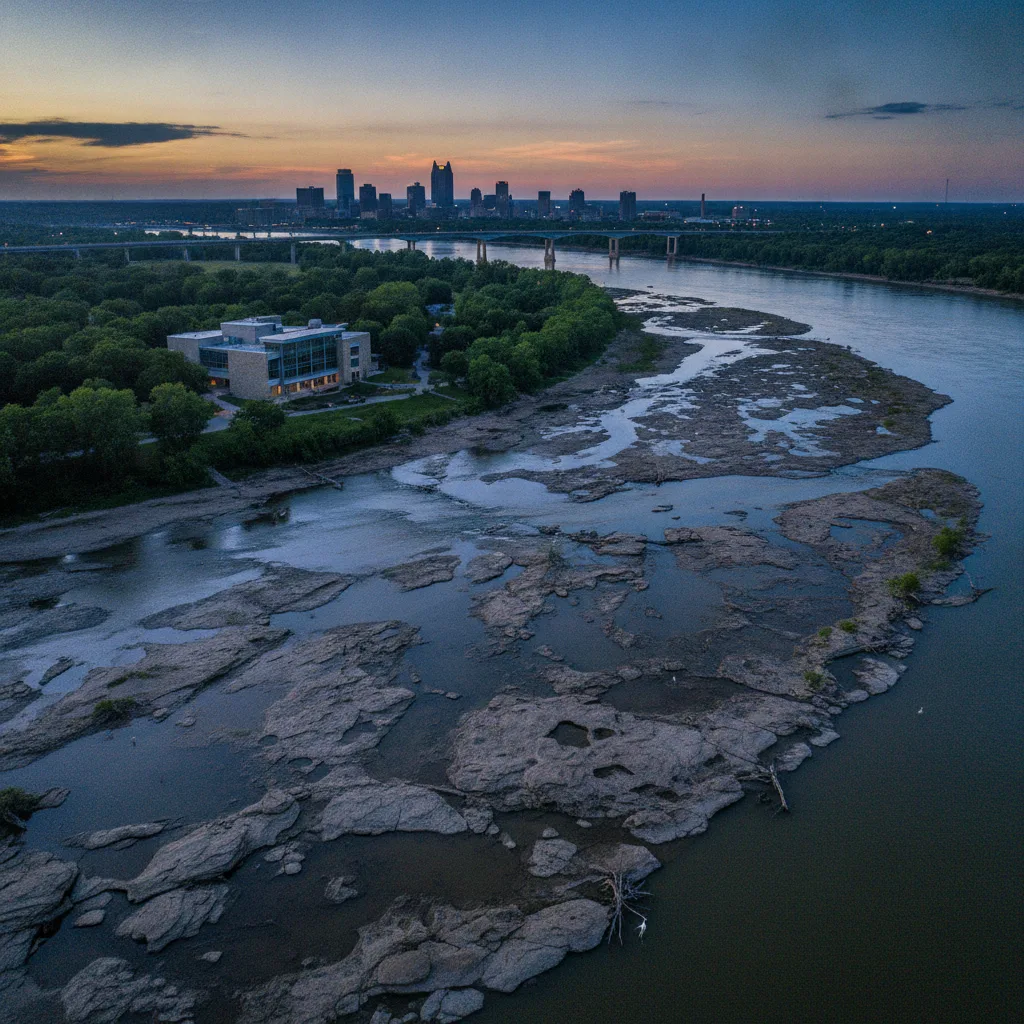
Welcome to Falls of the Ohio State Park Indiana, a truly unique natural wonder where ancient history meets the present day. Our team at Roam States has explored countless destinations across the US, but few offer such a tangible connection to Earth's deep past as this remarkable park. Situated on the banks of the Ohio River in Clarksville, Indiana, this site boasts the world's largest exposed Devonian fossil beds, stretching across 220 acres. Here, you can literally walk on a 390-million-year-old seafloor, uncovering the fossilized remains of ancient marine life that once thrived in a shallow tropical sea. The park's Interpretive Center, with its panoramic views and immersive exhibits, serves as an excellent starting point for understanding the geological and paleontological significance of the area, offering a compelling narrative that spans millions of years of Earth's history and human interaction with the Falls.
Why Visit Falls of the Ohio State Park
The primary draw of Falls of the Ohio State Park is undoubtedly its unparalleled fossil beds. Imagine stepping back in time 390 million years, to a period when this part of Indiana was submerged beneath a warm, shallow sea teeming with exotic marine creatures. The exposed limestone beds reveal an astonishing array of corals, crinoids, brachiopods, and other invertebrate fossils, offering a rare and accessible glimpse into the Devonian Period. It's a living, outdoor museum that captivates both casual visitors and seasoned paleontologists alike. While collecting fossils from the beds themselves is prohibited to preserve this precious resource, the park provides designated "collecting piles" near the parking lot where visitors can sift through rocks from local quarries and take home their own fossil treasures.
Beyond the ancient seabed, the park offers a rich tapestry of natural beauty and historical significance. The Ohio River itself is a dynamic force, and the Falls (more accurately, a series of rapids) have played a crucial role in both natural and human history. The Interpretive Center, an architecturally striking building, offers 3,000 square feet of interactive exhibits that delve into Earth's history, the formation of the Ohio River, and the cultural impact of the Falls on Native American populations and early European settlers, including the pivotal meeting of Lewis and Clark here.
The park is also a haven for birdwatching, with over 270 species spotted throughout the year, including migratory birds. The diverse habitats of wetlands, woodlands, and riverbanks provide excellent opportunities for observing wildlife. For those interested in history, the site also includes the former homesite of George Rogers Clark, a significant figure in the Northwest Territory.
Who It's Best For
Falls of the Ohio State Park is a destination that truly appeals to a wide range of visitors. It's an ideal spot for:
- Families with Children: The hands-on nature of exploring the fossil beds, the engaging exhibits at the Interpretive Center (with specific activities for kids), and the opportunity to find fossils from the collecting piles make it a fantastic educational and adventurous outing for all ages. Younger children will be fascinated by the sheer number of visible fossils and the chance to touch ancient history.
- Geology and Paleontology Enthusiasts: For anyone with an interest in Earth sciences, this park is a must-see. The scale and preservation of the Devonian fossils are globally significant, offering an unparalleled field experience.
- Nature Lovers and Birdwatchers: The diverse ecosystems along the Ohio River provide excellent opportunities for observing local flora and fauna, especially birds. The tranquil setting offers a peaceful escape for those looking to connect with nature.
- History Buffs: The Interpretive Center details the area's role in the Lewis and Clark Expedition and Native American history, providing a fascinating historical context to the natural landscape.
- Hikers and Walkers: With accessible trails and the unique experience of walking on the fossil beds themselves, it's perfect for those who enjoy light to moderate outdoor activity.
Whether you're looking for an educational experience, a historical journey, or simply a beautiful place to enjoy the outdoors, Falls of the Ohio State Park delivers. It’s a day-use park, so while there's no camping directly on site, it's perfect for a day trip or as part of a longer Plan Your US Trip itinerary.
Getting There & Parking
Reaching Falls of the Ohio State Park is straightforward, making it an accessible destination for many travelers. The park is located at 201 West Riverside Drive in Clarksville, Indiana, just across the Ohio River from Louisville, Kentucky.
By Car:
- From Louisville, Kentucky: Take I-65 North and exit at Exit 0. Follow the signs to the park.
- From Indianapolis: Take I-65 South. The drive is a little over an hour. Take exit 1 and follow signs.
The park grounds are open daily from 7 AM to 11 PM. The Interpretive Center has specific hours: Monday to Saturday from 9 AM to 5 PM, and Sunday from 1 PM to 5 PM. It is closed on New Year's Day, Thunder Over Louisville, Thanksgiving, Christmas Eve, and Christmas.
Parking: There is a $2 parking fee for the park. If you have an Indiana Annual Entrance Pass, it covers the parking fee, but it does not cover admission to the Interpretive Center. National park passes do not apply here. For those considering frequent visits, a Falls of the Ohio Foundation membership at the $125 "Fossil Friend" level or higher includes an Indiana State Park Pass, which grants free unlimited parking and admission to the Interpretive Center for up to five people, as well as unlimited admission to all other Indiana State Parks.
The parking lot is conveniently located near the Interpretive Center, and it's also where you'll find the designated fossil collecting piles.
Top Things to Do
There are many things to do at Falls of the Ohio State Park, offering a blend of natural exploration, historical insight, and educational experiences. Our team recommends dedicating ample time to truly immerse yourself in this unique environment.
- Explore the Fossil Beds: This is the park's star attraction. When river levels are low, typically from August through October, you can walk directly onto the 220 acres of exposed Devonian fossil beds. We recommend wearing sturdy, closed-toe shoes as the limestone can be slippery. Bring a spray bottle; misting the dry rocks makes the fossils stand out more clearly. You'll discover an incredible variety of ancient marine life, including corals (some nearly 50 feet long!), crinoids, and brachiopods.
- Visit the Interpretive Center: This state-of-the-art facility provides the essential context for your visit. Its 3,000 square feet of immersive exhibits detail the 390-million-year history of the Falls, from ancient seas to the Ice Age and the arrival of Native Americans and European explorers like Lewis and Clark. There's a 14-minute orientation film, a virtual aquarium, and wildlife observation rooms. Admission is $9 for ages 12+, $7 for ages 5-11, and free for under 5.
- Go Fossil Collecting (from designated piles): While you can't take fossils from the riverbed, the park has collecting piles of rocks from local quarries located behind the Interpretive Center's parking lot. This is a fantastic activity, especially for kids, allowing you to take home a piece of ancient history.
- Hiking and Walking: Beyond the fossil beds, there are dedicated trails. The Ohio River Greenway, a paved multi-use path, runs adjacent to the park, offering scenic views and connecting to nearby towns.
- Birdwatching: The diverse habitats of the park attract over 270 species of birds, making it a prime spot for birdwatchers. Keep an eye out for bald eagles, peregrine falcons, and various shorebirds. The Interpretive Center even has a wildlife observation room.
- Picnicking: The park offers picnic areas with tables and grills, perfect for a leisurely meal amidst nature.
- Attend a Naturalist-Led Program: The park offers various educational programs and naturalist-led hikes, which can greatly enhance your understanding of the fossils and local ecology. Check their website for event schedules, including specific fossil bed hikes.
These are just some of the things to do at Falls of the Ohio State Park that will make your visit memorable.
Best Time to Visit
Timing your visit to Falls of the Ohio State Park can significantly impact your experience, especially if your primary goal is to explore the renowned fossil beds.
Late Summer to Early Fall (August to October) is widely considered the best time to visit. During these months, the Ohio River typically reaches its lowest levels, exposing the vast 220 acres of Devonian fossil beds. This window offers the most extensive access for walking directly on the ancient seafloor and observing the fossils. If you visit after a rainstorm during this period, the wet rocks can make the fossils stand out even more vividly.
While the fossil beds are most accessible in late summer and early fall, the Interpretive Center is open year-round, offering its exhibits and programs regardless of river levels.
Spring can also be a beautiful time to visit, with blooming wildflowers and potentially impressive waterfalls created by melting snow and seasonal rains flowing over the limestone cliffs. However, higher river levels in spring might limit access to the fossil beds themselves.
Winter offers a different, quieter experience. While the fossil beds will likely be submerged, the Interpretive Center remains a warm and engaging place to learn about the park's history and geology. Be sure to check for holiday closures.
We recommend checking the park's official website or calling ahead for current river levels and program schedules, especially if you're planning a fossil bed hike.
Where to Stay Nearby
While Falls of the Ohio State Park is a day-use park and does not offer on-site camping, there are numerous excellent lodging options in the surrounding areas of Clarksville, Jeffersonville, and just across the river in Louisville, Kentucky. Whether you're looking for budget-friendly accommodations, a charming bed and breakfast, or a luxurious hotel, you'll find something to suit your needs. When considering Falls of the Ohio State Park lodging, we advise looking at options that offer convenient access to both the park and other regional attractions.
In Clarksville, Indiana: Clarksville itself offers convenient access to the park and a growing selection of amenities. You'll find a range of chain hotels providing comfortable and reliable stays. The town is actively developing its riverfront, adding to its appeal.
In Jeffersonville, Indiana: Just a short drive from the park, Jeffersonville boasts a charming downtown area with historic architecture and riverfront access. You might find boutique hotels or highly-rated vacation rentals here, some within walking distance of attractions like the Big Four Bridge.
In Louisville, Kentucky: For those seeking a wider array of dining, entertainment, and upscale lodging, Louisville is an excellent choice, just a bridge crossing away. Many hotels in downtown Louisville are only a few miles from Falls of the Ohio State Park, offering stunning views of the Ohio River and the city skyline. Options range from well-known brands to unique boutique hotels.
- Radisson Hotel Louisville North: Located just 0.7 miles from the park, this 3-star hotel is a practical choice for visitors.
- Galt House Hotel Trademark Collection by Wyndham: A highly-rated option in downtown Louisville, offering excellent amenities and proximity to the riverfront.
- 21c Museum Hotel Louisville: For a unique experience, this hotel combines a contemporary art museum with upscale accommodations.
- Homewood Suites by Hilton Louisville Downtown, KY: Another top-rated choice for those preferring suite-style accommodations.
Many vacation rentals, including Airbnbs, are also available in Jeffersonville and Louisville, providing options for families or those seeking a more home-like experience. When planning your Falls of the Ohio State Park lodging, consider what other activities you might want to combine with your visit to choose the best location for your stay.
Sample 2-Day Itinerary
To fully appreciate the wonders of Falls of the Ohio State Park and its surrounding area, we recommend a two-day itinerary. This allows for in-depth exploration without feeling rushed.
Day 1: Ancient Seas and Riverfront Exploration
- Morning (9:00 AM - 12:00 PM): Falls of the Ohio State Park Interpretive Center Begin your day at the heart of the park. Spend a good two to three hours exploring the immersive exhibits in the Interpretive Center. Watch the orientation film, delve into the "Ancient Sea," "Changing Land," and "Converging Cultures" sections, and take in the panoramic views of the fossil beds and the Ohio River from the viewing rooms. Don't forget to check out the gift shop for souvenirs.
- Lunch (12:00 PM - 1:00 PM): Picnic at the Park or Local Eatery Enjoy a packed lunch at one of the park's picnic areas. Alternatively, Clarksville offers a diverse range of local restaurants within five minutes of the park, including Italian, Japanese, American, and more.
- Afternoon (1:00 PM - 4:00 PM): Fossil Bed Exploration If river levels permit (ideally August-October), head down to the fossil beds. Dedicate several hours to walking among the ancient marine fossils, bringing a spray bottle to enhance visibility. Remember that fossil collecting is prohibited on the beds, but you can explore the collecting piles near the parking lot afterwards. Consider joining a naturalist-led hike for deeper insights into the Devonian period.
- Late Afternoon (4:00 PM - 6:00 PM): Ohio River Greenway Walk Take a leisurely stroll or bike ride along the Ohio River Greenway, a paved multi-use trail adjacent to the park. This offers different perspectives of the river, the Louisville skyline, and the fossil beds.
- Evening: Dinner in Jeffersonville or Louisville Cross the river to Louisville for dinner, or explore the growing culinary scene in downtown Jeffersonville.
Day 2: History, Culture, and Indiana Exploration
- Morning (9:00 AM - 12:00 PM): George Rogers Clark Home Site & Lewis and Clark Statues Start your day by visiting the George Rogers Clark home site, which is part of the state park, and the Lewis and Clark statues near the Interpretive Center, commemorating their historic meeting and the formation of the Corps of Discovery here.
- Late Morning (10:30 AM - 1:00 PM): Explore Clarksville History or Local Attractions Dive deeper into Clarksville's rich history. Visit the Howard Steamboat Museum in nearby Jeffersonville for a glimpse into riverboat history, or explore the quaint shops and the Colgate Clock, one of the largest clocks in the world.
- Lunch (1:00 PM - 2:00 PM): Clarksville or Jeffersonville Dining Enjoy lunch at a local eatery in Clarksville or Jeffersonville.
- Afternoon (2:00 PM - 5:00 PM): Indiana State Park Adventure or Louisville Culture
Depending on your interests, choose one of these options:
- Option A (Indiana Nature): Head north to Brown County State Park Indiana, about an hour's drive, known for its stunning fall foliage and extensive hiking and mountain biking trails. Or, for a different geological perspective, consider Indiana Dunes National Park (a longer drive, but a worthy destination in Indiana).
- Option B (Louisville Culture): Explore some of Louisville's attractions like the Kentucky Derby Museum, the Muhammad Ali Center, or the Louisville Slugger Museum & Factory.
- Evening: Dinner & Entertainment Enjoy a final dinner in the area, perhaps catching a show at the Derby Dinner Playhouse in Clarksville, a renowned dinner theater.
This itinerary provides a comprehensive experience, blending the unique natural history of Falls of the Ohio State Park Indiana with the cultural and recreational opportunities of the surrounding region. Don't forget to check out our guide to the Best Places in Indiana for more ideas!
Is It Worth Visiting?
Absolutely, Falls of the Ohio State Park is worth visiting. Our team at Roam States confidently asserts that this park offers an experience unlike almost any other in the United States. The opportunity to walk directly on a 390-million-year-old fossilized seafloor, one of the largest exposed Devonian fossil beds in the world, is a truly rare and awe-inspiring privilege.
Beyond the sheer geological marvel, the park's Interpretive Center provides a comprehensive and engaging narrative, seamlessly blending paleontology, geology, and human history. It contextualizes the ancient world beneath your feet, explaining how the Ohio River and the Falls shaped the landscape and played a critical role in the Lewis and Clark Expedition. The interactive exhibits make complex scientific concepts accessible and fascinating for all ages, making us believe that Falls of the Ohio State Park is worth visiting for educational value alone.
For families, the park offers a fantastic blend of education and outdoor adventure. Kids love searching for fossils in the designated collecting piles and exploring the trails. For nature enthusiasts, the rich biodiversity and birdwatching opportunities add another layer of appeal. The scenic views of the Ohio River and the Louisville skyline are also a beautiful backdrop to your exploration.
While the accessibility of the fossil beds is dependent on river levels, typically best from August to October, the Interpretive Center and surrounding park grounds offer plenty to see and do year-round. The modest parking and entrance fees make it an affordable and enriching destination.
In short, if you're seeking a destination that combines profound natural history, engaging educational experiences, and beautiful outdoor recreation, then Falls of the Ohio State Park is absolutely worth visiting. It's a place that will spark wonder and leave a lasting impression.
How to Get There
Understanding how to get to Falls of the Ohio State Park is key to a smooth travel experience. The park's location in Clarksville, Indiana, directly across the Ohio River from Louisville, Kentucky, makes it highly accessible via major interstates.
By Car: The most common way to reach the park is by car. We've outlined the primary routes below:
- From Louisville, Kentucky (South): If you're coming from Louisville, simply take Interstate 65 North across the Ohio River into Indiana. Take Exit 0, which is specifically for Falls of the Ohio State Park. Follow the signs, and you'll arrive at the park's entrance at 201 West Riverside Drive, Clarksville, IN 47129.
- From Indianapolis, Indiana (North): For travelers coming from the north, take Interstate 65 South. The drive is approximately an hour and a half to two hours, depending on traffic. Take Exit 1 for Clarksville/Jeffersonville. From there, follow local signage to West Riverside Drive and the park.
- From Other Directions: If you're approaching from other parts of Southern Indiana or neighboring states, aim for I-65 and then follow the directions above. US 31 North also leads to the park.
Public Transportation: While direct public transportation to the park entrance might be limited, you can consider options that get you to downtown Louisville or Jeffersonville, and then use a ride-sharing service or taxi for the final leg. However, for maximum flexibility in exploring the fossil beds and surrounding areas, a personal vehicle is highly recommended.
Parking: Upon arrival, you'll find ample parking available. There is a $2 parking fee for the day. As mentioned, an Indiana State Park Annual Entrance Pass covers this parking fee, but not admission to the Interpretive Center.
Knowing how to get to Falls of the Ohio State Park efficiently will ensure you maximize your time enjoying its incredible natural and historical offerings.
Falls of the Ohio State Park Hiking Trails
While the main attraction is undoubtedly the exposed fossil beds, Falls of the Ohio State Park also offers dedicated hiking trails that allow visitors to experience the diverse natural habitats surrounding the ancient seabed. Our team appreciates the variety of walking experiences available, catering to different interests and energy levels.
The primary designated trail within Falls of the Ohio State Park is the Woodland Loop Trail.
- Woodland Loop Trail: This trail is approximately 0.75 miles long and is rated as moderate difficulty, though other sources suggest it's a relatively level path with a few minor inclines. It begins and ends at the parking lot, offering a convenient loop. The trail winds through heavily wooded areas, providing scenic views of the Ohio River. As you traverse the Woodland Loop, you'll pass through two distinct habitats – the upper and lower woodlands – where you can observe more than 230 species of flowering plants and various woodland birds. Be aware that the lower section along the river bank can sometimes be covered with driftwood and debris, making hiking a bit more challenging. Pets are permitted on the Woodland Loop Trail but must remain on a 6-foot leash at all times.
In addition to the Woodland Loop Trail, visitors can also consider the following options that connect to or run adjacent to the park:
- Fossil Beds Exploration: While not a traditional "hiking trail," walking on the exposed fossil beds when river levels are low is a unique and extensive hiking experience in itself. This allows for direct interaction with the 220 acres of ancient seafloor.
- Ohio River Greenway: This paved multi-use trail runs for 7.5 miles along the levee from Jeffersonville to New Albany, passing by Falls of the Ohio State Park. It's perfect for walking, jogging, or biking and offers continuous scenic views of the Ohio River and the Louisville skyline.
- Big Four Bridge to Falls of the Ohio: For those looking for a longer walk, the Big Four Bridge, a former railroad bridge converted for pedestrian and bicycle use, connects downtown Louisville to Jeffersonville. You can walk or bike across the bridge and then continue along the Ohio River Greenway to Falls of the Ohio State Park. The distance from downtown Louisville to the Falls of the Ohio via this route is about 2.4 miles each way.
When planning to explore Falls of the Ohio State Park hiking trails, we recommend checking current conditions, especially river levels, to determine the best access to the fossil beds. Wear appropriate footwear for varied terrain, from paved paths to potentially uneven and slippery limestone.
Last updated: 2026-07-06 by the Roam States team.