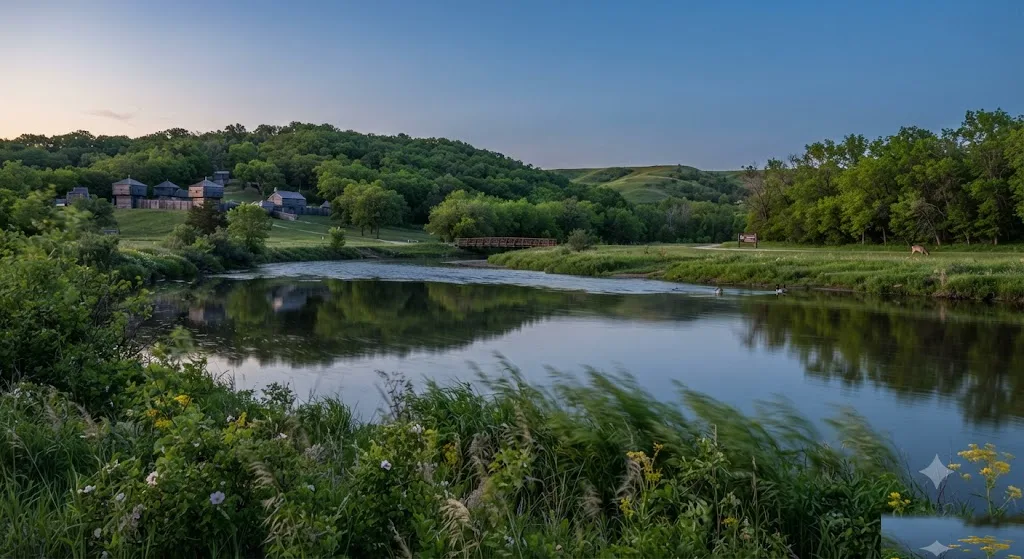
Our Fort Ransom State Park guide covers practical planning for Fort Ransom State Park North Dakota — best time to visit, getting there, and what to do on the ground.
For those seeking an authentic immersion into North Dakota's natural beauty and pioneer heritage, Fort Ransom State Park North Dakota stands out as a premier destination. Our team at Roam States has meticulously compiled this guide to ensure your visit is as enriching and seamless as possible. Nestled along a picturesque bend of the Sheyenne River, this park offers a captivating blend of outdoor adventure and historical insight, making it a truly unique gem in the state's park system.
Why Visit Fort Ransom State Park
Fort Ransom State Park North Dakota is more than just a scenic stop; it's a journey back in time and an invitation to connect with nature. We recommend it for its stunning natural landscapes, rich historical context, and diverse recreational opportunities. The park's location in the Sheyenne River Valley provides a dramatic backdrop of rolling hills, dense woodlands, and the meandering river itself, creating a picturesque setting for all activities. Historically, the area served as a military post in the late 1800s, protecting settlers and surveying the land, and remnants of this past are still evident. Today, the park is perhaps best known for hosting the annual Sodbuster Days festival, a vibrant celebration of pioneer life that draws visitors from across the region to experience traditional crafts, demonstrations, and entertainment. We find that the park's commitment to preserving both its natural environment and its cultural heritage makes it an exceptionally rewarding destination for travelers seeking depth and beauty.
Who It's Best For
Fort Ransom State Park is an ideal destination for a wide array of travelers, particularly those who appreciate outdoor activities, history, and a tranquil escape. We find it's especially well-suited for families looking for an engaging and educational getaway, as well as solo adventurers and couples seeking peace amidst nature. Equestrians will find the park's extensive trail system particularly appealing, offering some of the best horseback riding experiences in the state. Campers, from tent enthusiasts to RV travelers, will appreciate the well-maintained facilities and scenic campsites. Hikers and nature photographers will be captivated by the diverse ecosystems and stunning vistas along the Sheyenne River. Moreover, history buffs, especially those interested in pioneer life and military history, will find the park's historical significance and the Sodbuster Days festival incredibly rewarding. If you're pondering, "is Fort Ransom State Park worth visiting?", our resounding answer is yes, especially if you fall into any of these categories. It offers a genuine slice of North Dakota's heritage and natural splendor, providing a memorable experience for those who value authenticity over commercialized attractions. We believe it's worth visiting for its unique blend of history, recreation, and natural beauty.
Getting There & Parking
Reaching Fort Ransom State Park is a straightforward journey, though we always recommend checking local road conditions, especially during spring thaw or winter months. The park is situated in southeastern North Dakota, approximately 70 miles southwest of Fargo. The primary access route for how to get to Fort Ransom State Park is via State Highway 210, which leads directly to the park entrance. From Fargo, travelers typically take I-29 South to Exit 50 for ND-13 West, then follow ND-13 to Lisbon, and finally turn onto ND-210 North. The drive itself offers glimpses of North Dakota's expansive agricultural landscapes and charming small towns, making the journey part of the experience. We recommend using a reliable GPS or mapping application for precise directions, as cell service can occasionally be spotty in more rural areas. Parking at Fort Ransom State Park is generally ample and well-distributed throughout the park. Visitors will find designated parking areas near trailheads, picnic spots, the campground, and the historic farmstead. There is a daily entrance fee required for all vehicles entering North Dakota State Parks. As of 2026, the daily entrance fee for North Dakota State Parks is $8 per vehicle, or an annual pass can be purchased for $40. We advise having cash or a credit card ready for payment at the entrance or self-pay stations. For those planning to camp, your camping fee typically includes your daily entrance fee for the duration of your stay. We find that the parking facilities are well-maintained and easily accessible, accommodating both cars and trailers, particularly for equestrians.
Top Things to Do
Fort Ransom State Park offers a diverse range of activities that cater to all interests, from serene nature walks to lively historical reenactments. We've highlighted the essential things to do at Fort Ransom State Park to help you plan your adventure.
Explore Fort Ransom State Park Hiking Trails
The park boasts an excellent network of Fort Ransom State Park hiking trails, ranging from easy riverside strolls to more challenging treks through wooded hills. Our team recommends exploring these trails to truly appreciate the park's varied ecosystems. The most popular options include the Sheyenne River Valley Trail, which offers picturesque views of the river and surrounding bluffs, and trails that wind through dense oak and aspen forests. These trails are well-marked and maintained, providing opportunities for birdwatching, wildlife spotting, and simply enjoying the tranquility of nature. We suggest wearing sturdy footwear and bringing water, especially for longer hikes. The diverse terrain makes the Fort Ransom State Park hiking trails suitable for various fitness levels, ensuring everyone can find a path to enjoy.
Horseback Riding
Fort Ransom State Park is renowned as a premier equestrian destination in North Dakota. With over 20 miles of dedicated horse trails, riders can explore the scenic Sheyenne River Valley on horseback. The park offers horse corrals and a horse camp, making it convenient for visitors to bring their own horses. We recommend experiencing the park from horseback for a unique perspective on its natural beauty. The trails traverse woodlands, open meadows, and riverfront areas, providing a varied and engaging ride.
Camping
Camping at Fort Ransom State Park is a fantastic way to immerse yourself in the natural surroundings. The park offers both modern and primitive campsites. The modern campground provides electrical hookups, flush toilets, and showers, catering to RVs and those seeking more comfort. For a more rustic experience, primitive sites are available. Reservations for campsites are highly recommended, especially during peak season (May through September) and around the Sodbuster Days festival. As of 2026, reservations can be made online through the North Dakota Parks and Recreation Department website. We find that the campsites are generally spacious and well-maintained, offering a peaceful retreat after a day of exploration. For current camping fees and availability, we advise checking the official North Dakota Parks and Recreation website directly.
Fishing
The Sheyenne River, which flows through Fort Ransom State Park, is a popular spot for anglers. We recommend trying your hand at catching various species, including northern pike, walleye, and smallmouth bass. Fishing can be enjoyed from the riverbanks or by non-motorized boat. A valid North Dakota fishing license is required. We suggest checking the North Dakota Game and Fish Department website for current regulations and licensing information.
Sodbuster Days Festival
One of the most significant things to do at Fort Ransom State Park is to attend the annual Sodbuster Days festival. This popular event, typically held in July, celebrates the pioneer heritage of the region with demonstrations of traditional crafts, farming techniques, live music, and historical reenactments. Visitors can witness blacksmithing, log cabin building, bread baking, and other activities that bring the past to life. It's a fantastic educational experience for all ages and a highlight of the park's calendar. While specific 2026 dates should be verified closer to the event, historically, the festival takes place over a weekend in mid-July. We strongly recommend planning your visit around this festival if you're interested in North Dakota's rich cultural history.
Picnicking and Wildlife Viewing
The park offers several scenic picnic areas, perfect for a leisurely outdoor meal. Many spots provide stunning views of the river valley. Additionally, the diverse habitats within the park support a variety of wildlife, including white-tailed deer, foxes, and numerous bird species. We recommend bringing binoculars for birdwatching, as the park is home to both resident and migratory birds.
Best Time to Visit
Choosing the best time to visit Fort Ransom State Park largely depends on your preferred activities and tolerance for weather conditions. Our team has outlined the seasonal considerations to help you plan:
- Summer (June-August): This is arguably the most popular time to visit, especially for families and those interested in the Sodbuster Days festival (typically July). The weather is generally warm and pleasant, ideal for camping, hiking, horseback riding, and fishing. However, it's also the busiest season, so we advise making reservations for campsites well in advance.
- Spring (April-May): Spring brings lush greenery and blooming wildflowers to the park. The weather can be unpredictable, with cooler temperatures and occasional rain, but it's an excellent time for birdwatching as migratory species return. Trails may be muddy in some areas, particularly after spring thaw.
- Fall (September-October): We consider fall to be one of the most picturesque times to visit. The deciduous trees in the Sheyenne River Valley transform into vibrant hues of red, orange, and gold, offering stunning photographic opportunities. The weather is typically crisp and cool, perfect for hiking and enjoying the outdoors without the summer crowds.
- Winter (November-March): For the adventurous and those who enjoy solitude, winter offers a unique experience. Snowshoeing, cross-country skiing, and ice fishing are popular activities. The park is much quieter during these months, but services may be limited, and temperatures can be very cold. We recommend checking park conditions and road closures if planning a winter visit.
For most visitors, we suggest late spring, summer (especially if attending Sodbuster Days), or early fall for the most comfortable and active experience.
Where to Stay Nearby
While Fort Ransom State Park offers excellent camping, for those preferring a roof over their heads, there are several lodging options in nearby towns. We've compiled information on Fort Ransom State Park lodging to help you find the perfect base for your adventures.
Fort Ransom State Park Lodging: Camping
As mentioned, the park itself provides a fantastic opportunity for Fort Ransom State Park lodging through its campgrounds. The modern campground offers sites with electrical hookups, picnic tables, and fire rings, with access to modern restrooms and showers. For a more rustic experience, primitive sites are available. We highly recommend reserving your campsite well in advance, particularly for weekends and during the Sodbuster Days festival, as the park's popularity can lead to full campgrounds. Reservations for 2026 can be made online via the North Dakota Parks and Recreation Department website. This is our top recommendation for truly immersing yourself in the park's environment.
Hotels in Nearby Towns
For those seeking traditional hotel accommodations, the closest towns with options are Lisbon and Valley City. Lisbon is approximately 15 miles from the park, while Valley City is about 40 miles away. Both towns offer a selection of motels and small hotels that provide comfortable stays. While these are not luxury resorts, they offer clean, convenient, and friendly service typical of North Dakota's welcoming communities. We advise checking booking websites for current availability and rates, especially during peak travel seasons. These towns also provide basic amenities like gas stations, grocery stores, and local eateries.
Unique Stays
Occasionally, you might find unique bed and breakfast options or vacation rentals in the surrounding rural areas, offering a more personalized and charming experience. These can be excellent choices for those looking for something beyond a standard hotel. We recommend searching local listings or vacation rental platforms for these hidden gems, which often provide a deeper connection to the local culture and landscape.
Whether you choose to camp directly within Fort Ransom State Park or opt for accommodations in a nearby town, we encourage you to book ahead to ensure a smooth and enjoyable trip. Consider extending your North Dakota adventure by exploring other nearby attractions like Chateau de Mores in Medora or the Dakota Territory Air Museum in Minot.
Sample 2-Day Itinerary
To help you make the most of your visit, our team has crafted a sample 2-day itinerary for Fort Ransom State Park, blending outdoor activities with historical exploration.
Day 1: Hiking, History, and Riverside Relaxation
- Morning (9:00 AM - 12:00 PM): Arrive at Fort Ransom State Park North Dakota. Check into your campsite or preferred lodging. Begin your exploration with a hike on one of the Fort Ransom State Park hiking trails. We recommend the Sheyenne River Valley Trail for its scenic views and moderate difficulty, allowing you to get acquainted with the park's natural beauty.
- Lunch (12:00 PM - 1:00 PM): Enjoy a picnic lunch at one of the park's designated picnic areas, taking in the serene river views.
- Afternoon (1:00 PM - 4:00 PM): Immerse yourself in the park's history. Visit the historic farmstead, which often features preserved buildings and interpretive displays about pioneer life. If available, engage with any park ranger-led programs or interpretive talks.
- Late Afternoon (4:00 PM - 6:00 PM): Relax by the Sheyenne River. You might try some casual fishing (with a valid license) or simply enjoy the peaceful sounds of nature.
- Evening: Prepare dinner at your campsite, or head to Lisbon for a meal at a local restaurant. Enjoy stargazing – the park's rural location offers excellent dark skies.
Day 2: Equestrian Adventures, Sodbuster Days (seasonal), and Departures
- Morning (9:00 AM - 12:00 PM):
- Option A (Equestrian Focus): If you've brought your horse, spend the morning exploring the park's extensive horse trails.
- Option B (Sodbuster Days Focus - Seasonal): If your visit coincides with the Sodbuster Days festival, dedicate your morning to experiencing the historical demonstrations, crafts, and entertainment. This is a must-do if the timing aligns!
- Option C (More Hiking/Nature): If neither of the above applies, explore another section of the Fort Ransom State Park hiking trails, perhaps focusing on a different ecosystem, or enjoy some birdwatching.
- Lunch (12:00 PM - 1:00 PM): Grab a quick bite at your campsite or a local eatery.
- Afternoon (1:00 PM - 3:00 PM): Enjoy a final activity, perhaps a short, easy walk, or revisit a favorite spot. Before departing, ensure your campsite is clean and all waste is properly disposed of.
- Departure: Head out, perhaps taking a scenic route through the Sheyenne River Valley National Scenic Byway, which passes through the park.
This itinerary is flexible and can be adapted based on your interests and the time of year you visit. Remember to check the park's official website for any special events or programming during your stay. For more North Dakota travel inspiration, be sure to check out our comprehensive guide to the Best Places in North Dakota.
Last updated: 2026-07-13 by the Roam States team.