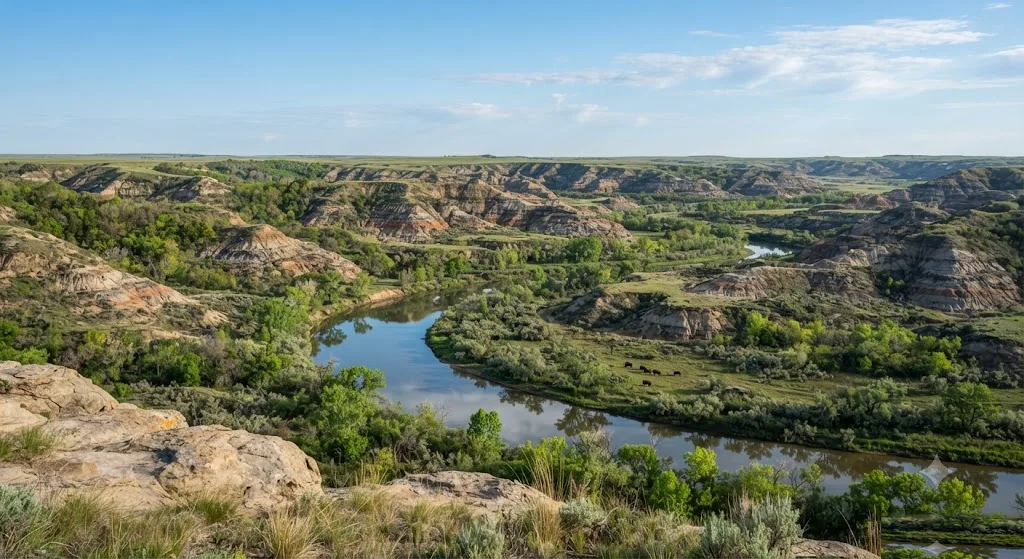
Welcome to our essential guide for exploring Theodore Roosevelt National Park North Dakota. As the Roam States editorial team, we’re here to cut through the noise and provide you with confident, specific, and actionable advice for planning an unforgettable trip to this extraordinary corner of the American Badlands. Forget generic travel fluff; we offer firsthand insights into making the most of your adventure in the land that shaped a president.
Why Visit Theodore Roosevelt National Park
Theodore Roosevelt National Park offers a unique blend of rugged badlands, abundant wildlife, and a profound connection to one of America's most influential presidents. This isn't just another national park; it's a place where the spirit of the American West comes alive, offering a raw and authentic experience that sets it apart. We recommend visiting to witness the dramatic landscapes carved by the Little Missouri River, where colorful buttes and winding canyons create a constantly changing panorama. It's a place where you can truly disconnect and immerse yourself in nature's grandeur. The park is open 24 hours a day, year-round, allowing for flexible exploration.
Is It Worth Visiting?
Absolutely, Theodore Roosevelt National Park is worth visiting. Our team believes this park is a hidden gem that often gets overlooked, yet it offers an incredibly rewarding experience for all types of travelers. If you're seeking stunning scenery without the overwhelming crowds of more famous national parks, this is your destination. The park's diverse ecosystem is teeming with wildlife, including bison, wild horses, elk, and prairie dogs, making wildlife viewing a highlight of any visit. The opportunity to explore a landscape that profoundly impacted Theodore Roosevelt's conservation ethic adds a rich historical layer to the natural beauty. For those who appreciate a blend of history, wildlife, and dramatic landscapes, we confidently say that Theodore Roosevelt National Park is worth visiting.
Who It's Best For
Theodore Roosevelt National Park caters to a wide array of travelers. It's ideal for **wildlife enthusiasts** eager to spot bison, wild horses, and prairie dogs in their natural habitat. **Hikers** will find nearly 100 miles of trails, ranging from easy strolls to strenuous backcountry treks. **History buffs** will appreciate the park's connection to Theodore Roosevelt and his time ranching in the Badlands, with the Maltese Cross Cabin offering a tangible link to his past. **Families** will enjoy the scenic drives, opportunities for ranger-led programs, and the Junior Ranger program, which engages younger visitors with the park's natural and cultural resources. Even **road trippers** looking for breathtaking scenic drives will find ample beauty in both the South and North Units. Ultimately, anyone seeking an authentic outdoor experience away from the bustling crowds will find solace and adventure here.
How to Get There
Getting to Theodore Roosevelt National Park involves reaching western North Dakota, and we recommend planning your route based on which of the park's three units you intend to visit. The park is comprised of the South Unit, North Unit, and the remote Elkhorn Ranch Unit.
By Air
The closest major airport is Bismarck Municipal Airport (BIS) in Bismarck, North Dakota, approximately 137 miles by car to the South Unit. Another option is Dickinson Theodore Roosevelt Regional Airport (DIK), about 48 miles east of the South Unit. For those coming from further west, Rapid City Regional Airport (RAP) in South Dakota is about 246 miles away.
By Car
Driving is the primary way to access and explore Theodore Roosevelt National Park. The South Unit, the most visited section, is conveniently located directly adjacent to the town of Medora, North Dakota, and is accessible via Interstate 94 at exits 24 or 27. The South Unit Visitor Center is just inside the park entrance in Medora. The Painted Canyon Visitor Center, also part of the South Unit, is located 7 miles east of Medora at exit 32 off I-94.
To reach the North Unit, you'll need to drive approximately 68 miles north from the South Unit. Take I-94 East to Exit 42 at Belfield, then head 50 miles north on Highway 85. The North Unit entrance and visitor center are about 14 miles south of Watford City.
The Elkhorn Ranch Unit, Theodore Roosevelt's "home ranch," is the most remote and requires travel on gravel roads, with the last three miles sometimes necessitating a 4-wheel drive or high-clearance vehicle, especially during or after rain. We advise checking current road conditions at a visitor center before attempting to reach this unit.
Parking
Parking is available at all visitor centers and major trailheads within both the North and South Units. The South Unit offers a 36-mile scenic loop drive with numerous pull-offs and parking areas for overlooks and trail access. The North Unit features a 14-mile scenic drive (28 miles out-and-back) with similar parking opportunities. During peak season, popular spots can fill up, so arriving early is always a good strategy. We've found that even when busy, you can usually find a spot with a little patience.
Top Things to Do
When planning your visit to Theodore Roosevelt National Park, our team recommends focusing on these key experiences to truly capture the essence of the Badlands. There are countless things to do at Theodore Roosevelt National Park, from scenic drives to immersive hikes and wildlife encounters.
Scenic Drives
The **South Unit Scenic Loop Drive** is a must-do, offering a 36-mile (57 km) journey through dramatic buttes, winding canyons, and colorful hillsides. It typically takes about two hours to complete without extended stops. This drive provides expansive views and numerous overlooks like Boicourt Overlook, Badlands Overlook, and Scoria Point Overlook, where the landscape stretches endlessly. The full loop road in the South Unit reopened in November 2025 after multi-year landslide repairs, ensuring full accessibility.
In the North Unit, the **North Unit Scenic Drive** is a shorter, 14-mile (22.5 km) one-way road (28 miles out-and-back) that offers a greener landscape with views of the river gorge and tree-covered hills. River Bend Overlook is a particularly iconic viewpoint here.
Wildlife Viewing
Theodore Roosevelt National Park is renowned for its abundant wildlife. The South Unit is home to a herd of approximately 300 American bison and a historic demonstration herd of feral horses. Keep your eyes peeled for elk, coyotes, and numerous prairie dog towns. We recommend stopping by the visitor centers for the most up-to-date information on wildlife sightings. Dawn and dusk are often the best times for spotting animals. Remember to always observe wildlife from a safe distance; all wildlife should be considered dangerous.
Explore the Painted Canyon
Located just off I-94, the Painted Canyon Overlook offers a breathtaking panoramic view of the colorful badlands. There's a visitor center (open seasonally) and restrooms here, and it's a great spot for a quick stop or to begin the Painted Canyon Nature Trail. Note that the Painted Canyon Overlook, Visitor Center, and associated trails will be temporarily closed from 7 p.m. on June 30, 2026, until approximately 3 p.m. on July 1, 2026, for security purposes.
Ranger-Led Programs
During the summer months, the park offers a variety of ranger-led programs, including tours of Theodore Roosevelt's Maltese Cross Cabin, geology talks at Painted Canyon Overlook, and guided hikes. These programs offer unique opportunities to learn about the park's natural and cultural history directly from park rangers.
Horseback Riding
Experience the Badlands like Roosevelt did by exploring on horseback. Horses are permitted in the backcountry of both the North and South Units, as well as at the Roundup Group Horse Camp. A free permit is required in advance for horseback riding.
Theodore Roosevelt National Park Hiking Trails
For those who prefer to explore on foot, Theodore Roosevelt National Park offers nearly 100 miles of hiking trails that wind through the rugged badlands. These trails range from accessible overlook paths to challenging, multi-day wilderness routes. We consider hiking one of the most rewarding things to do at Theodore Roosevelt National Park.
Popular South Unit Trails
- Wind Canyon Trail: A short, easy loop that provides stunning views of the Little Missouri River and unique wind-carved formations. It's particularly beautiful at sunset.
- Petrified Forest Loop Trail: This trail offers a diverse landscape, taking you across prairies where wild horses and bison roam, and down into an ancient forest filled with petrified tree stumps and logs. It’s a longer, more strenuous hike, typically requiring 2-3 hours.
- Coal Vein Trail: An easy trail that showcases natural history, including a burning coal vein that has baked the surrounding clay into colorful scoria.
- Buck Hill Trail: A relatively short but steep climb to one of the highest points in the park, offering panoramic views of the North Dakota Badlands.
North Unit Trails
- Caprock Coulee Trail: Often considered one of the best hikes in either unit, this trail offers dramatic scenery and opportunities to encounter wildlife like bison.
- Achenbach Trail: A more strenuous, longer loop (18+ miles) best suited for experienced backpackers, often combined with the Buckhorn Trail. Shorter segments, like the 1.2-mile (each way) trek from Oxbow Overlook to Sperati Point, offer sublime views with minimal elevation gain.
- Little Mo Nature Trail: An excellent spot for wildlife viewing, particularly for spotting mule deer.
For extensive backpacking, the **Maah Daah Hey Trail** runs through all three units of Theodore Roosevelt National Park and stretches over 140 miles (225 km). It's an ideal route for those looking to spend several days in the park and experience a wide variety of terrain, best tackled between April and October.
When enjoying Theodore Roosevelt National Park hiking trails, we always recommend carrying plenty of water, wearing appropriate footwear, and being aware of wildlife. Off-road cycling is prohibited on hiking trails; bicycles must stay on paved and dirt roads.
Theodore Roosevelt National Park Camping
For a truly immersive experience, our team highly recommends Theodore Roosevelt National Park camping. The park offers two established campgrounds: Cottonwood Campground in the South Unit and Juniper Campground in the North Unit, along with the Roundup Group Horse Camp for equestrian groups. These campgrounds provide a primitive stay amidst the rugged Badlands.
Reservations and Fees (2026)
A significant change for 2026 is that, starting May 1, all camping in Theodore Roosevelt National Park requires advance reservations through Recreation.gov. The previous first-come, first-served system is no longer in effect. Same-day reservations are possible through the platform if sites are available. All entrance and camping fees must be paid by credit or debit card; cash and checks are no longer accepted.
- Cottonwood Campground (South Unit): Located about 5 miles from Medora, this campground has 76 sites. The north loop is open year-round, while the south loop operates from mid-May through September. Sites offer partial shade, picnic tables, fire pits, seasonal drinking water, and vault toilets (flush toilets in summer). RVs up to 45 feet can be accommodated, but there are no hookups or dump stations. Individual campsite reservations open on a rolling six-month window.
- Juniper Campground (North Unit): The sole campground in the North Unit, Juniper offers 50 sites open from May through September. It features spacious sites near the Little Missouri River, with picnic tables, fire rings, flush toilets, and potable water in summer (vault toilets otherwise), and a dump station. Like Cottonwood, there are no hookups. Due to limited cell service in the North Unit, we advise making reservations before arriving.
- Roundup Group Horse Camp: Caters specifically to equestrian groups.
Standard campsites at Cottonwood and Juniper cost $20 per night during peak season (May 15 to September 30) and $10 per night off-season (October 1 to May 14). Group sites cost $60 per night, and the Roundup Group Horse Camp is $70 per night. Senior and Access pass holders receive a 50% discount on standard rates.
Backcountry Camping
For the adventurous, backcountry camping is permitted for hikers and horseback riders. A free Backcountry Permit must be obtained from either the North or South Unit Visitor Centers. There are no developed backcountry campsites or facilities, so prepare for a true wilderness experience.
Best Time to Visit
Choosing the best time to visit Theodore Roosevelt National Park depends on your priorities, but our team can guide you. The park is open year-round, offering distinct experiences in each season.
- Spring (April-May): We find spring to be an excellent time for wildlife viewing, especially for spotting baby bison and horses. Wildflowers begin to bloom, and the weather is generally mild. Crowds are lighter than in summer.
- Summer (June-August): Summer draws the biggest crowds due to warm weather and long, sunny days. This is peak season for ranger-led programs and the Medora Musical. June is particularly good for seeing baby animals. However, temperatures can be hot, and afternoon thunderstorms are possible.
- Fall (September-October): Our team considers fall one of the best times to visit Theodore Roosevelt National Park. The weather is crisp, crowds thin out, and the cottonwood trees along the Little Missouri River display beautiful golden foliage. It's ideal for hiking and photography.
- Winter (November-March): Winter offers a quiet, serene beauty, with snow transforming the badlands into a peaceful, stark landscape. Cross-country skiing and snowshoeing are popular activities, though trails are not groomed, and some park roads may close due to snow and ice. Wildlife viewing can still be rewarding against the snowy backdrop.
To maximize wildlife sightings, we recommend planning your trip for June or September. For fewer crowds and pleasant hiking weather, late spring and early fall are your best bets.
Where to Stay Nearby
While Theodore Roosevelt National Park offers excellent camping options, many visitors prefer the comfort of nearby accommodations. Our team recommends Medora as the primary gateway town for the South Unit, offering a range of lodging and dining experiences.
Medora, North Dakota
Medora is a charming, historic town right at the South Unit's entrance. It's a vibrant hub, especially during the summer season, offering a variety of hotels, motels, and even historic inns. Beyond the park, Medora is famous for the Medora Musical, the Pitchfork Steak Fondue, and the Chateau de Mores State Historic Site. You can find everything from casual eateries to fine dining. For more on exploring North Dakota, check out our guide to the Best places in North Dakota.
Watford City, North Dakota
For those exploring the North Unit, Watford City is the closest community, located about 15 miles north of the park entrance on Highway 85. It provides lodging, dining, gas, and grocery options, as there are no services, restaurants, or lodging within the North Unit itself.
Other Nearby Towns
While Medora and Watford City are the most convenient, other towns along I-94 or US-85 offer additional options, though they require a longer drive to the park. These might include Belfield or Dickinson to the east of the South Unit. For a broader Plan Your US Trip, consider integrating Theodore Roosevelt National Park into a larger USA Road Trip Planner.
Sample 2-Day Itinerary
Our team has crafted this sample 2-day itinerary to help you make the most of your visit to Theodore Roosevelt National Park North Dakota, balancing scenic beauty, wildlife, and local culture. This plan focuses on the South Unit due to its proximity to Medora and wide array of attractions.
Day 1: South Unit Exploration & Medora Charm
- Morning (8:00 AM - 12:00 PM): Scenic Loop Drive & Wildlife. Start your day early with the 36-mile South Unit Scenic Loop Drive. This is the best time for wildlife viewing, so keep an eye out for bison, wild horses, and prairie dogs. Stop at key overlooks like Boicourt Overlook and Oxbow Overlook for stunning panoramic views. Consider a short, easy hike like the Wind Canyon Trail (0.4 miles loop) for river views.
- Lunch (12:00 PM - 1:00 PM): Picnic or Medora. Enjoy a picnic lunch at one of the scenic pull-offs, or head back into Medora for a meal at a local eatery.
- Afternoon (1:00 PM - 5:00 PM): Maltese Cross Cabin & Painted Canyon. Visit the South Unit Visitor Center in Medora to explore the museum and Theodore Roosevelt's Maltese Cross Cabin. Afterwards, drive 7 miles east on I-94 to the Painted Canyon Visitor Center for another impressive overlook and a walk on the Painted Canyon Nature Trail.
- Evening (5:00 PM Onwards): Medora Musical & Dinner. Immerse yourself in Medora's vibrant evening scene. Enjoy a unique dining experience like the Pitchfork Steak Fondue, followed by the renowned Medora Musical at the Burning Hills Amphitheatre.
Day 2: Hiking, History & North Unit Contrast
- Morning (8:00 AM - 12:00 PM): Petrified Forest Hike. Dedicate your morning to a more substantial hike. We recommend the Petrified Forest Loop Trail in the South Unit's west end. This 10.5-mile (roundtrip) hike offers a unique landscape of petrified wood and excellent chances for solitude and wildlife. Be sure to carry plenty of water.
- Lunch (12:00 PM - 1:00 PM): Quick Bite in Medora. Grab a quick lunch in Medora before heading north.
- Afternoon (1:00 PM - 5:00 PM): North Unit Scenic Drive. Drive approximately 68 miles north to the park's quieter North Unit. Enjoy the 14-mile (one-way) scenic drive, stopping at overlooks like River Bend Overlook for stunning gorge views. Consider a hike on the Caprock Coulee Trail for a different perspective of the badlands.
- Evening (5:00 PM Onwards): Return to Medora or Watford City. Head back to Medora for dinner, or if you're exploring the North Unit extensively, consider dining and lodging in Watford City.
This itinerary is flexible; adjust it based on your interests and energy levels. Don't forget to check the official National Park Service website for current conditions and any alerts before your visit. For other unique North Dakota experiences, consider visiting the Dakota Territory Air Museum or exploring Devils Lake.
FAQ
What are the top things to do in Medora?
Medora, North Dakota, offers a vibrant array of activities, especially during the summer season. Our team recommends experiencing the iconic Medora Musical at the Burning Hills Amphitheatre, enjoying the unique Pitchfork Steak Fondue, and exploring the historic Chateau de Mores State Historic Site. You can also visit the North Dakota Cowboy Hall of Fame, play a round at Bully Pulpit Golf Course, or simply stroll through the charming downtown.
Is Theodore Roosevelt National Park good for kids?
Yes, Theodore Roosevelt National Park is an excellent destination for families with kids. Children will love spotting bison, wild horses, and prairie dogs along the scenic drives. The park offers a Junior Ranger program, which provides engaging activities for young visitors to learn about nature and history. There are also easy, family-friendly hiking trails, and ranger-led programs during the summer can be highly educational and entertaining.
What are some essential Theodore Roosevelt National Park tips?
Our top tips for visiting Theodore Roosevelt National Park include: 1) Start your day early to maximize wildlife viewing opportunities and avoid crowds, especially on scenic drives. 2) Carry plenty of water, as the Badlands can be hot and dry. 3) Always maintain a safe distance from wildlife, especially bison and wild horses. 4) Be prepared for varying weather conditions, as temperatures can fluctuate quickly. 5) Make campground reservations well in advance, as all sites require reservations through Recreation.gov starting May 1, 2026. 6) Check the official NPS website for current road conditions and any closures before you go.
What should I know about Theodore Roosevelt National Park parking?
Parking is generally available at visitor centers and designated overlooks and trailheads in both the South and North Units. The South Unit's 36-mile scenic loop and the North Unit's 14-mile scenic drive both have numerous pull-offs. While popular spots can fill up during peak season, we've found that patience usually pays off. There are no specific parking fees beyond the park entrance fee. For the South Unit Visitor Center, use the address 201 East River Road N, Medora, ND 58645 for GPS.
What is the best time to visit Theodore Roosevelt National Park?
The best time to visit Theodore Roosevelt National Park depends on your interests. For pleasant weather, fewer crowds, and beautiful fall foliage, we recommend visiting in **September and early October**. If your primary goal is to see baby bison and wild horses and enjoy wildflowers, **June** is an excellent choice. Spring (April-May) also offers mild temperatures and good wildlife viewing. The park is open year-round, but winter can bring road closures due to snow and ice.
What are Theodore Roosevelt National Park hours and fees?
Theodore Roosevelt National Park is open 24 hours a day, every day of the year, including all three units (North, South, and Elkhorn Ranch). However, visitor center hours vary seasonally. For example, the South Unit visitor center typically operates from 8:30 AM – 5:30 PM MST during summer. The park will transition to a fully cashless fee system starting May 1, 2026. Entrance fees are $30 per private vehicle, valid for seven days, covering all occupants. A Theodore Roosevelt National Park Annual Pass is available for $55, and the America the Beautiful Pass is $80. Motorcycle entry is $25, and per-person entry (for pedestrians and bicyclists) is $15.
We hope this comprehensive guide inspires your journey to Theodore Roosevelt National Park. This remarkable destination offers an unparalleled opportunity to connect with nature, history, and the enduring legacy of a president shaped by the rugged beauty of the Badlands. Our team is confident that with this information, you're well-equipped to plan an extraordinary and memorable adventure.
Last updated: 2026-07-14 by the Roam States team.
Welcome to our essential guide for exploring Theodore Roosevelt National Park North Dakota. As the Roam States editorial team, we’re here to cut through the noise and provide you with confident, specific, and actionable advice for planning an unforgettable trip to this extraordinary corner of the American Badlands. Forget generic travel fluff; we offer firsthand insights into making the most of your adventure in the land that shaped a president.
Why Visit Theodore Roosevelt National Park
Theodore Roosevelt National Park offers a unique blend of rugged badlands, abundant wildlife, and a profound connection to one of America's most influential presidents. This isn't just another national park; it's a place where the spirit of the American West comes alive, offering a raw and authentic experience that sets it apart. We recommend visiting to witness the dramatic landscapes carved by the Little Missouri River, where colorful buttes and winding canyons create a constantly changing panorama. It's a place where you can truly disconnect and immerse yourself in nature's grandeur. The park is open 24 hours a day, year-round, allowing for flexible exploration.
Is It Worth Visiting?
Absolutely, Theodore Roosevelt National Park is worth visiting. Our team believes this park is a hidden gem that often gets overlooked, yet it offers an incredibly rewarding experience for all types of travelers. If you're seeking stunning scenery without the overwhelming crowds of more famous national parks, this is your destination. The park's diverse ecosystem is teeming with wildlife, including bison, wild horses, elk, and prairie dogs, making wildlife viewing a highlight of any visit. The opportunity to explore a landscape that profoundly impacted Theodore Roosevelt's conservation ethic adds a rich historical layer to the natural beauty. For those who appreciate a blend of history, wildlife, and dramatic landscapes, we confidently say that Theodore Roosevelt National Park is worth visiting.
Who It's Best For
Theodore Roosevelt National Park caters to a wide array of travelers. It's ideal for **wildlife enthusiasts** eager to spot bison, wild horses, and prairie dogs in their natural habitat. **Hikers** will find nearly 100 miles of trails, ranging from easy strolls to strenuous backcountry treks. **History buffs** will appreciate the park's connection to Theodore Roosevelt and his time ranching in the Badlands, with the Maltese Cross Cabin offering a tangible link to his past. **Families** will enjoy the scenic drives, opportunities for ranger-led programs, and the Junior Ranger program, which engages younger visitors with the park's natural and cultural resources. Even **road trippers** looking for breathtaking scenic drives will find ample beauty in both the South and North Units. Ultimately, anyone seeking an authentic outdoor experience away from the bustling crowds will find solace and adventure here.
How to Get There
Getting to Theodore Roosevelt National Park involves reaching western North Dakota, and we recommend planning your route based on which of the park's three units you intend to visit. The park is comprised of the South Unit, North Unit, and the remote Elkhorn Ranch Unit.
By Air
The closest major airport is Bismarck Municipal Airport (BIS) in Bismarck, North Dakota, approximately 137 miles by car to the South Unit. Another option is Dickinson Theodore Roosevelt Regional Airport (DIK), about 48 miles east of the South Unit. For those coming from further west, Rapid City Regional Airport (RAP) in South Dakota is about 246 miles away.
By Car
Driving is the primary way to access and explore Theodore Roosevelt National Park. The South Unit, the most visited section, is conveniently located directly adjacent to the town of Medora, North Dakota, and is accessible via Interstate 94 at exits 24 or 27. The South Unit Visitor Center is just inside the park entrance in Medora. The Painted Canyon Visitor Center, also part of the South Unit, is located 7 miles east of Medora at exit 32 off I-94.
To reach the North Unit, you'll need to drive approximately 68 miles north from the South Unit. Take I-94 East to Exit 42 at Belfield, then head 50 miles north on Highway 85. The North Unit entrance and visitor center are about 14 miles south of Watford City. For GPS directions to the North Unit, use the address 208 Scenic Drive, Watford City, ND 58854.
The Elkhorn Ranch Unit, Theodore Roosevelt's "home ranch," is the most remote and requires travel on gravel roads, with the last three miles sometimes necessitating a 4-wheel drive or high-clearance vehicle, especially during or after rain. We advise checking current road conditions at a visitor center before attempting to reach this unit.
Parking
Parking is available at all visitor centers and major trailheads within both the North and South Units. The South Unit offers a 36-mile scenic loop drive with numerous pull-offs and parking areas for overlooks and trail access. The North Unit features a 14-mile scenic drive (28 miles out-and-back) with similar parking opportunities. During peak season, popular spots can fill up, so arriving early is always a good strategy. We've found that even when busy, you can usually find a spot with a little patience.
Top Things to Do
When planning your visit to Theodore Roosevelt National Park, our team recommends focusing on these key experiences to truly capture the essence of the Badlands. There are countless things to do at Theodore Roosevelt National Park, from scenic drives to immersive hikes and wildlife encounters.
Scenic Drives
The **South Unit Scenic Loop Drive** is a must-do, offering a 36-mile (57 km) journey through dramatic buttes, winding canyons, and colorful hillsides. It typically takes about two hours to complete without extended stops. This drive provides expansive views and numerous overlooks like Boicourt Overlook, Badlands Overlook, and Scoria Point Overlook, where the landscape stretches endlessly. The full loop road in the South Unit reopened in November 2025 after multi-year landslide repairs, ensuring full accessibility.
In the North Unit, the **North Unit Scenic Drive** is a shorter, 14-mile (22.5 km) one-way road (28 miles out-and-back) that offers a greener landscape with views of the river gorge and tree-covered hills. River Bend Overlook is a particularly iconic viewpoint here.
Wildlife Viewing
Theodore Roosevelt National Park is renowned for its abundant wildlife. The South Unit is home to a herd of approximately 300 American bison and a historic demonstration herd of feral horses. Keep your eyes peeled for elk, coyotes, and numerous prairie dog towns. We recommend stopping by the visitor centers for the most up-to-date information on wildlife sightings. Dawn and dusk are often the best times for spotting animals. Remember to always observe wildlife from a safe distance; all wildlife should be considered dangerous.
Explore the Painted Canyon
Located just off I-94, the Painted Canyon Overlook offers a breathtaking panoramic view of the colorful badlands. There's a visitor center (open seasonally) and restrooms here, and it's a great spot for a quick stop or to begin the Painted Canyon Nature Trail. [cite:
Welcome to our essential guide for exploring Theodore Roosevelt National Park North Dakota. As the Roam States editorial team, we’re here to cut through the noise and provide you with confident, specific, and actionable advice for planning an unforgettable trip to this extraordinary corner of the American Badlands. Forget generic travel fluff; we offer firsthand insights into making the most of your adventure in the land that shaped a president.
Why Visit Theodore Roosevelt National Park
Theodore Roosevelt National Park offers a unique blend of rugged badlands, abundant wildlife, and a profound connection to one of America's most influential presidents. This isn't just another national park; it's a place where the spirit of the American West comes alive, offering a raw and authentic experience that sets it apart. We recommend visiting to witness the dramatic landscapes carved by the Little Missouri River, where colorful buttes and winding canyons create a constantly changing panorama. It's a place where you can truly disconnect and immerse yourself in nature's grandeur. The park is open 24 hours a day, year-round, allowing for flexible exploration. [cite: 16, 36]
Is It Worth Visiting?
Absolutely, Theodore Roosevelt National Park is worth visiting. Our team believes this park is a hidden gem that often gets overlooked, yet it offers an incredibly rewarding experience for all types of travelers. If you're seeking stunning scenery without the overwhelming crowds of more famous national parks, this is your destination. The park's diverse ecosystem is teeming with wildlife, including bison, wild horses, elk, and prairie dogs, making wildlife viewing a highlight of any visit. [cite: 2, 4] The opportunity to explore a landscape that profoundly impacted Theodore Roosevelt's conservation ethic adds a rich historical layer to the natural beauty. For those who appreciate a blend of history, wildlife, and dramatic landscapes, we confidently say that Theodore Roosevelt National Park is worth visiting.
Who It's Best For
Theodore Roosevelt National Park caters to a wide array of travelers. It's ideal for **wildlife enthusiasts** eager to spot bison, wild horses, and prairie dogs in their natural habitat. [cite: 2, 4] **Hikers** will find nearly 100 miles of trails, ranging from easy strolls to strenuous backcountry treks. **History buffs** will appreciate the park's connection to Theodore Roosevelt and his time ranching in the Badlands, with the Maltese Cross Cabin offering a tangible link to his past. [cite: 2, 30] **Families** will enjoy the scenic drives, opportunities for ranger-led programs, and the Junior Ranger program, which engages younger visitors with the park's natural and cultural resources. Even **road trippers** looking for breathtaking scenic drives will find ample beauty in both the South and North Units. Ultimately, anyone seeking an authentic outdoor experience away from the bustling crowds will find solace and adventure here.
How to Get There
Getting to Theodore Roosevelt National Park involves reaching western North Dakota, and we recommend planning your route based on which of the park's three units you intend to visit. The park is comprised of the South Unit, North Unit, and the remote Elkhorn Ranch Unit. [cite: 6, 19]
By Air
The closest major airport is Bismarck Municipal Airport (BIS) in Bismarck, North Dakota, approximately 137 miles by car to the South Unit. [cite: 12, 19] Another option is Dickinson Theodore Roosevelt Regional Airport (DIK), about 48 miles east of the South Unit. For those coming from further west, Rapid City Regional Airport (RAP) in South Dakota is about 246 miles away.
By Car
Driving is the primary way to access and explore Theodore Roosevelt National Park. The South Unit, the most visited section, is conveniently located directly adjacent to the town of Medora, North Dakota, and is accessible via Interstate 94 at exits 24 or 27. [cite: 6, 19] The South Unit Visitor Center is just inside the park entrance in Medora. [cite: 6, 19] The Painted Canyon Visitor Center, also part of the South Unit, is located 7 miles east of Medora at exit 32 off I-94. [cite: 2, 6, 19]
To reach the North Unit, you'll need to drive approximately 68 miles north from the South Unit. [cite: 2, 19] Take I-94 East to Exit 42 at Belfield, then head 50 miles north on Highway 85. The North Unit entrance and visitor center are about 14 miles south of Watford City. [cite: 2, 6, 19] For GPS directions to the North Unit, use the address 208 Scenic Drive, Watford City, ND 58854. [cite: 6, 19]
The Elkhorn Ranch Unit, Theodore Roosevelt's "home ranch," is the most remote and requires travel on gravel roads, with the last three miles sometimes necessitating a 4-wheel drive or high-clearance vehicle, especially during or after rain. We advise checking current road conditions at a visitor center before attempting to reach this unit. [cite: 2, 6, 19, 32]
Parking
Parking is available at all visitor centers and major trailheads within both the North and South Units. The South Unit offers a 36-mile scenic loop drive with numerous pull-offs and parking areas for overlooks and trail access. [cite: 2, 10] The North Unit features a 14-mile scenic drive (28 miles out-and-back) with similar parking opportunities. During peak season, popular spots can fill up, so arriving early is always a good strategy. We've found that even when busy, you can usually find a spot with a little patience.
Top Things to Do
When planning your visit to Theodore Roosevelt National Park, our team recommends focusing on these key experiences to truly capture the essence of the Badlands. There are countless things to do at Theodore Roosevelt National Park, from scenic drives to immersive hikes and wildlife encounters.
Scenic Drives
The **South Unit Scenic Loop Drive** is a must-do, offering a 36-mile (57 km) journey through dramatic buttes, winding canyons, and colorful hillsides. It typically takes about two hours to complete without extended stops. This drive provides expansive views and numerous overlooks like Boicourt Overlook, Badlands Overlook, and Scoria Point Overlook, where the landscape stretches endlessly. [cite: 21, 44] The full loop road in the South Unit reopened in November 2025 after multi-year landslide repairs, ensuring full accessibility.
In the North Unit, the **North Unit Scenic Drive** is a shorter, 14-mile (22.5 km) one-way road (28 miles out-and-back) that offers a greener landscape with views of the river gorge and tree-covered hills. River Bend Overlook is a particularly iconic viewpoint here.
Wildlife Viewing
Theodore Roosevelt National Park is renowned for its abundant wildlife. The South Unit is home to a herd of approximately 300 American bison and a historic demonstration herd of feral horses. Keep your eyes peeled for elk, coyotes, and numerous prairie dog towns. We recommend stopping by the visitor centers for the most up-to-date information on wildlife sightings. Dawn and dusk are often the best times for spotting animals. Remember to always observe wildlife from a safe distance; all wildlife should be considered dangerous.
Explore the Painted Canyon
Located just off I-94, the Painted Canyon Overlook offers a breathtaking panoramic view of the colorful badlands. There's a visitor center (open seasonally) and restrooms here, and it's a great spot for a quick stop or to begin the Painted Canyon Nature Trail. [cite: