Historic St. Mary's City Travel Guide — Maryland
For those seeking a profound journey into America's foundational narratives, our team at Roam States confidently recommends a visit to Historic St. Mary's City Maryland. This isn't just another historical stop; it's an immersive outdoor museum of living history and archaeology, preserving the site of Maryland's first colonial capital and the fourth permanent English settlement in North America. We've compiled this comprehensive guide to ensure your trip to this pivotal historical and cultural site is as enriching and seamless as possible.
Why Visit Historic St. Mary's City
Historic St. Mary's City stands as a testament to the earliest days of colonial America, offering a unique window into 17th-century life, politics, and culture. We believe it's a crucial destination for understanding the complex tapestry of American history, particularly regarding religious freedom, early representative government, and the interactions between Indigenous communities and European settlers. The site is a National Historic Landmark, recognized since 1969, and it was here that significant "firsts" in American history took place, including the first effort to separate religion from government and the first legislator of African descent in North America, Mathias de Sousa, in 1642.
Unlike traditional museums, Historic St. Mary's City offers a dynamic, hands-on experience. Visitors can wander through reconstructed 17th-century buildings, interact with costumed interpreters who bring the past to life, and explore active archaeological digs. The ongoing archaeological work continues to uncover new stories and insights into the lives of those who lived here over 8,000 years of continuous Native presence and the subsequent colonial era. Our team finds this blend of authentic artifacts, reconstructed environments, and living history to be incredibly compelling, providing a depth of understanding that static exhibits simply cannot match.
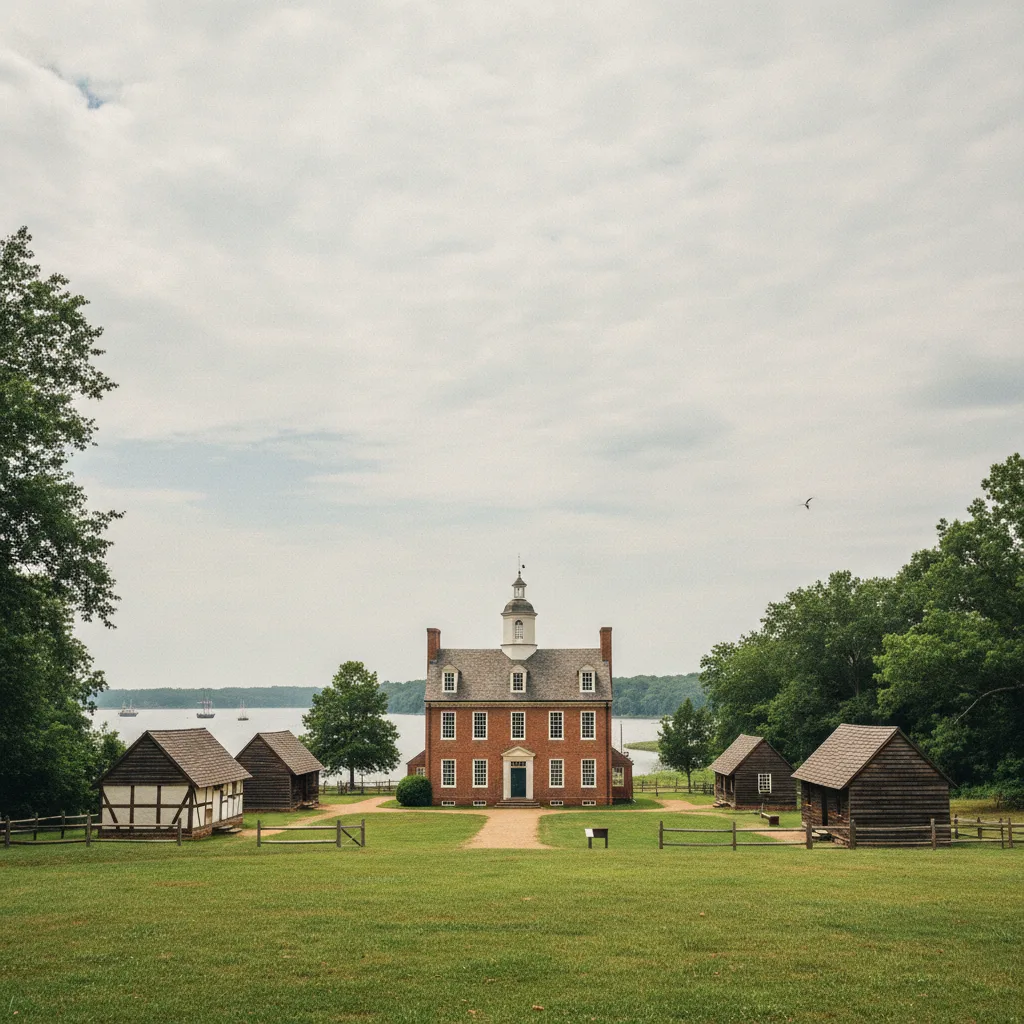
Beyond the historical significance, the natural beauty of the tidewater Southern Maryland landscape adds another layer to the experience. The site sits along a tributary of the Potomac River, offering scenic views and tranquil walking trails that invite contemplation. It's a place where history is not just read but felt, where the past whispers from the landscape itself. For those interested in the broader history of the region, it also connects to the best places in Maryland, offering a foundational understanding of the state's origins.
Who It's Best For
Historic St. Mary's City is an exceptional destination for a wide range of visitors. Our team particularly recommends it for:
- **History Enthusiasts:** Anyone with a keen interest in early American colonial history, archaeology, and the origins of Maryland will find the site deeply rewarding. The detailed interpretations and ongoing research offer a rich educational experience.
- **Families with School-Aged Children:** The living history exhibits, interactive demonstrations, and reconstructed environments make history tangible and engaging for younger learners. It’s an excellent educational trip that complements classroom studies on colonial America. We find that the hands-on nature of the site makes "Historic St. Mary's City with kids" an incredibly rewarding experience, fostering a genuine curiosity about the past.
- **Educators and Students:** With its archaeological field school and extensive educational resources, the site is a valuable asset for academic study. Group tours and specialized programs are available, making it ideal for school trips and historical research.
- **Nature Lovers:** The scenic location along the St. Mary's River, with its nature trails, provides a beautiful backdrop for historical exploration. It's a place where you can enjoy both cultural immersion and the tranquility of the outdoors.
- **Curious Travelers:** If you're looking for a destination that offers more than just pretty scenery, but rather a profound connection to the past and a deeper understanding of American identity, this is an excellent choice.
While the site offers plenty for all ages, those who appreciate walking and outdoor exploration will get the most out of their visit, as many exhibits are spread across the expansive grounds.
Getting There & Parking
Understanding "how to get to Historic St. Mary's City" is straightforward, though a car is generally recommended for convenience, especially if you plan to explore other areas of Southern Maryland. The museum is located at 18751 Hogaboom Lane, St. Mary's City, Maryland 20686.
Driving Directions:
- From Washington, D.C.: Follow Pennsylvania Avenue (Maryland Route 4) southeast from the Capitol Beltway for approximately 60 miles. At Solomons, cross the Patuxent River bridge. Continue to the first traffic light at the intersection of Route 4 and Route 235. To avoid congestion in Lexington Park, continue on Route 4 for another 6 miles until it ends at the intersection of Route 5. Turn left onto Route 5, and travel south for about 14 miles. Upon entering St. Mary's City, you will pass the river, college, and the reconstructed Brick Chapel. Turn right onto Rosecroft, then take the first right onto Hogaboom Lane.
- From Annapolis: Follow Maryland Route 2 south until it merges with Maryland Route 4. Continue on Route 4 for about 20 miles, crossing the large bridge at Solomons. At the first traffic light (intersection of Route 235 and Route 4), you can continue on Route 4 for 6 miles until it ends at Route 5. Turn left onto Route 5, and travel south for approximately 14 miles. Once in St. Mary's City, you'll pass the river, college, and Brick Chapel. Turn right onto Rosecroft, then the first right onto Hogaboom Lane.
- From Northern Virginia: Take the Beltway over the Woodrow Wilson Bridge and onto Route 5 South. Follow Route 5 through Leonardtown and continue for about 20 miles until you reach St. Mary's City. After passing the river, college, and Brick Chapel, turn right onto Rosecroft, then the first right onto Hogaboom Lane.
- From Richmond, VA: Take VA-207E, which becomes U.S. Route 301 in Maryland. After crossing the Harry Nice Bridge, turn right at the second traffic light onto Route 234 South (Budds Creek Road). Route 234 will merge with Route 5. Continue through Leonardtown for approximately 20 miles until you reach St. Mary's City. After passing the river, college, and Brick Chapel, turn right onto Rosecroft, then the first right onto Hogaboom Lane.
Parking: For "Historic St. Mary's City parking," visitors should utilize the dedicated parking lot located at the Visitor Center on Hogaboom Lane. We confirm that parking here is free. Additionally, parking is available in the St. Mary's College parking lot, adjacent to Historic St. Mary's City, particularly useful if visiting the St. Mary's Fort archaeological site.
Top Things to Do
When considering "things to do at Historic St. Mary's City," our team assures you that the options are abundant and deeply engaging. This living history museum offers a comprehensive journey through Maryland's colonial past. Here are our top recommendations for "things to do in St. Mary's City":
- Explore the Reconstructed State House: Step into the grandeur of the 1676 State House, a meticulously recreated symbol of early colonial governance. Here, you can learn about the beginnings of representative government in Maryland and the struggles for political and religious freedom.
- Visit the Maryland Dove: This impressive re-creation of a 17th-century square-rigged ship commemorates the original vessel that brought the first English colonists to Maryland in 1634. While it occasionally sails the Chesapeake region, it is generally docked and open for tours, offering insights into maritime life and colonial voyages. Note that the Maryland Dove will be away from home port beginning June 15, 2026, to transit to and participate in Sail 250 Virginia in Norfolk, Virginia, and Sail 250 Maryland & Airshow Baltimore in Baltimore, Maryland, and will reopen on Tuesday, July 7, 2026. It will also be closed to the public on Wednesday, July 15, 2026.
- Wander Through the Godiah Spray Tobacco Plantation: Experience a working 17th-century tobacco farm, complete with period-appropriate crops, livestock, and costumed interpreters demonstrating daily life. This is a fantastic opportunity to understand the economic backbone of early Maryland and the labor systems that sustained it.
- Discover the Woodland Indian Hamlet: Gain a deeper understanding of the Yaocomaco people, the Indigenous inhabitants of the land, through a recreated Woodland Indian Hamlet. This exhibit explores their daily life, culture, and interactions with the arriving European settlers, highlighting over 8,000 years of continuous Native presence.
- Visit the Brick Chapel of 1667: This reconstructed chapel is a significant site, embodying Maryland's early commitment to religious toleration. It's also where archaeologists discovered the lead coffins of prominent early Marylanders, offering a poignant connection to the individuals who shaped this history.
- Explore the St. John's Site Museum: This museum preserves the foundation of one of the nation's most important historic places and examines how researchers uncover the past. It offers a fascinating look at the archaeological process and the artifacts unearthed from the site. Note that the St. John's Site Museum will close at 1:00 p.m. on June 19, 2026, and June 26, 2026, due to the closure of College Drive for the River Concert at St. Mary's College of Maryland.
- Engage with Living History Demonstrations: Throughout the site, costumed interpreters bring the 17th century to life. You might encounter a printer at a working press, a blacksmith, or a colonial homemaker. These interactions are invaluable for understanding the skills, trades, and daily routines of the past.
- Walk the Nature Trails: Beyond the historical structures, the expansive grounds feature beautiful nature trails. These offer a chance to appreciate the natural environment that drew early settlers and to reflect on the historical narratives presented.
- Take a Guided Tour: Consider joining a guided tour to gain deeper insights into the historical significance of the various sites and archaeological discoveries. Guided tours are offered and often require registration upon admission purchase, with a fee of $5 per participant for most tours.
- Attend Special Events: Historic St. Mary's City hosts a variety of special events throughout the year, from reenactments to archaeological field schools and seasonal festivals. Check their official calendar for specific dates and offerings during your visit.
These "things to do at Historic St. Mary's City" provide a rich and varied experience, ensuring that every visitor finds something to spark their interest and deepen their understanding of this pivotal historical location.
Best Time to Visit
Determining the "best time to visit Historic St. Mary's City" largely depends on your preferences for weather, crowd levels, and specific events. Our team has found that each season offers a distinct experience:
- Spring (March to May): We highly recommend spring as an ideal time to visit. The weather is generally mild and pleasant for walking around the outdoor exhibits, and the landscape is vibrant with new growth. The outdoor exhibits for the 2026 season opened on Tuesday, March 17. Spring also often features special events like scavenger hunts and the start of public sails on the Maryland Dove.
- Summer (June to August): Summer offers warm weather and a full schedule of living history demonstrations and programs. However, it can be quite hot and humid, so we advise planning your visit for earlier in the day and staying hydrated. Be aware of potential heat closures for outdoor exhibits; for example, outdoor living history exhibits will close early on June 12, 2026, and July 2, 2026, due to high heat indexes. The Maryland Dove will also be away for special events in June and early July 2026.
- Fall (September to November): Fall is another excellent season, with cooler temperatures and beautiful foliage. The crowds tend to lessen after the summer peak, making for a more relaxed visit. The living history exhibits are generally open until the last week of November.
- Winter (December to mid-March): The museum's outdoor living history exhibits are typically closed during the winter months, with limited openings for the Visitor Center and The Shop at Farthing's Ordinary. While you can still explore the grounds and interpretive signage, the full immersive experience is not available.
Hours of Operation (2026): Historic St. Mary's City is generally open Tuesday through Saturday, from 10:00 a.m. to 4:00 p.m.. The St. John's Site Museum typically opens at 12:00 noon and closes at 4:00 p.m.. We always recommend checking the official Historic St. Mary's City website or calling their Visitor Center at 301-994-4370 for the most up-to-date information on hours, as they can vary by season and for special events or closures.
Where to Stay Nearby
While Historic St. Mary's City itself doesn't offer on-site lodging, there are several convenient options in the surrounding area of Southern Maryland. Our team recommends considering accommodations in nearby towns to suit various preferences and budgets.
- Lexington Park: Just a short drive from Historic St. Mary's City, Lexington Park offers a range of chain hotels and dining options. This is often the most practical choice for visitors looking for modern amenities and easy access to the historical site.
- Leonardtown: For a more charming and historic atmosphere, Leonardtown, the county seat of St. Mary's County, is an excellent choice. It features boutique inns, local restaurants, and a picturesque waterfront. It's a bit further but offers a lovely small-town experience.
- Solomons Island: Located across the Patuxent River, Solomons Island is known for its maritime charm, marinas, and seafood restaurants. It provides a more resort-like feel with hotels offering water views, though it requires crossing a bridge to reach St. Mary's City.
- Camping: For those who prefer a more rustic experience, some local campgrounds are available in St. Mary's County. Historic St. Mary's City itself lists camping as an option on its "Visit Us" page, suggesting nearby facilities. We advise checking local county tourism resources for specific campground details and reservations.
When planning your stay, we suggest exploring the St. Mary's County online visitor guide or calling SMC Tourism at 1-800-327-9023 for comprehensive information on accommodations, dining, and other local attractions.
Sample 2-Day Itinerary
To truly immerse yourselves in the rich history and beautiful surroundings of Historic St. Mary's City, our team recommends a two-day visit. This allows for a deeper exploration without feeling rushed. Here’s a sample itinerary to help you plan your trip:
Day 1: Colonial Life and Maritime History
Morning (10:00 AM - 1:00 PM): Arrival and Visitor Center
- Arrive at Historic St. Mary's City and head straight to the Visitor Center (18751 Hogaboom Lane). Purchase your admission tickets (Adults $15.00, Seniors $13.00, Youth 6-18 $10.00, Children 5 and under Free). Grab a map and orient yourselves.
- Begin your exploration with the exhibits in the Visitor Center, which provide an excellent overview of the site's history and archaeological significance.
- Walk to the nearby St. John's Site Museum to see archaeological findings and learn about the ongoing research that brings the past to life.
Lunch (1:00 PM - 2:00 PM): On-site or Nearby
- Enjoy snacks at The Shop at Farthing's Ordinary, or for a more substantial meal, consider the Student Center at St. Mary's College, which is within walking distance and offers reasonably priced options.
Afternoon (2:00 PM - 4:00 PM): State House and Maryland Dove
- After lunch, proceed to the reconstructed 1676 State House. Spend time exploring its interior and learning about the early days of Maryland's government.
- Head to the waterfront to tour the Maryland Dove, the recreated 17th-century ship (check for its availability, as it may be away for events or closed on specific dates in 2026).
- Take a leisurely stroll along the waterfront, enjoying the scenic views of the St. Mary's River.
Evening: Dinner and Relaxation
- Dine at one of the local restaurants in Lexington Park or Leonardtown.
- Return to your accommodation for a restful evening.
Day 2: Indigenous Heritage, Plantation Life, and Archaeology
Morning (10:00 AM - 1:00 PM): Woodland Indian Hamlet and Tobacco Plantation
- Start your day at the Woodland Indian Hamlet to understand the lives and culture of the Yaocomaco people before and during European settlement.
- Move on to the Godiah Spray Tobacco Plantation. Engage with the costumed interpreters, observe the animals, and learn about the agricultural practices that shaped colonial Maryland. This is a particularly good spot for "Historic St. Mary's City with kids."
Lunch (1:00 PM - 2:00 PM): Picnic or Local Eatery
- Consider packing a picnic to enjoy on the grounds, or revisit a local eatery.
Afternoon (2:00 PM - 4:00 PM): Brick Chapel, Ghost Frames, and Nature Trails
- Visit the Brick Chapel of 1667, reflecting on its significance for religious freedom and the archaeological discoveries made there.
- Explore the "Ghost Frames," the wooden outlines marking the locations of 17th-century buildings uncovered through archaeology. Consider joining a guided "Ghost Frame Tour" if available, which costs $5 per participant.
- Spend some time walking the nature trails, allowing for quiet contemplation and appreciation of the natural setting.
- If time permits, revisit any exhibits that particularly captured your interest or check for any special demonstrations scheduled for the afternoon.
Evening: Departure or Further Exploration
- Depart from Historic St. Mary's City, or if staying another night, explore other attractions in St. Mary's County, such as Calvert Cliffs State Park or the Chesapeake Bay Maritime Museum.
This itinerary provides a robust experience of the site, ensuring you cover the major highlights and gain a deep appreciation for this significant historical landmark.
Is It Worth Visiting?
Our team unequivocally believes that "is Historic St. Mary's City worth visiting?" The answer is a resounding yes. This isn't merely a collection of old buildings; it's a vibrant, living testament to the birth of Maryland and a crucial chapter in the larger American story. The site's commitment to authentic historical interpretation, combined with active archaeological research, provides an unparalleled educational experience.
What sets Historic St. Mary's City apart is its immersive quality. The ability to walk through recreated 17th-century environments, interact with knowledgeable interpreters, and witness ongoing archaeological digs transforms history from abstract facts into a tangible, relatable narrative. We find that this hands-on approach makes a lasting impression, particularly for families and students. It offers a rare opportunity to connect with the challenges, innovations, and diverse cultures that shaped early colonial life.
Furthermore, the site's significance extends beyond local history. It highlights foundational American principles such as religious freedom and representative government, making it relevant to anyone interested in the evolution of the United States. The inclusion of Indigenous history and the stories of early African Americans like Mathias de Sousa further enriches the narrative, presenting a more complete and nuanced picture of the past.
For those who appreciate history, archaeology, and a beautiful natural setting, the investment of time and admission fees is well rewarded. The opportunity to step back in time and gain a deeper understanding of our nation's origins makes "is Historic St. Mary's City worth visiting" a question with an easy, positive answer in our book. It's a destination that offers both education and inspiration, leaving visitors with a profound sense of connection to the past.
Last updated: 2026-07-12 by the Roam States team.