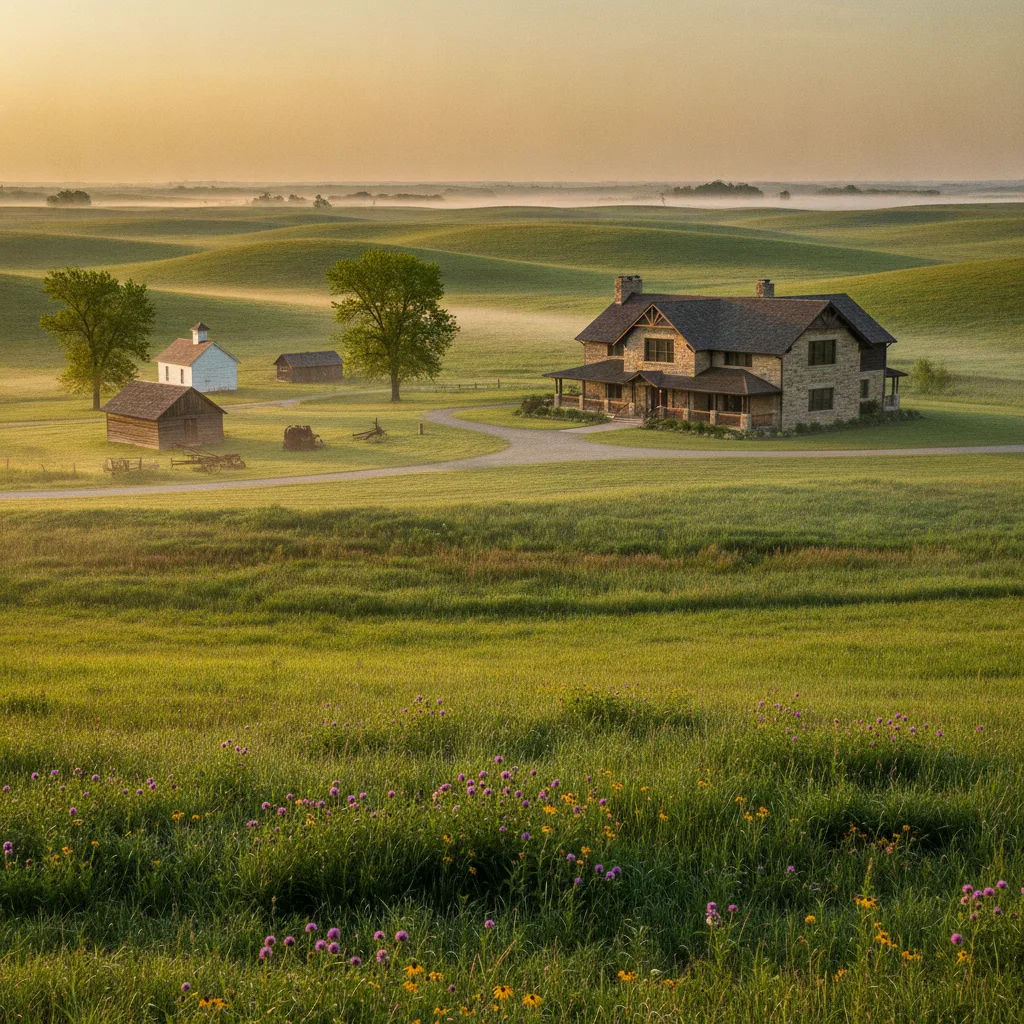
Our Homestead National Historical Park guide covers practical planning for Homestead National Historical Park Nebraska — best time to visit, getting there, and what to do on the ground.
As the Roam States editorial team, we’ve explored countless corners of the US, but few places encapsulate a pivotal moment in American history quite like Homestead National Historical Park Nebraska. This isn't just another stop on the map; it’s a living testament to the spirit of the Homestead Act of 1862, an act that transformed the nation and the lives of millions. Here, amidst the sweeping tallgrass prairie, we delve into the stories of pioneers, immigrants, women, and freed slaves who sought a new beginning and shaped the American landscape. We’ve compiled this guide to help you plan an insightful and engaging visit to this unique historical park, ensuring you uncover its rich narratives and natural beauty.
Why Visit Homestead National Historical Park
Homestead National Historical Park isn't merely a collection of old buildings; it's a profound journey into a defining era of American expansion. We believe it offers an unparalleled opportunity to understand the complexities and impacts of the Homestead Act of 1862. This legislation, signed by Abraham Lincoln, offered 160 acres of free land to those willing to cultivate it for five years, fundamentally altering the demographic and physical landscape of the United States. The park commemorates the lives and accomplishments of all homesteaders, from diverse backgrounds, who answered the call for "free land."
Our team finds the park's dual focus particularly compelling: a deep dive into human history intertwined with a commitment to environmental preservation. You'll gain intellectual weight from the exhibits detailing the act's legacy, including its impact on Indigenous peoples, while also experiencing the tangible results of its era through a restored tallgrass prairie. It's a place where history isn't just read; it's felt and walked through.
Who It's Best For
We confidently recommend Homestead National Historical Park for a diverse range of travelers. It's an ideal destination for history buffs, especially those interested in the American West, civil rights, and immigration stories. The park's comprehensive exhibits and interpretive programs provide a nuanced understanding of a complex historical period.
Families with children will find plenty to engage with, thanks to interactive exhibits, living history demonstrations, and the popular Junior Ranger program. Our team appreciates how the park makes history accessible and exciting for younger visitors, offering hands-on experiences that go beyond traditional museum visits.
Birders and nature enthusiasts will also be drawn to the park's 100 acres of restored tallgrass prairie, one of the oldest and most significant restoration projects within the National Park Service. It's a rare chance to witness a vital ecosystem and observe prairie species in their natural habitat. For anyone driving across Nebraska on I-80 seeking a meaningful and substantive stop that offers more than just scenic views, Homestead National Historical Park provides a rich cultural and natural experience.
Getting There & Parking
When planning how to get to Homestead National Historical Park, you'll find it conveniently located just four miles west of Beatrice, Nebraska, on State Highway 4. If you're coming from the U.S. 77 and U.S. 136 intersection in downtown Beatrice, take U.S. 136 approximately 1.2 miles west, then turn right onto Nebraska Highway 4 and follow the signs. The roads in the region are well-maintained, making for an easy drive to the park.
Upon arrival, you'll find ample free parking available at both the Education Center and the Heritage Center. Our team confirms that there are no parking fees, aligning with the park's overall free admission policy. This makes planning your visit straightforward, allowing you to focus on exploring the historical sites and natural landscapes without worrying about additional costs.
Top Things to Do
There are many things to do at Homestead National Historical Park, offering a blend of historical immersion and natural exploration. Our team recommends allocating at least half a day, if not a full day, to truly experience all the park has to offer. Here are our top recommendations for things to do at Homestead National Historical Park:
- Explore the Heritage Center and Museum of American Homesteading: Begin your visit here. The Heritage Center houses a state-of-the-art museum with interactive exhibits that delve into the history and impact of the Homestead Act. You can also watch the award-winning "Land of Dreams" film, which provides an excellent overview of the homesteading experience. We always suggest watching the film first, as it reframes what you see out on the prairie.
- Visit the Palmer-Epard Homestead Cabin: Step back in time by touring this authentically preserved 1867 log cabin. It offers a firsthand glimpse into the challenging yet rewarding frontier life of homesteaders. The cabin was moved to the site and provides an intimate look at the living conditions of early settlers.
- Discover the Freeman School: This original one-room schoolhouse, built over 130 years ago, allows visitors of all ages to walk into history and imagine what education was like on the prairie.
- Hike the Tallgrass Prairie Trails: Immerse yourself in the natural beauty of the 100-acre restored tallgrass prairie, one of the oldest in the National Park Service. With over three miles of trails, you can follow in the footsteps of homesteaders and experience the landscape they encountered. Keep an eye out for diverse plant and animal life.
- Engage with the Education Center: This center features changing exhibits on special topics related to homesteading and a Farm Implement Room showcasing the tools used by pioneers. Check the park's calendar for special programs, including "Walk with a Ranger" events, which are scheduled monthly, such as the one on July 1, 2026.
- Participate in Living History Demonstrations: If you visit between Memorial Day and Labor Day, you can experience daily living history demonstrations that bring the stories of homesteaders to life. The park also hosts major events like Homestead Days (June 27-28, 2026), featuring craft demonstrations, antique farming, and living history performances.
- Earn Your Junior Ranger Badge: For younger visitors, the Junior Ranger program offers an engaging way to learn about the park's history and natural environment through interactive activities.
- Research Your Homesteading Genealogy: The Heritage Center also offers resources for visitors interested in researching their own family's homesteading history.
- Try Geocaching: For a modern twist on exploration, the park offers geocaching opportunities, a fun way to discover hidden gems within the park grounds.
Best Time to Visit
Our team finds that Homestead National Historical Park offers unique experiences throughout the year, but the best time to visit largely depends on your priorities. The park grounds and trails are open from sunrise to sunset daily, while the Heritage and Education Centers are open from 9 AM to 5 PM, with extended hours from 8:30 AM to 6 PM daily between Memorial Day and Labor Day.
Spring (April-May) and Fall (September-October) are often considered ideal. The weather is generally mild and pleasant, perfect for hiking the tallgrass prairie trails. In spring, the prairie comes alive with wildflowers, and in fall, the grasses turn golden, offering stunning photographic opportunities. These seasons also tend to have fewer crowds than the peak summer months.
Summer (June-August) is popular, especially for families, as living history demonstrations are offered daily from Memorial Day through Labor Day. The park also hosts significant events like Homestead Days (June 27-28, 2026) and a July 4th Campfire Program (July 4, 2026). However, Nebraska summers can be hot, and afternoon thunderstorms are common, so we advise planning outdoor activities for the mornings. Insect repellent is highly recommended, particularly for trail walks.
Winter (November-March) offers a quieter, more contemplative experience. While the visitor centers maintain their regular hours (except for Thanksgiving, Christmas, and New Year's Day closures), the trails are still accessible for those who don't mind the cold. Winter lows average around 16°F (-9°C) in January and February, and wind is common year-round. It's a great time for cross-country skiing on the trails if conditions allow. Check the park's calendar for special winter events, such as the Winter Festival of Prairie Cultures in late November and December.
Ultimately, we recommend checking the park's official website for their current calendar of events and operating hours before your visit, especially for 2026-specific programs. Remember, admission to the park and all its events is free.
Where to Stay Nearby
While Homestead National Historical Park does not offer on-site lodging, the nearby city of Beatrice, Nebraska, provides a range of comfortable options to suit various preferences and budgets. Our team has identified several excellent choices for Homestead National Historical Park lodging, ensuring you have a convenient base for your exploration.
For those seeking standard hotel amenities, Beatrice features well-known brands such as the Holiday Inn Express Hotel & Suites Beatrice by IHG, which offers complimentary breakfast, Wi-Fi, and an indoor pool. The My Place Hotel-Beatrice NE is another highly-rated option, particularly appealing for extended stays with its in-room kitchens, pet-friendly policy, and free parking.
Other reliable choices for Homestead National Historical Park lodging in Beatrice include the Victorian Inn Beatrice, the Capri Inn and Suites of Beatrice, and the Americas Best Value Inn Beatrice. Many of these establishments are conveniently located near local shops and dining options, enhancing your overall travel experience.
If you're looking for something slightly different, the Travelerslodge Motel offers cozy rooms with free Wi-Fi and breakfast, and it's also pet-friendly. For those who prefer a more personalized stay, there are also vacation home rentals available in Beatrice, some offering unique features like fire pits for evening relaxation.
Sample 2-Day Itinerary
To fully appreciate the historical significance and natural beauty of Homestead National Historical Park, our team recommends a two-day visit. This allows for in-depth exploration without feeling rushed, and also provides time to experience the charm of Beatrice.
Day 1: Immersion in Homestead History
- Morning (9:00 AM - 1:00 PM): Heritage Center & Historic Structures. Begin your day at the Heritage Center. Watch the "Land of Dreams" film to set the historical context, then explore the interactive Museum of American Homesteading. Allow ample time to delve into the exhibits, which cover the diverse stories of homesteaders, including women, immigrants, and freed slaves. Afterwards, walk to the nearby Palmer-Epard Homestead Cabin and the Freeman School to experience frontier life firsthand.
- Lunch (1:00 PM - 2:00 PM): Picnic or Local Fare. Enjoy a picnic at one of the park's designated picnic areas near the Education or Heritage Centers. Alternatively, head into Beatrice for lunch at a local eatery like The Black Crow Restaurant and Bar for a taste of local cuisine.
- Afternoon (2:00 PM - 5:00 PM): Tallgrass Prairie Exploration. Dedicate your afternoon to exploring the park's restored tallgrass prairie. Hike a combination of the Upland Prairie Loop, Woodland Loop, and Farm Loop trails, totaling over three miles. Look for the Centennial Time Capsule and the Native Plant Exhibit along the way. Remember to bring insect repellent and water, especially in warmer months.
- Evening: Dinner & Relaxation in Beatrice. Return to Beatrice for dinner. Options range from casual to more formal. Consider the Stone Hollow Brewing Company for craft beer and a meal, or explore other local restaurants.
Day 2: Deeper Dives & Local Discoveries
- Morning (9:00 AM - 12:00 PM): Education Center & Ranger Programs. Start at the Education Center to see its changing exhibits and the Farm Implement Room. Check the park's calendar for any scheduled Ranger Programs or "Kids in Parks" activities, which are often held in the mornings. For example, a "Walk with a Ranger" is scheduled for July 1, 2026.
- Lunch (12:00 PM - 1:00 PM): Beatrice Delights. Grab a quick bite in Beatrice. Perhaps try Sunrise Bakery for a sweet treat or a local sandwich shop.
- Afternoon (1:00 PM - 5:00 PM): Explore Beatrice or Nearby Attractions. Spend the afternoon exploring Beatrice. Visit the Gage County Historical Society and Museum to learn more about the local area, or walk a portion of the Chief Standing Bear Trail. If you're interested in other Nebraska destinations, consider a day trip to Chimney Rock National Historic Site, a significant landmark for Oregon Trail pioneers, or the Omaha's Henry Doorly Zoo for a world-class zoological experience. You can find more ideas for best places in Nebraska on our state guide.
- Evening: Special Events or Leisure. Depending on the season, check for local events in Beatrice. For instance, the annual Ribfest is on June 27, 2026. Otherwise, enjoy a leisurely dinner and reflect on the profound history you've explored.
Is It Worth Visiting?
From our perspective as seasoned US travel authorities, we can unequivocally say: yes, Homestead National Historical Park is worth visiting. This park punches well above its size, offering a rich and deeply meaningful experience that goes far beyond a casual road-trip stop.
What makes Homestead National Historical Park worth visiting is its unique blend of intellectual depth and tangible connection to history. It's free to enter, yet it provides a serious, comprehensive museum on the 1862 Homestead Act, paired with the genuine ecological significance of its tallgrass prairie restoration. You'll gain a complex understanding of the act's legacy, encompassing the stories of immigrants, freed Black Americans, women claimants, and the displaced Indigenous peoples, rather than just a romanticized narrative. The three miles of trails through the reconstructed prairie and woodland ensure that your visit isn't just about reading plaques; it's an immersive, outdoor experience. Whether you're a history enthusiast, a family seeking engaging educational activities, or a birder curious about prairie ecosystems, this park offers substance and a unique perspective on the American story. It truly earns a visit on its own terms.
Last updated: 2026-07-05 by the Roam States team.