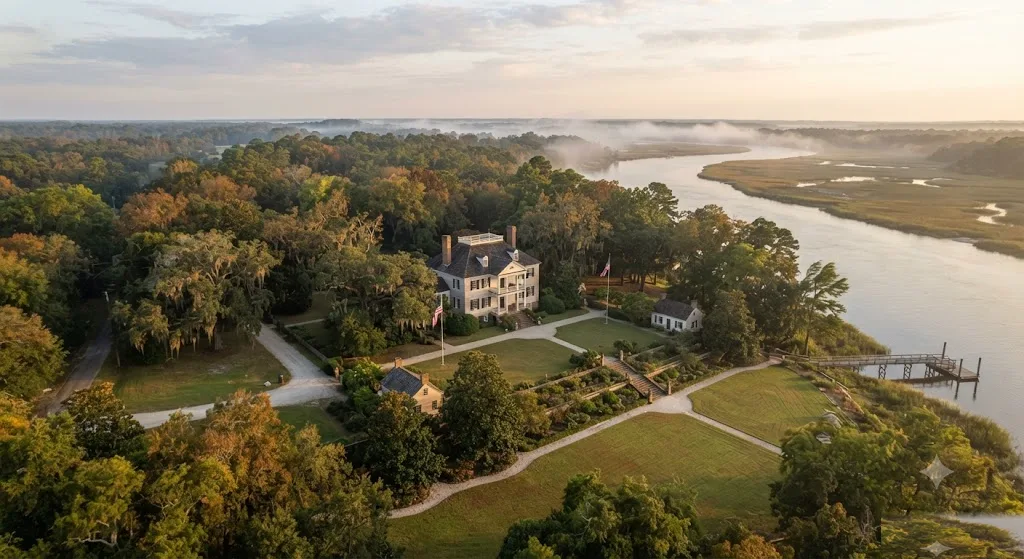
Our Hopsewee Plantation guide covers practical planning for Hopsewee Plantation South Carolina — best time to visit, getting there, and what to do on the ground.
For those drawn to the deep roots of American history and the serene beauty of the Lowcountry, Hopsewee Plantation South Carolina offers an unparalleled journey into the past. This preserved 18th-century rice plantation, a National Historic Landmark, stands as a testament to a pivotal era, inviting visitors to step back in time. Our team at Roam States has compiled this comprehensive guide to help you plan your visit, ensuring you make the most of your experience at this significant historical site.
Why Visit Hopsewee Plantation
Visiting Hopsewee Plantation is more than just a tour; it's an immersive experience in South Carolina's rich and complex history. Built around 1740, nearly four decades before the American Revolutionary War, Hopsewee was a prominent rice plantation and the birthplace of Thomas Lynch Jr., a signer of the Declaration of Independence. The plantation has been meticulously preserved, not restored, allowing visitors to witness much of its original 18th and 19th-century architecture and furnishings.
We recommend a visit for its authentic portrayal of Lowcountry life, offering insights into the lives of both the planter families and the enslaved people who were central to the plantation's operation. The guided tours delve into the historical narratives, showcasing the intricate details of the house and its original woodwork and glass. Beyond the main house, the grounds invite exploration, featuring original slave cabins and scenic views of the Santee Delta. It's a place where history comes alive, providing a deeper understanding of the forces that shaped the region and the nation.
A highlight of any visit is the River Oak Cottage Tea Room, recognized as one of the state's top tearooms. Here, you can indulge in a traditional English tea service with a Southern twist, featuring sweet and savory treats, or enjoy a full lunch menu inspired by Lowcountry traditions. The serene setting, surrounded by moss-draped live oaks overlooking the North Santee River, adds to the charm, making it a truly unique dining experience.
Who It's Best For
Hopsewee Plantation caters to a diverse range of visitors, making it an excellent destination for history enthusiasts, families, and those seeking a peaceful retreat into nature. History buffs will appreciate the detailed tours that cover the plantation's role in the American Revolution and the lives of its inhabitants, including the Gullah-Geechee history and the experiences of enslaved West Africans. The on-site museum, with its archaeological discoveries, further expands the narrative of the enslaved people, offering a self-guided experience with accessible exhibits.
Families with older children (we suggest ages 6 and up for the house tour) will find the educational aspects engaging and thought-provoking. The opportunity to see original slave cabins and learn about rice cultivation provides a tangible connection to textbook history. Younger children can still enjoy strolling the beautiful grounds and observing the natural surroundings, though the house tour itself may be better suited for those with longer attention spans.
For those looking for a tranquil escape, the picturesque setting along the North Santee River, with its majestic live oaks draped in Spanish moss, offers a serene environment for contemplation and relaxation. The tea room provides a delightful culinary experience in a charming atmosphere, perfect for a leisurely afternoon. It's also an ideal spot for couples seeking a picturesque setting for special occasions like marriage proposals or anniversary celebrations.
Getting There & Parking
Understanding how to get to Hopsewee Plantation is straightforward, as it's conveniently located on US Highway 17, approximately 12 miles south of Georgetown, South Carolina, and about 47-50 miles north of Charleston. If you're driving from Myrtle Beach, Hopsewee is roughly 48 miles south on US-17. The best GPS address to use is 494 Hopsewee Road, Georgetown, SC 29440.
When approaching from Georgetown, you'll find the plantation immediately before the North Santee River crossing on Highway 17. From Charleston, it's immediately after the North Santee River crossing. There are two entrances: a main gate and a side gate via Oaks Plantation Drive. Our team recommends checking the Hopsewee Plantation website for the most current driving directions and any potential road advisories, especially if you plan to visit during special events.
Regarding parking, visitors will be pleased to know that ample on-site parking is available. There are a couple of parking areas: one near the tea room and another in front of the slave cabins near Highway 17. Parking is free, but we ask that visitors respect the property by not parking on the grass. Accessible parking spots are also available, and the staff can assist upon arrival if you call ahead.
Top Things to Do
There are several compelling things to do at Hopsewee Plantation, ensuring a rich and varied visit for all. The primary attraction is undoubtedly the Historic Landmark House Tour, which guides you through the 18th-century home of Thomas Lynch Jr.. These tours are typically offered on the hour, from 10 AM to 3 PM Tuesday through Friday, and beginning at 11 AM on Saturdays. Knowledgeable guides share stories of the plantation's past, its owners, and the enslaved people who lived and worked there. The tour provides a glimpse into the architecture and interior design of the period, featuring original woodwork and antiques. We always recommend booking tickets online or calling ahead to confirm tour times and availability, as the plantation may close for private functions.
After exploring the main house, a visit to the River Oak Cottage Tea Room is a must for things to do at Hopsewee Plantation. Named one of the state's top tearooms, it offers a delightful Southern Tea service or a full lunch menu with Lowcountry recipes. The tea room is open Tuesday through Saturday from 11 AM to 3 PM (or 3:15 PM depending on the source). Reservations are strongly recommended, especially for the Southern Tea, and are required for parties of 10 or more.
The grounds themselves are a beautiful place to stroll, featuring the original slave cabins and offering serene views of the Santee Delta. The Hopsewee Historic Museum, a self-guided experience, uses archaeological discoveries to expand the narrative of the enslaved people, detailing their contributions to colonial South Carolina. This untimed experience allows visitors to explore at their leisure.
For a deeper dive into Gullah-Geechee culture, consider attending a Gullah Presentation, which shares the history of rice cultivation and the lives of the enslaved people in the Santee Delta. These presentations often take place in the original slave cabins, offering a powerful and authentic experience. Additionally, Hopsewee Plantation offers unique workshops like Sweetgrass Basket Making and the Art of Indigo Dyeing, preserving traditional Lowcountry crafts. For those seeking a more relaxed evening, "Wine by the River" events are sometimes hosted, offering drinks and hors d'oeuvres in the picturesque riverside setting.
Top Things to Do in Georgetown
While Hopsewee Plantation is a destination in itself, the nearby historic city of Georgetown offers a wealth of additional attractions and things to do in Georgetown. As the third oldest city in South Carolina, Georgetown boasts a charming Historic District perfect for walking tours. We recommend exploring the Georgetown Harborwalk, a scenic waterfront promenade where you can enjoy views of Winyah Bay and the Sampit River.
Cultural institutions abound, including the Kaminski House Museum, a beautifully preserved 18th-century home offering tours, and the South Carolina Maritime Museum, which showcases the region's rich maritime history. The Rice Museum is another excellent stop, detailing the history of rice cultivation that shaped the Lowcountry.
For outdoor enthusiasts, nearby beaches like Pawleys Island and Litchfield Beach offer opportunities for relaxation and recreation. You might also consider a boat trip into the surrounding wetlands to spot alligators, wading birds, and osprey. Georgetown also hosts various events throughout the year, such as the Georgetown Wooden Boat Show in October, which features classic wooden boats and a boatbuilding competition. For more ideas on things to do in Georgetown and the wider state, check out our guide to Best places in South Carolina.
Best Time to Visit
The best time to visit Hopsewee Plantation largely depends on your preferences for weather and crowd levels. Our team generally recommends visiting during the spring (March to May) or fall (September to November) months. During these seasons, the Lowcountry weather is typically mild and pleasant, with comfortable temperatures ideal for exploring the outdoor grounds and enjoying the tea room's ambiance.
Spring brings blooming azaleas and camellias, adding to the plantation's natural beauty. Fall offers cooler temperatures and can be a beautiful time to see the changing foliage, though the iconic Spanish moss remains evergreen. These shoulder seasons also tend to have fewer crowds than the peak summer months, allowing for a more intimate and relaxed experience of the tours and grounds.
Summer (June to August) can be quite hot and humid in South Carolina, and mosquitoes can be a concern, especially near the river. However, if summer is your only option, we advise visiting earlier in the morning or later in the afternoon to avoid the midday heat. Winter (December to February) offers the coolest temperatures, but it's important to note that Hopsewee Plantation typically closes from late December through January. Always check the official Hopsewee Plantation website or call ahead for the most current operating hours and any seasonal closures before planning your trip.
Where to Stay Nearby
When considering Hopsewee Plantation lodging, you'll find a variety of options primarily in nearby Georgetown, which is approximately 12 miles north of the plantation. Georgetown offers a range of accommodations, from historic inns to modern hotels, providing convenient access to both Hopsewee and the city's other attractions. Our team recommends looking into options that offer a blend of comfort and local charm.
For those seeking a more upscale experience, The George Hotel in Georgetown comes highly recommended, praised for its beautiful facilities and excellent location near restaurants and museums. Another excellent choice for Hopsewee Plantation lodging is Baxter's Brewhouse Inn, a charming bed and breakfast also located about 12 miles from the plantation, known for its cleanliness and romantic atmosphere. The Hampton Inn Georgetown-Marina is a popular option, offering complimentary breakfast, WiFi, and parking, with views overlooking the scenic marina.
Other nearby options include The Georgetown Inn, offering budget-friendly accommodations. For those who prefer to stay closer to the beach, towns like Pawleys Island and Litchfield Beach, a short drive from Georgetown, also offer hotels and vacation rentals, such as the Best Western Pawleys Island or Quality Inn & Suites Pawleys Island. When planning your Hopsewee Plantation lodging, we advise booking in advance, especially during peak seasons, to secure your preferred accommodation. Many hotels offer free cancellation, providing flexibility for your travel plans.
Sample 2-Day Itinerary
Our team has crafted a sample 2-day itinerary to help you make the most of your visit to Hopsewee Plantation and the charming surrounding areas of Georgetown and the South Carolina Lowcountry.
Day 1: Immerse in Hopsewee's History and Charm
- Morning (10:00 AM - 1:00 PM): Hopsewee Plantation Tour & Grounds. Arrive at Hopsewee Plantation South Carolina and begin your visit with a guided tour of the historic 1740 house. We recommend arriving shortly before 10 AM to catch one of the earlier tours. Allow ample time to explore the beautifully preserved interiors and learn about the plantation's rich history, including the lives of Thomas Lynch Jr. and the enslaved people. Afterward, take a leisurely stroll around the grounds, visiting the original slave cabins and enjoying the serene views of the Santee Delta.
- Lunch (1:00 PM - 2:30 PM): Southern Delights at River Oak Cottage Tea Room. Head to the River Oak Cottage Tea Room on-site for lunch. Indulge in their acclaimed Southern Tea service or choose from their Lowcountry-inspired lunch menu. Remember that reservations are strongly recommended, especially for the tea service.
- Afternoon (2:30 PM - 4:00 PM): Gullah Presentation or Museum. Depending on the schedule, consider attending a Gullah Presentation in the slave cabins for a deeper understanding of West African cultural heritage and its impact on the Lowcountry. Alternatively, explore the self-guided Hopsewee Historic Museum, which details the lives of the enslaved people through archaeological discoveries.
- Evening: Dinner in Georgetown. Drive back to Georgetown (approx. 15 minutes) and enjoy dinner at one of the many local restaurants. The Georgetown Harborwalk area offers several dining options with waterfront views.
Day 2: Explore Historic Georgetown & Beyond
- Morning (9:30 AM - 12:30 PM): Historic Georgetown Exploration. Start your day with a walk through the Georgetown Historic District. Visit the Kaminski House Museum to explore an 18th-century merchant's home. Continue to the South Carolina Maritime Museum and the Rice Museum to delve into the city's maritime and agricultural past. Don't miss a stroll along the Georgetown Harborwalk.
- Lunch (12:30 PM - 1:30 PM): Local Eatery in Georgetown. Enjoy lunch at a casual spot in downtown Georgetown, perhaps trying some local seafood.
- Afternoon (1:30 PM - 5:00 PM): Nearby Plantations or Coastal Beauty. Choose your adventure:
- Option A: More Plantations. Explore another significant historical site like Boone Hall Plantation (further north near Mount Pleasant) or Brookgreen Gardens (a sculpture garden and wildlife preserve with historical connections, closer to Pawleys Island).
- Option B: Coastal Relaxation. Head to nearby Pawleys Island or Litchfield Beach for some time by the ocean, enjoying the beautiful South Carolina coastline.
- Evening: Farewell Dinner. Enjoy a final dinner in Georgetown or explore dining options in Pawleys Island.
Expert Verdict: Hopsewee Plantation offers a truly authentic and educational glimpse into South Carolina's 18th-century Lowcountry. Its commitment to preservation, coupled with the unique tea room experience and Gullah history interpretation, sets it apart. We highly recommend allocating at least half a day to fully appreciate its significance and beauty. Combine it with a visit to historic Georgetown for a comprehensive understanding of the region.
FAQ Longtails
Hopsewee Plantation with kids
Visiting Hopsewee Plantation with kids can be a rewarding educational experience, particularly for older children. Our team suggests that the house tour is best suited for children aged 6 and up, as it involves a significant amount of historical information and requires attention. For younger children, the extensive grounds, slave cabins, and scenic river views offer plenty of space to explore and enjoy the outdoors. The River Oak Cottage Tea Room can also be a hit with kids, especially if they enjoy the novelty of a Southern tea service. Remember to bring mosquito repellent, as the Lowcountry environment can be prone to insects. The self-guided museum detailing the lives of enslaved people is accessible and untimed, allowing families to explore at their own pace. Hopsewee sometimes hosts special events, such as "Living in History" weekends or "Hopsewee Hallows," which might be particularly engaging for families. Always check their website for event schedules before your visit.
Best hotels near Hopsewee Plantation
The best hotels near Hopsewee Plantation are primarily located in Georgetown, about 12 miles away. Our top recommendations include The George Hotel, known for its exceptional quality and location, and Baxter's Brewhouse Inn, a charming bed and breakfast perfect for a unique stay. The Hampton Inn Georgetown-Marina is another popular choice, offering comfortable amenities and a marina view. For those on a budget, The Georgetown Inn provides a straightforward and cozy option. If you prefer a coastal setting, hotels in nearby Pawleys Island, such as the Best Western Pawleys Island, are also within a reasonable driving distance. We advise booking your Hopsewee Plantation lodging in advance, especially during peak travel seasons, to ensure availability and potentially secure better rates.
Hopsewee Plantation tips
To make the most of your visit to Hopsewee Plantation, our team offers a few key tips. First, we strongly recommend checking the official Hopsewee Plantation website or calling ahead (843-546-7891) for the most current operating hours, tour schedules, and any potential closures for private events. Reservations for house tours are recommended, and they are essential for the River Oak Cottage Tea Room, especially for the Southern Tea service or groups. Arrive a bit early for your tour to allow time for parking and check-in. Bring insect repellent, particularly during warmer months, as the plantation is situated in a natural Lowcountry environment. Wear comfortable shoes suitable for walking on uneven terrain, as you'll be exploring the grounds as well as the house. Finally, be prepared for a deeply educational experience that covers not only the planter families but also the significant history and contributions of the enslaved people at Hopsewee.
Where to stay near Hopsewee Plantation
For visitors wondering where to stay near Hopsewee Plantation, Georgetown, South Carolina, is your primary hub for accommodations, located approximately 12 miles north of the plantation. Highly-rated options include The George Hotel and Baxter's Brewhouse Inn, both offering excellent guest experiences. The Hampton Inn Georgetown-Marina is another reliable choice, providing convenient amenities and a scenic location. If you're looking for more budget-friendly lodging, The Georgetown Inn is available. For those who prefer to combine their historical visit with beach access, consider staying in Pawleys Island or Litchfield Beach, which are short drives away and offer a selection of hotels and vacation rentals. Always book your accommodations in advance, especially if traveling during popular times, to ensure the best availability and rates.
Hopsewee Plantation parking
Regarding Hopsewee Plantation parking, visitors will find that ample on-site parking is available. There are designated parking areas near the River Oak Cottage Tea Room and also in front of the slave cabins, close to Highway 17. Our team confirms that parking at Hopsewee Plantation is free of charge. We kindly ask all guests to adhere to signage and avoid parking on the grass to help preserve the property. For guests with accessibility needs, accessible parking spots are available, and the plantation staff can provide assistance upon arrival if you call ahead.
Best time to visit Hopsewee Plantation
The best time to visit Hopsewee Plantation is during the spring (March to May) or fall (September to November) months. During these seasons, the weather in the South Carolina Lowcountry is typically mild and pleasant, making it ideal for exploring the outdoor grounds and enjoying the tours. Spring offers the beauty of blooming flowers, while fall provides comfortable temperatures. These periods also generally see fewer crowds compared to the summer, allowing for a more relaxed and intimate experience. We advise checking the plantation's official website for specific operating hours, as Hopsewee Plantation is closed on Sundays and Mondays, and typically closes from late December through January.
We hope this comprehensive guide helps you plan an unforgettable visit to Hopsewee Plantation South Carolina. It's a truly special place where history, culture, and natural beauty converge, offering a profound glimpse into the past. Our team is confident that your journey through this National Historic Landmark will be both educational and inspiring.
Last updated: 2026-07-13 by the Roam States team.