Independence Pass Travel Guide — Colorado
Our Independence Pass guide covers practical planning for Independence Pass Colorado — best time to visit, getting there, and what to do on the ground.
For those seeking an unforgettable mountain drive, Independence Pass Colorado delivers. This iconic stretch of Colorado State Highway 82, typically open from late May to mid-October, offers a stunning 32-mile journey with narrow lanes and steep, winding sections. It connects the charming village of Twin Lakes to the bustling town of Aspen, reaching a breathtaking highest point of 12,095 feet above sea level at the Continental Divide.
Our team at Roam States has explored every curve and vista of Independence Pass, and we're here to provide you with the confident, specific, and never generic insights you need to plan your adventure. We'll cover everything from navigating the road and finding parking to discovering hidden gems and securing the perfect Independence Pass lodging. Prepare to be captivated by the alpine tundra, historic mining remnants, and the sheer majesty of the Rocky Mountains.
Why Visit Independence Pass
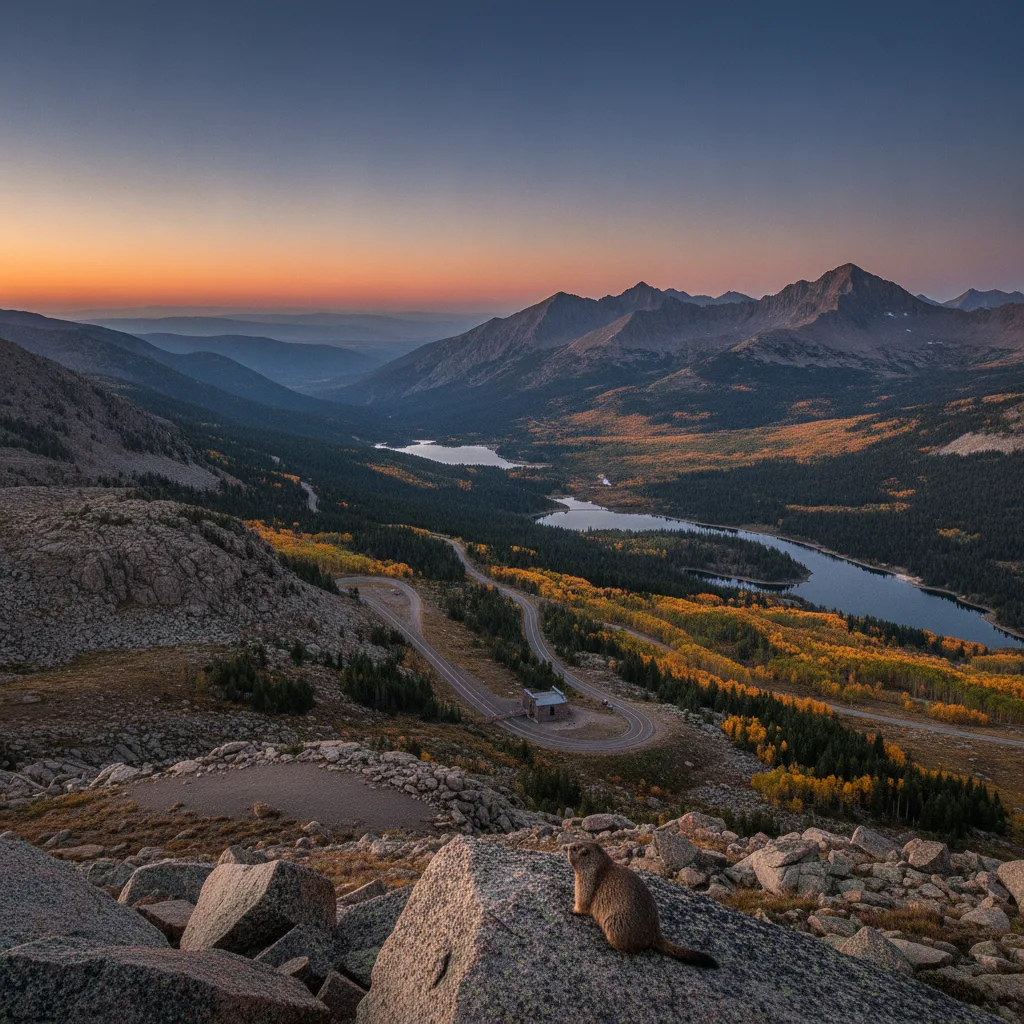
Independence Pass isn't just a road; it's an experience, a journey through diverse ecosystems and a testament to Colorado's rugged beauty. As you ascend, you'll traverse three major life zones: montane, subalpine, and alpine, each offering unique flora and fauna. The views are nothing short of spectacular, with panoramic vistas of glacier-sculpted peaks and ridges that will leave you breathless.
It serves as a historic link between the Front Range and the Western Slope, once a rough wagon trail for miners, now a paved highway that draws thousands of visitors annually. The summit itself, at 12,095 feet, is a popular stop where you can literally stand on the Continental Divide, separating watersheds that flow to the Pacific from those that drain into the Atlantic. This high-altitude environment, often above treeline, provides a rare opportunity to witness an alpine tundra landscape up close.
Beyond the drive itself, the pass offers a gateway to a wealth of outdoor activities, from easy, paved strolls to challenging alpine hikes, and opportunities for camping, cycling, and fishing. It's a place where you can immerse yourself in nature, explore ghost towns, and discover the raw, untamed spirit of Colorado. Whether you're a seasoned adventurer or simply seeking a scenic escape, the dramatic landscapes and recreational opportunities make Independence Pass an essential Colorado destination.
Who It's Best For
Independence Pass caters to a wide range of travelers, though some will find it particularly rewarding. It's ideal for:
- Scenic Drivers: If you love breathtaking road trips with hairpin turns, steep inclines, and continuous mountain vistas, this pass is for you. The 32-mile stretch offers an hour to an hour-and-a-half of pure scenic driving, not including stops.
- Hikers of All Levels: From accessible, paved trails at the summit to challenging full-day alpine excursions, there are hiking opportunities for everyone.
- Nature Photographers: The diverse landscapes, from aspen groves to alpine tundra, and the dramatic mountain backdrops provide endless photographic opportunities, especially during fall when the aspen trees turn golden.
- History Buffs: Explore the remnants of the Independence Ghost Town, the first mining site in the Roaring Fork Valley, offering a glimpse into Colorado's past.
- Cyclists: Before the road officially opens to vehicles in late spring, and throughout the season, road biking on Highway 82 is a popular and challenging pursuit.
- Families with Older Children: While some trails are kid-friendly, the high altitude and winding roads might be intense for very young children. Families who enjoy outdoor activities and can handle elevation changes will thrive here.
However, it's important to note that commercial and recreational vehicles 35 feet or longer (including vehicle and trailer combined) are prohibited due to the narrow, steep, and winding nature of the road. Drivers should be confident on mountain roads with few guardrails.
Getting There & Parking
Independence Pass is traversed by Colorado State Highway 82, connecting Twin Lakes on the east side to Aspen on the west. The pass is typically open from late May to mid-October, though the exact opening and closing dates are weather-dependent. In 2026, the pass opened on May 21st. Always check COtrip.org for the most up-to-date road conditions before you depart.
From the east, you'll access the pass via Highway 82 from US Highway 24, typically coming from Leadville or Buena Vista. From the west, you'll drive east on Highway 82 from Aspen. The drive from Twin Lakes to Aspen takes approximately 1 hour and 15 minutes in summer, without stops.
Vehicle Restrictions: It is crucial to remember that commercial and recreational vehicles 35 feet or longer, including those towing trailers with a combined length exceeding 35 feet, are strictly prohibited on Independence Pass. This restriction is enforced between Mile Point 47.2 (Aspen side) and Mile Point 84.2 (Twin Lakes/Leadville side) due to tight curves, steep inclines, and narrow lanes. If your vehicle exceeds these limits, you'll need to use I-70 through Glenwood Canyon as an alternate route.
Parking: Ample parking is available at the summit of Independence Pass, where you'll find a scenic overlook and access to trails. Parking areas are also available at various trailheads and points of interest along the pass, such as the Grottos and Independence Ghost Town. Some popular spots, like the Grottos, can fill up quickly, especially on busy summer weekends, so plan to arrive early. Many campgrounds also offer parking for their guests. There are no fees to drive Independence Pass itself.
Top Things to Do
Whether you're spending a full day or just passing through, there are countless things to do at Independence Pass and in the surrounding areas. Our team highly recommends these experiences:
Along Independence Pass
- Summit Overlook & Continental Divide: A must-do for any visitor, the summit offers 360-degree panoramic views of the surrounding peaks, including La Plata Peak and other "Fourteeners." A short, paved, and wheelchair-accessible trail leads to a scenic viewing platform where you can stand on the Continental Divide. Allow about 30 minutes for this stop.
- Independence Ghost Town: About 16 miles east of Aspen, this historic site was the first mining settlement in the Roaring Fork Valley, founded in 1879. Explore the remains of miner's cabins, the Farewell Stamp Mill, stables, and the general store. Guided tours are available from mid-June through Labor Day.
- The Grottos Ice Caves & Waterfalls: Located about 9 miles from Aspen, the Grottos Trail is a popular family-friendly spot. This easy 0.6-mile loop trail features rapids, waterfalls, aqua-blue waters, and ice caves carved by nature. Parking can be limited, so arrive early.
- Hiking Trails: Independence Pass is a hiker's paradise.
- Discovery Trail: An easy, dog-friendly 0.3-mile gravel loop along the Roaring Fork River, adjacent to the Braille Trail.
- Weller Lake Trail: A moderate hike about 8 miles from Aspen, leading through pine forests to Weller Lake, surrounded by boulders and mountains.
- Difficult Creek Trail: Starting 5 miles from Aspen, this moderate 8.3-mile trail crosses the Roaring Fork River and climbs through aspen and pine stands.
- Lost Man Trail (Upper and Lower): Near the top of the pass, this moderate to difficult trail ascends through alpine meadows, wildflowers, and past Independence Lake and Lost Man Lake. The full loop is 8.8+ miles.
- Independence Pass Ridgeline Trail: A stunning high-country expedition offering sweeping mountain views from a not-so-technical alpine hike.
- Cycling: Road biking on Highway 82 is a popular activity, especially in late spring before the road fully opens to vehicles.
- Northstar Nature Preserve: Just before the winter gate on the Aspen side, this preserve offers walking on the James H. Smith Interpretive Loop and opportunities for stand-up paddleboarding or kayaking on the slow-moving Roaring Fork River.
Things to Do in Twin Lakes
The charming village of Twin Lakes, nestled beneath Colorado's highest peaks, offers its own array of activities and serves as an excellent base for exploring the eastern side of Independence Pass.
- Interlaken Trail & Historic Resort: This easy, 4.6-mile hike along the south shore of Twin Lakes leads to the historic Interlaken Resort, a preserved 19th-century luxury retreat. Explore Dexter's nautical-themed cabin and other structures while enjoying views of Twin Lakes and Mount Elbert.
- Water Activities on Twin Lakes: The two glacial alpine lakes are perfect for motorized boating, kayaking, canoeing, and stand-up paddleboarding. Fishing for lake, rainbow, brown, and cutthroat trout is also popular.
- Hiking Mount Elbert: For experienced hikers, Twin Lakes is a gateway to the North Mount Elbert Trail, a challenging 10.4-mile hike to Colorado's highest peak (14,439 feet).
- Historic Twin Lakes Village: Take a self-guided walking tour starting at the Red Rooster Visitor Center, visiting a log cabin, blacksmith shops, and the 1895 schoolhouse.
- Stargazing at Mount Bump: Just west of the Red Rooster Visitor Center, Mount Bump offers bench seating and a flat area for setting up a telescope, perfect for enjoying the dark skies.
Best Time to Visit
The prime window for visiting Independence Pass Colorado is typically from late May to mid-October, when the pass is open to vehicles. However, the "best" time depends on your priorities:
- Early Summer (Late May - June): This is when the pass first reopens, often with snow still lining the upper elevations, creating dramatic contrasts with emerging wildflowers. Cyclists can enjoy a peaceful ride before the road fully opens to cars. Be prepared for cooler temperatures and potential for late-season snow.
- Mid-Summer (July - August): This is peak season, offering the warmest weather and the fullest bloom of wildflowers, especially at higher elevations like the Lost Man Trail. All trails and attractions are typically accessible. Expect heavier traffic, especially on weekends. Afternoon thunderstorms are common, so plan early morning activities.
- Fall (September - Mid-October): Our team considers this one of the most spectacular times to visit, as the aspen trees along the pass and in the surrounding valleys turn brilliant shades of gold. The cooler temperatures and crisp air make for excellent hiking. This period also sees fewer crowds than mid-summer. The pass typically closes in late October, depending on snowfall.
Regardless of when you visit, the high elevation (12,095 feet at the summit) means weather can be unpredictable. Always bring layers, even in summer, and check the forecast and road conditions via COtrip.org before you go.
Where to Stay Nearby
Finding the right Independence Pass lodging enhances your entire trip. While there are no hotels directly on the pass, excellent options are available in the gateway towns of Twin Lakes and Aspen, as well as nearby Leadville and Buena Vista.
Twin Lakes Area
For a quieter, more rustic experience with direct access to the eastern side of the pass, Twin Lakes is an ideal choice. It offers a range of accommodations, from cozy inns to cabin rentals.
- The Twin Lakes Inn: A popular mountain inn near Twin Lakes Reservoir, offering free WiFi, parking, and buffet breakfast. It's a great base for outdoor adventures.
- Winmar Cabins: Highly-rated cabins in Twin Lakes, praised for their location near the lakes and Mount Elbert.
- Roadhouse Lodge & Coffee Shop: Located in Twin Lakes Village at 9,222 feet, it provides accommodations with a garden, free private parking, and a terrace, plus craft coffee and soft-serve ice cream on-site.
- Camping: Twin Lakes offers numerous camping opportunities. Parry Peak and Twin Peaks are designated Forest Service campgrounds on the east side, typically opening around Memorial Day weekend. There are also dispersed camping sites along Lake Creek. Reservations are often required for campsites, so check recreation.gov.
Aspen Area
For a more upscale experience with vibrant dining, shopping, and nightlife, Aspen is the western gateway to Independence Pass. It's about 32 miles from the pass summit.
- Luxury Hotels: Aspen boasts a selection of high-end hotels like The Little Nell, Hotel Jerome, The St. Regis Aspen Resort, and Limelight Hotel Aspen.
- Condominium Rentals: Options like The Gant and Aspen Square Condominium Hotel offer more space and amenities, often ideal for families or longer stays.
- Camping: On the Aspen side, campgrounds include Difficult, Weller, Lincoln Gulch, and Lost Man Campground. Lincoln Creek Road also offers designated dispersed campsites. Most open in early June.
Nearby Towns
- Leadville: About 20 miles from Twin Lakes, Leadville offers more budget-friendly options like the Rodeway Inn Leadville and The Delaware Hotel, a historic choice.
- Buena Vista: A bit further south from Twin Lakes, Buena Vista provides additional lodging choices and access to hot springs.
Sample 2-Day Itinerary
To truly experience the grandeur of Independence Pass Colorado, we recommend dedicating at least two days. This itinerary assumes you're starting from the Twin Lakes side and heading towards Aspen, or vice-versa, with a night in either Twin Lakes or Aspen.
Day 1: Exploring the Eastern Side & Summit
- Morning (Twin Lakes Exploration): Start your day early in Twin Lakes. Enjoy breakfast at a local spot or pack a picnic. Hike the easy 4.6-mile Interlaken Trail to the historic Interlaken Resort, taking in the serene lake views and learning about its past. Alternatively, rent a kayak or stand-up paddleboard to explore Twin Lakes Reservoir.
- Late Morning (Ascend Independence Pass): Begin your scenic drive up Independence Pass (Highway 82). Take your time to stop at various pull-offs for photos and to soak in the views.
- Lunch (Summit Picnic or Ghost Town): Reach the summit of Independence Pass (12,095 feet). Park your car and take the short, paved walk to the Continental Divide overlook for breathtaking 360-degree views. Enjoy a packed lunch here. Afterward, continue down the western side a bit to explore the Independence Ghost Town, immersing yourself in the area's mining history.
- Afternoon (Grottos & Aspen Arrival): Drive further down the Aspen side and stop at The Grottos Ice Caves. Take the easy 0.6-mile loop trail to see the ice caves, waterfalls, and unique rock formations. Continue your descent into Aspen.
- Evening (Aspen): Check into your Independence Pass lodging in Aspen. Enjoy dinner at one of Aspen's many renowned restaurants, followed by a stroll through the vibrant downtown.
Day 2: Aspen & Western Pass Adventures
- Morning (Aspen Exploration or Hiking): Spend your morning exploring Aspen. You could visit the Aspen Art Museum, take the Silver Queen Gondola up Aspen Mountain for expansive views, or browse the boutiques. Alternatively, for hikers, embark on a more challenging trail on the western side of the pass, such as the Weller Lake Trail or a section of the Lost Man Trail.
- Lunch (Aspen or Picnic): Grab lunch in Aspen or pack a picnic to enjoy at Northstar Nature Preserve, where you can also enjoy a leisurely walk or paddle.
- Afternoon (Return Drive): Begin your return journey over Independence Pass back towards Twin Lakes. This allows you to experience the views from a different perspective and catch any spots you missed or wanted to revisit. Consider stopping at the North Fork Lake Creek Trailhead for potential wildlife sightings.
- Evening (Departure or Twin Lakes): Depending on your travel plans, you can continue your journey from Twin Lakes or spend another night in the quieter Twin Lakes area, perhaps enjoying a meal at the Twin Lakes Inn.
Last updated: 2026-07-05 by the Roam States team.