Stargazing at Arches National Park Travel Guide — Utah
Our Stargazing at Arches National Park guide covers practical planning for Stargazing at Arches National Park Utah — best time to visit, getting there, and what to do on the ground.
The vast, unblemished night sky above Arches National Park is a spectacle that truly sets it apart. As a designated International Dark Sky Park, Arches offers unparalleled opportunities for stargazing and astrophotography amidst its unique rock formations. We at Roam States believe that experiencing the cosmos here is a quintessential Utah adventure, one that transcends the typical daytime visit to this iconic landscape. Stargazing at Arches National Park Utah is an experience that should be on every traveler's itinerary, transforming familiar sandstone arches into dramatic silhouettes against a canvas of countless stars.
Why Visit Stargazing at Arches National Park
The allure of Arches National Park extends far beyond its daytime beauty. While the park's more than 2,000 natural sandstone arches, towering pinnacles, and balanced rocks are breathtaking under the sun, they take on an entirely new dimension after dusk. In 2019, Arches National Park was certified as an official International Dark Sky Park, a recognition of its commitment to preserving and sharing natural darkness.
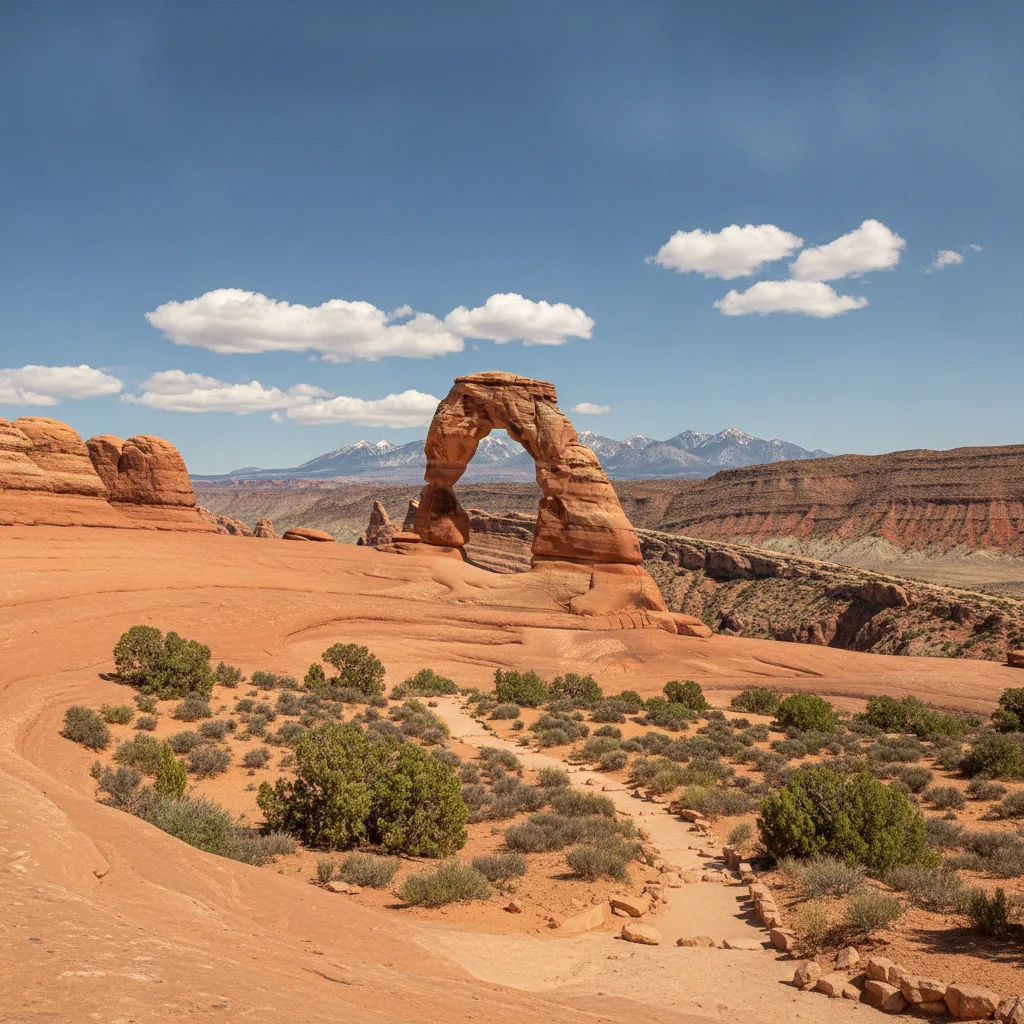
For those wondering, "is Stargazing at Arches National Park worth visiting?", our answer is an unequivocal yes. The park's relative isolation from urban light pollution means that the naked eye can behold a wealth of stars, far more than what's visible in most populated areas. On a clear, moonless night, you might even spot the rings of Saturn with common binoculars. The dramatic geological formations provide stunning foregrounds for astrophotography, making it a world-class destination for photographers and astronomy enthusiasts alike. The opportunity to witness the Milky Way arching over iconic structures like Delicate Arch or Balanced Rock is a profound and unforgettable experience.
Beyond the celestial show, visiting at night also offers a different perspective on the park's famous landmarks, often with fewer crowds than during peak daylight hours. The National Park Service actively encourages after-hours visits to this International Dark Sky Park. This unique blend of geological wonder and astronomical splendor makes Stargazing at Arches National Park an essential stop on any Utah itinerary.
Who It's Best For
Stargazing at Arches National Park caters to a diverse range of visitors, from casual observers to dedicated astrophotographers. It's an ideal destination for:
- Astronomy Enthusiasts: With its Bortle Class 2 rating (indicating excellent dark skies), Arches is a prime location for serious stargazers seeking to observe deep-sky objects and constellations.
- Photographers: The unique rock formations offer unparalleled opportunities for astrophotography, providing dramatic natural foregrounds for capturing the Milky Way, star trails, and meteor showers.
- Families with Older Children: While younger children might find late nights challenging, older kids and teenagers will be captivated by the sheer number of stars visible and can learn about constellations and celestial phenomena. We recommend checking out ranger-led astronomy programs for an even more informative experience.
- Couples: The serene and awe-inspiring nightscapes create an incredibly romantic setting.
- Solo Travelers: For those seeking solitude and a profound connection with nature, the quietude of the park after dark is truly special.
- Anyone Seeking a Unique Experience: Even if you're not an avid astronomer, the chance to see a truly dark sky filled with stars is a rare and moving experience that we believe everyone should witness.
It's important to note that while the park is open 24 hours a day, visitors should be prepared for cooler temperatures at night, even in summer, and always bring appropriate gear and lighting.
Getting There & Parking
To experience Stargazing at Arches National Park, you'll first need to reach the park entrance, located just 5 miles (8 km) north of Moab, Utah, along U.S. Highway 191. The drive from Moab is straightforward, making it an accessible evening excursion from town.
For 2026, the National Park Service has removed the timed-entry reservation requirement for general park access, which was in effect from 2022-2025. This means you can now enter the park at any time during operating hours without a specific arrival window. However, this flexibility does not mean the absence of crowds, especially during peak seasons (March through October). To avoid potential entrance lines and ensure parking availability, particularly during busy periods, we strongly recommend arriving before 8:00 AM or after 3:00 PM.
The standard entrance fee for Arches National Park is $30 per vehicle, valid for 7 days, covering all passengers in a vehicle holding 15 or fewer people. Motorcycle passes are $25, and per-person entry (on foot or bike) is $15. America the Beautiful Annual Passes are honored and cover the entrance fee. You can purchase your pass at the entrance station or in advance at Recreation.gov.
Regarding parking for stargazing, while the park is open 24 hours, parking is limited at all destinations and popular trailheads like Delicate Arch and Devils Garden can fill up for hours, particularly on weekends and holidays. For stargazing, popular spots include Panorama Point, Balanced Rock, and the Garden of Eden parking area. Remember that white lights from flashlights, cell phones, or vehicle headlights can impair night vision, so using a red-light headlamp or flashlight is highly recommended to protect your own and others' night vision. When considering how to get to Stargazing at Arches National Park, plan for these details to ensure a smooth and enjoyable experience.
Top Things to Do
While the primary draw is the incredible celestial show, there are many things to do at Stargazing at Arches National Park that enhance the overall experience. Our team recommends focusing on these activities to make the most of your visit:
- Witness the Milky Way: The galactic core is most visible from March through October, with peak visibility between June and August. Seek out areas with wide-open horizons like Panorama Point, Balanced Rock, or the Garden of Eden for the best views.
- Astrophotography: Arches is considered one of the best astrophotography locations globally. Capture star trails over iconic formations, or the Milky Way arching above Delicate Arch or Landscape Arch. Remember your tripod and a red-light headlamp.
- **Stargazing at Arches National Park hiking trails:** Many of the park's trails offer unique perspectives for night sky viewing. Easy, short hikes to popular arches are excellent for nighttime exploration. Consider the Windows Section (North Window, South Window, Turret Arch, Double Arch) or Balanced Rock for relatively flat, accessible paths that offer dramatic silhouettes against the night sky. The trail to Landscape Arch in Devils Garden is another fantastic option, with its impressive span. For a more challenging but rewarding experience, the hike to Delicate Arch at night is unforgettable, though it requires careful planning and appropriate gear. Always stay on designated trails to protect the fragile desert crust.
- Ranger-Led Astronomy Programs: Check the visitor center for schedules of ranger-led stargazing events, which typically occur during spring and fall around the new moon. These programs offer valuable insights into the night sky.
- Identify Constellations and Planets: Bring a star chart or use a stargazing app to identify constellations, planets, and other celestial objects. Under Arches' dark skies, many more are visible than in urban areas.
- Enjoy the Serenity: Beyond specific sights, simply finding a quiet spot, lying back, and soaking in the vastness of the universe is one of the most profound things to do at Stargazing at Arches National Park. The silence and scale are truly humbling.
Remember to dress in layers, as desert nights can be surprisingly cool, even after hot days. Bring plenty of water, as there are limited water sources within the park, and stay hydrated.
Best Time to Visit
Choosing the best time to visit Arches National Park for stargazing involves balancing dark sky conditions with comfortable temperatures and crowd levels. The park is open year-round, 24 hours a day, offering opportunities in every season.
- For the Darkest Skies (New Moon): The absolute best time for stargazing is during the new moon phase, when the moon's light doesn't interfere with fainter stars and the Milky Way. Check moon phase calendars when planning your trip.
- Milky Way Visibility (Spring through Fall): The Milky Way is visible from spring through fall on clear nights. The galactic core, which is the brightest and most spectacular part, is best seen from March through October, with peak visibility between June and August. In September, the Milky Way can be seen as early as 9 PM, allowing for earlier nights.
- Comfortable Temperatures & Moderate Crowds (Spring & Fall): Spring (March-May) and Fall (September-October) are widely considered the best times to visit overall due to mild daytime temperatures (60-80°F) and cooler evenings, ideal for hiking and stargazing. While still popular, crowds may be more manageable than in summer.
- Summer (June-August): Summer offers the longest daylight hours and excellent Milky Way visibility. However, daytime temperatures can soar above 100°F, making hiking challenging. Crowds are also at their peak. If visiting in summer, we recommend entering the park early in the morning or later in the evening to avoid the heat and congestion.
- Winter (November-February): Winter brings the fewest crowds and the longest, darkest nights, creating excellent opportunities for observing constellations and deep-sky objects. Temperatures can be cold, with freezing nights, so be prepared for winter conditions.
Regardless of when you visit, always check the weather forecast and moon phases before heading out for stargazing. Clear skies are paramount for a rewarding experience.
Where to Stay Nearby
While there is only one campground within Arches National Park, the nearby town of Moab serves as an excellent base for exploring the park and enjoying Stargazing at Arches National Park. Moab, located just 5 miles south of the park entrance, offers a wide range of Arches National Park lodging options to suit every preference and budget.
In-Park Camping: Devils Garden Campground
Devils Garden Campground is the only campground inside Arches National Park, situated about 18 miles from the park entrance. It offers 51 sites (47 standard, 2 RV-designated, 2 group sites) nestled among slickrock outcroppings. Reservations are essential from March 1 through October 31 and can be made up to six months in advance via Recreation.gov. These sites book up extremely quickly, often within minutes for popular spring and fall dates. There are no showers or hookups, so plan for dry camping and bring plenty of water. From November 1 to February 28, sites are first-come, first-served. Staying here offers unparalleled access to the park for early morning hikes and late-night stargazing at Arches National Park.
Moab Hotels & Lodging
Moab provides numerous hotels, motels, and vacation rentals. We recommend considering these options for Stargazing at Arches National Park lodging:
- Close to the Park Entrance: For the shortest drive to the park, especially for early morning or late-night visits, look for hotels on the north end of Moab, near Highway 191. The Fairfield Inn and Suites by Marriott Moab is about 1.7 miles from the entrance, offering convenience and an outdoor pool. Other close options include Aarchway Inn (5 miles) and My Place Hotel-Moab, UT (5 miles).
- Downtown Moab: For walkable access to restaurants, shops, and a lively atmosphere, consider downtown Moab. Options like Best Western Plus Canyonlands Inn or Wolfe's Hotel Moab offer good reviews and central locations.
- Luxury & Unique Stays:
- Moab Springs Ranch: Offers bungalows and townhouses with a quiet vibe, about 5.6 miles from the park entrance.
- Under Canvas Moab: For a glamping experience under the stars, this option provides safari-style tents with amenities on 40 private acres, minutes from the park entrance.
- Sorrel River Ranch Resort & Spa: Located along the scenic Highway 128, about 17 miles from downtown Moab, this resort offers seclusion, river views, and on-property adventure bookings, including astronomy nights.
- Budget-Friendly: Moab Rustic Inn and Bowen Motel are often cited for strong ratings at lower price points, often including complimentary breakfast.
Booking your accommodations in advance, especially for spring and fall, is crucial as Moab gets very busy.
Sample 2-Day Itinerary
To fully immerse yourself in the daytime wonders and nighttime magic of Stargazing at Arches National Park, we recommend a two-day itinerary, allowing for both exploration and dedicated dark sky viewing.
Day 1: Iconic Arches & Sunset Stargazing
- Morning (Pre-8 AM): Enter Arches National Park early to beat the crowds and secure parking. Head straight to the Devils Garden area. Hike the Devils Garden Trail to see Landscape Arch, Pine Tree Arch, and Tunnel Arch. For more adventurous hikers, continue to Double O Arch.
- Late Morning/Early Afternoon: Drive to the Windows Section. Explore North Window, South Window, and Turret Arch. These are relatively short, family-friendly hikes.
- Afternoon: Visit Balanced Rock for an easy, paved loop walk. Head back towards the park entrance, stopping at Park Avenue viewpoint for a scenic overlook.
- Late Afternoon: Exit the park and return to Moab for dinner and to relax.
- Evening (Post-Sunset): Re-enter Arches National Park for stargazing. Head to Panorama Point, Balanced Rock, or the Garden of Eden parking area. These spots offer excellent, wide-open views of the night sky without requiring extensive hiking in the dark. Bring your red-light flashlight, binoculars, and a blanket or chairs. Look for constellations and, if the moon phase is right, the Milky Way.
Day 2: Delicate Arch & Deep Sky Immersion
- Early Morning (Pre-Sunrise): For a truly iconic experience, hike to Delicate Arch for sunrise. This 3-mile round trip hike with a steady incline is challenging but incredibly rewarding as the arch glows with the rising sun. Alternatively, visit the Delicate Arch Viewpoint for a shorter, easier option.
- Late Morning: Explore other areas of the park you may have missed or revisit a favorite spot. Consider a short hike to Sand Dune Arch and Broken Arch, which are particularly fun for families.
- Afternoon: Head out of the park. Consider a visit to nearby Dead Horse Point State Park for stunning canyon views, or explore the town of Moab. You could also embark on an off-road adventure or raft the Colorado River.
- Evening (Post-Sunset, New Moon preferred): For dedicated astrophotographers or serious stargazers, this is your prime night. Re-enter the park and head to a location like Delicate Arch (if you're up for the night hike again) or a more secluded spot in the Devils Garden area for optimal Milky Way photography, especially around a new moon. Allow your eyes 20-30 minutes to adjust to the dark for the best viewing.
Remember that this is a suggested itinerary, and flexibility is key. Always check park conditions, weather forecasts, and moon phases to tailor your visit for the best possible experience. For more extensive planning, consider our USA Road Trip Planner.
Frequently Asked Questions About Stargazing at Arches National Park
Stargazing at Arches National Park camping
The only campground inside Arches National Park is Devils Garden Campground, located 18 miles from the park entrance. It has 51 sites and requires reservations from March 1 to October 31, which often book out months in advance via Recreation.gov. During the off-season (November-February), sites are first-come, first-served. There are no showers or hookups. Many private and BLM (Bureau of Land Management) campgrounds are available outside the park near Moab, offering alternatives if Devils Garden is full.
Things to do in Moab
Moab is an adventure hub offering a wide array of activities beyond Arches National Park. Popular things to do in Moab include mountain biking on slickrock trails, whitewater rafting or calm water paddling on the Colorado River, canyoneering, and off-road tours (e.g., Hell's Revenge). You can also visit nearby Canyonlands National Park, Dead Horse Point State Park, or explore local shops and restaurants.
Stargazing at Arches National Park with kids
Arches National Park is very family-friendly, and stargazing can be a magical experience for kids. We recommend easy, short hikes to arches like Sand Dune Arch (which has a sandy area for play), Double Arch, or the Windows Section, which are great for nighttime exploration. Bring red-light flashlights, snacks, and warm layers. Ranger-led astronomy programs are also excellent for engaging children. For younger children, consider stargazing from a viewpoint close to parking to minimize walking in the dark.
Best hotels near Stargazing at Arches National Park
The best hotels near Stargazing at Arches National Park are primarily located in Moab, just a short drive from the park entrance. Top-rated options for convenience and amenities include Fairfield Inn and Suites by Marriott Moab (1.7 miles from entrance), Aarchway Inn (5 miles), and Hyatt Place Moab (6 miles). For a unique experience, consider glamping at Under Canvas Moab or a secluded stay at Sorrel River Ranch. Moab Springs Ranch is also highly rated for its quiet ambiance and proximity.
Stargazing at Arches National Park tips
Our top tips for Stargazing at Arches National Park include: checking moon phases and aiming for a new moon for the darkest skies; bringing a red-light headlamp or flashlight to preserve night vision; dressing in layers as desert nights can be cool; allowing 20-30 minutes for your eyes to adjust to the dark; bringing binoculars or a telescope for enhanced viewing; and checking the park's website for ranger-led astronomy programs. Always stay on designated trails and be mindful of other visitors' experiences by keeping bright lights pointed down.
Where to stay near Stargazing at Arches National Park
The primary place to stay near Stargazing at Arches National Park is the town of Moab, Utah, located about 5 miles south of the park entrance. Moab offers a variety of hotels, motels, and vacation rentals. For those seeking an in-park experience, Devils Garden Campground is available, though it requires advance reservations for most of the year. Many private and BLM campgrounds are also located just outside Moab. Consider options on the north end of Moab for quickest access to the park, or downtown for more dining and shopping options. We also recommend exploring Bonneville Salt Flats and Antelope Island State Park for other unique Utah experiences.
The Roam States team believes that experiencing the night sky at Arches National Park is an essential travel experience in the American Southwest. The combination of dramatic geology and pristine dark skies creates a truly unique and awe-inspiring environment. Plan your visit around a new moon, bring your red-light gear, and prepare to be amazed by the cosmic wonders above.
Last updated: 2026-07-13 by the Roam States team.