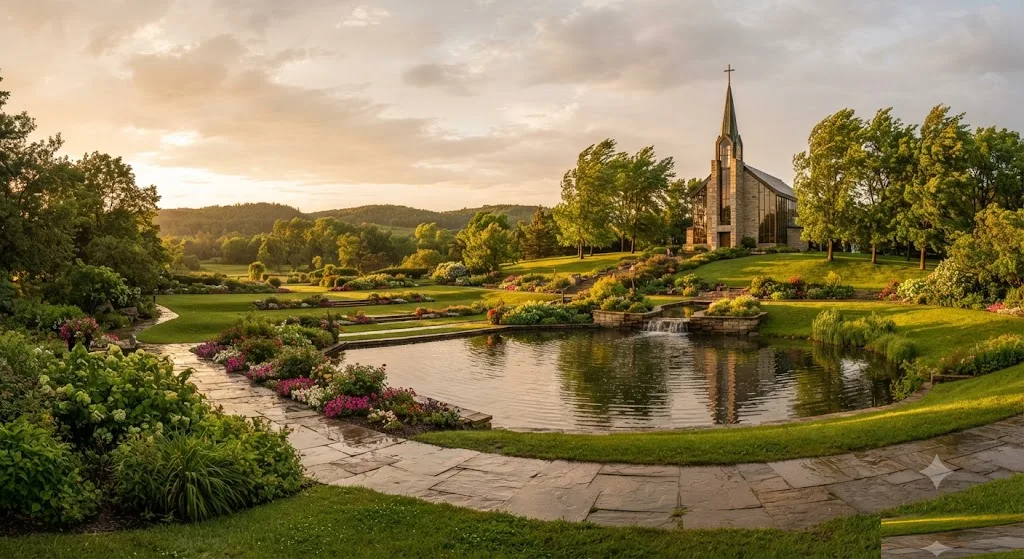
International Peace Garden Travel Guide — North Dakota
Welcome to our comprehensive guide to the International Peace Garden North Dakota. As your independent US travel authority, our team has explored this unique destination to bring you the most confident and specific advice for planning your visit. Nestled in the heart of the Turtle Mountains, straddling the border between North Dakota and Manitoba, Canada, this extraordinary garden stands as a living testament to peace and friendship between two nations. We're here to help you navigate its beauty, understand its significance, and make the most of your trip.
Why Visit International Peace Garden
The International Peace Garden is far more than just a beautiful botanical display; it's a profound symbol of enduring peace and cooperation. We believe it's an incredibly worthwhile destination for travelers seeking both natural beauty and a meaningful experience. Spanning nearly 2,400 acres, the garden offers stunning formal gardens, serene natural landscapes, and a powerful message of unity. It’s a place where you can literally walk between two countries without the formalities of a traditional border crossing within the park itself, fostering a unique sense of connection and freedom.
Beyond its symbolic importance, the International Peace Garden boasts an impressive array of attractions. You'll find meticulously maintained floral displays, including the iconic Floral Clock and the Sunken Garden, which are a feast for the eyes. The newly expanded Conservatory houses the Don Vitko Cacti & Succulents Collection, one of the world's most diverse indoor collections with over 5,000 species, making it a year-round botanical marvel. Whether you're a nature enthusiast, a history buff, or simply looking for a tranquil escape, the International Peace Garden offers a rich and rewarding experience. We find that the blend of natural splendor, educational opportunities, and the overarching theme of peace truly makes the International Peace Garden worth visiting.
Who It's Best For
The International Peace Garden truly offers something for everyone, making it an ideal destination for a diverse range of visitors.
- Families: With the Children's Nature Play Area, expansive grounds for exploration, and opportunities for outdoor activities like kayaking and hiking, families will find plenty to keep all ages engaged. The open spaces provide a wonderful environment for kids to connect with nature.
- Nature Lovers and Garden Enthusiasts: The formal gardens, Sunken Garden, Floral Clock, and the incredible Don Vitko Cacti & Succulents Collection in the Conservatory are a horticultural delight. Birdwatchers and those who appreciate serene landscapes will also find immense joy in the prairie and woodlands.
- History Buffs and Peace Advocates: The garden's founding principles, the 9/11 Memorial, the Peace Chapel, and the Dedication Cairn offer profound historical and symbolic significance. It's a powerful reminder of international cooperation.
- Outdoor Adventurers: Over 2,400 acres provide ample space for hiking, biking, and even cross-country skiing and snowshoeing in winter. Lake Storman offers opportunities for canoeing and kayaking, with rentals available.
- Cross-Border Travelers: For those interested in a unique international experience, the ability to freely move between the US and Canadian sides of the garden within the park boundaries is a distinct draw, though customs procedures are required upon exiting.
Our team finds that the tranquil atmosphere and diverse attractions cater to anyone seeking a peaceful retreat or an enriching educational journey.
Getting There & Parking
The International Peace Garden is strategically located on the border between North Dakota (USA) and Manitoba (Canada), specifically accessible via US Highway 281 in North Dakota or Manitoba Highway 10 in Canada. When planning how to get to International Peace Garden, it's crucial to remember that while you can move freely within the garden itself, you will pass through customs upon *exiting* the park into either country. Therefore, proper identification is essential. For US and Canadian citizens, a passport or a government-issued ID with a copy of your birth certificate is required. A Nexus Card is also preferred, and minors need a birth certificate.
The physical address for the US side is 10939 Highway 281, Dunseith, ND 58329. We recommend checking current border wait times if you plan to enter from one country and exit into the other, although the Peace Garden border crossings are generally less busy than major ports of entry.
Regarding parking, ample space is available on-site for visitors, including designated areas for buses and motor coaches. There are no separate parking fees beyond the general admission fee for the garden itself. We found the parking facilities to be well-maintained and easily accessible to the main attractions.
Top Things to Do
When you visit the International Peace Garden, you'll discover a wealth of activities and sights that celebrate both nature and the spirit of peace. Here are some of the top things to do at International Peace Garden:
- Explore the Formal Gardens: These meticulously landscaped areas are the heart of the garden, featuring vibrant floral displays, fountains, and the iconic Floral Clock, which plants over 150,000 flowers annually. The Sunken Garden is another highlight, offering a serene and picturesque setting.
- Visit the Conservatory & Don Vitko Cacti & Succulents Collection: This impressive, newly expanded indoor space houses one of the world's most diverse collections of cacti and succulents, with over 5,000 species. It's a fantastic year-round attraction, especially welcome during cooler weather.
- Reflect at the 9/11 Memorial: A poignant memorial featuring structural remains from the World Trade Center offers a powerful space for remembrance and reflection on peace.
- Discover the Peace Chapel and Dedication Cairn: These foundational elements symbolize the garden's mission of peace and friendship between nations.
- Enjoy Outdoor Recreation: The expansive grounds are perfect for leisurely strolls, picnics, or more active pursuits. You can rent kayaks or canoes to explore Lake Storman, or simply relax by the water.
- Hike and Bike the Trails: The International Peace Garden offers numerous opportunities for hiking and biking, allowing you to immerse yourself in the natural beauty of the Turtle Mountains. These trails wind through forests and prairies, providing scenic views and a chance to spot local wildlife.
- Visit the Children's Nature Play Area: Designed to inspire curiosity and discovery, this area encourages young explorers to engage with the natural world through themed play.
- Browse the Gift Shop and Cafe: Pick up souvenirs, local art, and collectibles at the gift shop, and grab a meal or snack at the on-site cafe (check seasonal hours).
These are just some of the many things to do at International Peace Garden, ensuring a memorable visit for all.
Best Time to Visit
The International Peace Garden is a year-round destination, but the "best" time to visit largely depends on your interests.
- Summer (June-August): This is peak season for a reason. The formal gardens are in full bloom, with over 100,000 flowers creating a spectacular display. The weather is generally warm and pleasant, ideal for outdoor activities like hiking, biking, and kayaking. The cafe and gift shop operate at full hours. Events like the International Music Camp also take place during the summer months.
- Spring (May) and Fall (September-October): These shoulder seasons offer a quieter experience with fewer crowds. In spring, the early blooms emerge, and wildlife activity increases. Fall brings stunning autumn foliage to the Turtle Mountains, creating a beautiful backdrop for your visit. While some outdoor amenities might have reduced hours, the Conservatory remains a vibrant indoor attraction.
- Winter (November-April): Don't discount a winter visit! The garden transforms into a serene wonderland, perfect for cross-country skiing and snowshoeing on the grounds. The Conservatory provides a warm escape to tropical flora, and rental cabins are available for a cozy stay.
Our team finds that for the most vibrant floral displays and a full range of outdoor activities, late June through August is the best time to visit International Peace Garden. However, if you prefer tranquility and unique seasonal beauty, the shoulder seasons or even winter can be incredibly rewarding.
Where to Stay Nearby
While the International Peace Garden offers a tranquil escape, there are several lodging options both within the garden and in nearby communities.
International Peace Garden Camping & Cabins
For those who wish to fully immerse themselves in the natural beauty, the International Peace Garden camping facilities are an excellent choice. The garden offers 36 unique campground sites for both tent and RV camping, with options for electrical and water hookups. These sites are nestled among aspen and oak trees, providing a sense of privacy. Amenities include showers, restrooms, fire pits, and available firewood. Pets are welcome on a leash. Camping season for tents and RVs typically runs from May 15 to September 30, and reservations are encouraged, though walk-ins are permitted if space allows.
For a cozier stay, the International Peace Garden also offers cabin rentals, though these are primarily available during the off-peak season, from October to May. These fully equipped cabins offer a comfortable base for exploring the winter trails and enjoying the peaceful surroundings.
Nearby Towns
If you prefer hotel accommodations or a wider range of dining options, the closest towns offer convenient choices.
- Dunseith, North Dakota: Just a short drive from the garden, Dunseith offers basic services and a few local accommodations.
- Bottineau, North Dakota: Located about 20-30 minutes east of the Peace Garden, Bottineau is a larger community with more hotel options, restaurants, and local shops.
- Boissevain, Manitoba, Canada: If you're entering from the Canadian side or planning to explore Manitoba, Boissevain is a charming town just north of the border with accommodation and dining choices.
For those looking to extend their North Dakota adventure beyond the Peace Garden, consider exploring other unique destinations. We highly recommend a visit to Theodore Roosevelt National Park for its stunning badlands, or driving the quirky Enchanted Highway. For more options throughout the state, check out our guide to Best places in North Dakota.
Sample 2-Day Itinerary
To truly experience the breadth and beauty of the International Peace Garden, we recommend dedicating at least two days. This allows for a relaxed pace and time to explore both the formal gardens and the natural areas.
Day 1: Formal Gardens & Cultural Immersion
- Morning (9:00 AM - 12:00 PM): Arrive at the International Peace Garden. Purchase your day pass ($12 per person for 2026, children 5 and under free). Begin your exploration with the iconic Formal Gardens, including the Floral Clock and the Sunken Garden. Take your time to admire the intricate designs and vibrant blooms.
- Lunch (12:00 PM - 1:00 PM): Enjoy a meal at the on-site Peace Garden Cafe (open M, Tu, W: 11 am – 4 pm; Th, F, Sa, Su: 9 am – 4 pm) or pack a picnic to enjoy at one of the designated picnic areas.
- Afternoon (1:00 PM - 4:00 PM): Head to the Conservatory & Interpretive Center to explore the impressive Don Vitko Cacti & Succulents Collection. After, visit the Peace Chapel, the Dedication Cairn, and the poignant 9/11 Memorial.
- Late Afternoon (4:00 PM - 6:00 PM): Browse the Gift Shop for souvenirs and local crafts. If time permits, take a leisurely stroll around Lake Storman or rent a kayak for a paddle.
- Evening: Check into your campsite or nearby accommodation. Enjoy a campfire if camping, or dine at a local restaurant in Dunseith or Bottineau.
Day 2: Nature, Recreation & Reflection
- Morning (9:00 AM - 12:00 PM): Dedicate your morning to exploring the natural side of the garden. Hit some of the International Peace Garden hiking trails or bring your bikes to explore the extensive network. The 2,400 acres offer plenty of opportunities for immersion in the Turtle Mountain landscape.
- Lunch (12:00 PM - 1:00 PM): Enjoy another picnic amidst nature or revisit the cafe.
- Afternoon (1:00 PM - 3:00 PM): Visit the Children's Nature Play Area if traveling with kids, or explore any areas you missed on Day 1. Consider visiting the North American Game Warden Museum, also located within the garden.
- Late Afternoon (3:00 PM onwards): Before departing, take one last moment of reflection at the heart of the garden, appreciating its unique mission.
Last updated: 2026-07-08 by the Roam States team.