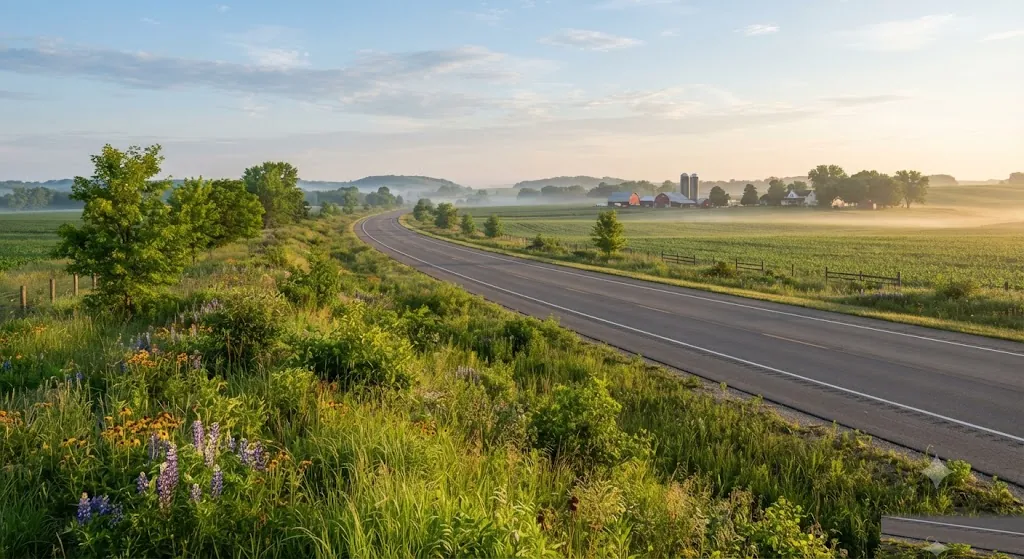
Our Iowa's Living Roadways Boulevard guide covers practical planning for Iowa's Living Roadways Boulevard Iowa — best time to visit, getting there, and what to do on the ground.
For those seeking to truly understand the heartland's unique blend of natural beauty and cultural heritage, a journey along Iowa's Living Roadways Boulevard Iowa offers an unparalleled experience. This isn't a single, monolithic road, but rather a visionary program dedicated to enhancing the aesthetic, ecological, and cultural value of Iowa's vast network of public roadways. Through strategic plantings of native vegetation, development of pollinator habitats, and the creation of interpretive signage, the Iowa Department of Transportation (DOT), in partnership with organizations like Trees Forever and Iowa State University Extension and Outreach, transforms ordinary drives into extraordinary explorations. We're here to guide you through this expansive and evolving landscape, ensuring your trip is as enriching as it is scenic.
Why Visit Iowa's Living Roadways Boulevard
Is Iowa's Living Roadways Boulevard worth visiting? Absolutely. This isn't just about getting from point A to point B; it's about the journey itself. The program's commitment to integrated roadside vegetation management (IRVM) means you'll witness a diverse tapestry of native wildflowers, grasses, and trees that change with the seasons, offering vibrant displays of color and supporting local wildlife. Beyond the visual appeal, these living roadways tell a story. Interpretive signage, often developed through community visioning programs, highlights local history, ecological significance, and cultural landmarks, transforming a simple drive into an educational adventure. We recommend it for anyone looking to connect with Iowa's authentic character, explore its varied landscapes, and appreciate the thoughtful efforts to preserve and enhance its natural heritage.
Visiting Iowa's Living Roadways Boulevard offers a chance to see Iowa beyond the interstates. It provides a slower, more immersive travel experience, allowing you to discover charming small towns, historic sites, and natural wonders that might otherwise be overlooked. The program’s focus on sustainability also means you're supporting an initiative that benefits the environment, from improving water quality to providing crucial habitats for pollinators.
Who It's Best For
Iowa's Living Roadways Boulevard is ideal for a wide range of travelers. Road trip enthusiasts will find endless opportunities to explore, with scenic byways forming the backbone of this enhanced network. Nature lovers and birdwatchers will appreciate the carefully cultivated native habitats and the wildlife they attract. History buffs and culture seekers will enjoy the interpretive signage and the chance to delve into the stories of Iowa's communities. Families looking for educational and engaging drives will find plenty to spark curiosity, especially when combining drives with stops at local attractions. Even solo adventurers seeking quiet contemplation amidst beautiful scenery will find solace on these routes. It's truly for anyone who appreciates the journey as much as the destination and seeks a deeper connection with the places they visit.
The program often involves smaller Iowa communities, particularly those with populations under 10,000 residents, empowering them to develop transportation enhancement plans for their local landscapes, including streetscapes, trails, and entrance corridors. This means travelers will often encounter thoughtfully designed community spaces and welcoming small towns, making it perfect for those who prefer off-the-beaten-path exploration over bustling tourist hubs.
Getting There & Parking
When planning how to get to Iowa's Living Roadways Boulevard, it's important to remember that this is a statewide initiative, not a single location. The "boulevard" encompasses numerous scenic byways and community enhancement projects across Iowa. Your starting point will depend on which part of Iowa you wish to explore. Iowa is well-served by major interstates like I-35 and I-80, which provide access to various regions where Living Roadways projects are underway or where scenic byways offer enhanced experiences. For example, the Amana Colonies are accessible via the Iowa Valley Scenic Byway, while the Bridges of Madison County can be reached via routes that may benefit from Living Roadways enhancements.
Once you've chosen a specific scenic byway or community to visit, navigating is straightforward. We recommend using the official Iowa Byways Travel Guide, available from Travel Iowa, which includes maps and details about each route. GPS navigation will also be essential for specific points of interest. As for Iowa's Living Roadways Boulevard parking, since you'll be traveling public roads, parking is generally available at designated overlooks, trailheads, state parks, and within the towns you visit. Always look for marked parking areas and respect local regulations. For attractions like state parks or museums, specific parking lots will be provided. Most small towns will have ample street parking or public lots near their main streets and enhanced areas.
There are no centralized fees for accessing the Living Roadways network itself, as it primarily utilizes public roads. However, individual attractions, state parks, or private businesses along the routes may have their own entrance fees or parking charges. We advise checking the specific websites of any destinations you plan to visit for the most current information on fees and hours for 2026.
Top Things to Do
Exploring Iowa's Living Roadways Boulevard means immersing yourself in the diverse landscapes and vibrant communities that define the state. There are countless things to do at Iowa's Living Roadways Boulevard, as the program enhances existing routes and destinations. Our team recommends focusing on a blend of scenic drives and stops at key attractions to fully appreciate the experience. Here are some of our top picks:
Scenic Drives & Roadside Beauty
- Drive the Loess Hills National Scenic Byway: This byway, a jewel in the Iowa's Living Roadways crown, offers extraordinary views of prairie and forest-covered bluffs, narrow ridges, and rolling hills in western Iowa. It's a prime example of the natural beauty enhanced by the program's focus on native vegetation.
- Explore the Great River Road National Scenic Byway: Following the mighty Mississippi River along Iowa’s eastern border, this All-American Road provides world-class vistas, charming river towns, and magnificent limestone bluffs. Look for enhanced overlooks and interpretive signs that highlight the river's ecological and historical significance.
- Discover the Historic Hills Scenic Byway: Wind through southeast Iowa, passing through state forests and the picturesque villages of Van Buren County. This byway, formerly known as the Woodlands Scenic Byway, showcases the state's rich history and natural beauty.
- Visit Community Visioning Towns: Seek out communities that have participated in the Iowa's Living Roadways Community Visioning Program. Towns like Albion, Dumont, Farmington, Kalona, Lake Mills, Murray, Sioux Rapids, and Volga were selected for the 2026 program year. These towns often feature enhanced streetscapes, new trails, and welcoming entrance corridors, offering a glimpse into how the program directly benefits local residents and visitors alike.
Things to Do in Statewide Iowa & Along the Routes
Beyond the drives themselves, the Living Roadways connect you to some of Iowa's most cherished destinations. Here are more things to do at Iowa's Living Roadways Boulevard and throughout the state:
- Step Back in Time at the Amana Colonies: A National Historic Landmark, these seven villages offer a unique glimpse into communal living, with traditional German cuisine, crafts, and architecture. The Iowa Valley Scenic Byway passes through this area, making it a perfect stop.
- Visit the American Gothic House: See the iconic farmhouse that served as the backdrop for Grant Wood's famous painting in Eldon. It’s a quintessential Iowa photo opportunity.
- Ride the Boone & Scenic Valley Railroad: Experience a historic train ride through the scenic Des Moines River Valley near Boone. Check their 2026 schedule and ticket prices on their official website for excursions.
- Explore the Bridges of Madison County: Discover the charming covered bridges that gained international fame. These picturesque structures are often nestled in rural landscapes that embody the spirit of the Living Roadways.
- Reflect at the Surf Ballroom in Clear Lake: A historic rock and roll landmark, famous as the site of Buddy Holly's last concert. Check for 2026 concert schedules and museum hours.
- Hike at Effigy Mounds National Monument: Witness ancient Native American burial mounds shaped like animals, offering stunning views of the Mississippi River. The monument is generally open daily from dawn to dusk, with the visitor center operating specific hours. Entrance is free.
- Ascend the Fenelon Place Elevator in Dubuque: The shortest, steepest scenic railway in the world provides panoramic views of the Mississippi River and three states. As of 2026, the elevator typically operates from April 1 to November 30, 8 AM to 10 PM daily, weather permitting. Round-trip fare is usually a few dollars.
- Relive a Classic at the Field of Dreams Movie Site: Play catch on the iconic baseball diamond in Dyersville. The field is typically open daily from 9 AM to 6 PM, with free admission. Special events or tours may have associated costs.
- Marvel at the Grotto of the Redemption: Located in West Bend, this is the largest grotto in the world, featuring nine separate grottos adorned with precious stones and gems. It's open year-round, 24/7, with free admission, though donations are welcome.
- Visit the Herbert Hoover National Historic Site: Explore the birthplace and presidential library of America's 31st president in West Branch. The grounds are open daily from dawn to dusk, and the museum/library typically operates from 9 AM to 5 PM, with an entrance fee for the museum.
- Bike the High Trestle Trail Bridge: A stunning pedestrian and bike bridge with a unique architectural design, especially beautiful at night when illuminated. Access to the trail and bridge is free and open year-round.
- Tour the Iowa State Capitol: Admire the impressive architecture and golden dome of the capitol building in Des Moines. Guided tours are typically available on weekdays.
- Relax at Lake Okoboji & the Great Lakes: Enjoy water sports, beaches, and amusement parks in Iowa's popular northern lake region.
- Hike the sandstone cliffs at Ledges State Park: Explore scenic trails and unique geological formations near Madrid. The park is open year-round from 4 AM to 10:30 PM. A valid Iowa state park permit may be required for vehicle entry, typically around $5 for a day pass or $20 for an annual pass in 2026.
- Discover the caves at Maquoketa Caves State Park: Explore a fascinating network of caves, cliffs, and trails. The park is open year-round from 4 AM to 10:30 PM. Cave access may be restricted seasonally or require a permit for certain areas. A state park permit may be required for vehicle entry.
- Immerse yourself in history at the National Mississippi River Museum & Aquarium: Located in Dubuque, this institution offers engaging exhibits on the Mississippi River's history and ecology. As of 2026, general admission is typically around $20-25 for adults, with varying hours depending on the season.
- Stroll through Pappajohn Sculpture Park: Enjoy a collection of modern sculptures in downtown Des Moines. The park is open daily from sunrise to midnight, with free admission.
- Take in panoramic views at Pikes Peak State Park: Overlooking the Mississippi River near McGregor, this park offers stunning vistas and hiking trails. The park is open year-round from 4 AM to 10:30 PM. A state park permit may be required for vehicle entry.
- Wander through Reiman Gardens: Located in Ames, these beautiful botanical gardens offer diverse plant collections and a butterfly wing. As of 2026, admission is typically around $10-15 for adults, with specific seasonal hours.
- Drive (or walk) Snake Alley: Known as the "most crooked street in the world," this unique brick street in Burlington is a fun, quick stop. It's a public street, accessible 24/7.
Best Time to Visit
The best time to visit Iowa's Living Roadways Boulevard largely depends on what you want to experience. Each season offers a distinct charm:
- Spring (April-May): This is an excellent time for witnessing the initial bloom of native wildflowers and trees. The landscapes are fresh and green, and migratory birds are abundant. Temperatures are generally mild, making it pleasant for driving and light hiking. However, spring can also bring unpredictable weather, including rain.
- Summer (June-August): Summer brings lush greenery and the full vibrancy of roadside plantings, especially pollinator habitats. This is ideal for enjoying outdoor activities, visiting lakes, and attending local festivals in the communities along the routes. Be prepared for warmer temperatures and potential humidity.
- Fall (September-October): Our team considers fall to be one of the most spectacular times to visit. The foliage throughout Iowa's Living Roadways transforms into a breathtaking palette of reds, oranges, and golds. The crisp air is perfect for scenic drives and exploring charming towns. This is a popular time, so plan accommodations accordingly.
- Winter (November-March): While colder, winter offers a serene and stark beauty, especially after a fresh snowfall. The absence of foliage reveals unique geological features, and some areas offer opportunities for cross-country skiing or snowshoeing. Many indoor attractions remain open, but some smaller, seasonal businesses along the routes may be closed. Always check road conditions before heading out in winter.
For optimal weather and vibrant scenery, we generally recommend late spring or early fall. The Living Roadways program is designed to enhance the landscape year-round, but these seasons truly highlight the efforts in roadside beautification and ecological restoration.
Where to Stay Nearby
Finding comfortable Iowa's Living Roadways Boulevard lodging is key to a successful trip, and options abound across the state, ranging from charming bed and breakfasts in historic towns to modern hotels in larger cities. Since the "boulevard" is a network, your lodging choices will depend on which specific scenic byway or cluster of communities you plan to explore.
- Historic Town Inns & B&Bs: Many of the small towns that participate in the Living Roadways Community Visioning program, or are located along scenic byways, offer quaint and historic lodging options. These often provide a more personalized experience and immerse you in the local culture. Consider towns like Decorah, Amana, or Bentonsport for unique stays.
- Mid-Sized City Hotels: For those who prefer more amenities and dining options, mid-sized cities like Dubuque, Cedar Rapids, Ames, or Des Moines serve as excellent hubs. From these cities, you can easily access several different scenic byways and Living Roadways projects. You'll find a range of chain hotels, boutique hotels, and extended-stay options.
- State Park Cabins & Campgrounds: For a more nature-focused experience, many of Iowa's state parks, often located along or near scenic routes, offer cabins or camping facilities. This allows you to fully enjoy the natural beauty enhanced by the Living Roadways program. Be sure to book well in advance, especially for 2026, as these can fill up quickly.
- Vacation Rentals: Platforms like Airbnb and Vrbo offer a growing selection of vacation rentals, from cozy cottages in rural settings to apartments in revitalized downtown areas. This can be a great option for families or groups seeking more space and a home-away-from-home feel.
When searching for Iowa's Living Roadways Boulevard lodging, consider the specific byways or attractions you prioritize. For example, if you plan to explore the Loess Hills, look for accommodations in communities like Onawa or Council Bluffs. If the Great River Road is your focus, consider towns such as Dubuque, Clinton, or Burlington. Always book your accommodations in advance, especially during peak travel seasons, to secure the best options and rates.
Sample 2-Day Itinerary
This sample itinerary focuses on a portion of eastern Iowa, combining scenic drives along enhanced routes with visits to key attractions, giving you a taste of Iowa's Living Roadways Boulevard Iowa experience.
Day 1: River Bluffs & Historic Charm
- Morning (9:00 AM): Begin your journey in Dubuque, a historic city on the Mississippi River. Start with a ride on the Fenelon Place Elevator for panoramic views of the river and the city. As of 2026, the elevator typically operates from April 1 to November 30, 8 AM to 10 PM daily, weather permitting. Round-trip fare is usually a few dollars. Afterward, explore the National Mississippi River Museum & Aquarium, which typically opens at 9 AM with adult admission around $20-25.
- Late Morning/Lunch (12:00 PM): Enjoy lunch at one of Dubuque's riverside restaurants.
- Afternoon (1:30 PM): Embark on a scenic drive along a portion of the River Bluffs Scenic Byway, heading north from Dubuque. This route offers stunning views of the Mississippi River Valley, showcasing the natural beauty that the Living Roadways program aims to preserve and enhance.
- Late Afternoon (3:30 PM): Stop at Pikes Peak State Park near McGregor. Hike to the overlooks for breathtaking vistas of the confluence of the Wisconsin and Mississippi Rivers. The park is open from 4 AM to 10:30 PM. A state park permit may be required for vehicle entry, costing around $5 for a day pass in 2026.
- Evening: Continue your drive to a charming small town along the byway for dinner and Iowa's Living Roadways Boulevard lodging. Consider staying in Decorah for its vibrant downtown and local breweries.
Day 2: Caves, Colonies & Countryside
- Morning (9:00 AM): Head south to Maquoketa Caves State Park. Spend the morning exploring the unique cave formations and scenic trails. The park is open from 4 AM to 10:30 PM. Cave access may be restricted seasonally, so check their website for 2026 updates. A state park permit may be required for vehicle entry.
- Late Morning (11:30 AM): Drive west towards the Amana Colonies, a National Historic Landmark. This drive will take you through rural Iowa landscapes, offering glimpses of the agricultural heartland and potentially areas enhanced by Living Roadways initiatives.
- Lunch (1:00 PM): Enjoy a traditional German-inspired lunch in one of the Amana Colonies.
- Afternoon (2:30 PM): Spend the afternoon exploring the seven Amana villages, browsing artisan shops, visiting museums, and sampling local wines or beers. The villages are generally open to visitors year-round, with individual shop hours varying.
- Late Afternoon (5:00 PM): Conclude your trip by driving towards Des Moines or Cedar Rapids, depending on your departure plans. This route will showcase more of Iowa's diverse countryside, leaving you with lasting memories of your journey along Iowa's Living Roadways Boulevard.
Frequently Asked Questions
Iowa's Living Roadways Boulevard with kids
Traveling Iowa's Living Roadways Boulevard with kids offers numerous opportunities for engaging and educational experiences. We recommend incorporating stops at state parks like Maquoketa Caves State Park or Ledges State Park for hiking and exploration. The National Mississippi River Museum & Aquarium in Dubuque is also a fantastic interactive stop for all ages. Look for interpretive signage along scenic byways, which can spark conversations about local history and ecology. Many small towns along the routes have playgrounds or local parks for kids to burn off energy. The Field of Dreams Movie Site is a magical experience for families, and the Boone & Scenic Valley Railroad offers a fun train ride. Pack snacks, drinks, and car games, and plan for frequent stops to keep young travelers happy and engaged.
Best hotels near Iowa's Living Roadways Boulevard
The best hotels near Iowa's Living Roadways Boulevard depend on your chosen route. For a blend of history and comfort, consider boutique hotels or bed and breakfasts in cities like Dubuque, which offers options like Hotel Julien Dubuque, or in charming towns like Decorah. If you're exploring central Iowa, Ames and Des Moines provide a wide array of chain hotels and upscale accommodations. For a unique experience, look into cabins or lodges within state parks such as Ledges State Park or Maquoketa Caves State Park, though these require advance booking, especially for 2026. Always check reviews and amenities to find the best fit for your travel style and budget when planning your Iowa's Living Roadways Boulevard lodging.
Iowa's Living Roadways Boulevard tips
Our top Iowa's Living Roadways Boulevard tips include planning your route in advance, as it's a network rather than a single destination. Utilize the official Iowa Byways Travel Guide and online resources from Travel Iowa to identify scenic routes and points of interest. Allow ample time for spontaneous stops at overlooks, small towns, and local attractions. Pack a camera to capture the diverse landscapes and unique roadside enhancements. Bring snacks, water, and a full tank of gas, especially when venturing onto more rural byways. Check the weather forecast before you go, as conditions can change quickly. Most importantly, drive slowly, enjoy the scenery, and be respectful of local communities and wildlife.
Where to stay near Iowa's Living Roadways Boulevard
When deciding where to stay near Iowa's Living Roadways Boulevard, consider the specific regions or scenic byways you intend to explore. For instance, if you're focusing on eastern Iowa's Great River Road, cities like Dubuque or Burlington offer excellent hotel choices. For the Loess Hills in western Iowa, Council Bluffs or smaller towns like Onawa provide convenient Iowa's Living Roadways Boulevard lodging. Many state parks also offer cabins or camping, providing direct access to nature. Alternatively, charming bed and breakfasts can be found in many of the small communities that have benefited from the Living Roadways Community Visioning program, offering a more intimate experience of local culture. We always recommend booking accommodations in advance, particularly during peak travel seasons.
Iowa's Living Roadways Boulevard parking
Iowa's Living Roadways Boulevard parking is generally straightforward as you'll be traveling on public roads and visiting various towns and attractions. There are no specific parking fees for the overall "boulevard" itself. You'll find ample parking at state parks, scenic overlooks, trailheads, and within the communities you visit. In smaller towns, street parking is usually readily available. For specific attractions like museums or historic sites, dedicated parking lots are typically provided. Always observe posted parking signs and regulations, especially in urban areas or during special events, to ensure a smooth and hassle-free experience.
Best time to visit Iowa's Living Roadways Boulevard
The best time to visit Iowa's Living Roadways Boulevard for our team is during the fall (September-October) when the state's diverse foliage transforms into a stunning display of autumn colors. The mild temperatures and crisp air create ideal conditions for scenic drives and outdoor exploration. Spring (April-May) is another excellent choice, offering vibrant green landscapes and the bloom of native wildflowers, along with abundant migratory bird activity. Summer (June-August) provides warm weather perfect for outdoor activities and local festivals, while winter (November-March) offers a serene, snow-covered beauty for those who appreciate quieter, starker landscapes. Ultimately, the ideal time depends on your personal preferences for scenery and activities.
Last updated: 2026-07-13 by the Roam States team.