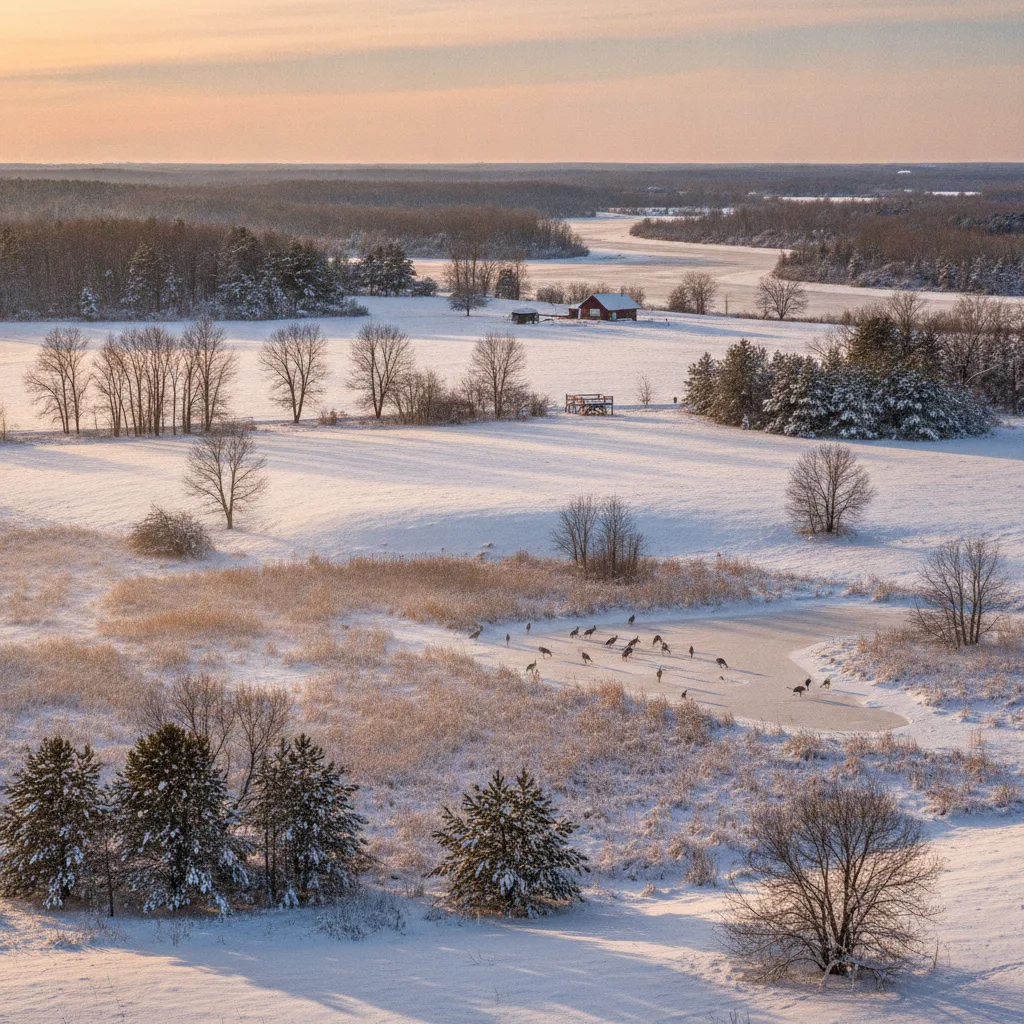
Our Jasper-Pulaski Fish and Wildlife Area guide covers practical planning for Jasper-Pulaski Fish and Wildlife Area Indiana — best time to visit, getting there, and what to do on the ground. We’ve distilled our team’s extensive travel insights and verified 2026 facts to bring you the definitive resource for experiencing this unique Hoosier gem.
The Jasper-Pulaski Fish and Wildlife Area Indiana stands as a testament to successful conservation, a sprawling natural sanctuary that draws visitors from across the globe, especially during its spectacular fall sandhill crane migration. For our team, it represents the very best of Indiana's wild landscapes, offering a profound connection to nature that’s increasingly rare. Located in the northwestern part of the state, this area is meticulously managed by the Indiana Department of Natural Resources (DNR) to provide diverse habitats for a wide array of wildlife, making it a premier destination for birdwatchers, photographers, and nature enthusiasts alike.
Why Visit Jasper-Pulaski Fish and Wildlife Area
We believe that Jasper-Pulaski Fish and Wildlife Area offers an unparalleled natural experience, distinguishing itself as a vital ecological hotspot in the Midwest. The primary draw, without question, is the breathtaking annual migration of tens of thousands of sandhill cranes. From late October through early December, these magnificent birds descend upon the area's wetlands and agricultural fields, creating a spectacle of sight and sound that must be witnessed to be truly appreciated. Imagine the sky filled with their ancient calls, the ground dotted with their elegant forms – it’s a wildlife phenomenon on par with any national park.
Beyond the cranes, the area is a mosaic of diverse ecosystems, including wetlands, oak savannas, pine forests, and prairies. This variety supports a rich biodiversity, making it a fantastic location for year-round birdwatching, even outside the crane season. We've spotted everything from bald eagles and various waterfowl to numerous songbirds and raptors here. It's a place where you can truly immerse yourself in the tranquility of nature, far from the hustle and bustle of city life. For those seeking authentic outdoor experiences in Indiana, this FWA is a must-visit. You can find more incredible destinations across the state in our guide to the best places in Indiana.
Who It's Best For
We confidently recommend Jasper-Pulaski Fish and Wildlife Area for a specific type of traveler: the nature enthusiast, the birder, the photographer, and anyone seeking a serene escape into the wild. It’s an ideal destination for families looking to introduce children to the wonders of wildlife, particularly during the crane migration when the sheer numbers are awe-inspiring. The accessible viewing platforms and easy trails make it suitable for all ages and mobility levels.
Hunters and anglers, with the appropriate licenses and adherence to seasonal regulations, will also find ample opportunities within the FWA. However, if your idea of a perfect trip involves luxury resorts, bustling nightlife, or adrenaline-pumping theme park rides, this might not be your ideal destination. It’s a place for quiet contemplation, patient observation, and a deep appreciation for the natural world. It's a stark contrast to the excitement of the Indianapolis Motor Speedway, offering a different kind of thrill entirely.
Getting There & Parking
Understanding how to get to Jasper-Pulaski Fish and Wildlife Area is straightforward, though a car is essential as public transport options are virtually non-existent. The FWA is situated in northwestern Indiana, roughly equidistant from Chicago to the north and Indianapolis to the south. We recommend using a GPS to navigate directly to the main viewing areas or the property office.
From Chicago, the drive typically takes about 1.5 to 2 hours, primarily via I-65 South and then state roads. From Indianapolis, expect a drive of approximately 2 to 2.5 hours, generally heading north on US-31 and then west on state routes. The nearest towns offering basic services are Medaryville and Francesville.
Parking at Jasper-Pulaski Fish and Wildlife Area is abundant and, crucially, free. There are several designated parking lots located near the primary observation decks, especially the famous Goose Pasture Viewing Area, which is the main hub for crane viewing. We’ve found these lots to be well-maintained and capable of accommodating a large number of vehicles, even during peak migration weekends. No reservations are needed for general access or parking in 2026. Just pull in, find a spot, and prepare to be amazed. For those planning a longer trip, consider combining your visit with a stop at Indiana Dunes National Park, which is about an hour's drive north.
Top Things to Do
When considering things to do at Jasper-Pulaski Fish and Wildlife Area, the focus is undeniably on wildlife observation and connecting with nature. Our team has spent countless hours exploring this area, and we've identified the absolute must-do activities for any visitor.
Witness the Sandhill Crane Migration
This is, without a doubt, the quintessential experience and the primary reason most people visit. During the fall migration, especially from late October through early December, tens of thousands of sandhill cranes gather here. The best time to witness the spectacle is at dawn, as the cranes leave their roosting areas for feeding, or at dusk, as they return. The Goose Pasture Viewing Area provides excellent vantage points, with elevated platforms that offer unobstructed views. Bring binoculars, a telephoto lens, and plenty of patience – the reward is immense.
Birdwatching Beyond the Cranes
While the cranes are the stars, Jasper-Pulaski is a birder's paradise year-round. Over 200 species of birds have been recorded here, including various waterfowl, raptors like bald eagles and northern harriers, and numerous songbirds. We recommend exploring the different habitats – wetlands, forests, and prairies – to maximize your chances of spotting diverse species. Keep an eye out for rare sightings, as the FWA is a crucial stopover for many migratory birds. This is one of the best things to do at Jasper-Pulaski Fish and Wildlife Area for dedicated ornithologists.
Photography
For photographers, Jasper-Pulaski Fish and Wildlife Area offers endless opportunities. From wide-angle landscape shots capturing the vastness of the wetlands to intimate close-ups of individual birds, the natural beauty here is captivating. The golden hours of sunrise and sunset provide dramatic lighting, especially when silhouetting the cranes against a colorful sky. Don't forget to capture the subtle beauty of the diverse flora and other wildlife, such as deer, coyotes, and various amphibians and reptiles.
Hiking and Nature Trails
While not a rugged hiking destination, the FWA offers several well-maintained trails perfect for leisurely walks and nature observation. These trails allow you to delve deeper into the diverse habitats and discover more elusive wildlife. The trails are generally flat and easy, suitable for most fitness levels. We particularly enjoy the boardwalk sections that take you over wetlands, offering unique perspectives. Remember to stay on marked trails to protect sensitive ecosystems.
Hunting and Fishing (Seasonal)
For those interested in regulated outdoor sports, Jasper-Pulaski Fish and Wildlife Area also permits hunting and fishing in designated areas during specific seasons. Species include deer, waterfowl, small game, and various fish. All activities require appropriate Indiana hunting or fishing licenses and adherence to DNR regulations. We advise checking the Indiana DNR website for current regulations, season dates, and permit requirements for 2026 before planning your trip.
Best Time to Visit
Our team’s expert verdict on the best time to visit Jasper-Pulaski Fish and Wildlife Area is unequivocally tied to the sandhill crane migration. While the FWA is open year-round and offers beauty in every season, the fall migration is the main event.
Expert Verdict: Peak Crane Migration
We recommend visiting between late October and early December for the most spectacular crane viewing. Mid-November typically sees the highest concentration of birds, sometimes exceeding 30,000 individuals. During this period, the sights and sounds are truly unforgettable. Plan to be at the viewing areas at dawn or dusk for the most active periods.
Spring also brings a smaller, but still significant, crane migration in March. This can be a less crowded alternative for those who prefer fewer people. Summer offers lush green landscapes and a different array of resident birds, though the heat and insects can be more prevalent. Winter, outside of the migration window, is quiet and starkly beautiful, with opportunities for tracking wildlife in the snow.
The FWA is generally open from dawn to dusk daily throughout the year. The property office typically operates Monday through Friday, 8 AM to 4 PM, for inquiries or specific permits.
Where to Stay Nearby
When planning your visit, understanding Jasper-Pulaski Fish and Wildlife Area lodging options is crucial, as there are no accommodations directly within the wildlife area itself. Our team advises looking to nearby towns for hotels, motels, and vacation rentals. These towns offer a range of amenities, from basic to more comfortable, ensuring you have a convenient base for your explorations.
Medaryville, Indiana
The closest town to the FWA, Medaryville offers very limited lodging, primarily small, independently owned motels or a few vacation rental homes. It's a small community, so don't expect extensive dining or entertainment options. However, its proximity makes it a practical choice for early morning or late evening crane viewing.
Winamac, Indiana
Located about 20-30 minutes east of the FWA, Winamac is a larger town with more choices for Jasper-Pulaski Fish and Wildlife Area lodging. You'll find a few chain motels, local restaurants, and basic services like gas stations and grocery stores. It’s a solid option for convenience and slightly more amenities.
Rensselaer, Indiana
Approximately 30-40 minutes west, Rensselaer offers a broader selection of hotels, including some national chains, along with more dining and shopping opportunities. If you prefer more creature comforts and a wider array of services, Rensselaer is a good choice.
Monticello, Indiana
About 40-50 minutes south, Monticello is home to Lake Shafer and Lake Freeman, making it a popular resort town, especially in warmer months. It boasts more extensive lodging options, including hotels, vacation rentals, and even some lakeside cabins. It's a bit further but offers more to do outside of the FWA, including attractions like Indiana Beach Amusement Park.
We always recommend booking your accommodations well in advance, especially if you plan to visit during the peak crane migration season in November, as rooms in these smaller towns can fill up quickly. For a more comprehensive planning experience, check out our Plan Your US Trip guide.
Sample 2-Day Itinerary
To help you make the most of your visit, our team has crafted a sample 2-day itinerary for Jasper-Pulaski Fish and Wildlife Area, focusing on the prime crane migration season. This plan maximizes your viewing opportunities while allowing time for other natural explorations.
Day 1: Arrival and Evening Crane Spectacle
- Afternoon (2:00 PM): Arrive at your chosen lodging in a nearby town (e.g., Winamac or Rensselaer). Check in and settle.
- Late Afternoon (3:30 PM): Drive to Jasper-Pulaski Fish and Wildlife Area. Head straight to the Goose Pasture Viewing Area.
- Evening (4:00 PM - Sunset): Find a good spot on the viewing platform. Prepare your binoculars and camera. Witness the incredible spectacle of thousands of sandhill cranes returning to their roosting areas for the night. The sounds and sights are truly mesmerizing as the sun sets.
- Post-Sunset: Slowly depart the FWA, enjoying the quiet of the rural roads.
- Evening: Dinner at a local restaurant in your chosen town.
Day 2: Morning Cranes, Daytime Exploration, and Departure
- Early Morning (Pre-Dawn): Bundle up and head back to the Goose Pasture Viewing Area at Jasper-Pulaski Fish and Wildlife Area before sunrise.
- Sunrise (Dawn - 9:00 AM): Experience the cranes waking up and taking flight in waves as they head out to feed. This is another prime viewing opportunity, often less crowded than the evening return.
- Late Morning (9:30 AM - 12:00 PM): Explore other parts of the FWA. Take a leisurely walk on one of the Jasper-Pulaski Fish and Wildlife Area hiking trails, such as the boardwalk trail, to experience different habitats. Look for other bird species, deer, and smaller wildlife. Visit the property office if open (weekdays only) for maps or information.
- Lunch (12:00 PM): Enjoy a packed picnic lunch at one of the designated picnic areas within the FWA, or head back to a nearby town for a casual meal.
- Afternoon (1:30 PM): Depending on your interest, you could revisit a viewing area for more crane observation, or explore another nearby natural area. Alternatively, begin your journey home.