Our Jocassee Gorges Wilderness Area guide covers practical planning for Jocassee Gorges Wilderness Area South Carolina — best time to visit, getting there, and what to do on the ground.
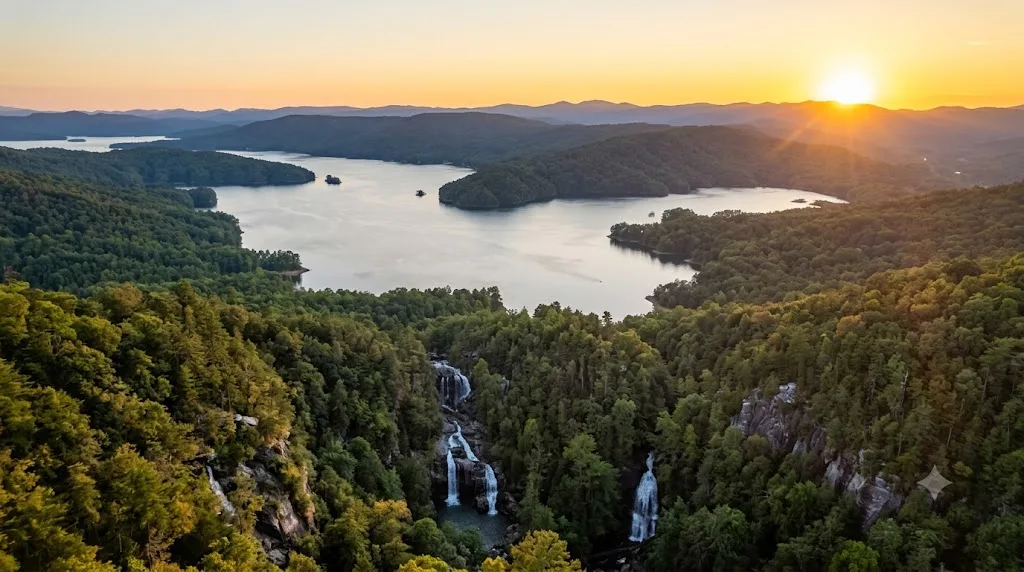
For those seeking an authentic immersion into the wild heart of the Blue Ridge Mountains, the Jocassee Gorges Wilderness Area South Carolina is an unparalleled destination. This expansive, protected 50,000-acre wilderness is celebrated for its pristine mountain lakes, dramatic waterfalls, and exceptionally diverse wildlife, offering abundant opportunities for hiking, kayaking, and fishing. Recognized by National Geographic as one of the "World's Last Great Places," it serves as a critical habitat for numerous rare and endangered species, making it a true natural treasure in the Palmetto State.
Why Visit Jocassee Gorges Wilderness Area
We at Roam States believe that the Jocassee Gorges Wilderness Area offers a unique and profoundly rewarding experience for nature enthusiasts. It's a place where the raw beauty of the Appalachian foothills meets the crystal-clear waters of Lake Jocassee, creating a landscape that feels both ancient and vibrant. The area's designation as a "destination of a lifetime" by National Geographic is well-deserved, reflecting its unspoiled character and the sheer abundance of natural wonders.
Visitors are drawn to the Jocassee Gorges for many reasons. The towering waterfalls, many of which are only accessible by boat, cascade into Lake Jocassee's deep, cool waters, creating breathtaking spectacles. The wilderness is a haven for diverse flora and fauna, including rare plants like the Oconee bell and a robust population of black bears, white-tailed deer, and wild turkeys. For those wondering if Jocassee Gorges Wilderness Area is worth visiting, our team confidently says yes. It offers a chance to disconnect from the everyday and reconnect with nature in a truly spectacular setting, whether you're chasing waterfalls, paddling quiet coves, or exploring rugged trails.
Who It's Best For
The Jocassee Gorges Wilderness Area caters to a wide range of outdoor adventurers, though it particularly appeals to those who appreciate a more rugged and primitive experience. It’s ideal for:
- **Experienced Hikers and Backpackers:** With access to extensive trail networks like the Foothills Trail and the Palmetto Trail, the area provides challenging terrain and multi-day trekking opportunities.
- **Kayakers and Boaters:** Lake Jocassee's pristine, undeveloped shoreline and numerous waterfalls make it a paddler's paradise, with many hidden gems only reachable by water.
- **Anglers:** The cold, clear mountain streams and Lake Jocassee itself are renowned for trout fishing, as well as largemouth and smallmouth bass.
- **Wildlife Enthusiasts and Birdwatchers:** The diverse ecosystems support a wide array of wildlife, including rare birds and large mammals, offering excellent viewing opportunities.
- **Nature Photographers:** The dramatic landscapes, waterfalls, and vibrant seasonal foliage provide endless photographic subjects.
- **Families Seeking Outdoor Adventure:** While some trails are strenuous, many areas, particularly around Devils Fork State Park, offer family-friendly activities like swimming, easy walks, and boat tours.
Those looking for luxury resorts and extensive amenities might find the Jocassee Gorges too rustic, as the emphasis here is on natural preservation and a backcountry experience.
Getting There & Parking
Accessing the Jocassee Gorges Wilderness Area typically involves navigating to one of its gateway state parks or specific access points. For those asking how to get to Jocassee Gorges Wilderness Area, the primary public entry point to Lake Jocassee and a central hub for the gorges is Devils Fork State Park, located near Salem, South Carolina.
Directions:
- From Greenville, SC, it's approximately a 1.5-hour drive via Highway 178 to reach Lake Jocassee.
- Devils Fork State Park is located about 5 miles north of Salem off SC 11 and 15 miles northwest of Pickens.
- Other access points include roads off SC 11, SC 107, US 178, and SC 130, which lead to various trailheads and primitive camping areas.
- Highway 178 and Cleo Chapman Road (County Road 143) are the only paved roads directly accessing the property.
Parking:
- At Devils Fork State Park, day-use parking reservations are available and recommended, especially during peak season.
- For Jocassee Lake Tours, visitors should arrive 45 minutes early, and parking is available in their private lot before entering the state park. During the cool season (October 1, 2025 – April 30, 2026), parking may also be available in the upper parking area near the Ranger Station or close to the boat ramp.
- For other trailheads within the Jocassee Gorges Wildlife Management Area, parking is typically at designated lots. Some areas, like the Whitewater River/Foothills Trail parking lot, require a short hike to reach the trails.
- Seasonal access for motorized vehicles on some roads within the Jocassee Gorges is limited to September 15 - January 15 and March 20 - May 10.
We always recommend checking the South Carolina Department of Natural Resources (SCDNR) website for the most current information on road closures and specific regulations before your visit.
Top Things to Do
The Jocassee Gorges Wilderness Area is a playground for outdoor enthusiasts, offering a diverse array of activities that highlight its stunning natural beauty. When considering things to do at Jocassee Gorges Wilderness Area, our team has identified several must-do experiences.
Explore Lake Jocassee by Boat or Kayak
Lake Jocassee is the crown jewel of the gorges, known for its exceptionally clear, cool waters and undeveloped shoreline. We recommend taking a boat tour or renting a kayak to explore its secluded inlets and numerous waterfalls that cascade directly into the lake. Several local outfitters, like Jocassee Lake Tours, offer guided excursions, including snorkel adventure tours new for 2026, and can transport kayaks to prime paddling spots. This is one of the best things to do at Jocassee Gorges Wilderness Area to fully appreciate its unique aquatic environment.
Chase Waterfalls
The Jocassee Gorges is home to many spectacular waterfalls. Some, like Laurel Fork Falls and Twin Falls, are accessible via hiking trails, while others, such as those along the 75 miles of Lake Jocassee's shoreline, are best viewed by boat. Lower Whitewater Falls, one of the tallest east of the Rockies, offers easily reached viewpoints and picnic facilities. Note that as of July 2026, the Beech Bottom Falls and Twin Falls hiking trails in the Jim Timmerman Natural Resources Area are closed due to severe damage from Hurricane Helene.
Go Fishing
The cold, pristine waters of Lake Jocassee and its feeder streams are a paradise for anglers. The lake is unique in South Carolina for offering both trophy trout and smallmouth bass. Streams like the Eastatoe River, Laurel Fork Creek, and Corbin Creek are popular for wild trout populations. Remember to consult the SCDNR's "Rules & Regulations" for fishing specifics, including artificial lures only in some areas.
Scenic Drives and Overlooks
Take a driving tour along the seasonally open roads to discover hidden treasures. Pick up a map at Devils Fork State Park for a self-guided tour. Don't miss the Sassafras Mountain Overlook, South Carolina's highest point, offering panoramic views of three states (South Carolina, North Carolina, and Georgia) on a clear day. Another breathtaking vista is Jumping Off Rock.
Hiking the Jocassee Gorges Wilderness Area Hiking Trails
The Jocassee Gorges Wilderness Area hiking trails offer experiences from easy nature walks to strenuous multi-day treks. The region boasts an extensive network of trails, including portions of the 77-mile Foothills Trail and the Palmetto Trail (specifically the Blue Ridge Electric Co-Op Passage). These trails wind through varied elevations, offering impressive mountain vistas, seasonal wildflowers, and opportunities for wildlife spotting. The Oconee Bell Nature Trail, a flat 1-mile loop in Devils Fork State Park, is an easy option to see the rare Oconee bell wildflower in bloom during mid-March to early April. For more challenging Jocassee Gorges Wilderness Area hiking trails, consider sections of the Foothills Trail that connect various state parks and wilderness areas.
Best Time to Visit
The Jocassee Gorges Wilderness Area offers distinct advantages in every season, making the "best time to visit" dependent on your preferred activities and tolerance for crowds.
- Spring (March-May): We highly recommend spring for its comfortable temperatures, vibrant wildflower displays (including the rare Oconee bell in mid-March to early April), and peak waterfall flows from spring runoff. It's an excellent time for hiking and wildlife viewing.
- Summer (June-August): While popular and potentially crowded around Devils Fork State Park, the lake's deep, cool waters offer a refreshing escape from the heat, with surprisingly low humidity and few mosquitoes due to the steep terrain. Ideal for swimming, boating, and kayaking.
- Fall (September-November): Fall is spectacular, with the diverse hardwood forests transforming into a breathtaking display of autumn colors. Cooler temperatures make it perfect for hiking, and the solitude increases as summer crowds thin.
- Winter (December-February): For solitude seekers, winter offers a unique beauty. The bare trees provide unobstructed views of the foothills, and if temperatures drop sufficiently, you might even witness frozen waterfalls. Some roads may have seasonal closures.
Overall, spring and fall generally offer the most comfortable weather and vibrant scenery for a comprehensive Jocassee Gorges experience.
Where to Stay Nearby
While the Jocassee Gorges Wilderness Area itself is largely primitive, several excellent lodging options are available in the surrounding "gateway" communities and state parks. When considering Jocassee Gorges Wilderness Area lodging, we focus on options that provide convenient access while complementing the natural experience.
State Park Accommodations
Devils Fork State Park, the primary public access point to Lake Jocassee, offers a range of accommodations:
- **Campsites:** 59 paved RV sites with electric and water hookups, as well as walk-in tent sites. Reservations are recommended.
- **Villas:** 20 fully equipped lakeside villas with two or three bedrooms, perfect for those seeking more comfort.
Other nearby state parks also offer Jocassee Gorges Wilderness Area lodging options:
- **Oconee State Park:** Features 19 rustic cabins, 140 RV campsites, and 10 walk-in tent sites.
- **Table Rock State Park:** Offers 14 cabins and 100 campsites.
- **Keowee-Toxaway State Park:** Provides a large rental cabin overlooking Lake Keowee and trailside camping.
- **Jones Gap State Park & Caesars Head State Park:** Offer primitive trailside camping.
Private Rentals and Hotels in Salem, SC
The town of Salem, often considered the gateway to Lake Jocassee, provides various private vacation rentals, including homes with lake access and amenities like hot tubs. These can be an excellent choice for families or groups seeking a home-away-from-home experience. While Salem itself is a small mountain town, it offers proximity to the lake and its adventures. For a broader selection of hotels and dining, larger towns like Pickens, Seneca, or even Greenville are within a reasonable driving distance, though they are further from the immediate wilderness.
Primitive Camping
For the most immersive Jocassee Gorges Wilderness Area lodging experience, primitive camping is available on a first-come, first-serve basis at designated campsites along open roads and trails like the Foothills Trail, Eastatoe Creek Heritage Preserve Spur, or the Palmetto Trail. Backcountry camping by permit may also be allowed in specific areas when main roads are not open for hunting. These sites typically have fire rings but no water, bathrooms, or other amenities, emphasizing a true "pack-in, pack-out" ethos.
Sample 2-Day Itinerary
To help you maximize your visit, our team has crafted a sample 2-day itinerary for the Jocassee Gorges Wilderness Area, focusing on a blend of popular activities and serene natural immersion.
Day 1: Lake Exploration and Waterfalls
- Morning (8:00 AM - 12:00 PM): Lake Jocassee Boat Tour. Start your day at Devils Fork State Park. We recommend booking a guided boat tour with Jocassee Lake Tours. This allows you to explore the vastness of Lake Jocassee, visit hidden coves, and witness several stunning waterfalls that are only accessible by boat, such as Laurel Fork Falls. Don't forget your swimsuit for a refreshing dip in the clear waters.
- Lunch (12:00 PM - 1:00 PM): Picnic Lunch. Pack a picnic to enjoy at a scenic spot along the lake or at Devils Fork State Park's day-use area.
- Afternoon (1:00 PM - 5:00 PM): Kayaking or Paddleboarding. Rent a kayak or paddleboard from an outfitter at Devils Fork State Park and spend the afternoon exploring the calmer sections of Lake Jocassee at your own pace. Enjoy the tranquility and keep an eye out for wildlife along the undeveloped shoreline.
- Evening: Dinner and Stargazing. Head back to your lodging. For dinner, consider a casual meal in Salem or prepare your own if staying in a villa or cabin. The remote nature of the gorges makes for excellent stargazing opportunities on a clear night.
Day 2: Hiking and Scenic Views
- Morning (8:00 AM - 1:00 PM): Foothills Trail Hike. Embark on a hike along a section of the Foothills Trail. A popular option is to access a portion from Devils Fork State Park or one of the other state park gateways. For a moderate challenge, consider a segment that offers views of the gorges or leads to a waterfall. Remember to bring plenty of water, snacks, and sturdy hiking boots.
- Lunch (1:00 PM - 2:00 PM): Trailside or Local Eatery. Enjoy a packed lunch on the trail, or if you prefer, head to a local eatery in Salem for a post-hike meal.
- Afternoon (2:00 PM - 5:00 PM): Sassafras Mountain Overlook. Drive to Sassafras Mountain, the highest point in South Carolina, for panoramic views of the Blue Ridge Mountains and three states. It's an easily accessible overlook with an observation tower that provides a stunning 350-degree vista.
- Late Afternoon: Explore a Heritage Preserve. On your way back, consider a brief stop at a heritage preserve like Eastatoe Creek Heritage Preserve, known for its rare plants and unique geological features.
Expert Verdict: Is It Worth Visiting?
Absolutely, the Jocassee Gorges Wilderness Area is unequivocally worth visiting. Our team at Roam States considers it one of South Carolina’s most vital and awe-inspiring natural landscapes. What makes it truly special is its commitment to preserving a vast, untamed wilderness, offering an escape that is increasingly rare in today's world. From the unparalleled clarity of Lake Jocassee and its boat-accessible waterfalls to the challenging and rewarding Jocassee Gorges Wilderness Area hiking trails, the opportunities for genuine outdoor adventure are endless.
Whether you're an avid angler, a dedicated hiker, a passionate paddler, or simply someone seeking profound tranquility amidst stunning scenery, the Jocassee Gorges delivers. It's a place where you can witness rare flora, spot diverse wildlife, and feel truly immersed in nature's grandeur. We believe that a trip here offers not just a vacation, but a chance to forge a deeper connection with the natural world, making it an essential addition to any South Carolina travel itinerary. You can discover more best places in South Carolina on our dedicated state guide.
Last updated: 2026-07-13 by the Roam States team.