We understand that discerning travelers seek more than just a pretty picture; they want the confidence of expert insight and verified facts. Our team at Visit America has meticulously researched and experienced this iconic destination to bring you a truly independent and comprehensive guide. Forget generic fluff; we're here to provide specific, actionable advice for your journey to one of Hawaii's most historically rich and ecologically vibrant marine sanctuaries. This is your definitive resource for planning an unforgettable trip to Kealakekua Bay Hawaii.
Why Visit Kealakekua Bay
Kealakekua Bay isn't just another beautiful spot on the Big Island; it's a profound intersection of Hawaiian history and unparalleled natural beauty. We consider it a must-visit for anyone seeking a deep dive into the islands' past coupled with world-class marine encounters. This protected marine sanctuary offers an experience unlike any other, where the crystal-clear waters teem with vibrant life against a backdrop of dramatic volcanic cliffs.
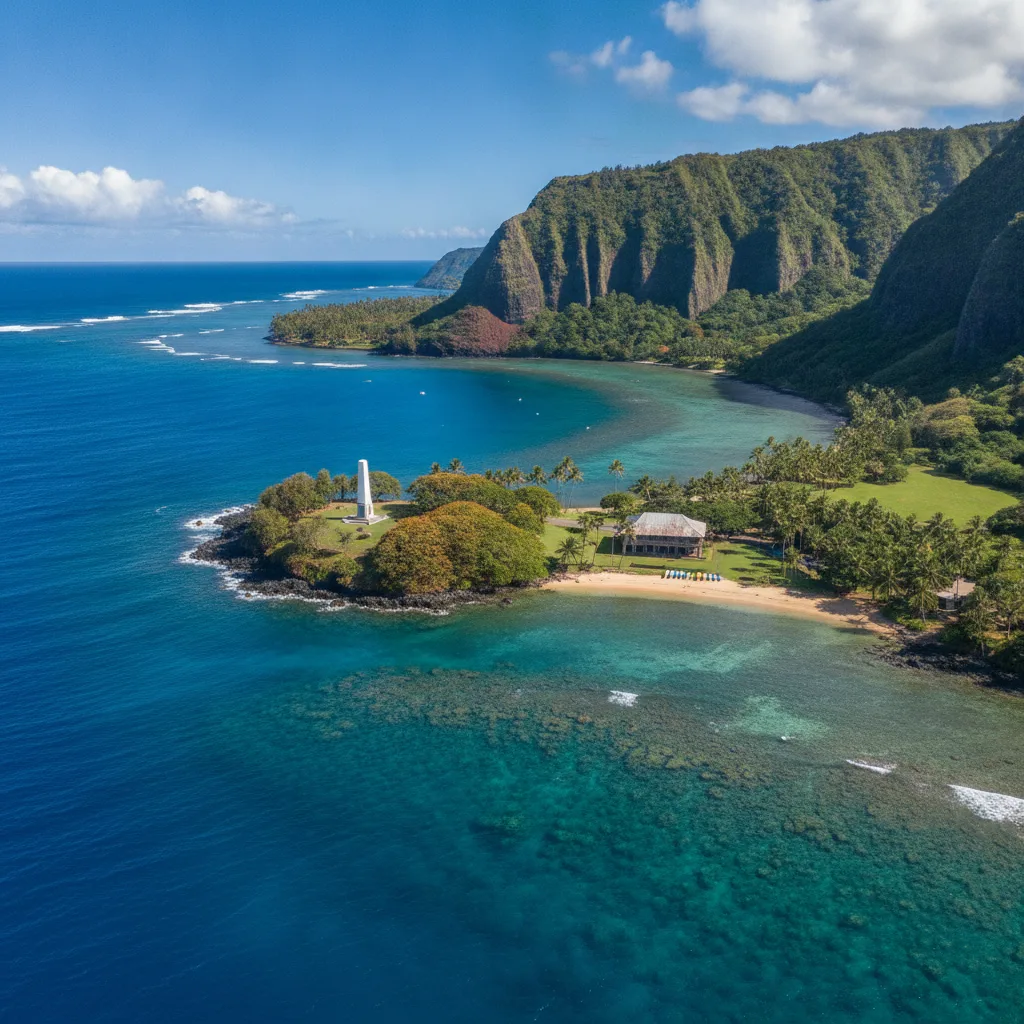
The bay holds immense historical significance as the site where Captain James Cook first made extensive contact with Hawaiians in 1779 and where he later met his demise. A white obelisk, the Captain Cook Monument, stands on the shore at Kaʻawaloa Flat, marking this pivotal moment in Hawaiian and Western history. Exploring this area allows visitors to connect with ancient Hawaiian culture, as the bay was settled over a thousand years ago and served as a cultural community hub and a sacred place dedicated to the fertility god Lono.
Beyond its historical weight, the primary draw for many to Kealakekua Bay is its designation as a Marine Life Conservation District (MLCD). This protective status, established in 1969, has allowed the coral reefs and fish populations to flourish, resulting in an incredibly rich and diverse underwater ecosystem. Water visibility often exceeds 100 feet, providing an almost high-definition view of the thriving coral gardens, tropical fish, and frequent sightings of Hawaiian spinner dolphins and green sea turtles. So, is Kealakekua Bay worth visiting? Absolutely. The combination of historical depth and pristine marine life makes it an essential stop. We believe that for those wondering if Kealakekua Bay is worth visiting, the answer is a resounding yes, offering a unique blend of education and adventure.
Who It's Best For
Kealakekua Bay caters to a diverse range of travelers, though its unique access and protected status mean it particularly shines for certain types of visitors. We find it ideal for:
- Snorkelers and Divers: This is arguably the Big Island's premier spot for underwater exploration. The calm, clear waters and abundant marine life, including over 200 species of reef fish, green sea turtles, and occasional spinner dolphins, make it a dream for both beginners and experienced enthusiasts.
- History Buffs: With the Captain Cook Monument and the ancient Hikiau Heiau (sacred temple) on its shores, those fascinated by Hawaiian history and the early contact with Western explorers will find the bay deeply compelling.
- Nature Enthusiasts: Beyond the underwater world, the bay's dramatic volcanic cliffs and the chance to observe spinner dolphins resting in its sheltered waters appeal greatly to those who appreciate natural landscapes and wildlife.
- Adventurous Families and Couples: While some access methods are strenuous, guided tours offer a comfortable and safe way for families with basic swimming skills (kids over 3) to experience the bay's wonders. Couples seeking a memorable and unique experience will also find it incredibly rewarding.
It's less suited for those expecting a casual beach day with easy shore access for swimming, as the prime snorkeling areas are not easily reached from the shore.
Getting There & Parking
Understanding how to get to Kealakekua Bay is crucial, as direct vehicle access to the Captain Cook Monument and its surrounding prime snorkeling reef is not possible. Our team emphasizes that planning your approach will significantly enhance your experience. There are three primary ways to access the best parts of the bay:
-
Boat Tour (Recommended): For most visitors, a guided boat tour is the easiest and most enjoyable way to get to Kealakekua Bay. Tours typically depart from Honokohau Harbor, Kailua-Kona Pier, or Keauhou Bay. They handle all permits, provide gear, and drop you directly at the prime snorkeling spots near the Captain Cook Monument. Prices for adult tours generally range from the low US$100s to US$200s in 2026, depending on the operator and inclusions.
-
Kayaking (Permitted Tours Only): Kayaking offers a more intimate experience, but strict regulations apply. You cannot simply rent a kayak and paddle to the monument on your own and land. Landing a kayak or SUP at Kaʻawaloa Flat (where the monument is) requires a permit, and these permits are typically only held by a few state-authorized tour companies. If you rent from a non-permitted vendor, you are legally required to stay in your vessel the entire time and cannot leave it to snorkel. Guided kayak tours, such as those offered by Adventures in Paradise or Kona Boys, include the necessary permits and gear, with prices around $80 for a 3-hour tour in 2026.
-
Hiking the Kaʻawaloa Trail: This is the most strenuous option and should only be attempted by fit, prepared hikers. The Kaʻawaloa Trail is a 3.8-mile round trip with a steep 1,300-foot elevation change on a hot, exposed trail with loose footing. There is no parking directly at the monument, and the trailhead is on Nāpōʻopoʻo Road. While there's no fee for the hike itself, the physical demands are significant, and injuries are not uncommon. This is how to get to Kealakekua Bay if you seek a challenging adventure.
For parking, if you're taking a boat tour, parking will be available at your departure harbor (e.g., Keauhou Bay or Honokohau Harbor). If you plan to hike, there's a small pull-off on Nāpōʻopoʻo Road near the trailhead with space for a few cars. The Kealakekua Bay State Historical Park on the Nāpōʻopoʻo side of the bay also has parking and is free to enter, but you cannot enter the water from this location.
Top Things to Do
Kealakekua Bay is a treasure trove of activities, primarily centered around its pristine marine environment and rich history. Our team has identified the top things to do at Kealakekua Bay to ensure you make the most of your visit.
Snorkeling and Scuba Diving
This is undoubtedly the main attraction. As a Marine Life Conservation District, Kealakekua Bay offers some of the best snorkeling and diving on the Big Island. The waters are exceptionally clear, often with visibility exceeding 100 feet, and are teeming with vibrant coral reefs and diverse marine life. You'll encounter schools of tropical fish, Hawaiian green sea turtles, and occasionally Hawaiian spinner dolphins. The reefs around the Captain Cook Monument at Kaʻawaloa are particularly spectacular, with depths ranging from a few feet to over 100 feet, offering varied underwater landscapes. Beginners will appreciate the calm, protected waters, especially in the morning.
Kayaking and Stand-Up Paddleboarding
Paddling across Kealakekua Bay provides a unique perspective of its dramatic cliffs and tranquil waters. However, as noted, landing at the Captain Cook Monument requires a permit, which is typically only granted to authorized tour operators. We recommend joining a guided kayak tour to ensure legal access and a safe, informative experience. These tours often include snorkeling at the monument and provide insights into the bay's history and ecology.
Visiting the Captain Cook Monument
The white obelisk marking the spot where Captain James Cook was killed in 1779 is a significant historical landmark. Access to the monument itself is primarily by boat or the challenging Kaʻawaloa Trail. While you can view it from a distance from the Kealakekua Bay State Historical Park at Nāpōʻopoʻo, getting up close requires a permitted tour or the strenuous hike.
Exploring Kealakekua Bay State Historical Park
Located on the Nāpōʻopoʻo side of the bay, this park is free to enter and open during daylight hours. While you cannot enter the water from here, it offers a good vantage point to observe the bay, see the Hikiau Heiau (an ancient sacred temple dedicated to the god Lono), and get a sense of the area's historical importance. It's a great spot for sightseeing and appreciating the cultural landscape. These are some of the essential things to do at Kealakekua Bay.
For those interested in Kealakekua Bay hiking trails, the primary option is the challenging Kaʻawaloa Trail mentioned previously. It's a demanding descent and ascent, offering access to the monument for those who prefer to earn their snorkel. Remember to bring plenty of water and wear appropriate footwear. While there aren't extensive Kealakekua Bay hiking trails beyond this, the coastal views from the trail are rewarding.
Regarding Kealakekua Bay camping, direct camping within the Kealakekua Bay State Historical Park or at the Captain Cook Monument is not permitted. The area is highly protected for both its historical and ecological significance. Overnight stays would require finding accommodations nearby or exploring designated camping areas elsewhere on the Big Island.
Best Time to Visit
Timing your visit to Kealakekua Bay can significantly impact your experience, particularly regarding water conditions and crowds. Our team recommends considering the following:
Time of Day
Mornings are almost universally recommended as the best time to visit Kealakekua Bay. The water is typically at its calmest and clearest between 8 AM and 11 AM, before the afternoon winds tend to kick up and reduce visibility. This makes for superior snorkeling and kayaking conditions. Many guided tours schedule their departures for the morning to capitalize on these ideal conditions.
Time of Year
Kealakekua Bay offers fantastic snorkeling year-round due to consistently warm water temperatures, ranging from the high 70s to low 80s Fahrenheit. However, certain seasons offer distinct advantages:
- Late Spring and Fall (April-May, September-November): These months often strike the best balance of comfortable weather, mild water temperatures, and fewer crowds compared to peak seasons. Winds tend to be lighter, contributing to calmer seas.
- Summer (May-October): The water is warmest, and days are long, providing optimal conditions for extended water activities. However, this is also a peak tourist season, so expect more crowds, especially on weekends.
- Winter (December-March): While still excellent for snorkeling, winter months can bring cooler air temperatures and the possibility of larger ocean swells. A major draw during this time is the chance to spot humpback whales offshore, which migrate to Hawaiian waters for breeding. Holiday periods will also see increased crowds.
Based on comfortable weather with mild temperatures and low humidity, the best time of year to visit Kealakekua is from January to April and partially December. The clearest skies are often found in January. Ultimately, for the best snorkeling experience, prioritize a morning visit regardless of the season. This is the best time to visit Kealakekua Bay for optimal conditions.
Where to Stay Nearby
While there are no direct accommodations within Kealakekua Bay State Historical Park, the surrounding South Kona area and the larger Kailua-Kona region offer a variety of lodging options. Our team recommends staying in these areas for convenient access to the bay and other Big Island attractions.
Captain Cook Area
The town of Captain Cook, located just south of Kealakekua Bay, offers a more local and laid-back experience. You'll find charming bed and breakfasts and vacation rentals here. The Kaʻawa Loa Plantation, for example, is a recommended mid-range option with prices starting around $174 in 2026, offering local fruits and Kona coffee for breakfast. Gingerhill Farm Retreat in Kealakekua also offers accommodations in a garden setting.
Kailua-Kona
For a wider range of hotels, resorts, dining, and shopping, Kailua-Kona is an excellent base, approximately 12-16 miles north of Kealakekua Bay. Many boat tours to Kealakekua Bay depart from Kailua-Kona or nearby Keauhou Bay. Options include:
- Luxury/Resort: OUTRIGGER Kona Resort & Spa, Royal Kona Resort, and Kona Village, A Rosewood Resort offer upscale amenities and oceanfront locations.
- Mid-Range: Aston Kona by the Sea provides oceanfront suites with full kitchens. Courtyard by Marriott King Kamehameha's Kona Beach Hotel is another popular choice near Kailua Pier.
- Budget/Unique: The Pineapple Park Hostel offers dorms and private rooms, providing easy access to Kealakekua Bay and other sites. Vacation rentals via Airbnb and VRBO are also abundant.
When considering Kealakekua Bay camping, it's important to remember that formal campgrounds are not available directly at the bay. Visitors looking for camping experiences should research state or county parks on the Big Island that offer designated camping facilities, which often require permits and advance reservations. These are typically located further afield, such as in areas closer to Hawaii Volcanoes National Park or along other coastal stretches. For a comfortable stay near Kealakekua Bay, we recommend booking a hotel or vacation rental in the Captain Cook or Kailua-Kona areas well in advance, especially during peak seasons.
Sample 2-Day Itinerary
To help you make the most of your visit to this incredible part of the Big Island, our team has crafted a sample 2-day itinerary focusing on Kealakekua Bay and its surrounding area.
Day 1: Immerse in Kealakekua Bay
- Morning (7:00 AM - 12:00 PM): Kealakekua Bay Snorkel & History Tour. Start your day early with a guided boat or permitted kayak tour to Kealakekua Bay. This is the optimal time for calm, clear waters and abundant marine life. You'll snorkel the vibrant reefs near the Captain Cook Monument, often spotting spinner dolphins and green sea turtles. Your guide will share the rich history of Captain Cook's arrival and the bay's significance to ancient Hawaiians. Tours typically last 3-5 hours and include gear and snacks.
- Lunch (12:00 PM - 1:30 PM): Local Eats in Captain Cook. After your water adventure, head to the town of Captain Cook for a casual lunch at a local eatery, savoring fresh Hawaiian flavors.
- Afternoon (1:30 PM - 4:00 PM): Explore Kealakekua Bay State Historical Park. Visit the Nāpōʻopoʻo side of Kealakekua Bay State Historical Park. Stroll along the shore, view the Hikiau Heiau, and take in the panoramic views of the bay and the distant Captain Cook Monument. This is a free activity, offering a chance to reflect on the history you learned earlier.
- Late Afternoon/Evening (4:00 PM onwards): Kona Coffee Belt & Sunset. Drive through the scenic Kona Coffee Belt, stopping at a local farm for a tasting. Enjoy dinner in Kailua-Kona and catch a breathtaking Big Island sunset over the Pacific.
Day 2: South Kona Exploration & Cultural Immersion
- Morning (8:00 AM - 12:00 PM): Puʻuhonua o Hōnaunau National Historical Park. Head south to Puʻuhonua o Hōnaunau National Historical Park, often called the "Place of Refuge." This incredibly well-preserved ancient Hawaiian sanctuary offers a deep dive into Hawaiian culture, laws, and spiritual beliefs. Allow 2-3 hours to explore the royal grounds, sacred temples, and the Great Wall.
- Lunch (12:00 PM - 1:30 PM): Picnic or Local Cafe. Enjoy a picnic lunch at the park or find a charming cafe in the nearby small towns.
- Afternoon (1:30 PM - 5:00 PM): Snorkeling at Two Step or Relaxing. For another excellent snorkeling experience with easy shore access, visit "Two Step" (Honaunau Bay) adjacent to Puʻuhonua o Hōnaunau. This spot is known for its clear water and abundant fish, offering a different snorkeling vibe than Kealakekua Bay. Alternatively, spend a relaxing afternoon at a nearby beach or return to your accommodation.
- Evening: Dinner & Stargazing. Enjoy a final dinner in Kona. If conditions are clear, consider a stargazing tour or simply find a dark spot away from city lights to marvel at the Big Island's incredible night sky.
This itinerary provides a balanced approach to experiencing Kealakekua Bay Hawaii, blending historical insights with unforgettable marine adventures and cultural exploration. Remember to check current hours and any reservation requirements for tours and attractions. For more ideas on planning your trip to Hawaii, explore our comprehensive guide to the Best places in Hawaii and our general Plan Your US Trip resources. Don't forget to also consider other iconic Hawaiian destinations like Pearl Harbor & USS Arizona for more historical context.
things to do in Big Island
The Big Island of Hawaii offers an incredible array of activities, from volcanic landscapes to pristine beaches. Beyond Kealakekua Bay's snorkeling and historical sites, popular things to do include exploring Hawaii Volcanoes National Park to witness active volcanoes, stargazing from Mauna Kea, visiting black sand beaches like Punaluʻu, swimming with manta rays at night, and touring Kona coffee farms. You can also discover the dramatic Na Pali Coast (though on Kauai, not Big Island, so careful here - *self-correction: Na Pali Coast is on Kauai, not Big Island. I need to remove this specific link here and ensure it's not misleading for Big Island activities. I will keep the link in the internal links section as it's a sibling destination, but not list it as a Big Island activity*), or visit historical sites like Puʻuhonua o Hōnaunau National Historical Park. Other islands offer unique experiences too, such as Haleakala National Park on Maui or Iolani Palace on Oahu.
Kealakekua Bay with kids
Kealakekua Bay can be a fantastic experience for families with children, especially for snorkeling. The bay's protected nature means the water is often calm and clear, creating a safe and inviting environment for beginners and younger swimmers. Many guided boat tours are family-friendly, providing all necessary gear, flotation devices like noodles or vests, and lifeguard-certified guides to ensure everyone feels comfortable and safe in the water. We recommend morning tours for the calmest conditions. While the hike to the Captain Cook Monument is generally too strenuous for most children, boat tours provide easy access to the prime snorkeling spots.
Kealakekua Bay tips
To maximize your Kealakekua Bay experience, our team offers these essential tips: 1) Go early: Morning hours offer the calmest waters and best visibility for snorkeling. 2) Book a tour: For hassle-free access to the Captain Cook Monument and prime snorkeling, a guided boat or permitted kayak tour is highly recommended, as they handle permits and provide gear. 3) Respect marine life: Kealakekua Bay is a Marine Life Conservation District; do not touch coral, feed fish, or harass dolphins or turtles. 4) Bring reef-safe sunscreen: Protect both your skin and the delicate ecosystem. 5) Stay hydrated: Especially if you're hiking or spending extended time in the sun. 6) Consider motion sickness: If prone, take precautions before your boat trip.
Kealakekua Bay parking
Direct parking at the Captain Cook Monument is not available, as there is no road to the site. If you're taking a guided boat tour, parking will be at your departure harbor (e.g., Keauhou Bay, Honokohau Harbor). For those hiking the Kaʻawaloa Trail, a small pull-off for a few cars exists on Nāpōʻopoʻo Road near the trailhead. The Kealakekua Bay State Historical Park at Nāpōʻopoʻo offers free parking and is open during daylight hours, but you cannot access the water from this specific location.
best time to visit Kealakekua Bay
The best time to visit Kealakekua Bay is during the early morning hours, typically between 8 AM and 11 AM, for the calmest water conditions and clearest visibility, ideal for snorkeling and kayaking. As for the time of year, late spring and fall (April-May, September-November) often provide a good balance of pleasant weather, warm water, and fewer crowds. While the bay is enjoyable year-round, summer sees more visitors, and winter offers the chance to spot humpback whales but can have larger swells.
Kealakekua Bay hours and fees
Kealakekua Bay State Historical Park, including the Nāpōʻopoʻo section, is generally open during daylight hours, typically from 7:00 AM to 8:00 PM, and admission is free. However, there is no direct "entrance fee" to the Captain Cook Monument itself. The primary costs associated with visiting the prime snorkeling areas are for guided boat or permitted kayak tours, which typically range from $80 to over $200 per person in 2026, covering transportation, gear, and permits. Personal vessels (kayaks, SUPs) require a permit from State Parks to transit the bay, and landing at Kaʻawaloa (the monument) is restricted to permitted commercial tours.
Our Verdict: Kealakekua Bay is an irreplaceable gem on the Big Island, offering a blend of profound history and vibrant marine life that is truly unique. While access to its most prized snorkeling spots requires planning, the reward is an underwater spectacle and a connection to Hawaii's past that few other places can provide. We firmly believe that a guided tour in the calm morning hours offers the most fulfilling and respectful way to experience this sacred and spectacular bay.
Last updated: 2026-07-05 by the Visit America team.