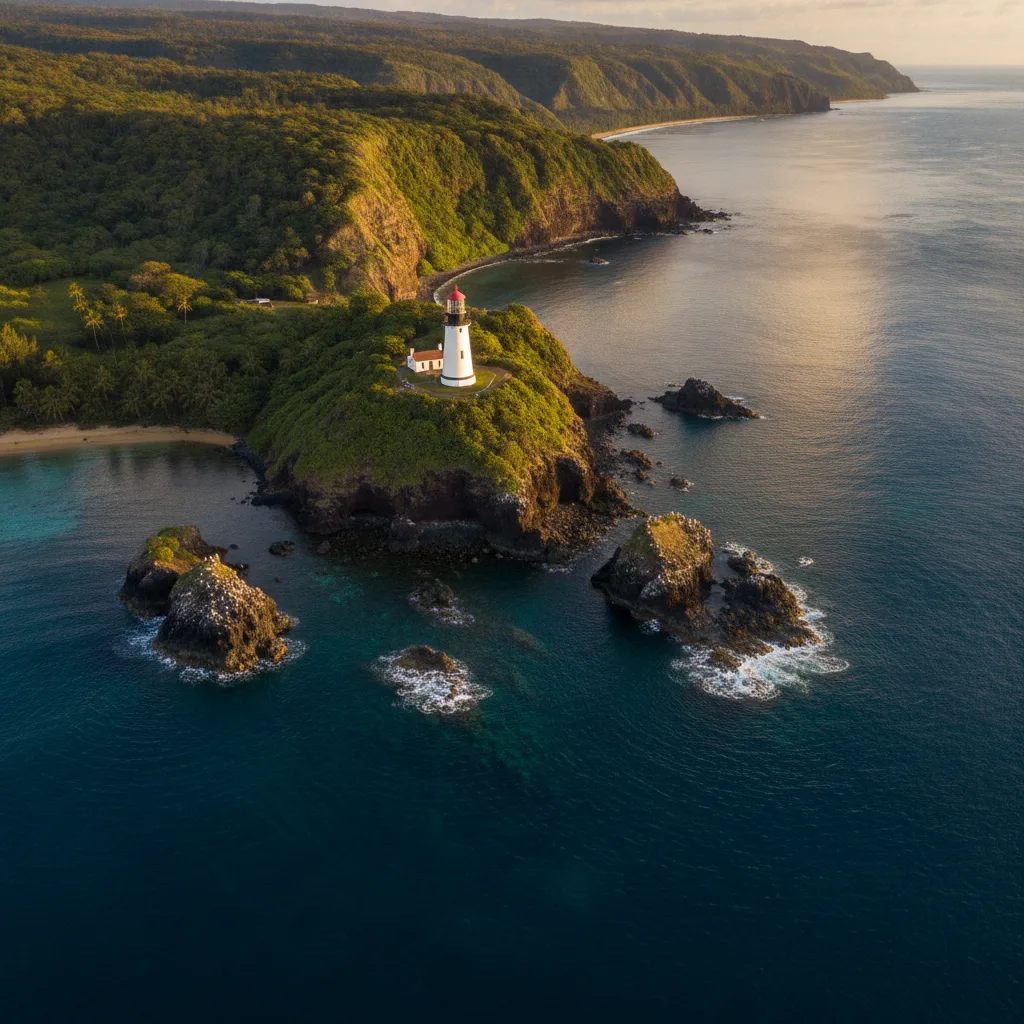
Our Kilauea Point National Wildlife Refuge guide covers practical planning for Kilauea Point National Wildlife Refuge Hawaii — best time to visit, getting there, and what to do on the ground.
Perched dramatically on Kauai’s northernmost tip, Kilauea Point National Wildlife Refuge Hawaii is a sanctuary of unparalleled natural beauty and a critical haven for Hawaii’s unique wildlife. Our team considers this refuge a must-visit for anyone seeking spectacular coastal views, a glimpse into maritime history, and exceptional opportunities for birdwatching and marine life observation. From the iconic Daniel K. Inouye Kīlauea Point Lighthouse to the vibrant colonies of seabirds, this destination offers a truly immersive experience in Hawaii’s wild heart.
Why Visit Kilauea Point National Wildlife Refuge
Kilauea Point National Wildlife Refuge stands out as a premier destination on Kauai for several compelling reasons. Established in 1985, this 199-acre refuge plays a vital role in protecting endangered native species, including the Hawaiian goose (nēnē), and serves as a prime spot for observing a remarkable variety of seabirds and marine life. The refuge offers stunning panoramic views of the Pacific Ocean and Kauai's coastline, providing an ideal backdrop for photography and simply soaking in the natural splendor.
One of the main draws is the opportunity for exceptional birdwatching. The cliffs are home to thousands of migratory and resident seabirds, such as the majestic Laysan albatross, red-footed boobies, brown boobies, red-tailed and white-tailed tropicbirds, great frigatebirds, and wedge-tailed shearwaters. Informative panels along the trails educate visitors about the local wildlife and ongoing conservation efforts, enhancing your understanding of this unique ecosystem. We often find ourselves captivated by the energetic courtship displays of the Laysan albatross, which include fluttering screeches, horn-like calls, and synchronized head bounces.
Beyond the avian spectacle, the refuge is an excellent vantage point for observing marine life. Depending on the time of year, visitors may spot spinner dolphins year-round and humpback whales during their migration season, typically from November to May, with peak viewing in February and March. Hawaiian monk seals and green sea turtles are also frequently sighted in the waters below. The historic Daniel K. Inouye Kīlauea Point Lighthouse, built in 1913, adds a significant historical dimension to the natural beauty, though access to the lighthouse interior is currently suspended. The combination of dramatic coastal cliffs, abundant wildlife, and educational opportunities makes Kilauea Point National Wildlife Refuge a truly rewarding visit.
Who It's Best For
Kilauea Point National Wildlife Refuge is an ideal destination for a diverse range of travelers. It's particularly well-suited for nature enthusiasts, birdwatchers, and wildlife photographers who will appreciate the unparalleled opportunities to observe rare and abundant species in their natural habitat. Families with children will find the refuge accessible and engaging, with paved paths and educational exhibits that make learning about conservation fun. The relatively short, easy walk to the lighthouse, approximately three minutes from the entrance, makes it manageable for all ages and fitness levels.
Those interested in history and photography will also find immense value here. The iconic Kīlauea Point Lighthouse, a striking white cylindrical structure with a red roof, offers a picturesque subject against the backdrop of the Pacific. The dramatic coastal scenery provides endless opportunities for stunning landscape and wildlife photography. We also recommend it for travelers seeking a peaceful and inspiring outdoor experience away from more crowded tourist spots, offering a chance to connect with Hawaii's natural heritage. It's a fantastic addition to any Hawaii itinerary.
Getting There & Parking
Accessing Kilauea Point National Wildlife Refuge is straightforward, located at the end of Kīlauea Road within Kīlauea town on Kauai's North Shore. From Līhu'e, we advise driving north on Kūhiō Highway for approximately 23 miles to the town of Kīlauea, then turning right on Kolo Road, followed by a left onto Kīlauea Road. Continue for about 2 miles until you reach the refuge entrance.
Parking at Kilauea Point National Wildlife Refuge is available and, importantly, there is no additional fee for parking. However, visitors must arrive in a vehicle or on a bike, as walking into the refuge along the steep and narrow driveway is not permitted. Due to a timed entry reservation system, the refuge staff is able to manage parking effectively, so if you have a reservation, you should not encounter significant issues. There are two parking areas, with one serving as an overflow, ensuring sufficient space for reserved visitors. For those needing assistance, a golf cart is available by request at the fee booth to transport visitors from the parking lot to the point. We always recommend arriving early, especially on Wednesdays, to avoid potential queues at the entrance, as the gate may temporarily close if both parking lots reach capacity.
Top Things to Do
When you visit Kilauea Point National Wildlife Refuge, you'll discover a wealth of activities centered around its natural beauty and unique wildlife. Our team has identified the top things to do at Kilauea Point National Wildlife Refuge to ensure you make the most of your trip:
- Birdwatching: This is arguably the primary draw to Kilauea Point National Wildlife Refuge. The refuge is a critical nesting ground for thousands of seabirds. You can spot Laysan albatrosses, red-footed boobies, brown boobies, great frigatebirds, and various tropicbirds. Free binoculars are available for visitors to borrow, and telescopes are also provided, making it easy to engage with the environment and observe distant species.
- Wildlife Watching: Beyond birds, keep an eye out for marine life. Spinner dolphins are present year-round, and humpback whales can be seen migrating through the waters from October to May, with January and February being the best months for sightings. Hawaiian monk seals and green sea turtles are also frequent visitors to the refuge's shores.
- Visit the Daniel K. Inouye Kīlauea Point Lighthouse: The historic lighthouse, a prominent landmark since 1913, offers a captivating focal point for your visit. While tours inside the lighthouse are currently suspended, its exterior provides excellent photographic opportunities and a sense of maritime history.
- Enjoy Panoramic Coastal Views: The refuge is situated on a 180-foot ocean bluff, offering breathtaking panoramic views of the Pacific Ocean and Kauai's dramatic North Shore coastline. There are numerous lookout points along the paved path to stop and take in the scenery.
- Photography: With its stunning vistas, iconic lighthouse, and abundant wildlife, Kilauea Point National Wildlife Refuge is a photographer's dream. From wide-angle coastal shots to telephoto close-ups of birds, the opportunities are endless.
- Learn at the Visitor Center and Interpretive Panels: The refuge features informative panels along its trails that educate visitors about the local wildlife, conservation efforts, and the history of the lighthouse. The Visitor Center also offers displays and information.
These things to do at Kilauea Point National Wildlife Refuge provide a comprehensive experience, blending natural beauty with educational insights.
Best Time to Visit
Choosing the best time to visit Kilauea Point National Wildlife Refuge depends largely on your interests, though the refuge offers something special year-round. Our team generally recommends visiting during the cooler months from November to April if your primary goal is to see migratory seabirds and humpback whales, as these species are most active during this period. Humpback whales, in particular, migrate to Hawaii from October through May, with peak viewing typically in February and March.
For birdwatching enthusiasts, the Laysan albatross are known for their nesting and courtship displays during these cooler months. However, various seabirds can be observed throughout the year. The drier season from May to October generally offers the most reliable weather and best visibility for overall wildlife viewing and photography. While Kauai experiences rainfall year-round, showers are usually brief, and the north shore, where the refuge is located, is known for its lush, greener landscape.
Regarding daily timing, morning visits are often ideal for calmer weather and optimal wildlife viewing. However, the refuge can become very crowded before midday, especially on Wednesdays. To avoid the busiest times, we suggest arriving right at opening at 10:00 AM or visiting in the late afternoon around 3:00 PM. The last entry is at 3:30 PM, as the gate closes at 4:00 PM. Keep in mind that reservations are required for visitors aged 16 and older, regardless of the time of year or day.
Where to Stay Nearby
When planning your visit to Kilauea Point National Wildlife Refuge, finding the right accommodation nearby can enhance your experience. While there isn't Kilauea Point National Wildlife Refuge lodging directly within the refuge, several excellent options are available in the surrounding areas, particularly in Kilauea town and Princeville. These locations offer convenient access to the refuge while providing a range of amenities and other attractions.
In Kilauea itself, you'll find a selection of charming vacation rentals and boutique accommodations. Many of these properties offer a more local and intimate experience, often with beautiful natural settings. For instance, options like "Beautiful Plumeria Cottage-Anini Beach Plantation Style Home" in nearby Anini Beach are highly rated for their serene environment and proximity to the coast.
Just a short drive away, Princeville offers a wider array of Kilauea Point National Wildlife Refuge lodging, including resorts and hotels. The Westin Princeville Ocean Resort Villas, located about 4.2 miles (6.8 km) from the refuge, is a popular 4-star choice, known for its multiple outdoor pools and restaurant. Another highly-rated option is 1 Hotel Hanalei Bay, a 5-star property approximately 6.1 miles from the refuge, praised for its stunning property, amazing staff, and delicious food. Other notable hotels in Princeville include Club Wyndham Ka 'Eo Kai and The Cliffs at Princeville by ResorTime, both offering various amenities suitable for families and adventure seekers.
Vacation rentals, particularly those with pools, are also abundant in the Kilauea area, offering options for families or groups seeking more space and home-like comforts. These often come equipped with full kitchens and multiple bedrooms, ideal for extended stays. Whether you prefer the luxury of a resort or the privacy of a vacation home, you'll find suitable Kilauea Point National Wildlife Refuge lodging that allows you to easily explore the refuge and the broader North Shore of Kauai.
Sample 2-Day Itinerary
To help you make the most of your trip to Kilauea Point National Wildlife Refuge and the surrounding area, our team has crafted a sample 2-day itinerary. This plan balances wildlife viewing, historical exploration, and the natural beauty of Kauai's North Shore.
Day 1: Wildlife and Lighthouse Immersion
- Morning (10:00 AM - 1:00 PM): Kilauea Point National Wildlife Refuge
- Begin your day by arriving at Kilauea Point National Wildlife Refuge right at opening time to secure parking and avoid crowds. Remember to have your reservations ready, as they are required for all visitors aged 16 and older.
- Spend your time observing the abundant seabirds, including Laysan albatrosses and red-footed boobies, utilizing the free binoculars provided at the refuge.
- Walk the paved path to the Daniel K. Inouye Kīlauea Point Lighthouse, taking in the dramatic coastal views and keeping an eye out for spinner dolphins and, seasonally, humpback whales.
- Explore the interpretive signs to learn about the refuge's conservation efforts and the lighthouse's history.
- Lunch (1:00 PM - 2:00 PM): Kilauea Town
- Head into Kilauea town, just a short drive from the refuge, for a casual lunch at one of its local eateries.
- Afternoon (2:00 PM - 5:00 PM): Explore Kilauea Town & Nearby Beaches
- Wander through Kilauea town, enjoying its charming local shops and cultural landmarks.
- Visit nearby Anini Beach or Kalihiwai Beach for a relaxing afternoon of swimming or simply enjoying Kauai's natural beauty.
- Evening: Dinner in Princeville
- Drive to Princeville for dinner, offering a wider selection of restaurants, from casual to upscale.
- Consider a sunset view from one of Princeville's scenic overlooks.
Day 2: North Shore Exploration & Relaxation
- Morning (9:00 AM - 12:00 PM): Na Pali Coast Viewpoints or Botanical Gardens
- Option A: Drive further west to explore viewpoints of the stunning Na Pali Coast, such as the Hanalei Valley Lookout.
- Option B: Visit the Na Aina Kai Botanical Gardens & Sculpture Park for a different kind of natural beauty.
- Lunch (12:00 PM - 1:00 PM): Hanalei Town
- Enjoy lunch in the picturesque surf town of Hanalei, known for its charming shops and beautiful bay.
- Afternoon (1:00 PM - 5:00 PM): Hanalei Bay & Beach Activities
- Spend the afternoon relaxing on Hanalei Bay, swimming, paddleboarding, or simply soaking up the sun.
- Explore Hanalei Pier for scenic views and people-watching.
- Evening: Farewell Dinner
- Enjoy a final dinner on the North Shore, perhaps revisiting a favorite spot or trying a new one in Hanalei or Princeville.
This itinerary provides a robust experience, but remember to check specific hours and reservation requirements for all attractions, especially for Kilauea Point National Wildlife Refuge Hawaii.
Is It Worth Visiting?
Absolutely, Kilauea Point National Wildlife Refuge is unequivocally worth visiting. Our team consistently ranks it as one of Kauai's most captivating and essential stops. The refuge offers a unique blend of breathtaking natural beauty, significant historical context, and unparalleled opportunities for wildlife observation that truly set it apart.
Visitors consistently praise Kilauea Point National Wildlife Refuge for its absolutely beautiful views, abundant and diverse birdlife, and the iconic lighthouse. It's a place where you can witness the majestic Laysan albatross soaring effortlessly, spot vibrant red-footed boobies nesting on the cliffs, and potentially catch a glimpse of spinner dolphins or even humpback whales in the ocean below. The well-maintained, paved paths make it accessible for nearly everyone, from families with young children to seniors, ensuring a comfortable and rewarding experience. The educational aspect, with informative panels explaining the local ecosystem and conservation efforts, adds significant depth to the visit. Furthermore, your entry fee directly supports the vital conservation work undertaken at this refuge. It's not just a scenic overlook; it's an active participant in protecting Hawaii's fragile ecosystems. We confidently assert that Kilauea Point National Wildlife Refuge offers a truly memorable and enriching experience that perfectly encapsulates the wild beauty of Kauai.
Last updated: 2026-07-06 by the Roam States team.