Our Lake Crescent guide covers practical planning for Lake Crescent Washington — best time to visit, getting there, and what to do on the ground.
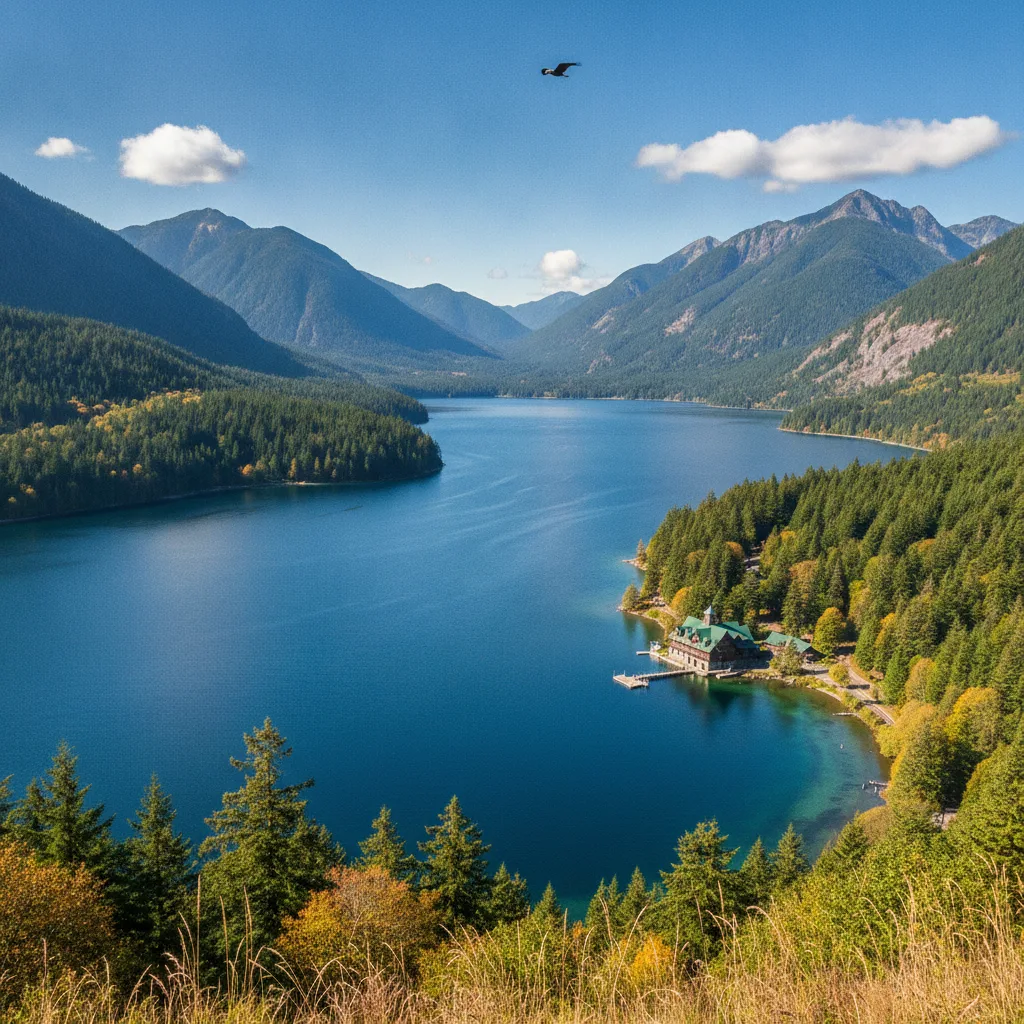
Our team at Roam States is dedicated to bringing you the most authentic and actionable travel advice for exploring the United States. Today, we're diving deep into the stunning beauty of Lake Crescent Washington, a true gem nestled within Olympic National Park. Experience the crystal-clear, deep blue waters of this glacially carved lake, surrounded by lush forests and mountains. It's a popular spot for kayaking, swimming, and hiking along its shores. This guide will equip you with all the essential information for planning an unforgettable trip, from navigating its scenic byways to discovering its hidden trails and finding the perfect place to rest your head.
Why Visit Lake Crescent
If you're wondering, "is Lake Crescent worth visiting?" our resounding answer is an emphatic yes. This iconic lake, with its sapphire depths plunging over 600 feet, offers a tranquil escape and a wealth of outdoor activities that appeal to a wide range of travelers. The lake's remarkable clarity is due to its low nitrogen content, which limits phytoplankton growth, allowing you to often see up to 60 feet into its pristine waters. This unique ecological feature, combined with the dramatic backdrop of the Olympic Mountains and old-growth forests, creates a truly breathtaking landscape that sets it apart from other destinations. For those seeking natural beauty and a chance to reconnect with the outdoors, Lake Crescent Washington delivers an unparalleled experience.
Beyond its visual appeal, the area surrounding Lake Crescent is steeped in history and legend. An Indian legend tells of the lake's creation from a gigantic boulder hurled by a mountain spirit to end tribal fighting, damming a river and forming the lake. This rich cultural tapestry adds another layer of intrigue to your visit. The opportunities for recreation are abundant, from serene boat rides on its glassy surface to challenging hikes up surrounding peaks. Whether you're an avid adventurer or simply looking for a peaceful retreat, the diverse offerings make it clear why Lake Crescent is worth visiting.
Who It's Best For
Lake Crescent is an ideal destination for a diverse array of travelers, particularly those who appreciate natural beauty and outdoor recreation. It's perfect for families looking for accessible trails and water activities, as well as couples seeking a romantic and picturesque getaway. Adventurous hikers will find challenging ascents, while those desiring a more relaxed pace can enjoy scenic walks and tranquil moments by the water. The serene environment also makes it a haven for photographers and nature enthusiasts eager to capture its stunning landscapes and diverse wildlife.
The area caters to different levels of activity. Gentle paths like the Moments in Time Trail are excellent for all ages and abilities, including those with strollers. For the more ambitious, trails like Mount Storm King offer strenuous climbs with rewarding panoramic views. Water sports enthusiasts will revel in the opportunities for kayaking, canoeing, and paddleboarding in the clear, deep waters. Birdwatchers and wildlife observers will appreciate the chance to spot various species in the lush forests. In essence, Lake Crescent offers something for everyone, making it a versatile and welcoming destination for nearly any traveler.
Getting There & Parking
Navigating to Lake Crescent Washington is straightforward, as it's conveniently located along Highway 101 within Olympic National Park. The lake is approximately 30 minutes west of Port Angeles and about 45 minutes east of Forks. If you're coming from Seattle, you'll typically drive to Bainbridge Island or Edmonds and take a ferry, then continue by car around the Olympic Peninsula, with the entire journey taking about 2.5–3 hours.
For those wondering how to get to Lake Crescent by air, Seattle-Tacoma International Airport (SEA) is the major airport with car rental options, while Port Angeles Airport (CLM) offers limited regional service. Once you're on Highway 101, you'll find numerous pull-offs along the southern shore to stop and admire the views. The road is well-paved, though some sections are curvy with lower speed limits, so we recommend exercising caution, especially in a larger RV.
Parking at Lake Crescent
Parking availability varies depending on the specific area you plan to visit around the lake. Popular trailheads, such as Marymere Falls, can fill up quickly, especially during peak season. We advise arriving early in the morning to secure a spot. Alternative parking can sometimes be found at the Moments in Time trailhead near Lake Crescent Lodge.
For those visiting the Log Cabin Resort area, parking is generally available, though crowds are typically lighter here compared to the lodge area. Fairholme Campground also has parking, with a boat launch adjacent to it. It's worth noting that Olympic National Park does not have a specific entrance fee for Lake Crescent itself, but an Olympic National Park entrance pass is required for entry into the park, which covers access to all areas including Lake Crescent. You can purchase digital park entrance passes on Recreation.gov to save time at park entrances. Always check the National Park Service website for the most current information on road conditions and any potential closures before your trip, as conditions can change, especially during different seasons.
Top Things to Do
Lake Crescent Washington offers a wealth of activities, from tranquil paddles on its clear waters to invigorating hikes through ancient forests. Our team has curated a list of the top things to do, ensuring you experience the best of this stunning destination.
Lake Crescent Hiking Trails
The area around Lake Crescent is a hiker's paradise, with a variety of Olympic National Park hiking trails to suit all skill levels. One of the most popular and family-friendly options is the **Marymere Falls Trail**. This easy 1.8-mile roundtrip hike takes you through an enchanting old-growth forest to a beautiful 90-foot waterfall. The trail is well-maintained and relatively flat for most of its length, with a gentle incline and nature stairs near the falls. It's often cited as a "low effort, high reward" hike due to its accessibility and stunning views.
For those seeking a more challenging adventure, the **Mount Storm King Trail** is a strenuous 4.2-mile roundtrip hike with over 2,000 feet of elevation gain. This trail offers breathtaking, elevated views of Lake Crescent and the surrounding Olympic foothills. The final quarter-mile involves a steep, rocky climb with ropes to assist, making it an exhilarating experience for experienced hikers. Even if you choose not to tackle the ropes, the viewpoints along the way are spectacular.
Another excellent option for Lake Crescent hiking trails is the **Spruce Railroad Trail**. This 4-mile (one-way) paved, accessible trail follows an old World War I railroad bed along the north shore of Lake Crescent. It offers continuous scenic views of the lake, passes through an old railroad tunnel, and leads to the famous Devil's Punchbowl, a popular swimming spot. This trail is also popular for biking and allows leashed pets.
For a shorter, accessible stroll, the **Moments in Time Trail** near Lake Crescent Lodge is a paved, self-guided nature trail that explores the lowland forest and lakeshore. It's a great option for a quick walk and offers beautiful views of the lake.
Water Activities
The crystal-clear, deep blue waters of Lake Crescent are perfect for a variety of water sports. Kayaking, canoeing, and paddleboarding are incredibly popular, allowing you to explore the lake's serene coves and enjoy unique perspectives of the surrounding mountains. Rentals are available seasonally at Lake Crescent Lodge, Log Cabin Resort, and the Fairholme General Store. We recommend arriving early, especially during peak season, to secure both parking and a rental, as they can go quickly. For a more relaxed experience, the Log Cabin Resort typically sees lighter crowds for rentals.
Swimming in Lake Crescent is a refreshing experience, though be prepared for frigidly cold water, even in summer, with temperatures typically in the mid-40s to mid-50s Fahrenheit. East Beach is a favorite spot for swimming and watching the sunset, offering easy water access and picnic tables. Devil's Punchbowl, accessible via the Spruce Railroad Trail, is another popular swimming hole. Boating is also permitted, and you can bring your own motorized or non-motorized boat, with launches located at both the east and west ends of the lake. Fishing is allowed, with trout and kokanee salmon found in the lake, but permits and regulations apply, so always check with park authorities.
Scenic Drives & Viewpoints
Driving along Highway 101, which skirts the southern shore of Lake Crescent, offers numerous pull-offs for stunning lake views. We recommend driving from east to west (Port Angeles to Forks) for the best access to these viewpoints. Don't miss the Lake Crescent Welcome Sign for a classic photo opportunity. The Fairholme boat launch provides another fantastic vantage point, especially for seeing the bigleaf maple trees and expansive lake views framed by mountains.
Picnicking
Several designated picnic areas around the lake offer ideal spots to enjoy a meal amidst nature. Fairholme, Bovee's Meadow, La Poel (seasonal), and the North Shore all have picnic tables. East Beach Picnic Area, with its grassy meadow overlooking the lake, is a popular choice, offering picnic tables and vault toilets.
Best Time to Visit
Choosing the best time to visit Lake Crescent Washington largely depends on your desired activities and tolerance for crowds. The area experiences distinct seasons, each offering a unique charm.
**Late spring through early September** is considered the peak season when most facilities are open, and the weather is warmest and driest, making it ideal for swimming, kayaking, and hiking. During these months, wildflowers bloom, and all trails are typically accessible. However, this is also when the park experiences its highest visitation, so expect larger crowds and plan to arrive early for parking and rentals. Summer days also offer longer daylight hours, providing ample time for exploration.
For those seeking fewer crowds and a more peaceful experience, **early fall (September to October)** is an excellent choice. The weather remains pleasant, and the changing maple leaves create a beautiful display of fall foliage around the lake. While rainy days become more frequent, the park is still fully accessible, and many campground reservation requirements end mid-September, simplifying lodging. Fall is also a prime time for mushroom foraging and, in October and November, you might even spot the gray whale migration along the coast.
**Spring (March to May)** offers a period of renewal, with gushing waterfalls fed by snowmelt and the return of migratory birds. Lower elevation trails begin to open, and crowds are generally lighter than in summer. Expect mild but often rainy conditions, especially in April.
**Winter (December to February)** transforms the area into a quiet wonderland, perfect for solitude-seekers. While the higher elevations like Hurricane Ridge receive snow, making it suitable for snowshoeing and skiing, the Lake Crescent area itself is generally cold and wet rather than snowy. Coastal areas like Kalaloch are popular for storm watching during this time. However, some facilities and roads may close seasonally, so checking current conditions is crucial.
Our team recommends visiting in the shoulder seasons (May or October) if you want to avoid the peak summer crowds while still enjoying favorable weather and open facilities. Regardless of when you visit, always be prepared for changing weather conditions, especially in Washington, and pack appropriate layers.
Where to Stay Nearby
When planning your visit, finding suitable Lake Crescent lodging is key to maximizing your experience. The area offers a range of options, from historic lodges to rustic cabins and campgrounds, catering to different preferences and budgets.
Lake Crescent Lodge
Nestled on Barnes Point, just off Highway 101, the historic Lake Crescent Lodge, built in 1915, provides a charming and elegant stay right on the lake's edge. It offers a variety of accommodations, including rooms within the main lodge, cozy cabins, and simple rooms in standalone outbuildings. The lodge features a fine dining restaurant serving Pacific Northwest fare, a glassed-in porch, and a comfortable lobby with a fireplace. The Lake Crescent Lodge is generally open from late spring (April 17, 2026) until early January (January 3, 2027), with some cabins available on weekends during the off-season. Reservations are highly recommended, especially for dinner at its dining room.
Log Cabin Resort
Located on East Beach Road, the Log Cabin Resort offers a more casual, family-friendly experience with a variety of Lake Crescent lodging options, including camping, chalets, cabins, and lodge rooms. It's a great base for exploring the lake and the wider park. The resort typically operates from mid-May (May 15, 2026) through late September (September 27, 2026), with RV and tent sites open longer, through early November (November 1, 2026). Amenities include a cafe, gift shop, convenience store, laundry, and boat rentals. We recommend checking their website for specific operating dates and making reservations well in advance, especially during peak season.
Fairholme Campground
For those who prefer a more immersive outdoor experience, Fairholme Campground is situated on the west end of Lake Crescent, offering 87 campsites, including some walk-in lakefront sites. It's nestled in an old-growth forest and provides direct access to the lake and a boat launch. The campground operates on a reservation-only basis from May 15, 2026, through September 29, 2026, with sites released on a staggered schedule (6 months, 2 weeks, and 4 days in advance). Some sites may be available first-come, first-served during the spring, depending on weather. Each site includes a campfire ring and picnic table, and drinking water is available. The fee is $24.00 per night. Note that campground roads can be steep and narrow, making it challenging for larger RVs; most sites accommodate vehicles up to 21 feet, with some up to 35 feet. Food storage lockers are provided at some sites, and proper food storage is required to protect wildlife.
Other Nearby Options
If you're looking for lodging outside of the immediate Lake Crescent area, nearby towns like Port Angeles (about 30-45 minutes east) and Forks (about 30-45 minutes west) offer additional hotels, motels, and vacation rentals. These towns can serve as a convenient base for exploring other parts of Olympic National Park, such as Hurricane Ridge or the Hoh Rain Forest. You can also find private campgrounds and retreats in the surrounding areas, some offering unique experiences like camping directly on the Lyre River or adjacent to the Olympic Discovery Trail.
Sample 2-Day Itinerary
To help you make the most of your visit to Lake Crescent Washington, our team has crafted a sample 2-day itinerary. This plan balances popular attractions with opportunities for relaxation, ensuring a memorable experience.
Day 1: Lake Exploration & Iconic Hikes
-
Morning (8:00 AM - 12:00 PM): Arrival & Marymere Falls
Begin your day by arriving at Lake Crescent and heading directly to the Lake Crescent Lodge area. We recommend arriving early to secure parking at the Storm King Ranger Station or the nearby Moments in Time trailhead. Start with the classic Marymere Falls Trail, an easy 1.8-mile roundtrip hike that leads you through a lush old-growth forest to a stunning 90-foot waterfall. This is a perfect introduction to the area's natural beauty and is suitable for most fitness levels.
-
Lunch (12:00 PM - 1:00 PM): Lakeside Dining or Picnic
Enjoy lunch at the Lake Crescent Lodge Dining Room, which offers Pacific Northwest fare and beautiful lake views. Alternatively, pack a picnic and utilize one of the many picnic areas around the lake, such as Bovee's Meadow or East Beach.
-
Afternoon (1:00 PM - 5:00 PM): Kayaking or Mount Storm King
For a leisurely afternoon, rent a kayak, canoe, or paddleboard from Lake Crescent Lodge and explore the crystal-clear waters at your own pace. Paddle to hidden coves or simply enjoy the serene reflections of the surrounding mountains. If you're feeling more adventurous and have the energy, tackle the challenging Mount Storm King Trail (4.2 miles roundtrip) for incredible panoramic views of the lake. Be aware of the steep, roped sections near the summit.
-
Evening (5:00 PM onwards): Sunset & Dinner
Head to East Beach for a spectacular sunset over Lake Crescent, a favorite spot for locals and visitors alike. Afterwards, enjoy dinner at the Lake Crescent Lodge (reservations recommended) or explore dining options in nearby Port Angeles.
Day 2: North Shore & Relaxation
-
Morning (8:00 AM - 12:00 PM): Spruce Railroad Trail & Devil's Punchbowl
Start your second day by exploring the north shore of the lake. Drive to one of the trailheads for the Spruce Railroad Trail (Lyre River/East Beach Road on the east end or North Shore Picnic Area/Camp David Jr. Road on the west end). Hike or bike a section of this 4-mile paved trail, which follows an old railroad bed and offers stunning lake views, passing through a historic tunnel and leading to the iconic Devil's Punchbowl. If the weather is warm enough, take a dip in the frigid but refreshing waters of the Punchbowl.
-
Lunch (12:00 PM - 1:00 PM): Fairholme Area
Grab supplies or a quick bite at the Fairholme General Store, which is open daily during the summer season. Enjoy a picnic at the Fairholme boat launch area, taking in the expansive views of the lake and the bigleaf maple trees.
-
Afternoon (1:00 PM - 4:00 PM): Scenic Drive & Olympic National Park Exploration
Take a scenic drive further west along Highway 101, exploring more pull-offs and viewpoints around the lake. Consider a short detour to the Sol Duc Valley, less than a 30-minute drive from Lake Crescent, to see Sol Duc Falls or experience the Sol Duc Hot Springs Resort (check operating hours and reservation requirements). This allows you to experience more of Olympic National Park's diverse ecosystems.
-
Late Afternoon/Departure (4:00 PM onwards): Reflect & Depart
Before departing, take one last moment to soak in the tranquility of Lake Crescent. Perhaps a final leisurely walk along the Moments in Time Trail or simply relaxing by the shore. Consider visiting some of Washington's other incredible destinations like Bloedel Reserve, Chihuly Garden and Glass, or Deception Pass State Park on your way out, if your travel plans allow.
Last updated: 2026-07-13 by the Roam States team.