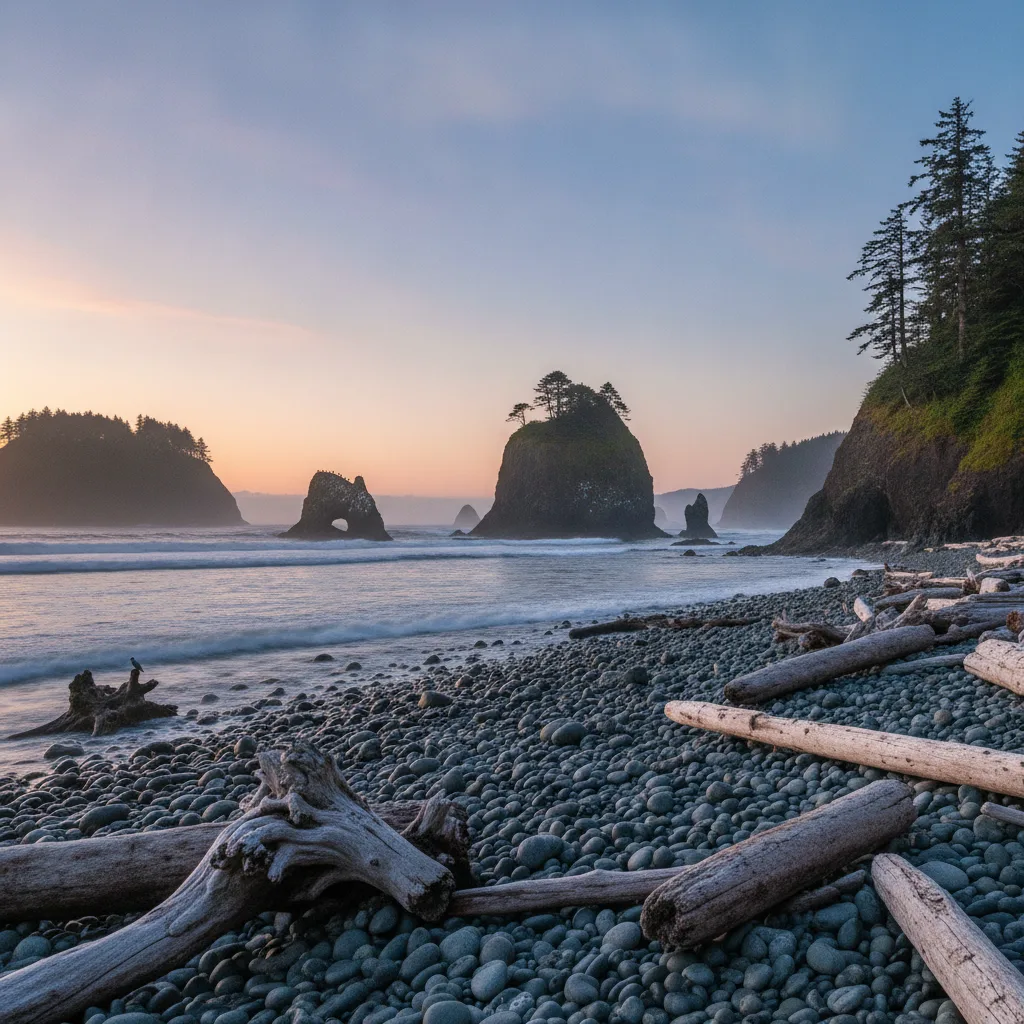
Welcome to our comprehensive guide to Olympic National Park Washington. As the Roam States editorial team, we've explored the diverse ecosystems of this incredible park to bring you an independent, authoritative perspective on planning your visit. From ancient rainforests and rugged coastlines to glaciated peaks, Olympic National Park offers an unparalleled experience for every type of traveler. We'll cut through the generic advice to provide you with the specific, actionable information you need to make your trip unforgettable.
Why Visit Olympic National Park
Olympic National Park is a jewel in the crown of Washington State's natural wonders, a place where three distinct ecosystems converge to create a landscape of breathtaking variety. We’re talking about temperate rainforests, dramatic Pacific coastline, and the majestic, glaciated Olympic Mountains—all within a single park boundary. This incredible diversity is precisely why we consider it one of the most compelling national parks in the United States. Unlike many parks that specialize in one type of scenery, Olympic allows you to hike through lush, moss-draped forests in the morning, explore tide pools teeming with life in the afternoon, and gaze upon snow-capped peaks in the distance, all on the same day. It’s a place of profound solitude and grand adventure, offering everything from challenging backcountry expeditions to accessible scenic drives and short, interpretive walks. Whether you seek the quiet contemplation of an old-growth forest or the invigorating spray of the Pacific Ocean, Olympic National Park delivers an experience that is both unique and deeply rewarding. It’s a testament to the power and beauty of untouched wilderness, and a destination that consistently ranks high on our list of must-see American landscapes.
Who It's Best For
Olympic National Park truly offers something for everyone, making it an ideal destination for a wide array of travelers. For families, the park provides numerous accessible trails and interpretive programs, especially around areas like Lake Crescent and Hurricane Ridge, where younger children can safely explore and learn about nature. The opportunity to spot wildlife, from Roosevelt elk to bald eagles, captivates visitors of all ages. Adventure seekers will find their paradise in the park's extensive network of backcountry trails, challenging mountain climbs, and exhilarating sea kayaking opportunities along the coast. The rugged wilderness areas are perfect for those looking to push their limits and experience true solitude. Nature photographers and artists are drawn to the dramatic contrasts of the landscape—the ethereal fog of the Hoh Rainforest, the vibrant sunsets over the Pacific, and the stark beauty of the mountain peaks provide endless inspiration. Even those who prefer a more relaxed pace will appreciate the scenic drives, comfortable lodges, and numerous viewpoints that allow for appreciation of the park's grandeur without strenuous effort. Essentially, if you appreciate natural beauty, seek a connection with the outdoors, and value diverse experiences, Olympic National Park is for you. It’s a place where you can tailor your adventure to your own pace and preferences, ensuring a memorable trip whether you’re a seasoned explorer or a first-time park visitor.
How to Get There & Parking
Reaching Olympic National Park Washington requires a bit of planning, primarily because of its location on the Olympic Peninsula. There are no direct roads that cut through the center of the park; instead, a network of scenic highways encircles it, providing access to various distinct areas. Most visitors arrive via Seattle-Tacoma International Airport (SEA) if flying in. From Seattle, you have a few primary options. You can drive south to Olympia and then head west, or take a ferry from Seattle or Edmonds across Puget Sound to the Kitsap Peninsula, which significantly shortens the drive around. We recommend checking the Washington State Ferries schedule in advance, especially during peak season, as wait times can be substantial. Another option from the north is to drive across the Tacoma Narrows Bridge and head west. The park is vast, so expect significant driving times between different sections, such as from Hurricane Ridge to the Hoh Rainforest, which can take several hours.
Regarding Olympic National Park parking, it varies greatly by location. Popular trailheads and viewpoints, especially at Hurricane Ridge, Lake Crescent, Sol Duc Hot Springs, and the Hoh Rainforest, have dedicated parking lots. During peak summer months (July and August) and on weekends, these lots can fill up quickly, often by mid-morning. We strongly advise arriving early to secure a spot, particularly for popular areas. Some areas, like the Hoh Rainforest, may implement temporary closures or one-in, one-out systems when parking reaches capacity. Always look for designated parking areas and avoid parking on road shoulders where it's not explicitly permitted, as this can lead to fines or even towing. There are no centralized parking reservation systems for general day-use parking within the park as of 2026, but some specific areas or events might require them, so it's always wise to check the official National Park Service website closer to your visit date for any updates. For those planning to explore more remote areas or embark on overnight backpacking trips, trailhead parking is typically available, but a wilderness permit is required for overnight stays.
Top Things to Do
When considering things to do at Olympic National Park, the sheer variety can be overwhelming, but our team has narrowed down the absolute must-sees. This park isn't just a collection of sights; it's an immersive experience that shifts dramatically as you move from one ecosystem to another. Here are our top recommendations for things to do at Olympic National Park:
- Explore the Hoh Rainforest: This is arguably one of the most iconic areas of the park, a prime example of a temperate rainforest. We recommend walking the easy 0.8-mile Hall of Mosses Trail or the 1.2-mile Spruce Nature Trail to fully appreciate the towering Sitka spruces and western hemlocks draped in vibrant green mosses and ferns. The ethereal atmosphere here is unlike anywhere else.
- Visit Hurricane Ridge: Offering panoramic views of the Olympic Mountains and, on clear days, across the Strait of Juan de Fuca to Vancouver Island, Hurricane Ridge is easily accessible by a scenic drive from Port Angeles. The Hurricane Ridge Visitor Center is a great starting point, and several paved and unpaved trails depart from here, ranging from short walks to longer hikes. In 2026, the Hurricane Ridge Visitor Center remains closed due to a fire in 2023, but restrooms and picnic tables are available, and the area is still accessible for recreation.
- Wander the Pacific Coast Beaches: Olympic's coastline is rugged and wild. Rialto Beach, with its iconic "Hole-in-the-Wall" sea arch (accessible via a 1.5-mile walk at low tide), and Ruby Beach, famous for its sea stacks and driftwood, are two of our favorites. Remember to check tide tables before visiting to ensure safe access and the best tidepooling opportunities.
- Kayak or Canoe on Lake Crescent: This deep, clear, glacially carved lake is stunning. Rent a kayak or canoe from Lake Crescent Lodge or bring your own to paddle its serene waters. The surrounding trails, like the Marymere Falls Trail, offer easy access to beautiful waterfalls.
- Soak in Sol Duc Hot Springs: Nestled in a lush forest valley, the Sol Duc Hot Springs Resort offers mineral hot spring pools for public use. It's a perfect way to relax after a day of hiking. As of 2026, the hot springs pools are open seasonally, typically from late spring through fall. Check their official website for current operating hours and fees.
- Drive the Scenic Byways: While there are no roads through the park's interior, the scenic drives to areas like Hurricane Ridge, Lake Crescent, and the Hoh Rainforest offer incredible vistas and access points to trails and viewpoints.
Best Time to Visit
Determining the best time to visit Olympic National Park depends heavily on what you want to experience, as the park’s diverse ecosystems are affected differently by the seasons. Generally, the most popular time for visitors is **summer (July and August)**. During these months, temperatures are mild, and rainfall is at its lowest across all elevations. This is the ideal time for hiking in the high country, including Hurricane Ridge, as most snow has melted, and all roads and facilities are typically open. The coastal areas are also pleasant, though fog can still roll in. However, summer also means larger crowds, especially at popular spots like the Hoh Rainforest and Hurricane Ridge, and securing lodging or camping reservations can be challenging.
**Fall (September and October)** offers a beautiful transition. Crowds begin to thin, and the rainforests take on a golden hue. The weather can still be pleasant, but prepare for cooler temperatures and increasing chances of rain, especially on the coast and in the rainforests. This is an excellent time for photography and enjoying the park with more solitude.
**Spring (April to June)** sees the park come alive with wildflowers in the lower elevations and melting snow in the mountains. This is a great time for waterfall viewing, as the rivers are full. However, many higher elevation roads and trails, including those to Hurricane Ridge, may still be closed due to snow well into June. The rainforests are particularly vibrant after spring rains.
**Winter (November to March)** transforms Olympic National Park into a quiet, often snow-covered wonderland, especially at higher elevations. Hurricane Ridge becomes a destination for snowshoeing and cross-country skiing, though the road to it may be subject to closures due to heavy snowfall. The coastal areas remain accessible, offering dramatic storm watching opportunities. Many park facilities and roads are closed or have limited hours during winter, and rain is frequent at lower elevations. For most first-time visitors looking to experience the full breadth of the park's offerings, we recommend late spring through early fall.
Where to Stay Nearby
Olympic National Park is vast, and choosing where to stay nearby depends on which areas of the park you plan to explore most extensively. Unlike some national parks with extensive in-park lodging, Olympic has a few key options within its boundaries and many more excellent choices in the surrounding gateway communities.
In-Park Lodging:
- Lake Crescent Lodge: A historic lodge located directly on the shores of Lake Crescent, offering a range of accommodations from cozy rooms to cottages. It's a perfect base for exploring the northern part of the park, including the lake itself and nearby trails. Reservations are highly recommended, often months in advance.
- Sol Duc Hot Springs Resort: Located in the Sol Duc Valley, this resort offers cabins and a lodge, with the added benefit of on-site mineral hot springs pools. It's a great option for those wanting to combine hiking with relaxation.
- Kalaloch Lodge: Situated right on the Pacific Coast, Kalaloch offers stunning ocean views and direct beach access. It's an excellent choice for exploring the park's wild western beaches. Their cabins are particularly popular.
Gateway Communities:
- Port Angeles: Located on the northern edge of the park, Port Angeles is the largest gateway city and the primary access point for Hurricane Ridge. It offers the widest range of hotels, motels, restaurants, and services, making it a convenient base for exploring the northern and eastern parts of the park.
- Forks: Famous for its Twilight connections, Forks is strategically located on the western side of the peninsula, making it an ideal base for exploring the Hoh Rainforest, Rialto Beach, Ruby Beach, and other coastal areas. Accommodations here are generally more rustic but plentiful.
- Sequim: Known for its "rain shadow" and lavender farms, Sequim is east of Port Angeles and offers a slightly different vibe. It's a good option for those looking for a quieter stay with easy access to the eastern park entrances and the Dungeness Spit.
- Quinault: On the southern side of the park, near Lake Quinault, you'll find the historic Lake Quinault Lodge. This area provides access to the Quinault Rainforest, another magnificent temperate rainforest section of the park, and offers a more secluded experience.
When planning your trip, consider booking accommodations well in advance, especially for summer visits and weekend stays. The demand for rooms, both inside and outside the park, can be very high.
Sample 2-Day Itinerary
Olympic National Park is vast, and truly experiencing its diverse ecosystems requires more than a couple of days. However, if you only have 48 hours, our team has crafted an efficient itinerary to give you a taste of its magic, focusing on two distinct regions. This itinerary assumes you are starting from the Port Angeles area.
Day 1: Mountain Views & Lake Serenity
- Morning (8:00 AM - 1:00 PM): Hurricane Ridge
Start your day early by heading up to Hurricane Ridge from Port Angeles. The scenic drive alone is worth the trip, offering increasingly dramatic views. Upon arrival, take in the panoramic vistas of the Olympic Mountains and the Strait of Juan de Fuca. Despite the visitor center closure in 2026, the area is still accessible. We recommend a leisurely walk on the paved Hurricane Hill Trail (3.2 miles roundtrip) for incredible mountain views. Pack a picnic lunch to enjoy at one of the many scenic spots.
- Afternoon (1:00 PM - 5:00 PM): Lake Crescent
Descend from Hurricane Ridge and drive west to Lake Crescent. This stunning, glacially carved lake is perfect for a relaxing afternoon. Consider renting a kayak or canoe from Lake Crescent Lodge to paddle its clear, deep waters. Alternatively, take an easy hike to Marymere Falls (1.8 miles roundtrip), a beautiful waterfall just a short walk from the lake shore. Enjoy the tranquility and natural beauty.
- Evening: Port Angeles
Head back to Port Angeles for dinner. There are several local restaurants offering fresh seafood and other options. Consider an early night to recharge for tomorrow's adventures.
Day 2: Ancient Rainforest & Wild Coastline
- Morning (7:00 AM - 1:00 PM): Hoh Rainforest
This will be your longest drive of the trip, so start early. Head south and then west towards the Hoh Rainforest. The drive itself is scenic, winding through lush forests. Once there, immerse yourself in the ethereal beauty of this temperate rainforest. We highly recommend walking the Hall of Mosses Trail (0.8 miles loop) and the Spruce Nature Trail (1.2 miles loop) to witness the iconic moss-draped trees. Parking can be challenging, so arriving early is key. Pack snacks and water, as food options are limited.
- Afternoon (1:00 PM - 5:00 PM): Pacific Coast Beaches (Rialto or Ruby Beach)
From the Hoh Rainforest, continue west to the Pacific Coast. Depending on your preference and available time, choose either Rialto Beach or Ruby Beach. Rialto Beach, near Forks, offers the iconic "Hole-in-the-Wall" (check tide tables for access). Ruby Beach, further south, is known for its dramatic sea stacks and abundant driftwood. Spend your afternoon exploring the tide pools (at low tide), watching for marine life, and feeling the power of the Pacific. This is a perfect spot for photography.
- Evening: Forks or onward travel
After a full day of exploration, you can choose to have dinner in Forks, a convenient stop on the western side of the peninsula, or begin your drive back towards your next destination, perhaps Seattle or another part of Washington State. For those interested in extending their trip, consider exploring other incredible destinations in Washington like Mount Rainier National Park or the vibrant city life around Pike Place Market in Seattle. For more ideas on what to do in the state, consult our guide to Best places in Washington.
Olympic National Park Hiking Trails
The Olympic National Park hiking trails are as diverse as the park's ecosystems, offering everything from easy, interpretive loops through ancient rainforests to strenuous, multi-day backcountry treks into glaciated mountains. Our team believes that hiking is truly the best way to experience the park's profound beauty and solitude. Here are some of the most notable Olympic National Park hiking trails:
- Easy Trails (Family-Friendly & Accessible):
- Hall of Mosses Trail (Hoh Rainforest): A quintessential Olympic experience, this 0.8-mile loop trail is relatively flat and showcases the incredibly lush, moss-draped old-growth forest. It's perfect for all ages and a must-do.
- Spruce Nature Trail (Hoh Rainforest): Another easy loop at 1.2 miles, this trail also winds through the rainforest, offering different perspectives of the towering trees and the Hoh River.
- Marymere Falls Trail (Lake Crescent): This 1.8-mile roundtrip trail leads to a beautiful, cascading waterfall. It's mostly flat with a short, moderate climb at the end, making it accessible for most.
- Rialto Beach to Hole-in-the-Wall (Coastal): A 3-mile roundtrip walk (when tides allow) along the dramatic coastline to a unique sea arch. Check tide charts carefully before embarking.
- Moderate Trails (Day Hikes):
- Hurricane Hill Trail (Hurricane Ridge): A 3.2-mile roundtrip paved trail offering spectacular 360-degree views of the Olympic Mountains and the Strait of Juan de Fuca. The elevation gain is moderate but rewarding.
- Mount Storm King Trail (Lake Crescent): A challenging 4.1-mile roundtrip hike with significant elevation gain, culminating in breathtaking views of Lake Crescent. The final ascent requires ropes, making it suitable for experienced hikers.
- Ozette Loop (Coastal): This 9-mile loop combines forest hiking with beach walking, connecting three coastal beaches (Sand Point, Cape Alava, and Wedding Rocks) via boardwalks. It's a fantastic way to experience both coastal forest and rugged shoreline.
- Quinault Rainforest Loop (Lake Quinault): A 4-mile loop through another magnificent temperate rainforest, offering a less crowded alternative to the Hoh.
- Strenuous & Backcountry Trails (Experienced Hikers):
- High Divide Loop / Seven Lakes Basin (Sol Duc): This iconic 19-mile loop is a challenging multi-day backpacking trip, offering unparalleled views of Mount Olympus and access to pristine alpine lakes. A wilderness permit is required.
- Enchanted Valley Trail (Quinault): A 26-mile roundtrip trek through a stunning valley, often called the "Valley of 10,000 Waterfalls," leading to a historic chalet. This is a multi-day backpacking trip.
- Shi Shi Beach to Point of the Arches (Coastal): A 4-mile roundtrip hike (plus a 2-mile walk to the trailhead) to one of the most beautiful and remote beaches, famous for its sea arches. Requires a Makah Recreation Pass in addition to the park entrance fee.
Before embarking on any of the Olympic National Park hiking trails, especially longer or more remote ones, we strongly advise checking trail conditions, weather forecasts, and carrying appropriate gear. Always let someone know your itinerary, and consider carrying a map and compass or GPS device, as cell service is unreliable in many areas of the park. Bear canisters are often required for overnight stays in the backcountry.
Is It Worth Visiting?
Without a doubt, our editorial team confidently asserts that Olympic National Park is absolutely worth visiting. This isn't just another national park; it's a microcosm of the Pacific Northwest's most stunning and diverse natural landscapes, all contained within a single, accessible wilderness. The sheer variety of experiences available here is what truly sets it apart. Where else can you walk among ancient, moss-draped trees in a temperate rainforest in the morning, explore rugged, driftwood-strewn beaches with dramatic sea stacks in the afternoon, and then gaze upon glaciated mountain peaks from a subalpine meadow, all within a day's drive? This incredible ecological diversity ensures that every visitor, regardless of their interests or fitness level, will find something captivating.
Beyond the postcard-perfect scenery, Olympic National Park offers a profound sense of escape and connection to nature. The air is crisp, the silence in the deep forests is palpable, and the power of the Pacific Ocean is humbling. It’s a place where you can truly disconnect from the hustle and bustle of daily life and immerse yourself in the wild. We believe that the unique combination of rainforest, coast, and mountains provides an unparalleled opportunity for exploration, photography, and personal reflection. While it requires a bit more driving to navigate its distinct regions, this very characteristic contributes to its charm, allowing each area to feel like a separate, wondrous discovery. If you're seeking a destination that offers breathtaking beauty, diverse activities, and a genuine sense of wilderness adventure, then Olympic National Park is worth visiting—it's an essential experience for any nature lover.
Olympic National Park Camping
For many visitors, Olympic National Park camping is the quintessential way to experience the park's natural beauty, offering an immersive connection to its diverse landscapes. We believe that spending a night under the stars, whether by the ocean, in a rainforest, or near a mountain stream, truly enhances the park experience. The park offers a variety of camping options, from developed campgrounds with amenities to primitive backcountry sites.
Developed Campgrounds:
Olympic National Park has several developed campgrounds, many of which are reservable, especially during the peak summer season (typically May through September). Reservations for popular campgrounds like Hoh Rainforest, Kalaloch, Mora (near Rialto Beach), and Sol Duc (near the hot springs) are highly recommended and can often be made up to six months in advance via Recreation.gov. As of 2026, some campgrounds, particularly those in more remote areas or smaller ones, may operate on a first-come, first-served basis. Always check the official NPS website for the most current information on specific campground availability, operating dates, and reservation policies.
- Hoh Campground: Located in the heart of the Hoh Rainforest, this is one of the most sought-after campgrounds. It offers flush toilets and potable water.
- Kalaloch Campground: Situated on a bluff overlooking the Pacific Ocean, this campground provides direct beach access and stunning views. It's very popular for its coastal location.
- Mora Campground: Near Rialto Beach, this campground offers easy access to the dramatic coastline and the Quillayute River.
- Sol Duc Campground: Conveniently located near the Sol Duc Hot Springs Resort, this campground is nestled in a lush forest valley.
- Fairholme Campground (Lake Crescent): A smaller campground on the western end of Lake Crescent, offering a serene lakeside experience.
- Heart O' the Hills Campground (Hurricane Ridge): Closest to Port Angeles and the Hurricane Ridge road, this campground is a good base for mountain exploration.
Most developed campgrounds have vault or flush toilets, picnic tables, and fire rings. Potable water is usually available, but it's always wise to confirm. RVs are permitted in many campgrounds, but hookups are generally not available within the park. Generator hours are typically restricted.
Backcountry Camping:
For those seeking a more rugged and solitary experience, Olympic National Park offers extensive backcountry camping opportunities. A wilderness permit is required for all overnight backcountry stays, and reservations for popular areas (like the High Divide Loop or coastal strips) are highly competitive, especially during summer. Permits can be obtained via Recreation.gov. Backcountry campers must adhere to Leave No Trace principles, including proper food storage (bear canisters are often required or highly recommended) and waste disposal. Always check the park's wilderness regulations and current conditions before planning your trip.
Whether you choose the convenience of a developed site or the solitude of the backcountry, Olympic National Park camping provides an unforgettable way to connect with this extraordinary wilderness. Book early, prepare for varying weather, and enjoy the magic of sleeping under the Olympic sky.
FAQ Longtails
things to do in Olympic Peninsula
Beyond the national park itself, the Olympic Peninsula offers a wealth of activities. We highly recommend exploring charming coastal towns like Port Townsend, known for its Victorian architecture and vibrant arts scene. You can also visit the Dungeness Spit, the longest natural sand spit in the US, near Sequim, which is a fantastic spot for birdwatching. For a unique cultural experience, consider visiting the Makah Museum in Neah Bay to learn about the rich history of the Makah Tribe. Additionally, the peninsula is home to numerous state parks, scenic drives, and opportunities for fishing, kayaking, and cycling. Don't miss sampling the local seafood, especially fresh oysters and salmon, available in many of the small towns dotted around the peninsula.
Olympic National Park with kids
Olympic National Park is an excellent destination for families with kids, offering a variety of engaging and accessible activities. Our team suggests focusing on areas with shorter, interpretive trails, such as the Hall of Mosses in the Hoh Rainforest or the Marymere Falls Trail near Lake Crescent. Kids often love exploring the tide pools at Ruby Beach or Rialto Beach (always check tide tables for safety and best viewing). The Hurricane Ridge area offers easy paved walks with stunning mountain views. Many ranger-led programs, especially during summer, are designed for younger visitors and can be a great way to learn about the park's ecosystems. Consider picking up a Junior Ranger activity book at any visitor center to make the experience interactive and educational for children.
Olympic National Park tips
Our top Olympic National Park tips for a successful visit include planning ahead, especially for lodging and popular campground reservations, which can fill up months in advance. Due to the park's vastness and varied ecosystems, we recommend allocating at least 3-5 days to experience its different regions without feeling rushed. Always check the weather forecast for multiple elevations and carry layers, as conditions can change rapidly. Cell service is limited or nonexistent in many areas, so download maps and information offline. Pack plenty of water, snacks, and a first-aid kit. Finally, practice Leave No Trace principles to help preserve this incredible wilderness for future generations.
Olympic National Park parking
Olympic National Park parking can be challenging, especially during peak season (July and August) and on weekends at popular trailheads and viewpoints like the Hoh Rainforest, Hurricane Ridge, and Lake Crescent. We strongly advise arriving early in the morning (before 9 AM) to secure a spot. Some popular areas may implement temporary closures or one-in, one-out systems when lots reach capacity. There are no general parking reservation systems for day-use parking as of 2026, but always check the official NPS website for any updates. Overnight backcountry parking requires a wilderness permit. Always use designated parking areas to avoid fines or towing.
best time to visit Olympic National Park
The best time to visit Olympic National Park largely depends on your desired activities. For comprehensive access to all areas, including high-elevation trails, and the most favorable weather, **summer (July and August)** is ideal, though it brings the largest crowds. **Fall (September and October)** offers fewer crowds and beautiful foliage but with cooler temperatures and increasing rain. **Spring (April to June)** is excellent for lush rainforests and waterfalls, but many mountain roads and trails may still be snow-covered. **Winter (November to March)** provides solitude and snow activities at Hurricane Ridge, but many facilities are closed, and rain is common at lower elevations.
Olympic National Park hours and fees
Olympic National Park is open 24 hours a day, year-round, though some roads, facilities, and visitor centers have seasonal closures or limited hours, especially in winter. The park charges an entrance fee, which as of 2026, is typically $30 per private vehicle, valid for seven consecutive days. This fee covers all occupants of the vehicle. An Olympic National Park Annual Pass is also available for $55, or you can use an America the Beautiful National Parks and Federal Recreational Lands Pass. Most visitor centers operate seasonally, with varying hours; check the official NPS website for current operating schedules for specific facilities and any potential closures or reservation requirements for specific areas.
Our team at Roam States hopes this guide helps you plan an unforgettable journey to Olympic National Park Washington. Its unparalleled diversity, from ancient rainforests to rugged coastlines and glaciated peaks, truly makes it a jewel of the Pacific Northwest. We encourage you to embrace the adventure, respect the wilderness, and allow yourself to be fully immersed in the natural splendor of this extraordinary place. Happy travels!
Last updated: 2026-07-08 by the Roam States team.
Welcome to our comprehensive guide to Olympic National Park Washington. As the Roam States editorial team, we've explored the diverse ecosystems of this incredible park to bring you an independent, authoritative perspective on planning your visit. From ancient rainforests and rugged coastlines to glaciated peaks, Olympic National Park offers an unparalleled experience for every type of traveler. We'll cut through the generic advice to provide you with the specific, actionable information you need to make your trip unforgettable.
Why Visit Olympic National Park
Olympic National Park is a jewel in the crown of Washington State's natural wonders, a place where three distinct ecosystems converge to create a landscape of breathtaking variety. We’re talking about temperate rainforests, dramatic Pacific coastline, and the majestic, glaciated Olympic Mountains—all within a single park boundary. This incredible diversity is precisely why we consider it one of the most compelling national parks in the United States. Unlike many parks that specialize in one type of scenery, Olympic allows you to hike through lush, moss-draped forests in the morning, explore tide pools teeming with life in the afternoon, and gaze upon snow-capped peaks in the distance, all on the same day. It’s a place of profound solitude and grand adventure, offering everything from challenging backcountry expeditions to accessible scenic drives and short, interpretive walks. Whether you seek the quiet contemplation of an old-growth forest or the invigorating spray of the Pacific Ocean, Olympic National Park delivers an experience that is both unique and deeply rewarding. It’s a testament to the power and beauty of untouched wilderness, and a destination that consistently ranks high on our list of must-see American landscapes.
Who It's Best For
Olympic National Park truly offers something for everyone, making it an ideal destination for a wide array of travelers. For families, the park provides numerous accessible trails and interpretive programs, especially around areas like Lake Crescent and Hurricane Ridge, where younger children can safely explore and learn about nature. The opportunity to spot wildlife, from Roosevelt elk to bald eagles, captivates visitors of all ages. Adventure seekers will find their paradise in the park's extensive network of backcountry trails, challenging mountain climbs, and exhilarating sea kayaking opportunities along the coast. The rugged wilderness areas are perfect for those looking to push their limits and experience true solitude. Nature photographers and artists are drawn to the dramatic contrasts of the landscape—the ethereal fog of the Hoh Rainforest, the vibrant sunsets over the Pacific, and the stark beauty of the mountain peaks provide endless inspiration. Even those who prefer a more relaxed pace will appreciate the scenic drives, comfortable lodges, and numerous viewpoints that allow for appreciation of the park's grandeur without strenuous effort. Essentially, if you appreciate natural beauty, seek a connection with the outdoors, and value diverse experiences, Olympic National Park is for you. It’s a place where you can tailor your adventure to your own pace and preferences, ensuring a memorable trip whether you’re a seasoned explorer or a first-time park visitor.
How to Get There & Parking
Reaching Olympic National Park Washington requires a bit of planning, primarily because of its location on the Olympic Peninsula. There are no direct roads that cut through the center of the park; instead, a network of scenic highways encircles it, providing access to various distinct areas. Most visitors arrive via Seattle-Tacoma International Airport (SEA) if flying in. From Seattle, you have a few primary options. You can drive south to Olympia and then head west, or take a ferry from Seattle or Edmonds across Puget Sound to the Kitsap Peninsula, which significantly shortens the drive around. We recommend checking the Washington State Ferries schedule in advance, especially during peak season, as wait times can be substantial. Another option from the north is to drive across the Tacoma Narrows Bridge and head west. The closest major airport to Olympic National Park is Seattle-Tacoma International Airport (SEA), about 130 miles from the Hurricane Ridge park entrance if you don't take a ferry. The park is vast, so expect significant driving times between different sections, such as from Hurricane Ridge to the Hoh Rainforest, which can take several hours. Nearly all major attractions in Olympic National Park can be reached by taking Highway 101, which loops around the Olympic Peninsula.
Regarding Olympic National Park parking, it varies greatly by location. Popular trailheads and viewpoints, especially at Hurricane Ridge, Lake Crescent, Sol Duc Hot Springs, and the Hoh Rainforest, have dedicated parking lots. During peak summer months (July and August) and on weekends, these lots can fill up quickly, often by mid-morning. We strongly advise arriving early to secure a spot, particularly for popular areas. Some areas, like the Hoh Rainforest, may implement temporary closures or one-in, one-out systems when parking reaches capacity. Always look for designated parking areas and avoid parking on road shoulders where it's not explicitly permitted, as this can lead to fines or even towing. As of 2026, there are no centralized parking reservation systems for general day-use parking within the park, but some specific areas or events might require them, so it's always wise to check the official National Park Service website closer to your visit date for any updates. For those planning to explore more remote areas or embark on overnight backpacking trips, trailhead parking is typically available, but a wilderness permit is required for overnight stays.
Top Things to Do
When considering things to do at Olympic National Park, the sheer variety can be overwhelming, but our team has narrowed down the absolute must-sees. This park isn't just a collection of sights; it's an immersive experience that shifts dramatically as you move from one ecosystem to another. Here are our top recommendations for things to do at Olympic National Park:
- Explore the Hoh Rainforest: This is arguably one of the most iconic areas of the park, a prime example of a temperate rainforest. We recommend walking the easy 0.8-mile Hall of Mosses Trail or the 1.2-mile Spruce Nature Trail to fully appreciate the towering Sitka spruces and western hemlocks draped in vibrant green mosses and ferns. The ethereal atmosphere here is unlike anywhere else. Parking at the Hoh Rain Forest is limited in summer, so we recommend arriving before 8 am or after 5 pm to avoid long wait times at the entrance station.
- Visit Hurricane Ridge: Offering panoramic views of the Olympic Mountains and, on clear days, across the Strait of Juan de Fuca to Vancouver Island, Hurricane Ridge is easily accessible by a scenic drive from Port Angeles. The Hurricane Ridge Visitor Center is a great starting point, and several paved and unpaved trails depart from here, ranging from short walks to longer hikes. In 2026, the Hurricane Ridge Visitor Center remains closed due to a fire in 2023, but restrooms and picnic tables are available, and the area is still accessible for recreation. Access to Hurricane Ridge Road will be limited from 7 a.m. to 9 p.m. with a daily limit of 315 vehicles, and the parking area supporting 175 vehicles at a time.
- Wander the Pacific Coast Beaches: Olympic's coastline is rugged and wild. Rialto Beach, with its iconic "Hole-in-the-Wall" sea arch (accessible via a 1.5-mile walk at low tide), and Ruby Beach, famous for its sea stacks and driftwood, are two of our favorites. Remember to check tide tables before visiting to ensure safe access and the best tidepooling opportunities. Note that the Mora Road corridor past the campground to Rialto Beach is expected to be closed from July into early fall 2026 for storm damage repairs. Nearby spots like Ruby Beach offer similarly stunning views and iconic sea stacks.
- Kayak or Canoe on Lake Crescent: This deep, clear, glacially carved lake is stunning. Rent a kayak or canoe from Lake Crescent Lodge or bring your own to paddle its serene waters. The surrounding trails, like the Marymere Falls Trail, offer easy access to beautiful waterfalls.
- Soak in Sol Duc Hot Springs: Nestled in a lush forest valley, the Sol Duc Hot Springs Resort offers mineral hot spring pools for public use. It's a perfect way to relax after a day of hiking. As of 2026, the hot springs pools are open seasonally from approximately late March through late October. Day-use pool access is available for non-overnight visitors, with pool access fees in 2026 being $19 for adults, $15 for children ages 4 to 12, and $15 for seniors over 62.
- Drive the Scenic Byways: While there are no roads through the park's interior, the scenic drives to areas like Hurricane Ridge, Lake Crescent, and the Hoh Rainforest offer incredible vistas and access points to trails and viewpoints.
Best Time to Visit
Determining the best time to visit Olympic National Park depends heavily on what you want to experience, as the park’s diverse ecosystems are affected differently by the seasons. Generally, the most popular time for visitors is **summer (July and August)**. During these months, temperatures are mild, and rainfall is at its lowest across all elevations. This is the ideal time for hiking in the high country, including Hurricane Ridge, as most snow has melted, and all roads and facilities are typically open. The coastal areas are also pleasant, though fog can still roll in. However, summer also means larger crowds, especially at popular spots like the Hoh Rainforest and Hurricane Ridge, and securing lodging or camping reservations can be challenging.
**Fall (September and October)** offers a beautiful transition. Crowds begin to thin, and the rainforests take on a golden hue. The weather can still be pleasant, but prepare for cooler temperatures and increasing chances of rain, especially on the coast and in the rainforests. This is an excellent time for photography and enjoying the park with more solitude.
**Spring (April to June)** sees the park come alive with wildflowers in the lower elevations and melting snow in the mountains. This is a great time for waterfall viewing, as the rivers are full. However, many higher elevation roads and trails, including those to Hurricane Ridge, may still be closed due to snow well into June. The rainforests are particularly vibrant after spring rains. Late spring is also the birthing season for Roosevelt elk in the Hoh Rainforest, increasing your chances of seeing calves.
**Winter (November to March)** transforms Olympic National Park into a quiet, often snow-covered wonderland, especially at higher elevations. Hurricane Ridge becomes a destination for snowshoeing and cross-country skiing, though the road to it may be subject to closures due to heavy snowfall. The coastal areas remain accessible, offering dramatic storm watching opportunities. Many park facilities and roads are closed or have limited hours during winter, and rain is frequent at lower elevations. For most first-time visitors looking to experience the full breadth of the park's offerings, we recommend late spring through early fall.
Where to Stay Nearby
Olympic National Park is vast, and choosing where to stay nearby depends on which areas of the park you plan to explore most extensively. Unlike some national parks with extensive in-park lodging, Olympic has a few key options within its boundaries and many more excellent choices in the surrounding gateway communities.
In-Park Lodging:
- Lake Crescent Lodge: A historic lodge located directly on the shores of Lake Crescent, offering a range of accommodations from cozy rooms to cottages. It's a perfect base for exploring the northern part of the park, including the lake itself and nearby trails. Lake Crescent Lodge is open from April 17, 2026, to January 1, 2027. Reservations are strongly encouraged, often months in advance.
- Sol Duc Hot Springs Resort: Located in the Sol Duc Valley, this resort offers cabins and a lodge, with the added benefit of on-site mineral hot springs pools. It's a great option for those wanting to combine hiking with relaxation. Sol Duc Hot Springs Resort is open from March 20, 2026, to November 1, 2026.
- Kalaloch Lodge: Situated right on the Pacific Coast, Kalaloch offers stunning ocean views and direct beach access. It's an excellent choice for exploring the park's wild western beaches. Their cabins are particularly popular. Kalaloch Lodge is open year-round.
Gateway Communities:
- Port Angeles: Located on the northern edge of the park, Port Angeles is the largest gateway city and the primary access point for Hurricane Ridge. It offers the widest range of hotels, motels, restaurants, and services, making it a convenient base for exploring the northern and eastern parts of the park.
- Forks: Famous for its Twilight connections, Forks is strategically located on the western side of the peninsula, making it an ideal base for exploring the Hoh Rainforest, Rialto Beach, Ruby Beach, and other coastal areas. Accommodations here are generally more rustic but plentiful.
- Sequim: Known for its "rain shadow" and lavender farms, Sequim is east of Port Angeles and offers a slightly different vibe. It's a good option for those looking for a quieter stay with easy access to the eastern park entrances and the Dungeness Spit.
- Quinault: On the southern side of the park, near Lake Quinault, you'll find the historic Lake Quinault Lodge. This area provides access to the Quinault Rainforest, another magnificent temperate rainforest section of the park, and offers a more secluded experience.
When planning your trip, consider booking accommodations well in advance, especially for summer visits and weekend stays. The demand for rooms, both inside and outside the park, can be very high.
Sample 2-Day Itinerary
Olympic National Park is vast, and truly experiencing its diverse ecosystems requires more than a couple of days. However, if you only have 48 hours, our team has crafted an efficient itinerary to give you a taste of its magic, focusing on two distinct regions. This itinerary assumes you are starting from the Port Angeles area.
Day 1: Mountain Views & Lake Serenity
- Morning (8:00 AM - 1:00 PM): Hurricane Ridge
Start your day early by heading up to Hurricane Ridge from Port Angeles. The scenic drive alone is worth the trip, offering increasingly dramatic views. Upon arrival, take in the panoramic vistas of the Olympic Mountains and the Strait of Juan de Fuca. Despite the visitor center closure in 2026, the area is still accessible. We recommend a leisurely walk on the paved Hurricane Hill Trail (3.2 miles roundtrip) for incredible mountain views. Pack a picnic lunch to enjoy at one of the many scenic spots. Note that Hurricane Hill Road will have weekday closures (Monday-Thursday) from May 11 to July 2, 2026, due to a major rehabilitation project.
- Afternoon (1:00 PM - 5:00 PM): Lake Crescent
Descend from Hurricane Ridge and drive west to Lake Crescent. This stunning, glacially carved lake is perfect for a relaxing afternoon. Consider renting a kayak or canoe from Lake Crescent Lodge to paddle its clear, deep waters. Alternatively, take an easy hike to Marymere Falls (1.8 miles roundtrip), a beautiful waterfall just a short walk from the lake shore. Enjoy the tranquility and natural beauty.
- Evening: Port Angeles
Head back to Port Angeles for dinner. There are several local restaurants offering fresh seafood and other options. Consider an early night to recharge for tomorrow's adventures.
Day 2: Ancient Rainforest & Wild Coastline
- Morning (7:00 AM - 1:00 PM): Hoh Rainforest
This will be your longest drive of the trip, so start early. Head south and then west towards the Hoh Rainforest. The drive itself is scenic, winding through lush forests. Once there, immerse yourself in the ethereal beauty of this temperate rainforest. We highly recommend walking the Hall of Mosses Trail (0.8 miles loop) and the Spruce Nature Trail (1.2 miles loop) to witness the iconic moss-draped trees. Parking can be challenging, so arriving early is key. Pack snacks and water, as food options are limited. The Hoh Rain Forest Visitor Center is open daily from 9 am to 5:30 pm.
- Afternoon (1:00 PM - 5:00 PM): Pacific Coast Beaches (Rialto or Ruby Beach)
From the Hoh Rainforest, continue west to the Pacific Coast. Depending on your preference and available time, choose either Rialto Beach or Ruby Beach. Rialto Beach, near Forks, offers the iconic "Hole-in-the-Wall" (check tide tables for access). Ruby Beach, further south, is known for its dramatic sea stacks and abundant driftwood. Spend your afternoon exploring the tide pools (at low tide), watching for marine life, and feeling the power of the Pacific. This is a perfect spot for photography. Remember that Rialto Beach will be completely inaccessible from July 8 through October 5, 2026, due to major construction on Mora Road.
- Evening: Forks or onward travel
After a full day of exploration, you can choose to have dinner in Forks, a convenient stop on the western side of the peninsula, or begin your drive back towards your next destination, perhaps Seattle or another part of Washington State. For those interested in extending their trip, consider exploring other incredible destinations in Washington like Mount Rainier National Park or the vibrant city life around Pike Place Market in Seattle. For more ideas on what to do in the state, consult our guide to Best places in Washington.
Olympic National Park Hiking Trails
The Olympic National Park hiking trails are as diverse as the park's ecosystems, offering everything from easy, interpretive loops through ancient rainforests to strenuous, multi-day backcountry treks into glaciated mountains. Our team believes that hiking is truly the best way to experience the park's profound beauty and solitude. Here are some of the most notable Olympic National Park hiking trails:
- Easy Trails (Family-Friendly & Accessible):
- Hall of Mosses Trail (Hoh Rainforest): A quintessential Olympic experience, this 0.8-mile loop trail is relatively flat and showcases the incredibly lush, moss-draped old-growth forest. It's perfect for all ages and a must-do.
- Spruce Nature Trail (Hoh Rainforest): Another easy loop at 1.2 miles, this trail also winds through the rainforest, offering different perspectives of the towering trees and the Hoh River.
- Marymere Falls Trail (Lake Crescent): This 1.8-mile roundtrip trail leads to a beautiful, cascading waterfall. It's mostly flat with a short, moderate climb at the end, making it accessible for most.
- Rialto Beach to Hole-in-the-Wall (Coastal): A 3-mile roundtrip walk (when tides allow) along the dramatic coastline to a unique sea arch. Check tide charts carefully before embarking. Remember the Rialto Beach closure from July 8 through October 5, 2026.
- Moderate Trails (Day Hikes):
- Hurricane Hill Trail (Hurricane Ridge): A 3.2-mile roundtrip paved trail offering spectacular 360-degree views of the Olympic Mountains and the Strait of Juan de Fuca. The elevation gain is moderate but rewarding.
- Mount Storm King Trail (Lake Crescent): A challenging 4.1-mile roundtrip hike with significant elevation gain, culminating in breathtaking views of Lake Crescent. The final ascent requires ropes, making it suitable for experienced hikers.
- Ozette Loop (Coastal): This 9-mile loop combines forest hiking with beach walking, connecting three coastal beaches (Sand Point, Cape Alava, and Wedding Rocks) via boardwalks. It's a fantastic way to experience both coastal forest and rugged shoreline.
- Quinault Rainforest Loop (Lake Quinault): A 4-mile loop through another magnificent temperate rainforest, offering a less crowded alternative to the Hoh.
- Strenuous & Backcountry Trails (Experienced Hikers):
- High Divide Loop / Seven Lakes Basin (Sol Duc): This iconic 19-mile loop is a challenging multi-day backpacking trip, offering unparalleled views of Mount Olympus and access to pristine alpine lakes. A wilderness permit is required.
- Enchanted Valley Trail (Quinault): A 26-mile roundtrip trek through a stunning valley, often called the "Valley of 10,000 Waterfalls," leading to a historic chalet. This is a multi-day backpacking trip. Wilderness permits are required, and as of 2024, the Enchanted Valley is managed as a quota area on a trial basis.
- Shi Shi Beach to Point of the Arches (Coastal): A 4-mile roundtrip hike (plus a 2-mile walk to the trailhead) to one of the most beautiful and remote beaches, famous for its sea arches. Requires a Makah Recreation Pass in addition to the park entrance fee.
Before embarking on any of the Olympic National Park hiking trails, especially longer or more remote ones, we strongly advise checking trail conditions, weather forecasts, and carrying appropriate gear. Always let someone know your itinerary, and consider carrying a map and compass or GPS device, as cell service is unreliable in many areas of the park. Bear canisters are required for any overnight stay in the wilderness of Olympic National Park. Wilderness permits are required year-round for all overnight backcountry stays.
Is It Worth Visiting?
Without a doubt, our editorial team confidently asserts that Olympic National Park is absolutely worth visiting. This isn't just another national park; it's a microcosm of the Pacific Northwest's most stunning and diverse natural landscapes, all contained within a single, accessible wilderness. The sheer variety of experiences available here is what truly sets it apart. Where else can you walk among ancient, moss-draped trees in a temperate rainforest in the morning, explore rugged, driftwood-strewn beaches with dramatic sea stacks in the afternoon, and then gaze upon glaciated mountain peaks from a subalpine meadow, all within a day's drive? This incredible ecological diversity ensures that every visitor, regardless of their interests or fitness level, will find something captivating.
Beyond the postcard-perfect scenery, Olympic National Park offers a profound sense of escape and connection to nature. The air is crisp, the silence in the deep forests is palpable, and the power of the Pacific Ocean is humbling. It’s a place where you can truly disconnect from the hustle and bustle of daily life and immerse yourself in the wild. We believe that the unique combination of rainforest, coast, and mountains provides an unparalleled opportunity for exploration, photography, and personal reflection. While it requires a bit more driving to navigate its distinct regions, this very characteristic contributes to its charm, allowing each area to feel like a separate, wondrous discovery. If you're seeking a destination that offers breathtaking beauty, diverse activities, and a genuine sense of wilderness adventure, then Olympic National Park is worth visiting—it's an essential experience for any nature lover.
Olympic National Park Camping
For many visitors, Olympic National Park camping is the quintessential way to experience the park's natural beauty, offering an immersive connection to its diverse landscapes. We believe that spending a night under the stars, whether by the ocean, in a rainforest, or near a mountain stream, truly enhances the park experience. The park offers a variety of camping options, from developed campgrounds with amenities to primitive backcountry sites.
Developed Campgrounds:
Olympic National Park has 14 developed campgrounds, many of which are reservable, especially during the peak summer season (typically May through September). Reservations for popular campgrounds like Hoh Rainforest, Kalaloch, Mora (near Rialto Beach), and Sol Duc (near the hot springs) are highly recommended and can often be made up to six months in advance via Recreation.gov. As of 2026, some campgrounds, like Heart O' the Hills and Graves Creek, operate on a first-come, first-served basis. Always check the official NPS website for the most current information on specific campground availability, operating dates, and reservation policies.
- Hoh Campground: Located in the heart of the Hoh Rainforest, this is one of the most sought-after campgrounds. The reservation season for 2026 is June 12 to September 6, with campsites released in staggered blocks 6 months, 2 weeks, and 4 days in advance. It offers flush toilets and potable water.
- Kalaloch Campground: Situated on a bluff overlooking the Pacific Ocean, this campground provides direct beach access and stunning views. It's very popular for its coastal location. Reservations are required from May 15 to September 20, 2026.
- Mora Campground: Near Rialto Beach, this campground offers easy access to the dramatic coastline and the Quillayute River. Reservations are required from May 15 to September 20, 2026.
- Sol Duc Campground: Conveniently located near the Sol Duc Hot Springs Resort, this campground is nestled in a lush forest valley. Reservations are available from March 20 to November 1, 2026.
- Fairholme Campground (Lake Crescent): Neighboring Lake Crescent, Fairholme includes lakeside campsites. The reservation season for 2026 is May 15 to September 29, with sites released in staggered blocks.
- Heart O' the Hills Campground (Hurricane Ridge): Closest to Port Angeles and the Hurricane Ridge road, this campground is a good base for mountain exploration and operates on a first-come, first-served basis.
- Staircase Campground: This campground, located in the Staircase developed area, will reopen on July 8, 2026, with reservations accepted from that date.
Most developed campgrounds have vault or flush toilets, picnic tables, and fire rings. Potable water is usually available, but it's always wise to confirm. RVs are permitted in many campgrounds, but hookups are generally not available within the park. Generator hours are typically restricted. Dump stations are available at Fairholme, Kalaloch, Mora, and Sol Duc campgrounds for a $10 fee per use.
Backcountry Camping:
For those seeking a more rugged and solitary experience, Olympic National Park offers extensive backcountry camping opportunities. A wilderness permit is required for all overnight backcountry stays, and reservations for popular areas (like the High Divide Loop or coastal strips) are highly competitive, especially during summer. Permit reservations for the summer season (May 15 through October 15) are released on April 15 at 7:00 AM PST. The fee for each Wilderness Camping Permit is $8 per person per night, plus a $6 per permit fee. Bear canisters are required for any overnight stay in the wilderness. Backcountry campers must adhere to Leave No Trace principles, including proper food storage and waste disposal. Always check the park's wilderness regulations and current conditions before planning your trip.
FAQ Longtails
things to do in Olympic Peninsula
Beyond the national park itself, the Olympic Peninsula offers a wealth of activities. We highly recommend exploring charming coastal towns like Port Townsend, known for its Victorian architecture and vibrant arts scene. You can also visit the Dungeness Spit, the longest natural sand spit in the US, near Sequim, which is a fantastic spot for birdwatching. For a unique cultural experience, consider visiting the Makah Museum in Neah Bay to learn about the rich history of the Makah Tribe. Additionally, the peninsula is home to numerous state parks, scenic drives, and opportunities for fishing, kayaking, and cycling. Don't miss sampling the local seafood, especially fresh oysters and salmon, available in many of the small towns dotted around the peninsula.
Olympic National Park with kids
Olympic National Park is an excellent destination for families with kids, offering a variety of engaging and accessible activities. Our team suggests focusing on areas with shorter, interpretive trails, such as the Hall of Mosses in the Hoh Rainforest or the Marymere Falls Trail near Lake Crescent. Kids often love exploring the tide pools at Ruby Beach or Rialto Beach (always check tide tables for safety and best viewing). The Hurricane Ridge area offers easy paved walks with stunning mountain views. Many ranger-led programs, especially during summer, are designed for younger visitors and can be a great way to learn about the park's ecosystems. Consider picking up a Junior Ranger activity book at any visitor center to make the experience interactive and educational for children.
Olympic National Park tips
Our top Olympic National Park tips for a successful visit include planning ahead, especially for lodging and popular campground reservations, which can fill up months in advance. Due to the park's vastness and varied ecosystems, we recommend allocating at least 3-5 days to experience its different regions without feeling rushed. Always check the weather forecast for multiple elevations and carry layers, as conditions can change rapidly. Cell service is limited or nonexistent in many areas, so download maps and information offline. Pack plenty of water, snacks, and a first-aid kit. Finally, practice Leave No Trace principles to help preserve this incredible wilderness for future generations.
Olympic National Park parking
Olympic National Park parking can be challenging, especially during peak season (July and August) and on weekends at popular trailheads and viewpoints like the Hoh Rainforest, Hurricane Ridge, and Lake Crescent. We strongly advise arriving early in the morning (before 9 AM) to secure a spot. Some popular areas may implement temporary closures or one-in, one-out systems when lots reach capacity. There are no general parking reservation systems for day-use parking as of 2026, but always check the official NPS website for any updates. Overnight backcountry parking requires a wilderness permit. Always use designated parking areas to avoid fines or towing.
best time to visit Olympic National Park
The best time to visit Olympic National Park largely depends on your desired activities. For comprehensive access to all areas, including high-elevation trails, and the most favorable weather, **summer (July and August)** is ideal, though it brings the largest crowds. **Fall (September and October)** offers fewer crowds and beautiful foliage but with cooler temperatures and increasing rain. **Spring (April to June)** is excellent for lush rainforests and waterfalls, but many mountain roads and trails may still be snow-covered. **Winter (November to March)** provides solitude and snow activities at Hurricane Ridge, but many facilities are closed, and rain is common at lower elevations.
Olympic National Park hours and fees
Olympic National Park is open 24 hours a day, year-round, though some roads, facilities, and visitor centers have seasonal closures or limited hours, especially in winter. The park charges an entrance fee, which as of 2026, is $30 per private vehicle, valid for seven consecutive days. This fee covers all occupants of the vehicle. An Olympic National Park Annual Pass is also available for $55, or you can use an America the Beautiful National Parks and Federal Recreational Lands Pass for $80. Most visitor centers operate seasonally, with varying hours; the main Olympic National Park Visitor Center in Port Angeles is open daily from 9 am to 5 pm, except Thanksgiving and Christmas Day. The Hoh Rain Forest Visitor Center is open daily from 9 am to 5:30 pm. Check the official NPS website for current operating schedules for specific facilities and any potential closures or reservation requirements for specific areas.
Our team at Roam States hopes this guide helps you plan an unforgettable journey to Olympic National Park Washington. Its unparalleled diversity, from ancient rainforests to rugged coastlines and glaciated peaks, truly makes it a jewel of the Pacific Northwest. We encourage you to embrace the adventure, respect the wilderness, and allow yourself to be fully immersed in the natural splendor of this extraordinary place. Happy travels!
Last updated: 2026-07-08 by the Roam States team.