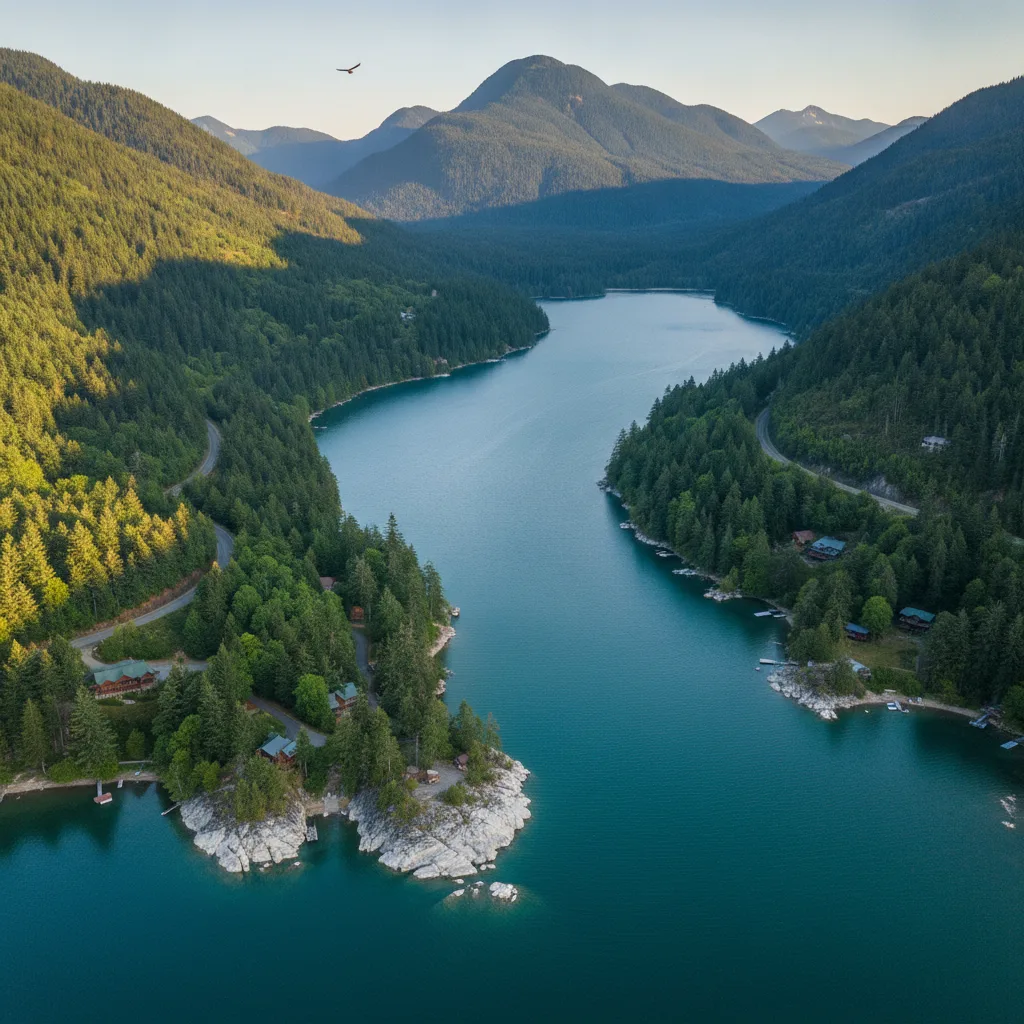
Our Lake Cushman guide covers practical planning for Lake Cushman Washington — best time to visit, getting there, and what to do on the ground. We cut through the noise to bring you the essential details for a memorable trip to this stunning Olympic National Forest gem.
Why Visit Lake Cushman
Lake Cushman Washington is more than just a body of water; it’s an immersive experience in the heart of the Olympic National Forest. We've found that visitors are consistently drawn to its pristine, deep blue waters, framed by the rugged, tree-covered peaks of the Olympic Mountains. This isn't your average lake getaway; it's a true escape into nature, offering a unique blend of tranquility and adventure. Whether you’re seeking a peaceful paddle across glassy waters, an exhilarating hike to panoramic viewpoints, or simply a quiet spot to reconnect with the outdoors, Lake Cushman delivers. Its proximity to the vast wilderness of Olympic National Park also makes it an ideal base for exploring a wider range of Pacific Northwest wonders. We particularly appreciate its less-crowded feel compared to some of Washington's more famous natural attractions, allowing for a more intimate and authentic outdoor experience.
Is It Worth Visiting?
Absolutely, Lake Cushman is worth visiting for anyone seeking a genuine outdoor escape in Washington State. Our team firmly believes that the sheer beauty and diverse activities available make it a standout destination. If you appreciate stunning mountain backdrops, crystal-clear water, and direct access to a wealth of hiking trails, then Lake Cushman is undoubtedly worth visiting. It offers a refreshing alternative to the bustling city life of places like Pike Place Market, providing a serene environment where the natural world takes center stage. We find that the combination of recreational opportunities and the breathtaking scenery makes every moment spent here worthwhile, creating lasting memories for all types of travelers.
Who It's Best For
Lake Cushman caters to a diverse range of outdoor enthusiasts, making it a versatile destination for many. It's particularly ideal for:
- Boaters and Anglers: With its deep waters and ample space, the lake is a paradise for kayaking, paddleboarding, motorboating, and fishing.
- Campers and RVers: Numerous campgrounds around the lake offer a variety of experiences, from rustic tent sites to full-hookup RV spots.
- Hikers: The area serves as a prime gateway to an extensive network of trails within the Olympic National Forest and nearby Olympic National Park.
- Families: Many campgrounds offer amenities like swimming areas and playgrounds, making it a safe and enjoyable destination for families with children.
- Nature Photographers: The dramatic landscapes, from the reflective waters to the towering peaks, provide endless opportunities for stunning shots.
- Those Seeking Solitude: While popular, there are still plenty of quiet coves and less-trafficked trails where you can find peace and quiet.
How to Get There
Reaching Lake Cushman is part of the adventure, as the drive itself offers glimpses of the stunning Olympic Peninsula. Our team always recommends having a reliable navigation system, as cell service can be spotty in some areas. The primary access point to Lake Cushman is via US Highway 101, which circles the Olympic Peninsula. From Seattle, the most common route involves taking I-5 South to Olympia, then heading west on US-101 North. You’ll take the exit for State Route 106 towards Hoodsport, then follow signs for Lake Cushman. The drive from Seattle typically takes around 2 to 2.5 hours, depending on traffic and your specific destination on the lake. From Portland, the journey is a bit longer, usually around 3 to 3.5 hours.
Parking at Lake Cushman
Parking availability at Lake Cushman varies depending on your chosen activity and destination. For day-use areas, trailheads, and boat launches, you'll generally find designated parking lots. However, during peak season (summer weekends), these can fill up quickly. We strongly advise arriving early, especially if you plan to visit popular spots like Staircase Rapids or the boat launches. Many areas within the Olympic National Forest, including some around Lake Cushman, require a recreation pass. As of 2026, a valid pass such as the Northwest Forest Pass, America the Beautiful Pass, or a daily recreation pass is typically required for parking at many trailheads and day-use sites around Lake Cushman. Daily passes can often be purchased on-site at kiosks, but we recommend checking the Olympic National Forest website for the most current information on fees and where to purchase passes in advance to avoid any delays.
For those staying at campgrounds, parking is usually included with your reservation at your campsite. Overflow parking might be available at some campgrounds, but it's best to confirm this directly with the campground operator if you plan to bring multiple vehicles. We've found that having a detailed map downloaded to your phone or a physical map is invaluable, as GPS can lose signal in the more remote sections of the drive to Lake Cushman.
Top Things to Do
Lake Cushman is a hub of activity, offering something for every type of outdoor enthusiast. Our team has explored many of these options and can confidently say you won't be bored. From serene water activities to challenging hikes, the opportunities for adventure are plentiful. When considering things to do at Lake Cushman, we always recommend prioritizing what truly resonates with your group's interests and fitness levels.
Boating and Water Sports
The clear, deep waters of Lake Cushman are perfect for a variety of water sports. We often see kayakers and paddleboarders enjoying the calm mornings, gliding across the reflective surface. Motorized boats are also welcome, making it a popular spot for waterskiing, wakeboarding, and tubing. Several boat launches are available around the lake, including those at Skokomish Park and the public boat launch near the dam. Remember to check current regulations regarding boat inspections and invasive species prevention before launching. For those without their own equipment, rentals for kayaks, paddleboards, and sometimes even small motorboats can often be found at nearby resorts or marinas, especially during the summer months.
Fishing
Anglers flock to Lake Cushman for its abundant fish populations. The lake is known for its kokanee salmon, rainbow trout, and cutthroat trout. We’ve heard many success stories from both shore anglers and those fishing from boats. A valid Washington State fishing license is required, and it’s crucial to be aware of current catch limits and regulations, which can change seasonally. Always consult the Washington Department of Fish and Wildlife (WDFW) website for the most up-to-date information before casting your line.
Swimming and Picnicking
On warm summer days, nothing beats a refreshing dip in Lake Cushman. Designated swimming areas can be found at various campgrounds and day-use sites, such as Skokomish Park. These areas often have sandy beaches and picnic tables, making them perfect for a leisurely afternoon by the water. We recommend bringing a picnic lunch and enjoying the stunning views while you dine al fresco. Remember that lifeguards are generally not on duty, so always swim with caution and supervise children closely.
Lake Cushman Hiking Trails
The area surrounding Lake Cushman is a hiker's paradise, serving as a direct gateway to some of the most spectacular Olympic National Park and Olympic National Forest trails. Our team considers the access to these trails one of the primary reasons to visit. When exploring Lake Cushman hiking trails, you'll find options ranging from easy strolls suitable for families to strenuous climbs offering panoramic vistas.
Staircase Rapids Loop Trail
One of the most popular Lake Cushman hiking trails is the Staircase Rapids Loop Trail. This relatively easy 2-mile loop follows the North Fork Skokomish River, offering stunning views of old-growth forest, a suspension bridge, and the namesake rapids. It's a fantastic option for families and those looking for a scenic walk without too much elevation gain. The trailhead is located within the Staircase area of Olympic National Park, which is easily accessible from Lake Cushman. As of 2026, a wilderness permit or entrance fee may be required for access to certain areas within the national park, so check the Olympic National Park website for current details.
Mount Rose Trail
For those seeking a more challenging ascent, the Mount Rose Trail offers a rewarding experience. This strenuous 6.5-mile roundtrip hike gains significant elevation, culminating in breathtaking views of Lake Cushman, the Olympic Mountains, and even Puget Sound on a clear day. It's a demanding trail, but the panoramic reward is well worth the effort for experienced hikers. We recommend bringing plenty of water and snacks, and wearing sturdy hiking boots.
Big Creek Loop Trail
Another excellent option among the Lake Cushman hiking trails is the Big Creek Loop Trail. This moderate 4.5-mile loop offers a diverse experience, winding through lush forest, crossing charming bridges, and providing glimpses of the Big Creek waterfall. It’s a great choice for a half-day hike and showcases the rich biodiversity of the Olympic National Forest.
Before embarking on any Lake Cushman hiking trails, we always advise checking trail conditions, especially during spring and fall when snow or mud can be present at higher elevations. Carry the 10 Essentials, inform someone of your plans, and practice Leave No Trace principles to preserve the beauty of this wilderness area for future visitors.
Best Time to Visit
Our team consistently finds that the best time to visit Lake Cushman largely depends on the type of experience you're seeking, but generally, the summer months offer the most reliable weather and access to all activities.
- Summer (June to September): This is peak season for a reason. Temperatures are warm and pleasant, perfect for swimming, boating, and enjoying the lake's many amenities. All hiking trails are typically snow-free and accessible. However, expect larger crowds, especially on weekends, and plan to make reservations for camping or lodging well in advance. The long daylight hours allow for extended outdoor adventures.
- Spring (April to May): Spring brings a refreshing burst of green to the forest and fewer crowds. While the weather can be unpredictable with a mix of sun and rain, it's an excellent time for hiking at lower elevations and enjoying the tranquility before the summer rush. Water temperatures will still be quite cold for swimming, but boating is certainly an option. Some higher elevation trails may still have snow.
- Fall (October to November): Fall offers stunning foliage as the deciduous trees around the lake change colors, creating a vibrant landscape. Crowds thin significantly, and the crisp air is ideal for hiking. While the weather can become cooler and wetter, it's a beautiful time for photography and quiet reflection. Some services might begin to scale back towards the end of the season.
- Winter (December to March): Winter at Lake Cushman is generally cold, wet, and often snowy, especially at higher elevations. Many facilities may be closed, and road access can be limited. While it offers a stark, beautiful solitude, it's best suited for experienced winter adventurers prepared for challenging conditions.
For most visitors, we recommend aiming for July or August for the warmest weather and full access to everything Lake Cushman has to offer. If you prefer fewer people and don't mind cooler temperatures, late spring or early fall can be equally rewarding.
Lake Cushman lodging
When planning your trip to Lake Cushman, securing the right Lake Cushman lodging is key to a comfortable and convenient stay. While there aren't many large hotels directly on the lake, the area offers a variety of options ranging from rustic camping to cozy cabins and vacation rentals. Our team has found that booking in advance, especially during the peak summer season, is absolutely essential.
Camping at Lake Cushman
Camping is arguably the most popular form of Lake Cushman lodging, offering an immersive outdoor experience.
- Skokomish Park at Lake Cushman: Operated by the Skokomish Tribe, this park offers a mix of tent and RV sites, many with hookups, along with day-use areas, boat launches, and swimming beaches. As of 2026, reservations are highly recommended, especially for weekends and holidays, and can typically be made through their official website. Fees vary by site type and season.
- Olympic National Forest Campgrounds: Several U.S. Forest Service campgrounds are located around the lake, including Staircase Campground (within Olympic National Park, requiring a permit/fee) and others like Brown Creek Campground. These are generally more rustic but offer a true wilderness feel. Check the Olympic National Forest website for current operating seasons, fees, and reservation availability, often through Recreation.gov.
- Private Campgrounds: A few private campgrounds and RV parks can be found in the surrounding communities, offering additional amenities and potentially more availability.
Cabins and Vacation Rentals
For those preferring more comfort, a growing number of cabins and vacation rentals are available around Lake Cushman. These range from charming rustic retreats to modern homes with lake views. Platforms like Airbnb and VRBO list many options in areas like Hoodsport, Union, and directly along the lakefront. This type of Lake Cushman lodging is ideal for families or groups seeking amenities like full kitchens, private docks, and more space. We recommend booking these well in advance, as they are highly sought after, particularly during the summer and fall.
Hotels and Motels Nearby
While direct Lake Cushman lodging in the form of traditional hotels is limited, you can find options in nearby towns. The closest significant town with hotels is Shelton, about a 30-40 minute drive away. Union and Hoodsport offer smaller inns and motels, providing a convenient base if you prefer not to camp or rent a full cabin. These options offer a comfortable place to rest after a day of exploring and are a good choice for those who want easy access to dining and other services.
Sample 2-Day Itinerary
To help you make the most of your visit, our team has put together a sample 2-day itinerary for Lake Cushman, focusing on a balance of activity and relaxation.
Day 1: Lake Exploration & Riverside Trails
- Morning (9:00 AM - 12:00 PM): Arrive at Lake Cushman and check into your chosen Lake Cushman lodging. Head to a public access point or Skokomish Park. Rent a kayak or paddleboard and spend the morning exploring the calm waters of the lake. Paddle to a secluded cove or simply enjoy the stunning mountain reflections.
- Lunch (12:00 PM - 1:00 PM): Enjoy a picnic lunch at a day-use area like Skokomish Park, or grab a bite at a local eatery in Hoodsport.
- Afternoon (1:00 PM - 4:00 PM): Drive to the Staircase area of Olympic National Park. Embark on the easy and scenic Staircase Rapids Loop Trail (approx. 2 miles, 1 hour). Take your time to enjoy the old-growth forest and the suspension bridge.
- Evening (4:00 PM onwards): Return to your lodging. Enjoy a campfire and dinner if camping, or a meal at a restaurant in Hoodsport or Union. Relax and stargaze – the night skies here are incredible.
Day 2: Mountain Views & Scenic Drives
- Morning (8:00 AM - 1:00 PM): Start early with a more challenging hike. Tackle the Mount Rose Trail (6.5 miles roundtrip, 4-6 hours) for breathtaking panoramic views of Lake Cushman and the surrounding Olympics. Alternatively, for a moderate option, try the Big Creek Loop Trail (4.5 miles, 2-3 hours).
- Lunch (1:00 PM - 2:00 PM): Pack a trail lunch to enjoy at a scenic viewpoint, or head back to Hoodsport for a late lunch.
- Afternoon (2:00 PM - 5:00 PM): Enjoy a scenic drive along the lake and surrounding roads. Stop at various viewpoints for photos. Consider visiting the Lake Cushman Dam for impressive engineering and views. If time permits, explore a local distillery or winery in the Hood Canal area.
- Evening: Depart from Lake Cushman, or enjoy one last evening by the lake. If you’re extending your trip, consider heading further into Olympic National Park or exploring other parts of the Olympic Peninsula, perhaps even making your way to Mount Rainier National Park on your way home.
This itinerary is flexible and can be adjusted based on your interests and the pace you prefer. Remember to always check weather and trail conditions before heading out, and carry plenty of water and snacks.
FAQ
Lake Cushman camping
Lake Cushman camping offers a range of experiences, from developed sites with amenities to more rustic options. Skokomish Park at Lake Cushman provides tent and RV sites, many with hookups, along with direct lake access and recreational facilities. Additionally, several U.S. Forest Service campgrounds, such as Staircase Campground (within Olympic National Park) and Brown Creek Campground, offer more primitive camping experiences. Reservations are strongly recommended, especially during the summer peak season, and can often be made through Recreation.gov or the respective park/forest websites.
things to do in Olympic National Forest
Beyond Lake Cushman, things to do in Olympic National Forest are abundant and diverse. You can explore a vast network of hiking trails, ranging from easy riverside walks to challenging mountain ascents. Dispersed camping is permitted in many areas with proper permits and adherence to Leave No Trace principles. Fishing, hunting, and wildlife viewing are popular, as is scenic driving along forest roads. The forest also borders Olympic National Park, providing access to its unique ecosystems, including temperate rainforests and glaciated peaks. Always check the Olympic National Forest website for current conditions, road closures, and regulations.
Lake Cushman with kids
Lake Cushman with kids is a fantastic family destination, offering numerous kid-friendly activities. Skokomish Park provides safe swimming beaches, playgrounds, and easy access to the lake for paddleboarding or kayaking. The Staircase Rapids Loop Trail is an excellent, relatively flat hike suitable for most children, featuring a fun suspension bridge. Many campgrounds offer open spaces for play and opportunities for nature exploration. We recommend bringing life jackets for all water activities and choosing campsites with amenities like restrooms and picnic tables for added convenience. Always supervise children closely, especially near the water.
best hotels near Lake Cushman
While there are no large resort-style hotels directly on the lake, the best hotels near Lake Cushman are typically found in the surrounding towns. Shelton, approximately 30-40 minutes away, offers a selection of chain hotels and motels. Closer options include smaller inns and boutique accommodations in Hoodsport and Union, which also feature charming vacation rentals and cabins. For a more immersive experience, consider booking a cabin or vacation home directly on the lake through platforms like Airbnb or VRBO, which provide more space and amenities for families or groups. Remember to book well in advance, especially for summer travel.
Lake Cushman tips
Our top Lake Cushman tips for a smooth trip include: booking all lodging and camping reservations well in advance, especially for summer weekends. Arrive early at popular trailheads and boat launches to secure parking. Download offline maps or bring a physical map, as cell service can be unreliable. Pack layers of clothing, as weather can change quickly in the mountains. Carry a Northwest Forest Pass or America the Beautiful Pass for parking at many recreation sites. Always practice Leave No Trace principles, pack out all trash, and be prepared for encounters with wildlife. Finally, check the Olympic National Forest and Olympic National Park websites for current conditions, closures, and regulations before you go.
where to stay near Lake Cushman
For those wondering where to stay near Lake Cushman, the options primarily include various campgrounds, private cabins, and vacation rentals. Skokomish Park at Lake Cushman offers developed campsites with amenities right on the lake. Rustic U.S. Forest Service campgrounds provide a more traditional outdoor experience. For non-campers, numerous private cabins and vacation homes are available for rent in the immediate vicinity, offering comfortable and often scenic accommodations. The nearby towns of Hoodsport and Union also have a selection of smaller inns and motels, while the larger town of Shelton provides more conventional hotel options, though it's a bit further drive. We advise considering your preferred level of comfort and booking early to secure your ideal spot.
Lake Cushman is a destination that truly embodies the wild beauty of Washington State. Our team at Roam States hopes this guide has provided you with the confidence and information needed to plan an unforgettable adventure. From the serene waters to the challenging trails, the natural splendor of Lake Cushman Washington awaits.
Last updated: 2026-07-08 by the Roam States team.