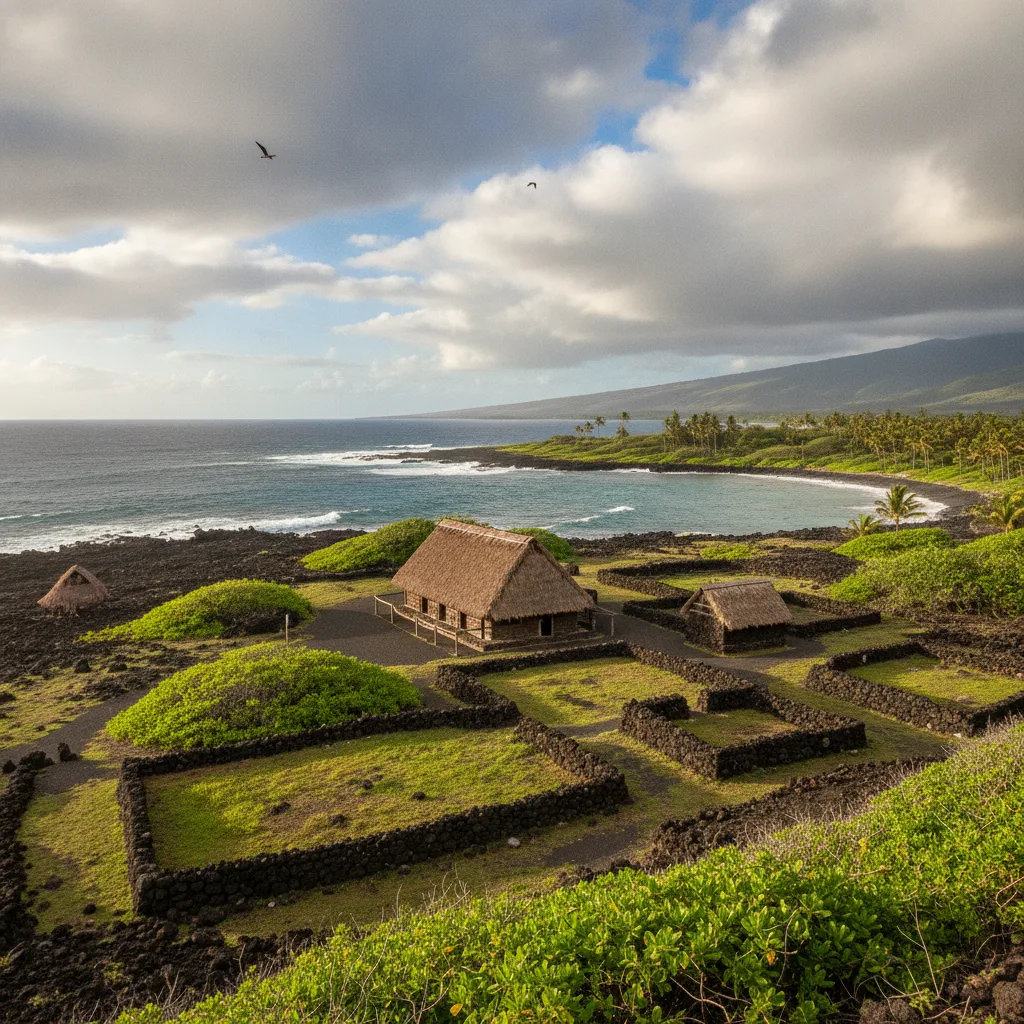
Our Lapakahi State Historical Park guide covers practical planning for Lapakahi State Historical Park Hawaii — best time to visit, getting there, and what to do on the ground.
As the independent US travel authority, our team at Roam States is dedicated to bringing you authentic and actionable travel advice. We cut through the generic fluff to deliver confident, specific insights that help you plan truly memorable trips. For those seeking a profound connection with Hawaii's ancient past, Lapakahi State Historical Park Hawaii stands as an unparalleled destination. This preserved ancient Hawaiian fishing village offers a rare and intimate glimpse into traditional life and sustainable practices, making it a must-visit on the Big Island.
Why Visit Lapakahi State Historical Park
Lapakahi State Historical Park is more than just a collection of ruins; it's a living classroom where the echoes of ancient Hawaii resonate through reconstructed living sites and interpretive signs. Located on the Big Island's northwestern coast in the North Kohala District, this 262-acre park allows visitors to walk through a partially restored fishing settlement that dates back over 600 years, some sources even citing origins from the 14th century.
What sets Lapakahi apart is its focus on the daily lives of early Hawaiians. Here, you'll encounter restored hale (houses), lava stone walls, agricultural terraces, and even a hālau waʻa (canoe shed). The self-guided tour provides insights into how this coastal community thrived, utilizing the abundant marine resources of the Lapakahi Marine Life Conservation District offshore. It's a place where you can truly imagine the ingenuity and resourcefulness of the Hawaiian people, who lived in harmony with the land and sea for centuries. The park also highlights traditional Hawaiian games, offering a unique interactive element to your visit.
Who It's Best For
Lapakahi State Historical Park is ideal for history enthusiasts, cultural explorers, and families looking for an educational and immersive experience. If you're someone who appreciates stepping back in time to understand the roots of a culture, this park will deeply resonate with you. It's particularly well-suited for those who prefer self-guided exploration at their own pace, allowing for quiet contemplation amidst the historical sites and stunning coastal scenery. Families with children will find the reconstructed village and traditional games engaging, offering a tangible connection to Hawaiian history that goes beyond textbooks. Nature lovers will also appreciate the rugged North Kohala coast and the protected marine life in the adjacent conservation district.
However, it's important to note that the trails are unpaved and can be uneven, making them challenging for wheelchairs and those with significant mobility issues. If you're seeking a bustling, amenity-rich park with sandy beaches for swimming, Lapakahi might not be your primary destination, as swimming is generally not recommended due to choppy waters and rocky shorelines, though snorkeling is possible in calm conditions.
Getting There & Parking
Lapakahi State Historical Park is conveniently located on the Big Island's northwest coast, approximately 12.4 miles north of Kawaihae Harbor on Akoni Pule Highway (Highway 270). The drive itself offers scenic views as you transition between the lava fields of the Kohala Coast and the greener landscapes of North Kohala.
To get to Lapakahi State Historical Park from Kailua-Kona, you'll head north on Highway 19, which becomes Highway 270 (Akoni Pule Highway) as you continue north past Kawaihae. The park entrance is clearly marked. From Waimea, take Highway 19 toward Kawaihae, then turn north onto Highway 270. We always recommend checking for any road closures or construction before your visit, though the main routes are generally well-maintained.
Upon arrival, you'll find a designated parking area near the visitor's center. Parking at Lapakahi State Historical Park is free. While ample parking is usually available, weekends might see a bit more activity. The trailhead for the self-guided tour is located just off the parking lot.
**Important 2026 Update:** As of March 25, 2026, Lapakahi State Historical Park is CLOSED until further notice due to unsafe trails and water bars. We strongly advise checking the Hawaii Department of Land and Natural Resources website for the most current closure information before planning your trip.
Top Things to Do
Despite the current closure, when Lapakahi State Historical Park reopens, it will once again offer a rich array of activities focused on cultural immersion and natural beauty. The primary attraction and one of the top things to do at Lapakahi State Historical Park is the self-guided walking tour through the ancient fishing village. This approximately one-mile loop trail, known as the Lapakahi Village Interpretive Trail, winds through 19 numbered historical stops.
Along the trail, you'll discover reconstructed hale (houses), ancient stone walls, agricultural terraces, and a hālau waʻa (canoe shelter). Interpretive signs provide context and stories about the daily lives of the Hawaiians who once lived here, detailing their fishing practices, salt-making, and spiritual beliefs. You can even try your hand at traditional Hawaiian games like Ulu Maika (a bowling game) and Pahu Iki (a stone-tossing game).
Beyond the historical sites, the park's rocky shoreline offers access to the Lapakahi Marine Life Conservation District. While general swimming is not recommended due to strong currents and uneven access, snorkeling is possible when conditions are calm, allowing you to explore the vibrant underwater world. Keep an eye out for colorful fish and coral reefs. We recommend wearing sturdy, closed-toed shoes for navigating the trails and any rocky access to the water. Remember to bring your own water and reef-safe sunscreen, as facilities are limited.
Best Time to Visit
When Lapakahi State Historical Park is open, the best time to visit is generally during the cooler parts of the day, specifically the early morning or later afternoon. The Kohala Coast can get quite hot, and the trails offer little shade. Visiting outside of the midday sun will make your exploration much more comfortable.
The park is typically open daily from 8:00 AM to 4:00 PM, with no entry after 3:30 PM, and is closed on state holidays. Since there are no seasonal variations in hours, the primary considerations are daily weather and your personal comfort with heat. During the winter months (November to May), you might also be able to spot migrating humpback whales from the coastal viewpoints.
Given the park's current closure as of March 2026 due to unsafe trails, any future visit should be preceded by checking the official Hawaii Department of Land and Natural Resources website for reopening announcements and updated hours.
Where to Stay Nearby
While there's no lodging directly within Lapakahi State Historical Park, the surrounding North Kohala and South Kohala districts offer a range of accommodations to suit various preferences and budgets. When considering Lapakahi State Historical Park lodging, you'll find options from charming inns to luxurious resorts.
For a taste of local charm, the Kohala Village Inn in nearby Hawi is a great choice. It offers plantation-style lodging in the heart of a historic town, providing convenient access to local attractions, beaches, and dining. This inn reflects authentic Hawaiian charm and prioritizes community well-being.
Further south along the Kohala Coast, you'll find a selection of upscale resorts. The Westin Hapuna Beach Resort and Mauna Kea Beach Hotel, Autograph Collection, are popular luxury options in the Hapuna Bay area, known for their stunning ocean views and amenities. The Waikoloa Beach Marriott Resort & Spa also offers direct access to Anaehoʻomalu Bay and a family-friendly atmosphere. These resorts provide a more comprehensive experience with multiple dining options, pools, and easy access to other Kohala Coast activities. For those on a budget or seeking a more rustic experience, Spencer Beach Park, south of Kawaihae, offers beachside camping with calm waters and amenities, though a permit is required.
No matter your preference, finding the right Lapakahi State Historical Park lodging nearby allows you to explore the park and the broader North Kohala region at your leisure.
Sample 2-Day Itinerary
While Lapakahi State Historical Park itself can be explored in a few hours, the surrounding North Kohala and South Kohala regions offer enough to fill a multi-day itinerary. Here’s a sample 2-day plan focusing on history, nature, and local culture:
Day 1: Ancient History & Coastal Exploration
- Morning (8:00 AM - 11:00 AM): Lapakahi State Historical Park Hawaii. Start your day early to beat the heat. Dedicate a solid two to three hours to thoroughly explore the self-guided Lapakahi Village Interpretive Trail. Pick up a map at the entrance and immerse yourselves in the reconstructed village, learning about ancient Hawaiian life, fishing practices, and cultural sites. Remember to wear sturdy shoes and bring water.
- Late Morning (11:00 AM - 1:00 PM): Snorkeling at Koaiʻe Cove (conditions permitting). If ocean conditions are calm, consider a careful snorkel in the Lapakahi Marine Life Conservation District at Koaiʻe Cove. Access can be rocky, so proceed with caution. Alternatively, head a few minutes north to Mahukona Beach Park for easier swimming and amenities.
- Lunch (1:00 PM - 2:00 PM): Picnic or Local Eatery. Pack a picnic to enjoy at Lapakahi's picnic areas or head to Kawaihae for a casual lunch at one of the local eateries.
- Afternoon (2:00 PM - 5:00 PM): Puʻukoholā Heiau National Historic Site. Drive south to Kawaihae to visit Puʻukoholā Heiau National Historic Site, a significant ancient temple built by King Kamehameha I. This site offers powerful insights into Hawaiian history and the unification of the islands.
- Evening: Dinner & Relaxation. Enjoy dinner at one of the restaurants along the Kohala Coast, perhaps in the Waikoloa Beach Resort area, or a more local spot in Kawaihae.
Day 2: North Kohala Charm & Scenic Vistas
- Morning (8:00 AM - 12:00 PM): Hawi Town & Pololū Valley. Head north to the charming town of Hawi. Explore its art galleries, unique shops, and grab a coffee. Continue to Kapaʻau to see the original King Kamehameha I statue. Then, drive to the Pololū Valley Lookout for breathtaking panoramic views of the dramatic coastline and a black sand beach. If you're up for a strenuous hike, you can descend into the valley, but be prepared for a steep return.
- Lunch (12:00 PM - 1:00 PM): Hawi or Kapaʻau. Enjoy lunch at one of the quaint cafes in Hawi or Kapaʻau.
- Afternoon (1:00 PM - 5:00 PM): Beach Time or Cultural Exploration. Choose your afternoon adventure:
- Option A (Beach): Relax at one of the beautiful Kohala Coast beaches like Hapuna Beach State Recreation Area or Spencer Beach Park, known for their white sands and calm waters.
- Option B (Cultural): Explore more of the Kohala Historical Sites or consider a visit to a local farm or ranch for a different perspective on Big Island life.
- Evening: Sunset & Dinner. Catch a spectacular sunset from a Kohala Coast beach or a resort restaurant, followed by a final dinner in the area.
This itinerary provides a balanced mix of historical exploration, natural beauty, and local culture, making the most of your time around Lapakahi State Historical Park and the broader North Kohala region. Remember to check current conditions and hours for all attractions, especially considering Lapakahi's temporary closure. For more extensive exploration of the island, consider our guides to best places in Hawaii, Hawaii Volcanoes National Park, and Pearl Harbor & USS Arizona.
Lapakahi State Historical Park camping
Camping is not permitted directly within Lapakahi State Historical Park. However, nearby Mahukona Beach Park, just a short drive north, allows camping with a permit. Additionally, Spencer Beach Park, south of Kawaihae, is another option for beachside camping, also requiring a permit. For those interested in camping on the Big Island, it's essential to research and secure permits in advance through the Hawaii State Parks system.
things to do in Kohala Coast, Big Island
The Kohala Coast on the Big Island offers a wealth of activities beyond Lapakahi State Historical Park. You can explore world-class beaches like Hapuna Beach State Recreation Area and Mauna Kea Beach, perfect for swimming, snorkeling, and sunbathing. The area is also renowned for its golf courses, luxury resorts, and stunning sunsets. History buffs can visit Puʻukoholā Heiau National Historic Site. For adventure, consider horseback riding, ziplining, or exploring the charming towns of Hawi and Kapaʻau with their art galleries and local shops. Whale watching is popular during the winter months. The Kohala Coast also serves as a great base for day trips to other parts of the island, including Hawaii Volcanoes National Park and the lush waterfalls of the Hilo side.
Lapakahi State Historical Park with kids
Lapakahi State Historical Park is generally considered family-friendly and offers an educational experience enjoyable for both adults and children. Kids will likely be fascinated by walking through the reconstructed ancient village, seeing the hale (houses), and imagining life centuries ago. The self-guided nature of the tour allows families to explore at their own pace, and the interpretive signs provide engaging information. The opportunity to learn about and even try traditional Hawaiian games can be a highlight for younger visitors. However, parents should be aware that the trails are unpaved and rocky in places, so sturdy shoes are recommended, and strollers might be challenging. Also, the park has limited shade, so bringing hats, sunscreen, and plenty of water for everyone is crucial.
best hotels near Lapakahi State Historical Park
For the best hotels near Lapakahi State Historical Park, we recommend looking at options along the Kohala Coast. Luxury seekers will appreciate resorts like The Westin Hapuna Beach Resort and Mauna Kea Beach Hotel, Autograph Collection, both offering high-end amenities and beautiful beachfront access. The Waikoloa Beach Marriott Resort & Spa is another excellent choice, particularly for families, with direct access to Anaehoʻomalu Bay. For a more intimate and culturally immersive experience, the Kohala Village Inn in Hawi provides charming plantation-style lodging in a historic town setting. These accommodations offer a convenient base for exploring Lapakahi and the wider North Kohala region.
Lapakahi State Historical Park tips
To make the most of your visit to Lapakahi State Historical Park, our team offers these essential tips:
- Check for Reopening: As of March 2026, the park is temporarily closed. Always verify its current status on the Hawaii Department of Land and Natural Resources website before you go.
- Go Early or Late: When open, visit in the early morning or late afternoon to avoid the midday heat, as the trails offer little shade.
- Wear Sturdy Shoes: The trails are unpaved, uneven, and rocky in sections, so comfortable, closed-toed shoes are highly recommended.
- Bring Water and Sun Protection: Facilities are basic, with portable restrooms and limited water. Carry plenty of water, reef-safe sunscreen, and a hat.
- Get a Map: Pick up a self-guided tour map at the entrance kiosk or print one from the state's website in advance, as they can sometimes run out. There are no plaques at the sites, so the map is crucial for understanding the 19 numbered stops.
- Respect the Site: Stay on marked trails, do not disturb or move rocks or artifacts, and treat this sacred historical site with reverence.
- Snorkel with Caution: While snorkeling is possible in Koaiʻe Cove, access is rocky, and strong currents can occur. Only enter the water when conditions are calm and you feel confident.
where to stay near Lapakahi State Historical Park
When deciding where to stay near Lapakahi State Historical Park, you have several excellent options depending on your travel style. For those seeking convenience to the park and a charming local experience, the Kohala Village Inn in Hawi is a top recommendation, offering comfortable lodging in a historic town. If luxury and resort amenities are a priority, the high-end hotels along the South Kohala Coast, such as The Westin Hapuna Beach Resort, Mauna Kea Beach Hotel, Autograph Collection, and Waikoloa Beach Marriott Resort & Spa, are fantastic choices. For budget-conscious travelers or those interested in camping, Spencer Beach Park offers permitted beachside camping facilities. Each of these locations provides a unique gateway to exploring Lapakahi and the surrounding beauty of the Big Island.
Conclusion
Lapakahi State Historical Park Hawaii offers an unparalleled journey into the heart of ancient Hawaiian culture. Our team believes that experiencing this preserved fishing village provides a profound understanding of the ingenuity and sustainable practices of early Hawaiians. While currently closed for necessary maintenance, we eagerly anticipate its reopening, when visitors can once again walk its interpretive trails, explore reconstructed living sites, and connect with a pivotal piece of Hawaii's past. When planning your Big Island adventure, remember to prioritize this unique historical gem for an enriching and unforgettable experience.
Last updated: 2026-07-06 by the Roam States team.