Lewis and Clark Trail Travel Guide — Missouri
Our Lewis and Clark Trail guide covers practical planning for Lewis and Clark Trail Missouri — best time to visit, getting there, and what to do on the ground. We’re here to help you navigate the historic expedition route through the Show-Me State, offering scenic views of the Missouri River and interpretive signs detailing the journey of Lewis and Clark. Our team believes this segment of the trail offers a unique blend of natural beauty and historical immersion, perfect for those eager to trace the footsteps of American explorers.
The Lewis and Clark Trail, spanning over 3,700 miles across 11 states, holds a significant chapter in Missouri. It was here, at the confluence of the Missouri and Mississippi Rivers near St. Louis, that the Corps of Discovery officially began their epic journey westward in May 1804. For travelers today, Missouri provides a particularly accessible and engaging portion of the trail, punctuated by numerous state parks, historic sites, and charming river towns that echo the expedition's legacy. We’ve explored these routes ourselves, bringing you firsthand insights and practical advice to make your trip unforgettable.
Why Visit Lewis and Clark Trail
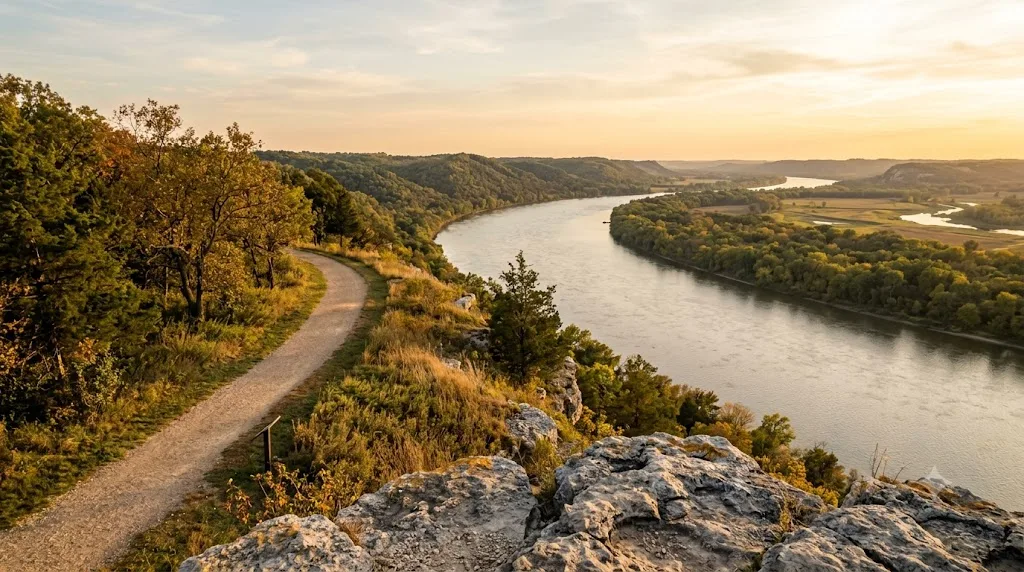
Visiting the Lewis and Clark Trail in Missouri isn't just a trip; it's a journey back in time. Our team finds that this segment offers a compelling narrative of exploration, scientific discovery, and encounters with indigenous cultures. You’ll witness the very landscapes that captivated Lewis and Clark, from the towering bluffs overlooking the Missouri River to the fertile floodplains they navigated. It’s an opportunity to connect with a pivotal moment in American history, understanding the challenges and triumphs of the Corps of Discovery as they ventured into uncharted territories.
Beyond the historical significance, the Lewis and Clark Trail Missouri provides stunning natural beauty. The river itself, often called the "Big Muddy," is a constant companion, offering picturesque views and a sense of the untamed wilderness that once defined this region. Whether you're a history buff, an outdoor enthusiast, or a family looking for an educational adventure, the trail offers something for everyone. We believe it provides a deeper appreciation for the spirit of American exploration and the natural wonders of the Midwest.
Who It's Best For
The Lewis and Clark Trail in Missouri is a fantastic destination for a diverse range of travelers. Our team highly recommends it for history enthusiasts who want to delve into the specifics of the Corps of Discovery's journey, as well as for outdoor adventurers who appreciate scenic drives, hiking, and river views. Families will find numerous interpretive centers and state parks that make learning engaging for all ages, offering hands-on exhibits and accessible trails. It's also ideal for road trippers looking for a multi-day adventure that combines historical sites with charming small towns and natural beauty. Birdwatchers, photographers, and anyone seeking a peaceful escape into nature will also find themselves at home along the trail. If you're looking for a trip that blends education, adventure, and scenic beauty, the Lewis and Clark Trail Missouri is an excellent choice.
Getting There & Parking
The Lewis and Clark Trail Missouri is primarily accessed by car, as it follows the Missouri River across the state. The most common starting point for many travelers is St. Charles, just west of St. Louis, which served as the actual starting point for the expedition. St. Louis is home to The Gateway Arch, a fitting prelude to a journey of exploration. We recommend flying into St. Louis Lambert International Airport (STL) or Kansas City International Airport (MCI) and renting a car to fully experience the trail.
Parking availability varies by site. At state parks and larger interpretive centers, you'll typically find ample free parking. For example, Lewis and Clark State Park near Rushville offers several parking areas for visitors accessing trails and the lake. In smaller towns like St. Charles or Boonville, street parking or designated public lots are usually available. Some historic sites might have smaller lots, so arriving earlier in the day is always a good strategy, especially during peak season. Always check specific site websites for the most up-to-date information on parking, especially if you plan to visit a particular attraction. We found that most locations along the Lewis and Clark Trail Missouri are well-equipped to handle visitors arriving by personal vehicle. As of 2026, there are generally no specific parking fees for most state park access points along the trail, though some privately operated museums or attractions may have their own parking arrangements or fees.
Top Things to Do
Exploring the Lewis and Clark Trail Missouri offers a wealth of experiences, blending history, nature, and charming small-town culture. Our team has curated a list of top things to do along this historic route:
- Visit the Lewis and Clark Boathouse and Discovery Center (St. Charles): This is an essential first stop for anyone embarking on the Lewis and Clark Trail Missouri. The center houses full-scale replicas of the keelboat and pirogues used by the Corps of Discovery, along with engaging exhibits detailing their journey. As of 2026, the center is open Tuesday through Saturday from 10:00 AM to 4:00 PM and Sunday from 12:00 PM to 4:00 PM, with adult admission costing $8.00. It's one of the best things to do at Lewis and Clark Trail.
- Explore Frontier Park (St. Charles): Located along the Missouri River, this park is where the Corps of Discovery officially began their expedition. It’s a beautiful spot for a stroll, with interpretive signs and statues commemorating the journey.
- Hike at Lewis and Clark State Park (Buchanan County): This park features a beautiful oxbow lake, a remnant of the Missouri River's past course. It offers excellent opportunities for hiking, fishing, and birdwatching, with several miles of trails providing scenic views of the lake and surrounding woodlands. It’s a prime location for Lewis and Clark Trail hiking trails.
- Discover Fort Osage National Historic Landmark (Sibley): Reconstructed to its 1812 appearance, Fort Osage was established by William Clark himself. It offers a fascinating glimpse into early 19th-century frontier life and the fur trade. The site typically operates with living history demonstrations. As of 2026, Fort Osage is open Wednesday through Sunday from 9:00 AM to 5:00 PM, and admission is $8.00 for adults.
- Walk or Bike the Katy Trail State Park: Following the former Missouri-Kansas-Texas Railroad line, much of the Katy Trail parallels the Missouri River, offering stunning views similar to those Lewis and Clark would have seen. It’s one of the longest rail-trails in the country and an excellent way to experience the landscape. You can access it at various points, including St. Charles, Boonville, and Rocheport.
- Visit the Missouri State Museum (Jefferson City): Located within the State Capitol building, the museum features exhibits on Missouri's natural and cultural history, including a section dedicated to Lewis and Clark.
- Explore the Lewis and Clark National Historic Trail Interpretive Center (various locations): While not a single center, numerous smaller interpretive sites and markers exist along the trail, providing localized information and perspectives on the expedition. Keep an eye out for these as you drive.
- Enjoy Riverfront Views in Boonville and Rocheport: These charming river towns offer picturesque views of the Missouri River, historic architecture, and local shops and eateries. They provide a great opportunity to relax and soak in the atmosphere of the river communities that have grown along the trail.
- Experience the Lewis and Clark Trail at James A. Reed Memorial Wildlife Area (Lee's Summit): While not directly on the main river, this area offers diverse habitats and recreational opportunities, reflecting the natural environment the expedition encountered.
When considering things to do at Lewis and Clark Trail, remember that many sites are outdoors or involve walking, so comfortable shoes and weather-appropriate attire are essential. We recommend checking individual site websites for the most current operating hours and any potential reservation requirements for 2026, especially for guided tours or special events.
Best Time to Visit
Our team believes the best time to visit the Lewis and Clark Trail Missouri is during the spring (April to early June) and fall (September to October). These seasons offer the most pleasant weather for outdoor activities like hiking and exploring historical sites, with comfortable temperatures and generally lower humidity. In spring, you’ll witness the landscape coming alive with lush greenery and blooming wildflowers, mirroring the sense of new discovery that the Corps of Discovery experienced. Fall brings stunning foliage along the Missouri River bluffs, creating a picturesque backdrop for your journey.
Summer (June to August) can be hot and humid in Missouri, which might make extensive outdoor exploration less comfortable, though river activities are popular. Winter (November to March) can be cold, with potential for snow and ice, which could impact travel and the accessibility of some outdoor sites. However, visiting in the off-season can mean fewer crowds. Ultimately, for the most enjoyable experience along the Lewis and Clark Trail Missouri, we highly recommend aiming for the shoulder seasons.
Where to Stay Nearby
Finding comfortable Lewis and Clark Trail lodging is easy, with options ranging from historic inns to modern hotels in towns along the route. Our team suggests planning your overnight stays in key towns to break up your journey and explore local attractions.
- St. Charles: As a primary starting point, St. Charles offers a variety of accommodations. You'll find charming bed and breakfasts in the historic district, as well as well-known hotel chains. Consider the Boone's Lick Trail Inn for a historic stay or one of the many hotels near the riverfront. For 2026, average hotel prices in St. Charles range from $120-$200 per night depending on the season and hotel class.
- Boonville: A historic river town, Boonville offers a few local hotels and motels, providing a convenient stop between St. Charles and Kansas City. The Hotel Frederick, a beautifully restored historic hotel, is a standout option.
- Jefferson City: As the state capital, Jefferson City has a wider selection of hotels, including major chains, making it a good base for exploring the central Missouri section of the trail.
- Rocheport: This quaint village, known for its wineries and Katy Trail access, offers unique Lewis and Clark Trail lodging options, including charming B&Bs and guesthouses. It’s perfect for a more intimate and scenic stay.
- Kansas City: If you plan to extend your trip to the western end of the Missouri trail, Kansas City offers extensive lodging options, from luxury hotels to budget-friendly stays. It’s also close to The Nelson-Atkins Museum of Art, if you want to add some art and culture to your trip.
For those interested in Lewis and Clark Trail camping, many state parks along the route, such as Lewis and Clark State Park and Van Meter State Park, offer campsites for tents and RVs. Be sure to check Missouri State Parks websites for 2026 reservation policies and fees, especially for popular weekends. We always recommend booking Lewis and Clark Trail lodging in advance, particularly during peak travel seasons, to secure your preferred accommodations.
Sample 2-Day Itinerary
Our team has crafted a sample 2-day itinerary for exploring the Lewis and Clark Trail Missouri, focusing on the eastern and central portions of the state. This plan allows for a good balance of historical immersion and scenic enjoyment.
Day 1: St. Charles to Boonville
- Morning (St. Charles): Begin your Lewis and Clark Trail Missouri adventure in St. Charles. Start at the Lewis and Clark Boathouse and Discovery Center to see the keelboat replicas and learn about the expedition's start. Allow 2-3 hours. Afterwards, take a stroll through Frontier Park along the Missouri River, where the Corps of Discovery officially departed.
- Lunch (St. Charles): Enjoy lunch at one of the many restaurants in historic Main Street St. Charles.
- Afternoon (Drive to Boonville/Rocheport): Head west on I-70 or take scenic Highway 94 along the Missouri River (part of the Lewis and Clark Trail). Stop at interpretive markers along the way. Consider a detour to Weldon Spring Lewis and Clark Trail Site for river views.
- Late Afternoon/Evening (Boonville/Rocheport): Arrive in Boonville or Rocheport. Check into your Lewis and Clark Trail lodging. Explore the historic downtown of Boonville or enjoy a wine tasting in Rocheport.
- Dinner: Dine at a local restaurant in Boonville or Rocheport, enjoying regional cuisine.
Day 2: Boonville/Rocheport to Jefferson City/Return East
- Morning (Boonville/Rocheport): If staying in Rocheport, enjoy a morning walk or bike ride on the Katy Trail, which closely follows the expedition's path. If in Boonville, explore the historic sites like the Old Cooper County Jail.
- Mid-Morning (Drive to Jefferson City): Continue west or south to Jefferson City. Visit the Missouri State Museum within the State Capitol to see exhibits related to Lewis and Clark and Missouri history.
- Lunch (Jefferson City): Have lunch in Jefferson City.
- Afternoon (Return East or Continue West): Depending on your travel plans, you can begin your journey back east towards St. Louis, stopping at any sites you missed, or continue west towards Fort Osage and Kansas City if you have more time. If heading back, consider a stop at Van Meter State Park near Miami, which features an impressive earthwork mound and interpretive signs about Native American history and the expedition.
This itinerary for the Lewis and Clark Trail Missouri is flexible and can be adapted based on your interests and pace. Remember to factor in driving times, as the trail covers a significant distance across the state.
Last updated: 2026-07-06 by the Roam States team.