Lyon Arboretum Travel Guide — Hawaii
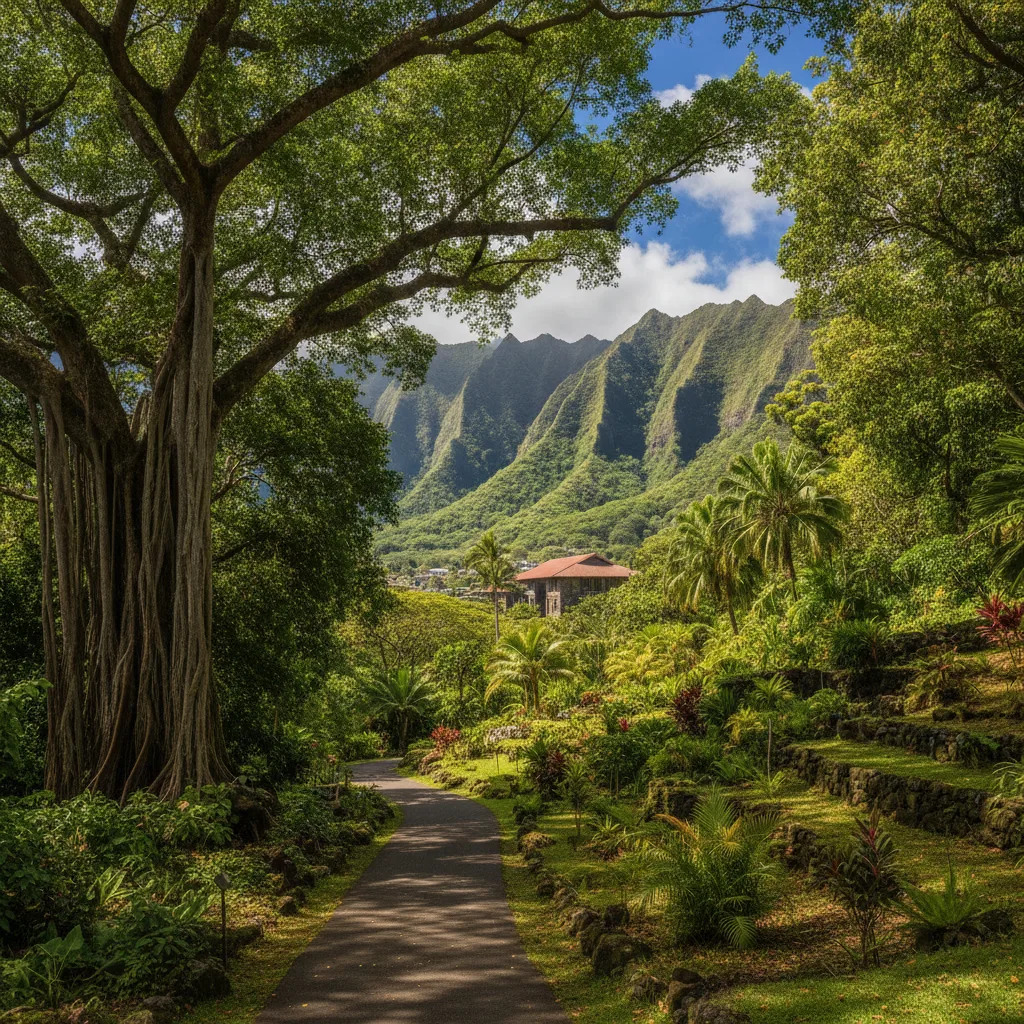
Our Lyon Arboretum guide covers practical planning for Lyon Arboretum Hawaii — best time to visit, getting there, and what to do on the ground. As the Roam States editorial team, we’ve meticulously researched the details for your 2026 trip to this lush botanical garden and research unit of the University of Hawaii. Nestled in the upper reaches of Manoa Valley, this 194-acre tropical rainforest sanctuary offers an unparalleled experience for nature enthusiasts, featuring over 5,000 species of tropical plants and an extensive network of hiking trails.
Why Visit Lyon Arboretum
For those seeking an authentic immersion into Hawaii's vibrant natural world, the Lyon Arboretum stands as a compelling destination. It's not just a beautiful garden; it's a living laboratory, a critical conservation hub, and a serene escape from the bustle of Honolulu. We believe its unique blend of scientific research, educational outreach, and breathtaking natural beauty sets it apart.
The arboretum, a unit of the University of Hawaiʻi at Mānoa, is dedicated to the study and preservation of tropical flora, particularly native Hawaiian plants. Walking its paths, you'll witness firsthand the extensive efforts in conserving endangered species and restoring natural habitats. In April 2026, the arboretum transitioned under the College of Tropical Agriculture and Human Resilience (CTAHR), a move designed to enhance hands-on learning for students while maintaining public programs and daily operations. This affiliation underscores its importance not only as a visitor attraction but as a vital academic and conservation institution.
Beyond its scientific mission, Lyon Arboretum offers a sensory feast. Imagine strolling through a dense, verdant rainforest, where the air is thick with humidity and the scent of exotic blooms. You'll encounter an astonishing diversity of plant life, from towering palms and vibrant heliconias to delicate ferns and rare native Hawaiian species. The arboretum's collection of over 5,000 tropical and subtropical plant species is world-renowned, making it a must-visit for horticulture enthusiasts and casual visitors alike. It's a place where you can truly slow down, breathe deeply, and reconnect with nature in a profound way.
Who It's Best For
Lyon Arboretum appeals to a diverse range of travelers, though some will find it particularly captivating. We recommend it highly for:
- Nature Lovers and Botanists: With its extensive collection of tropical plants and ongoing conservation work, it's a paradise for anyone fascinated by flora. The themed gardens, like the Native Hawaiian Garden and Bromeliad Garden, offer focused exploration.
- Hikers and Walkers: Over seven miles of well-maintained trails wind through the rainforest, catering to various fitness levels. It's a fantastic place for a leisurely stroll or a more vigorous hike to a waterfall.
- Families with Older Children: While younger children might enjoy the open spaces, the longer trails and educational focus are often better appreciated by older kids who can engage with the plant life and understand the conservation efforts. Remember to pack plenty of mosquito repellent for everyone!
- Those Seeking Tranquility: Unlike some of Oahu's more crowded attractions, Lyon Arboretum offers a peaceful, serene environment where you can escape the noise and immerse yourself in nature's quiet beauty.
- Rainy Day Explorers: Given its rainforest setting, a light drizzle often enhances the experience, making the foliage even more vibrant. Just be prepared for muddy trails.
It might be less suitable for those looking for paved, stroller-friendly paths throughout or those who are highly sensitive to insects, as mosquitoes are prevalent in this humid environment.
Getting There & Parking
Understanding how to get to Lyon Arboretum is key to a smooth visit. The arboretum is conveniently located in Honolulu, at the very end of Manoa Road in the upper Manoa Valley.
By Car
Driving is a popular option, and the arboretum is approximately a 15-minute drive from downtown Honolulu. From the H1 Freeway, you'll exit at University Avenue and head north towards the mountains. University Avenue becomes Oahu Avenue, and at a five-way intersection, you'll turn onto Manoa Road. Continue on Manoa Road past Paradise Park until you reach the arboretum at the very end.
Parking: Free parking is available directly at the arboretum, but spaces are limited and can fill up quickly, especially during peak hours. We highly recommend arriving early to secure a spot. For general visits, parking reservations are not required. However, for special events like plant sales, booking a parking spot in advance via platforms like Eventbrite might be necessary. Always check the official Lyon Arboretum website for any specific parking advisories before your visit.
By Public Transportation
For those preferring not to drive, public transportation is a viable option. TheBus route 5 (Ala Moana – Manoa) will take you to the end of Manoa Valley, which is a short walk from the arboretum entrance. The bus journey from Ala Moana Center takes approximately 22 minutes, followed by about a 15-minute walk to the arboretum.
Rideshare/Taxi
Taxis and rideshare services like Uber or Lyft can drop you off directly at the arboretum. However, securing a return pickup can sometimes be challenging due to limited service in the valley, so booking a taxi in advance or checking rideshare availability frequently for your return trip is recommended.
Regardless of your chosen method, we advise checking current road conditions, especially during heavy rain, as Manoa Valley can experience wet-weather conditions that affect driving and walking paths.
Top Things to Do
A visit to Lyon Arboretum Hawaii offers a wealth of experiences, from tranquil strolls to invigorating hikes. Our team suggests dedicating at least a half-day to fully appreciate the diversity and beauty of this unique rainforest sanctuary. Here are the things to do at Lyon Arboretum that we consider essential:
- Explore the Themed Gardens: The arboretum boasts several distinct garden areas, each showcasing particular plant collections. Don't miss the Native Hawaiian Garden, a crucial area for understanding Hawaii's endemic and indigenous flora. The Bromeliad Garden is another highlight, along with the Herb and Spice Garden and the Beatrice H. Krauss Ethnobotanical Garden. These curated spaces provide a structured way to appreciate the vast botanical diversity.
- Hike to Aihualama Falls: Many of the arboretum's trails converge at the serene Aihualama Falls, a picturesque waterfall nestled amidst dense forest canopy. While the falls can sometimes be a trickle during dry spells, the journey through the lush rainforest to reach it is rewarding in itself. This is one of the most popular things to do at Lyon Arboretum for active visitors.
- Visit Inspiration Point: For breathtaking panoramic views of Manoa Valley and the surrounding Koolau Mountains, make your way to Inspiration Point. It's a relatively short and easy walk from the entrance, offering a stunning vista that truly captures the essence of this tropical paradise.
- Discover Exotic Plant Collections: Beyond the themed gardens, the entire 194-acre arboretum is a living museum of over 5,000 tropical and subtropical plant species. Keep an eye out for unique species and vibrant tropical flowers throughout your exploration. The arboretum is particularly known for its extensive collection of palms, gingers, heliconias, bromeliads, and aroids.
- Learn at the Visitor Center: All visitors are requested to sign in at the Visitor Center upon arrival. Here, you can pick up a map to navigate the trails and gardens, and browse the gift shop for local crafts and plant-related products. It's also a great place to inquire about current trail conditions or any special programs.
- Join a Guided Tour: While general admission is for self-guided exploration, guided tours are sometimes offered, focusing on various aspects like native plants, ethnobotany, or conservation. These tours, often led by knowledgeable staff, provide deeper insights into the arboretum's collections and mission. Check the official website or call ahead for schedules and booking information; a small fee (e.g., $5 per person) and advance reservations may be required for guided tours.
Remember to wear closed-toe shoes with good traction, as trails can be muddy and uneven, especially after rain. And, as a crucial tip from our team, bring serious bug spray; mosquitoes are abundant and can be aggressive in this rainforest environment.
Lyon Arboretum Hiking Trails
The network of Lyon Arboretum hiking trails is a primary draw for visitors, offering an immersive experience into the heart of a tropical rainforest. With over seven miles of trails winding through its 194 acres, you can easily spend hours exploring the diverse landscapes and plant collections. The trails are generally well-maintained, but given the average rainfall of over 160 inches per year in Manoa Valley, they can often be wet and muddy. Proper closed-toe footwear with good traction is essential.
Many of the Lyon Arboretum hiking trails run parallel to the 'Aihualama Stream, leading you through bamboo groves, over banyan tree roots, and past serene water features. Here are some notable trails and features:
- Main Trail to Aihualama Falls: This is arguably the most popular route, leading visitors to the beautiful Aihualama Falls. The path is a leisurely climb, guiding you through dense forest canopy. While not a strenuous hike, it offers a true rainforest experience.
- Inspiration Point Trail: A shorter, easier walk from the parking lot, this trail quickly leads to a lawn offering stunning views of the surrounding mountains. It's an excellent option for those seeking scenic vistas without a long commitment.
- Connecting Trails: The arboretum's trails are interconnected, allowing for varied loops and longer excursions. You can explore sections dedicated to specific plant families or ecosystems, such as the Native Hawaiian Garden trails or the mature forest upper sections.
- Proximity to Manoa Falls Trail: While technically separate, the trailhead for the popular Manoa Falls hike is very close to the Lyon Arboretum entrance. Many visitors combine both, starting with the arboretum and then embarking on the 1.6-mile (2.6 km) round-trip hike to Manoa Falls. This combination offers a diverse experience of botanical wonders and a scenic waterfall hike. Be aware that the Manoa Falls trail can be extremely crowded.
Our team advises picking up a trail map at the Visitor Center to help navigate the maze of paths. Pay attention to informational signage along the way, which provides insights into the plant species and the arboretum's conservation efforts. Given the humid environment, be sure to bring plenty of water, and as repeatedly stressed, apply mosquito repellent liberally.
Best Time to Visit
Timing your visit to Lyon Arboretum Hawaii can significantly enhance your experience. We've gathered insights to help you plan:
- Time of Day: Early mornings are generally the best time to visit. The temperatures are cooler, the air is fresh, and you'll encounter fewer crowds, allowing for a more peaceful exploration of the gardens and trails. The plants also appear most vibrant in the morning light.
- Days of the Week: The arboretum is open Monday through Friday from 9 a.m. to 3 p.m.. It is closed on weekends and state and federal holidays. Therefore, weekdays are your only option for a general visit. We recommend avoiding any state or federal holidays that fall on a weekday, as the arboretum will be closed.
- Season: Lyon Arboretum is a year-round destination due to Hawaii's consistently warm climate.
- Summer (May-September): Generally warmer and slightly drier, though rain is always possible in a rainforest. The trails might be less muddy during this period.
- Winter (October-April): Cooler temperatures and more rainfall are common, which makes the forest even more lush and the waterfalls more active. If seeing Aihualama Falls at its fullest is a priority, a winter visit might be more rewarding, but be prepared for potentially muddier conditions.
Given the arboretum's location in Manoa Valley, which receives an average of 160-165 inches of rain per year, rain is a possibility any day of the year. We always advise checking the local weather forecast for Manoa Valley specifically, as it can differ significantly from other parts of Oahu, like Waikiki. Packing a light rain jacket and wearing appropriate waterproof footwear is a smart move, regardless of the forecast.
Where to Stay Nearby
While there's no direct Lyon Arboretum lodging, its proximity to Honolulu means you have a wide array of accommodation options. We recommend staying in areas that offer convenient access to Manoa Valley while also providing amenities for a complete Oahu experience.
Manoa Valley (Limited Options)
The Manoa Valley itself is primarily residential, so dedicated hotels are scarce. However, you might find vacation rentals or charming guesthouses that offer a more local, secluded experience. Staying here would put you closest to the arboretum and its tranquil atmosphere, but you'd be further from the beaches and major tourist hubs.
Waikiki (Most Popular)
Waikiki, just a short drive or bus ride from Manoa Valley, is the most popular choice for visitors to Oahu. It offers the widest selection of hotels, resorts, and vacation rentals, catering to all budgets and preferences. From luxury beachfront properties to more affordable boutique hotels, you'll find everything here. Staying in Waikiki provides easy access to dining, shopping, nightlife, and world-famous beaches. From Waikiki, you can easily take TheBus or a rideshare to the arboretum.
Downtown Honolulu / Kaimuki (Local Charm)
For a slightly less tourist-centric experience than Waikiki, consider staying in downtown Honolulu or the Kaimuki neighborhood. These areas offer a more local vibe with excellent dining options and a mix of historic and modern accommodations. They provide a good balance between accessibility to the arboretum and other island attractions, including cultural sites like Iolani Palace.
Other Oahu Destinations
If you're planning a longer trip to Oahu and want to explore beyond Honolulu, consider splitting your stay. For example, you could spend a few nights on the North Shore for surfing and a more laid-back atmosphere, or near Kailua for beautiful beaches. However, for direct access to Lyon Arboretum, staying closer to Honolulu is most practical.
When considering Lyon Arboretum lodging, remember that booking in advance, especially during peak travel seasons, is always a good idea. We also suggest looking for accommodations that offer amenities like free parking if you plan to rent a car, or easy access to public transport if you prefer not to drive.
Sample 2-Day Itinerary
To help you make the most of your visit to Oahu, our team has crafted a sample 2-day itinerary that integrates the unique experience of Lyon Arboretum Hawaii with other must-see attractions. This itinerary assumes you'll be based in or near Honolulu.
Day 1: Rainforest Immersion & Cultural History
Morning (9:00 AM - 1:00 PM): Lyon Arboretum Exploration
- Start your day early with a visit to Lyon Arboretum. Arrive shortly after opening at 9:00 AM to secure parking and enjoy the cooler temperatures and fewer crowds.
- Sign in at the Visitor Center, grab a map, and begin your self-guided tour. Spend time exploring the various themed gardens, such as the Native Hawaiian Garden and the Bromeliad Garden.
- Embark on one of the Lyon Arboretum hiking trails, making your way to Inspiration Point for stunning valley views. Continue further to Aihualama Falls, enjoying the lush rainforest environment. Remember to wear sturdy shoes and apply mosquito repellent!
Lunch (1:00 PM - 2:00 PM): Manoa Town Eats
- After your arboretum visit, head to Manoa town for a casual lunch. There are several local eateries and cafes offering a taste of local Hawaiian flavors.
Afternoon (2:30 PM - 5:00 PM): Pearl Harbor & USS Arizona Memorial
- From Manoa, drive or take a rideshare to the Pearl Harbor & USS Arizona Memorial. This is a profound and essential historical experience. Allocate at least 2-3 hours for your visit.
Evening: Dinner in Waikiki
- Return to Waikiki for dinner. Enjoy a wide range of dining options, from casual beachside cafes to upscale restaurants. Consider a sunset stroll along Waikiki Beach.
Day 2: Volcanic Landscapes & Panoramic Views
Morning (8:00 AM - 12:00 PM): Manoa Falls Hike (Optional) & Diamond Head
- If you have more energy for hiking and didn't combine it with the arboretum, consider the Manoa Falls Trail, located very close to Lyon Arboretum. This 1.6-mile round-trip hike leads to a beautiful 150-foot waterfall. Be prepared for crowds.
- Alternatively, or in addition, hike to the summit of Diamond Head (Le'ahi). This iconic crater offers panoramic views of Waikiki and the Honolulu coastline. Reservations are often required for Diamond Head, so book well in advance.
Lunch (12:00 PM - 1:00 PM): Local Favorites
- Grab lunch in a neighborhood like Kaimuki or Kapahulu for some authentic local Hawaiian food.
Afternoon (1:30 PM - 5:00 PM): Scenic Drive & South Shore Exploration
- Embark on a scenic drive along Oahu's South Shore. Stop at Hanauma Bay (reservations often required for entry) for snorkeling or simply enjoy the views from various lookouts like Halona Blowhole and Sandy Beach.
- Consider a visit to the Makapu'u Point Lighthouse Trail for another relatively easy hike with stunning coastal views.
Evening: Sunset & Farewell Dinner
- Enjoy a final Hawaiian sunset, perhaps from a beach in Kailua or on a sunset cruise from Waikiki. Indulge in a memorable farewell dinner.
This itinerary provides a robust overview of Oahu's natural beauty and historical significance. For more ideas and to plan your broader trip to the islands, explore our comprehensive guide to Best places in Hawaii and our general Plan Your US Trip resource. Don't forget to check out other incredible destinations like Hawaii Volcanoes National Park on the Big Island or the dramatic Na Pali Coast on Kauai for future adventures.
Is It Worth Visiting?
As the Roam States team, we confidently say, yes, is Lyon Arboretum worth visiting. It offers a distinct and enriching experience that stands apart from Oahu's more famous beaches and tourist attractions. For those who appreciate nature, conservation, and a peaceful escape, it's an absolute gem.
What makes Lyon Arboretum Hawaii particularly worthwhile is its authenticity. It's not a manicured theme park but a genuine tropical rainforest and a working research facility. You're not just observing plants; you're witnessing active conservation efforts and contributing to them through your visit and any donations. The feeling of being truly immersed in a lush, diverse ecosystem, with the sounds of the rainforest enveloping you, is a powerful and memorable one.
The free admission is a significant bonus, making it an accessible option for all travelers. While a donation is suggested, the value you receive in terms of natural beauty, educational insight, and tranquil hiking opportunities far outweighs any perceived cost. Its proximity to Honolulu also means it's relatively easy to incorporate into any Oahu itinerary, especially when combined with a visit to Manoa Falls.
However, it's important to set expectations. If you're looking for pristine, paved paths, manicured flowerbeds, or a quick, adrenaline-fueled activity, this might not be your top choice. The trails can be muddy, mosquitoes are plentiful, and the overall experience is one of quiet exploration rather than high-octane adventure. But for those seeking genuine connection with Hawaii's incredible plant life and a serene rainforest experience, the answer to "is Lyon Arboretum worth visiting" is a resounding yes from our team.
Last updated: 2026-07-06 by the Roam States team.