Our Madison County Historical Complex guide covers practical planning for Madison County Historical Complex Iowa — best time to visit, getting there, and what to do on the ground. We’re here to help you navigate this treasure trove of local heritage, ensuring your trip is as enriching as possible.
Why Visit Madison County Historical Complex
For those eager to peel back the layers of Iowa's past, a visit to the Madison County Historical Complex Iowa is an absolute must. Our team believes this sprawling 25-acre site offers an unparalleled journey through the county's rich history, far beyond what a simple drive through the famous covered bridges might suggest. It's a question we often hear: is Madison County Historical Complex worth visiting? We confidently say yes, especially for anyone with a genuine interest in Americana and local history.
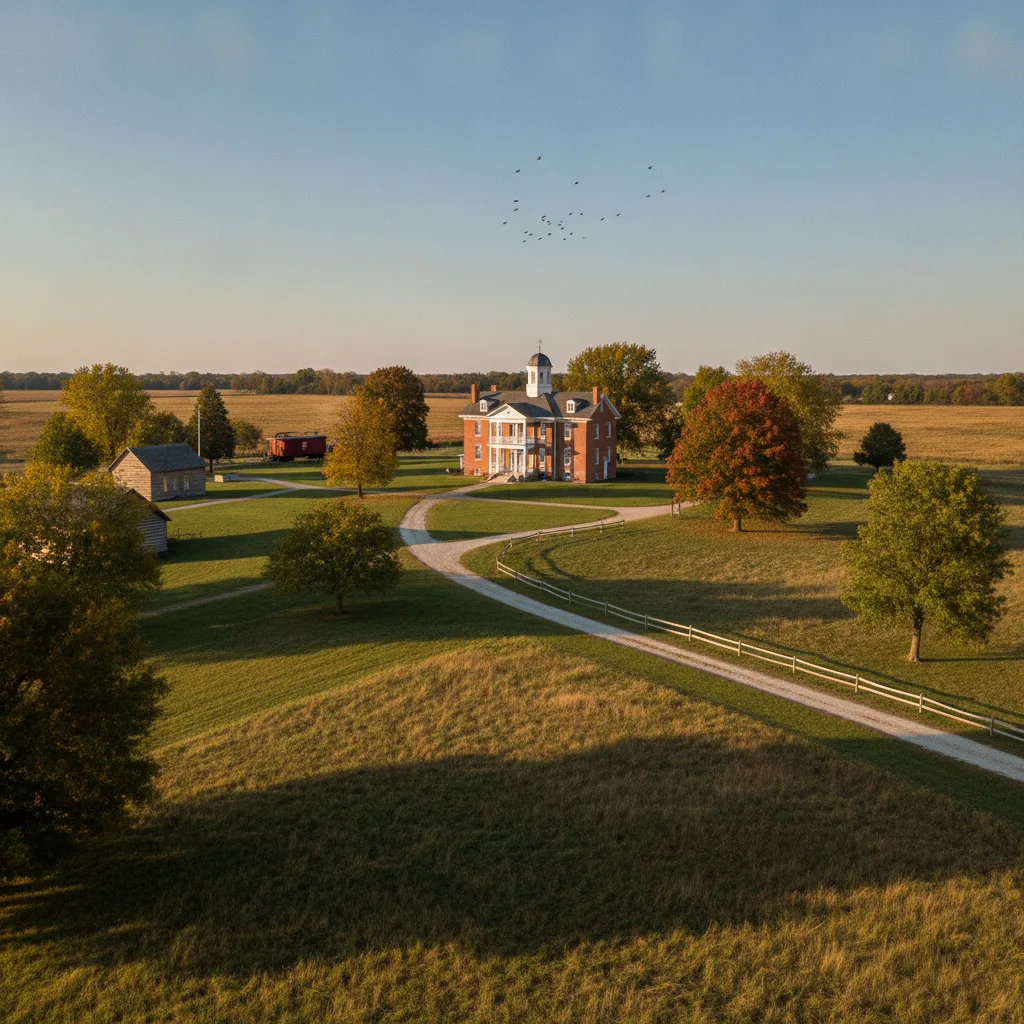
The complex is home to 14 meticulously preserved buildings, each telling a unique story of early Madison County life. From pioneer homes to a one-room schoolhouse, a blacksmith shop, and a historic church, the sheer breadth of exhibits provides a comprehensive look into how Iowans lived, worked, and built their communities. The crown jewel, the 1856 Bevington-Kaser House (also known as the Bevington Mansion), stands as a testament to Victorian-era elegance, restored and furnished to reflect its original grandeur.
Beyond the structures, the main museum building houses an extensive collection of artifacts. Here, you’ll discover everything from Native American artifacts and Civil War memorabilia to antique farm machinery, intricate quilts, and local business ephemera. It’s a vivid, tangible connection to the past that brings textbooks to life. If you're wondering, "is Madison County Historical Complex worth visiting?", consider the depth of historical insight and the sheer volume of preserved heritage you'll encounter here. It’s an immersive experience for all ages, offering context to the very landscape of Madison County, famous for its iconic covered bridges, which you can also explore nearby, like the Roseman and Hogback bridges.
Who It's Best For
The Madison County Historical Complex Iowa caters to a diverse range of visitors. History buffs will find themselves engrossed in the detailed exhibits and period buildings, spending hours poring over artifacts and imagining life in the 19th and early 20th centuries. The research library also offers a valuable resource for genealogists and local historians.
Families with children will appreciate the interactive nature of the complex. Kids can explore historical homes, peek into a log schoolhouse, and even try their hand at the nine-hole disc golf course on the grounds. The "History on the Hill" event during the Covered Bridge Festival, with its wagon rides and Civil War reenactments, is particularly engaging for younger visitors.
Road trippers exploring the heart of the Midwest will find the complex to be a perfect stop, offering a deeper understanding of the region's cultural fabric. It complements a tour of the famous covered bridges and other local attractions in Winterset, such as the John Wayne Birthplace Museum. Anyone seeking an authentic, non-commercialized glimpse into rural American history will find this destination incredibly rewarding.
Getting There & Parking
Understanding how to get to Madison County Historical Complex is straightforward, as it's conveniently located on the south edge of Winterset, Iowa, at 815 S 2nd Ave, Winterset, IA 50273. Winterset itself is easily accessible, situated approximately 40 miles southwest of Des Moines. Travelers can reach the area via major interstates, with I-80 and I-35 providing straightforward routes. From these, you'll connect to State Highway 92 and U.S. Highway 169, which intersect directly in Winterset.
Once you arrive at the complex, you'll find ample free parking available on-site. This makes visiting hassle-free, allowing you to take your time exploring the grounds and buildings. During the popular Madison County Covered Bridge Festival, held annually in October, parking at the complex can be limited due to increased visitor numbers. However, the good news is that free shuttle services operate between the festival grounds in downtown Winterset and the historical complex, making it easy to access even during peak event times. Our team recommends checking local Winterset tourism resources or the Madison County Historical Complex's official website for any last-minute updates on how to get to Madison County Historical Complex, especially regarding parking during major events.
Top Things to Do
The Madison County Historical Complex Iowa offers a wealth of activities, making it far more than just a museum. Here are the top things to do at Madison County Historical Complex:
- Explore the Bevington-Kaser House: Step back in time inside the 1856 Bevington-Kaser House, the complex's centerpiece. This beautifully restored Victorian mansion provides a glimpse into the opulent lifestyle of early Madison County settlers.
- Wander Through Historic Buildings: The complex boasts 13 additional historic structures, each relocated and preserved. You can explore a one-room log schoolhouse, a traditional blacksmith shop, a pioneer log post office, and the Winterset Train Depot, among others. Each building offers unique insights into the daily lives and trades of Madison County's past.
- Discover the Main Museum: The central museum building is a treasure trove of artifacts. Here, you'll find extensive collections ranging from Native American artifacts and Civil War and military items to antique farm equipment in the McKee Agricultural Center, quilts, glassware, and local business memorabilia. There's also a dedicated research library for those interested in deeper dives.
- Play Disc Golf: For a unique blend of history and recreation, the complex features a nine-hole disc golf course spread across its picturesque grounds. It's a fun way to explore the property while enjoying some outdoor activity.
- Attend "History on the Hill": If your visit coincides with the Madison County Covered Bridge Festival (typically the second full weekend in October), don't miss "History on the Hill" at the complex. This special event offers free admission to the museum, horse-drawn wagon rides, Civil War reenactments, and evening treats like s'mores and popcorn. It's one of the most engaging things to do at Madison County Historical Complex during the fall.
- Participate in Monthly Events: The complex also hosts regular events, such as the "Hill O'Beans Coffee Social," featuring presentations on local history. Check their schedule for upcoming programs during your visit.
Beyond the complex, there are many other things to do in Winterset that complement a historical visit:
- Tour the Covered Bridges: Of course, no trip to Madison County is complete without visiting the iconic covered bridges. Roseman, Hogback, Cutler-Donahoe, and Holliwell are among the most famous, offering picturesque scenery and a touch of romance. Consider a guided bus tour during the Covered Bridge Festival for an easy way to see several bridges. You can learn more about these historic structures at Bridges of Madison County.
- Visit the John Wayne Birthplace & Museum: Discover the humble beginnings of Hollywood legend John Wayne in the house where he was born. The adjacent museum showcases artifacts from his life and career.
- Explore Winterset City Park: This expansive park is home to the historic Clark Tower, a 25-foot limestone castle, and the Rotary Hedge Maze. The Cutler-Donahoe Covered Bridge is also located within the park. It's a fantastic spot for a picnic, a hike, or simply enjoying nature.
- Experience Covered Bridges Winery: Enjoy a tasting at this local winery, often featuring live music on weekends.
- Stroll the Courthouse Square: The historic Winterset Courthouse Square offers charming shops, local eateries, and a vibrant atmosphere, especially during events.
- Visit the Iowa Quilt Museum: For those interested in textile arts, the Iowa Quilt Museum in Winterset showcases stunning quilts and the history of quilting.
These things to do in Winterset provide a well-rounded experience, blending history, culture, and natural beauty.
Best Time to Visit
Our team recommends visiting the Madison County Historical Complex Iowa between May 1st and October 15th, as this is when the complex is fully open for its seasonal operations. During these months, all 14 buildings and exhibits are accessible, allowing for a complete exploration of the grounds. The weather is generally pleasant for walking around the 25-acre property, making spring, summer, and early fall ideal.
Specifically, early fall, particularly October, offers a unique and highly recommended experience. This is when the Madison County Covered Bridge Festival takes place, scheduled for October 10-11, 2026. During the festival, the historical complex hosts its "History on the Hill" event, which includes free museum admission, wagon rides, Civil War reenactments, and other special activities. The autumn foliage also adds a beautiful backdrop to the historic buildings and covered bridges, making for stunning photographs.
Summer months (June, July, August) are also excellent for a visit, with longer daylight hours and generally warm weather perfect for outdoor exploration. However, be prepared for potentially larger crowds, especially on weekends. Spring (May and early June) brings fresh greenery and blooming flowers, offering a serene atmosphere before the peak tourist season.
While the complex is closed for general admission from mid-October through April, special appointments might be possible, and the Madison County Chamber of Commerce website lists various events throughout the year in Winterset, such as the "Paint Madison County" Plein Air Festival in June and the Winterset Festival of Lights in November. Always confirm specific hours and any potential closures directly with the Madison County Historical Complex before your trip, as hours can be subject to change.
Where to Stay Nearby
Finding comfortable Madison County Historical Complex lodging is key to a relaxing visit. Winterset, Iowa, offers a selection of accommodations that cater to different preferences, from modern hotels to charming local inns and vacation rentals. Our team has identified some excellent options for your stay:
- Cobblestone Inn & Suites - Winterset, IA: This is a highly-rated option known for its welcoming atmosphere and convenient location. It offers amenities such as complimentary daily breakfast, a fitness center, and free Wi-Fi. Many guests praise its cleanliness and friendly staff. It's an excellent choice for reliable and comfortable Madison County Historical Complex lodging.
- Covered Bridge Inn (soon to be Hotel Pommier Winterset): This independent hotel provides local hospitality with generous amenities, including complimentary breakfast and free Wi-Fi. It's also pet-friendly, offering designated rooms for furry companions. It aims to be an essential basecamp for exploring the area.
- Vacation Rentals: For those seeking a more home-like experience, Winterset has several charming vacation rentals. Options like the "Charming Winterset Vacation Rental w/ Yard & Patio," "Entire farmhouse in the country," or "Covered Bridge Haven" offer unique stays, often with multiple bedrooms and full kitchens, perfect for families or groups. "The Bungalow in Winterset" is another local vacation rental option.
- Winterset City Park Campground: If you prefer camping, Winterset City Park offers campground facilities, allowing you to immerse yourself in nature while still being close to local attractions.
When considering your Madison County Historical Complex lodging, we recommend booking in advance, especially if you plan to visit during popular events like the Covered Bridge Festival, as accommodations can fill up quickly. Many of these options are just a short drive from the historical complex and other attractions like the John Wayne Birthplace Museum and the covered bridges.
Sample 2-Day Itinerary
To help you make the most of your visit to the Madison County Historical Complex Iowa and the surrounding area, our team has crafted a sample 2-day itinerary. This plan balances historical exploration with the natural beauty and charm of Winterset.
Day 1: A Deep Dive into History
- Morning (9:00 AM - 1:00 PM): Madison County Historical Complex
Start your day early at the Madison County Historical Complex Iowa. Dedicate a good portion of your morning to exploring its 25 acres and 14 buildings. Begin with the Bevington-Kaser House, admiring its Victorian architecture and furnishings. Then, move through the various historical structures like the log schoolhouse, blacksmith shop, and train depot. Spend time in the main museum building to view the extensive collections of artifacts, from Native American pieces to Civil War memorabilia and antique farm equipment. Don't forget to check for any ongoing special exhibits or presentations. Allow at least 3-4 hours here.
- Lunch (1:00 PM - 2:00 PM): Local Eatery in Winterset
Head into downtown Winterset for lunch. The Courthouse Square offers several local cafes and restaurants where you can grab a bite. Consider a spot like Petite Cafe for sandwiches and coffee or a local pizza place.
- Afternoon (2:00 PM - 5:00 PM): John Wayne Birthplace & Museum
After lunch, immerse yourself in Hollywood history at the John Wayne Birthplace & Museum. Tour the modest home where the legendary actor was born and explore the museum's impressive collection of artifacts, movie posters, and costumes. It’s a fascinating look at an American icon.
- Late Afternoon (5:00 PM - 6:00 PM): Winterset City Park & Clark Tower
Conclude your day with a visit to Winterset City Park. Drive or walk up to Clark Tower, a 25-foot limestone castle offering panoramic views of the Middle River Valley. Explore the Rotary Hedge Maze and, if time permits, walk across the Cutler-Donahoe Covered Bridge located within the park.
- Evening: Dinner & Relaxation
Enjoy dinner at one of Winterset's local restaurants. Afterward, relax at your Madison County Historical Complex lodging, perhaps the Cobblestone Inn & Suites.
Day 2: Covered Bridges & Iowa Charm
- Morning (9:00 AM - 12:00 PM): Covered Bridge Tour
Dedicate your morning to exploring Madison County's most famous attractions: its covered bridges. We recommend a self-guided driving tour to Roseman Bridge, Hogback Bridge, and Holliwell Bridge. These picturesque structures are iconic and offer fantastic photo opportunities. During the Covered Bridge Festival (October 10-11, 2026), consider joining a guided bus tour offered by the Winterset Rotary Club for a convenient way to see several bridges. You can also explore the Bridges of Madison County in more detail.
- Lunch (12:00 PM - 1:00 PM): Picnic or Winery Lunch
Pack a picnic to enjoy near one of the covered bridges, or head to Covered Bridges Winery for a relaxing lunch, often accompanied by live music on weekends.
- Afternoon (1:00 PM - 4:00 PM): Iowa Quilt Museum & Downtown Winterset
Visit the Iowa Quilt Museum to admire exquisite textile art and learn about the history of quilting in the state. Afterward, spend some time browsing the unique shops and boutiques around the historic Winterset Courthouse Square. This is a great opportunity to find local souvenirs or simply enjoy the small-town atmosphere.
- Late Afternoon (4:00 PM - 5:00 PM): Pammel State Park or Covered Bridges Winery
Depending on your interests, either head to Pammel State Park for a short hike and enjoy more of Iowa's natural beauty, or return to Covered Bridges Winery for another tasting and to relax before heading out of town.
This itinerary can be adapted based on your pace and specific interests. For more Iowa travel ideas, check out our guide to the Best places in Iowa, or consider combining this trip with visits to the Amana Colonies, the American Gothic House, or the Boone & Scenic Valley Railroad.
Last updated: 2026-07-12 by the Roam States team.