Our Malheur National Wildlife Refuge guide covers practical planning for Malheur National Wildlife Refuge Oregon — best time to visit, getting there, and what to do on the ground.
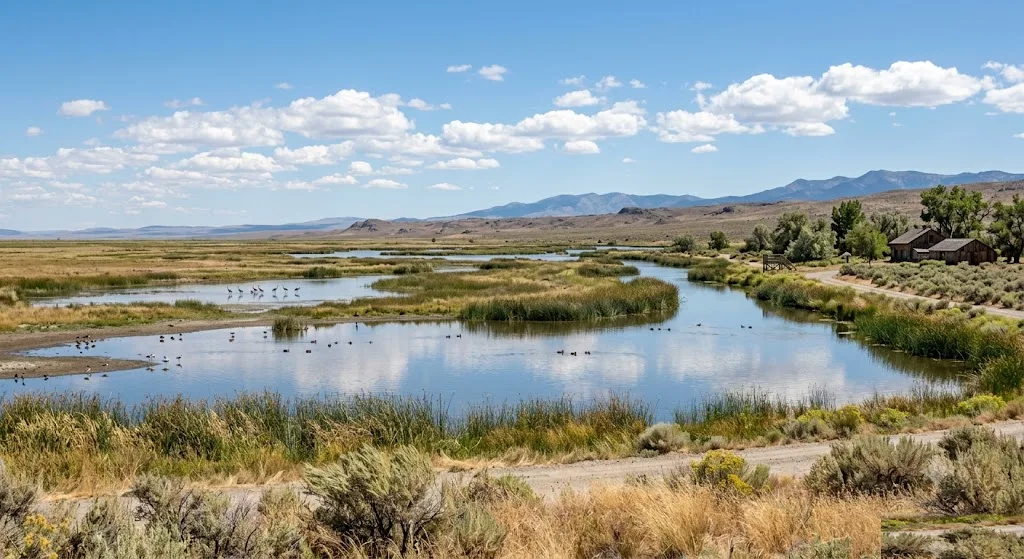
As the Roam States editorial team, we've explored countless natural wonders across the United States, but few places capture the raw, untamed spirit of the high desert quite like the Malheur National Wildlife Refuge Oregon. Established in 1908 by President Theodore Roosevelt, this vast 187,000-acre oasis in southeastern Oregon's Great Basin is a critical stopover point for hundreds of thousands of migratory birds along the Pacific Flyway, offering unparalleled birdwatching opportunities in a truly unique high desert environment.
Why Visit Malheur National Wildlife Refuge
We believe the Malheur National Wildlife Refuge offers a profoundly immersive experience into the heart of a vibrant ecosystem. It’s a place where the rhythms of nature are palpable, and the sheer abundance of wildlife, especially avian species, is simply breathtaking. Unlike more heavily trafficked national parks, Malheur provides a sense of solitude and intimate connection with the natural world, allowing for quiet observation and reflection. The refuge's diverse habitats—from wetlands and riparian areas to sagebrush uplands—support over 340 species of birds and 58 mammals, making every visit a discovery.
Beyond the incredible birdwatching, the refuge serves as a testament to conservation efforts, showcasing how managed landscapes can thrive. The ongoing work to maintain and enhance these critical habitats ensures that future generations can continue to witness the spectacular migrations and diverse wildlife that call Malheur home. It’s a destination that reminds us of the importance of preserving these wild spaces.
Who It's Best For
The Malheur National Wildlife Refuge is an ideal destination for serious birdwatchers and wildlife photographers, offering some of the best opportunities in the Pacific Northwest. Its remote, high desert setting also appeals to nature enthusiasts seeking tranquility and an escape from crowds. Families with an interest in natural history will find the educational aspects engaging, particularly at the Visitor Center and Museum. Those who appreciate quiet auto tours, gentle walks, and the chance to observe wildlife in their natural habitat will find Malheur deeply rewarding. However, visitors should be prepared for limited services and significant driving distances on gravel roads, which might not suit those looking for highly developed recreational facilities or urban amenities.
Getting There & Parking
Reaching the Malheur National Wildlife Refuge requires a journey into Oregon's high desert, but the destination is well worth the drive. The Refuge Headquarters are located approximately 32 miles southeast of Burns, Oregon. To get there, we recommend taking Highway 205 south from Burns for about 26 miles, then turning east onto Sodhouse Lane for another 6 miles.
Once at the refuge, you'll find parking available at designated areas, including the Headquarters, Visitor Center, and along the 42-mile self-guided Blitzen Valley Auto Tour Route. We advise visitors that vehicle pullouts along the auto tour route are sparingly available, and turnarounds can be limited for larger recreational vehicles. It's crucial to ensure your vehicle and tires are in good condition and your gas tank is full before venturing onto the gravel roads within the refuge. Road conditions can vary, and closures may occur during hazardous weather, particularly in fall and winter. We always recommend calling the Refuge at (541) 493-2612 for current road conditions before your visit.
It's important to note that overnight parking and camping are strictly prohibited within the refuge boundaries to protect wildlife and their habitats.
Top Things to Do
The Malheur National Wildlife Refuge is a haven for outdoor enthusiasts, with a primary focus on wildlife observation. Our team has identified several key experiences that truly highlight the refuge's unique appeal:
- Birdwatching Extravaganza: This is, without a doubt, the premier activity at Malheur. With over 340 bird species recorded, the refuge is a birder’s paradise. We recommend bringing binoculars, spotting scopes, and cameras. Key birding hotspots include the Refuge Headquarters (especially the planted trees and Marshall Pond), Buena Vista Ponds, The Narrows, Benson Pond, P Ranch, and the Double O Ranch. The spring migration (late winter through May) offers the greatest variety and numbers of birds, with early mornings and late evenings being the best times for observation.
- Blitzen Valley Auto Tour: Embark on the 42-mile self-guided tour along the Central Patrol Road (CPR). This gravel road meanders along the Donner und Blitzen River, offering numerous opportunities to stop, observe, and photograph wildlife from the comfort of your vehicle. The refuge provides a CD with interpretive information for each of the nineteen stops, available at the Crane's Nest Nature Center, or downloadable as an MP3. This is an excellent way to see many of the things to do at Malheur National Wildlife Refuge.
- Visit the Refuge Headquarters: Start your visit here. The Headquarters features a U.S. Fish and Wildlife Service Visitor Center, a wildlife Museum, and the Friends of Malheur Nature Center and Store. You can pick up maps, brochures, and get the latest bird sightings. The museum and refuge grounds are open daily from sunrise to sunset. The Visitor Center is open daily from 8:00 AM to 4:00 PM from March 1 through October 31, with limited hours in March and April, and closed from November 1 through February 28. There is no fee to enter the refuge.
- Explore Sod House Ranch: This historic site offers a glimpse into the area's past with its original Peter French 1880s historic long barn, beef wheel, and hay tripod. It’s a great spot for both history buffs and birdwatchers.
- Photography: With its stunning landscapes, diverse wildlife, and dramatic high desert light, Malheur is a photographer's dream. The car often serves as an excellent photographic blind, allowing for close-up shots without disturbing the animals.
These things to do at Malheur National Wildlife Refuge provide a comprehensive experience of this incredible natural area.
Best Time to Visit
Our team consistently recommends visiting the Malheur National Wildlife Refuge from **late winter through spring, with a peak in May**, for the most spectacular birdwatching opportunities. During these months, migratory waterfowl and shorebirds arrive in massive numbers, and songbirds are in their vibrant breeding plumage. March and early April bring sandhill cranes, snow and Ross' geese, and various ducks. Late April into May sees the arrival of shorebirds and neotropical migratory birds.
June and July are excellent for observing baby birds. While the sheer volume of birds might decrease slightly after May, the refuge still offers abundant wildlife viewing. However, be prepared for mosquitoes, which become more prevalent in late spring and early summer and can last through mid-August.
Fall migration, particularly in September, also attracts many birders as southbound birds pass through. October marks the beginning of hunting season in designated areas, which can reduce bird numbers in some parts of the refuge.
The refuge is open daily from sunrise to sunset year-round. Weather in the high desert can be unpredictable, so we always advise checking the forecast and carrying plenty of water and food, as services are sparse. Gravel roads can be rough, so a good spare tire is a wise precaution.
Where to Stay Nearby
Given the remote nature of the Malheur National Wildlife Refuge, planning your accommodations in advance is essential. While camping is not permitted directly within the refuge boundaries, several excellent options are available nearby.
The closest major town with a range of services is **Burns, Oregon**, located about 32 miles north of the Refuge Headquarters. In Burns, you'll find a selection of hotels, including the Silver Spur Motel, Rory & Ryan Inn, Days Inn by Wyndham Burns, Best Western Rory & Ryan Inns, and Americas Best Value Inn Burns. These offer comfortable amenities after a day of exploring the refuge.
For a more intimate experience closer to the refuge, the historic **Frenchglen Hotel** is a charming option, known for its farm-to-table meals and cozy accommodations. It's one of the closest lodging choices to popular parts of the refuge. Another unique stay is **Hotel Diamond**, situated in the beautiful Diamond Valley at the base of Steens Mountain, adjacent to the refuge. It operates seasonally, so we recommend calling ahead for availability.
If you prefer camping or RV accommodations, **Page Springs Campground**, located just south of P Ranch, offers public camping spots and is very close to the refuge. **The Narrows RV Park**, situated on Highway 205 about 26 miles south of Burns, provides 41 RV spaces with hookups, a restaurant, gas station, and store, making it a convenient base. Additionally, within the nearby Malheur National Forest, you can find several secluded campgrounds like Idlewild Campground, Rock Springs Campground, and Fawn Spring Dispersed Camping, which offer a more rustic experience.
No matter your preference, we strongly advise making reservations for any Malheur National Wildlife Refuge lodging well in advance, especially during peak birding seasons.
Sample 2-Day Itinerary
To truly experience the Malheur National Wildlife Refuge, we suggest a minimum of two days. This allows ample time to explore its diverse habitats and iconic birding spots without feeling rushed.
Day 1: Refuge Headquarters & Blitzen Valley Auto Tour
- Morning (8:00 AM - 12:00 PM): Begin your day at the Malheur National Wildlife Refuge Headquarters. Spend time at the Visitor Center to gather maps, check recent bird sightings, and explore the wildlife Museum. Take a leisurely walk on the paved, universally accessible trail at the headquarters, including the Marshall and Overlook trails, which offer views of Marshall Pond and Malheur Lake.
- Lunch (12:00 PM - 1:00 PM): Enjoy a picnic lunch at the headquarters picnic area, or head north to Burns for dining options.
- Afternoon (1:00 PM - 5:00 PM): Embark on the 42-mile Blitzen Valley Auto Tour (Central Patrol Road). Drive slowly, using your vehicle as a blind, and stop at interpretive pullouts. Look for raptors, shorebirds, and waterfowl at key locations like Benson Pond and the Buena Vista Ponds.
- Evening: Check into your chosen lodging in Burns, Hines, or Frenchglen. Enjoy dinner and prepare for an early start tomorrow.
Day 2: Southern Refuge & Historical Sites
- Morning (7:00 AM - 12:00 PM): Head south along Highway 205 towards Frenchglen. Explore the P Ranch area, a historic site that also offers excellent birding along the Blitzen River. Consider a short hike on the Overlook Trail near P Ranch for panoramic views. Continue to the historic Sod House Ranch for a glimpse into the region's ranching past.
- Lunch (12:00 PM - 1:00 PM): Pack a picnic to enjoy at a scenic spot, or grab a meal at the Frenchglen Hotel (seasonal, check hours).
- Afternoon (1:00 PM - 4:00 PM): Visit The Narrows, a crucial connection between Malheur Lake and Mud and Harney Lakes. Depending on water levels, this can be an excellent spot for shorebirds and wading birds. If time permits, explore the nearby Diamond Craters Outstanding Natural Area for a geological contrast to the wetlands.
- Late Afternoon: Begin your journey back, perhaps stopping for a final birding session at a favorite spot or enjoying the scenic drive.
Frequently Asked Questions
Malheur National Wildlife Refuge camping
Camping is not permitted directly within the Malheur National Wildlife Refuge boundaries. However, several excellent camping options are available nearby. Page Springs Campground, located south of P Ranch, offers public camping spots very close to the refuge. The Narrows RV Park, situated on Highway 205, provides RV spaces with hookups and amenities like a restaurant and gas station. Additionally, dispersed camping and developed campgrounds like Idlewild Campground and Rock Springs Campground can be found in the surrounding Malheur National Forest. We always recommend making reservations in advance, especially during peak season.
things to do in Princeton
Princeton, Oregon, is a very small, unincorporated community whose primary appeal lies in its immediate proximity to the Malheur National Wildlife Refuge. Unlike larger towns, Princeton itself doesn't offer a wide array of specific tourist attractions or cultural sites. However, travelers passing through or staying nearby will find the essential services available at The Narrows RV Park, which is often associated with the Princeton area. This includes a gas station, a store for supplies, and a restaurant, which can be very convenient when exploring the remote refuge. The main "things to do in Princeton" are centered around accessing the southern parts of the Malheur National Wildlife Refuge and enjoying the high desert landscape.
Malheur National Wildlife Refuge with kids
Visiting Malheur National Wildlife Refuge with kids can be a wonderful educational experience, especially for children interested in nature and wildlife. We suggest focusing on activities that keep them engaged and comfortable. The paved, universally accessible trails at the Refuge Headquarters, such as the Marshall and Overlook trails, are excellent for easy walks and provide observation blinds for viewing birds without extensive hiking. The George Benson Memorial Museum at headquarters offers exhibits that can capture their attention. The Blitzen Valley Auto Tour is a fantastic way to see wildlife from the car, allowing for breaks and snacks as needed. Encourage kids to bring binoculars and a checklist of birds to spot. Remember to pack plenty of snacks, water, and sun protection, and be prepared for potential mosquitoes during late spring and summer. While camping isn't allowed on the refuge, family-friendly accommodations like The Narrows RV Park or hotels in Burns can serve as a good base.
best hotels near Malheur National Wildlife Refuge
For the best hotels near Malheur National Wildlife Refuge, our team recommends looking in the town of Burns, Oregon, which is about 32 miles north of the refuge headquarters and offers the most choices. Top-rated options in Burns include the Silver Spur Motel, Rory & Ryan Inn, Days Inn by Wyndham Burns, Best Western Rory & Ryan Inns, and Americas Best Value Inn Burns. For a more historic and closer-to-the-refuge experience, consider the Frenchglen Hotel or Hotel Diamond, both offering unique charm and proximity to key birding areas. We advise booking well in advance, especially during the peak spring migration season.
Malheur National Wildlife Refuge tips
To make the most of your visit to Malheur National Wildlife Refuge, our team offers these essential tips:
- Plan Ahead: The refuge is remote, with limited services. Fuel up in Burns, carry plenty of water and snacks, and make accommodation reservations in advance.
- Best Time for Birds: Visit from late winter through May for peak bird migration. Early mornings and late evenings are ideal for wildlife viewing.
- Vehicle Preparedness: Expect gravel roads. Ensure your vehicle is in good condition and carry a good spare tire. Call the Refuge for current road conditions.
- Binoculars & Scopes: These are indispensable for birdwatching and observing distant wildlife.
- Layered Clothing: High desert weather can change rapidly, so dress in layers.
- Insect Repellent: Mosquitoes can be abundant in late spring and summer.
- Stay on Designated Routes: To protect wildlife and habitats, only hike and drive on designated roads and trails.
- Pets on Leash: If you bring pets, they must be kept on a leash at all times.
- No Camping on Refuge: Camping and overnight parking are prohibited within the refuge. Plan to stay at nearby campgrounds or hotels.
- Respect Wildlife: Observe from a distance, do not disturb animals, and never use audio playback to lure birds.
where to stay near Malheur National Wildlife Refuge
When considering where to stay near Malheur National Wildlife Refuge, we recommend a few key areas to maximize your visit. The town of **Burns, Oregon**, located about 32 miles north of the refuge headquarters, offers the widest selection of hotels, including the Silver Spur Motel, Rory & Ryan Inn, Days Inn by Wyndham Burns, Best Western Rory & Ryan Inns, and Americas Best Value Inn Burns. For a more rustic and closer experience, the historic **Frenchglen Hotel** and **Hotel Diamond** are excellent choices, providing unique charm and proximity to the southern parts of the refuge. If you prefer camping, **Page Springs Campground** (south of P Ranch) and **The Narrows RV Park** (on Highway 205) are popular options. Additionally, various campgrounds within the **Malheur National Forest** offer more secluded camping opportunities. We always advise booking your accommodations in advance, especially during the busy spring bird migration season.
Our team at Roam States can confidently say that the Malheur National Wildlife Refuge Oregon is a truly special place, offering an unparalleled glimpse into the migratory wonders of the Pacific Flyway. Its raw beauty and abundant wildlife make it a must-visit for any serious nature lover. While remote, the rewards of experiencing this high desert oasis are immeasurable. We encourage you to plan your trip, embrace the solitude, and prepare to be amazed by the sheer diversity of life that thrives here. For more incredible Oregon adventures, check out our guides to Best Places in Oregon, Crater Lake National Park, and the Columbia River Gorge.
Last updated: 2026-07-08 by the Roam States team.