Milford State Park Travel Guide — Kansas
Our Milford State Park guide covers practical planning for Milford State Park Kansas — best time to visit, getting there, and what to do on the ground.
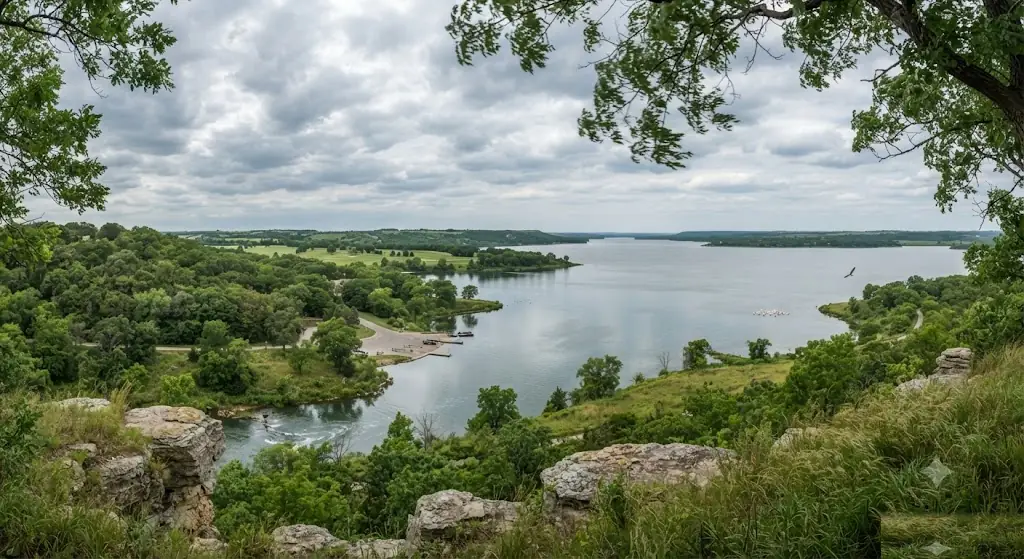
For outdoor enthusiasts seeking a diverse landscape of water recreation and prairie trails, Milford State Park Kansas offers an exceptional experience. Situated on the shores of Kansas' largest lake, Milford Reservoir near Junction City, this park is renowned for fishing and features the nearly eight-mile Eagle Ridge Trail through its prairie landscape. Winter visitors may spot bald eagles in the wildlife area, making it a year-round destination for nature lovers. Our team at Roam States has compiled this comprehensive guide to help you plan your perfect trip to this Kansas gem.
Why Visit Milford State Park
Milford State Park stands out as a premier destination in Kansas for its expansive Milford Lake, often called the "Fishing Capital of Kansas." With approximately 15,700 surface acres of water and 163 miles of shoreline, the lake provides ample opportunities for boating, fishing, and various water sports. Beyond the water, the park boasts over 12 miles of trails, catering to hikers, bikers, and equestrians, winding through diverse habitats including woodlands and tallgrass prairie.
The park is a haven for wildlife viewing, particularly in its 19,000-acre wildlife area located on the west side and upper end of the reservoir. During the winter months, the lake hosts a significant influx of bald eagles, offering spectacular bird-watching opportunities. The nearby Milford Nature Center and Milford Fish Hatchery, situated below the dam, provide educational exhibits and displays, enriching the visitor experience. For families, the park features a splash park, playgrounds, and designated swimming beaches, ensuring entertainment for all ages. Whether you're casting a line for walleye, crappie, or bass, exploring the scenic trails, or simply enjoying a lakeside picnic, Milford State Park offers a blend of relaxation and adventure that makes it a compelling visit.
Who It's Best For
Milford State Park is an ideal destination for a wide array of travelers, particularly those with a passion for the outdoors. Anglers will find themselves in paradise, with Milford Lake being a prime spot for catching walleye, crappie, largemouth bass, white bass, catfish, and smallmouth bass. Boaters and water sports enthusiasts will appreciate the full-service marina, multiple boat ramps, and the vast expanse of the lake for sailing, kayaking, and paddleboarding.
Families with children will enjoy the park's amenities, including the splash park, playgrounds, and sandy beaches perfect for swimming and building sandcastles. The park's diverse trail system, with options ranging from easy walks to more challenging routes, makes it suitable for hikers, mountain bikers, and horseback riders of all skill levels. Wildlife photographers and birdwatchers will be drawn to the 19,000-acre wildlife area, especially during winter for bald eagle sightings. Campers, from those preferring primitive tent sites to RV enthusiasts seeking full hookups, will find a variety of accommodations across the park's eight campgrounds. Milford State Park truly caters to anyone looking to immerse themselves in Kansas' natural beauty and recreational offerings.
Getting There & Parking
To reach Milford State Park, travelers will find it conveniently located northwest of Junction City, Kansas. If you're coming from Interstate 70, take exit 295 to northbound US 77. Continue on US 77 until you reach the intersection of US 77 and K-57. Turn westbound onto K-57, merge into the right-hand lane, and travel across the dam. After crossing the dam, take the second left to the state park entrance. For those approaching from southbound Highway 77, exit onto westbound K-57 after mile marker 161; the state park entrance will be on the right, just past mile marker #1. The park's physical address is 3612 State Park Road, Milford, KS 66514.
Regarding parking, a valid State Park Vehicle Permit is required for all vehicles entering Milford State Park. As of 2026, a standard annual permit costs $25, while a daily permit is $5. Kansas residents can purchase a Kansas State Parks Passport for $15.50 during their vehicle registration renewal, offering a discounted annual rate. Senior and disabled Kansas residents may also be eligible for a reduced annual permit fee of $13.75. Permits can be purchased online, at state park offices, or at self-pay stations within the park. Parking is available throughout the park at various campgrounds, trailheads, boat ramps, and day-use areas. Some campsites, particularly those with back-in hookups on the passenger side, may require a longer cord and hose for RVs.
Top Things to Do
Milford State Park offers a wealth of activities, making it a versatile destination for all types of outdoor enthusiasts. Our team recommends focusing on the diverse opportunities available on and around Milford Lake, as well as the extensive trail system. When considering things to do at Milford State Park, water activities are a primary draw.
The expansive Milford Lake is perfect for boating, with three boat ramps and courtesy docks available. You can also rent pontoon boats, kayaks, and stand-up paddleboards from local marinas. Fishing is a major attraction, with the lake being stocked with walleye, crappie, largemouth bass, white bass, catfish, and smallmouth bass. There are also fish cleaning stations with plug-in power and grinders for convenience. For a more relaxed aquatic experience, designated swimming beaches offer a place to cool off, and the park features a splash park with interactive spray features and dumping water buckets, ideal for families. An ADA Fishing Dock with a kayak launch ensures accessibility for all visitors.
Beyond the water, the 19,000-acre wildlife area provides excellent opportunities for wildlife observation and photography, especially for bald eagles in winter. The Milford Nature Center and Fish Hatchery, located below the dam, offers interpretive exhibits and an outdoor butterfly garden, providing educational insights into the local ecosystem. Hunters will find a variety of game in the wildlife area, including quail, pheasant, prairie chicken, duck, goose, rabbit, turkey, deer, and squirrel. Picnicking is popular, with day-use shelters and picnic areas available throughout the park.
Milford State Park hiking trails
The Milford State Park hiking trails are a highlight for many visitors, offering over 12 miles of routes for hiking, biking, and horseback riding. The park's trail system winds through a mix of prairie landscapes, wooded areas, and scenic lake views. One of the most notable Milford State Park hiking trails is the Eagle Ridge Trail, which is approximately 6.1 to over 8 miles in length and is suitable for hiking, horseback riding, and mountain biking. This moderate trail offers beautiful views of Milford Lake and passes through diverse terrain with rocks, tree roots, and grass.
Other popular Milford State Park hiking trails include the Dogwood Trail, an easy 0.6-mile loop through grass and rock. The Pipeline Trail is a moderate 0.5-mile route, and the Viewing Tower Trail is an easy 0.15-mile path leading to a 21-foot tower for excellent wildlife viewing, especially at dusk and dawn. The Crystal Trail, at 2.2 miles, is a moderate trail that passes an old quarry where small geode rocks can be found, and offers good deer and bald eagle viewing from November to March. For those seeking more, the Tallgrass Trail offers a 0.5-mile loop or a longer 1.5-mile hike through wooded areas and native prairie grass. Remember that some trails may require a permit.
Best Time to Visit
The best time to visit Milford State Park largely depends on your preferred activities. Our team finds that each season offers unique advantages for experiencing the park's diverse offerings.
**Spring (March-May):** Spring is highly recommended for fishing, wildlife viewing, and pleasant hiking conditions. The prairie greens up, and temperatures are generally mild, making it comfortable for exploring the trails and observing migratory birds. Fishing is popular during this season as the fish become more active.
**Summer (June-August):** Summer is the peak season, especially for water recreation. The reservoir offers the best access for boating, swimming, and marina services run full-time. The splash pad is open daily from 10:00 AM to 8:00 PM, drawing families and visitors. Expect daytime highs in the mid-80s to mid-90s°F and nights in the 60s–70s. While ideal for water activities, campgrounds with full hookups fill quickly on weekends, and visitors should be prepared for heat, humidity, and occasional storms.
**Autumn (September-November):** Autumn brings cooler temperatures and beautiful fall foliage, making it another excellent time for hiking and wildlife viewing. The crowds thin out after the summer rush, offering a more tranquil experience. Hunting season also begins, attracting those interested in game like quail, pheasant, and deer.
**Winter (December-February):** While water recreation largely shuts down due to freezing temperatures, winter is the prime time for bald eagle viewing. The lake hosts a large influx of bald eagles, particularly from November through March. This season offers a unique opportunity for birdwatchers and photographers to witness these majestic birds in their natural habitat. Hunters and trappers are also active during these months.
Overall, if water activities are your priority, summer is best. For hiking and wildlife viewing in comfortable temperatures, spring and autumn are ideal. For a chance to see bald eagles, plan a winter visit.
Where to Stay Nearby
When planning your trip to Milford State Park, you'll find a variety of Milford State Park lodging options both within the park and in the nearby area to suit different preferences and budgets. Our team recommends considering both on-site camping and cabins, as well as hotels in Junction City.
Within Milford State Park, there are eight campgrounds offering a total of 254 sites, ranging from primitive tent spots to full-hookup RV sites with water, electric, and sewer connections. Popular campgrounds include Eagle Ridge, Hickory Hollow, and Sunset Ridge. Many sites offer scenic lake views. Reservations for campsites during the prime season (April 1–October 31) open on December 10th of the preceding year, so it's wise to book well in advance, especially for holiday weekends which may have minimum stay requirements. A reservation fee of $13.75 applies.
For those seeking more comfort, Milford State Park offers ten modern cabins. Seven cabins are open year-round, while Big Oak, Honey Locust, and Red Cedar are closed during winter (October-April). Cabins are reservable 364 days in advance and some, like Big Oak and Pinto, are pet-friendly for a $50 pet fee. These cabins often include kitchenettes and bathrooms, providing a cozy retreat after a day of exploring. You can make reservations online via www.reserveamerica.com or www.campitks.gov.
If you prefer traditional hotel accommodations, Junction City is the closest major town, located about 10 miles from the park. While specific hotel names for 2026 are best verified closer to your travel date, Junction City typically offers a range of options from budget-friendly motels to more established hotels. Nearby RV parks outside the state park also provide additional Milford State Park lodging choices, such as West Rolling Hills, Walt's Four Seasons Campground, and Smoky Hill RV Park. These can be good alternatives if the state park campgrounds are full.
Sample 2-Day Itinerary
To help you make the most of your visit to Milford State Park, our team has put together a sample 2-day itinerary, balancing active exploration with relaxation by the lake.
Day 1: Lake Exploration & Nature Immersion
- Morning (9:00 AM - 12:00 PM): Start your day with a visit to the Milford Nature Center and Fish Hatchery. Explore the indoor museum, the outdoor butterfly garden, and learn about the local ecosystem. The self-led museum tour is free and offers a great educational experience for all ages. Afterwards, enjoy the Nature Playground outside the museum, featuring a jumbo eagle's nest and climbing structures.
- Lunch (12:00 PM - 1:00 PM): Pack a picnic to enjoy at one of the park's many day-use shelters or picnic areas, or head to The Cove restaurant for lakeside dining with beautiful views.
- Afternoon (1:00 PM - 5:00 PM): Spend the afternoon on Milford Lake. Rent a pontoon boat, kayak, or stand-up paddleboard from a local marina, or simply enjoy swimming at one of the designated beaches. Alternatively, try your hand at fishing from the ADA Fishing Dock or a boat, targeting walleye, crappie, or bass.
- Evening (5:00 PM onwards): Return to your campsite or cabin. Prepare a campfire dinner (where permitted) and enjoy stargazing on a clear night. The park offers excellent stargazing opportunities from the Wildlife Viewing Tower.
Day 2: Trail Adventures & Wildlife Spotting
- Morning (8:00 AM - 12:00 PM): Embark on a hike along the Eagle Ridge Trail. This moderate trail offers scenic views of Milford Lake and diverse prairie landscapes. Consider a shorter section if you're with younger children, or aim to complete a significant portion of its 6.1 to over 8 miles. Keep an eye out for deer and other wildlife.
- Lunch (12:00 PM - 1:00 PM): Enjoy a packed lunch at a scenic overlook along the trail or head back to a picnic area.
- Afternoon (1:00 PM - 4:00 PM): Explore more of the park's unique features. Visit the Wildlife Viewing Tower for panoramic views and a chance to spot animals, especially near dusk and dawn. If visiting in winter, this is an excellent spot for bald eagle viewing. Alternatively, enjoy the Milford State Park splash park if traveling with kids, open until 8:00 PM daily in summer.
- Evening (4:00 PM onwards): Enjoy a final meal at your campsite or a local restaurant in Junction City. Reflect on your outdoor adventures in this beautiful Kansas state park.
Is It Worth Visiting?
Our team confidently asserts that Milford State Park is absolutely worth visiting for anyone seeking a comprehensive outdoor experience in Kansas. It's not just a stopover; it's a destination that offers a rich blend of water-based recreation, extensive trail systems, and abundant wildlife viewing opportunities. The sheer size of Milford Lake, as the largest in Kansas, guarantees ample space for all water activities, from serious fishing to casual paddling and swimming.
Beyond the lake, the park's commitment to diverse recreational offerings, including over 12 miles of multi-use trails, means there's always something new to explore. The opportunity to spot bald eagles in winter is a particularly unique draw, distinguishing it from many other state parks. The presence of modern amenities like cabins, full-hookup RV sites, and a splash park also makes Milford State Park accessible and enjoyable for a wide range of visitors, including families. Whether you're a seasoned angler, a passionate hiker, a wildlife enthusiast, or simply looking for a peaceful lakeside getaway, the varied experiences available make Milford State Park worth visiting for a memorable trip to the heart of Kansas.
Last updated: 2026-07-13 by the Roam States team.