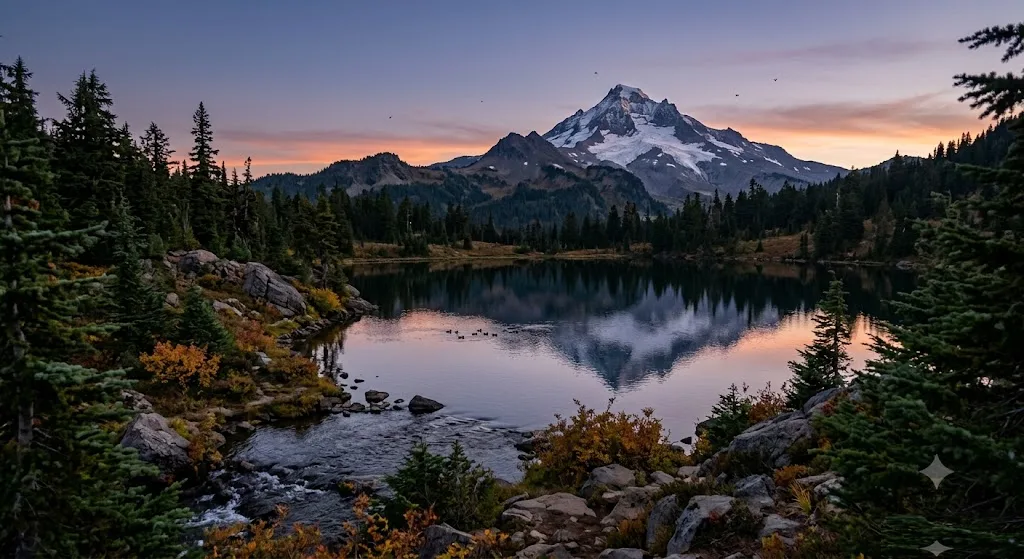
Our Mount Jefferson Wilderness guide covers practical planning for Mount Jefferson Wilderness Oregon — best time to visit, getting there, and what to do on the ground.
As the Roam States editorial team, we’ve explored the length and breadth of the United States, and few places capture the raw, untamed essence of the Pacific Northwest quite like the Mount Jefferson Wilderness. This rugged expanse, dominated by the majestic stratovolcano Mount Jefferson, offers an unparalleled escape into extensive hiking trails, pristine alpine lakes, and ancient forests. Covering over 111,000 acres within both the Willamette and Deschutes National Forests, it stands as Oregon's second most visited wilderness area, a testament to its profound natural beauty and the deep sense of solitude it provides.
Why Visit Mount Jefferson Wilderness
Visiting the Mount Jefferson Wilderness is an immersion in Oregon's high Cascades at their most dramatic. It's a place where the air is crisp, the views are expansive, and the sounds of civilization fade into the whispers of the wind through ancient trees. Our team finds that the sheer scale of Mount Jefferson itself, with its five glaciers—Whitewater, Waldo, Milk Creek, Russell, and Jefferson Park—is a constant, awe-inspiring presence. The wilderness is a tapestry of diverse landscapes, from steep talus slopes and rocky outcrops to lush alpine meadows bursting with wildflowers in summer. With over 150 lakes, many of them stocked with trout, the opportunities for quiet contemplation or active recreation are boundless. We believe it's a destination that truly allows you to disconnect and reconnect with nature on a profound level.
Beyond the geological marvels, the Mount Jefferson Wilderness offers a rich biodiversity. You’ll find towering Douglas firs and Western hemlocks, alongside huckleberry bushes and rhododendrons. Wildlife abounds, with deer, black bears, and even mountain goats calling this area home. Keep an eye to the sky for majestic eagles, or listen for the tiny chickadees. It’s a photographer’s dream, a hiker’s challenge, and a nature lover’s sanctuary, offering a stark contrast to the more developed attractions you might find elsewhere in Oregon, such as the iconic Multnomah Falls or the bustling Columbia River Gorge.
Who It's Best For
The Mount Jefferson Wilderness caters to a specific type of traveler: those seeking genuine wilderness experiences. This is not a destination for resort-goers or those who prefer paved paths and readily available amenities. Our team recommends it for:
- **Experienced Hikers and Backpackers:** With 190 miles of trails, including a 40-mile stretch of the Pacific Crest National Scenic Trail, the wilderness offers everything from moderate day hikes to challenging multi-day treks.
- **Mountaineers:** Mount Jefferson, at 10,497 feet, is Oregon's second-highest peak and presents a significant, technical climbing challenge, often requiring alpine experience.
- **Nature Photographers:** The dramatic volcanic peaks, alpine lakes, and wildflower meadows provide endless opportunities for stunning landscape photography.
- **Anglers:** Many of the wilderness's 150+ lakes are stocked with trout, offering secluded fishing spots. Lake Ann, for instance, boasts a self-sustaining population of brook trout.
- **Solitude Seekers:** While popular areas like Jefferson Park, Marion Lake, and Pamelia Lake can see significant foot traffic, especially on weekends, the vastness of the wilderness allows for quieter experiences if you venture further afield or visit during off-peak times.
It's important to note that the wilderness has no facilities, so visitors must be self-sufficient and prepared to practice Leave No Trace principles rigorously.
Getting There & Parking
When planning how to get to Mount Jefferson Wilderness, it's crucial to understand the various access points and permit requirements. The wilderness is bordered by both the Willamette and Deschutes National Forests, offering multiple entry points from different directions. The most popular entry points, as identified by our team, include the Pacific Crest National Scenic Trail #2000 and Summit Trail #4041 from Highway 20 at the south end. Other key access points are Marion Lake Trail #3436 off Road 2255, Pamelia Lake Trail #3439 off Road 2246 (approximately 13 miles southeast of the Detroit Ranger Station), and Duffy Lake Trail #3427 off Road 2267.
For those approaching from the east side, popular trailheads include Cabot Lake Trail #3437 and Road 1234 at Jack Lake, and Jefferson Lake Trail #4001 from Road 1292. The Whitewater Trail #3429, located off Road 2243, provides access from the west side, about 12.2 miles east of the Detroit Ranger Station.
Parking is generally available at trailheads, but it's essential to be aware of potential fees. Hikers should be mindful that parking fees still apply to everyone, and visitors must pay the day-use fee at the trailhead or display a Northwest Forest Pass or other valid recreation pass. This is separate from any wilderness permits.
**Permits and Reservations for 2026:** This is a critical aspect of planning your trip to Mount Jefferson Wilderness. Between June 15 and October 15, Central Cascades Wilderness Permits are required for all overnight use and for day-use at 19 of the 79 trailheads in the Mount Jefferson, Mount Washington, and Three Sisters Wilderness areas. Day-use permits cost $1 per individual, while overnight permits are $6 per group (up to 12 people). These permits are non-refundable processing fees.
Reservations for all Central Cascades Wilderness Permits must be made through Recreation.gov, either online, via their app, or by calling their call center at 1-877-444-6777. Permits are not available at Forest Service offices.
Permit release schedules for 2026 are as follows:
- **Overnight Permits:** Approximately 40% of each day's overnight permits were released on the first Tuesday in April (April 7, 2026). The remaining 60% become available seven days before a trip start date on a rolling basis.
- **Day-Use Permits:** Day-use permits are released in two rolling windows: 40% are available 10 days prior to the trip date, and the remaining 60% are released 2 days prior. For example, for a trip on June 15, the first batch was released on June 5, 2026, and the rest on June 13, 2026.
It's important to check current road conditions before heading out, especially early in the season, as some trailheads may not be accessible until mid-to-late June due to snow. Tripcheck.com is the recommended resource for the latest road information. Some roads and trailheads accessing Mount Jefferson Wilderness may also be closed due to the Lionshead Fire impacts.
Top Things to Do
The Mount Jefferson Wilderness, Oregon, is a playground for outdoor enthusiasts. Our team has identified a range of activities that truly capture the spirit of this magnificent area. Here are the top things to do at Mount Jefferson Wilderness:
- **Hiking and Backpacking:** This is, without a doubt, the primary draw. The wilderness boasts approximately 190 miles of trails, including a significant 40-mile stretch of the iconic Pacific Crest National Scenic Trail. Popular routes include the Canyon Creek Meadows loop (a moderate 6.6-mile trail offering views of meadows and glaciers, taking about 3 hours and 21 minutes) and the Pamelia Lake Trail (a 5.3-mile route through old-growth forest to a scenic lake, typically completed in about 2 hours and 31 minutes). For a more challenging experience, consider the Porcupine View and Three Fingered Jack trail, a difficult 14.4-mile path with expansive views of volcanic peaks. Other notable trails lead to destinations like Jefferson Park, Marion Lake, and the Eight Lakes Basin. Remember to secure your Central Cascades Wilderness Permits for day or overnight use between June 15 and October 15.
- **Mountaineering:** For experienced climbers, Mount Jefferson itself offers a serious alpine challenge. At 10,497 feet, it's Oregon's second-highest peak, known for its steep, exposed summit pinnacle that combines snow, ice, and loose volcanic rock with Class 4 scrambling. The standard route is often via the South Ridge from Pamelia Lake, with late June to mid-July generally preferred for consolidated snowfields.
- **Alpine Lake Exploration and Fishing:** The wilderness is home to over 150 lakes, many nestled in stunning alpine settings. About half of these are stocked with trout, providing excellent fishing opportunities. Lake Ann, for example, is a serene spot with a self-sustaining population of brook trout. Popular lakes for visiting include Marion Lake, Hunts Lake, and Blue Lake.
- **Nature Photography:** The dramatic landscapes, from the glaciers of Mount Jefferson to the wildflower-filled meadows of Jefferson Park, offer endless photographic subjects. The interplay of volcanic peaks, dense forests, and clear alpine waters creates breathtaking scenes, especially during sunrise and sunset.
- **Wildlife Viewing:** Keep an eye out for diverse wildlife. The forests and meadows are home to deer, black bears, and even mountain goats. Birdwatchers might spot chickadees and majestic eagles soaring overhead.
- **Stargazing:** Away from city lights, the Mount Jefferson Wilderness offers incredibly dark skies, making it an ideal location for stargazing and astrophotography.
When engaging in any of these activities, especially things to do at Mount Jefferson Wilderness, our team emphasizes strict adherence to Leave No Trace principles to preserve this fragile environment for future generations. This includes proper waste disposal, minimizing campfire impacts, and respecting wildlife.
Best Time to Visit
The optimal time to experience the Mount Jefferson Wilderness is from late spring through early fall. Our team finds that this window offers the most accessible conditions for hiking, backpacking, and exploring the high country. The permit season, when Central Cascades Wilderness Permits are required for many trailheads and all overnight stays, runs specifically from June 15 to October 15 each year.
During the early part of this season (June into early July), you can expect to encounter significant snow at higher elevations, particularly in areas like Jefferson Park. While this can make for stunning scenery with wildflowers blooming alongside lingering snowfields, it also means some trails may still be snow-covered and require careful navigation. Many trailheads and access roads may not be fully open until mid-to-late June.
Mid-July through September typically offers the most favorable weather, with warmer temperatures, less snow on trails, and generally clear skies. This is also peak season, so expect more visitors, especially on weekends and popular trails like those leading to Jefferson Park, Marion Lake, and Pamelia Lake.
By October, the crowds begin to thin, and the fall foliage can be spectacular, though temperatures drop, and the possibility of early season snow increases, signaling the end of the permit season. No permits are required from October 16 to June 14.
For those seeking solitude, our team suggests planning your trip for weekdays or exploring less-traveled routes. Early morning starts can also help avoid the busiest times on popular trails.
Expert Verdict: We believe the sweet spot for most visitors is late July through September, when the weather is most stable and the high country is generally snow-free, allowing for full access to the extensive trail network. Always check current conditions and permit availability on Recreation.gov before finalizing your plans for Mount Jefferson Wilderness Oregon.
Where to Stay Nearby
While the Mount Jefferson Wilderness itself offers no developed lodging or facilities, our team understands the need for comfortable accommodations before and after your backcountry adventure. For Mount Jefferson Wilderness lodging, your best bet is to look at nearby towns that serve as gateways to the wilderness.
The closest major hub is the town of **Detroit, Oregon**. Located on Detroit Lake, it offers a range of options, from cabin rentals and recreational vehicle facilities to various campgrounds. Detroit Lake State Recreation Area is a popular spot for camping and has amenities for boating and other water activities. You can find cozy cabins and vacation homes in Detroit, many within walking distance of Detroit Lake Marina and Kane's Marina.
Further afield, but still within a reasonable drive, are the larger towns of **Sisters** and **Bend**. Bend, located about 40 miles northwest of the wilderness, is a vibrant city known as an outdoor paradise, offering a wide array of hotels, restaurants, and amenities. Sisters also provides a charming base with various lodging and dining choices, making it a good option if you plan to explore other parts of Central Oregon.
For a unique experience near Mount Jefferson Wilderness lodging, consider **Breitenbush Hot Springs Retreat and Conference Center**. This is a well-known destination offering a tranquil soaking experience, though it's important to check their specific offerings and availability.
Within the wilderness boundaries, your only option for Mount Jefferson Wilderness lodging is backcountry camping. Remember that overnight permits are required for all overnight stays between June 15 and October 15, and campfires are prohibited in many sensitive areas, including above 5,700 feet and within certain lake basins like Marion Lake, Ann Lake, Table Lake, and Jefferson Park. Always pack a stove for cooking.
When searching for Mount Jefferson Wilderness lodging, we recommend booking well in advance, especially during the peak summer season, as options can fill up quickly.
Sample 2-Day Itinerary
This sample itinerary, crafted by our Roam States team, focuses on a popular and rewarding backpacking trip into the heart of the Mount Jefferson Wilderness, specifically targeting the stunning Jefferson Park area. This itinerary assumes you have secured your Central Cascades Wilderness Permits in advance for both day and overnight use.
Day 1: Approach to Jefferson Park
- **Morning (7:00 AM - 12:00 PM): Travel and Trailhead Start**
- Drive to the Whitewater Trailhead (access via Road 2243, east of Detroit Ranger Station). This is a popular entry point to Jefferson Park.
- Ensure you have your printed or digital Central Cascades Wilderness Permit ready, along with any required recreation passes for parking.
- Begin your hike on the Whitewater Trail #3429. This trail is approximately 5.6 miles to Jefferson Park and is rated as difficult. The hike offers beautiful forest scenery before opening up to views of Mount Jefferson.
- **Afternoon (12:00 PM - 5:00 PM): Explore Jefferson Park and Set Up Camp**
- Arrive at Jefferson Park, a subalpine paradise known for its iconic views of Mount Jefferson, alpine lakes, and abundant wildflowers.
- Locate one of the designated campsites. In Jefferson Park, camping within 250 feet of any lake requires using a designated site. There are 26 designated sites near Bays, Scout, Rock, and Park Lakes, and 4 near Russell Lake.
- Set up your camp, remembering that campfires are strictly prohibited within Jefferson Park boundaries and above 5,700 feet. Use a backpacking stove for cooking.
- Spend the late afternoon exploring the immediate vicinity of Jefferson Park, taking in the views of the glaciers and surrounding peaks.
- **Evening (5:00 PM onwards): Dinner and Stargazing**
- Prepare and enjoy your dinner at your campsite.
- As night falls, prepare for incredible stargazing opportunities, far from light pollution.
Day 2: Exploration and Departure
- **Morning (7:00 AM - 12:00 PM): Further Exploration or Summit Attempt**
- Enjoy an early breakfast.
- Depending on your energy and experience, you have options:
- **Option A (Relaxed Exploration):** Spend more time exploring the various lakes within Jefferson Park, such as Bays Lake, Scout Lake, or Rock Lake. Enjoy the tranquility and capture more photographs.
- **Option B (Challenging Day Hike):** For experienced hikers and climbers, consider a day-hike towards the lower slopes of Mount Jefferson or to a higher viewpoint for even more expansive vistas. Be aware that a full summit attempt requires significant alpine experience and planning beyond a typical day hike.
- **Afternoon (12:00 PM - 5:00 PM): Hike Out**
- Break down your camp, ensuring you leave no trace behind. Pack out all trash.
- Begin your hike back to the Whitewater Trailhead, retracing your steps.
- Allow ample time for the return journey, as descents can sometimes be as challenging as ascents.
This itinerary provides a solid framework, but always adapt it to your group's fitness level, current weather conditions, and permit availability. Remember that some trails may still be snow-covered into late June.
Last updated: 2026-07-08 by the Roam States team.