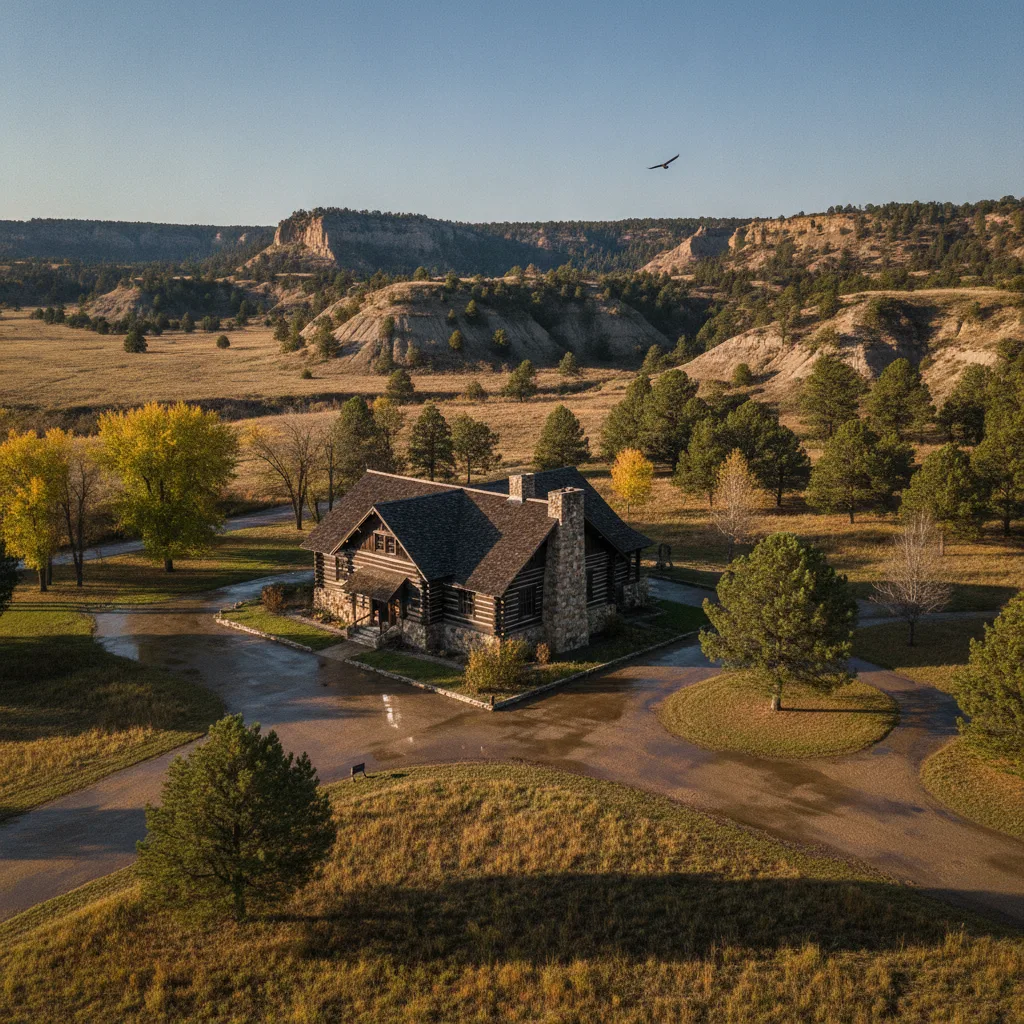
Museum of the Fur Trade Travel Guide — Nebraska
Our Museum of the Fur Trade guide covers practical planning for the Museum of the Fur Trade Nebraska — best time to visit, getting there, and what to do on the ground. We’ve meticulously researched the latest 2026 facts to ensure your visit is seamless and unforgettable, providing you with confident, specific insights that cut through generic travel fluff.
For those drawn to the echoes of North America's foundational commerce, the Museum of the Fur Trade Nebraska stands as an unparalleled destination. Located on the historic site of James Bordeaux's trading post just three miles east of Chadron, Nebraska, this remarkable institution houses over 6,000 original artifacts, making it the largest and most comprehensive collection of its kind in the world. Our team considers it an essential stop for anyone seeking to understand the intricate relationships and profound impact of the fur trade on both European settlers and Native American cultures across the continent.
Why Visit Museum of the Fur Trade
Visiting the Museum of the Fur Trade isn't just a casual outing; it's an immersive journey into a pivotal era of North American history. We believe this museum offers a depth of understanding rarely found elsewhere, chronicling over 500 years of the fur trade's influence. Unlike many institutions that offer a superficial glance, the Museum of the Fur Trade provides a meticulously curated experience, showcasing the material culture exchanged between Indigenous tribes and fur traders and trappers. You'll witness firsthand how these trade goods shaped societies and economies, from the earliest colonial days through the 20th century.
What truly sets this museum apart is its dedication to authenticity and its unparalleled collection. Every one of the more than 6,000 artifacts is an original piece, gathered painstakingly since the museum's founding in 1949. This isn't a collection of replicas; it's a direct connection to the past. From the oldest known point blanket, crafted in 1775, to firearms once owned by legendary figures like Kit Carson and Tecumseh, the exhibits breathe life into history. The museum also features a reconstructed James Bordeaux Trading Post, built on its original 1837 foundation, offering a tangible sense of the environment where these exchanges took place. We find that stepping onto these grounds truly transports you back to a time when beaver pelts were currency and alliances were forged over trade goods.
Who It's Best For
Our team confidently recommends the Museum of the Fur Trade for a diverse range of travelers. First and foremost, it's an absolute must for **history enthusiasts and scholars** specializing in North American history, Indigenous studies, or economic history. The sheer volume and authenticity of the artifacts provide an invaluable resource for deep dives into the fur trade era. The museum’s scholarly journal, the "Museum of the Fur Trade Quarterly," further underscores its academic significance.
Beyond academics, the museum is remarkably engaging for **families with curious children**. While the historical depth is significant, the visual nature of the exhibits—from intricate beadwork and textiles to impressive firearms and a reconstructed trading post—captures imaginations of all ages. Children aged 18 and under even receive free admission with an adult, making it an accessible and educational outing. The outdoor exhibits, including the Indian Heirloom Garden and the Bordeaux Trading Post, offer space for exploration and hands-on learning.
Furthermore, it's an excellent stop for **road trippers** traversing Nebraska or en route to destinations like Yellowstone National Park or the Black Hills. Its convenient location three miles east of Chadron on US Highway 20 makes it an easy and rewarding detour. We often suggest combining a visit here with other attractions in the Nebraska Panhandle for a well-rounded trip. Whether you're a seasoned traveler or simply looking for a unique and educational experience, the Museum of the Fur Trade offers something truly special.
Getting There & Parking
Understanding how to get to Museum of the Fur Trade is straightforward, as it's conveniently located on a major highway. The museum is situated at 6321 Highway 20, approximately three miles east of Chadron, Nebraska. If you're driving from Chadron, simply head east on US-20, and you'll find the museum clearly marked. For those arriving from further afield, Chadron itself is accessible via US-20 and US-385. The nearest major airport is Chadron Municipal Airport (CDR), though most visitors will likely drive from larger regional hubs or as part of a broader Nebraska road trip.
Our team has found that parking at the Museum of the Fur Trade is ample and hassle-free. There are no specific parking fees mentioned in our 2026 research, indicating that on-site parking is complimentary for visitors. This makes planning your arrival and departure simple, without the added stress of searching for parking or incurring unexpected costs. We always recommend checking the museum's official website or calling ahead for any last-minute updates on accessibility or parking, especially if you're traveling with a large group or during a special event like Fur Trade Days.
Top Things to Do
When planning your visit, you'll find an array of captivating things to do at Museum of the Fur Trade, both indoors and out. Our team suggests allocating at least half a day, if not more, to fully appreciate the extensive collection and historical context.
Explore the Main Exhibit Halls
The museum boasts five distinct gallery spaces, each offering a unique perspective on the fur trade. The main exhibit hall presents historical objects in chronological order, guiding you through centuries of interaction and commerce. Don't miss "The Voyageurs" exhibit in the Lindeken Exhibit Hall, which beautifully commemorates the canoe men who traversed the continent, moving goods and furs. The Bevin B. and Maxine Bump Exhibit Hall highlights the critical role of textiles, showcasing the world's most comprehensive collection of fabrics traded during this era, including the oldest point blanket from 1775.
Discover the Steerman Firearms Hall
For those interested in the weaponry of the era, the Steerman Firearms Hall is a true highlight. It houses the largest and most complete collection of guns made specifically for trade with Native Americans, including over 800 North West guns manufactured between 1640 and 1911. You'll also see personal weapons, such as those believed to have belonged to Kit Carson and Tecumseh, providing a powerful connection to the figures of the past. The displays also include gun accessories, gunpowder, and various hand weapons like pipe tomahawks and buffalo knives.
Wander Through the Bordeaux Trading Post and Indian Heirloom Garden
Step outside to experience the reconstructed James Bordeaux Trading Post, built on its original foundation stones from 1837. This outdoor exhibit offers a tangible sense of the daily operations of a 19th-century trading post, complete with a warehouse, trade room, and living quarters. Adjacent to the post, the Indian Heirloom Garden showcases varieties of native crops like Assiniboin flint corn, midget Mandan tobacco, squash, corn, and beans, demonstrating the agricultural practices of Northern Plains Indigenous peoples. Seeds are even available for purchase, allowing you to take a piece of this living history home.
Top Things to Do in Chadron
Beyond the museum, Chadron and the surrounding Pine Ridge region offer a wealth of activities. Our team highly recommends exploring Chadron State Park, Nebraska's first state park, located just nine miles south of Chadron on US-385. Here, you can enjoy hiking and biking trails, horseback riding (for a fee of approximately $25 per person), paddle boating on the lagoon, fishing, and even a swimming pool. A Nebraska State Park Permit is required for vehicle entry, costing $7 per day for Nebraska-licensed vehicles and $14 per day for non-Nebraska-licensed vehicles in 2026.
Other notable attractions include the Mari Sandoz High Plains Heritage Center on the Chadron State College campus, celebrating the life and works of the acclaimed Nebraska author. The Nebraska National Forest and Pine Ridge National Recreation Area provide extensive opportunities for outdoor recreation, including miles of scenic trails. For those interested in local history, the Dawes County Historical Museum offers another glimpse into the region's past. Don't forget to check out our comprehensive guide to Best places in Nebraska for more ideas!
Best Time to Visit
Our team’s recommendation for the best time to visit the Museum of the Fur Trade is during its primary operating season, from **May 1st through October 31st**. During these months, the museum is open daily from 8:00 a.m. to 5:00 p.m., offering consistent access to all exhibits, including the outdoor reconstructed trading post and heirloom garden. The weather during this period is generally pleasant for exploring both indoor and outdoor attractions in the Chadron area.
A particularly exciting time to visit is during **Fur Trade Days**, which in 2026 is scheduled for July 9th through July 12th. This annual celebration in Chadron honors the region's pioneer history with a vibrant array of events, including a parade, buckskinner's camp, trader's market, family-friendly activities, and fireworks. It's a fantastic opportunity to experience the local culture and see the community come alive. However, be aware that the town and museum may be busier during this time. Another seasonal highlight is the Feast of the Hunter's Moon, typically held in October, which offers additional themed events.
If you prefer a quieter experience, visiting outside of major festival dates within the May-October window is ideal. For those traveling between November 1st and April 30th, the museum is open by appointment only (no weekends). While still accessible, this off-season period requires advance planning and may not offer the full scope of outdoor interpretive experiences. We always advise checking the museum's official website or calling ahead (308-432-3843) for the most current hours and any potential special closures before your visit.
Where to Stay Nearby
Finding comfortable Museum of the Fur Trade lodging is easy, with several excellent options in Chadron, just a short drive from the museum. Our team has identified a range of accommodations to suit different preferences and budgets, ensuring a pleasant stay after a day of historical exploration.
For those seeking modern amenities and a highly-rated experience, the **Holiday Inn Express & Suites Chadron by IHG** consistently receives excellent reviews. Guests praise its cleanliness, friendly staff, and the complimentary continental breakfast, which is a great way to start your day. It also features an indoor pool, perfect for unwinding.
Another strong recommendation for Museum of the Fur Trade lodging is the **Best Western West Hills Inn**. This hotel is also highly regarded for its friendly and attentive staff, clean rooms, and a good hot complimentary breakfast. It's even noted as a highly-rated spa hotel option in Chadron. Both the Holiday Inn Express and Best Western are excellent choices for families, offering spacious rooms and amenities that cater to a comfortable stay.
Other reliable options in Chadron include the **Chadron Inn & Suites**, which offers a pet-friendly policy and golf-themed activities, and the **WESTERNER MOTEL**. For more budget-conscious travelers, the **Motel Grand** and **Super 8 by Wyndham Chadron NE** provide clean and comfortable stays.
If you're looking for a more immersive outdoor experience, Chadron State Park, located nine miles south of town, offers both modern campgrounds with electrical hookups and 22 two-bedroom housekeeping cabins available from mid-April to mid-November. These cabins are furnished with essentials, making them a great choice for a longer stay in nature. Reservations for cabins and 50% of the modern camping sites can be made up to a year in advance. For more comprehensive planning, consider our Plan Your US Trip guide.
Sample 2-Day Itinerary
Our team has crafted a sample 2-day itinerary to help you make the most of your visit to the Museum of the Fur Trade and the beautiful Chadron area. This plan balances historical immersion with outdoor adventure and local charm.
Day 1: Deep Dive into the Fur Trade
- Morning (8:00 AM - 1:00 PM): Museum of the Fur Trade. Start your day bright and early at the Museum of the Fur Trade. With its doors opening at 8:00 a.m. (May-October), you'll have ample time to explore the extensive indoor exhibits before the crowds. Dedicate your morning to immersing yourself in the Lindeken Exhibit Hall, the Bevin B. and Maxine Bump Exhibit Hall, and the impressive Steerman Firearms Hall. Don't rush through the over 6,000 artifacts; each piece tells a story. Photography is allowed, so bring your camera!
- Lunch (1:00 PM - 2:00 PM): Local Chadron Eats. Head back into Chadron for lunch. We recommend trying a local eatery like the Bean Broker Coffee House and Pub for a casual meal or Country Kitchen Restaurant for more traditional fare.
- Afternoon (2:00 PM - 5:00 PM): Bordeaux Trading Post & Indian Heirloom Garden. Return to the museum grounds to explore the outdoor components. Spend time at the reconstructed James Bordeaux Trading Post, imagining life on the frontier. Then, wander through the serene Indian Heirloom Garden, learning about the traditional crops of the Northern Plains Indigenous peoples. You might even pick up some heirloom seeds to take home.
- Evening: Chadron State College & Mari Sandoz Heritage Center. In the late afternoon, visit the Mari Sandoz High Plains Heritage Center on the Chadron State College campus. After, enjoy dinner in Chadron and perhaps a leisurely stroll through Finnegan Park.
Day 2: Pine Ridge Adventure & Local Culture
- Morning (9:00 AM - 1:00 PM): Chadron State Park. After a complimentary breakfast at your hotel, head south to Chadron State Park. Spend your morning hiking or mountain biking on the scenic trails amidst the ponderosa pines. Consider a horseback trail ride (reservations often recommended, check with the park directly). You could also rent a paddle boat for a relaxing time on the lagoon. Remember your Nebraska State Park Permit!
- Lunch (1:00 PM - 2:00 PM): Picnic or Park Snack Bar. Enjoy a picnic lunch amidst the beauty of Chadron State Park, or grab a bite at the park's snack bar during the warmer months.
- Afternoon (2:00 PM - 5:00 PM): Scenic Drives & Nearby History. Take a scenic drive through the Pine Ridge National Recreation Area, enjoying the rugged beauty of northwest Nebraska. You might consider a visit to the Dawes County Historical Museum for another dose of local history. For those interested in broader Nebraska history, consider a longer drive to Chimney Rock National Historic Site, a significant landmark on the Oregon Trail, or even further to the Omaha's Henry Doorly Zoo if you're heading east.
- Evening: Seasonal Events or Relaxation. Depending on the time of year, check for local events like the Harvest Moon Fall Festival in October or evening programs at Chadron State Park. Otherwise, enjoy a relaxed dinner in Chadron and reflect on the rich history and natural beauty you've experienced.
Last updated: 2026-07-05 by the Roam States team.