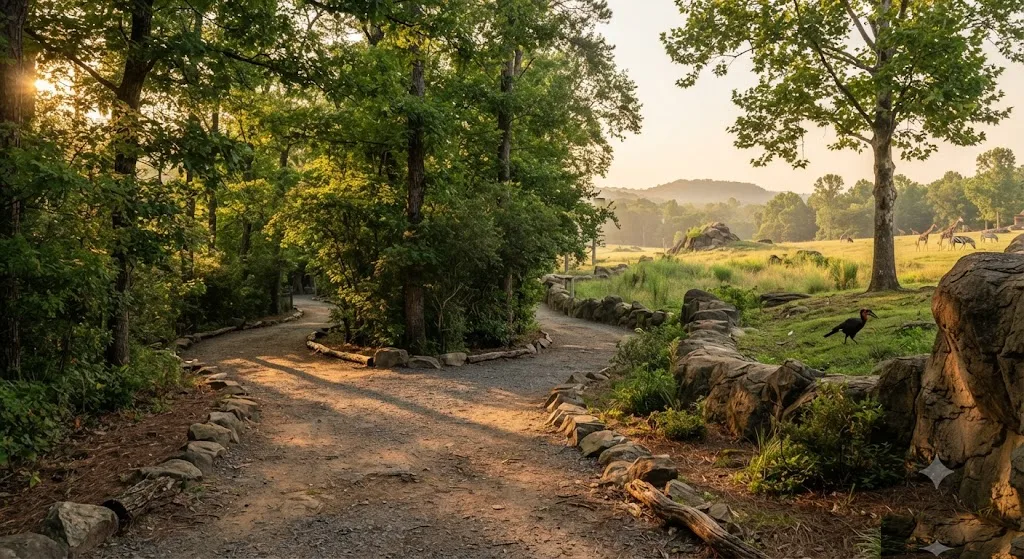
Welcome to our comprehensive guide to the North Carolina Zoo North Carolina, a truly exceptional destination for wildlife enthusiasts and families alike. As the world's largest natural habitat zoo, it offers an immersive experience where animals roam expansive landscapes designed to mimic their native environments. Our team at Roam States has compiled everything you need to know for an unforgettable visit, from planning your trip to exploring its vast biomes.
North Carolina Zoo Travel Guide — North Carolina
Why Visit North Carolina Zoo
The North Carolina Zoo isn't just another zoo; it's a sprawling sanctuary dedicated to wildlife conservation and education, making it a top-tier attraction that draws visitors from around the globe. Spanning over 2,600 acres with 500 developed, it holds the distinction of being the world's largest natural habitat zoo. This means the animals here enjoy vast, naturalistic enclosures, offering a more authentic and engaging viewing experience compared to traditional zoos. You'll encounter over 1,700 animals and 52,000 plants across its North American and African exhibit regions, with more than five miles of walkways to explore.
Beyond the impressive scale, the zoo plays a pivotal role in global wildlife conservation through its involvement in the Species Survival Plan, protecting endangered species like the American Red Wolf. Educational initiatives are at the heart of its mission, with programs for all ages that inspire a deeper understanding of the natural world. From guided tours to interactive exhibits, the North Carolina Zoo provides a unique connection between visitors and wildlife. It's an experience that captivates both young and old, fostering appreciation for nature's diversity.
Who It's Best For
The North Carolina Zoo is truly a destination for everyone, but it particularly shines for certain types of travelers. Families with children, especially those aged 3 to 12, will find an abundance of interactive exhibits and activities designed to engage curious minds. The Kidzone, for instance, allows children to splash in streams, build forts, and explore nature trails. The Endangered Species Carousel and the Acacia Station Giraffe Deck offer hands-on experiences that delight visitors of all ages.
Wildlife enthusiasts and nature lovers will appreciate the zoo's commitment to natural habitats, providing ample opportunities to observe animals in environments that closely mimic their wild homes. Conservationists will be inspired by the zoo's extensive efforts in protecting endangered species and its educational programs. Even those seeking a peaceful outdoor escape will find the expansive grounds and hiking trails a refreshing change of pace. While it's a walking zoo with five miles of trails, the free tram service makes it accessible for all mobility levels, ensuring everyone can enjoy the full experience.
Getting There & Parking
Understanding how to get to North Carolina Zoo is straightforward, as it's primarily accessible by car and located in Asheboro, North Carolina. The zoo is about an hour's drive from cities like Winston-Salem, and even shorter from High Point and Greensboro. For those relying on public transportation, PART (Piedmont Authority for Regional Transportation) offers service to the North Carolina Zoo on weekdays.
Parking at the North Carolina Zoo is free, which is a significant perk for visitors. There are two main entrances and corresponding parking lots: the North America entrance and the Africa entrance. The North America parking lot is open year-round, while the Africa parking lot and admission gates are open from March 15 to November 15. During peak season (April to October), both lots are typically open. We recommend arriving early, especially on busy days, as parking lots can fill up quickly, sometimes by noon. If the North America lot is full, traffic may be directed to the Africa lot. Remember to note your parking section (letters for North America, numbers for Africa) to easily find your vehicle at the end of your visit. Electric vehicle charging stations are available in the North America parking lot. RVs can also park in designated bus parking areas, though overnight camping is not permitted.
Top Things to Do
When planning your visit, you'll discover a wealth of things to do at North Carolina Zoo, ensuring a full day of adventure. Our team recommends prioritizing your must-see exhibits and taking advantage of the free tram service to navigate the expansive grounds.
- **Explore the Continents:** The zoo is divided into immersive North American and African regions. In North America, don't miss the majestic polar bears, grizzly bears, and cougars. The Rocky Coast habitat is home to one of the largest collections of Alaskan seabirds and features daily seabird feedings at 2:00 PM between May 1st and September 30th on Saturdays and Sundays. The Desert Dome offers a heated indoor space, perfect for a break on cooler days. Over in Africa, prepare to be amazed by elephants, rhinoceroses, giraffes, and one of the largest chimpanzee troops in the United States.
- **Acacia Station Giraffe Deck:** This is a highlight for many, offering the chance to get eye-to-eye with giraffes. Giraffe feedings are typically available between 10 AM and 2 PM.
- **Kidzone:** For younger visitors, Kidzone is a nature play area where children can splash in streams, build forts, and explore treetop trails. It's open year-round.
- **Endangered Species Carousel:** Take a whimsical ride on this carousel featuring animals from around the world.
- **Ropes Courses:** For those seeking adventure, the Treehouse Trek and Air Hike Ropes Course offer thrilling activities for various abilities.
- **Kaleidoscope Butterfly Garden:** Open from May, this walk-through garden offers a magical experience surrounded by colorful butterflies.
- **Zoofari:** This adventurous ride provides up-close views of animals across the grasslands. We advise buying Zoofari tickets early if you plan to experience it.
- **Behind-the-Scenes Tours:** For an even deeper dive, the NC Zoo Society offers VIP tours that take small groups behind the scenes to learn about specific animals and their keepers. These public tours last about an hour and require an additional fee, with non-members paying an extra $24 per person on top of the quoted price for members. Private tours are also available, with most costing $615 and accommodating up to six participants.
There are so many things to do at North Carolina Zoo that you could easily spend an entire day, or even two, immersing yourself in the wildlife and natural beauty.
Best Time to Visit
Choosing the best time to visit the North Carolina Zoo can significantly enhance your experience. Our team generally recommends visiting during the spring (April and May) and fall (September and October) when the weather is mild and animals tend to be more active. Temperatures in April and October average around 71-72 degrees Fahrenheit, making for a comfortable walking experience.
Weekdays are ideal for avoiding larger crowds, though you might encounter school groups, especially on Thursdays and Fridays in the spring. Arriving right at opening (9 AM) is a popular tip, as animals are often most active in the morning. If you visit on a weekday, consider arriving around lunchtime when school groups may be departing.
Summertime (June-August) can be very hot, with temperatures often in the mid-to-high 80s, which can make animals less visible as they seek shade. However, all seasonal attractions are open during these months. Winter (November-March) offers fewer crowds and cooler temperatures, which can lead to more active animals. During this "low season," the Africa parking lot and entrance are typically closed, requiring all guests to enter through North America. The zoo is closed only on Thanksgiving Day and Christmas Day.
Where to Stay Nearby
For those planning an extended visit to the North Carolina Zoo, Asheboro and the surrounding areas offer a range of accommodation options to suit various preferences and budgets. Our team recommends booking in advance, especially during peak seasons.
- **Asheboro Hotels:** Many reputable hotel chains are located just a few miles from the zoo. Options include Comfort Inn & Suites Asheboro East, Hampton Inn Asheboro, Fairfield Inn & Suites Asheboro, Holiday Inn Express & Suites Asheboro, SureStay Plus Hotel by Best Western Asheboro, and Quality Inn Asheboro South. These often provide amenities like complimentary breakfast and pools.
- **Postcard Cabins Asheboro:** For a unique experience, Postcard Cabins Asheboro offers design-forward tiny cabins nestled on 31 woodland acres. Each cabin features forest views, a private fire pit, and a kitchenette, making it ideal for couples, families, and solo travelers. It's located very close to the zoo, about 0.5 miles away.
- **Cellar Creek Guest House:** Located just 5 minutes from the zoo, this family-friendly farm stay offers a Highland Farm view and is close to downtown Asheboro.
- **Campgrounds:** While the zoo itself does not offer overnight camping for visitors, nearby options like Zooland Family Campground and Yogi Bear's Jellystone Park Camp-Resort Asheboro NC provide camping experiences.
Staying in Asheboro allows for easy access to the zoo and other local attractions, ensuring you can maximize your time exploring this charming part of North Carolina. For more ideas on places to stay in the state, consult our guide to Best places in North Carolina.
Sample 2-Day Itinerary
Given the vastness of the North Carolina Zoo, a two-day itinerary is an excellent way to experience both major biomes without feeling rushed, especially if you're traveling with young children.
Day 1: African Safari Adventure
- Morning (9:00 AM - 1:00 PM): Arrive right at opening and park at the North America lot. Take the free tram directly to the Africa entrance. Start your exploration with the Watani Grasslands, home to elephants, rhinos, and antelopes. Continue to see the gorillas, chimpanzees, and other iconic African species.
- Lunch (1:00 PM - 2:00 PM): Enjoy lunch at one of the dining options in the Africa region or find a picnic spot.
- Afternoon (2:00 PM - 5:00 PM): Visit the Acacia Station Giraffe Deck for an unforgettable feeding experience (check times upon arrival). Explore any remaining African exhibits or revisit favorites. Take the tram back to Junction Plaza and then to the North America side.
- Evening: Check into your hotel in Asheboro. Enjoy dinner at a local Asheboro restaurant, perhaps trying some local BBQ.
Day 2: North American Wilderness & Interactive Fun
- Morning (9:00 AM - 1:00 PM): Enter through the North America entrance. Head to the Rocky Coast to see polar bears and sea lions, and catch the seabird feeding. Explore the grizzly bear, cougar, and black bear habitats. Don't miss the indoor Desert Dome.
- Lunch (1:00 PM - 2:00 PM): Have lunch at a North America dining spot or enjoy a packed picnic.
- Afternoon (2:00 PM - 5:00 PM): Dedicate time to the interactive attractions. Let the kids enjoy the Kidzone, ride the Endangered Species Carousel, or challenge yourselves on the Treehouse Trek or Air Hike Ropes Course. If visiting in May or later, stroll through the Kaleidoscope Butterfly Garden.
- Evening: Consider a VIP behind-the-scenes tour for an exclusive experience (reservations required well in advance).
Our team finds this two-day approach allows for a relaxed pace, minimizing walking fatigue and maximizing animal viewing opportunities. Remember to wear comfortable shoes, bring refillable water bottles, and download the zoo map for easy navigation.
North Carolina Zoo Hiking Trails
While the North Carolina Zoo is renowned for its animal exhibits, it also offers opportunities to enjoy the natural landscape through its extensive network of North Carolina Zoo hiking trails. The entire zoo encompasses over five miles of walking paths that traverse its two continental regions.
These trails are designed to immerse you in natural settings, connecting the various animal habitats. While the primary purpose of these paths is to navigate the zoo, they offer a pleasant walking experience amidst the zoo's 52,000 plants. Keep in mind that the zoo is built on hilly terrain, so expect some inclines and declines throughout your walk. Comfortable walking shoes are essential for exploring the North Carolina Zoo hiking trails.
Beyond the main zoo pathways, the surrounding Asheboro area also boasts excellent hiking opportunities. The Uwharrie Mountains offer ancient trails, and the Birkhead Mountains Wilderness allows for dispersed camping and features trails like the 11-mile Birkhead Mountain Trail, winding through clear creeks and forests. So, whether you're looking for a leisurely stroll between exhibits or a more vigorous hike outside the zoo, the North Carolina Zoo and its environs provide ample options for enjoying the outdoors.
Is It Worth Visiting?
The question of "is North Carolina Zoo worth visiting" is one we hear often, and our unequivocal answer is yes. This institution consistently ranks as a top attraction, offering a unique and expansive experience that sets it apart from many other zoos.
What makes it so worthwhile? Firstly, its status as the world's largest natural habitat zoo means animals have significantly more room to roam in environments that closely mimic their wild counterparts. This provides a more enriching experience for both the animals and the visitors. Secondly, the zoo's deep commitment to conservation and education is evident throughout. You're not just seeing animals; you're learning about vital efforts to protect endangered species and their habitats.
For families, the North Carolina Zoo is particularly valuable. Interactive areas like Kidzone and engaging attractions like the Giraffe Deck provide hands-on learning and fun that can easily fill an entire day, or even two. While it involves a lot of walking (up to five miles), the free tram service makes it manageable for all ages and mobility levels. We believe that the combination of its vast size, naturalistic habitats, conservation focus, and family-friendly amenities firmly establishes that the North Carolina Zoo is worth visiting for anyone seeking an engaging and educational wildlife adventure.
North Carolina Zoo Camping
While the North Carolina Zoo itself does not offer traditional overnight camping facilities for general visitors within its main park, it does provide unique North Carolina Zoo camping experiences through its "Snorin' Safari" programs and specialized camps. These are distinct from typical public campgrounds and offer a special way to experience the zoo after hours.
- **Snorin' Safaris:** These are popular overnight campout experiences designed for families (with children aged 6 and up), adults only, sensory-friendly families, and private groups (10-30 people). Participants get to experience the zoo after hours, with evening walks, s'mores by a campfire, and engaging activities focused on either North American or African animals. For example, the North American Adventures Snorin' Safari in Fall 2026 includes an evening walk to see if American Red Wolves will howl. Fees for Snorin' Safaris are $80 per person, and admission to the zoo before or after the campout is not included. Guests must bring their own camping equipment.
- **Wild Animal Science Camps:** For aspiring wildlife scientists, the zoo offers overnight Wild Animal Science Camps for junior (ages 12-14) and senior (ages 15-18) campers. These camps involve safari-style sleeping in zoo-provided tents and hands-on activities that mimic fieldwork conservation scientists conduct. The Senior Wild Animal Science Camp is scheduled for June 6-7, 2026, and the Junior camp for October 10-11, 2026. Tuition is $405 for Zoo Society members and $450 for non-members, covering food, lodging, and supplies.
- **Pre-K Nature Play Camps:** For younger children (rising preschool and kindergarten age), there are Pre-K Nature Play Camps offered by the week (Tuesday & Thursday sessions) in Summer 2026, though these are day camps and not overnight.
For those seeking more conventional North Carolina Zoo camping options, nearby commercial campgrounds like Zooland Family Campground and Yogi Bear's Jellystone Park Camp-Resort Asheboro NC are available. However, for a truly immersive and educational overnight experience directly related to the zoo, the Snorin' Safaris and Wild Animal Science Camps are exceptional choices.
FAQ: things to do in Asheboro
Beyond the North Carolina Zoo, Asheboro offers a charming mix of small-town experiences and outdoor adventures. Our team suggests exploring downtown Asheboro for its local flavors, boutiques, and antique shops. You can also visit the American Classic Motorcycle Museum or the Petty Museum for NASCAR fans. Outdoors, consider hiking in the Uwharrie Mountains or the Birkhead Mountains Wilderness, where you'll find trails and opportunities for dispersed camping. Lake Lucas and Lake Reese also offer paddlesports and fishing. For craft enthusiasts, the nearby Seagrove area is known for its pottery, and you can participate in "Stepping into the Craft with the Seagrove Potters" on Saturdays until July 25, 2026.
FAQ: North Carolina Zoo with kids
Visiting the North Carolina Zoo with kids is an excellent idea, as it's designed to be very family-friendly. We recommend arriving early, ideally right at 9 AM, to see animals at their most active and avoid crowds. Utilize the free tram service to navigate the extensive grounds, especially with little ones. Don't miss the Kidzone, a nature play area perfect for splashing and exploring. The Endangered Species Carousel and the Acacia Station Giraffe Deck are also big hits. Bring a stroller, even for older children, as you'll be doing a lot of walking (up to five miles). Pack refillable water bottles, snacks, and sunscreen. The zoo also offers various camps for different age groups, including Pre-K Nature Play Camps and Wild Animal Science Camps.
FAQ: North Carolina Zoo tips
To make the most of your visit, our team has several North Carolina Zoo tips. Arrive early, preferably at 9 AM, to beat the heat and crowds, and to see animals at their most active. Wear comfortable walking shoes, as the zoo has over five miles of trails on hilly terrain. Bring refillable water bottles, as there are water bottle refilling stations. Consider taking the tram directly to the Africa section first, then working your way back towards North America. Download the zoo map or use the North Carolina Zoo App for easy navigation. Parking is free, with two main lots at the North America and Africa entrances; remember to note your parking spot. If planning a multi-day visit, be aware that the zoo does not offer multi-day tickets, so you'll need to purchase tickets for each day. Lastly, check the weather forecast and plan accordingly, as most of the zoo is outdoors.
FAQ: North Carolina Zoo parking
North Carolina Zoo parking is free, with two main lots available at the North America and Africa entrances. The North America parking lot is open year-round, while the Africa parking lot is open from March 15 to November 15. During the winter months (November-March), all guests should plan to park and enter through the North America entrance. Parking lots can fill quickly, especially on warm, sunny days and holidays, so arriving early is highly recommended. Electric car charging stations are available in the North America parking lot. Designated bus and RV parking areas are also provided, though RV parking is not equipped for overnight stays. Remember to take a photo of your parking spot to help you find your vehicle later.
FAQ: best time to visit North Carolina Zoo
The best time to visit the North Carolina Zoo is during the spring (April and May) and fall (September and October). During these seasons, the weather is typically mild, with average temperatures around 71-72 degrees Fahrenheit, making for a comfortable walking experience. Animals also tend to be more active in cooler temperatures. Weekdays are generally less crowded than weekends, though you may encounter school groups. Arriving right at opening (9 AM) is always a good strategy to maximize animal viewing and avoid peak crowds. Summer can be hot, and animals may be less visible, while winter offers fewer crowds but some seasonal attractions may be closed, and the Africa entrance operates on a limited schedule.
FAQ: North Carolina Zoo hours and fees
The North Carolina Zoo hours vary by season but are generally open daily except for Thanksgiving Day and Christmas Day. From March 15 to November 15 (Peak Season), the zoo is open from 9 AM to 5 PM, with last entry at 4 PM. From November 16 to March 14 (Low Season), hours are 9 AM to 4 PM, with last entry at 3 PM.
North Carolina Zoo fees for general admission (as of July 11, 2025) are as follows:
- Peak Season (March 15 - November 15):
- Adults (13-61): $18 (online), $20 (on-site)
- Seniors (62+)/College Students/Military (with ID): $16 (online), $18 (on-site)
- Children (3-12): $14 (online), $16 (on-site)
- Children under 3: Free
- Low Season (November 16 - March 14):
- Adults (13-61): $14 (online), $15 (on-site)
- Seniors (62+)/College Students/Military (with ID): $12 (online), $13 (on-site)
- Children (3-12): $10 (online), $11 (on-site)
- Children under 3: Free
Online ticket purchases must be made at least one day in advance. NC EBT cardholders are eligible for a discounted rate of $5 per person for up to six admissions, available for in-person, same-day purchases only. Zoo members receive free admission. The zoo may temporarily limit admission if parking reaches capacity, so it's always wise to check their social media for updates.
As the Roam States editorial team, we are confident that a visit to the North Carolina Zoo will be a highlight of your travels. Its expansive natural habitats, dedication to conservation, and diverse range of experiences offer something truly special for every visitor. We hope this guide helps you plan an enriching and memorable journey to this world-class destination in the heart of North Carolina.
Last updated: 2026-07-08 by the Roam States team.