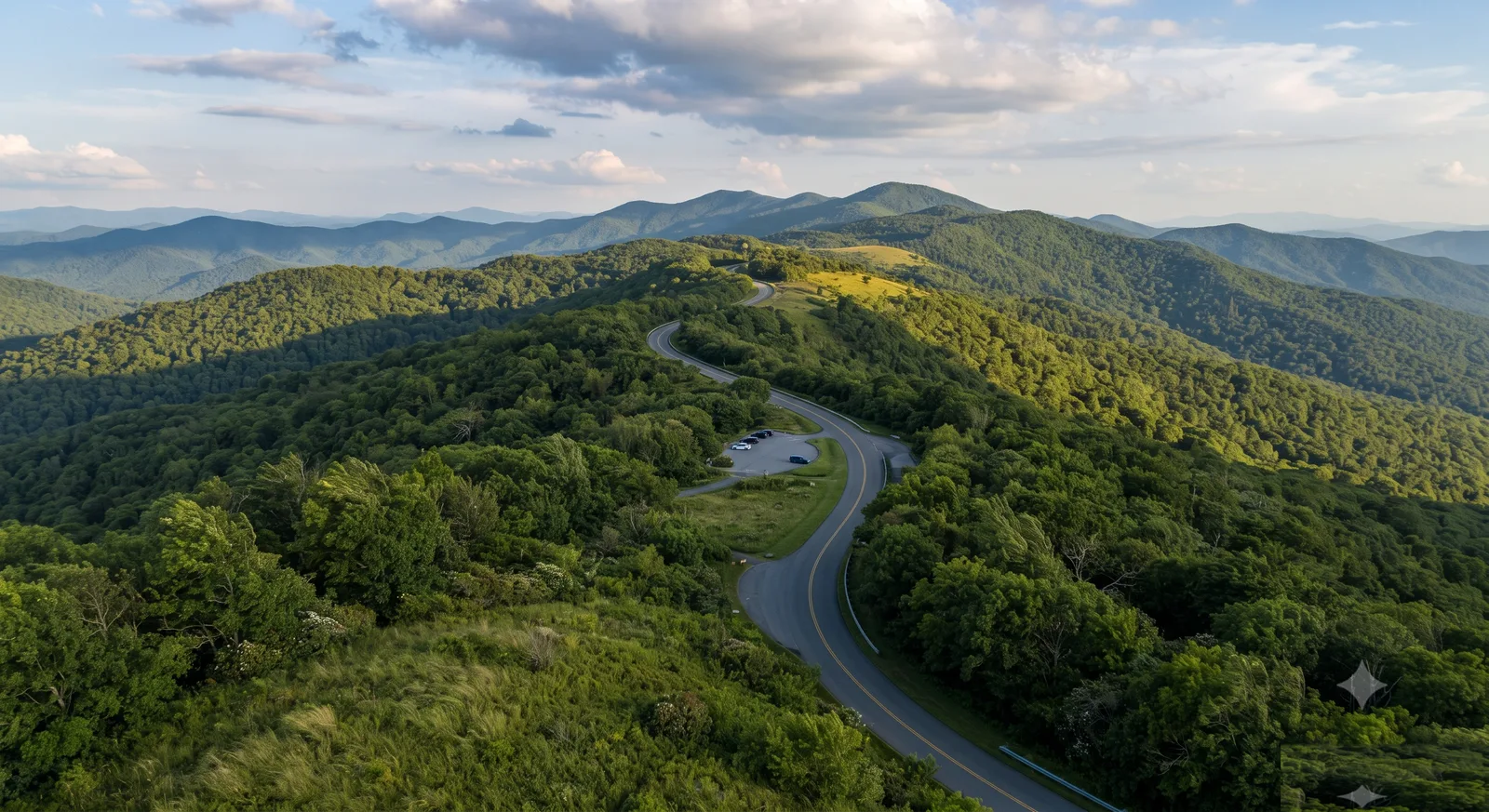
Blue Ridge Parkway Travel Guide — North Carolina
As the Roam States editorial team, we know that some destinations transcend the typical vacation, offering a profound connection to nature and a sense of timeless wonder. The Blue Ridge Parkway in North Carolina is precisely one such place. This iconic scenic byway, often called "America's Favorite Drive," winds its way through the ancient Appalachian Mountains, revealing breathtaking vistas, lush forests, and a rich cultural heritage at every turn. Our comprehensive guide to the Blue Ridge Parkway North Carolina will help you navigate this hidden gem and unlock its scenic wonders, ensuring your journey is nothing short of spectacular.
Why Visit Blue Ridge Parkway
We often hear travelers ask, "Is Blue Ridge Parkway worth visiting?" Our answer is an unequivocal yes. The Parkway offers an unparalleled opportunity to immerse yourself in the natural beauty and cultural richness of the Southern Appalachians. It's a journey, not just a destination, designed for slow-paced exploration and appreciation of the landscape. From dramatic mountain peaks to serene valleys, every mile presents a new vista.
Beyond the stunning scenery, the Parkway provides access to countless outdoor activities, including world-class hiking, picturesque picnic spots, and opportunities to learn about Appalachian history and craftsmanship. We find that the true value of the Blue Ridge Parkway lies in its ability to slow you down, encourage contemplation, and connect you with the raw, untamed spirit of the mountains. Whether you're seeking solitude, adventure, or simply a beautiful drive, the Blue Ridge Parkway delivers.
Who It's Best For
The Blue Ridge Parkway caters to a diverse range of travelers, making it a truly inclusive destination. Our team finds it ideal for:
- Scenic Drivers: With a maximum speed limit of 45 mph (and often 35 mph in developed areas), the Parkway is designed for leisurely drives, allowing ample time to soak in the views from numerous overlooks.
- Hikers and Outdoor Enthusiasts: From easy strolls to strenuous climbs, the Parkway offers hundreds of miles of trails, including access to parts of the Appalachian Trail.
- Nature Lovers: The Parkway protects a diverse array of plants and animals, offering opportunities for wildlife viewing, birdwatching, and enjoying vibrant seasonal blooms.
- Families: Many overlooks have picnic areas, and visitor centers offer Junior Ranger programs to engage younger travelers.
- Photographers: The ever-changing light, mist, and seasonal colors provide endless opportunities for capturing stunning landscapes. Iconic spots like the Linn Cove Viaduct and Mabry Mill are particularly photogenic.
- History and Culture Buffs: Visitor centers and cultural sites along the route, like the Folk Art Center and the Blue Ridge Music Center, offer insights into the region's heritage.
Getting There & Parking
Understanding how to get to Blue Ridge Parkway is crucial for a smooth trip. The Parkway stretches 469 miles, connecting Shenandoah National Park in Virginia to Great Smoky Mountains National Park in North Carolina. In Western North Carolina, there are multiple access points. For those approaching Asheville, key entrances include US 70 East (Milepost 382, near the Folk Art Center), US 74A East (Milepost ~384.7, by the Parkway Visitor Center), US 25 South (Milepost 388.8), and NC 191 South (Milepost 393.6, by the NC Arboretum).
Parking along the Blue Ridge Parkway is generally limited to designated parking lots and overlooks. We strongly advise against stopping in the middle of the road, especially on curves, as this can be dangerous. Always use the numerous designated pull-off areas to enjoy the views or take photos. During peak seasons, especially fall, popular overlooks can fill up quickly, so plan to arrive early or be prepared for a short wait. Some areas, like Waterrock Knob, offer large parking areas.
It's important to note that sections of the Parkway, particularly in North Carolina, may experience closures due to weather, maintenance, or ongoing repair projects. As of July 2026, there are ongoing road construction and rehabilitation projects. For example, some sections between Cone Manor and Price Lake, and between Boone Fork Parking Area and Rough Ridge, are currently closed, with detours in place. Linville Falls Campground and Visitor Center are also expected to remain closed throughout the 2026 camping season due to infrastructure and safety upgrades. Always check the official National Park Service website for the most up-to-date road status and closure information before you depart.
Top Things to Do
When considering things to do at Blue Ridge Parkway, the options are as varied as the landscape itself. Our team recommends focusing on a mix of scenic drives, hikes, and cultural stops to get the full experience. The Parkway is truly a linear park, with attractions spread along its entire length. Here are some of our top picks:
Blue Ridge Parkway Scenic Overlooks
The primary draw of the Parkway is undoubtedly its stunning overlooks. We encourage you to pull over frequently, stretch your legs, and simply take in the views. Some of our favorite overlooks in North Carolina include:
- Waterrock Knob (Milepost 451.2): Offering panoramic views of the Great Smoky Mountains, this is a must-visit for both sunrise and sunset. It also features a large parking area and restrooms.
- Craggy Gardens (Milepost 364.6): Famous for its rhododendron blooms in late spring and early summer, with a visitor center and trails leading to incredible 360-degree views.
- Linn Cove Viaduct (Milepost 304.4): An engineering marvel, this curved bridge offers breathtaking views and is one of the most photographed spots on the Parkway. There are nearby trails for different perspectives.
- Moses H. Cone Memorial Park (Milepost 294.1): Home to the historic Flat Top Manor, this park offers 25 miles of carriage trails for walking and a craft guild shop.
- Doughton Park (Milepost 241.1): Features open meadows, forested areas, and rugged terrain, with the Bluff Mountain Trail offering expansive views.
- Cowee Mountain Overlook (Milepost 430.7): Provides a wide, dramatic view of both high peaks and low valleys, particularly stunning at sunset.
- Thunder Hill Overlook (Milepost 290.4): Known for its expansive wide-range views of the Piedmont, making it a popular spot for sunrise.
Blue Ridge Parkway Hiking Trails
For those eager to explore on foot, the Blue Ridge Parkway hiking trails are exceptional. We always recommend proper hiking shoes and being prepared for sudden weather changes. Some of the best Blue Ridge Parkway hiking trails in North Carolina include:
- Rough Ridge Trail (Milepost 302.8): A popular 0.3-mile boardwalk section leading to stunning views, part of the longer Tanawha Trail.
- Linville Falls Trail (Milepost 316.4): Offers multiple viewpoints of the powerful Linville Falls as it cascades into the Linville Gorge. Access to the upper falls trails is expected to reopen early summer 2026.
- Mount Pisgah Trail (Milepost 407.6): A strenuous 1.3-mile climb to the summit at 5,721 feet, offering rewarding panoramic views.
- Craggy Pinnacle Trail (Milepost 364): A relatively easy hike to a rocky summit with 360-degree views near the Craggy Gardens Visitor Center.
- Graveyard Fields Loop Trail (Milepost 418.8): A moderate 2.3-mile loop featuring a stream and several waterfalls, popular for its high-elevation meadows and rhododendron thickets.
- Black Balsam Knob Trail (Milepost 420.2): Offers outstanding hikes across grassy balds with epic views.
- Waterrock Knob Trail (Milepost 451.2): A moderate to strenuous 1.2-mile hike to the summit with exceptional views.
Cultural & Educational Stops
- Folk Art Center (Milepost 382): Showcases traditional and contemporary Southern Appalachian crafts. It's open year-round.
- Blue Ridge Parkway Visitor Center (Milepost 384): Located in Asheville, this center features exhibits, an award-winning film, and information desks staffed by rangers. It's open year-round, except for Thanksgiving, Christmas, and New Year's Day.
- Museum of North Carolina Minerals (Milepost 331): Explores the region's geological history and mineral wealth. This facility is also open year-round.
Best Time to Visit
The best time to visit Blue Ridge Parkway largely depends on what you hope to experience, as each season offers a unique charm. The Parkway itself is generally open year-round, but sections may close due to weather, especially ice and snow in winter.
- Spring (April-June): We love spring for its fresh greenery, blooming wildflowers, dogwoods, and rhododendrons. Waterfalls run full with spring melt. Temperatures are cool, though April can be rainy. Expect average temperatures between 33°F and 67°F.
- Summer (July-August): Summer brings warm days and cooler mountain breezes, perfect for hiking and picnics. While temperatures can reach the low 90s at lower elevations, higher elevations typically stay in the low to mid-70s. Daily thunderstorms are common, so be prepared for rain. This is a popular time, so expect more visitors.
- Fall (September-October): This is arguably the most famous season, with fiery foliage, crisp air, and endless photo opportunities. The fall color show typically starts in late September or early October and lasts until late October or early November, depending on elevation. Expect average temperatures between 39°F and 68°F. This is the busiest time on the Parkway, so plan accordingly and expect crowds.
- Winter (November-March): Winter offers a peaceful, uncrowded, and atmospheric experience with barren trees and occasional snow. However, many sections of the Parkway, visitor centers, and facilities close due to snow or ice, and driving conditions can be hazardous.
Regardless of the season, mountain weather is extremely variable and can change rapidly. We always recommend checking current Parkway conditions and weather forecasts before heading out.
Where to Stay Nearby
While the Blue Ridge Parkway offers a sense of remoteness, there are numerous lodging options both directly on the Parkway and in nearby towns. Our team suggests considering your itinerary and preferred amenities when choosing your base.
Blue Ridge Parkway Camping
Camping on the Blue Ridge Parkway offers an immersive experience. The Parkway has eight official campgrounds, plus one state park campground accessible via the Parkway, typically open from early May through late October. Reservations are highly recommended, especially during peak fall color season, and can be made via recreation.gov.
As of 2026, some campgrounds like Otter Creek, Peaks of Otter, Rocky Knob, Doughton Park, Loop A of Julian Price Park, and Mount Pisgah are scheduled to be open from May 22 through October 25. However, Linville Falls Campground is expected to remain closed throughout the 2026 camping season due to ongoing upgrades. Most Parkway campgrounds do not have electrical hook-ups for RVs but provide water, restrooms, firewood for sale, and trailer dumping stations. Each site typically has a fireplace and picnic table.
Backcountry camping is limited and requires a free permit in designated areas like Rock Castle Gorge, Basin Cove, and Old John's River. Group camping is available at Doughton Park Campground and Rocky Knob Campground, and formerly at Linville Falls Campground.
Hotels & Inns
For those preferring more comfort, several lodges and inns are located directly on or very close to the Parkway:
- Pisgah Inn (Milepost 408.6): Offers stunning views and a restaurant, requiring direct reservations through their website.
- Peaks of Otter Lodge (Milepost 86): Located in Virginia, this lodge provides serene views of Abbott Lake. Reservations are made directly through their website.
Nearby Towns
Gateway towns offer a wider range of accommodations, dining, and amenities, allowing you to easily access the Parkway for day trips:
- Asheville, NC: A vibrant city known for its arts scene, craft breweries, and excellent dining. It serves as a fantastic base for exploring the central and southern sections of the Parkway in North Carolina. You can also explore the Biltmore Estate while staying in Asheville.
- Blowing Rock, NC: An upscale resort town nestled between Milepost 291 and 294, offering boutiques, restaurants, and quick access to outdoor activities.
- Boone, NC: A lively college town with a good selection of restaurants and shops, providing access to the northern sections of the Parkway in North Carolina.
- Cherokee, NC: Located near the southern end of the Parkway, offering cultural experiences and proximity to Great Smoky Mountains National Park.
- Little Switzerland, NC: A charming village with unique shops and dining, offering a convenient stop along the Parkway.
Sample 2-Day Itinerary
To help you make the most of your Blue Ridge Parkway North Carolina adventure, our team has crafted a sample 2-day itinerary focusing on the highlights of the North Carolina section. Remember, this is a suggestion, and you can always customize it based on your interests and the latest road conditions.
Day 1: Asheville to Linville Falls Area
- Morning (Milepost 384 - 364): Start your day at the Blue Ridge Parkway Visitor Center (Milepost 384) in Asheville for maps and orientation. Head north to Craggy Gardens (Milepost 364.6). Enjoy a short hike on the Craggy Pinnacle Trail for 360-degree views and explore the visitor center.
- Lunch: Pack a picnic to enjoy at one of the scenic overlooks, or consider a meal in the town of Black Mountain just off the Parkway.
- Afternoon (Milepost 355 - 304): Continue north to Mount Mitchell State Park (Milepost 355.4), the highest peak east of the Mississippi River. Drive to the summit for unparalleled views. Proceed to the iconic Linn Cove Viaduct (Milepost 304.4) and take some time to walk a section of the Tanawha Trail underneath or around it for different perspectives.
- Evening: Head towards the Blowing Rock/Boone area (exit Parkway at US 321 near Milepost 292). Check into your accommodation in Blowing Rock or Boone. Enjoy dinner in one of these charming mountain towns.
Day 2: Linville Falls Area to Southern Parkway Highlights
- Morning (Milepost 294 - 316): Begin your day at Moses H. Cone Memorial Park (Milepost 294.1). Explore the Flat Top Manor, browse the Southern Highland Craft Guild shop, or take a leisurely walk on some of the carriage trails. Then, drive to Linville Falls (Milepost 316.4) and hike to the various overlooks to witness the powerful waterfalls.
- Lunch: Grab a bite in the nearby town of Linville or pack another picnic.
- Afternoon (Milepost 407 - 451): Head south from Asheville (re-enter Parkway at NC 191, Milepost 393.6). Drive towards Mount Pisgah (Milepost 407.6) and consider the strenuous but rewarding hike to its summit. Continue to Graveyard Fields (Milepost 418.8) for an easier loop hike with waterfalls. Conclude your Parkway journey at Waterrock Knob (Milepost 451.2), enjoying the sunset over the Great Smoky Mountains.
- Evening: Exit the Parkway near Waterrock Knob to explore Maggie Valley or head towards Cherokee for dinner and lodging.
For more adventures in the state, be sure to check out our guide to the Best places in North Carolina. You might also consider extending your trip to explore Pisgah National Forest, which borders many sections of the Parkway.
Frequently Asked Questions
What are some things to do in Western NC?
Western NC is a treasure trove of activities beyond the Blue Ridge Parkway. Our team recommends exploring the vibrant city of Asheville for its arts, breweries, and food scene, visiting the historic Biltmore Estate, hiking in Great Smoky Mountains National Park, discovering waterfalls in Pisgah National Forest, or exploring charming mountain towns like Blowing Rock and Boone. Outdoor adventures like white-water rafting, zip-lining, and mountain biking are also popular.
Is the Blue Ridge Parkway with kids a good idea?
Absolutely! The Blue Ridge Parkway is an excellent destination for families with kids. We suggest planning frequent stops at overlooks for breaks and views. Many visitor centers offer Junior Ranger programs with activity kits to engage children. Easy hiking trails, picnic areas, and opportunities for wildlife spotting (including black bears, deer, and turkeys) make it an exciting adventure. Remember to check for tunnel clearances if traveling with an RV or rooftop carrier.
What are some Blue Ridge Parkway tips for travelers?
Our top Blue Ridge Parkway tips include: always check the official NPS website for current road closures and weather conditions before you go, as sections can close unexpectedly due to weather or construction. Drive defensively and adhere to the 45 mph speed limit (or 35 mph in developed areas), watching out for wildlife, cyclists, and pedestrians. Bring layers of clothing, as mountain weather changes rapidly. Pack snacks, water, and a full tank of gas, as services are limited. Download the free Blue Ridge Parkway Travel Planner App, as cell service can be spotty. Finally, practice Leave No Trace principles to preserve this beautiful area.
What are the Blue Ridge Parkway parking rules?
Blue Ridge Parkway parking is strictly limited to designated parking lots and scenic overlooks. Our team emphasizes that parking on the shoulder of the road or stopping in traffic lanes is prohibited and unsafe. Always pull completely off the roadway into a designated area when you wish to stop. During busy times, particularly fall foliage season, popular overlooks can fill up, so patience or early arrival is advised.
What is the best time to visit Blue Ridge Parkway?
The best time to visit Blue Ridge Parkway depends on your preferences. For vibrant fall foliage, late September through October is spectacular but also the busiest. Spring (April-June) offers blooming wildflowers and fewer crowds. Summer (July-August) is great for hiking and pleasant temperatures, though expect more visitors and daily thunderstorms. Winter (November-March) is peaceful but comes with frequent road closures due to snow and ice.
What are the Blue Ridge Parkway hours and fees?
The Blue Ridge Parkway itself is generally open 24/7, year-round, with no entrance fees. However, sections of the road may close due to adverse weather conditions (especially in winter), maintenance, or construction. Most visitor centers, campgrounds, and facilities operate seasonally, typically from May through October. The main Blue Ridge Parkway Visitor Center in Asheville (Milepost 384), the Folk Art Center (Milepost 382), and the Museum of North Carolina Minerals (Milepost 331) are notable exceptions, remaining open year-round, with closures only on major holidays like Thanksgiving, Christmas, and New Year's Day. Campground fees typically range from $30 per night, with discounts for Senior/Access passholders on standard sites. Reservations for campgrounds are made through recreation.gov.
Our team at Roam States believes the Blue Ridge Parkway North Carolina is more than just a road; it's a journey into the heart of the Appalachian Mountains, offering endless opportunities for discovery and rejuvenation. With careful planning and an open mind, your trip along this scenic wonder will be an unforgettable experience.
Last updated: 2026-07-08 by the Roam States team.