Omaha Travel Guide — Nebraska
Our Omaha guide covers practical planning for Omaha Nebraska — best time to visit, getting there, and what to do on the ground.
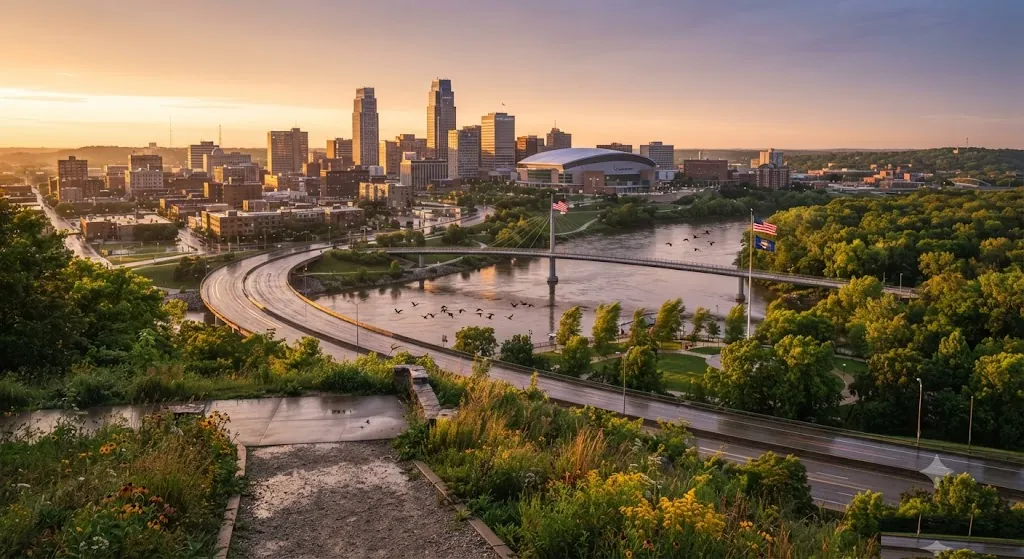
Nebraska's largest city, Omaha Nebraska, is a bustling urban center known for its rich history, diverse culture, and hospitality. It offers a variety of entertainment, dining, and artistic experiences that consistently surprise first-time visitors and delight returning travelers. As the Roam States editorial team, we've explored the heart of the Midwest to bring you an independent, no-nonsense guide to experiencing Omaha like a local, ensuring your trip is as rewarding as it is memorable.
Why Visit Omaha
Omaha often flies under the radar, but we consider it a hidden gem in the American heartland. This isn't a city that relies on flashy tourist traps; instead, it offers authentic experiences rooted in its rich history as a pioneer hub, a major railroad center, and a meatpacking giant. Today, Omaha is a thriving metropolis with a dynamic arts scene, a burgeoning culinary landscape, and green spaces that invite exploration. We've found that visitors are consistently impressed by the genuine warmth of its residents and the unexpected depth of its attractions. From world-class museums to one of the planet's premier zoos, Omaha delivers a diverse array of activities that cater to all interests. It’s a city that invites you to dig a little deeper, rewarding your curiosity with genuine charm and substance.
Who It's Best For
Omaha is a remarkably versatile destination, appealing to a wide range of travelers. We wholeheartedly recommend it for families, thanks to attractions like the renowned Henry Doorly Zoo and Aquarium and interactive museums. History buffs will find themselves immersed in the stories of pioneers, railroads, and the Old West, particularly in areas like the Old Market and the Durham Museum. Foodies will be pleasantly surprised by Omaha's innovative dining scene, which extends far beyond its famous steakhouses to include diverse international cuisine and farm-to-table experiences. Art enthusiasts will appreciate the Joslyn Art Museum and numerous galleries. Furthermore, its affordability and accessibility make it an excellent choice for budget-conscious travelers looking for a rich cultural experience without breaking the bank. Whether you're planning a romantic getaway, a family vacation, or a solo adventure, Omaha offers a welcoming and engaging environment.
Getting There & Parking
When considering how to get to Omaha, travelers have several convenient options. For air travel, Omaha is served by Eppley Airfield (OMA), located just a short drive northeast of downtown. Major airlines offer direct flights to and from key hubs across the United States. Upon arrival at OMA, you'll find various ground transportation services, including taxis, ride-sharing services, and rental car agencies. A taxi ride to downtown Omaha typically costs around $20-25, while ride-share fares are comparable. Public transportation from the airport is also available via Omaha's METRO Transit bus service, though it may involve transfers to reach specific destinations.
If you prefer to drive, Omaha is easily accessible via several major interstates. I-80 runs east-west through the city, connecting it to Des Moines and Lincoln, while I-29 runs north-south, linking to Kansas City and Sioux City. The road network is well-maintained, making for a smooth journey. For those traveling by rail, Amtrak's California Zephyr route makes a stop at the historic Omaha station, connecting the city to Chicago and Emeryville, California.
Once you've arrived, navigating Omaha is straightforward. For Omaha parking, downtown and the Old Market area offer a mix of metered street parking and numerous parking garages. Street parking meters typically operate Monday through Saturday, from 9 AM to 9 PM, with rates around $1.25 per hour. Parking garages, such as the Central Park Garage or the Gene Leahy Mall Garage, offer daily rates ranging from $10 to $20. We recommend utilizing parking garages for longer visits to avoid the hassle of meter feeding. Outside of the immediate downtown area, parking is generally more abundant and often free at attractions and hotels.
Top Things to Do
There are countless things to do in Omaha, offering a diverse array of experiences for every type of traveler. Our team has curated a selection of must-see attractions that truly define the city's unique character. When considering things to do at Omaha, we always start with the icons.
- Henry Doorly Zoo and Aquarium: Consistently ranked among the world's best zoos, Omaha's Henry Doorly Zoo and Aquarium is an absolute marvel. It boasts the largest indoor desert, the largest nocturnal exhibit, and the largest geodesic dome in the world. We recommend dedicating at least half a day, if not a full day, to explore its diverse habitats. As of 2026, general admission for adults is approximately $29.95, and we advise booking timed-entry tickets online in advance to ensure entry, especially during peak season. You can learn more in our dedicated guide: Omaha's Henry Doorly Zoo.
- Old Market: This historic district is the vibrant heart of Omaha, characterized by its cobblestone streets, horse-drawn carriages, and beautifully preserved brick buildings. It's a fantastic place for a leisurely stroll, offering an eclectic mix of art galleries, boutiques, antique shops, and some of the city's finest restaurants and bars. Don't miss the Farmers Market on Saturdays from May to October for local produce and artisan goods.
- The Durham Museum: Housed in Omaha's stunning Union Station, the Durham Museum is a Smithsonian Affiliate that beautifully preserves the history of the region. Its Art Deco architecture alone is worth the visit, but inside, you'll discover fascinating exhibits on railroad history, pioneer life, and cultural heritage. As of 2026, admission is around $15 for adults, and it's open Tuesday through Saturday from 10 AM to 4 PM, and Sunday from 1 PM to 4 PM.
- Joslyn Art Museum: A beacon of art in the Midwest, the Joslyn Art Museum features an impressive collection spanning from ancient Greek pottery to modern American and European works. The museum's striking Art Deco building is complemented by a contemporary wing. After a period of expansion, the museum is expected to be fully open in 2026. We recommend checking their official website for current hours and any special exhibition fees.
- Lauritzen Gardens, Omaha's Botanical Center: Spread across 100 acres, these botanical gardens offer a tranquil escape with a variety of themed gardens, including a rose garden, a children's garden, and an arboretum. It's a beautiful spot for a relaxing afternoon, especially during spring and summer. Admission in 2026 is approximately $15 for adults.
- Bob Kerrey Pedestrian Bridge: Affectionately known as "Bob the Bridge," this iconic pedestrian bridge spans the Missouri River, connecting Omaha, Nebraska, with Council Bluffs, Iowa. It's a popular spot for walking, running, and cycling, offering fantastic views of the city skyline. You can even stand with one foot in Nebraska and one in Iowa!
- Strategic Air Command & Aerospace Museum: While technically located in Ashland, about 30 minutes west of Omaha, this museum is a must-visit for aviation and history enthusiasts. It houses an impressive collection of aircraft and missiles, telling the story of the Strategic Air Command. Admission for adults is around $16 in 2026, and it's open daily from 9 AM to 5 PM. Consider a day trip to explore this and perhaps nearby attractions like The Archway.
Best Time to Visit
The best time to visit Omaha largely depends on your preferences for weather and activities. We generally recommend the spring (April to May) and fall (September to October) seasons. During these months, the weather is typically mild and pleasant, with comfortable temperatures perfect for exploring the city's outdoor attractions and walking through the Old Market. Spring brings blooming flowers to Lauritzen Gardens, while fall offers vibrant foliage. Average temperatures in spring range from 50-70°F (10-21°C), and in fall, they are similar.
Summer (June to August) in Omaha can be hot and humid, with average temperatures often in the 80s°F (27-32°C) and occasional thunderstorms. However, this is also peak season for many family attractions, outdoor concerts, and festivals. If you plan a summer visit, we suggest focusing on indoor activities during the hottest parts of the day and taking advantage of the longer daylight hours for evening strolls. Winter (November to March) can be quite cold, with significant snowfall and average temperatures often below freezing. While some attractions remain open, many outdoor activities are limited. If you don't mind the cold, you'll find fewer crowds and potentially lower lodging rates.
Where to Stay Nearby
Finding the right Omaha lodging is key to a comfortable and convenient trip. The city offers a wide range of accommodations, from luxurious downtown hotels to charming boutique inns and budget-friendly options. Our team has identified key areas and types of hotels that cater to different travel styles.
- Downtown/Old Market: For those who want to be in the heart of the action, staying downtown or in the Old Market district is ideal. This area puts you within walking distance of many attractions, diverse dining, and vibrant nightlife. You'll find a concentration of upscale hotels like The Farnam, Autograph Collection, and the Omaha Marriott Downtown at the Capitol District, offering modern amenities and excellent service. Mid-range options like the Hyatt Place Omaha Downtown Old Market also provide great value.
- Midtown/Blackstone District: A bit west of downtown, the Midtown and Blackstone District areas offer a more local vibe with trendy restaurants, bars, and unique shops. This area is popular with younger travelers and those looking for a lively atmosphere. Hotels here include boutique options and well-known brands, providing a good balance of convenience and local flavor.
- West Omaha: If you're traveling with family or prefer a quieter suburban setting with easy access to shopping and dining centers, West Omaha is a great choice. You'll find a plethora of chain hotels here, often with amenities like indoor pools and free parking, making them practical for longer stays or those with a car.
When considering Omaha lodging, we always recommend booking in advance, especially if your visit coincides with major events or during peak summer months. Many hotels offer competitive rates, but securing your preferred choice early will ensure a smoother arrival. For a comprehensive look at Nebraska's offerings, including places like Chimney Rock National Historic Site or Scotts Bluff National Monument, explore our guide to Best places in Nebraska.
Sample 2-Day Itinerary
To help you make the most of your visit, we've crafted a sample 2-day itinerary for Omaha that balances its iconic attractions with local flavor.
Day 1: History, Art & Old Market Charm
- Morning (9:00 AM - 1:00 PM): Start your day at the Henry Doorly Zoo and Aquarium. Dedicate ample time to explore its world-class exhibits, from the Desert Dome to the Lied Jungle.
- Lunch (1:00 PM - 2:00 PM): Grab a casual lunch at one of the many eateries near the zoo or head straight to the Old Market for more options.
- Afternoon (2:00 PM - 5:00 PM): Immerse yourself in history at The Durham Museum, housed in the magnificent Union Station. Afterwards, take a leisurely stroll through the historic Old Market district, browsing its unique shops and art galleries.
- Evening (6:00 PM onwards): Enjoy dinner at one of the Old Market's acclaimed restaurants. We recommend making reservations, especially on weekends. After dinner, consider catching a show at the Orpheum Theater or enjoying live music at a local bar.
Day 2: Gardens, Views & Local Flavors
- Morning (9:00 AM - 12:00 PM): Begin your day with a peaceful visit to Lauritzen Gardens, Omaha's Botanical Center. Explore the various themed gardens and conservatories.
- Lunch (12:00 PM - 1:00 PM): Head to the Blackstone District for lunch, known for its diverse culinary scene and trendy eateries.
- Afternoon (1:00 PM - 4:00 PM): Visit the Joslyn Art Museum to admire its impressive collection of art. Afterward, take a walk or bike ride across the Bob Kerrey Pedestrian Bridge for stunning views of the city skyline and the Missouri River.
- Evening (5:00 PM onwards): For your final evening, explore another one of Omaha's vibrant neighborhoods for dinner, perhaps Midtown or Dundee. Consider trying a classic Omaha steakhouse experience to truly savor the local cuisine.
Is It Worth Visiting?
Without a doubt, is Omaha worth visiting? Our team emphatically says yes. Omaha offers a compelling blend of attractions, culture, and hospitality that often exceeds expectations. It’s not just a stopover city; it’s a destination in its own right, rich with history, vibrant with contemporary culture, and home to some truly world-class institutions. We consistently find that visitors are surprised by the depth and breadth of experiences available, from the globally recognized zoo to its thriving arts and food scene. The genuine warmth of the people and the city's manageable size make it incredibly welcoming and easy to explore. If you're looking for an authentic American experience that combines urban amenities with Midwestern charm, then is Omaha worth visiting is a question you can answer with a confident "absolutely."
Omaha with kids
Omaha is an excellent destination for families with children. The Henry Doorly Zoo and Aquarium is a primary draw, offering hours of entertainment and educational experiences. Beyond the zoo, children will enjoy The Durham Museum's interactive exhibits, the Children's Adventure Garden at Lauritzen Gardens, and exploring the Bob Kerrey Pedestrian Bridge. Many restaurants in Omaha are also family-friendly, and the city offers numerous parks and green spaces for outdoor play.
Best hotels near Omaha
The best hotels near Omaha are concentrated in a few key areas. For a luxurious stay with easy access to downtown attractions, consider The Farnam, Autograph Collection, or the Omaha Marriott Downtown at the Capitol District. Mid-range options with excellent service include the Hyatt Place Omaha Downtown Old Market. For those preferring a more suburban setting or needing extensive amenities like pools, West Omaha offers numerous reputable chain hotels such as the Embassy Suites by Hilton Omaha La Vista or the Residence Inn by Marriott Omaha West.
Omaha tips
Our top Omaha tips include booking popular attractions like the Henry Doorly Zoo and Aquarium in advance, especially for timed-entry tickets. Wear comfortable walking shoes, particularly if you plan to explore the Old Market's cobblestone streets. Don't be afraid to venture beyond downtown to discover local gems in neighborhoods like the Blackstone District or Dundee. Finally, engage with the locals – Omaha residents are known for their hospitality and can offer fantastic recommendations.
Where to stay near Omaha
For convenience and access to Omaha's main attractions, we recommend staying in the downtown or Old Market areas. These districts offer a wide range of hotels and are walkable to many sights and dining options. If you prefer a quieter, more suburban experience, or are traveling with a car and seeking more budget-friendly chain hotels, West Omaha is a good alternative. For a vibrant, trendy atmosphere with great dining, consider the Blackstone District.
Omaha parking
Omaha parking options vary by district. In downtown and the Old Market, metered street parking is available but can be limited, especially during peak hours. We advise utilizing one of the many public parking garages in these areas, which offer more secure and long-term solutions, typically costing $10-20 per day. Outside of these central areas, parking is generally more readily available and often free at attractions and hotels.
Best time to visit Omaha
The best time to visit Omaha is during the spring (April-May) and fall (September-October) when the weather is mild and pleasant, ideal for exploring both indoor and outdoor attractions. Temperatures range from 50-70°F (10-21°C) during these seasons. Summer can be hot and humid but offers many festivals and outdoor events. Winter is cold with snow, limiting outdoor activities but providing fewer crowds.
Omaha, Nebraska, truly is a destination that rewards exploration. Our team at Roam States hopes this guide inspires your journey to this vibrant Midwestern city. We’re confident you’ll discover its unique charm, rich history, and surprisingly diverse offerings, making for a memorable American adventure.
Last updated: 2026-07-05 by the Roam States team.
Omaha Travel Guide — Nebraska
Our Omaha guide covers practical planning for Omaha Nebraska — best time to visit, getting there, and what to do on the ground.
Nebraska's largest city, Omaha Nebraska, is a bustling urban center known for its rich history, diverse culture, and hospitality. It offers a variety of entertainment, dining, and artistic experiences that consistently surprise first-time visitors and delight returning travelers. As the Roam States editorial team, we've explored the heart of the Midwest to bring you an independent, no-nonsense guide to experiencing Omaha like a local, ensuring your trip is as rewarding as it is memorable.
Why Visit Omaha
Omaha often flies under the radar, but we consider it a hidden gem in the American heartland. This isn't a city that relies on flashy tourist traps; instead, it offers authentic experiences rooted in its rich history as a pioneer hub, a major railroad center, and a meatpacking giant. Today, Omaha is a thriving metropolis with a dynamic arts scene, a burgeoning culinary landscape, and green spaces that invite exploration. We've found that visitors are consistently impressed by the genuine warmth of its residents and the unexpected depth of its attractions. From world-class museums to one of the planet's premier zoos, Omaha delivers a diverse array of activities that cater to all interests. It’s a city that invites you to dig a little deeper, rewarding your curiosity with genuine charm and substance.
Who It's Best For
Omaha is a remarkably versatile destination, appealing to a wide range of travelers. We wholeheartedly recommend it for families, thanks to attractions like the renowned Henry Doorly Zoo and Aquarium and interactive museums. History buffs will find themselves immersed in the stories of pioneers, railroads, and the Old West, particularly in areas like the Old Market and The Durham Museum. Foodies will be pleasantly surprised by Omaha's innovative dining scene, which extends far beyond its famous steakhouses to include diverse international cuisine and farm-to-table experiences. Art enthusiasts will appreciate the Joslyn Art Museum and numerous galleries. Furthermore, its affordability and accessibility make it an excellent choice for budget-conscious travelers looking for a rich cultural experience without breaking the bank. Whether you're planning a romantic getaway, a family vacation, or a solo adventure, Omaha offers a welcoming and engaging environment.
Getting There & Parking
When considering how to get to Omaha, travelers have several convenient options. For air travel, Omaha is served by Eppley Airfield (OMA), located just a short drive northeast of downtown. Major airlines offer direct flights to and from key hubs across the United States. Upon arrival at OMA, you'll find various ground transportation services, including taxis, ride-sharing services, and rental car agencies. A taxi ride to downtown Omaha typically costs around $16-$20 and takes approximately 9 minutes. Ride-share fares are comparable. Public transportation from the airport is also available via Omaha's METRO Transit bus service, with a direct bus departing from Eppley Airport Terminal and arriving at 14th & Dodge NW, taking about 18 minutes and costing $1-$35.
If you prefer to drive, Omaha is easily accessible via several major interstates. I-80 runs east-west through the city, connecting it to Des Moines and Lincoln, while I-29 runs north-south, linking to Kansas City and Sioux City. The road network is well-maintained, making for a smooth journey. For those traveling by rail, Amtrak's California Zephyr route makes a daily stop at the Omaha station, located at 1003 South 9th Street, connecting the city to Chicago and Emeryville, California.
Once you've arrived, navigating Omaha is straightforward. For Omaha parking, downtown and the Old Market area offer a mix of metered street parking and numerous parking garages. Metered street parking typically operates Monday through Saturday, from 9 AM to 9 PM, with rates around $1.25 per hour in the Midtown District and $1 per hour in downtown areas with a two-hour limit. Parking is free after 5 PM on weekdays and all day on Saturdays and Sundays. Parking garages, such as the First National Bank Omaha Garage, offer daily maximum rates around $10. Midtown Crossing garages offer 2 hours of free parking, then $1 per hour with a maximum daily fee of $15. As of March 2026, the City of Omaha has also rolled out a discounted parking program offering $1 parking sessions in certain downtown garages to support businesses affected by streetcar construction. These garages, including one at 1215 Capitol Ave., offer $1 pre-pay rates for the general public during specific hours.
Top Things to Do
There are countless things to do in Omaha, offering a diverse array of experiences for every type of traveler. Our team has curated a selection of must-see attractions that truly define the city's unique character. When considering things to do at Omaha, we always start with the icons.
- Henry Doorly Zoo and Aquarium: Consistently ranked among the world's best zoos, Omaha's Henry Doorly Zoo and Aquarium is an absolute marvel. It boasts the largest indoor desert, the largest nocturnal exhibit, and the largest geodesic dome in the world. We recommend dedicating at least half a day, if not a full day, to explore its diverse habitats. As of summer 2026, general admission for adults (12 and over) is $31.95, and for children (3-11) is $24.95. The zoo is open daily from 9 AM to 5 PM during summer hours, with buildings open until 6 PM. Timed-entry tickets are encouraged to be booked online in advance to ensure entry. You can learn more in our dedicated guide: Omaha's Henry Doorly Zoo.
- Old Market: This historic district is the vibrant heart of Omaha, characterized by its cobblestone streets, horse-drawn carriages, and beautifully preserved brick buildings. It's a fantastic place for a leisurely stroll, offering an eclectic mix of art galleries, boutiques, antique shops, and some of the city's finest restaurants and bars. Don't miss the Farmers Market on Saturdays from May to October for local produce and artisan goods.
- The Durham Museum: Housed in Omaha's stunning Union Station, The Durham Museum is a Smithsonian Affiliate that beautifully preserves the history of the region. Its Art Deco architecture alone is worth the visit, but inside, you'll discover fascinating exhibits on railroad history, pioneer life, and cultural heritage. As of summer 2026, admission is $17 for adults and $10 for children (ages 3-12). The museum is open Sunday Noon-4 PM, Monday 10 AM-4 PM, Tuesday 10 AM-8 PM, and Wednesday-Saturday 10 AM-4 PM. They also offer "Happily Ever After Hours: $5 After 5" on Tuesdays from June through August, with admission for all ages just $5 after 5 PM.
- Joslyn Art Museum: A beacon of art in the Midwest, the Joslyn Art Museum features an impressive collection spanning from ancient Greek pottery to modern American and European works. The museum's striking Art Deco building is complemented by a contemporary wing. The Joslyn Art Museum reopened to the public on September 10, 2024, after a period of construction and renovation, and general admission is free to all, always. As of 2026, hours are Tuesday-Sunday, 10 AM to 4 PM, and late until 8 PM on Thursdays.
- Lauritzen Gardens, Omaha's Botanical Center: Spread across 100 acres, these botanical gardens offer a tranquil escape with a variety of themed gardens, including a rose garden, a children's garden, and an arboretum. It's a beautiful spot for a relaxing afternoon, especially during spring and summer. Admission for adults (ages 13-64) is $18, and for children (ages 3-12) is $11. The gardens are open daily from 9 AM to 5 PM. Note that the Marjorie K. Daugherty Conservatory was closed for renovations from May to November 2024, so check their website for the latest status.
- Bob Kerrey Pedestrian Bridge: Affectionately known as "Bob the Bridge," this iconic pedestrian bridge spans the Missouri River, connecting Omaha, Nebraska, with Council Bluffs, Iowa. It's a popular spot for walking, running, and cycling, offering fantastic views of the city skyline. You can even stand with one foot in Nebraska and one in Iowa!
- Strategic Air Command & Aerospace Museum: While technically located in Ashland, about 30 minutes west of Omaha, this museum is a must-visit for aviation and history enthusiasts. It houses an impressive collection of aircraft and missiles, telling the story of the Strategic Air Command. As of summer 2026, admission for adults is $18, and for children (ages 4-12) is $10. It's open daily from 9 AM to 5 PM during summer hours (May 25 to September 7, 2026). Parking is free. Consider a day trip to explore this and perhaps nearby attractions like The Archway.
Best Time to Visit
The best time to visit Omaha largely depends on your preferences for weather and activities. We generally recommend the spring (April to May) and fall (September to October) seasons. During these months, the weather is typically mild and pleasant, with comfortable temperatures perfect for exploring the city's outdoor attractions and walking through the Old Market. Spring brings blooming flowers to Lauritzen Gardens, while fall offers vibrant foliage. Average high temperatures in spring range from 64°F in April to 73°F in May, and in fall, from 76°F in September to 65°F in October. The chance of wet days is higher in spring and early summer.
Summer (June to August) in Omaha can be hot and humid, with average high temperatures often in the 80s°F (27-32°C), peaking at an average high of 87°F in July, and occasional thunderstorms. However, this is also peak season for many family attractions, outdoor concerts, and festivals. If you plan a summer visit, we suggest focusing on indoor activities during the hottest parts of the day and taking advantage of the longer daylight hours for evening strolls. Winter (November to March) can be quite cold, with significant snowfall and average low temperatures often below freezing, reaching an average low of 17°F in January. While some attractions remain open, many outdoor activities are limited. If you don't mind the cold, you'll find fewer crowds and potentially lower lodging rates.
Where to Stay Nearby
Finding the right Omaha lodging is key to a comfortable and convenient trip. The city offers a wide range of accommodations, from luxurious downtown hotels to charming boutique inns and budget-friendly options. Our team has identified key areas and types of hotels that cater to different travel styles.
- Downtown/Old Market: For those who want to be in the heart of the action, staying downtown or in the Old Market district is ideal. This area puts you within walking distance of many attractions, diverse dining, and vibrant nightlife. You'll find a concentration of upscale hotels like The Farnam, Autograph Collection, and the Omaha Marriott Downtown at the Capitol District, offering modern amenities and excellent service. Mid-range options like the Hyatt Place Omaha Downtown Old Market also provide great value.
- Midtown/Blackstone District: A bit west of downtown, the Midtown and Blackstone District areas offer a more local vibe with trendy restaurants, bars, and unique shops. This area is popular with younger travelers and those looking for a lively atmosphere. Hotels here include boutique options and well-known brands, providing a good balance of convenience and local flavor.
- West Omaha: If you're traveling with family or prefer a quieter suburban setting with easy access to shopping and dining centers, West Omaha is a great choice. You'll find a plethora of chain hotels here, often with amenities like indoor pools and free parking, making them practical for longer stays or those with a car.
When considering Omaha lodging, we always recommend booking in advance, especially if your visit coincides with major events or during peak summer months. Many hotels offer competitive rates, but securing your preferred choice early will ensure a smoother arrival. For a comprehensive look at Nebraska's offerings, including places like Chimney Rock National Historic Site or Scotts Bluff National Monument, explore our guide to Best places in Nebraska.
Sample 2-Day Itinerary
To help you make the most of your visit, we've crafted a sample 2-day itinerary for Omaha that balances its iconic attractions with local flavor.
Day 1: History, Art & Old Market Charm
- Morning (9:00 AM - 1:00 PM): Start your day at the Henry Doorly Zoo and Aquarium. Dedicate ample time to explore its world-class exhibits, from the Desert Dome to the Lied Jungle.
- Lunch (1:00 PM - 2:00 PM): Grab a casual lunch at one of the many eateries near the zoo or head straight to the Old Market for more options.
- Afternoon (2:00 PM - 5:00 PM): Immerse yourself in history at The Durham Museum, housed in the magnificent Union Station. Afterwards, take a leisurely stroll through the historic Old Market district, browsing its unique shops and art galleries.
- Evening (6:00 PM onwards): Enjoy dinner at one of the Old Market's acclaimed restaurants. We recommend making reservations, especially on weekends. After dinner, consider catching a show at the Orpheum Theater or enjoying live music at a local bar.
Day 2: Gardens, Views & Local Flavors
- Morning (9:00 AM - 12:00 PM): Begin your day with a peaceful visit to Lauritzen Gardens, Omaha's Botanical Center. Explore the various themed gardens and conservatories.
- Lunch (12:00 PM - 1:00 PM): Head to the Blackstone District for lunch, known for its diverse culinary scene and trendy eateries.
- Afternoon (1:00 PM - 4:00 PM): Visit the Joslyn Art Museum to admire its impressive collection of art. Afterward, take a walk or bike ride across the Bob Kerrey Pedestrian Bridge for stunning views of the city skyline and the Missouri River.
- Evening (5:00 PM onwards): For your final evening, explore another one of Omaha's vibrant neighborhoods for dinner, perhaps Midtown or Dundee. Consider trying a classic Omaha steakhouse experience to truly savor the local cuisine.
Is It Worth Visiting?
Without a doubt, is Omaha worth visiting? Our team emphatically says yes. Omaha offers a compelling blend of attractions, culture, and hospitality that often exceeds expectations. It’s not just a stopover city; it’s a destination in its own right, rich with history, vibrant with contemporary culture, and home to some truly world-class institutions. We consistently find that visitors are surprised by the depth and breadth of experiences available, from the globally recognized zoo to its thriving arts and food scene. The genuine warmth of the people and the city's manageable size make it incredibly welcoming and easy to explore. If you're looking for an authentic American experience that combines urban amenities with Midwestern charm, then is Omaha worth visiting is a question you can answer with a confident "absolutely."
Omaha with kids
Omaha is an excellent destination for families with children. The Henry Doorly Zoo and Aquarium is a primary draw, offering hours of entertainment and educational experiences. Beyond the zoo, children will enjoy The Durham Museum's interactive exhibits, the Children's Adventure Garden at Lauritzen Gardens, and exploring the Bob Kerrey Pedestrian Bridge. Many restaurants in Omaha are also family-friendly, and the city offers numerous parks and green spaces for outdoor play.
Best hotels near Omaha
The best hotels near Omaha are concentrated in a few key areas. For a luxurious stay with easy access to downtown attractions, consider The Farnam, Autograph Collection, or the Omaha Marriott Downtown at the Capitol District. Mid-range options with excellent service include the Hyatt Place Omaha Downtown Old Market. For those preferring a more suburban setting or needing extensive amenities like pools, West Omaha offers numerous reputable chain hotels such as the Embassy Suites by Hilton Omaha La Vista or the Residence Inn by Marriott Omaha West.
Omaha tips
Our top Omaha tips include booking popular attractions like the Henry Doorly Zoo and Aquarium in advance, especially for timed-entry tickets. Wear comfortable walking shoes, particularly if you plan to explore the Old Market's cobblestone streets. Don't be afraid to venture beyond downtown to discover local gems in neighborhoods like the Blackstone District or Dundee. Finally, engage with the locals – Omaha residents are known for their hospitality and can offer fantastic recommendations.
Where to stay near Omaha
For convenience and access to Omaha's main attractions, we recommend staying in the downtown or Old Market areas. These districts offer a wide range of hotels and are walkable to many sights and dining options. If you prefer a quieter, more suburban experience, or are traveling with a car and seeking more budget-friendly chain hotels, West Omaha is a good alternative. For a vibrant, trendy atmosphere with great dining, consider the Blackstone District.
Omaha parking
Omaha parking options vary by district. In downtown and the Old Market, metered street parking is available but can be limited. We advise utilizing one of the many public parking garages in these areas, which offer more secure and long-term solutions, typically costing $10-20 per day. As of March 2026, the city also offers a $1 parking program in some downtown garages for the public during specific hours. Outside of these central areas, parking is generally more readily available and often free at attractions and hotels.
Best time to visit Omaha
The best time to visit Omaha is during the spring (April-May) and fall (September-October) when the weather is mild and pleasant, ideal for exploring both indoor and outdoor attractions. Temperatures range from average highs of 64-73°F in spring and 65-76°F in fall. Summer can be hot and humid but offers many festivals and outdoor events. Winter is cold with snow, limiting outdoor activities but providing fewer crowds.
Omaha, Nebraska, truly is a destination that rewards exploration. Our team at Roam States hopes this guide inspires your journey to this vibrant Midwestern city. We’re confident you’ll discover its unique charm, rich history, and surprisingly diverse offerings, making for a memorable American adventure.
Last updated: 2026-07-05 by the Roam States team.