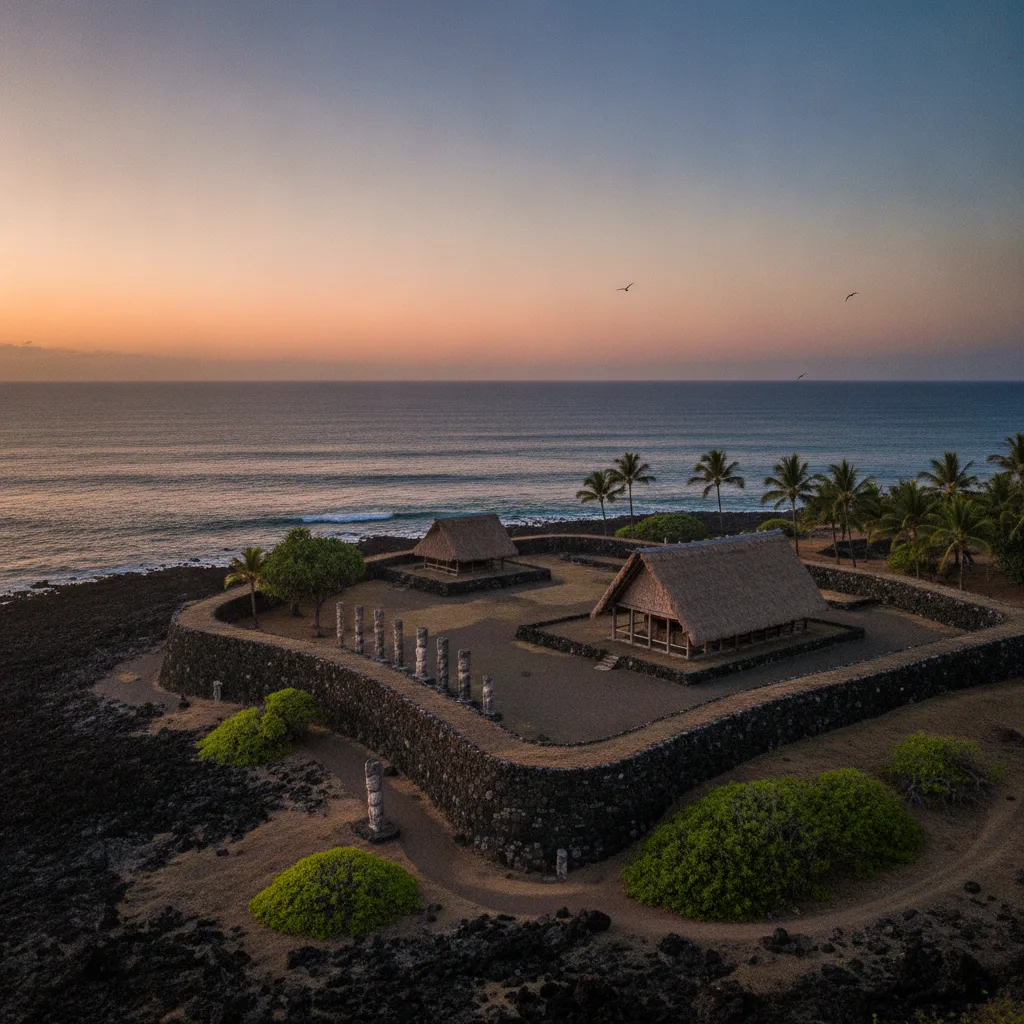
Our team at Visit America believes that truly understanding a destination means delving into its heart, its history, and its unique spirit. For the Big Island of Hawaii, few places encapsulate this better than Pu'uhonua o Honaunau National Historical Park. This sacred "place of refuge" offers an unparalleled journey into ancient Hawaiian culture, a site where kapu-breakers and defeated warriors once found sanctuary and a second chance at life. We've meticulously researched every detail to bring you this comprehensive guide, ensuring your visit is as enriching and seamless as possible in 2026.
Pu'uhonua o Honaunau Travel Guide — Hawaii
Why Visit Pu'uhonua o Honaunau
Stepping onto the grounds of Pu'uhonua o Honaunau is like stepping back in time, offering a profound connection to Hawaii's rich past. This isn't just another historical site; it's a living testament to a sophisticated ancient legal system and the deep spiritual beliefs of the Hawaiian people. For centuries, this sacred sanctuary provided a haven for those who broke the strict kapu (sacred laws), which were often punishable by death. If a lawbreaker could reach the pu'uhonua, they would be absolved by a kahuna (priest) and allowed to return to society. This concept of forgiveness and second chances imbues the entire park with a palpable sense of peace and mana (spiritual power).
Our team finds the historical significance alone compelling enough for a visit. You'll witness the impressive Great Wall, a 400-year-old lava rock structure that physically and symbolically separated the royal grounds from the place of refuge. The reconstructed Hale o Keawe temple, guarded by intricately carved wooden ki'i (statues), once housed the bones of 23 revered chiefs, whose spiritual essence was believed to protect the sanctuary. Beyond the historical structures, the park's stunning coastal setting, with its black lava rock shoreline and towering coconut palms, provides a breathtaking backdrop to this cultural immersion. It’s a place where you can truly feel the weight of history and the enduring spirit of aloha.
Who It's Best For
Pu'uhonua o Honaunau appeals to a wide range of visitors, making it a versatile stop on any Big Island itinerary. We believe it's particularly ideal for:
- **History and Culture Enthusiasts:** If you have a keen interest in ancient civilizations, indigenous cultures, and spiritual practices, this park is a must-see. The detailed interpretive signs, ranger talks, and cultural demonstrations offer deep insights into Hawaiian society, the kapu system, and the daily lives of its people.
- **Families with Older Children:** While younger children can enjoy the open spaces and Junior Ranger programs (more on that below), older kids and teenagers will likely better grasp the complex history and cultural significance of the site. It's an excellent educational opportunity disguised as an engaging outdoor exploration.
- **Those Seeking Tranquility and Reflection:** The peaceful energy of the park, set against the serene backdrop of the Kona coast, offers a chance for quiet contemplation. It's a place to slow down, absorb the surroundings, and reflect on the powerful stories embedded within the landscape.
- **Travelers Staying on the Kona Side:** Its location on the South Kona coast makes it easily accessible for those based in Kailua-Kona or Captain Cook, fitting perfectly into a day trip exploring the region.
While not primarily a recreational park, its adjacent snorkeling opportunities at "Two Step" also make it attractive for those looking to combine cultural learning with marine exploration.
Getting There & Parking
Understanding how to get to Pu'uhonua o Honaunau is crucial for a smooth visit. The park is located on the rugged South Kona coast of the Big Island, approximately 20 miles south of Kailua-Kona.
By Car:
The easiest and most common way to reach the park is by car. From Kailua-Kona, our team recommends taking Highway 11 South for about 20 miles. Between mile markers 103 and 104, at the Hōnaunau Post Office, you'll turn right towards the ocean onto Highway 160. Continue for 3.5 miles, then turn left at the prominent Pu'uhonua o Honaunau National Historical Park sign. The drive from Kailua-Kona typically takes around 30 to 40 minutes, though travel times can vary due to traffic conditions in North Kona.
If you're coming from Hilo, there are two main routes. You can take Highway 11 South, passing through Hawaii Volcanoes National Park, Pāhala, and Naʻalehu, before turning left onto Highway 160 between mile markers 103 and 104. This route is approximately 107 miles. Alternatively, from Hilo going north, take Highway 19 to the junction of Highway 190 in Waimea, follow Highway 190 until it intersects with Highway 11, turn left, and then follow the directions as if coming from Kailua-Kona. This route is about 116 miles.
By Bus:
For those preferring public transport, the Hele-On Bus offers service to the park via the 204 bus line. This can be a scenic and stress-free way to reach the park.
Parking:
Once you arrive, parking is available within the park grounds. However, it's important to note that parking is not guaranteed and the lot can fill to capacity, especially during peak hours. Our team advises arriving between 8:30 AM and 10:30 AM or after 2:30 PM to increase your chances of finding a spot. The parking fee is included in your admission. There's also an alternate parking area further into the park, near the ocean and picnic tables, which can shorten the hike on the 1871 Trail.
Top Things to Do
There are numerous things to do at Pu'uhonua o Honaunau that allow for a deep dive into Hawaiian history and culture. Our team recommends allocating at least 2-3 hours to fully appreciate the site. Here are the top things to do at Pu'uhonua o Honaunau:
- **Self-Guided Walking Tour:** Most visitors explore the park via a well-marked 0.5-mile self-guided walking tour through the Royal Grounds and the Pu'uhonua. Grab a park map at the Visitor Center to correspond with numbered markers along the trail, providing detailed information about each point of interest. An audio tour is also available via the official NPS app, enhancing the experience with narrated stories and historical insights.
- **Explore the Royal Grounds:** As you enter, you'll walk beneath towering coconut palms, a hallmark of the Royal Grounds. Here, you'll encounter the Hale o Keawe temple, a sacred heiau (temple) guarded by striking wooden ki'i (statues). These grounds also feature anchialine (brackish water) royal ponds, historically used to hold fish for the ali'i (chiefs), and the Keoneʻele Cove, a protected canoe landing. Don't miss the Kōnane Papamū, a stone playing surface for the ancient Hawaiian game of checkers.
- **Visit the Pu'uhonua (Place of Refuge):** This is the heart of the park, separated from the Royal Grounds by the impressive Great Wall. Here, you'll learn about the kapu system and how those who broke sacred laws could find absolution and a new beginning. The spiritual weight of this area is undeniable.
- **Attend Ranger Talks and Cultural Demonstrations:** Park rangers offer daily talks in the amphitheater next to the Visitor Center, bringing the park's history to life with fascinating stories. Additionally, cultural demonstrations featuring traditional Hawaiian crafts like lei making, lauhala weaving, wood carving, and canoe carving, as well as ancient Hawaiian games, are frequently offered. Check the Visitor Center for schedules.
- **Hike the 1871 Trail:** For a more active experience, hike a portion of the 1871 Trail, an ancient Hawaiian foot trail that leads to the site of an abandoned fishing village, Kiʻilae Village. The round trip to the village is 2.5 miles, offering peaceful solitude and sweeping mountain views.
- **Picnic by the Ocean:** The park features designated picnic areas under the shade of coconut trees, providing a tranquil setting to enjoy a meal amidst nature with beautiful coastal views.
- **Snorkel at "Two Step" (Hōnaunau Bay):** While technically outside the park boundaries, the adjacent Hōnaunau Bay, known locally as "Two Step," is one of the Big Island's premier snorkeling spots. It teems with tropical fish and sea turtles, with large brain coral formations creating an incredible underwater landscape. Remember to bring your own snorkel gear, as it's not available for rent at the park.
Beyond the park, the Big Island offers a plethora of activities. When considering things to do in Big Island, we highly recommend exploring Hawaii Volcanoes National Park, where you can witness Kīlauea, one of the world's most active volcanoes. Other popular things to do in Big Island include snorkeling with manta rays at night, visiting black and green sand beaches, stargazing at Mauna Kea, and exploring local coffee farms.
Best Time to Visit
To maximize your experience at Pu'uhonua o Honaunau, our team has identified the optimal times to visit, considering both weather and crowd levels.
Time of Day:
The park is typically hot and sunny, with daytime temperatures often in the upper 80s Fahrenheit. To avoid the peak heat and larger crowds, we strongly recommend visiting in the early morning, shortly after the park opens, or in the late afternoon. The park itself is open daily from 8:15 AM until 15 minutes after sunset, while the Visitor Center operates from 8:30 AM to 4:30 PM. Arriving early also increases your chances of securing a parking spot, as the lot can fill up.
Time of Year:
The Big Island generally enjoys pleasant weather year-round, but specific months can offer advantages. For those primarily interested in snorkeling at the adjacent Hōnaunau Bay ("Two Step"), September is often cited as the best time. During this month, water temperatures are ideal (ranging from 69 to 86 degrees Fahrenheit), and there are typically fewer visitors, allowing for a more serene underwater experience.
Generally, the shoulder seasons (April-May and September-November) offer a good balance of pleasant weather and fewer crowds compared to the peak winter and summer months. However, the park is open year-round, so any time you visit, you'll find its historical and cultural richness intact. Always check the park's official website for any alerts or temporary closures due to high winds or dangerous storm conditions, which can occasionally occur.
Where to Stay Nearby
While Pu'uhonua o Honaunau is a destination in itself, our team understands the importance of comfortable and convenient accommodation. The park is located in the Captain Cook area, which offers a range of lodging options, from charming bed and breakfasts to larger resorts a bit further north.
Hotels and Resorts:
- **Dragonfly Ranch:** Located just 1.6 miles from the park, this 3-star B&B offers a tranquil retreat with free breakfast and parking. It's highly rated for its peaceful, nature-surrounded environment.
- **Gingerhill Farm Retreat:** About 5.7 miles away, this 3-star property provides a unique farm stay experience.
- **OUTRIGGER Kona Resort & Spa:** For those seeking more amenities, this 4-star resort is located approximately 10-16 miles from the park, offering a more traditional resort experience with ocean views and a friendly staff.
- **Hale Hoola B&B:** Situated 2.4 miles from the park, this 3-star B&B provides free WiFi, parking, and private balconies.
Many of these accommodations are found in the broader Captain Cook and South Kona districts, providing easy access to the park as well as other local attractions like coffee farms and snorkeling spots.
Vacation Rentals:
The area around Pu'uhonua o Honaunau also boasts a variety of vacation rentals, including cottages, apartments, and houses, which can be ideal for families or those desiring more space and privacy. Websites like Vrbo and Expedia list numerous options, many with stunning ocean views or nestled in tropical gardens. When searching, look for rentals in Honaunau-Napoopoo or Captain Cook for the closest proximity to the park.
Regardless of your preference, we recommend booking your accommodation in advance, especially during peak travel seasons, to ensure availability and the best rates.
Sample 2-Day Itinerary
To help you make the most of your visit to Pu'uhonua o Honaunau and the surrounding Big Island, our team has crafted a sample 2-day itinerary. This plan balances cultural immersion with the island's natural wonders.
Day 1: Cultural Immersion at Pu'uhonua o Honaunau
- **Morning (8:30 AM - 12:00 PM):** Arrive early at Pu'uhonua o Honaunau National Historical Park to beat the heat and crowds. Start at the Visitor Center, pick up a park map, and consider downloading the NPS app for the audio tour. Embark on the 0.5-mile self-guided walking tour, exploring the Royal Grounds, the Hale o Keawe temple with its guardian ki'i, and the sacred Pu'uhonua (place of refuge). Take your time to read the interpretive signs and absorb the profound history. If available, attend a ranger talk to gain deeper insights into the kapu system and Hawaiian culture.
- **Lunch (12:00 PM - 1:00 PM):** Enjoy a picnic lunch at the park's designated picnic area, or head to a local eatery in the nearby Captain Cook area.
- **Afternoon (1:00 PM - 4:00 PM):** Spend the early afternoon either hiking a portion of the 1871 Trail to Kiʻilae Village for some solitude and scenic views, or immerse yourself further in Hawaiian traditions by attending any cultural demonstrations happening at the park, such as lei making or lauhala weaving.
- **Late Afternoon (4:00 PM - 6:00 PM):** Head to the adjacent Hōnaunau Bay (Two Step) for some of the Big Island's best snorkeling. Explore the vibrant coral reefs and keep an eye out for tropical fish and sea turtles.
- **Evening:** Enjoy dinner at a local restaurant in Captain Cook or Kailua-Kona, savoring fresh Hawaiian cuisine.
Day 2: Big Island Exploration
- **Morning (8:00 AM - 1:00 PM):** Dedicate your morning to exploring the renowned Kona coffee country. Take a tour of a local coffee farm, learn about the bean-to-cup process, and enjoy some tastings. Many farms are located just a short drive from Pu'uhonua o Honaunau.
- **Lunch (1:00 PM - 2:00 PM):** Grab lunch at a café or farm-to-table restaurant in the coffee region.
- **Afternoon (2:00 PM - 6:00 PM):** Choose your adventure:
- **Option A (Nature & Adventure):** Drive south to explore the stunning Punalu'u Black Sand Beach, famous for its unique black volcanic sand and often visited by Hawaiian green sea turtles.
- **Option B (Historical & Scenic):** Visit the Painted Church (St. Benedict Roman Catholic Church), a beautiful historic church with vibrant interior frescoes, located a short drive from the park.
- **Option C (Marine Life):** For an unforgettable experience, book a late afternoon/evening manta ray snorkel or dive tour out of Kailua-Kona.
- **Evening:** Enjoy a final Big Island dinner, perhaps a luau if you haven't experienced one yet, or simply relax at your accommodation.
This itinerary is flexible and can be adapted based on your interests and pace. Remember to check opening hours and make any necessary reservations for tours in advance, especially for popular activities like manta ray swims.
Is It Worth Visiting?
When travelers ask "is Pu'uhonua o Honaunau worth visiting," our answer is an emphatic yes. This National Historical Park offers a unique and profound experience that goes far beyond typical sightseeing. It's a place where you don't just observe history; you feel it.
The cultural and spiritual significance of Pu'uhonua o Honaunau is immense. It provides an authentic window into ancient Hawaiian society, showcasing the kapu system, the concept of refuge, and the deep reverence for chiefs and ancestors. The meticulously preserved and reconstructed structures, like the Great Wall and Hale o Keawe temple, are powerful visual reminders of this rich heritage. Our team consistently hears feedback from visitors who describe their time here as deeply meaningful and educational. It's a place that fosters a genuine understanding and appreciation for Hawaiian culture, which is an invaluable part of any trip to the islands. So, if you're seeking more than just beautiful beaches and want to connect with the soul of Hawaii, then is Pu'uhonua o Honaunau worth visiting? Absolutely.
Expert Verdict: We believe Pu'uhonua o Honaunau is an essential stop for anyone visiting the Big Island, particularly those interested in history, culture, and a deeper understanding of Hawaii. It stands out from generic tourist attractions by offering a truly authentic and moving experience.
Visiting With Kids
Bringing the family to Pu'uhonua o Honaunau can be a rewarding experience, and our team has found that the park offers several engaging opportunities for children. When considering Pu'uhonua o Honaunau with kids, it's helpful to know what activities are available to keep them interested and educated.
- **Junior Ranger Program:** This is a fantastic way to engage children of various ages. Kids can pick up age-specific activity booklets at the Visitor Center, which include puzzles, coloring pages, and bingo related to the park's history and natural resources. Completing these activities allows them to earn a Junior Ranger badge, making their learning interactive and fun.
- **Interactive Self-Guided Tour:** The park's 0.5-mile self-guided walking tour is manageable for most children. The audio tour available through the NPS app can be particularly captivating, as it brings the kapu legends and historical stories to life in an accessible format. Encourage them to follow the numbered stops and listen to the narratives.
- **Cultural Demonstrations:** Children often enjoy the hands-on aspect of cultural demonstrations. They can watch artisans practicing traditional Hawaiian crafts like lei making, lauhala weaving, and canoe carving, or even learn about ancient Hawaiian games. These visual and interactive experiences can be very memorable.
- **Exploring the Grounds:** The open spaces of the Royal Grounds, with their towering coconut trees and royal fishponds, offer room for kids to explore (while staying on designated paths). They can look for honu (sea turtles) resting on the shoreline of Keoneʻele Cove or discover cool critters in the tidepools by the picnic area.
- **Picnic Areas:** The shaded picnic areas are perfect for a family break, allowing kids to refuel and relax amidst the beautiful surroundings.
- **Snorkeling at Two Step:** For older children who are confident swimmers, the adjacent "Two Step" snorkeling spot offers an exciting opportunity to see vibrant marine life, including tropical fish and sea turtles, just outside the park boundary.
It's important to remember that children under 16 years of age are exempt from the entrance fee, and a single vehicle pass covers up to 14 passengers, making it an affordable family outing. When planning your visit to Pu'uhonua o Honaunau with kids, consider going in the morning or late afternoon to avoid the hottest parts of the day, as there is minimal shade.
FAQ
Pu'uhonua o Honaunau tips
Our top tips for visiting Pu'uhonua o Honaunau include arriving early in the morning or late afternoon to avoid crowds and heat, downloading the official NPS app for the audio tour, wearing comfortable walking shoes, bringing plenty of water and sun protection, and allowing at least 2-3 hours for your visit. Remember to stay on designated paths as it is a sacred site, and consider combining your visit with snorkeling at nearby "Two Step."
Pu'uhonua o Honaunau parking
Parking is available at Pu'uhonua o Honaunau National Historical Park and is included with your admission fee. However, parking is not guaranteed, and the lot can reach capacity, especially during peak hours. We recommend arriving before 10:30 AM or after 2:30 PM for the best chance of finding a space. There's also an alternate parking area closer to the ocean and picnic tables.
best time to visit Pu'uhonua o Honaunau
The best time to visit Pu'uhonua o Honaunau is in the early morning or late afternoon to enjoy cooler temperatures and fewer crowds. For optimal snorkeling conditions at the adjacent Hōnaunau Bay, September is recommended due to ideal water temperatures and lower visitor numbers. The park is open year-round, but always check for current conditions and alerts.
Pu'uhonua o Honaunau hours and fees
As of 2026, Pu'uhonua o Honaunau National Historical Park is open daily from 8:15 AM until 15 minutes after sunset. The Visitor Center operates from 8:30 AM to 4:30 PM daily. Entrance fees are $20 per private vehicle, $10 per motorcycle, or $10 per person for pedestrians and cyclists, valid for 7 days. Children under 16 are admitted free. America the Beautiful passes are honored.
Pu'uhonua o Honaunau itinerary
A typical itinerary for Pu'uhonua o Honaunau involves starting at the Visitor Center, taking the 0.5-mile self-guided walking tour of the Royal Grounds and Pu'uhonua, attending a ranger talk or cultural demonstration, and potentially hiking a portion of the 1871 Trail. Many visitors combine this with snorkeling at "Two Step" in Hōnaunau Bay. Allow 2-3 hours for the park itself.
Pu'uhonua o Honaunau travel guide
This Pu'uhonua o Honaunau travel guide from Visit America highlights the park's profound historical and cultural significance as an ancient Hawaiian place of refuge. We cover essential information including how to get there, parking, current hours and fees for 2026, top things to do (such as self-guided tours, cultural demonstrations, and the 1871 Trail), the best times to visit, nearby accommodation options, and tips for visiting with kids. We aim to provide confident, specific, and non-generic advice for an enriching visit to this sacred Big Island site. For more ideas on exploring the Aloha State, check out our guide to the Best places in Hawaii.
In conclusion, Pu'uhonua o Honaunau National Historical Park stands as a powerful and essential destination for anyone seeking to understand the true spirit of Hawaii. Our team is confident that a visit here will leave you with a deeper appreciation for the island's rich cultural tapestry and the enduring legacy of its people. We encourage you to explore this sacred site, allowing its stories of refuge and forgiveness to resonate with you long after you've left its shores. For those planning a broader Hawaiian adventure, consider also exploring Hawaii Volcanoes National Park or even the historic Pearl Harbor & USS Arizona Memorial on Oahu.
Last updated: 2026-07-05 by the Visit America team.